Pac-Man Maze Worksheet: Count and Move!
This dice-counting maze gives children ages 3-5 repeated practice matching a rolled number to the correct number of moves, reinforcing accurate counting under a bit of playful pressure. Tracking Pac-Man's current position after each roll also builds short-term spatial memory, since children must remember where they left off before moving again.
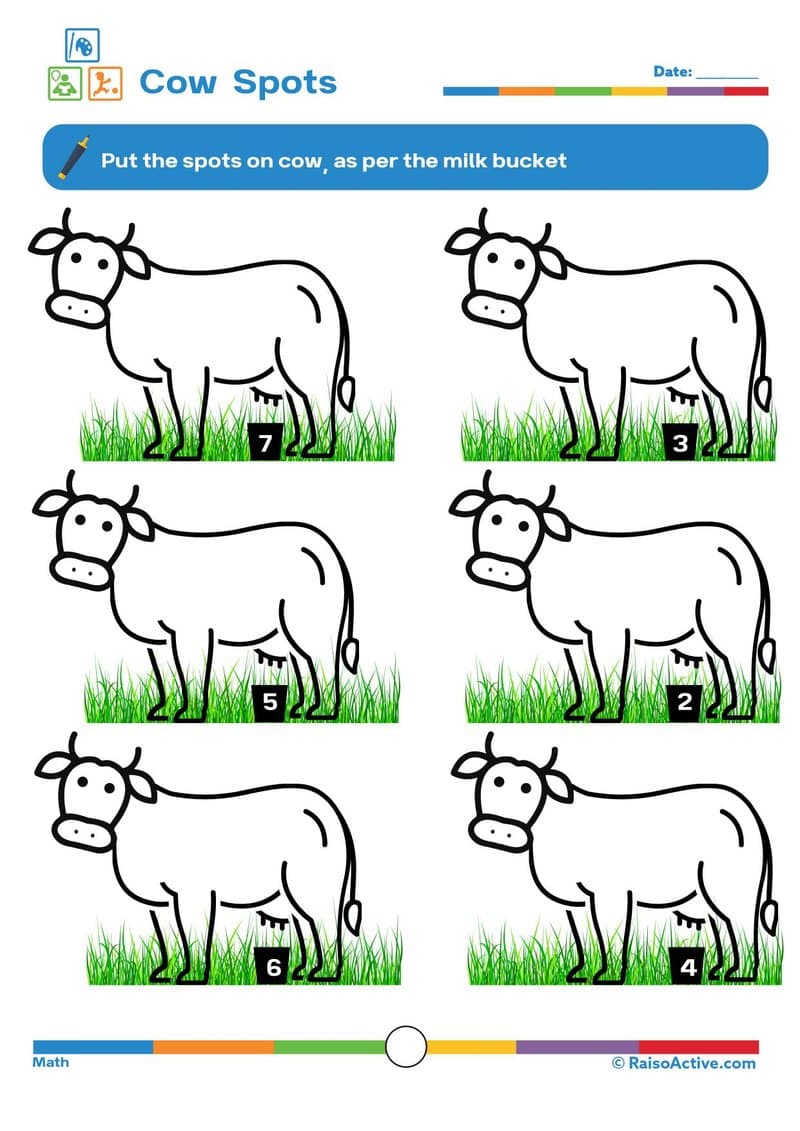
Part of the pack
Early Learning Activity Book: Math, Science, Literacy & Cognitive Skills for Preschoolers (Ages 3-6)
This is page 10 of the pack. Ages 3-6 · Preschool–KindergartenAges 3-6 · Nursery–Year 1Ages 3-6 · Nursery–UKGAges 3-6
Made for your child
Counting to 10, made for your child
A maths pack with your child's name in it: pictures that explain, practice at three levels, puzzles and story sums about them. Print a new set whenever they finish.
Make a maths packFree preview · free for members
Curriculum
- Cognitive - Problem Solving > Mazes
How to use this worksheet
Set a starting point for Pac-Man at the beginning of the maze path. Have your child roll the die, count the dots aloud, and then move their finger along the maze that same number of spaces, counting each space as they go. Continue rolling and counting in turns until Pac-Man reaches the maze's end. Once finished, review the whole journey together, recalling how many total moves it took.
Materials needed
- Pencil
- Dice
Extension activities
- 1Use a small toy or coin as a game piece to move through the maze instead of just a finger.
- 2Draw a brand-new maze on blank paper and play the same dice-counting game with it.
- 3Swap the die for number cards to practice recognizing written numerals instead of counting dots.
- 4Race against a sibling or parent using two separate maze printouts and see who finishes first.

Written by
Hemsweta Jain · Teacher Cheena
MBA and Early Childhood Educator, teaching since 2014 · Founder of RaisoActive, Mumbai
Every RaisoActive worksheet is designed and checked by the founder before publishing.
Published · Last reviewed
More from Early Learning Activity Book: Math, Science, Literacy & Cognitive Skills for Preschoolers (Ages 3-6)
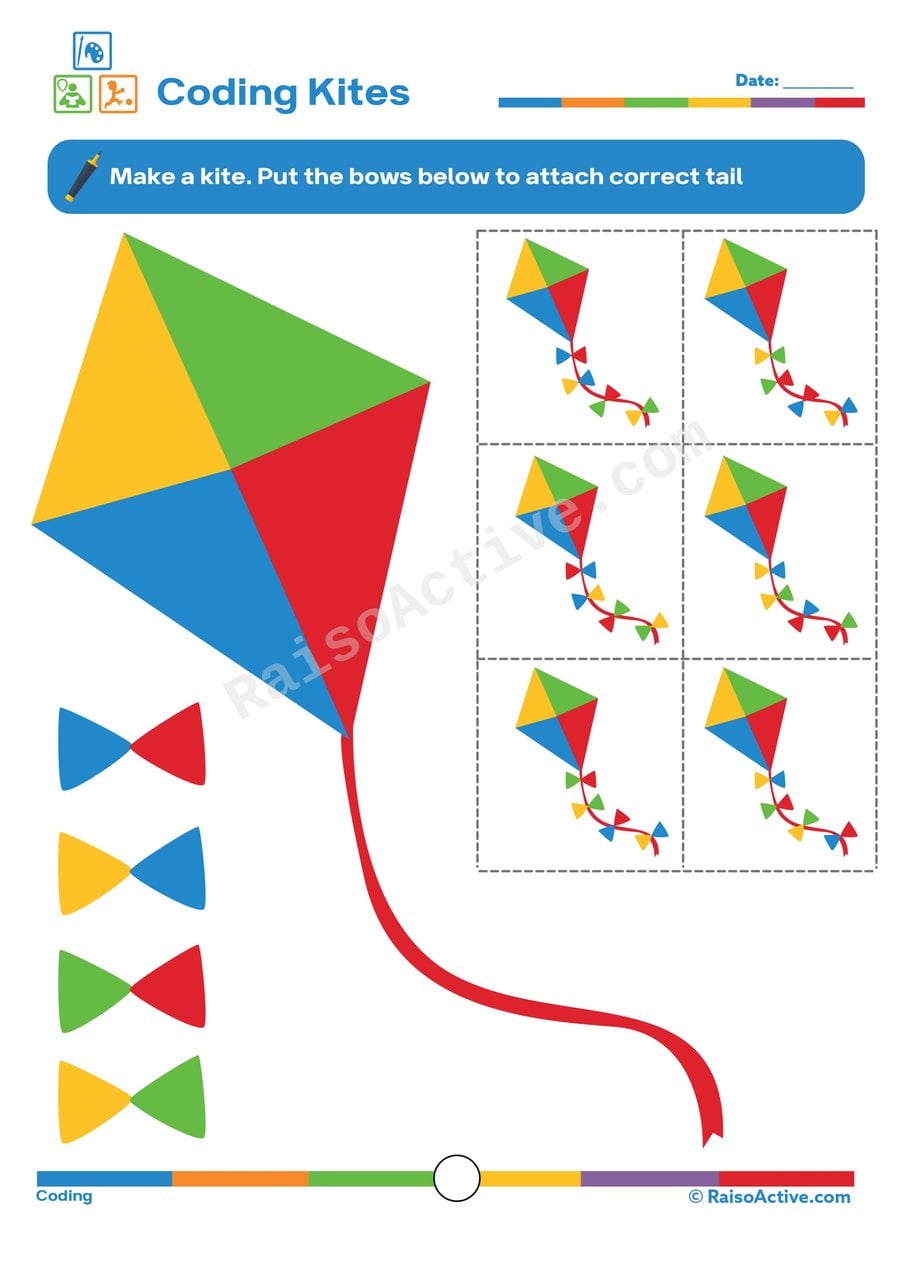
Coding Kites Worksheet: Match the Bows!
Ages 3-5 · Preschool–Pre-KAges 3-5 · Nursery–ReceptionAges 3-5 · Nursery–LKGAges 3-5
This activity sharpens visual observation in children ages 3-5 as they compare color sequences on each kite to a set of loose bows and find the exact match. Careful, systematic comparison — checking each color in order rather than glancing quickly — builds an attention-to-detail habit that transfers directly to early reading and number work.
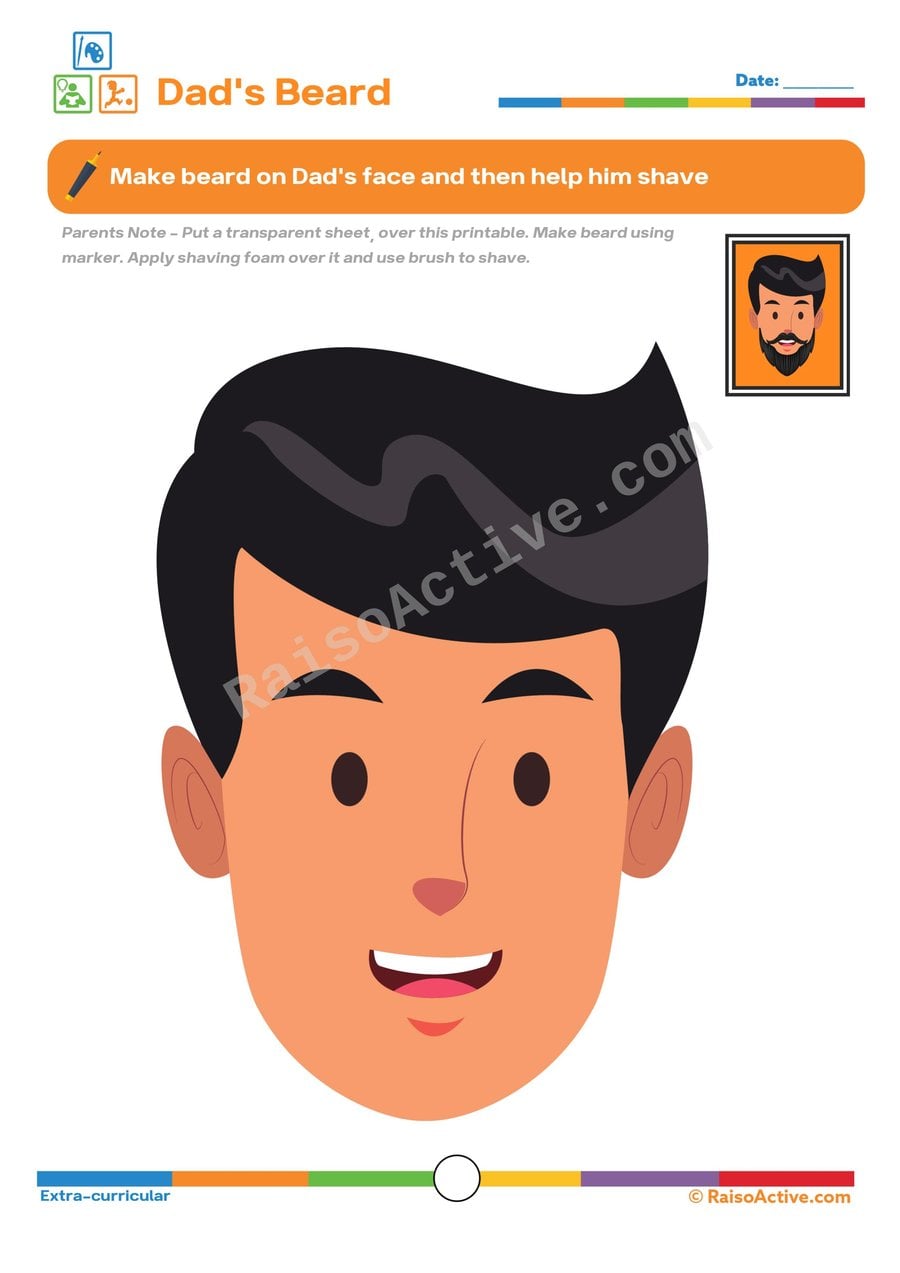
Dad's Beard: A Fun Shaving Activity for Kids!
Ages 3-5 · Preschool–Pre-KAges 3-5 · Nursery–ReceptionAges 3-5 · Nursery–LKGAges 3-5
This playful pretend-shaving activity builds fine motor control and bilateral coordination in children ages 3-5, as they draw a beard with a marker and then 'shave' it away using foam and a brush in careful, controlled strokes. It also introduces a simple science idea — that shaving foam can be applied and removed in layers — while giving children a hands-on, sensory way to imitate an everyday grown-up routine.

Soap & Pepper Science Experiment Worksheet for Preschoolers
Ages 3-5 · Preschool–Pre-KAges 3-5 · Nursery–ReceptionAges 3-5 · Nursery–LKGAges 3-5
This simple experiment introduces children ages 3-5 to the basic science of surface tension and how soap breaks it, using pepper flakes sprinkled on water as a visual demonstration. Watching the pepper scatter away the instant soap touches the water gives children a concrete, memorable example of cause and effect, an early building block for scientific thinking.
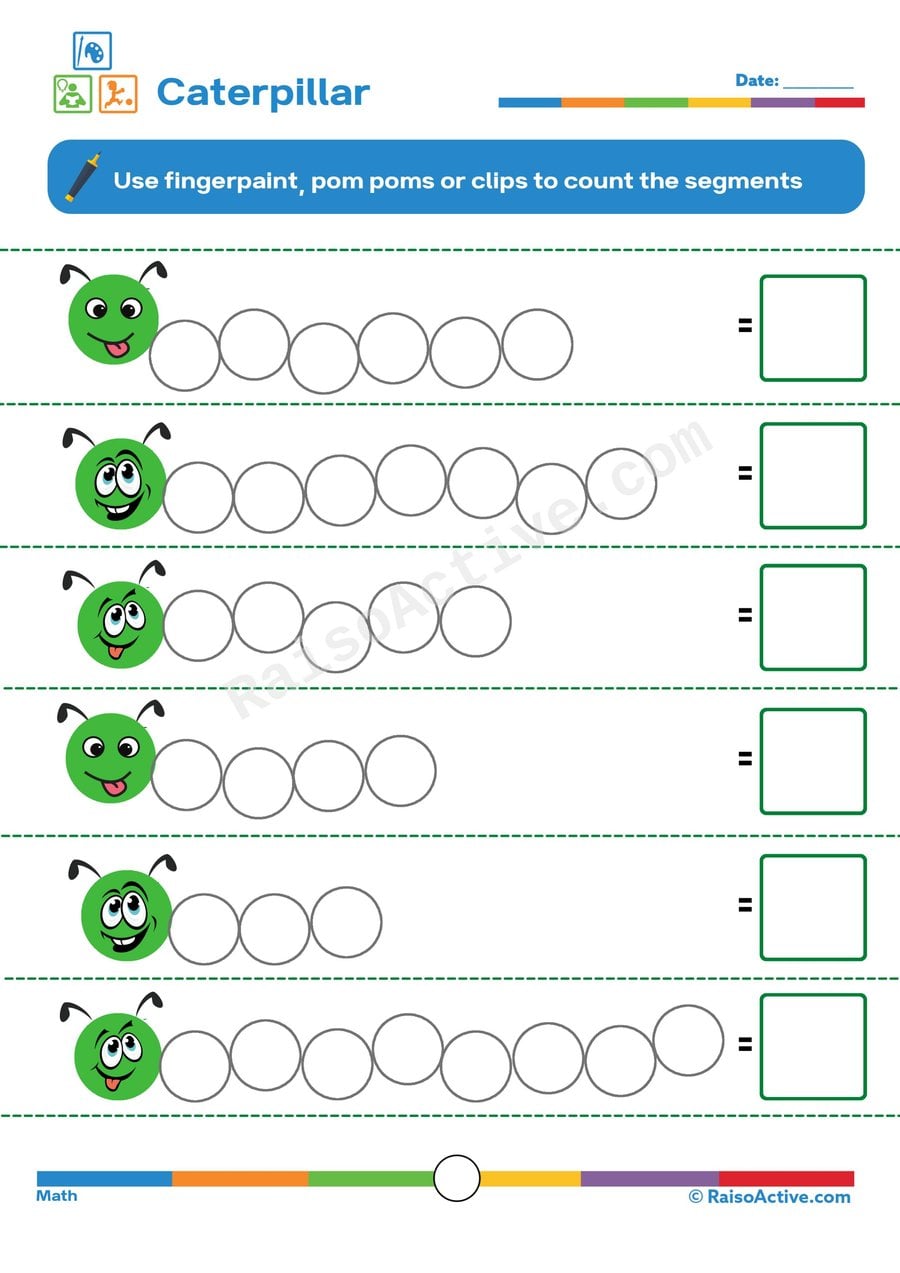
Caterpillar Counting Worksheet for Preschoolers
Ages 3-5 · Preschool–Pre-KAges 3-5 · Nursery–ReceptionAges 3-5 · Nursery–LKGAges 3-5
Counting the segments of each caterpillar teaches children ages 3-5 one-to-one correspondence — touching or marking each segment exactly once while saying a number — which is the core skill underlying accurate counting. Writing the final total in a box also connects the physical act of counting to its written numeral, reinforcing early number-writing practice.
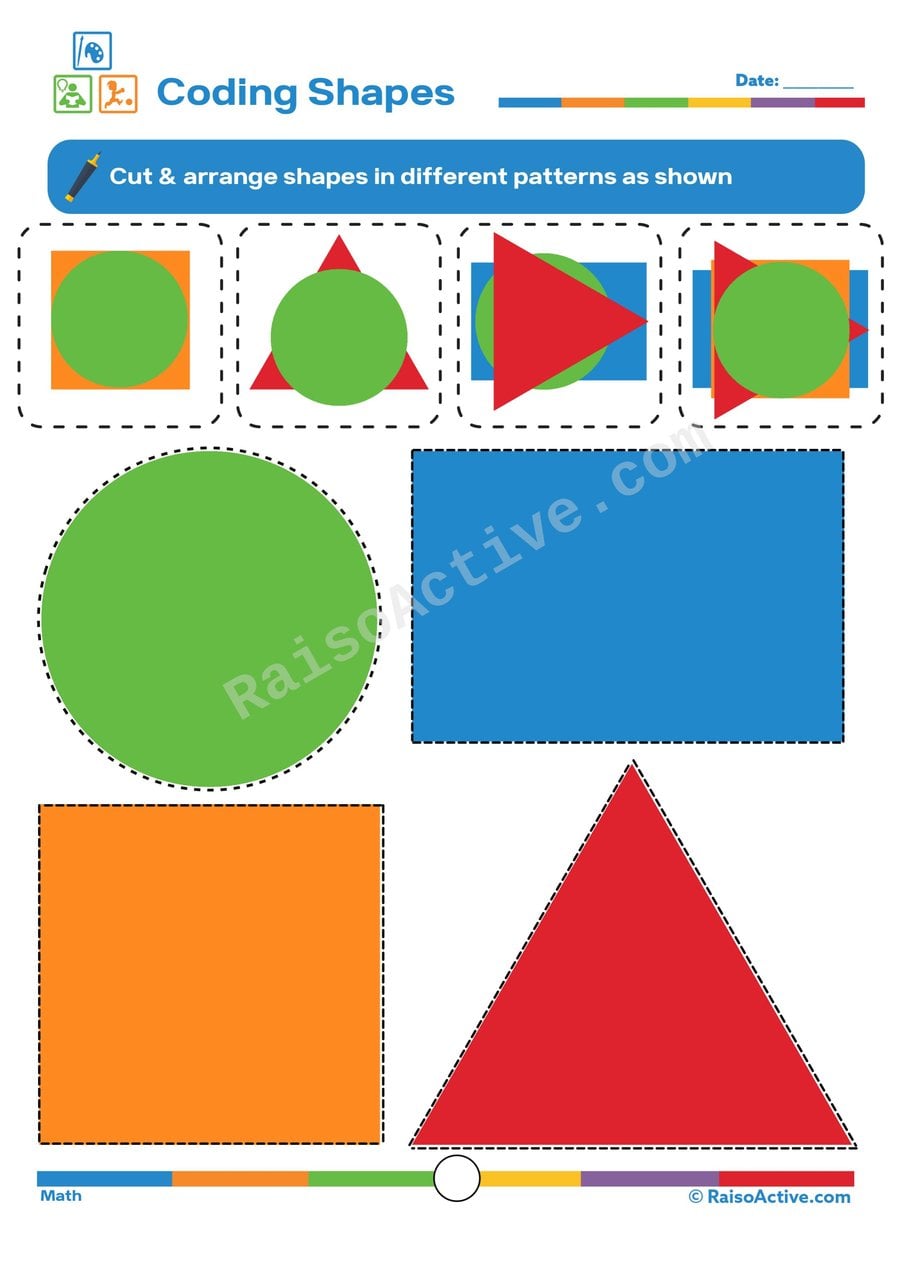
Coding Shapes Worksheet: Cut and Arrange Shapes!
Ages 3-5 · Preschool–Pre-KAges 3-5 · Nursery–ReceptionAges 3-5 · Nursery–LKGAges 3-5
This cut-and-paste worksheet has children ages 3-5 recreate example shape sequences by cutting out individual pieces and arranging them to match, combining shape recognition with the ordered, step-by-step thinking used in early coding and pattern logic. The physical act of cutting and precisely placing each piece also strengthens fine motor control and spatial planning.

Elephant Shapes: Fun Sorting Worksheet for Preschoolers!
Ages 3-5 · Preschool–Pre-KAges 3-5 · Nursery–ReceptionAges 3-5 · Nursery–LKGAges 3-5
This playful sorting worksheet has children ages 3-5 use an elephant's 'trunk' (their own hand reaching through a cut circle) to pick and sort shapes, building both shape recognition and simple classification skills. Physically selecting and grouping shapes by type, rather than just naming them on sight, helps solidify the concept that shapes can share a category even when their size or color differs.

Lock and Key Matching Worksheet for Preschoolers
Ages 3-5 · Preschool–Pre-KAges 3-5 · Nursery–ReceptionAges 3-5 · Nursery–LKGAges 3-5
Matching each key to the lock sharing the same letter helps children ages 3-5 practice letter recognition in a playful, puzzle-like context rather than rote drilling. Because each key must be checked against several similar-looking locks before finding the right match, this worksheet also builds visual scanning and careful comparison skills that support problem-solving.

Stick Man Emotions Worksheet: Happy, Sad, Angry, and Surprised!
Ages 4-6 · Pre-K–KindergartenAges 4-6 · Reception–Year 1Ages 4-6 · LKG–UKGAges 4-6
Children ages 4-6 practice reading facial expressions on this worksheet, matching stick-figure faces to their correct emotion labels by noticing details like mouth shape and eyebrow position. This strengthens emotional literacy — the ability to name and recognize feelings in others — which supports empathy and smoother social interactions as children move into more group play and classroom settings.
Related worksheets

Castle Maze Worksheet: Help the Prince Reach the Castle!
Ages 3-5 · Preschool–Pre-KAges 3-5 · Nursery–ReceptionAges 3-5 · Nursery–LKGAges 3-5
This 'Castle Maze' worksheet helps children ages 3-5 develop crucial fine motor control and hand-eye coordination as they trace a path for the Prince. Navigating the maze also builds early critical thinking and problem-solving skills, requiring them to visually scan and plan a route, which is foundational for spatial reasoning.

Snow Maze Adventure: Help the Girl Reach the Igloo!
Ages 3-5 · Preschool–Pre-KAges 3-5 · Nursery–ReceptionAges 3-5 · Nursery–LKGAges 3-5
This worksheet helps young learners develop crucial pre-writing skills by guiding a pencil through a visual path. Children will practice fine motor control and hand-eye coordination as they navigate the snow maze. They'll also engage in early critical thinking, planning a route to help the girl reach the igloo.
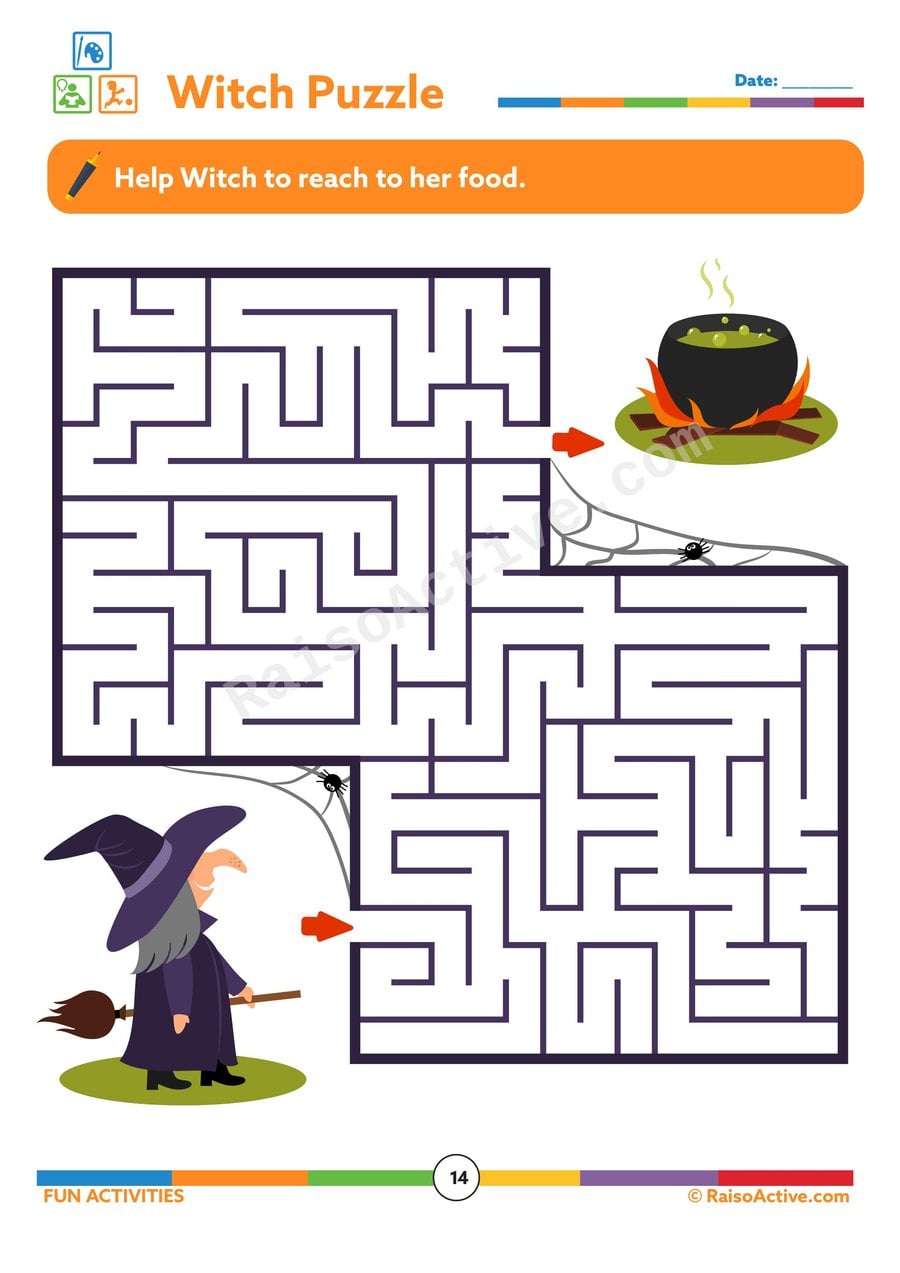
Witch's Maze: Help the Witch Find Her Food!
Ages 3-5 · Preschool–Pre-KAges 3-5 · Nursery–ReceptionAges 3-5 · Nursery–LKGAges 3-5
Guiding the witch through the maze to her food asks children to visually scan several possible paths, mentally rule out the dead ends, and commit to a single route — an early form of planning and problem-solving that lays groundwork for later logical thinking. The seasonal Halloween theme also makes this a fun, low-pressure way to build maze-solving skills without it feeling like schoolwork.

Help the Kid Reach the Doctor! A Fun Maze Worksheet
Ages 3-5 · Preschool–Pre-KAges 3-5 · Nursery–ReceptionAges 3-5 · Nursery–LKGAges 3-5
This maze worksheet builds fine motor control and pencil precision as children trace a winding path from a sick child to the doctor, while scanning for the correct route develops early planning and visual-spatial problem-solving. For ages 3-5, mazes are also a gentle way to introduce the idea that some situations, like feeling unwell, call for finding help from a trusted adult.
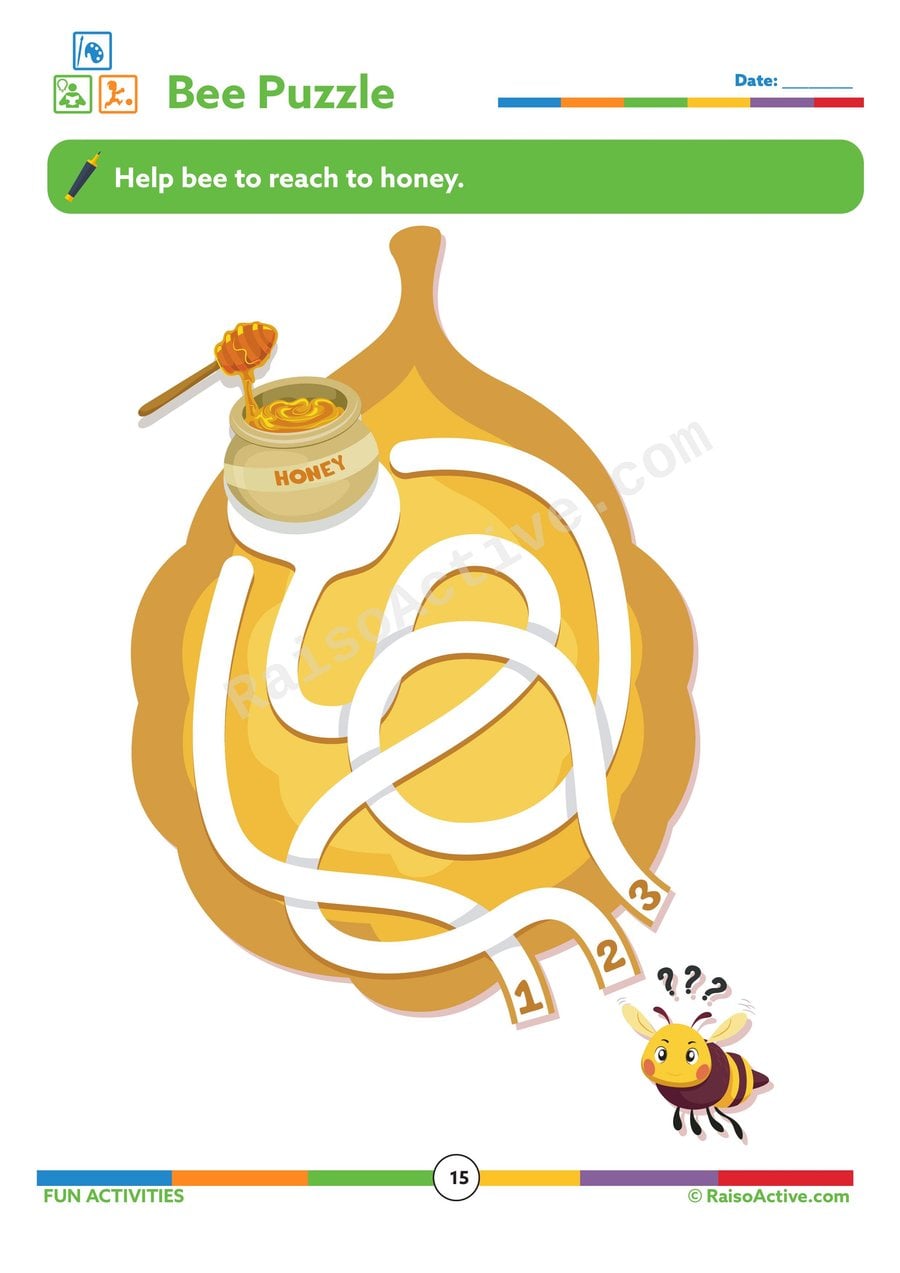
Bee Maze Worksheet: Help the Bee Find the Honey!
Ages 3-5 · Preschool–Pre-KAges 3-5 · Nursery–ReceptionAges 3-5 · Nursery–LKGAges 3-5
Guiding the bee through the maze to the honey pot builds the same visual-scanning and route-planning skills as other maze worksheets, asking children to look ahead, spot dead ends, and commit to a path rather than moving randomly. At ages 3-5, this kind of maze practice also strengthens the fine motor control needed to keep a pencil line steady over a winding path.

Help the Girl Find Her Way in the Rainy Weather Maze Worksheet
Ages 3-5 · Preschool–Pre-KAges 3-5 · Nursery–ReceptionAges 3-5 · Nursery–LKGAges 3-5
This maze worksheet builds fine motor control and visual planning in children ages 3-5 as they trace a path for a girl through a rainy-weather scene, collecting items she needs along the way. Because the maze is themed around gathering specific rain gear, it adds a light problem-solving layer on top of standard maze navigation, encouraging children to think about which path leads to the items that actually make sense for the weather.

Special Delivery Maze: Help the Postman Find the Houses!
Ages 3-5 · Preschool–Pre-KAges 3-5 · Nursery–ReceptionAges 3-5 · Nursery–LKGAges 3-5
This postman-themed maze strengthens fine motor control through pencil tracing while building visual tracking skills as children follow a winding path to the correct houses. Because the activity also involves reading numbers on a delivery note and matching them to numbered houses, it reinforces number recognition alongside the spatial problem-solving that mazes provide.
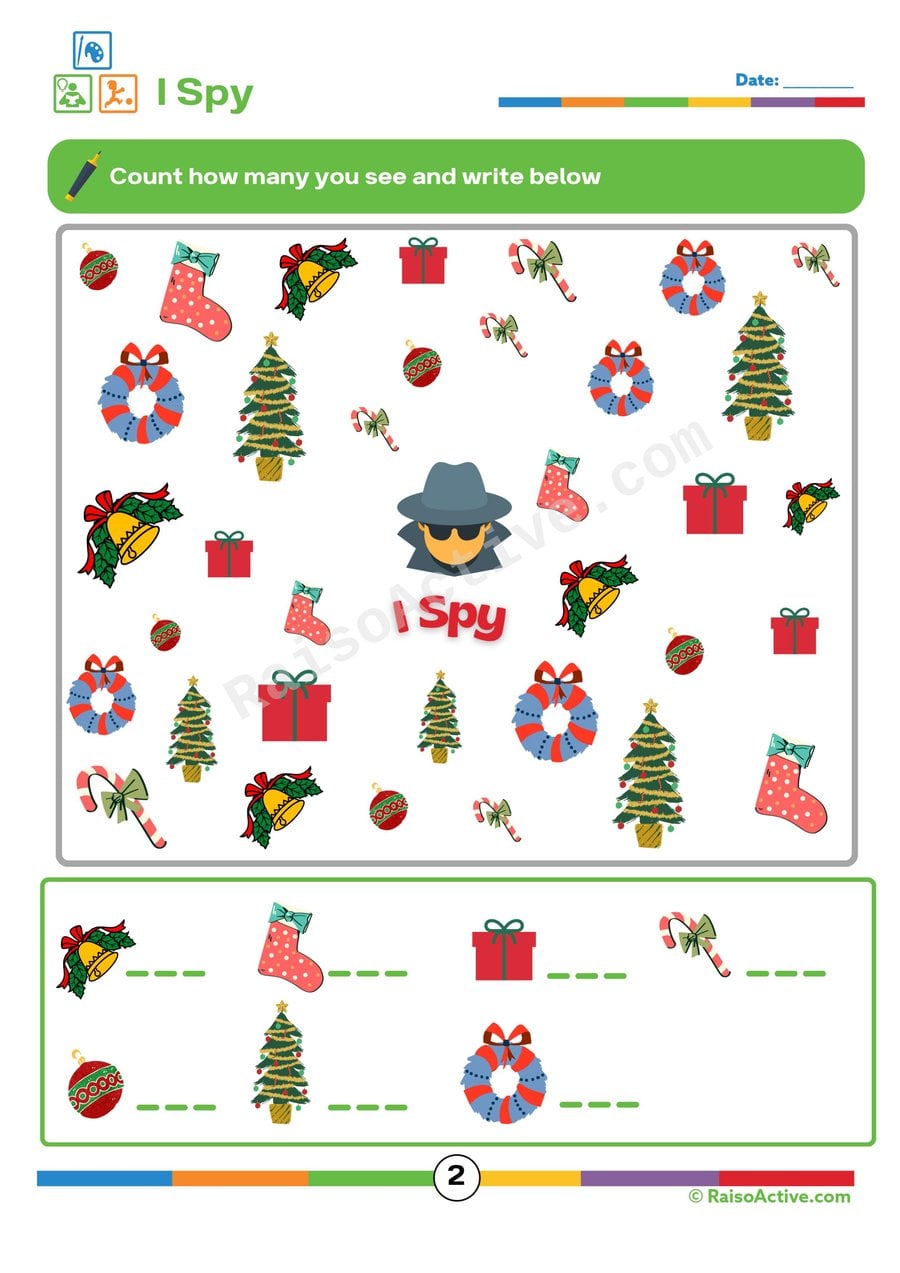
I Spy Christmas Worksheet: Count and Write!
Ages 3-5 · Preschool–Pre-KAges 3-5 · Nursery–ReceptionAges 3-5 · Nursery–LKGAges 3-5
This worksheet strengthens counting accuracy and number writing in children ages 3-5 as they search a busy Christmas scene for specific items and record how many they find. The 'I Spy' search format adds a visual scanning challenge on top of basic counting, since children must first locate every instance of an item scattered across the picture before counting it.
Guides for this topic

Number Formation Rhymes 0–9 and How to Fix Reversals
Original number formation rhymes for 0–9, the correct stroke order for each digit, why 3, 5 and 7 get reversed most often, and multisensory fixes that work.

Age-Appropriate Problem-Solving Activities: Building Critical Thinkers from the Ground Up
Discover fun, age-appropriate problem-solving activities for children ages 1-8. Build critical thinking, logic, and reasoning skills through play-based learning.
Critical Thinking Activities That Actually Work for Young Children: Building Tomorrow's Thinkers Today
Discover proven critical thinking activities for young children. Age-wise logic games, questioning techniques, and hands-on ideas to build thinking skills at home.
Reviews
Every worksheet for ages 3–5, no watermark
Members download the full library of 1,000+ worksheets and every activity pack without watermarks or daily limits. One year costs ₹999 in India or $20 elsewhere.
See membership plansOr download any worksheet free with a watermark (5 a day).