Feelings Activities for Kids: 8 Games That Name Big Feelings

Let's meet our feelings! Pick one page, grab a crayon and talk about it together.
- 5-10 minutes a game
- Printer, crayons, scissors
- At a table or on the floor
- Naming feelings, empathy
Feelings activities for kids work best when they give a feeling a name, a colour or a place in the body, and are played when everyone is calm. Here are eight printable games, from matching faces to weather to solving a feelings logic puzzle, that help children say what they feel and notice what other people feel.
Every game below uses a real page from our feelings worksheets. Pick one that suits your child today, play it for about five or ten minutes and stop while it is still fun. If you are looking for games for the moment after a big feeling has arrived, our calm down activities post covers those. This one is about the words and the noticing that come first.
Why teach children to name their feelings?
A child who can say "I am worried" has a lot more choices than a child who can only cry or shout. In the classroom it is common to see children who use "happy", "sad" and "angry" easily, and then struggle for the words in between, such as nervous, disappointed or left out. Games give those words a place to live, and the page gives a shy child something to point at instead of having to speak first.
- Play when everyone is calm, not in the middle of a hard moment
- Say every feeling is OK, and that it is what we do next that we can choose
- Share your own feelings in small, simple words too
- Let your child lead, and follow their lead if they want to stop
What are some feelings activities for kids to try at home?
Eight feelings games, one page each
The first five are for younger children, and the last three suit children who are starting to read and write. Pick one, play it and tick it off. You do not need to play them all in a week.
0 of 8 done
Look at the eight faces together, happy, sad, angry, scared, worried, surprised, excited and calm, and make each face yourselves. Then match each feeling to its feelings weather, such as sunny for happy and stormy for angry, and colour a heart for the feelings you have had this week. Finish by drawing your own face in the circle for today. It is the gentlest way in, because the weather gives children a picture to hold on to.

Feelings show up in the body first. Colour the body outline where YOU feel each feeling, for example hot and red for anger, a wobbly tummy for worry, heavy and blue for sadness and bouncy orange for excitement. Then draw a line from each body clue to the face it belongs to. Colour first and talk second, because many young children can show a feeling long before they can say it.

Cut out six flaps and glue each one over a face. Look at the picture on the flap, guess the feeling, then lift the flap to check. Talking about what is happening in a picture first, and naming the feeling second, is a good habit for reading faces. It is also quiet scissor and glue practice.

A grown-up secretly picks a caller card and makes that face. Your child guesses the feeling, finds it on their board and covers it with a button or colours it in. Three in a row in any direction wins, and everyone shouts Bingo! There are two boards and eight caller cards, so two children can play, and the grown-up can be the one who gets it wrong on purpose.

Read the short story about Kai, a red kite stuck in a tree and a grandfather who helps. Circle how Kai felt, put three pictures in order and then cut and build a pull-tab slider that moves Kai's face from sad to angry to calm to happy. Pull the tab again as you retell the story. It shows children that a feeling is not where the story ends.

For older children, match five feeling words to their meanings, sort words into happy, sad and scared families and choose the best word for four short situations. Words like proud, disappointed, nervous, grateful and embarrassed give children a finer vocabulary than just happy, sad and angry. Talk about when each one has happened to you, too.

A thermometer helps children see that feelings come in sizes. Put five feelings in order from calmest to most worried, then match problems to a small, medium or big reaction. The last part asks: if the reaction was bigger than the problem, what could you do instead? Use it after a hard moment, once everyone is calm, never in the middle of one.

Four friends, four different feelings and a set of clues: use the logic grid to work out who felt proud, nervous, disappointed and relieved. Then read three case notes with face, body and event clues and pick the feeling for each. The last box asks your child to notice a real feeling at home, without staring, and write down their clues. Older children love being the detective.

You earned a sticker!
All eight games played. That is a lot of feelings words and a lot of talking!
- Name your own feelings out loud during the day, for example "I feel a bit nervous about the phone call".
- Ask "What did your body tell you?" before "Why did you feel like that?".
- If a page brings up a big feeling, stop the game and cuddle first. The page can wait.
- Play the same game again a week later. Children like to see how their answers change.
What do feelings games help children learn?
Naming a feeling, spotting it on a face and noticing it in the body are the first steps of what teachers call emotional literacy. They also build early reading and thinking: sequencing a story, matching words to meanings, using clues to work out an answer and, with the cut-and-glue pages, a steady hand.
Name it, place it in the body, notice it in others, then choose what to do
The younger pages build the first words for feelings and link them to faces, weather and body clues. The story and flap pages practise sequencing and guessing from clues. The older pages add finer feeling words, the size of a reaction and detective-style reasoning. Short, regular games in a calm moment are easier to keep up than one long talk.
How can I make feelings games easier or harder?
Change the game to suit your child
Little ones
- Start with just two feelings, happy and sad, and add one new face each time.
- Make the faces yourself in a mirror before you look at the page.
- Let them point instead of speak when a feeling is hard to say.
Older kids
- Ask for a feeling word that is not on the page and when they last felt it.
- Have them play detective on a favourite book character, with face, body and event clues.
- Make a family thermometer and place yesterday's feelings on it together.
Where can I find more feelings printables?
For a week-long routine, try My Feelings Garden, where children draw a feeling face in a flower each day. For a story with questions to write about, try The Worst Best Day. To keep the feelings going with something to make, try our feelings finger puppets activity, where a puppet flips from sad to happy. The full set sits on the feelings worksheets hub.
Feelings fit into the wider picture of social-emotional learning for preschoolers, and our post on addressing mental health with young children goes into more detail for families. The two Big Feelings packs below gather these pages together.
Questions parents ask about feelings activities
What are good feelings activities for kids who are just starting?
How long should a feelings activity last?
Should I use these activities when my child is upset?
What if my child does not want to talk about feelings?
How many feelings should a young child know?
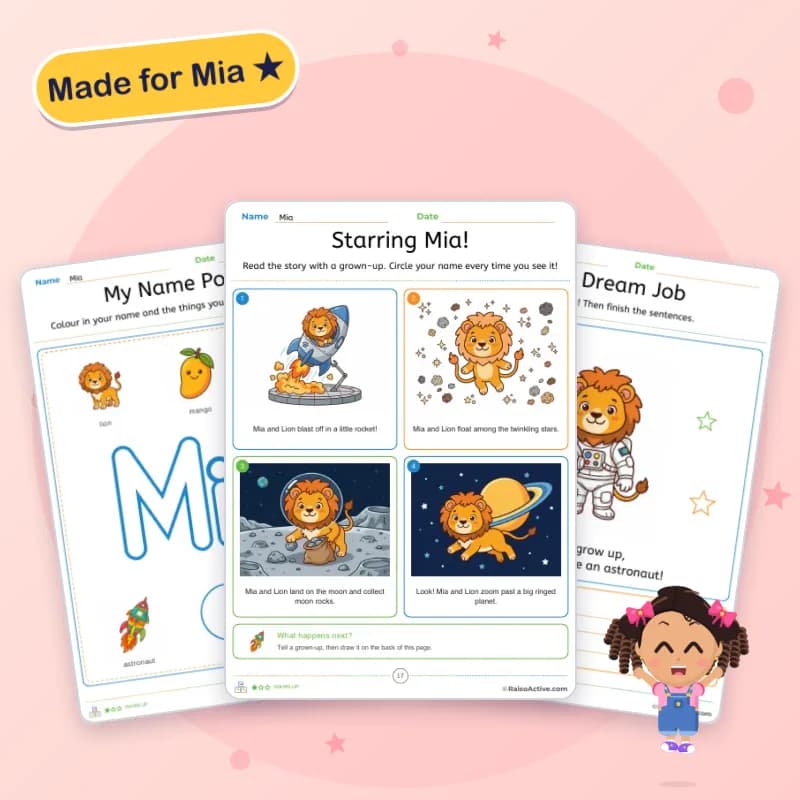
Made for your child
A whole activity pack made with their name
60 pages to spot, build, trace and write their own name, plus pages about their favourites, feelings and family. See a free preview with their name.
Make an All About Me packFree preview · free for members
Or start free: a name tracing sheet with their nameSee all 7 personalised packs
Written by
Hemsweta Jain · Teacher Cheena
MBA and Early Childhood Educator, teaching since 2014 · Founder of RaisoActive, Mumbai
Published · Last reviewed
Related posts
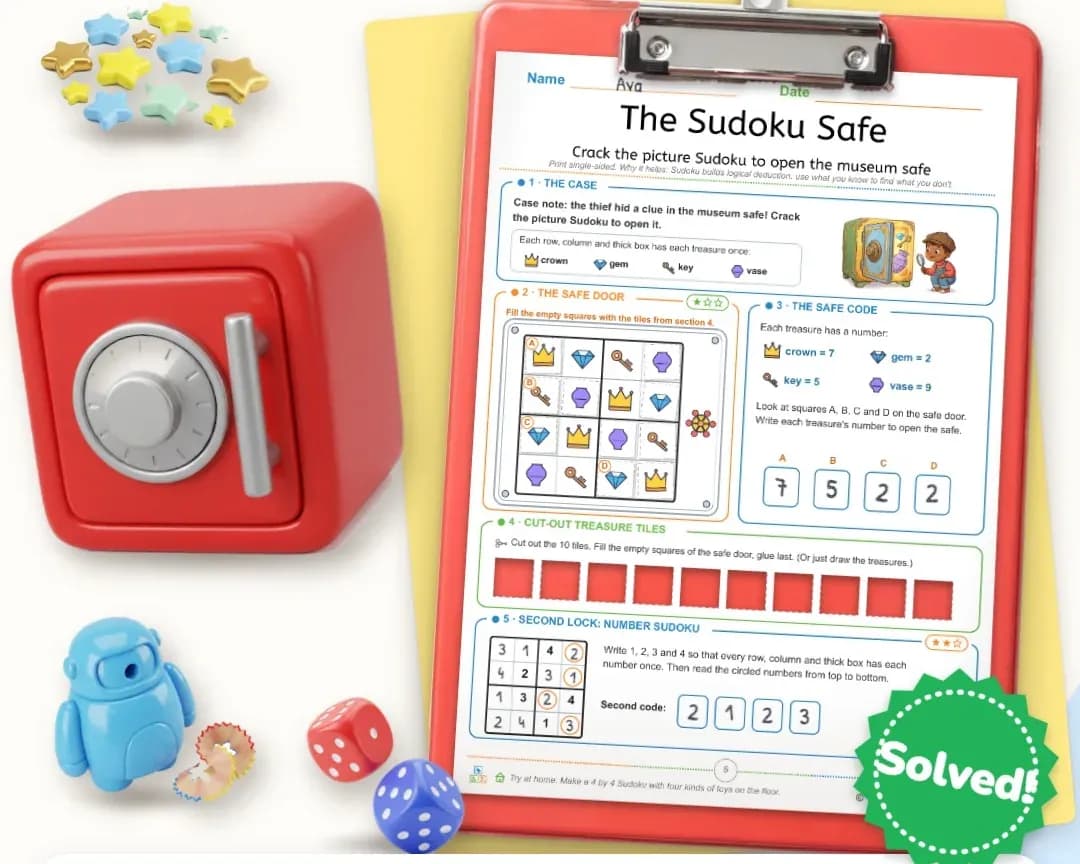
Logic Puzzles for Kids: 7 Printable Types to Try at Home
Logic puzzles for kids that make them think: picture sudoku, code wheels, tangrams, clue puzzles and escape rooms. What each builds and how to start.
Adapting Worksheets for Children with Special Needs: A Complete Guide for Parents and Educators
Practical strategies to adapt worksheets for children with ADHD, dyslexia, dysgraphia & sensory differences. Indian school context, CBSE tips, and OT advice included.
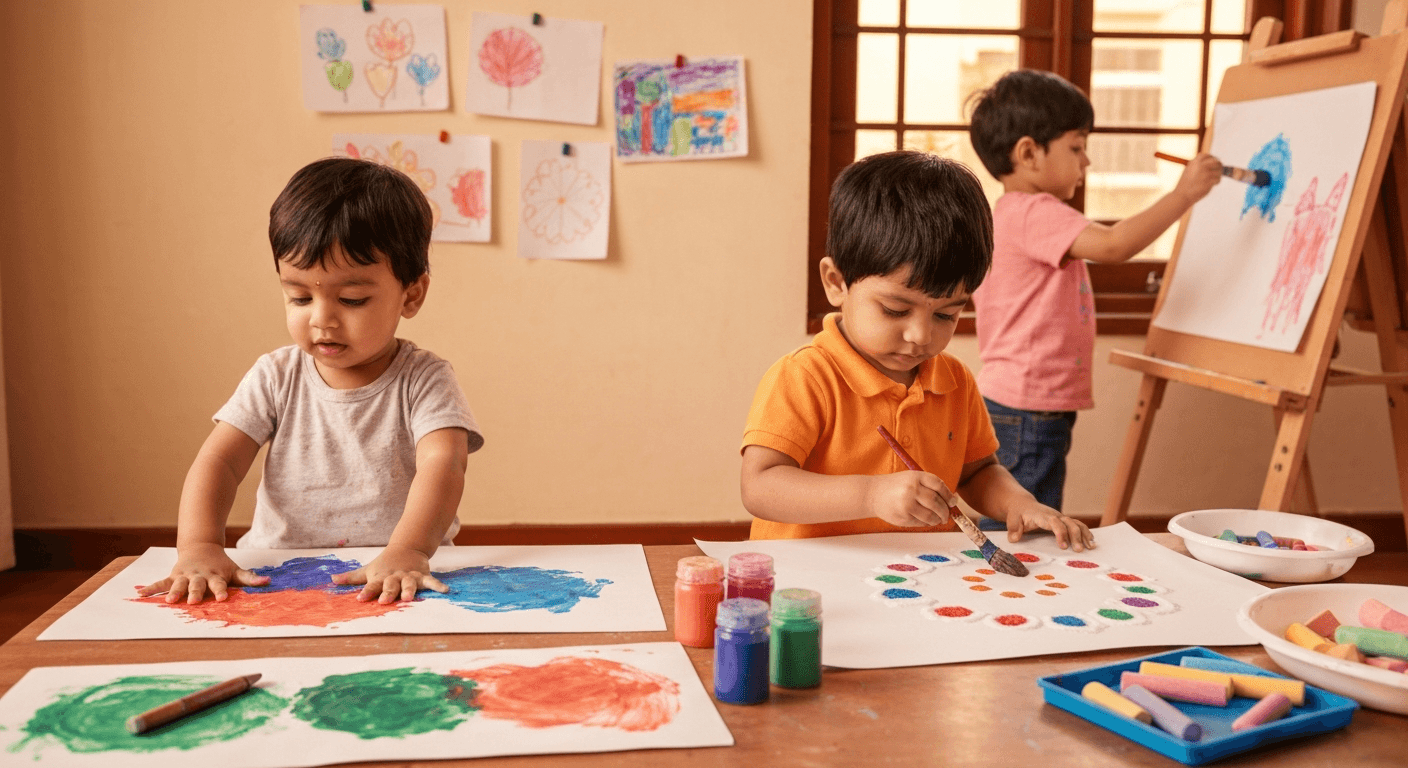
Creative Foundations: Art Activities That Build Essential Pre-Writing Skills in Young Children
Discover how finger painting, drawing, and Indian art traditions like rangoli build pre-writing skills in children ages 2-6. Expert tips for parents and teachers.