Finding Your Tribe: A Complete Guide to Discovering Local Homeschool Support Groups
Author
RaisoActive - Kids Activities and Fun Learning
Published
Updated
Reading Time
16 min read

- Homeschool support groups offer social connection, shared resources, and much-needed parent community — you don't have to do this alone
- India has a growing network of homeschool co-ops, city-specific Facebook groups, and WhatsApp communities that are easy to find and join
- Both online and in-person groups serve different needs — many families thrive by combining both formats
- If no group exists in your area, starting your own is simpler than it sounds and can begin with just two or three families
- Group activities like park days, skill swaps, and themed project days enrich learning without disrupting your individual schedule
Why Finding Your Homeschool Tribe Matters More Than You Think
One of the most common fears new homeschooling parents carry is the worry about isolation — for their children, yes, but often just as much for themselves. Teaching your own child is one of the most rewarding decisions a family can make, but it can also feel remarkably lonely when you are the only one in your neighbourhood, your apartment complex, or your family who has chosen this path. Well-meaning relatives ask pointed questions. Friends do not quite understand your daily rhythm. And on the days when things feel hard, there is no staffroom to duck into, no colleague to commiserate with over chai.
This is precisely why finding your homeschool tribe — your community of like-minded families walking a similar road — is not a luxury. It is genuinely essential for long-term sustainability. Research on homeschooling families consistently shows that those with access to support networks report higher satisfaction, greater confidence, and better outcomes for their children. And in India, that community is more accessible than most people realise. Whether you are in Mumbai or Mysuru, Hyderabad or a smaller hill-station town, there are families like yours looking for exactly the same connection.
New to homeschooling in India?
Subscribe for weekly activity ideas, resource recommendations, and community-building tips designed for Indian homeschool families.
The Real Benefits of Homeschool Community — For Children and Parents
Let us be specific about what a homeschool community actually gives you, because it is more than just playdates. For children, regular time with a consistent group of peers builds the kind of deep social skills that develop through repeated, meaningful interaction — negotiating during play, navigating disagreements, collaborating on projects, and simply learning the art of friendship over time. These are precisely the social experiences that homeschooled children benefit from having structured access to, since they are not moving through a school day surrounded by thirty children of the same age.
For parents, the community does something equally vital: it provides a reality check, a sounding board, and a source of practical wisdom. The parent whose seven-year-old suddenly refuses all writing practice, the family navigating a difficult season with a grandparent who disapproves, the mother wondering whether she is covering enough — these challenges are so much more manageable when you have someone who genuinely understands. A good homeschool group normalises the hard parts and celebrates the victories in a way that only those who have walked the same path can.
Beyond emotional support, there are deeply practical benefits too. Resource sharing — splitting the cost of a good curriculum, passing along materials your child has outgrown, borrowing specialist books — can make a meaningful difference to a family's homeschool budget. Skill sharing means that a parent who is confident in Hindi grammar can offer that to the group while another who loves hands-on science handles experiments. This kind of cooperative learning is genuinely enriching for children and sustainable for parents.
Types of Homeschool Groups: Finding the Right Fit for Your Family
Not all homeschool communities look the same, and that is a good thing. Different families need different kinds of support at different stages of their journey. Understanding the main types of groups will help you identify what you are actually looking for — and save you from joining a group that does not serve your family well.
Co-operatives (Co-ops) are the most structured form of homeschool community. Families come together regularly — typically once or twice a week — and parents take turns teaching classes or facilitating activities in their areas of strength. One parent might run a cooking and measurement session (maths in disguise), another leads nature journalling, a third handles spoken English practice or a regional language. The children get the benefit of different teaching styles and adult expertise; the parents get meaningful breaks from solo teaching and the satisfaction of contributing something to the group.
Park days and nature groups are far more informal — families simply meet regularly at a park or natural area, let the children play freely, and enjoy adult conversation in real time. These are often the easiest entry point for a new family, requiring no preparation, no commitments, and no particular philosophy alignment. They work beautifully as a first step into homeschool community.
Special interest groups gather around shared passions — art, chess, classical dance, robotics, astronomy, or storytelling. These tend to attract older children (five and up) and work well when your child has a strong interest that is difficult to pursue at home alone. Many cities have informal groups of this kind that welcome homeschoolers even if they are not exclusively homeschool communities.
Online communities — WhatsApp groups, Facebook communities, Telegram channels, and forums — deserve their own category and serious respect. For families in smaller cities or towns, or for parents who are newly homeschooling and not yet ready to meet in person, online communities can be a genuine lifeline. They provide instant access to a larger pool of experience, 24-hour availability, and connections that transcend geography.
How to Find Homeschool Groups in India: A Practical City-by-City Approach
India's homeschool community has grown substantially in the past decade, and the connective tissue is primarily digital. Here is where to actually look, starting with the most reliably productive channels.
Facebook Groups remain the most active hub for Indian homeschoolers. Search for terms like "homeschooling India," "unschooling India," "homeschool [your city]," or "deschooling India." Some of the most active national groups have thousands of members and daily conversations. City-specific groups exist for Bengaluru, Mumbai, Delhi NCR, Pune, Chennai, Hyderabad, and many smaller cities. Join two or three and observe for a week before posting — you will quickly get a sense of the group's philosophy and culture.
WhatsApp communities are where the real day-to-day connection happens in India. Most active local homeschool groups run a WhatsApp group where members coordinate meetups, share resources, ask quick questions, and celebrate milestones. You typically find your way into a WhatsApp group through a Facebook group, a mutual contact, or by attending a local event. Once you are in, you are genuinely part of a local community.
Instagram has a thriving Indian homeschool community — search hashtags like #indiahomeschool, #homeschoolingindia, #indianhomeschooler, and #unschoolingindia. Following local homeschool accounts often leads to connections with families in your city or region. Many Indian homeschool parents document their journey on Instagram and are genuinely open to connecting with other families.
Word of mouth still works remarkably well. If you attend a children's activity class, a library reading session, a Montessori open day, or a Waldorf playgroup, mention that you homeschool. You will often discover that other families in those spaces are either homeschooling already or seriously considering it. The homeschool community frequently overlaps with communities gathered around progressive education, nature play, and alternative approaches.
Start your search digitally, then move to in-person connection as quickly as feels comfortable.
Facebook groups and Instagram are your broadest net. WhatsApp groups are where local community actually lives. Attending even one real-world meetup — a park day, a co-op visit, a homeschool fair — will do more for your sense of belonging than months of online conversation. Don't wait until you feel fully ready; show up as a new family and let the community welcome you.
- You only need two or three families to begin. A group of two families who meet fortnightly at a park is already a support group
- Post in local Facebook parent groups, neighbourhood apps (like Apna Complex or NoBroker communities), or your apartment society's WhatsApp group expressing interest in meeting homeschool families
- Start with something low-commitment: a monthly park day, no planning required. Let the group grow organically before adding structure
- Don't try to align philosophies from the start. A group united by geography and mutual goodwill is more sustainable than one that requires philosophical agreement
- Create a simple WhatsApp group and add anyone interested. Announce dates publicly and let attendance be casual and flexible
Online vs In-Person Homeschool Groups: You Don't Have to Choose
The conversation about online versus in-person homeschool community often gets framed as a choice, but most experienced homeschooling families will tell you they rely on both, for different things. Understanding what each format does well will help you invest your limited time wisely.
Online groups provide breadth and availability; in-person groups provide depth and belonging.
Use online communities for quick answers, resource-sharing, and connecting with families whose philosophies align with yours. Use in-person groups for the irreplaceable experience of your children building real friendships, for you to have genuine adult conversation, and for collaborative learning activities that require physical presence. Most families find that one local in-person connection — even a single family you meet with fortnightly — makes an enormous difference to daily wellbeing.
- Lurk before you post — spend a week reading conversations to understand the culture and norms of a new group before introducing yourself
- Ask specific questions rather than broad ones. "Can anyone recommend a hands-on activity for introducing fractions to a six-year-old?" gets far better responses than "How do you do maths?"
- Contribute as well as ask — share what is working in your home, celebrate others' wins, and offer your own expertise generously
- Be cautious about groups where negativity about schools or conventional parenting dominates. The most supportive groups focus on what works, not what they are against
- Video call connections can bridge the gap between online and in-person — a regular fortnightly video call with a couple of other homeschool parents can provide real community even across distances
India is estimated to have over one million families engaged in home-based education, a number that grew significantly during and after the pandemic. Despite this scale, most families still feel isolated — underscoring how much a connected community matters and how much room there is for local groups to grow.
Source: National Institute of Open Schooling estimates and homeschool advocacy organisations, 2023
Activities to Do With Your Homeschool Group: Ideas That Actually Work
One of the most common questions when a new group forms is: what do we actually do together? The answer depends on the ages of the children involved, how often you meet, and how much planning parents are willing to take on. Here are ideas that work reliably across different contexts, including the beautiful variety of settings available in Indian cities.
Free park days are underrated. Simply meeting at the same park on the same morning of every fortnight, with no planned activity, gives children consistent contact with the same peers and gives parents unstructured adult conversation time. The social learning that happens during free play — negotiation, imagination, conflict resolution, friendship — is irreplaceable and requires zero preparation.
Themed project days are a wonderful next step once your group has a comfortable rhythm. Families take turns hosting a session around a theme — Indian birds, kitchen chemistry, folk art from a different state, monsoon science, paper-making, or storytelling traditions. The hosting family does light preparation; everyone benefits. Children ages three to eight tend to love these sessions precisely because the content is hands-on and the social energy of a group makes everything more exciting.
Skill swaps work beautifully in co-op settings. If one parent is a trained classical dancer, she might offer a monthly movement and rhythm session. A parent with a science background might run simple kitchen experiments. A grandparent who knows traditional cooking can lead a regional food session that covers measurements, cultural history, and sensory exploration all at once. This model honours the knowledge that already exists within the community and reduces the burden on any single family.
- Treat your group commitment as non-negotiable anchor time in your weekly schedule — it gives structure to the whole week
- Plan lighter home learning days around group meeting days. If you are going to co-op on Wednesday, keep Tuesday and Thursday flexible
- Resist the temptation to over-schedule your group. One or two group commitments per week is plenty for most families; more can create exhaustion
- Be honest about your capacity. A group that meets monthly and is reliably joyful is far more sustainable than a weekly group that feels like another obligation
- Remember that group activities count as learning. A nature walk with your homeschool park group is nature study, social skills, physical development, and community — all at once
In surveys of long-term homeschooling families, the vast majority cite access to a supportive community — not curriculum choice or teaching methods — as the single most important factor in their sustained satisfaction with homeschooling. Community is not a supplement to a good homeschool education; for many families, it is the foundation.
Source: National Home Education Research Institute, ongoing family surveys
Seven Steps to Finding (or Starting) Your Homeschool Tribe
Define what kind of support you need most right now
Are you looking for your child to have regular social contact with peers? Do you need adult community and parent support? Are you hoping to share teaching responsibilities? Knowing your primary need will help you identify which type of group to look for first. A new homeschool parent often needs parent support most; a child who has been homeschooling for a year probably needs consistent peer time most.
Search Facebook, Instagram, and WhatsApp for your city
Use search terms like "homeschool [city name]," "unschooling [city name]," "alternative education [city name]," and "deschooling India." Join two or three groups that seem active and read conversations for a week before introducing yourself. Note which groups feel warm and supportive versus judgmental or negative.
Introduce yourself genuinely
When you post in a group for the first time, share a little about your family — your children's ages, how long you have been homeschooling or considering it, and what you are hoping for from the community. Genuine, specific introductions attract genuine responses. Ask if anyone is based in your area or suburb.
Attend one in-person event as soon as possible
Online connection is valuable, but attending even one real-world meetup — a park day, a co-op open day, a homeschool fair — is transformative. You will meet more people in two hours in person than in two weeks online. Go even if you feel nervous; every person there was once the new family showing up for the first time.
Propose something small and specific
If you want to build local connection but no group exists, do not wait for someone else to start it. Post in local parent groups: "We are a homeschooling family in [area]. We are looking for other homeschool families for a casual monthly park morning. Anyone interested?" Small, specific, low-commitment proposals are far more effective than broad invitations.
Show up consistently
Community is built through repeated, reliable presence — not through one brilliant event. Commit to showing up for three months before evaluating whether a group is working for you. Friendships between children take time to deepen; so do adult connections. The families who find their tribe are usually the ones who kept coming back even when it felt awkward at first.
Contribute something of your own
The most vibrant homeschool communities are ones where everyone gives as well as receives. Offer to host a park day, suggest a topic for a project session, share a resource that helped your family, or simply make the effort to welcome new families warmly. A community you invest in is one you will want to stay in.
- +Deep, consistent peer friendships for children
- +Real-time adult conversation and emotional support
- +Collaborative learning activities and skill swaps
- +Requires geographic proximity and scheduling
- +Builds community through repeated shared experiences
- +Best for regular, reliable social connection
- -Access to a large, diverse pool of experience and advice
- -Available anytime, especially useful during difficult moments
- -Connect with families sharing your specific philosophy
- -Works regardless of geography or city size
- -Resource sharing, recommendations, and quick answers
- -Best for information, validation, and wider network
Join Thousands of Indian Homeschool Families — You're Not Alone
Subscribe to RaisoActive for weekly homeschool activity ideas, free printable worksheets, and community stories from Indian families. Whether you're just starting out or years into your homeschool journey, we're here with you.
Frequently Asked Questions About Homeschool Support Groups in India
Is homeschooling legal in India?
My child is an only child. How important is it to find a homeschool group?
What if the groups I find have a very different philosophy to mine?
We are in a smaller Indian city. How do I find homeschoolers here?
How do I balance group activities with our individual learning schedule?
My partner is not fully on board with homeschooling. Will joining a group help?
Free worksheets for this topic
Browse all worksheets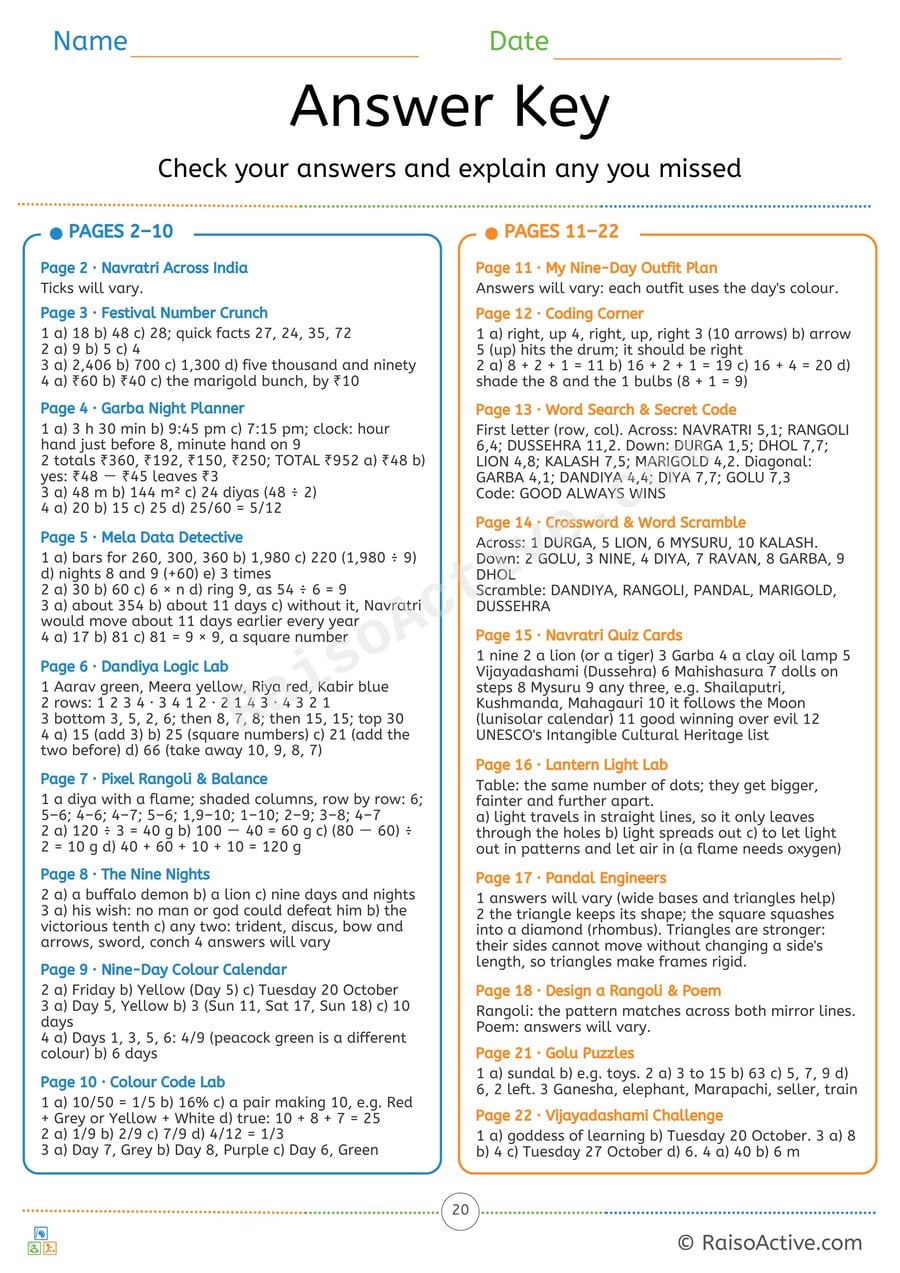
Navratri Festival Quest Answer Key for Grown-ups
Ages 7-11 · Grade 2–Grade 3Ages 7-11 · Year 3–Year 4Ages 7-11 · Class 2–Class 3Ages 7-11
Grown-ups can check every answer in the pack, with workings for the maths, grid positions for the word search, the logic grid and sudoku solutions, and the reasons behind the science results.
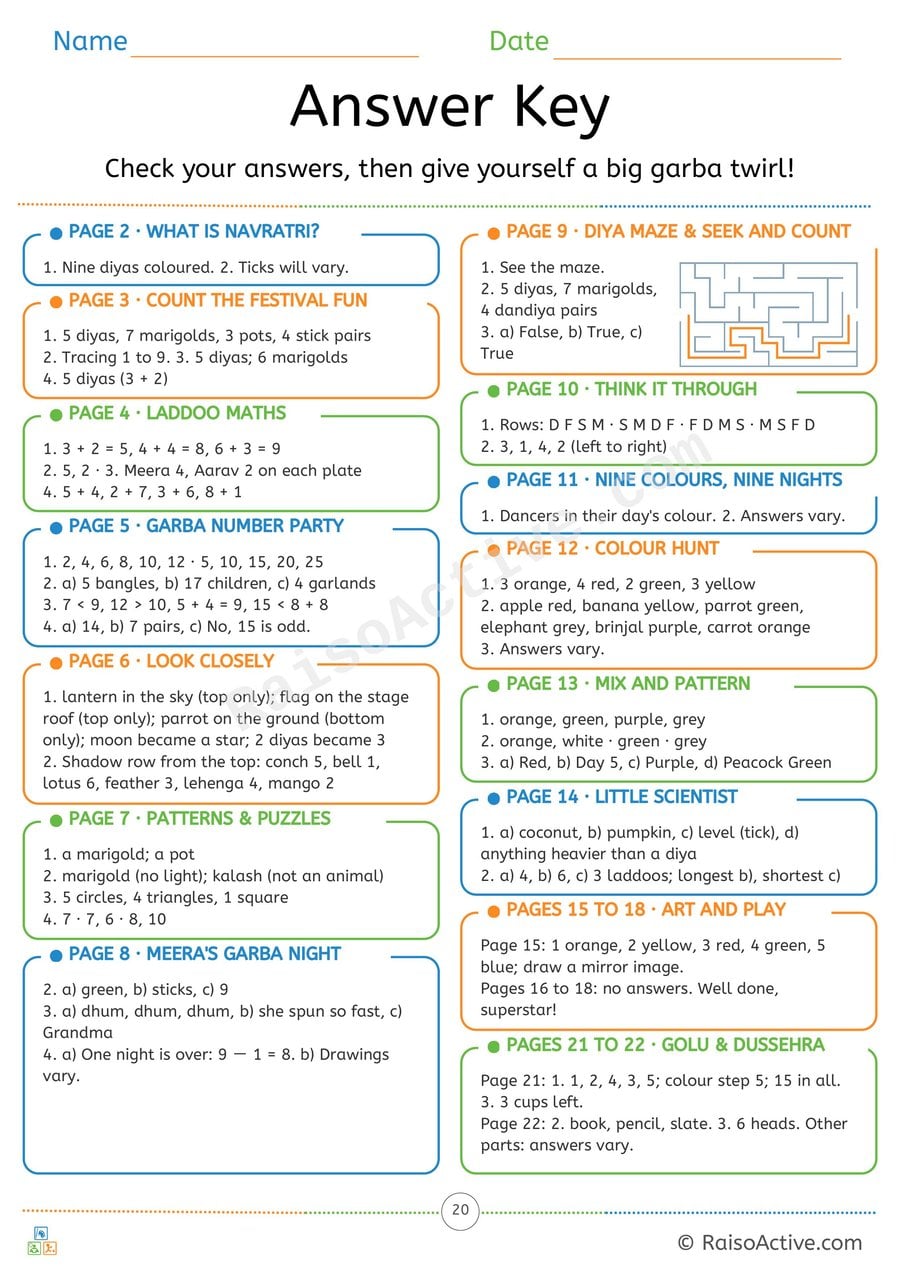
Navratri Fun Time Answer Key for Grown-ups
Ages 4-6 · Pre-K–KindergartenAges 4-6 · Reception–Year 1Ages 4-6 · LKG–UKGAges 4-6
Grown-ups can quickly check every answer in the Navratri Fun Time pack, page by page.

Stick Man Emotions Worksheet: Happy, Sad, Angry & Surprised!
Ages 3-5 · Preschool–Pre-KAges 3-5 · Nursery–ReceptionAges 3-5 · Nursery–LKGAges 3-5
Matching simple stick-figure faces to emotion words helps children ages 3-5 build an early emotional vocabulary, connecting facial cues like a curved mouth or raised eyebrows to specific feeling words. This kind of emotion recognition is a foundational social-emotional skill, helping children name what they and others are feeling instead of just reacting.

Paryushan Forgiveness Card Worksheet for Kids
Ages 3-5 · Preschool–Pre-KAges 3-5 · Nursery–ReceptionAges 3-5 · Nursery–LKGAges 3-5
This worksheet introduces children ages 3-5 to the Jain concept of seeking forgiveness during Paryushan by creating a personal forgiveness card. At this age, children are beginning to understand that their words and actions can affect others, and this activity gives them a gentle, guided way to practice empathy and simple self-reflection.

Written by
Hemsweta Jain · Teacher Cheena
MBA and Early Childhood Educator, teaching since 2014 · Founder of RaisoActive, Mumbai
Published · Last reviewed
Related Resources
Printable Resources(10)
View all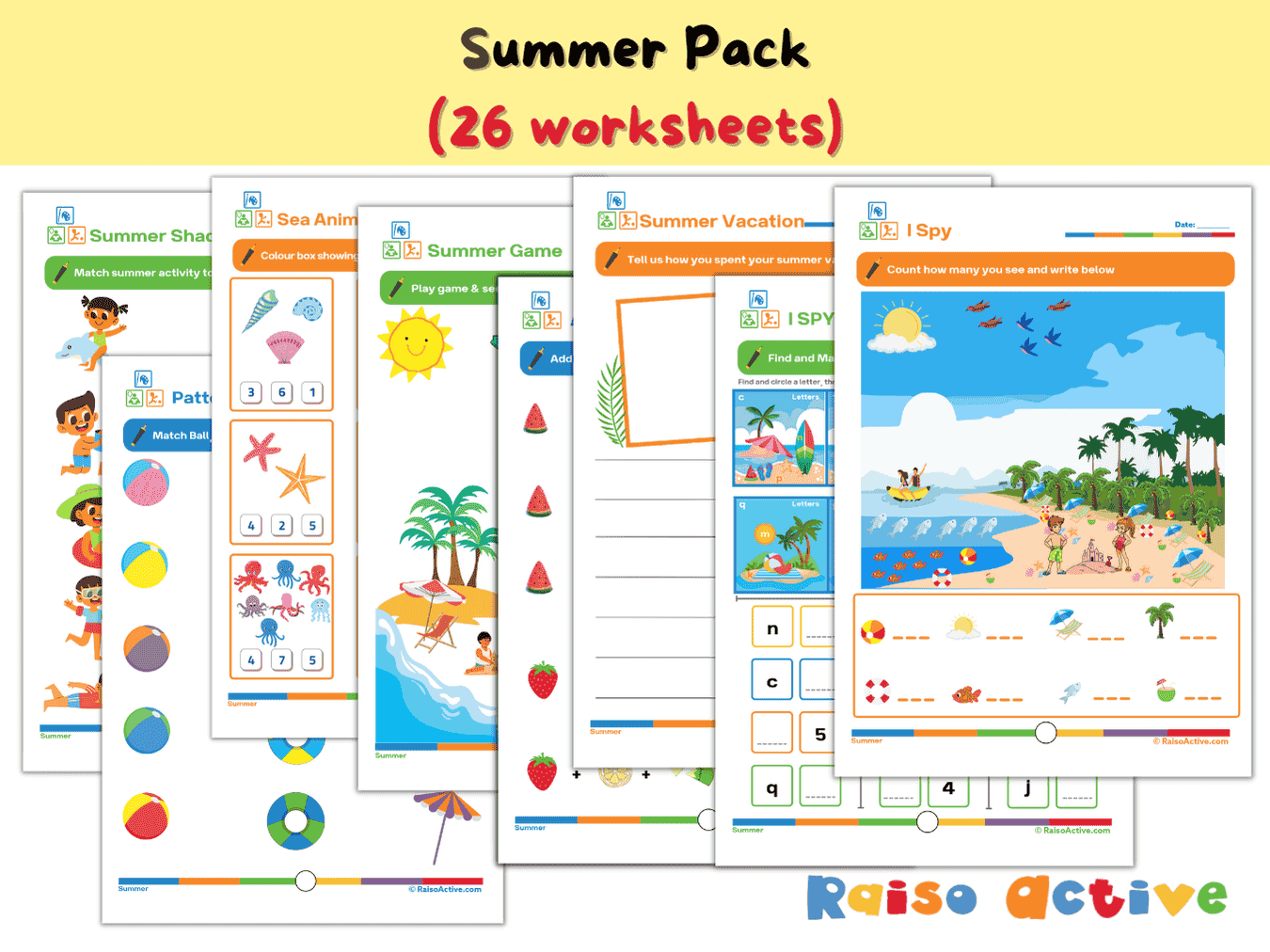

Summer Activity Pack: Math, Literacy, Puzzles & More for Preschool & Kindergarten
Ages 3-7 · Preschool–Grade 1Ages 3-7 · Nursery–Year 2Ages 3-7 · Nursery–Class 1Ages 3-7 · 26 pages
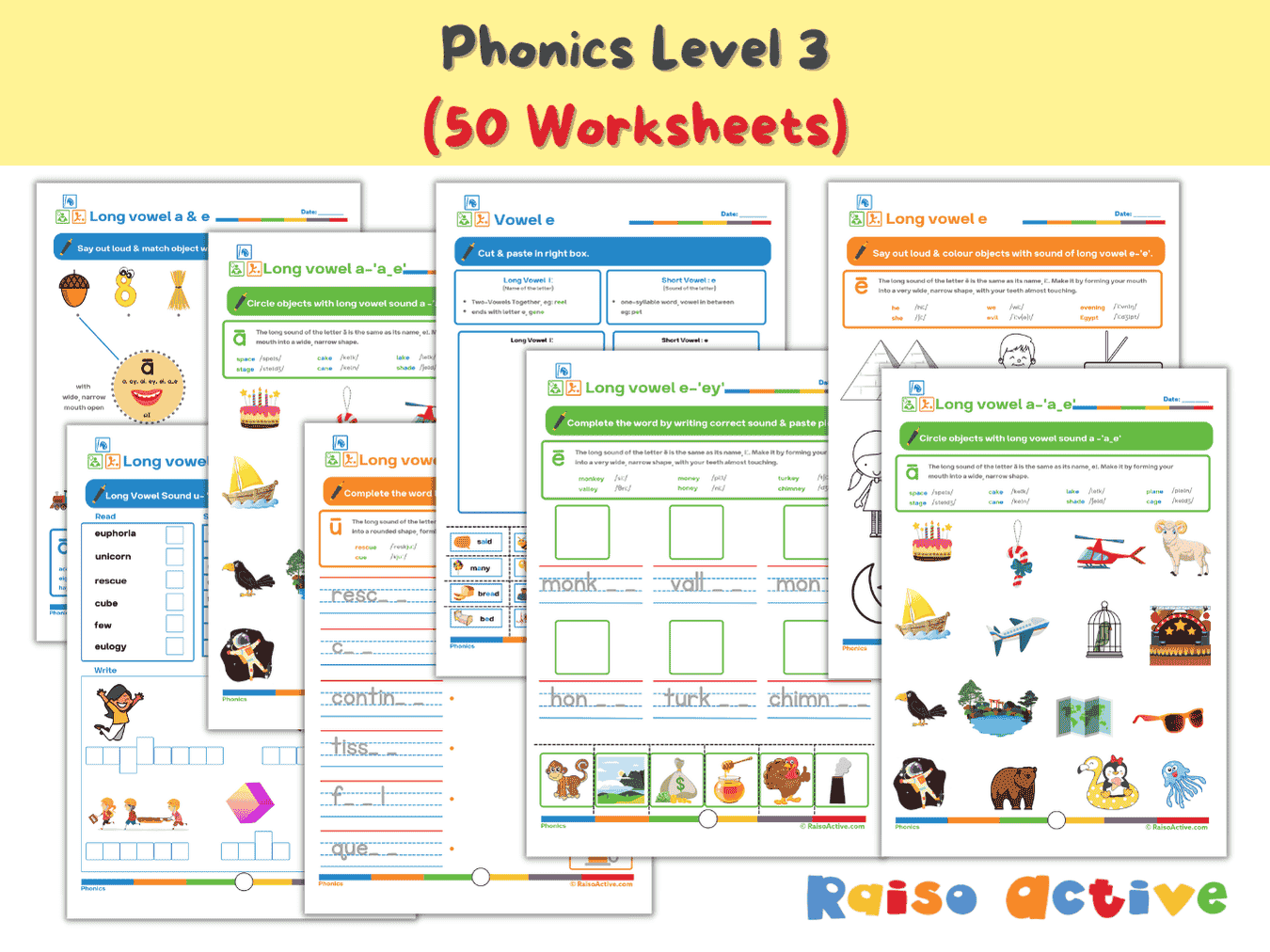

Phonics Level 3 Long Vowels Activity Book for Kindergarten & 1st Grade
Ages 5-7 · Kindergarten–Grade 1Ages 5-7 · Year 1–Year 2Ages 5-7 · UKG–Class 1Ages 5-7 · 51 pages
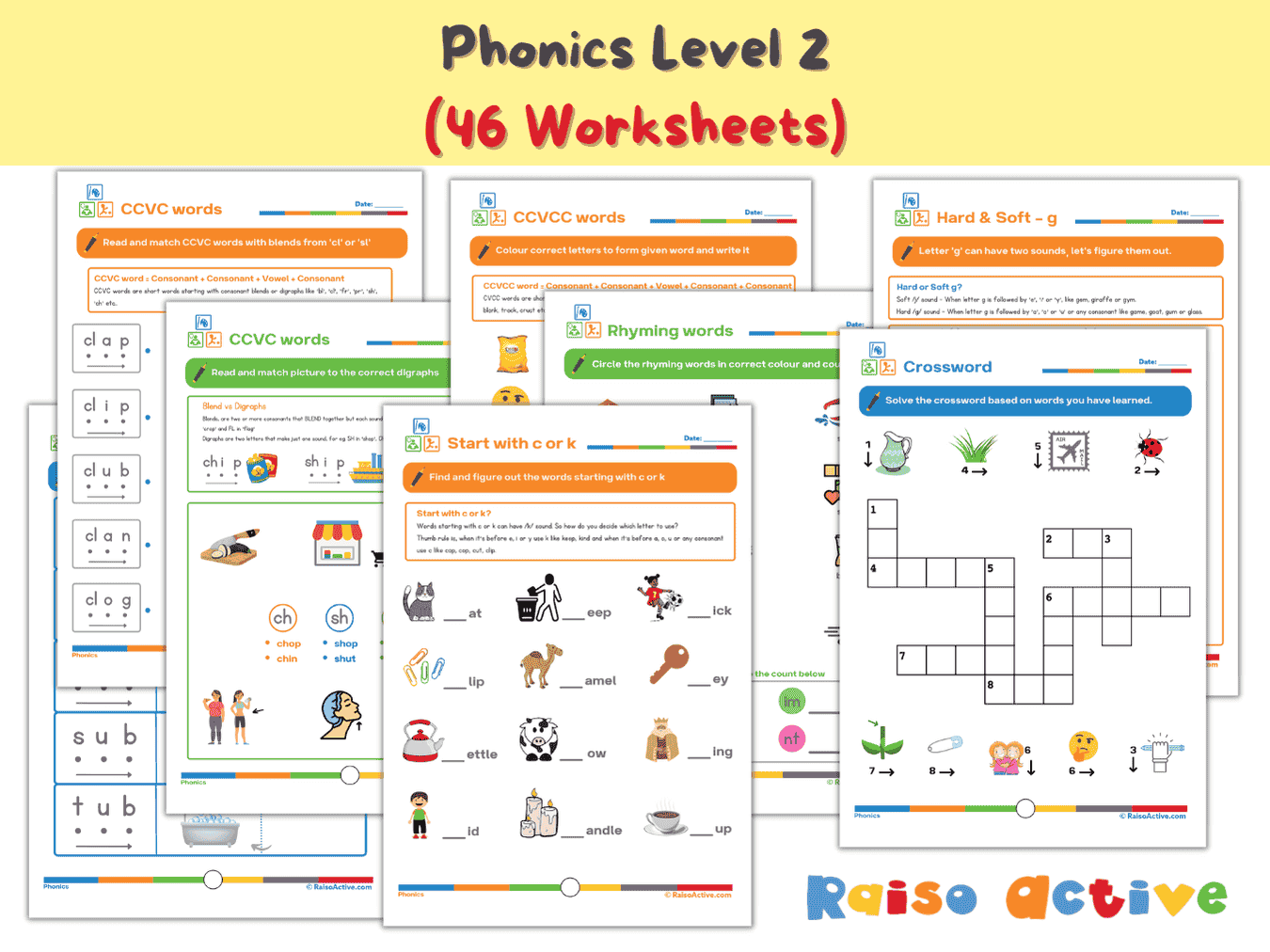
Phonics Level 2 Worksheets: CVC, CCVC, CVCC Word Families & Blends for Early Readers (Ages 4-7)
Ages 4-7 · Pre-K–Grade 1Ages 4-7 · Reception–Year 2Ages 4-7 · LKG–Class 1Ages 4-7 · 47 pages
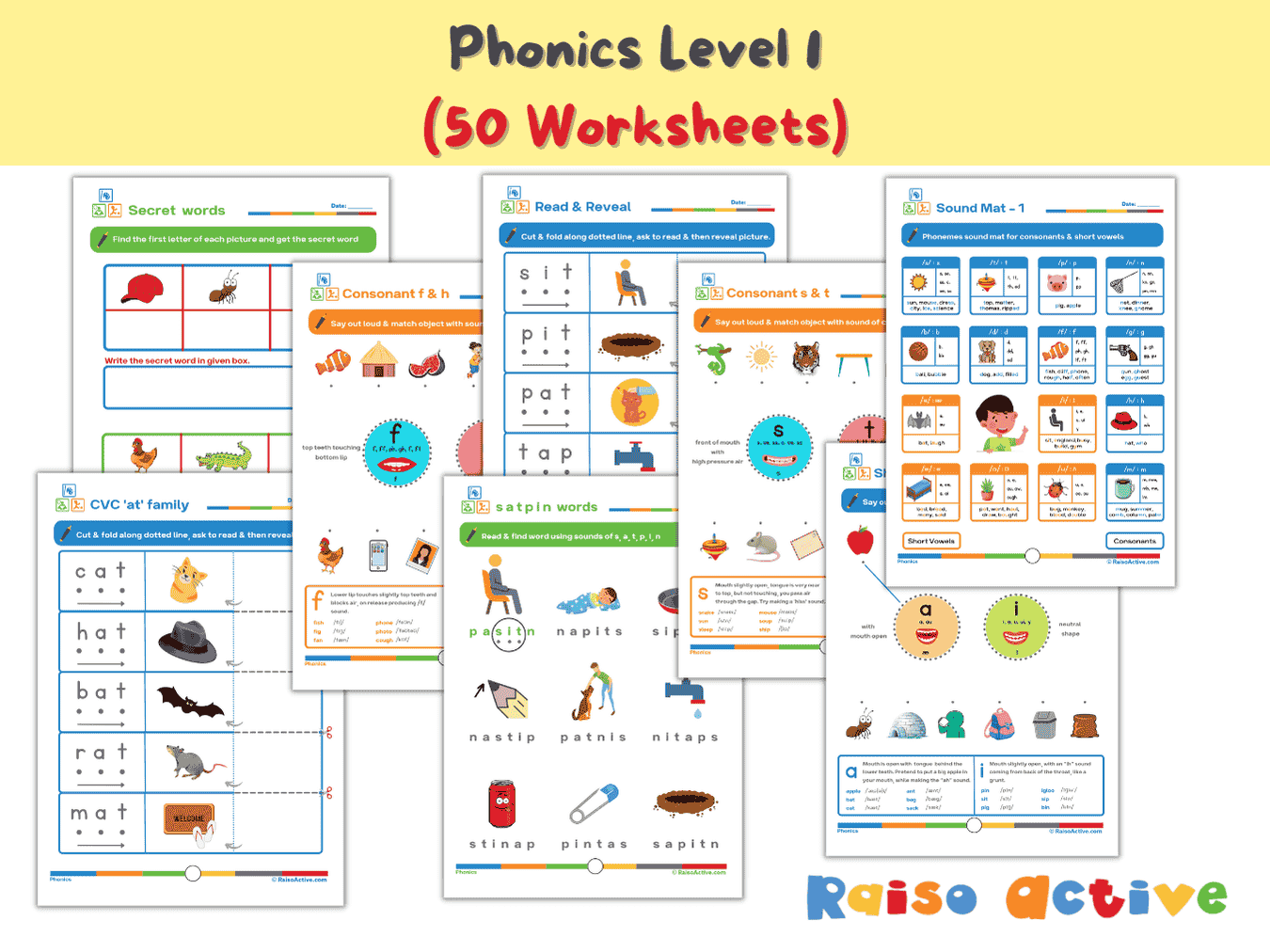
Phonics Level 1 Activity Book: Letter Sounds, Blending & CVC Words for Preschool & Kindergarten
Ages 3-6 · Preschool–KindergartenAges 3-6 · Nursery–Year 1Ages 3-6 · Nursery–UKGAges 3-6 · 60 pages
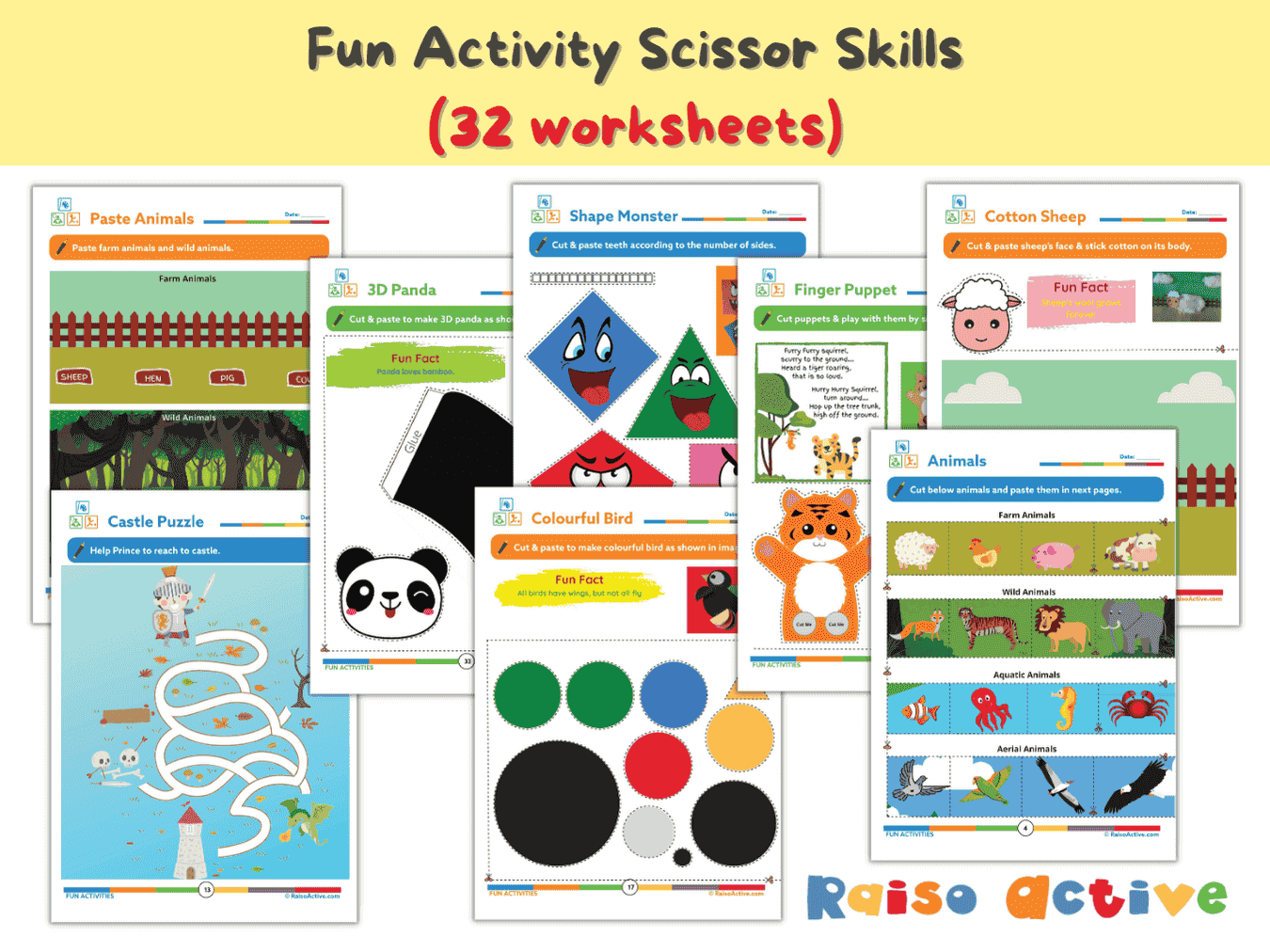

Preschool Scissor Skills Activity Book: Fine Motor & Craft Fun for Ages 3-6
Ages 3-6 · Preschool–KindergartenAges 3-6 · Nursery–Year 1Ages 3-6 · Nursery–UKGAges 3-6 · 35 pages
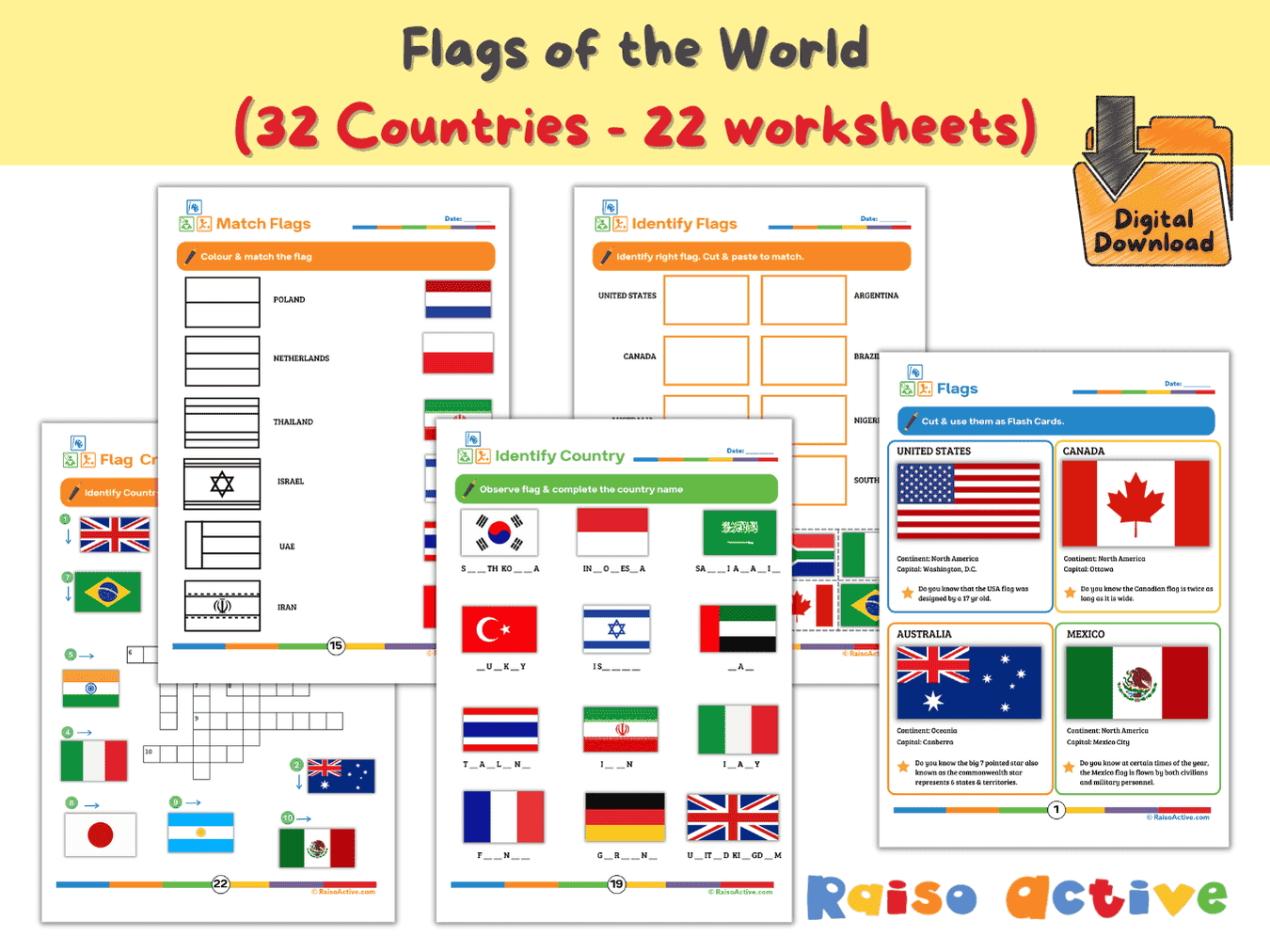

Flags of the World Activity Book & Flashcards for Kids (Ages 5-9)
Ages 5-8 · Kindergarten–Grade 2Ages 5-8 · Year 1–Year 3Ages 5-8 · UKG–Class 2Ages 5-8 · 23 pages

Month 9: Holistic Preschool Play Learning | Ages Up to 4
Ages 3-4 · PreschoolAges 3-4 · NurseryAges 3-4 · 30 pages
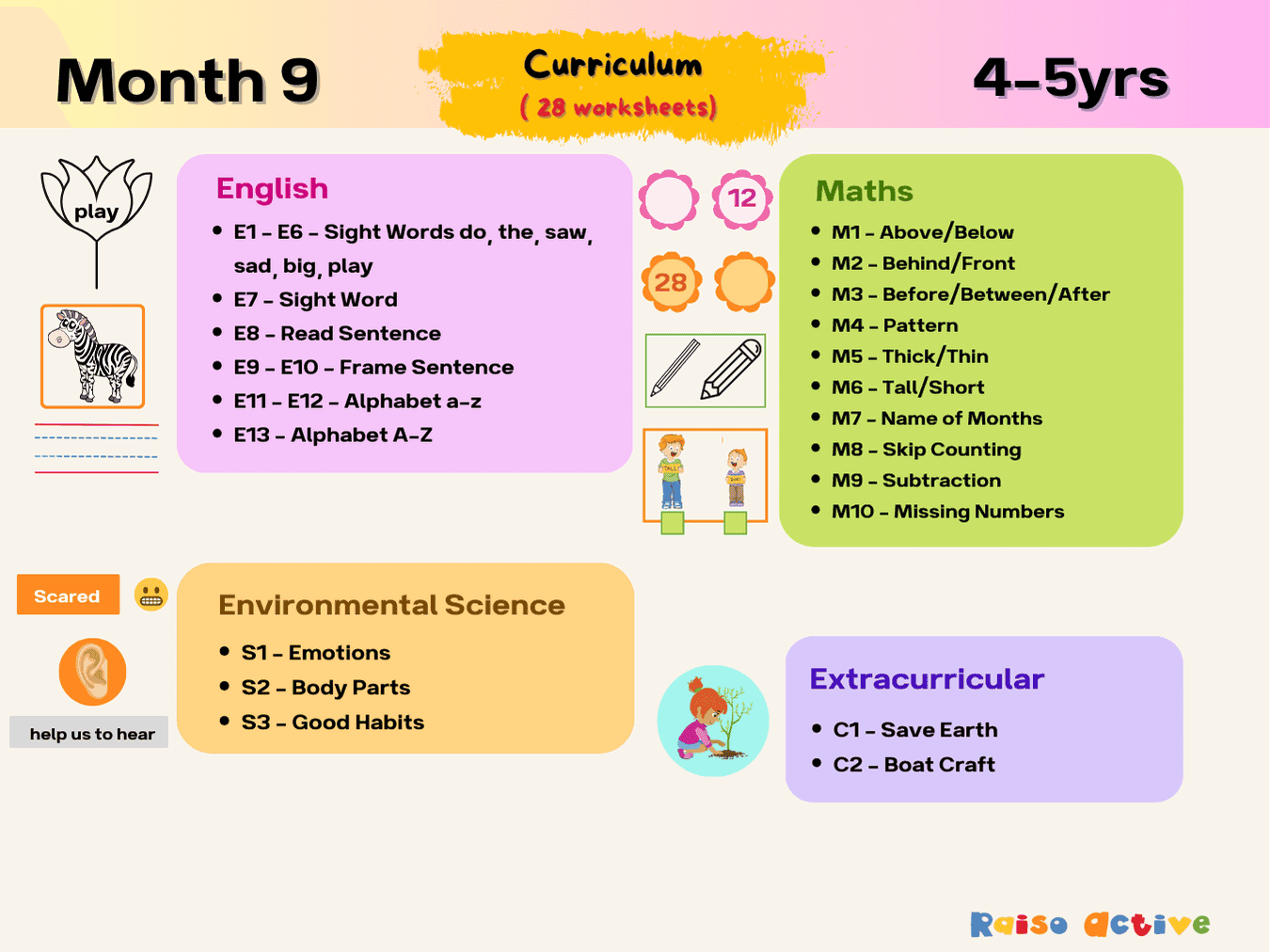
Month 9: Play-Based Preschool Foundational Skills | Ages 4-5
Ages 4-5 · Pre-KAges 4-5 · ReceptionAges 4-5 · LKGAges 4-5 · 31 pages
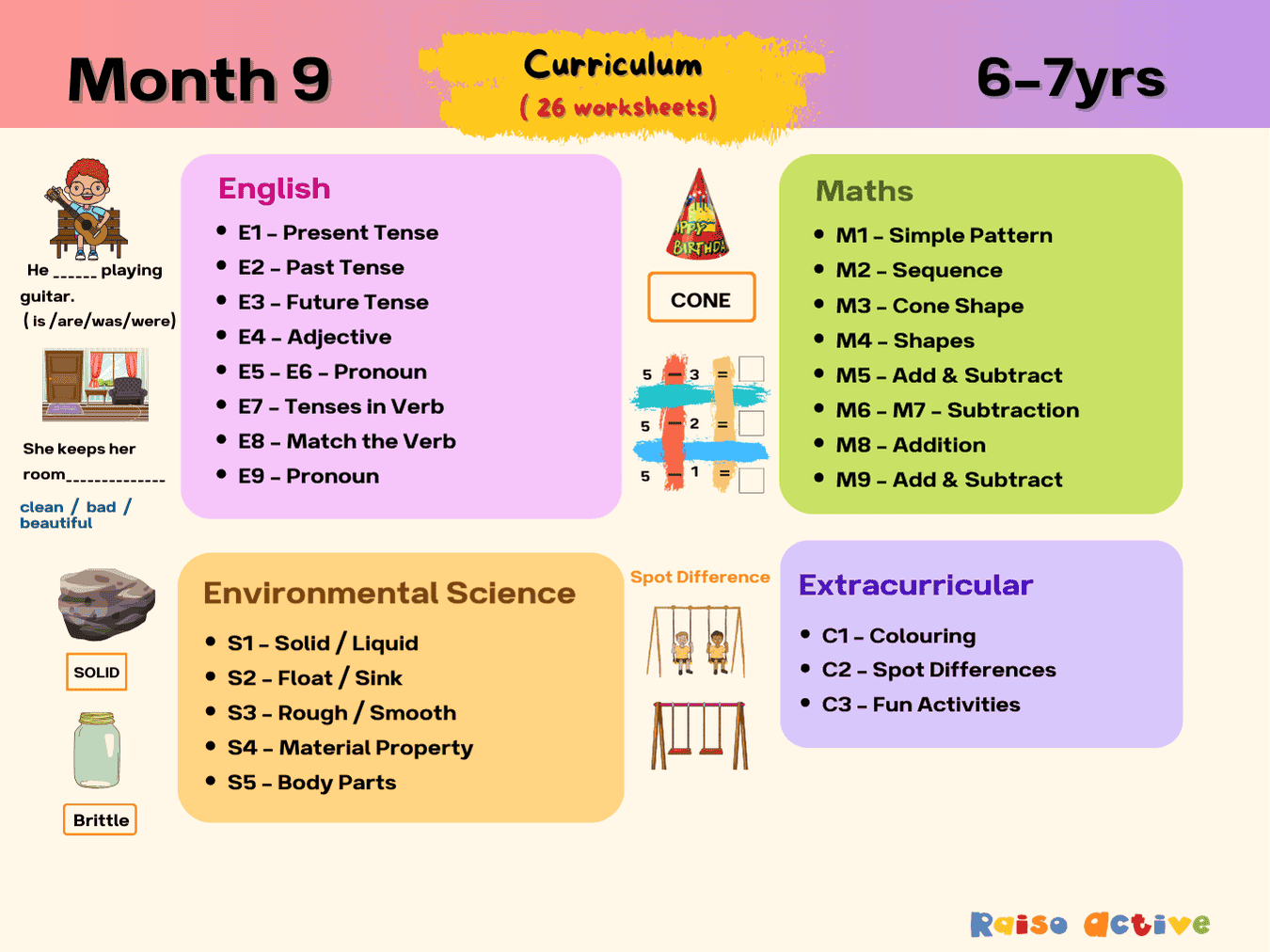
Month 9: Multi-Subject Early Learning | Ages 6-7
Ages 6-7 · Grade 1Ages 6-7 · Year 2Ages 6-7 · Class 1Ages 6-7 · 29 pages
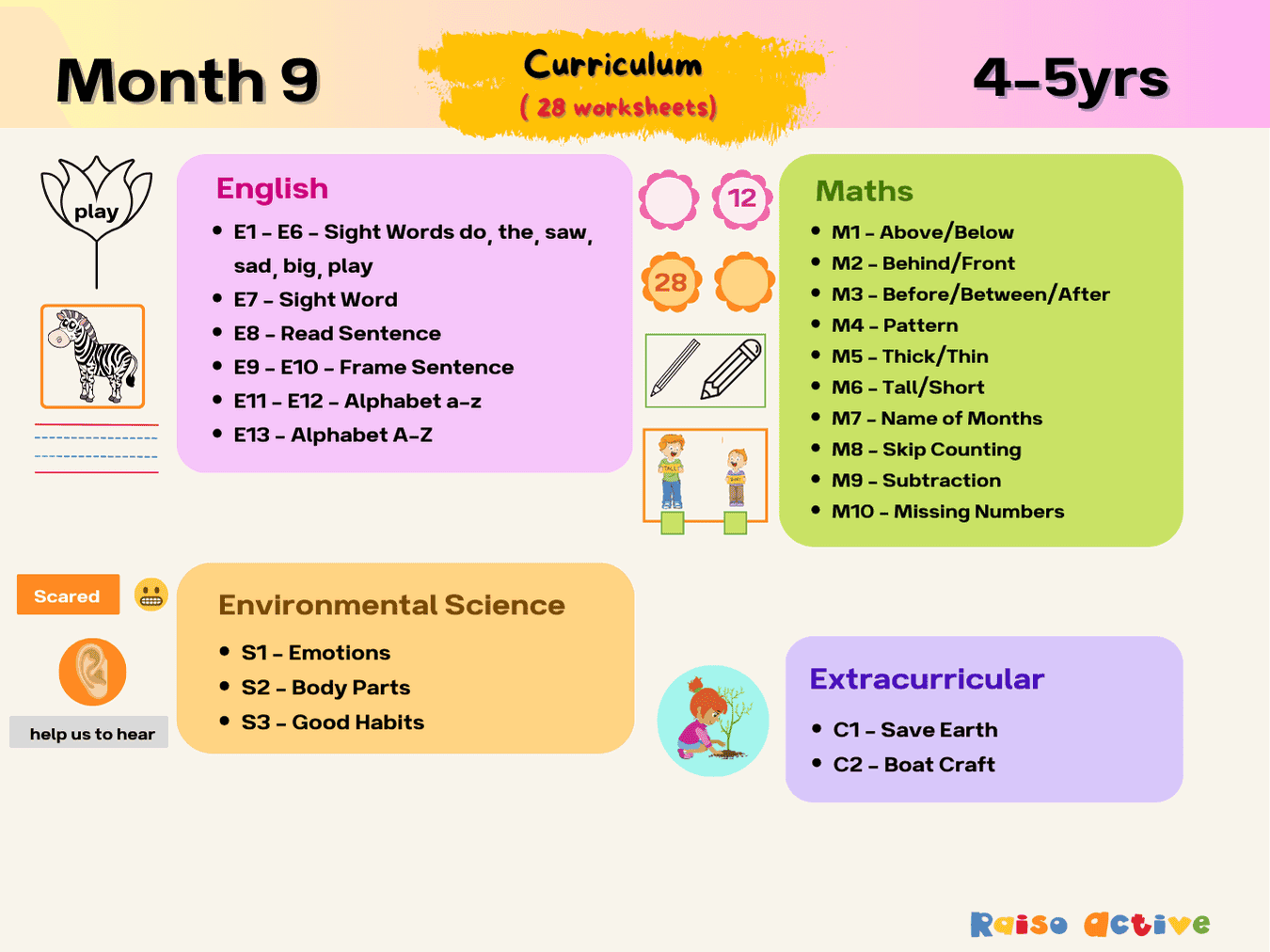
Month 9: Preschool Early Learning Activities | Ages 4-5
Ages 4-5 · Pre-KAges 4-5 · ReceptionAges 4-5 · LKGAges 4-5 · 31 pages