Helping Children Who Hate to Write: Strategies to Transform Writing Resistance into Writing Success
Author
RaisoActive - Kids Activities and Fun Learning
Published
Updated
Reading Time
20 min read

- Writing resistance is very common in children ages 4–8 and is almost never about laziness — it is usually about pain, fear, or feeling overwhelmed
- Fine motor difficulty, perfectionism, dysgraphia, and sensory sensitivity are among the most common hidden causes of writing avoidance
- Making writing purposeful and fun — shopping lists, letters to grandma, comic strips — dramatically reduces resistance
- Reducing physical demand through larger tools, dot paper, and occupational therapy support can be genuinely transformative
- Celebrating tiny victories and removing time pressure are among the most powerful strategies parents can use at home
When Writing Feels Like a Battle Every Single Day
You sit your child down to do their homework. They groan. They stare at the blank page. They hold the pencil for a moment, then drop it. They say their hand hurts. They need water. They need to go to the bathroom. They want to know if they can do it later. By the time a single sentence appears on the page, twenty minutes have passed and both of you are exhausted and frustrated.
If this sounds familiar, you are absolutely not alone. Writing resistance is one of the most common concerns raised by parents of children in the 4–8 age range — and it is particularly acute in Indian homes, where school homework often begins in nursery and writing expectations can be high from very early on. What looks like stubbornness or laziness is almost always something much more specific — and once you understand what is really happening, you can begin to address it.
This guide will help you identify why your child is resisting writing, give you practical strategies to reduce that resistance, and show you when it might be time to seek professional support. Most importantly, it will give you a way forward that does not involve daily battles at the study table.
Why Children Resist Writing: The Real Reasons Behind the Refusal
Before you can help a child who hates writing, you need to understand why they hate it. Writing is actually one of the most complex tasks we ask young children to do — it requires fine motor coordination, language organisation, memory, attention, and emotional regulation all at the same time. When any one of those elements is struggling, the whole task can feel impossible. Here are the most common culprits.
Fine motor difficulty is the single most common root cause. If the small muscles in a child's hand are not yet strong or coordinated enough, the physical act of writing is genuinely painful and exhausting. These children often press too hard, grip the pencil with their whole fist, fatigue within minutes, or produce shaky, uneven letters. They are not being dramatic when they say their hand hurts — it really does.
Perfectionism and fear of mistakes affects a surprising number of young children, particularly those who are verbally advanced or have high-achieving siblings or parents. These children know exactly what they want their writing to look like — and when the page does not match the image in their head, they would rather not write at all. You may notice they erase constantly, tear pages, refuse to start, or become tearful when a letter does not come out right.
Task overwhelm happens when writing feels like too many things at once. A child who is still learning to form letters cannot also think about spelling, grammar, punctuation, and content simultaneously. When teachers or parents ask for all of these things together — 'write a sentence with correct spelling and neat handwriting' — the cognitive demand can simply exceed what the child's developing brain can manage.
Sensory sensitivity is less commonly discussed but very real. Some children find the sensation of a pencil on paper genuinely unpleasant — the scratching sound, the pressure on the fingertips, or the texture of the page. Others are distracted by the visual clutter of lined paper or find it impossible to stay within margins. These responses are rooted in neurological differences, not attitude.
Understanding Dysgraphia: When the Struggle Goes Deeper
Dysgraphia is a specific learning difference that affects a child's ability to produce written language. It is not about intelligence — children with dysgraphia are often highly verbal, creative, and imaginative, but their brains process the motor planning required for writing differently. In India, dysgraphia is significantly under-identified, partly because early academic pressure means many children are simply labelled as careless or lazy before anyone looks deeper.
Some diagnostic questions to ask yourself: Does your child's writing look significantly worse than their age peers, even when they are trying hard? Do they struggle to remember how to form letters they have practised many times? Does writing get messier as the session goes on, rather than improving with effort? Do they frequently lose their place on the line or mix up letter sizes seemingly randomly? Do they find it much easier to express their thoughts verbally than on paper? If several of these are true, it is worth discussing a formal evaluation with a developmental paediatrician.
Dysgraphia is a recognised learning difference, not a character flaw. Early identification means earlier support — and children with dysgraphia can absolutely develop functional writing skills with the right help.
If you suspect dysgraphia, ask your child's school for a referral to an educational psychologist or approach a developmental paediatrician directly. In India, many children's hospitals now have developmental paediatric clinics that offer these assessments.
Making Writing Fun: Strategies That Actually Work
One of the most powerful things you can do for a child who resists writing is to change what they are writing — before you change how they are writing. Children are far more willing to put pencil to paper when the writing has a real purpose that matters to them. Here are approaches that consistently work.
Writing for real purposes removes the 'exercise' feeling that makes homework so aversive. Ask your child to write the shopping list before you go to the market — even if it is just three items in their own invented spelling, it counts. Encourage them to write a letter or postcard to their naani or tauji. Let them write a note to leave for papa when he comes home. Write a sign for their bedroom door. Make a menu for a pretend restaurant. Each of these has a genuine audience and a genuine purpose, which transforms writing from a chore into communication.
Comic strips are a remarkable tool for reluctant writers. The format gives children permission to write very little — a thought bubble here, a sound effect there, a single word of dialogue — while still engaging with narrative and language. Many children who claim to hate writing will happily spend an hour on a comic strip. Keep blank comic strip templates (you can draw simple panel grids in seconds) in a special 'drawing book' that feels different from schoolwork.
Scrapbooks and journals with no rules attached can help perfectionists in particular. Give your child a blank notebook and make it clear that it belongs entirely to them — no one will grade it, correct it, or even read it without permission. Some children use these to draw, some to paste pictures with captions, some to write favourite song lyrics or jokes. The freedom to write imperfectly, privately, is often what reluctant writers need to discover that writing can feel good.
- **Shopping list writers** — Give your child their own small notepad and pen and ask them to be in charge of the family shopping list before every trip to the market
- **Birthday card creators** — Instead of store-bought cards, let your child make handmade cards for family birthdays; even a single sentence inside counts
- **Restaurant menu makers** — During play kitchen or pretend restaurant games, have them write the menu in their own way; invented spelling is fine
- **Sign makers** — Let them create signs for their room, their toy shelves, or family notices (Do Not Disturb, Library Corner)
- **Comic strip storytellers** — Provide blank panel grids and let them create their own mini-comics; dialogue and sound effects are writing too
- **Pen pals** — If your child has a cousin or friend in another city, set up a simple letter exchange; anticipating a reply is highly motivating
Reducing the Physical Demand: Tools and Adaptations That Help
If the physical act of writing is the problem, the most direct solution is to make it less physically demanding. This is not cheating or taking shortcuts — it is good occupational therapy practice, and it is what schools with strong learning support programmes do as a matter of course.
Larger writing tools require less precision and less grip force, which means less fatigue and less pain. Offer chunky triangular pencils, large crayons, washable marker pens, or jumbo chalk on a slate or blackboard. Many children who struggle to form legible letters with a standard pencil can produce much better work with a thick felt-tip pen on unlined paper — simply because the tool responds to less pressure and moves more smoothly.
Dot paper and wide-lined paper reduce the cognitive load of staying within margins. Dot paper (a grid of small dots) gives visual reference points without the visual clutter of full lines. Many children find it easier to judge letter size and spacing on dot paper than on standard ruled pages. You can print dot paper at home for free from several educational resource websites.
A slanted writing surface can make a meaningful difference for children who press hard or complain of hand fatigue. A ring binder placed horizontally under the writing paper creates a gentle slope; specialist writing slopes are available online and can be genuinely helpful for children with dysgraphia or fine motor difficulty. The slight incline changes the angle of the wrist, making grip and stroke both easier to control.
- **Triangular pencils or short pencil stubs** — The shape naturally discourages a fist grip without forcing a specific finger position
- **Thick felt-tip or marker pens** — Require much less downward pressure than pencils; useful for children who press too hard or fatigue quickly
- **Dot paper or raised-line paper** — Gives tactile and visual feedback about letter size and position without the overwhelm of a densely ruled page
- **A DIY writing slope** — A thick ring binder or hardback book placed flat under writing paper creates a gentle incline that helps wrist and grip
- **Weighted pencils** — Available from OT supply stores; the extra weight provides proprioceptive feedback and can reduce shakiness
- **Fidget tools nearby** — For sensory-sensitive children, having a small fidget toy to use between writing tasks can reduce overall tension
Research suggests that between 10 and 20 percent of school-age children have handwriting difficulties significant enough to affect their academic performance. In the Indian school context, where neat handwriting is often explicitly graded and homework volumes are high, the impact on a child's confidence and school experience can be considerable. Most of these children respond very well to early, targeted support.
Source: American Journal of Occupational Therapy
Alternative Writing Methods: When the Pencil Is Not the Only Option
For some children — particularly those with dysgraphia, significant fine motor delays, or physical disabilities — the pencil may need to step back temporarily while other methods allow the child to express their thoughts and maintain their engagement with literacy. These alternatives are not a permanent escape from handwriting but a bridge that keeps the child's learning moving forward while physical skills develop.
Dictation is perhaps the oldest and simplest alternative. A child speaks; an adult scribes. This sounds simple, but it can be genuinely revelatory for parents who have been struggling to get their child to write. You discover very quickly that the resistance was not about ideas or language — it was purely about the physical task. The child who could barely produce one sentence in twenty minutes of homework can often dictate three paragraphs in five minutes. This tells you exactly where the problem lies.
Voice-to-text technology is now remarkably accessible on smartphones and tablets. Google Docs has a built-in dictation feature (accessible via the microphone icon on the keyboard); iPhones and Android devices both have voice dictation built into any text input field. Older children — especially those in Class 3 and above who are producing longer written work — can use dictation to capture their ideas, then type or copy their words by hand. This separates the thinking from the physical writing, which is exactly what many struggling writers need.
Typing is another valuable alternative for older children. Many schools in India are beginning to accept typed homework for students with identified learning difficulties. Learning to type does not eliminate the need for handwriting, but it removes the physical barrier from a child's ability to express themselves. For children who are extremely resistant to writing, introducing typing can be a significant confidence boost.
Studies on early childhood homework in India have found that children in Class 1 and 2 are regularly assigned 45–90 minutes of homework per day — far exceeding international guidelines (which recommend zero formal homework before Class 3). For a child who already struggles with writing, this volume creates a daily negative experience that compounds resistance over time. Communicating with teachers about your child's specific difficulties can sometimes result in modified homework requirements.
Source: Centre for Early Childhood Education and Development, New Delhi
School Pressure in India and How to Navigate It
Indian parents navigating writing resistance face a specific challenge: the school system. In many private schools — and in competitive exam-focused environments — neat handwriting is not just expected but graded, compared, and used as a measure of a child's diligence. Teachers may send home notes about messy writing. Report cards may include handwriting as an assessed category. Other parents may casually mention how well their child writes.
This creates real pressure to push harder at home — to make the child practise more, sit longer, and get neater. But more of the same thing that is already causing distress rarely helps. What typically helps is a frank, non-defensive conversation with your child's teacher. Share your observations: your child's hand fatigues quickly, or they become visibly anxious before writing tasks, or they produce much better work when they dictate. Ask the teacher what they observe in class. Request a modified homework plan if the volume is causing daily distress.
Most teachers, when approached with genuine concern rather than confrontation, are willing to be flexible. If the school is unresponsive and your child is struggling significantly, it is worth consulting a developmental paediatrician who can provide documentation of your child's specific needs — this documentation can sometimes unlock formal accommodations, including extra time and alternative assessment methods.
You do not have to choose between supporting your child and meeting the school's expectations. Approaching teachers as allies, sharing your observations, and requesting a collaborative plan is almost always more effective than pushing harder at home.
Celebrating Small Victories: Why Recognition Matters More Than Results
For children who have already developed a negative relationship with writing, rebuilding confidence is as important as building skills. A child who believes they are bad at writing will avoid writing, and avoidance prevents the practice that builds skill — a cycle that reinforces itself. Breaking this cycle requires very deliberate, consistent celebration of small steps.
Notice and name specific improvements: not 'good job' in a general sense, but 'I noticed you made the letter G go all the way to the line today — that is hard to do and you did it.' Notice effort and persistence: 'You kept going even when it felt frustrating. That takes courage.' Notice the content, not just the form: 'The story you told in this sentence is so funny — I love that the dog hid under the table.' When a child hears that their ideas matter as much as their handwriting, they begin to reconnect with writing as expression rather than performance.
Confidence rebuilds slowly and breaks quickly. Ten encouraging comments are undone by one dismissive one. Protect your child's emerging writing confidence fiercely — it is one of the most important things you can do for their long-term relationship with learning.
- Your child cries, tantrums, or becomes physically ill before writing homework — this level of distress is a signal to reduce pressure immediately, not increase it
- Your child has started saying 'I am stupid' or 'I can never do anything right' in relation to schoolwork
- Writing avoidance has expanded — the child now also avoids drawing, colouring, or any fine motor activity
- Mealtimes, bedtimes, and family relationships have become tense because of daily writing battles
- Your child's teacher reports that in-class writing is also deteriorating, not just homework
A Week-by-Week Plan to Reduce Writing Resistance at Home
Week 1: Observe Without Judgement
Spend a week simply watching — without correcting, without pushing. Notice exactly when the resistance spikes: is it at the very start of a writing task, or partway through? Is it specific to certain subjects or all writing? Does it differ on days when your child is rested versus tired? Write down your observations. Understanding the pattern is the essential first step.
Week 2: Remove the Word 'Writing' From the Task
Introduce one fun, purposeful writing activity per day that does not feel like schoolwork — a shopping list, a comic strip panel, a sign for the bedroom door, a note for a family member. Keep sessions under 10 minutes and follow your child's lead. Make no comments about neatness or spelling. Observe whether resistance differs when the context changes.
Week 3: Reduce the Physical Demand
Switch to a larger writing tool — a chunky triangular pencil or a thick marker. Try dot paper or unlined paper instead of ruled. Shorten homework writing to the absolute minimum required by school, and use dictation for anything beyond that. Notice whether your child's engagement changes when the physical barrier decreases.
Week 4: Introduce Fine Motor Strengthening Play
Add 15–20 minutes of hand-strengthening play to your daily routine — playdough, clothes pegs, threading beads, spray bottle play, tearing and collage. Do not frame this as therapy or practice; present it as an activity you are doing together because it is fun. Consistent strengthening play will begin to show results in writing endurance over 6–8 weeks.
Week 5: Celebrate Specifically and Consistently
Begin a deliberate practice of noticing and naming one specific thing you appreciate about your child's writing each day. Not just 'well done' but 'I noticed you held the pencil differently today' or 'that letter was so well-spaced.' Start a small journal or display board where you stick samples of your child's writing — not to show progress to teachers but to show your child that their work has value.
Week 6: Consult the School
Book a meeting with your child's class teacher. Share what you have observed, what you have tried, and what you have noticed. Ask the teacher what they see in class. Request a modified homework load if daily writing is still causing significant distress. Come to the meeting as a partner, not an adversary — you are both on the same side.
Week 7: Seek Professional Support If Needed
If after six weeks of consistent, patient effort your child is still significantly distressed by writing, or if you are seeing signs of dysgraphia (inconsistent letter formation despite repeated practice, hand pain, severe fatigue within minutes), it is time to consult an occupational therapist or developmental paediatrician. Early professional assessment leads to earlier support and better outcomes.
- +Extending writing sessions when the child struggles — hoping more practice will fix it
- +Correcting every spelling and letter formation during the task itself
- +Comparing your child's writing to siblings, classmates, or your own childhood expectations
- +Insisting on perfection before moving on — erasing and rewriting the same letter multiple times
- +Using writing as a punishment: 'You will write this 20 times'
- +Removing all fun activities until homework writing is done to a high standard
- -Short, positive sessions of 5–10 minutes with a clear end point the child can see
- -Commenting only on what the child did well; saving corrections for a calm, separate moment
- -Anchoring your expectations to your child's specific developmental stage, not peer comparison
- -Accepting 'good enough' during practice — perfection is a long-term goal, not a daily one
- -Keeping writing associated only with communication, creativity, and expression
- -Allowing fine motor play (drawing, playdough, stickers) to count as productive learning time
Frequently Asked Questions
My child is 6 years old and still refuses to write. Is this normal or should I be worried?
How do I know if my child has dysgraphia or is just being stubborn?
My child's school gives 45 minutes of writing homework every night. How do I manage this without daily battles?
Is it okay to let my child use voice-to-text or typing instead of handwriting?
Are there specific things I can do daily at home to improve my child's writing without it feeling like practice?
When should I take my child to an occupational therapist, and what will they actually do?
Free worksheets for this topic
Browse all worksheets
Pumpkin Lines Dice Game: Halloween Pre-Writing Worksheet
Ages 4-8 · Pre-K–Grade 2Ages 4-8 · Reception–Year 3Ages 4-8 · LKG–Class 2Ages 4-8
Children practise wavy, zigzag and looped pre-writing lines while playing a simple dice game.

Navratri Festival Quest Certificate of Achievement
Ages 7-11 · Grade 2–Grade 3Ages 7-11 · Year 3–Year 4Ages 7-11 · Class 2–Class 3Ages 7-11
Children celebrate finishing the Navratri Festival Quest pack and record which levels they completed.
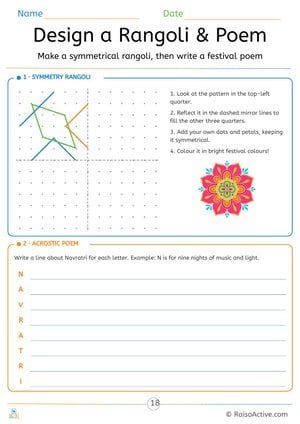
Navratri Symmetry Rangoli and Acrostic Poem
Ages 7-11 · Grade 2–Grade 3Ages 7-11 · Year 3–Year 4Ages 7-11 · Class 2–Class 3Ages 7-11
Children reflect a pattern in two mirror lines to complete a four-way symmetrical rangoli on a dot grid, add their own symmetrical details, and write an acrostic poem with one line for each letter of NAVRATRI.
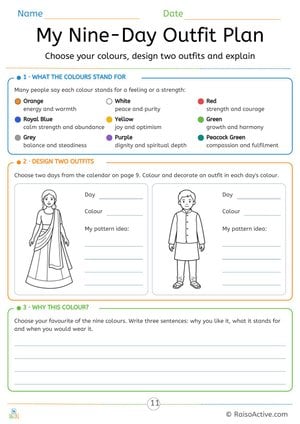
My Nine-Day Outfit Plan: Navratri Colours Design and Writing
Ages 7-11 · Grade 2–Grade 3Ages 7-11 · Year 3–Year 4Ages 7-11 · Class 2–Class 3Ages 7-11
Children read what each of the nine colours is often said to stand for, choose two days from the calendar, colour and pattern a lehenga-style outfit and a kurta outfit in those colours, and write three sentences explaining their favourite colour.

Written by
Hemsweta Jain · Teacher Cheena
MBA and Early Childhood Educator, teaching since 2014 · Founder of RaisoActive, Mumbai
Published · Last reviewed
Related Resources
Printable Resources(10)
View all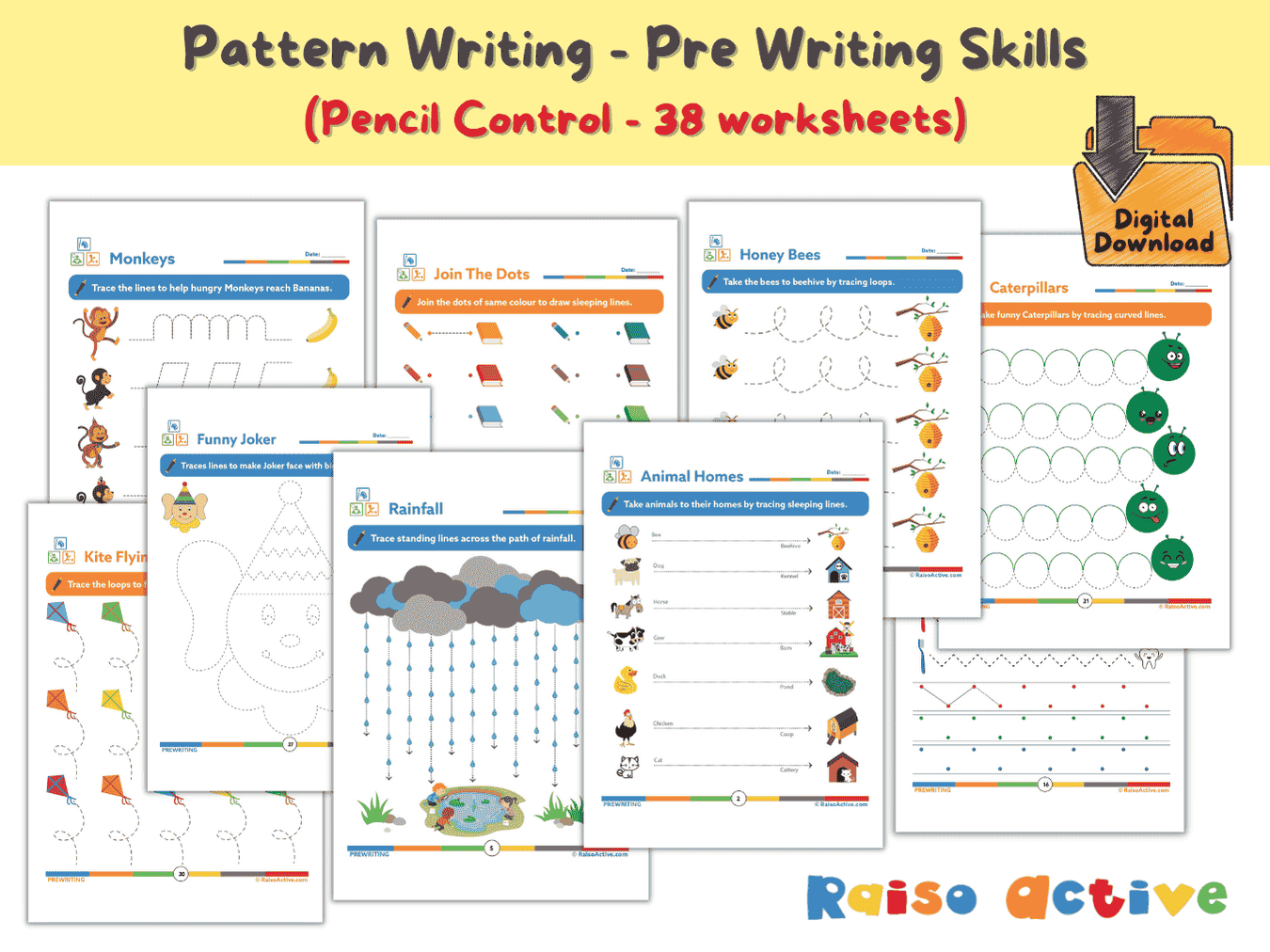

Pattern Writing Pre-writing Skills Activity Book for 3-4 Year Olds
Ages 3-4 · PreschoolAges 3-4 · NurseryAges 3-4 · 44 pages
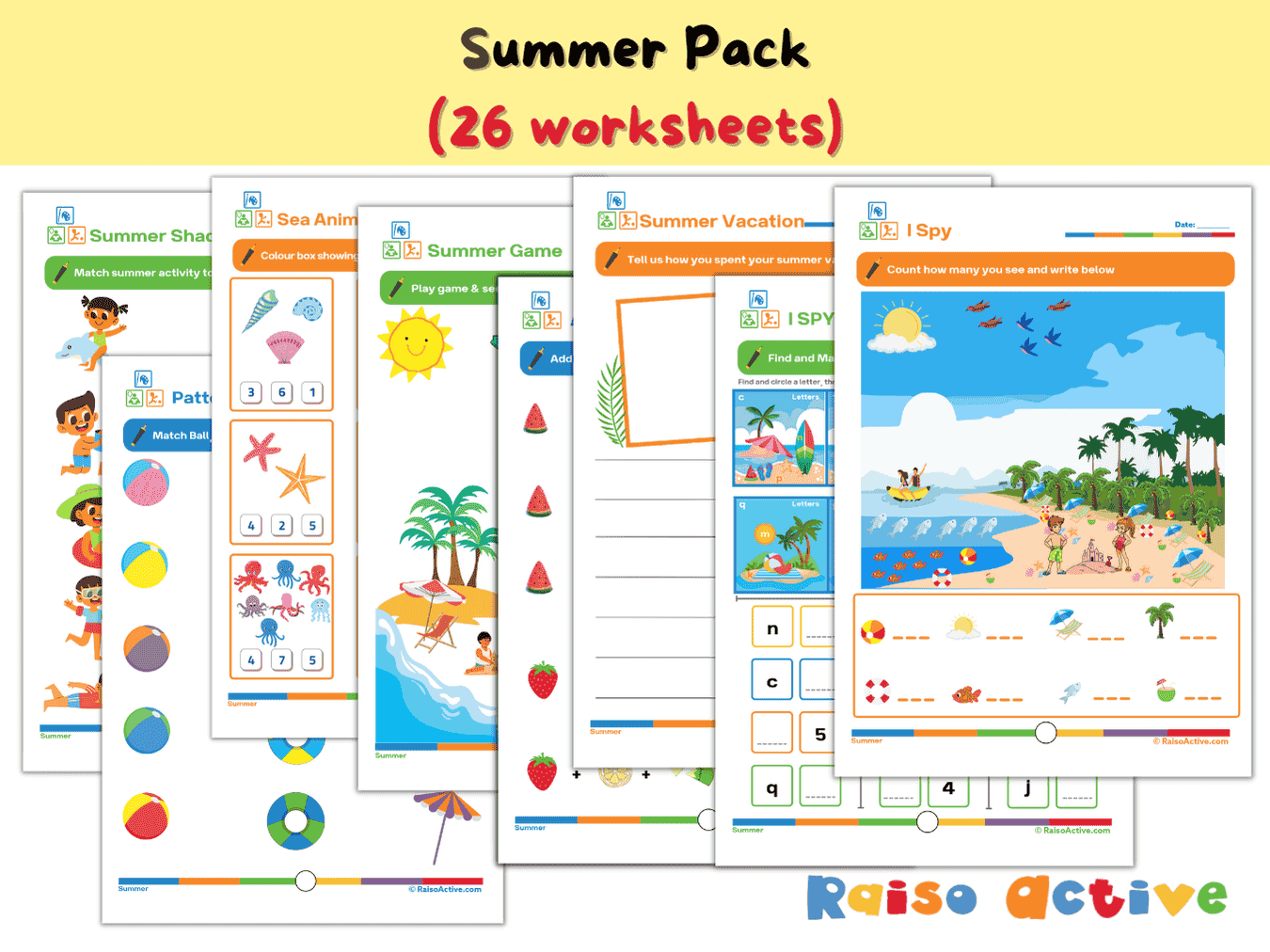

Summer Activity Pack: Math, Literacy, Puzzles & More for Preschool & Kindergarten
Ages 3-7 · Preschool–Grade 1Ages 3-7 · Nursery–Year 2Ages 3-7 · Nursery–Class 1Ages 3-7 · 26 pages
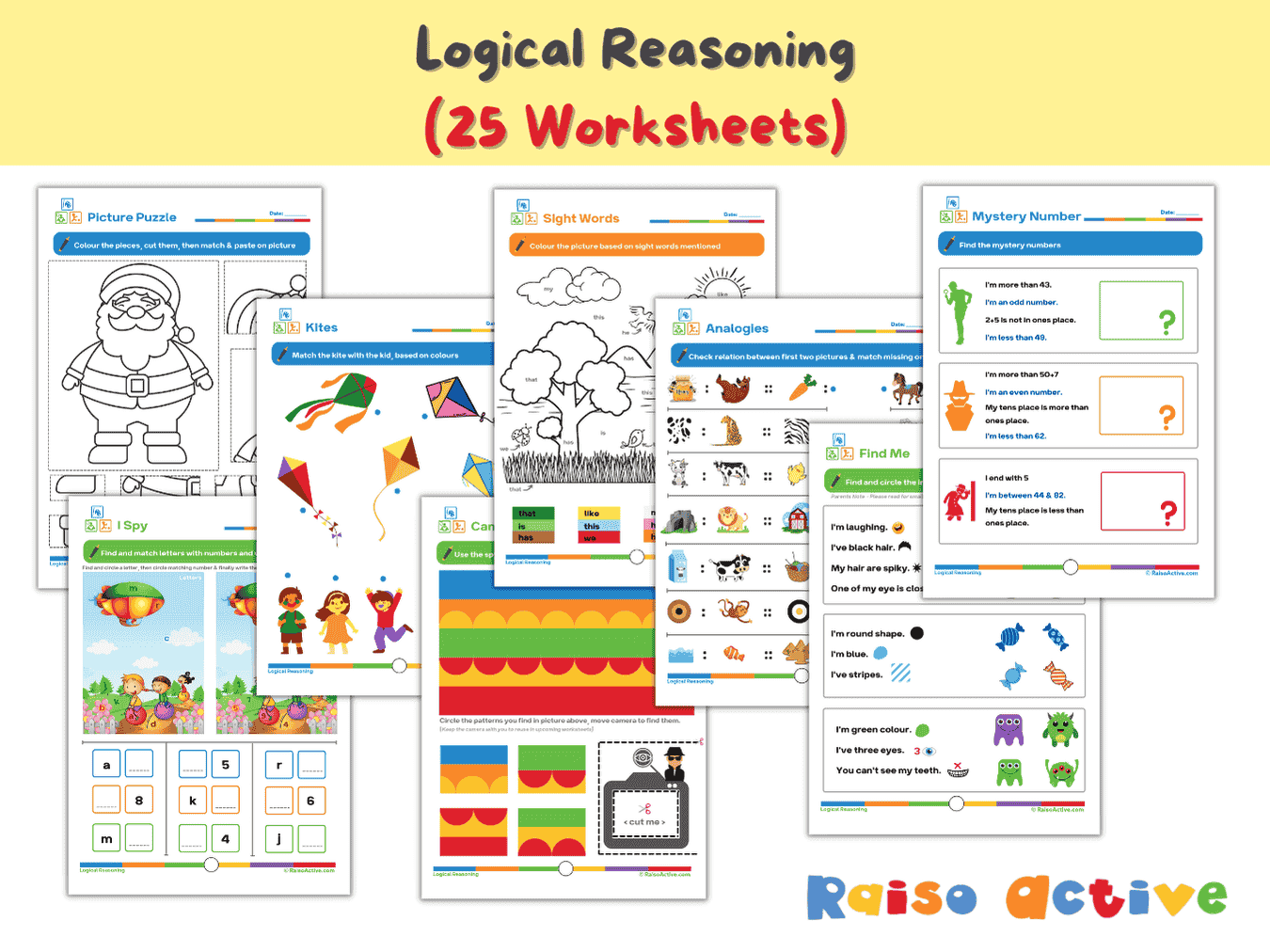

Logical Reasoning Activity Book for Preschool & Kindergarten | Patterns, Puzzles & Analogies
Ages 4-7 · Pre-K–Grade 1Ages 4-7 · Reception–Year 2Ages 4-7 · LKG–Class 1Ages 4-7 · 26 pages
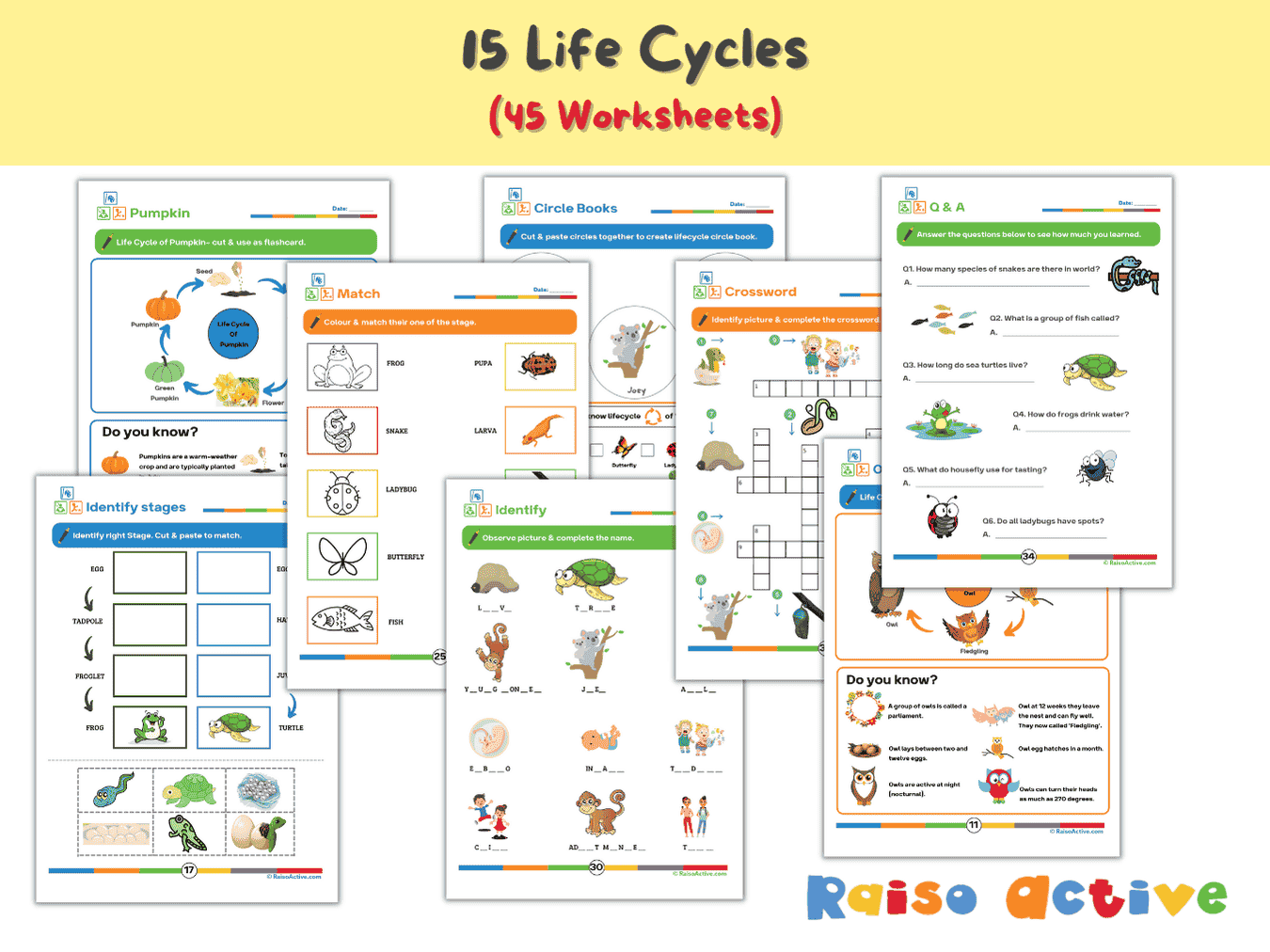

Lifecycles Activity Book & Flashcards for Preschool & Early Elementary
Ages 3-8 · Preschool–Grade 2Ages 3-8 · Nursery–Year 3Ages 3-8 · Nursery–Class 2Ages 3-8 · 46 pages
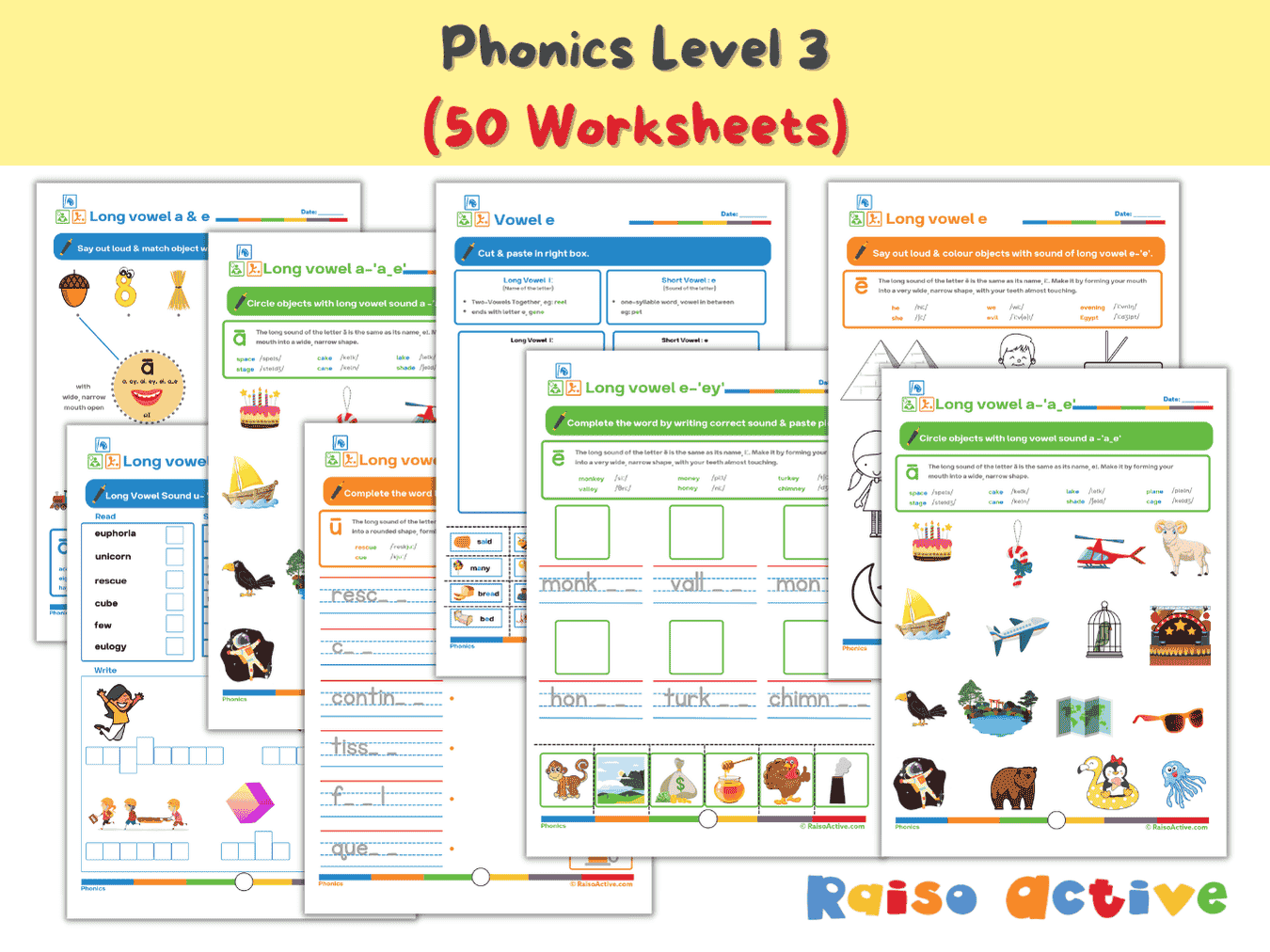

Phonics Level 3 Long Vowels Activity Book for Kindergarten & 1st Grade
Ages 5-7 · Kindergarten–Grade 1Ages 5-7 · Year 1–Year 2Ages 5-7 · UKG–Class 1Ages 5-7 · 51 pages
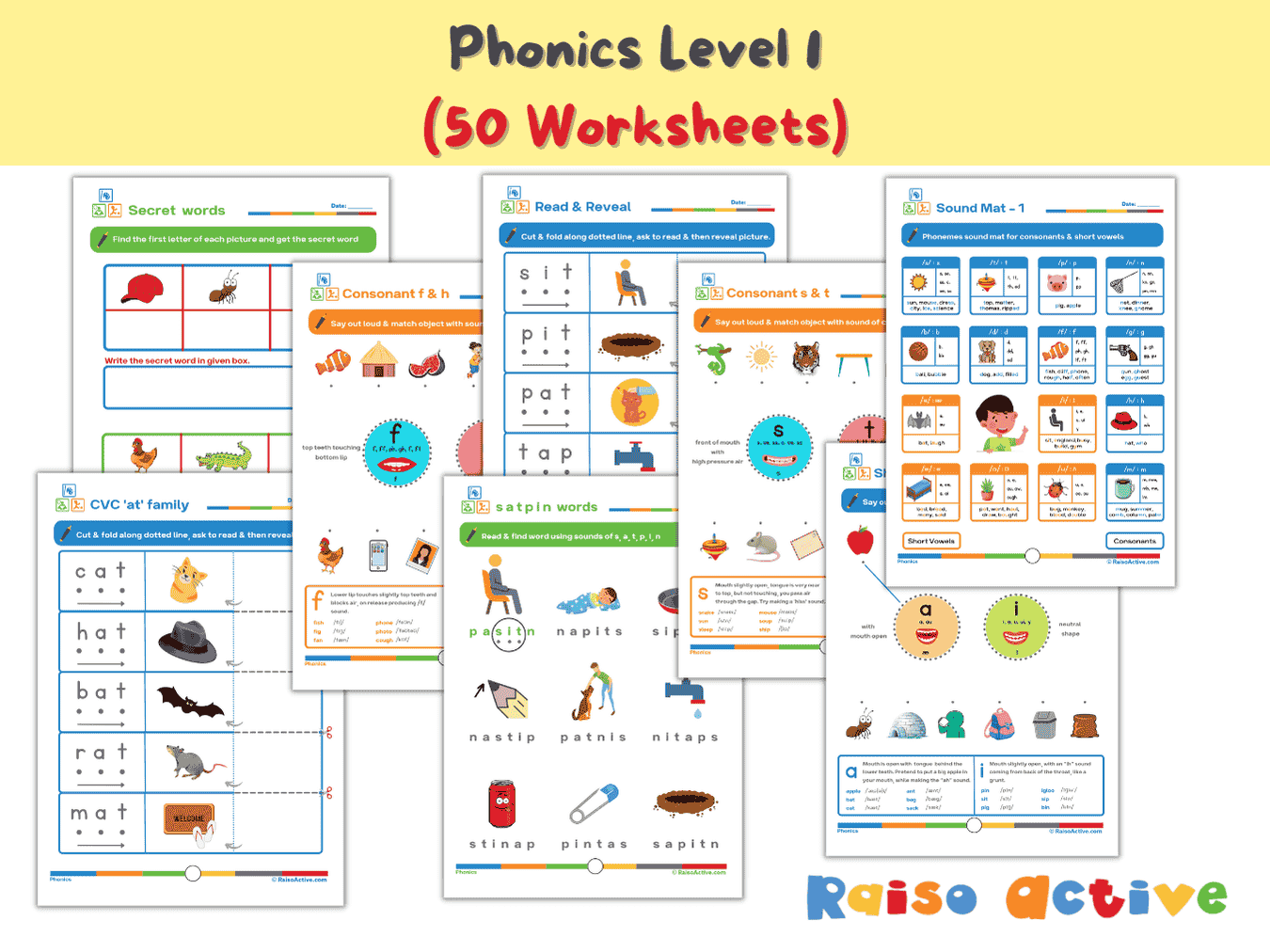
Phonics Level 1 Activity Book: Letter Sounds, Blending & CVC Words for Preschool & Kindergarten
Ages 3-6 · Preschool–KindergartenAges 3-6 · Nursery–Year 1Ages 3-6 · Nursery–UKGAges 3-6 · 60 pages
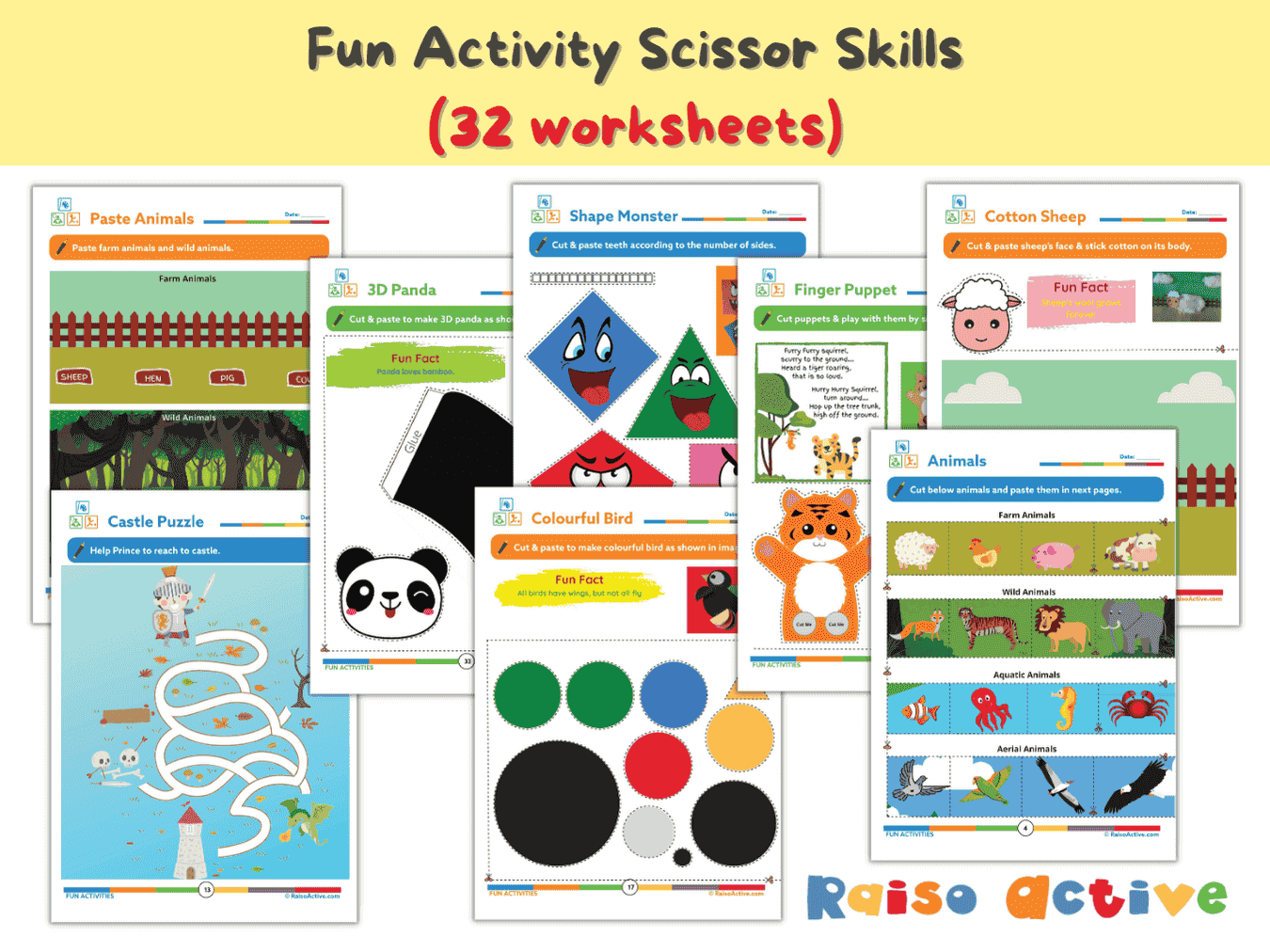
Preschool Scissor Skills Activity Book: Fine Motor & Craft Fun for Ages 3-6
Ages 3-6 · Preschool–KindergartenAges 3-6 · Nursery–Year 1Ages 3-6 · Nursery–UKGAges 3-6 · 35 pages
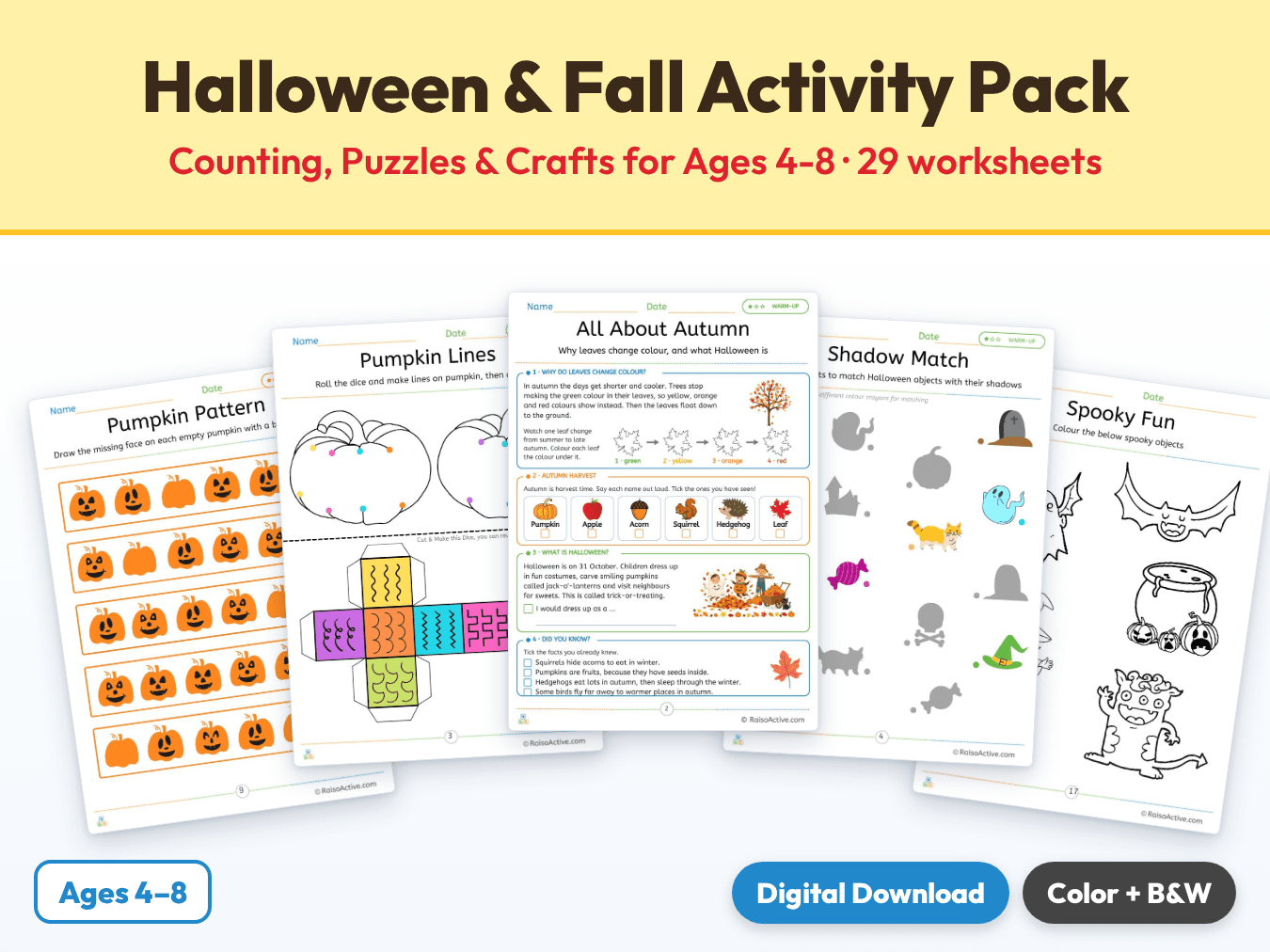
Halloween & Fall Activity Pack: Counting, Puzzles & Crafts for Ages 4-8
Ages 4-8 · Pre-K–Grade 2Ages 4-8 · Reception–Year 3Ages 4-8 · LKG–Class 2Ages 4-8 · 30 pages
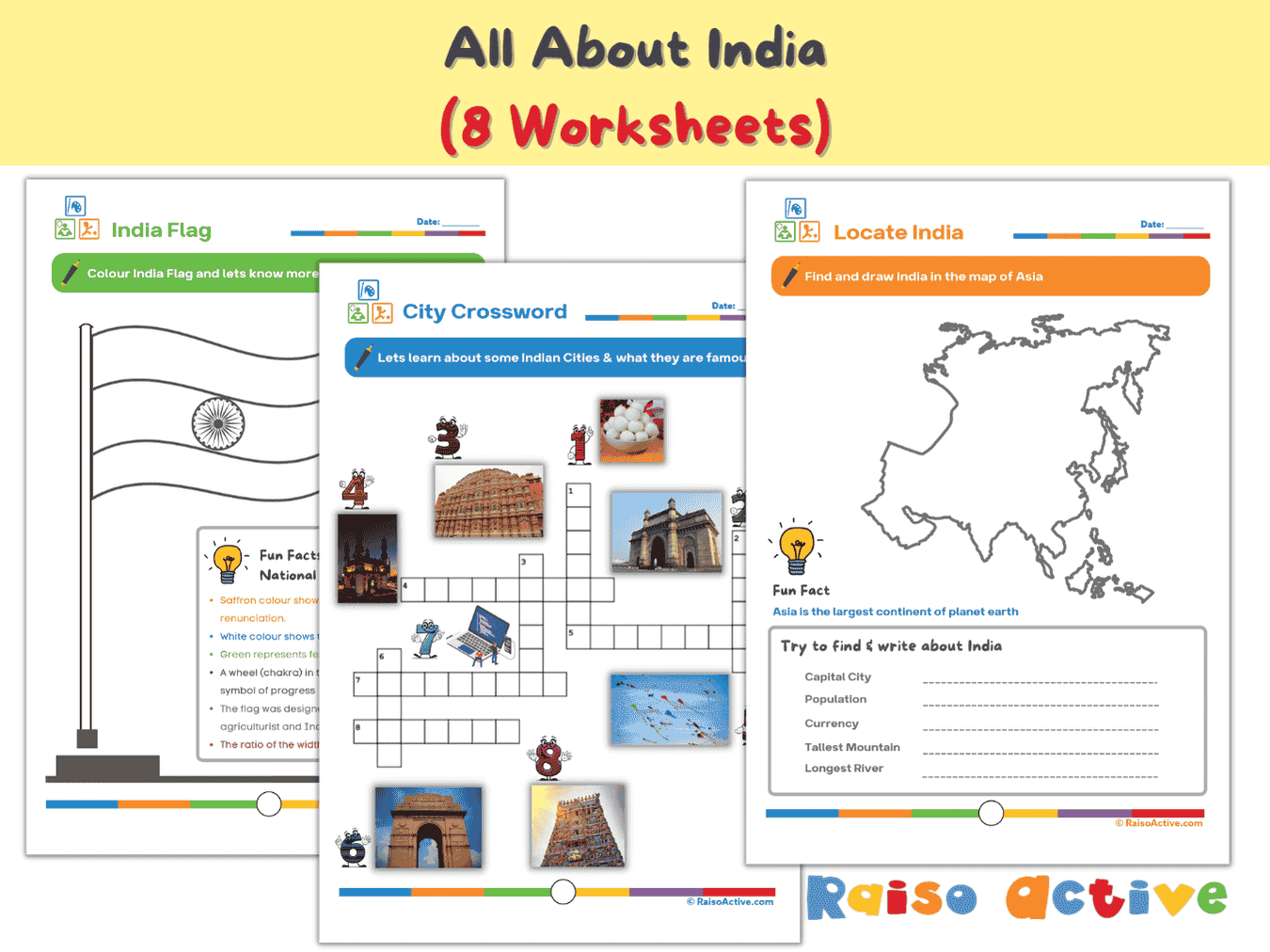
India Activity Book for Kids: Explore Geography, Culture & Symbols (Ages 5-8)
Ages 5-8 · Kindergarten–Grade 2Ages 5-8 · Year 1–Year 3Ages 5-8 · UKG–Class 2Ages 5-8 · 8 pages
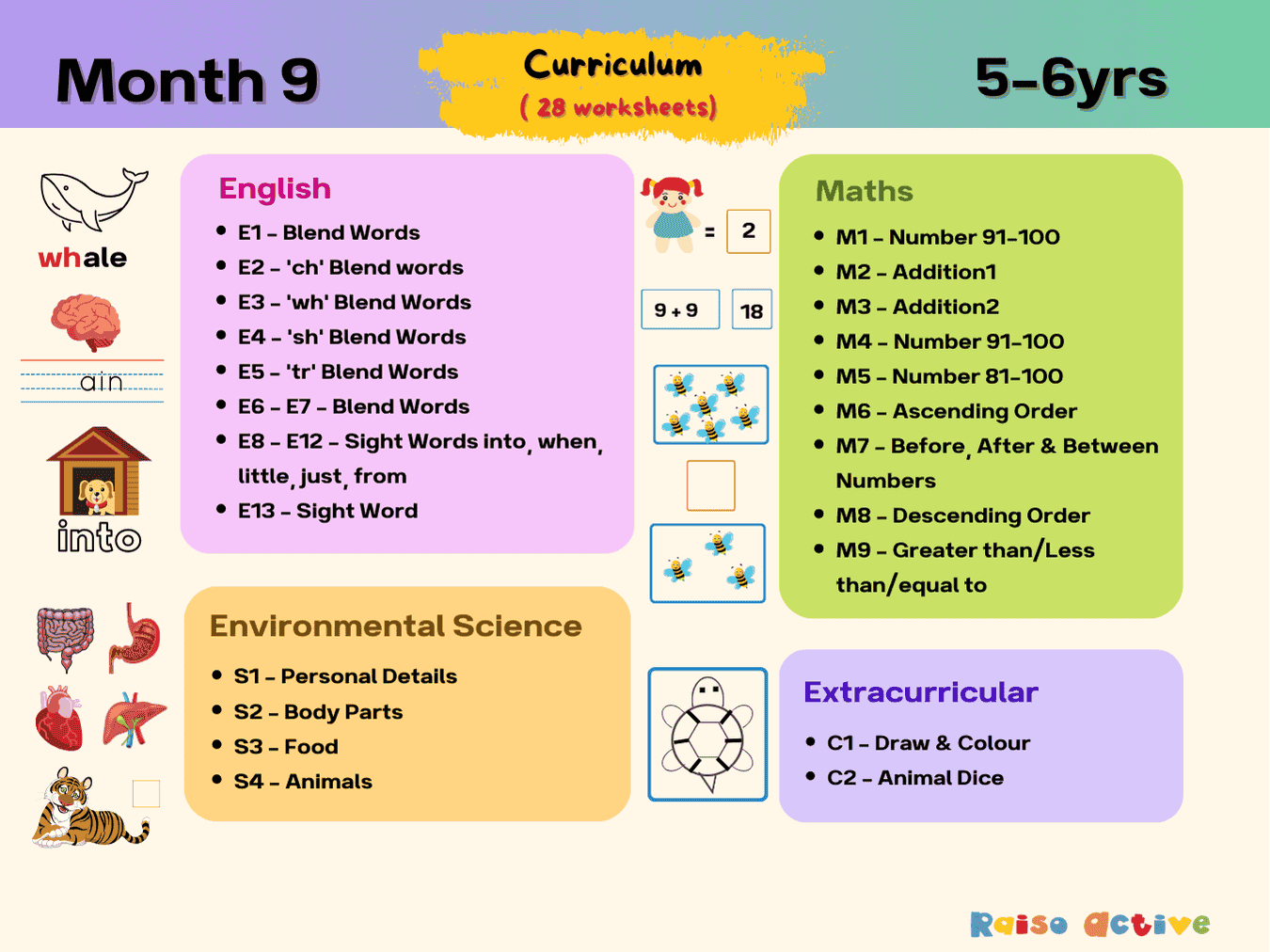
Month 9: Early Learning English Math Science | Ages 5-6
Ages 5-6 · KindergartenAges 5-6 · Year 1Ages 5-6 · UKGAges 5-6 · 31 pages