Descending Order Worksheet: Numbers 1-100
Arranging numbers from largest to smallest requires children to compare multiple quantities at once and hold a mental number line firmly enough to reverse their usual forward-counting habit, making this noticeably more challenging than ascending order practice. For ages four to six working with numbers up to 100, this builds flexible number sense that supports later skills like rounding and estimating.
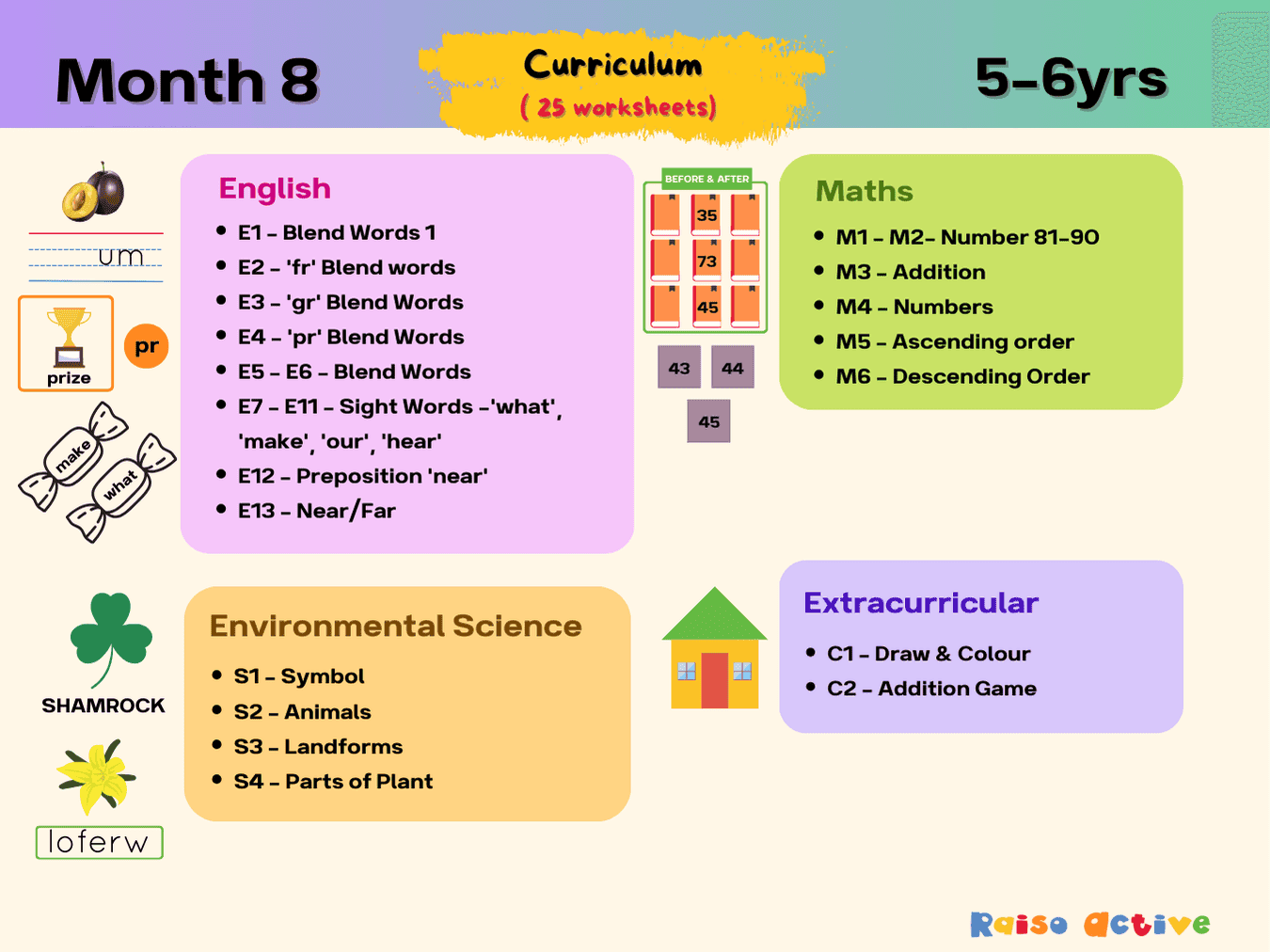
Part of the pack
Month 8: Literacy, Math, Science Foundations | Ages 5-6
This is page 22 of the pack. Ages 5-6 · KindergartenAges 5-6 · Year 1Ages 5-6 · UKGAges 5-6
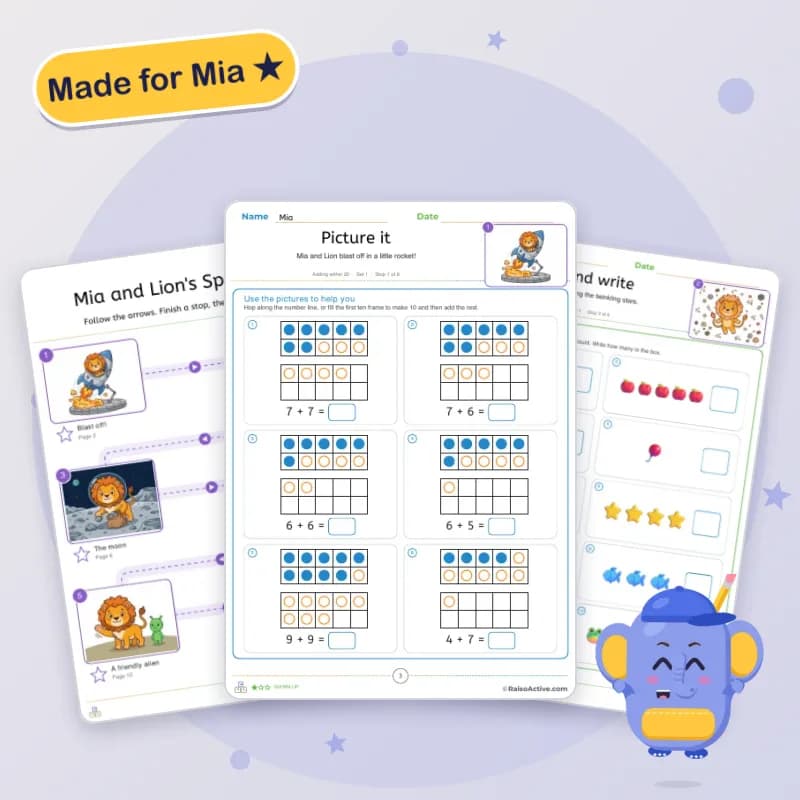
Made for your child
Counting to 10, made for your child
A maths pack with your child's name in it: pictures that explain, practice at three levels, puzzles and story sums about them. Print a new set whenever they finish.
Make a maths packFree preview · free for members
See all 7 personalised packsAbout this worksheet
- Topic:
- Number Sequencing
- Skill:
- Number Sequencing (Number Sense): Order numbers and find missing numbers in sequences.
- Pack:
- Page 22 of 28 in Month 8: Literacy, Math, Science Foundations | Ages 5-6.
How to use this worksheet
Look at the three numbers given in the first row and ask your child which one is the biggest before writing anything down. Have them write that number first in the boxes on the right, then identify and write the middle number, followed by the smallest number last, completing the descending order. Repeat this process for each row on the page, encouraging your child to compare all three numbers before writing any of them down. Once finished, review a few rows together and ask your child to explain how they decided the order.
Materials needed
- Pencil
- Eraser
Extension activities
- 1Have your child pick three random numbers themselves and practice putting them in descending order.
- 2Use building blocks or toy cars numbered with stickers and have your child physically line them up from largest to smallest.
- 3Play a quick number-ordering race, giving your child a set of number cards to arrange as fast as they can.
- 4Compare two-digit numbers using a hundred chart, pointing out which numbers come before and after others.

Written by
Hemsweta Jain · Teacher Cheena
MBA and Early Childhood Educator, teaching since 2014 · Founder of RaisoActive, Mumbai
Every RaisoActive worksheet is designed and checked by the founder before publishing.
Published · Last reviewed
More from Month 8: Literacy, Math, Science Foundations | Ages 5-6
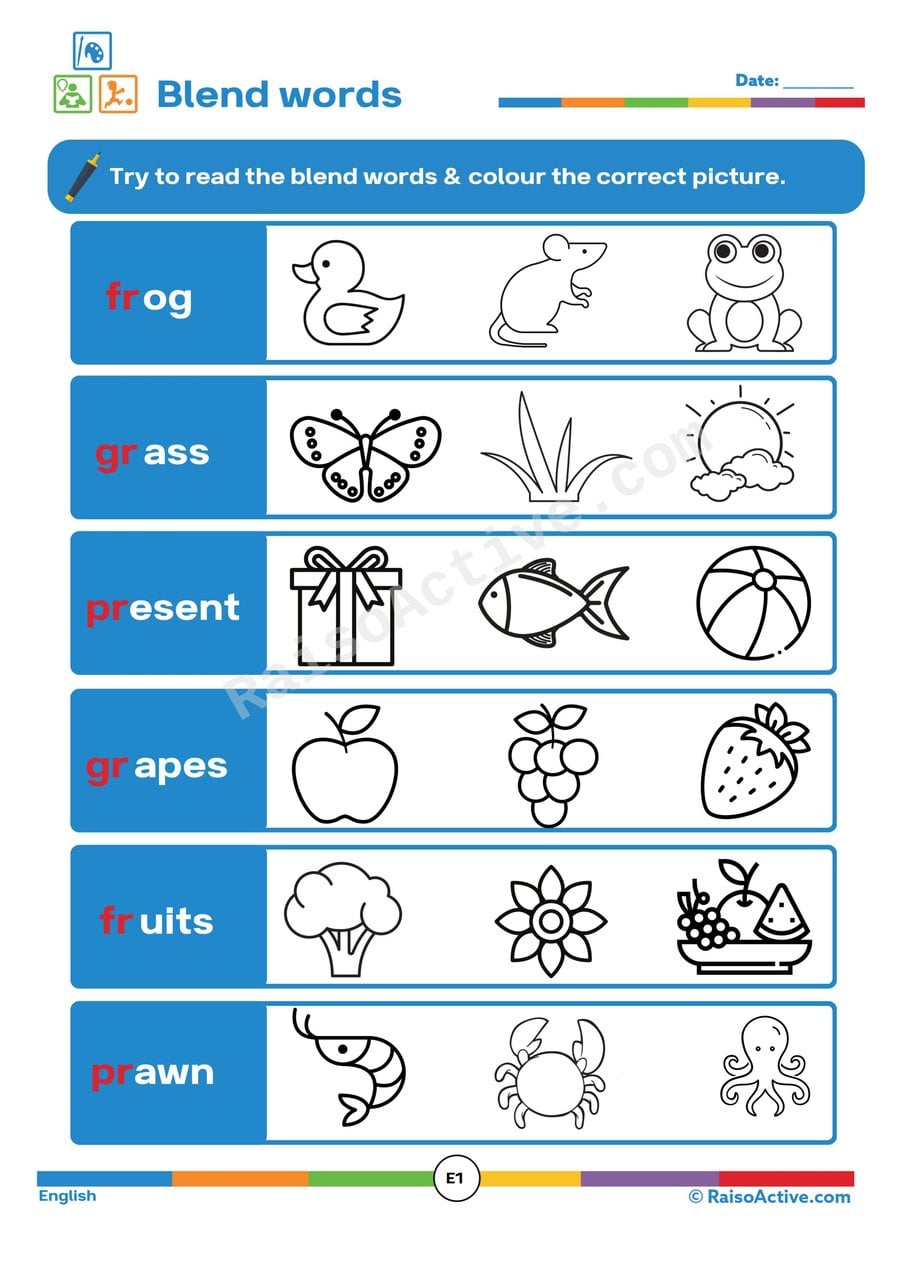
Blend Words Coloring Worksheet for Preschoolers
Ages 4-6
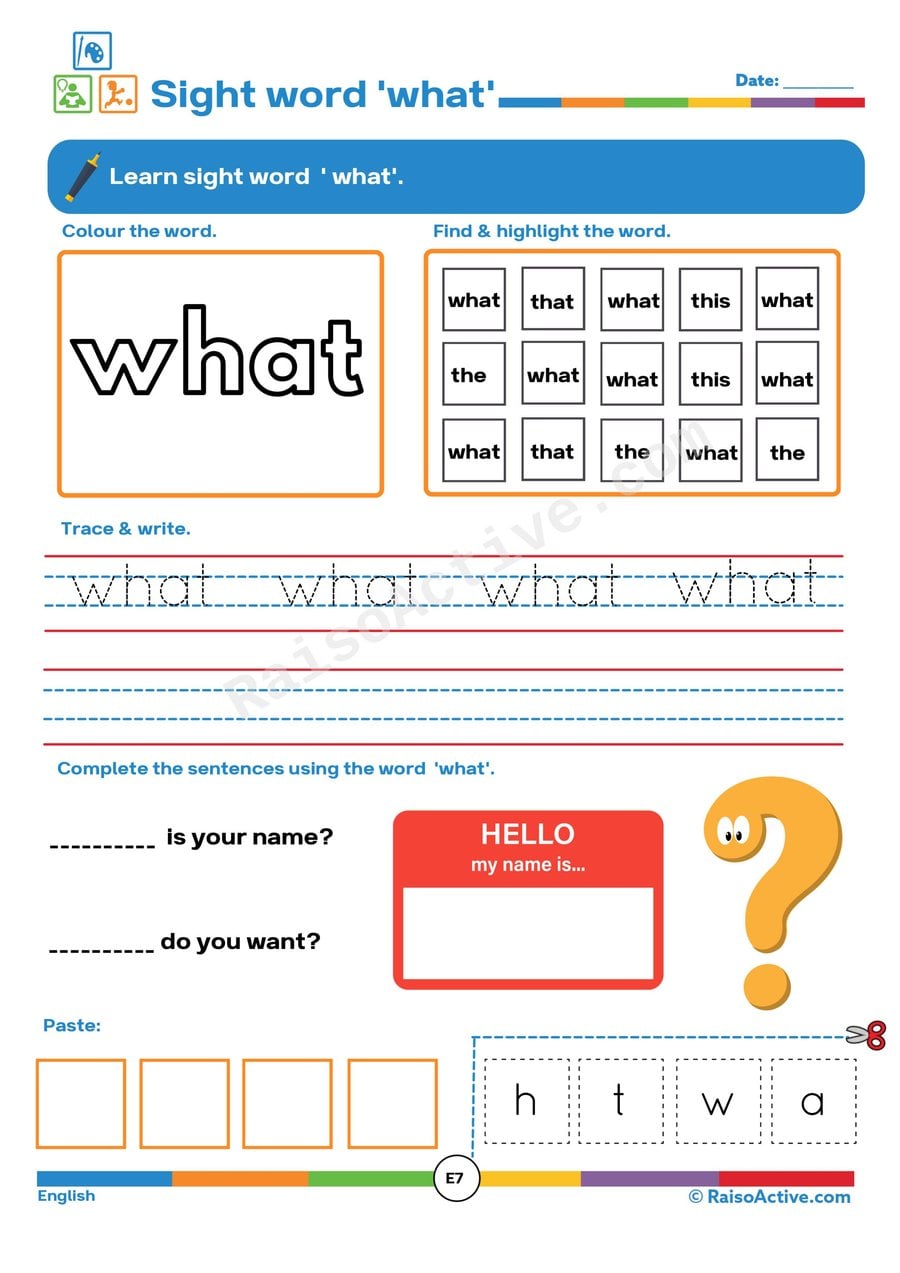
Sight Word 'What' Worksheet: Learn, Trace, and Find!
Ages 4-5

Wild or Domestic? Animal Sorting Worksheet for Kids
Ages 3-5
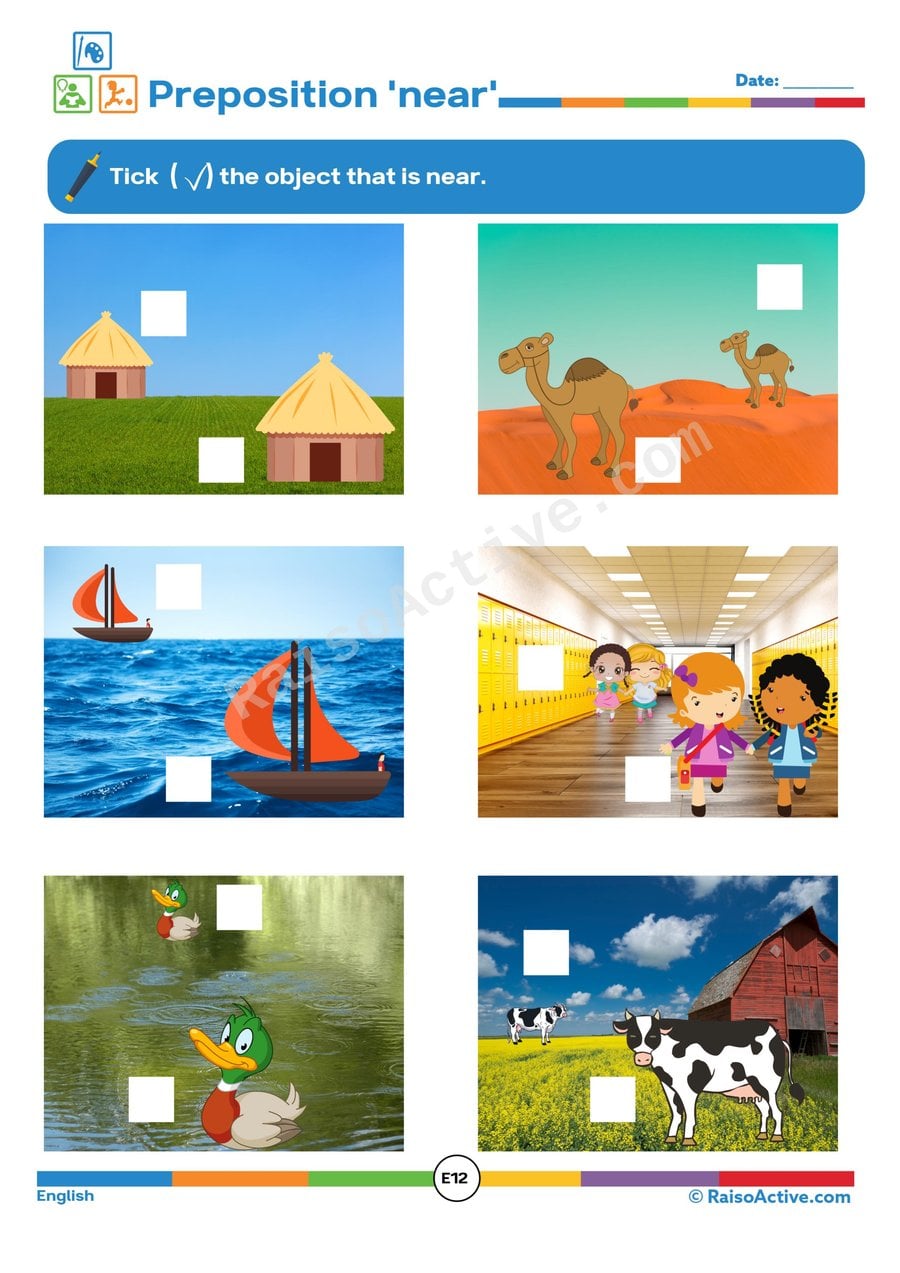
Near or Far? Preposition Worksheet for Kids
Ages 3-5
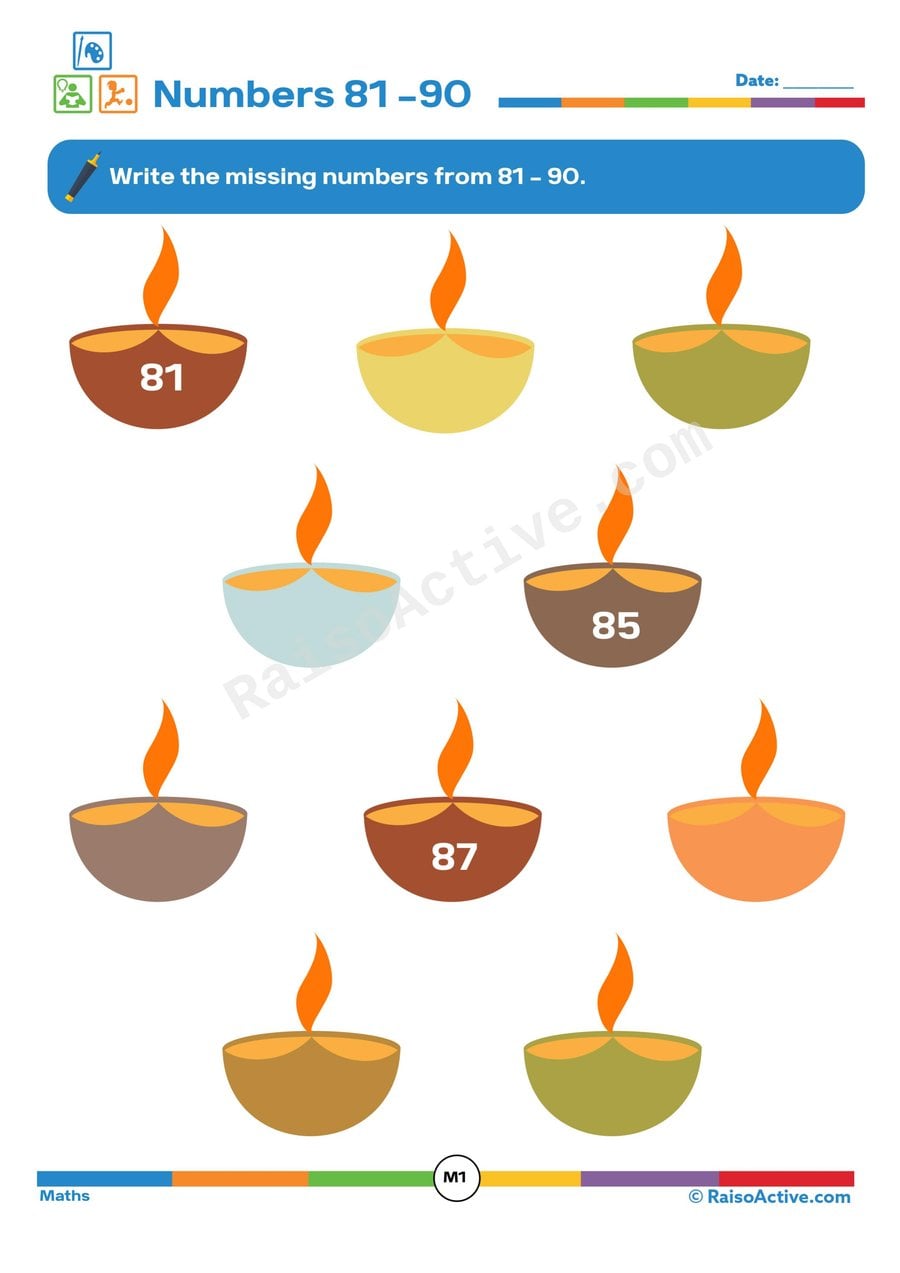
Missing Numbers: Diwali Diyas Worksheet for Kids
Ages 4-6
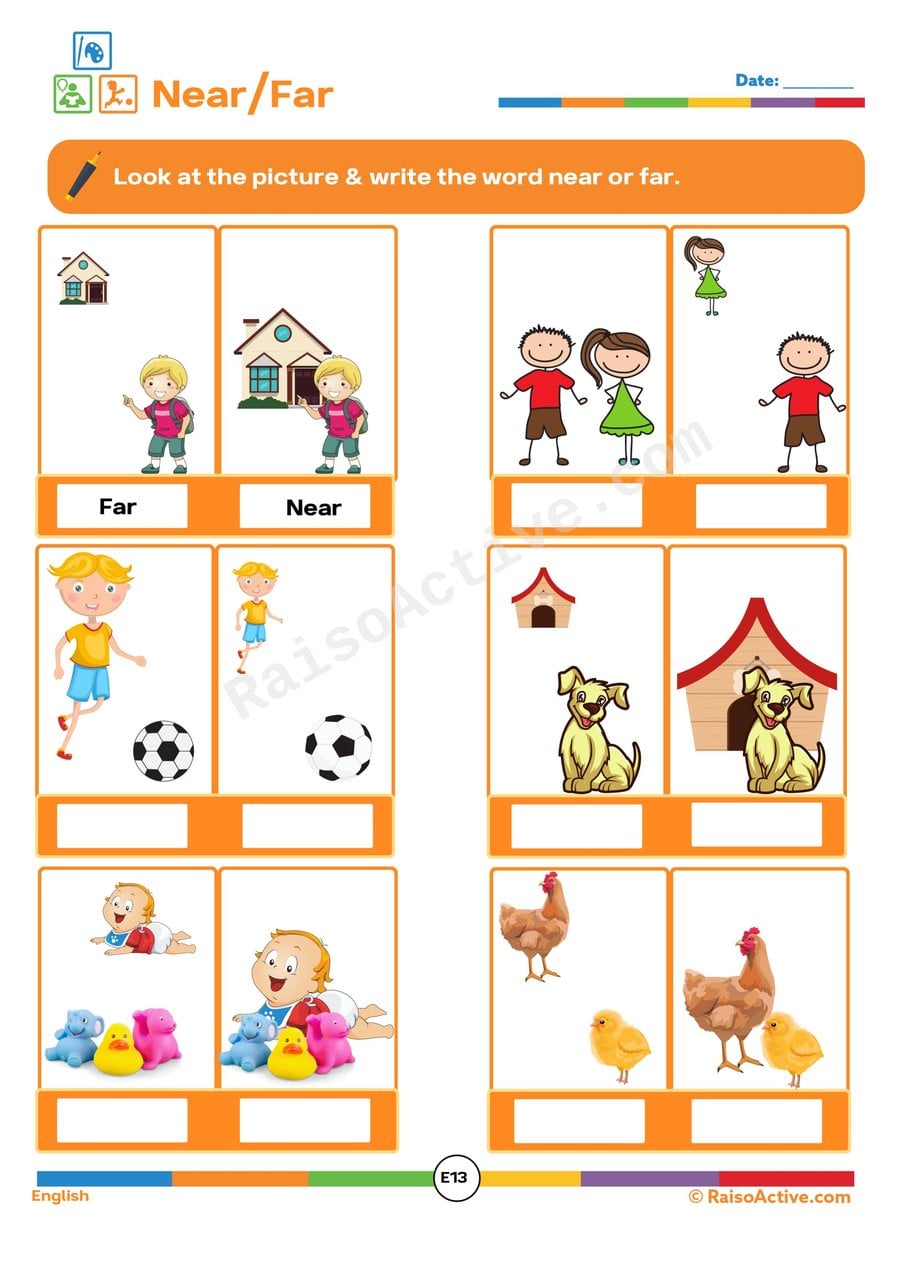
Near and Far Worksheet for Preschoolers
Ages 3-5
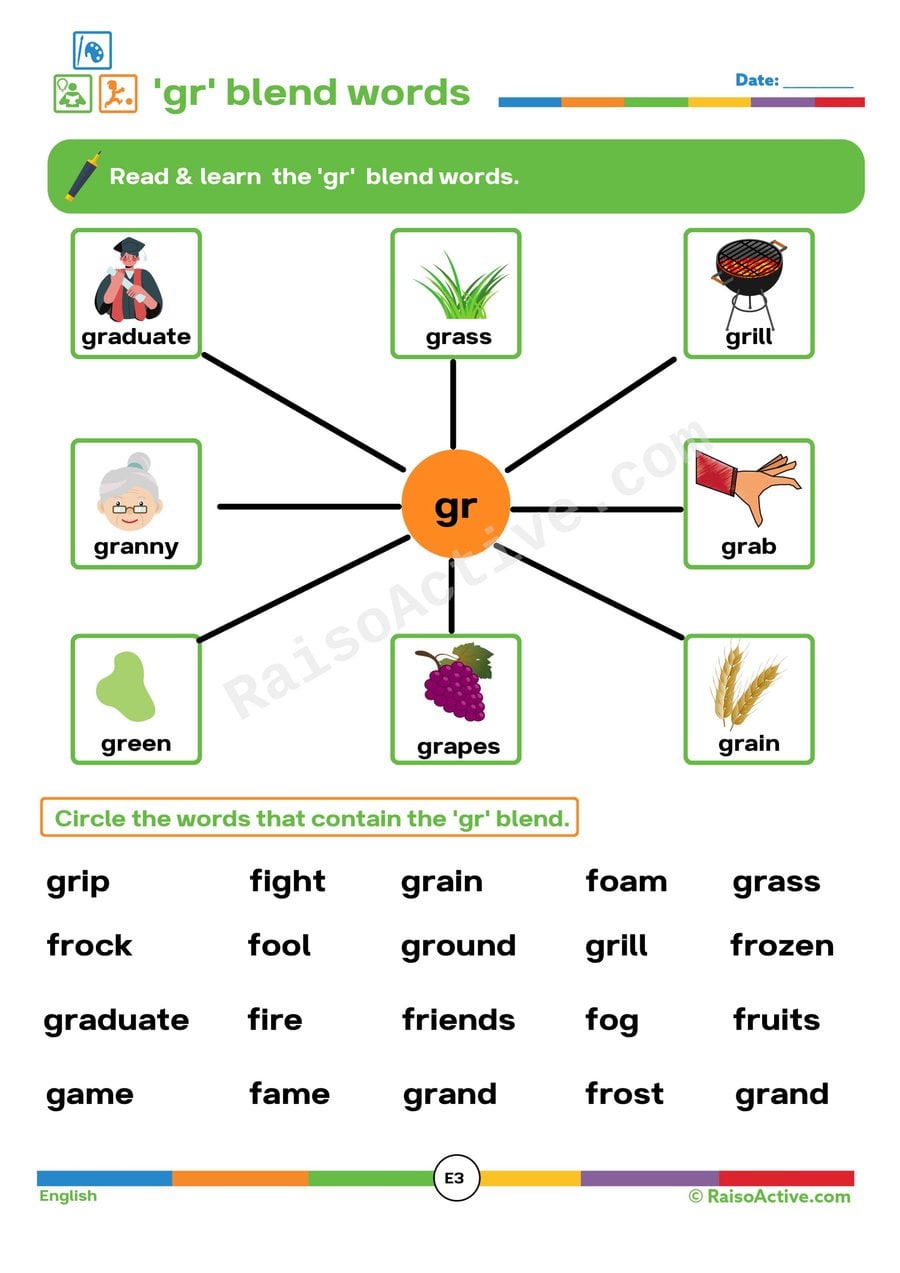
Gr Blend Words Worksheet: Circle the 'gr' Words!
Ages 4-6

Blend Words Worksheet: Fill in the Blanks with Beginning Blends!
Ages 4-6
Related worksheets

Summer Puzzle Worksheet: Cut and Arrange Numbers 11-20!
Ages 4-5
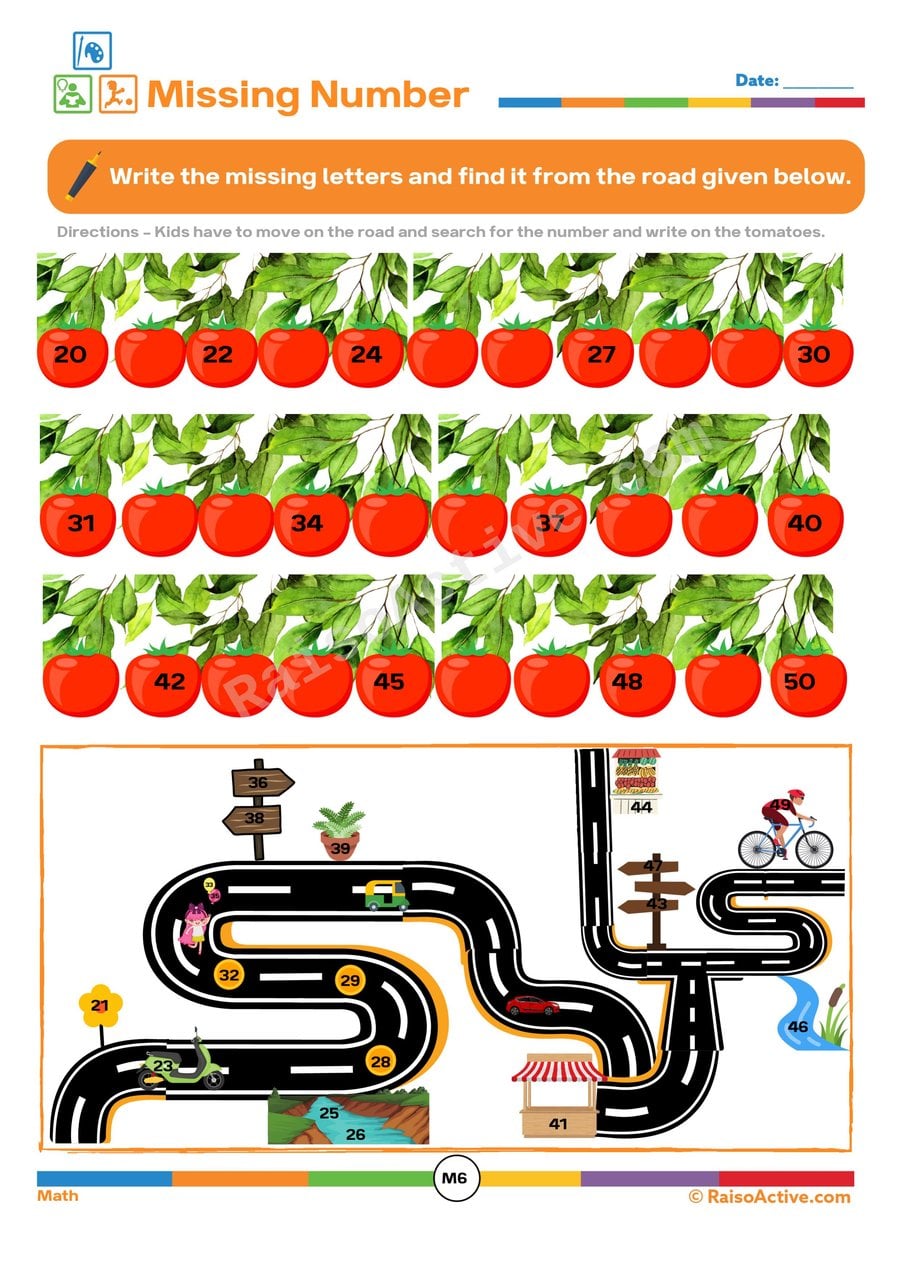
Missing Number Road Trip Worksheet for Kids
Ages 4-6

Number Path Adventure: Write Numbers 1-20 Worksheet
Ages 4-6

Ascending Order Cut and Paste Worksheet for Preschoolers
Ages 4-6
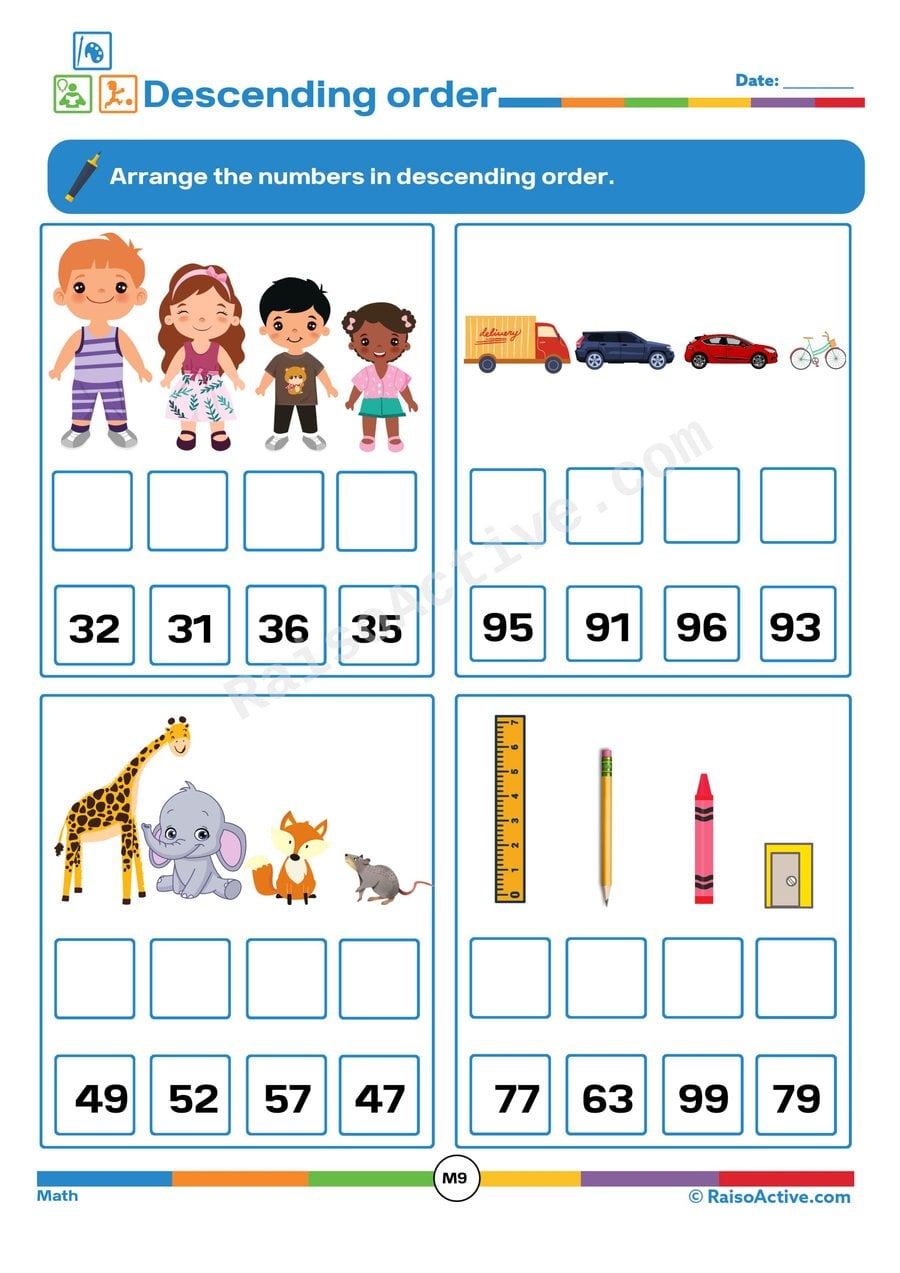
Descending Order Worksheet: Numbers 31-99
Ages 4-6

Duckling's Number Path: Connect the Dots Worksheet
Ages 3-5

Missing Numbers: Ice Cream Fun Worksheet for Kids
Ages 3-5
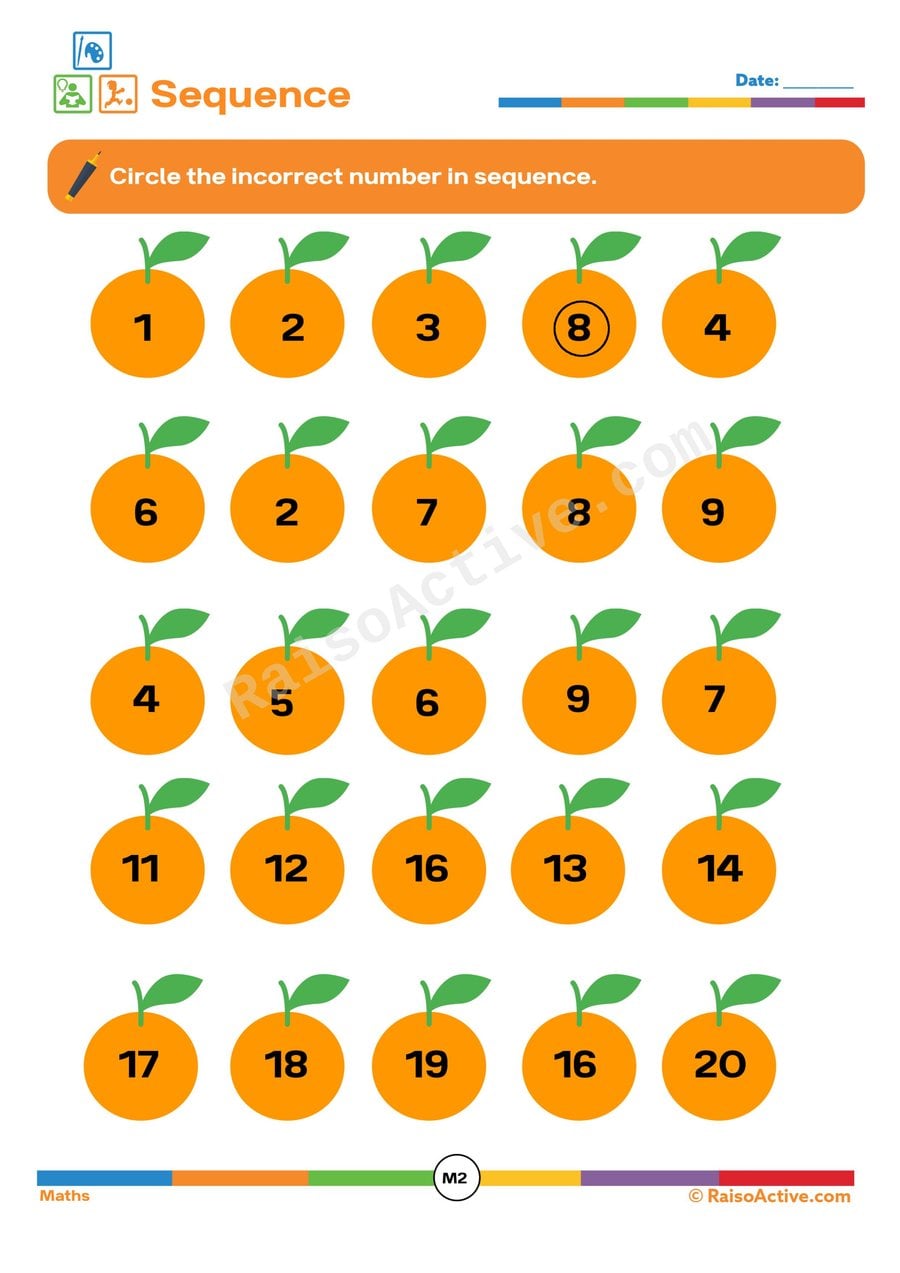
Sequence Worksheet: Find the Incorrect Number!
Ages 4-5
Guides for this topic

Number Formation Rhymes 0–9 and How to Fix Reversals
Original number formation rhymes for 0–9, the correct stroke order for each digit, why 3, 5 and 7 get reversed most often, and multisensory fixes that work.

Coding Activities for Preschoolers: Building Tomorrow's Thinkers Today
Discover 15+ unplugged and screen-based coding activities for preschoolers that build sequencing, logic, and problem-solving skills through play. NEP 2020 aligned.

Christmas and Winter Activities That Combine Fun and Learning: Creating Magical Educational Experiences
Discover Christmas and winter activities that combine festive fun with real learning. Crafts, counting, literacy, and printable worksheets for ages 2 to 8 — perfect for home and school.
Reviews
Every worksheet for ages 4–6, no watermark
Members download the full library of 1,000+ worksheets and every activity pack without watermarks or daily limits. One year costs ₹999 in India or $20 elsewhere.
See membership plansOr download any worksheet free with a watermark (5 a day).