Helping Your Shy Child Thrive in Learning Activities: A Complete Guide for Parents and Educators
Author
RaisoActive - Kids Activities and Fun Learning
Published
Updated
Reading Time
16 min read

- Shyness, introversion, and social anxiety are three different things — and understanding the difference changes how you support your child
- Shyness is a personality trait, not a problem to be fixed — gentle acceptance goes further than pushing
- Practical strategies to ease shy children into group learning: warm-up time, buddy systems, small groups first
- Learning activities that naturally suit quieter, more introspective children
- How to partner with teachers and navigate the big social moments of Indian family life
When Your Child Hangs Back: Understanding the Shy Learner
It is the first day of the new school year. Most of the children are charging into the classroom, already calling out to friends. But your child is standing close to you, one hand gripping your dupatta, watching everything from a careful distance. You recognise that look — it is the same one they wore at the building society's Diwali party, at the cousin's birthday, at every new situation that required them to walk into a room full of people.
If this sounds familiar, you are certainly not alone. Research suggests that around 15 to 20 percent of children are born with a temperament that tends toward shyness or introversion. Yet despite how common it is, shy children are often misread as unfriendly, uninterested, or even slow — when in reality, they are simply processing the world more deeply before they engage with it.
This guide is for every parent and educator who wants to support a quieter child without inadvertently sending the message that there is something wrong with them. Because there is not. Shy children often grow into some of the most thoughtful, creative, and empathetic adults in any room — they just need a different kind of support to get there.
Get gentle learning activity ideas in your inbox
Free printable worksheets and expert tips designed for the quieter, more introspective child — delivered weekly to parents and educators.
Shyness, Introversion, and Social Anxiety: Three Very Different Things
One of the most important things parents can understand is that shyness, introversion, and social anxiety are not the same thing, even though they can look similar from the outside. Treating them as interchangeable leads to well-meaning but unhelpful responses.
Shyness is a feeling of discomfort or apprehension in social situations, particularly new or unfamiliar ones. It is typically strongest at the point of entry — the shy child hangs back at first, but once warmed up, they often participate fully and happily. Shyness is primarily emotional in nature.
Introversion is a personality trait related to how a person recharges their energy. Introverted children are not necessarily nervous about social situations — they simply prefer less stimulation and need quiet time alone after social activity. An introverted child can be socially confident but will still need downtime after a loud birthday party to feel like themselves again.
Social anxiety is more intense and persistent. It involves significant fear of negative evaluation, physical symptoms like stomach aches or nausea before social events, and avoidance that interferes with daily life. If your child's distress around social situations is severe or is getting worse rather than better over time, it is worth speaking to a paediatrician or child psychologist.
Shyness Is Not a Problem to Fix
Indian culture places enormous value on hospitality, warmth, and social ease. Children are expected to greet relatives confidently, perform on demand at family gatherings, and charm every auntie who visits. In this context, a shy child can inadvertently receive the message — from well-meaning family members or even from their own parents — that their natural way of being is somehow wrong or embarrassing.
But shyness is a temperament, not a flaw. Shy children are often more observant, more careful in their decision-making, and more sensitive to the feelings of others around them. These are genuine strengths, not consolation prizes. The goal of supporting a shy child is not to turn them into an extrovert — it is to help them feel safe enough to be themselves.
The research of developmental psychologist Dr Jerome Kagan, who studied temperamentally inhibited children for decades, found that children who are gently supported rather than pushed or overprotected fare best in the long run. Pressure to perform socially can actually reinforce anxiety, whereas patient encouragement builds genuine confidence over time.
Your shy child does not need to be fixed — they need to be understood. Accepting their temperament while gently expanding their comfort zone is the most effective approach any parent or educator can take.
Easing Into Group Learning: Strategies That Actually Work
Group learning activities — circle time, classroom sharing sessions, team projects — can feel overwhelming for a shy child. The key is not to avoid group settings entirely, but to build a bridge that allows the child to enter at their own pace.
Warm-up time is not wasted time. Shy children often need 10 to 15 minutes of quiet observation before they feel ready to participate. Allow them to watch from the edge of an activity before expecting them to join in. Narrate what is happening without pressure: "Look, the children are making rangoli patterns. You can watch for a bit and join when you are ready." This respects their natural rhythm and removes the urgency that triggers anxiety.
The buddy system is powerful. Before introducing a shy child to a large group, pair them with one calm, kind peer for a short activity. When a child already has one established connection in the room, entering a larger group feels far less daunting. Talk to teachers about identifying a gentle, patient classmate who can serve as an informal buddy during transitions and new activities.
Small groups before large ones. If your child attends a tuition class or activity group, ask whether they can start with a smaller group size — even just two or three children. As confidence builds, gradually expanding the group size is much less overwhelming than being thrown into a group of twelve from the start.
- Arrive a few minutes early so your child can settle in before the energy of the full group arrives
- Give them a small role or job — "You can put the crayons on the table" — which gives them a reason to be in the room before they need to interact
- Use a familiar object: let them bring a small comfort item (a favourite eraser, a smooth stone) to hold in their pocket as an anchor
- Name what is coming: "In a little while, all the children will arrive and you will do a drawing activity together. It will be okay."
- Practise social scripts at home: "When someone says hello, you can smile and say hello back — shall we practise?"
Learning Activities That Naturally Suit the Quieter Child
Shy and introverted children often thrive in learning activities that allow for deep focus, individual work, and creative expression. Rather than always pushing them toward high-stimulation group activities, it is worth building in plenty of time for the kinds of learning that come naturally to them.
Reading and storytelling are a particular strength for many quieter children. They often have rich inner lives and love the private, intimate world of books. Create cosy reading corners at home — a bean bag, a small bookshelf, a warm lamp — and let them spend unhurried time with books. Encourage them to retell stories to stuffed animals or draw scenes from books, building language and literacy in a pressure-free way.
Art, craft, and drawing give shy children a way to express complex feelings and ideas without having to verbalise them in real time. Worksheets with colouring, pattern work, and drawing activities are particularly well-suited to children who prefer to work at their own pace. Alongside structured worksheets, open-ended art — a blank page, paint, collage materials — provides an outlet for self-expression.
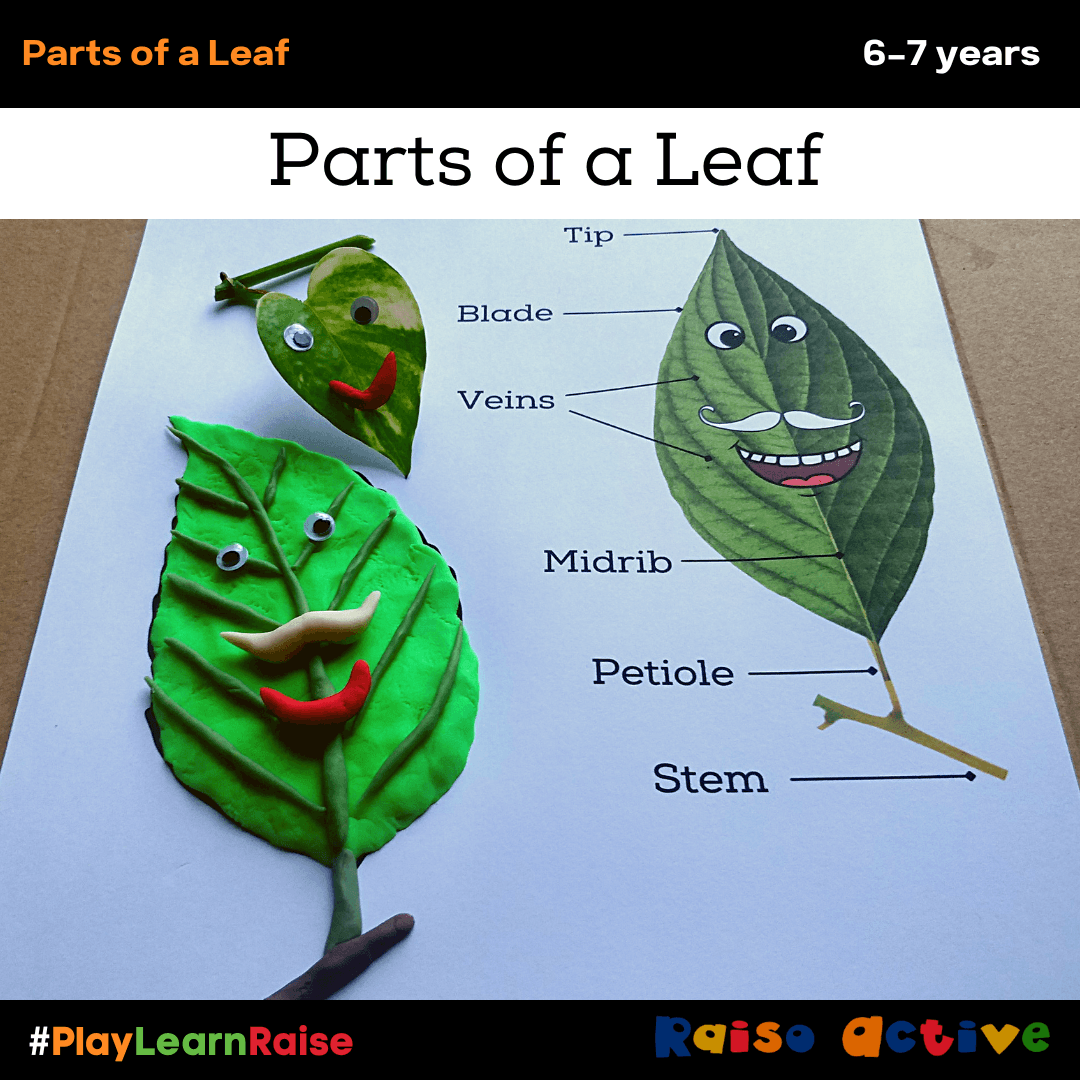
Nature-based learning suits children who find crowds tiring. A walk in the local garden to observe insects, collecting leaves for sorting and classification, growing a small plant at home — these activities combine curiosity with calm, and the natural world is endlessly patient with the child who wants to look before they leap.
Writing and journalling — even simple picture journals for very young children — give quieter children a private space to process their experiences. A child who struggles to talk about their day at school may find it easier to draw three pictures of what happened. This also builds early literacy skills in an organic, child-led way.
Shy and introverted children are not under-engaging with learning — they are often engaging more deeply and more carefully than their louder peers. Build in activities that honour this quality rather than always asking them to adapt to an extroverted style of participation.
Supporting Your Shy Child in the Classroom
The classroom can be one of the trickiest environments for a shy child — lots of noise, unexpected transitions, public speaking requirements, and constant social navigation. Here is how parents and educators can make it more manageable.
Build a relationship with the teacher early. At the start of the school year, have a brief, private conversation with your child's teacher. Explain your child's temperament without pathologising it: "She is a careful observer and needs a little warm-up time before she joins group activities. Once she is comfortable, she participates fully. She does much better when she is not put on the spot in front of the class." Most teachers, when given this context, will naturally adapt their approach.
Ask for advance warning of new activities. Many shy children find transitions and surprises particularly difficult. If the teacher can give a heads-up — even just a note in the diary saying "next week we will be doing a show-and-tell" — the child has time to mentally prepare rather than being caught off guard.
Discourage public calling-out. Some well-meaning teachers try to draw shy children out by calling on them unexpectedly in front of the class. For a shy child, this can be genuinely distressing and can create a negative association with the very activities you want them to enjoy. Ask if the teacher can use alternative participation methods — writing answers on a small whiteboard, whispering to the teacher first, or being given questions in advance.
- Thank the teacher for raising it, and share what you know about your child from home
- Distinguish clearly: "She is shy, not withdrawn — she is happy and engaged at home and with familiar people"
- Ask what specific situations the teacher has noticed — is it all activities, or particular ones?
- Suggest the buddy system, earlier arrival time, or advance preparation as practical strategies
- Request a follow-up conversation in 4 to 6 weeks to review how things are going
Research by psychologist Philip Zimbardo found that approximately 40 percent of people describe themselves as shy, making it one of the most common temperamental traits in children and adults alike. Shyness is not unusual — it is a normal and widespread human characteristic.
Source: Philip Zimbardo, The Shy Child (1981)
Navigating Extended Family and Cultural Expectations in India
Indian family life is wonderfully rich — and for a shy child, it can also be genuinely overwhelming. Weddings, festivals, naming ceremonies, and extended family visits often involve large, noisy gatherings with many unfamiliar faces. Relatives who have not seen the child in months may expect an enthusiastic hug, a performance of a poem, or at the very least, direct eye contact and a confident "Namaste."
When a shy child freezes, hides behind a parent, or refuses to engage, relatives often respond in ways that make things worse — calling the child "boring," comparing them to a more outgoing cousin, or repeatedly trying to coax a response while all eyes are watching. The child's discomfort deepens, and the parent is caught in the middle.
A few strategies can help navigate these situations with kindness for everyone involved. Brief the adults in advance — a quiet word to a favourite auntie: "He takes a little time to warm up. Could you give him a few minutes before expecting him to talk to you?" Most relatives, when they understand, are more than willing to adjust. Give the child an exit ramp — permission to step outside with you for a few minutes if the noise gets too much. Knowing escape is possible paradoxically makes it easier to stay. Never force physical affection. Requiring a child to hug or kiss relatives they do not feel comfortable with sends confusing messages about body autonomy and can actually increase social anxiety.
- Do not label your child as shy in front of them — labels become self-fulfilling and limit how the child sees themselves
- Do not force them to perform socially on demand — this increases anxiety and erodes trust
- Do not apologise for them to others ("Sorry, she is just shy") — this signals that their behaviour is shameful
- Do not compare them to more outgoing siblings or cousins — comparison damages self-esteem without building social confidence
- Do not dismiss their discomfort as "being silly" — their experience is real and deserves to be taken seriously
Building Social Confidence Gradually: A Step-by-Step Approach
Start in the comfort zone
Begin with one-on-one playdates at home with a child your child already likes. Home turf, one familiar person, and no time pressure create the perfect low-stakes environment for practising social skills.
Introduce small groups with familiar children
Once one-on-one interactions feel comfortable, arrange a small group of two or three children for a structured activity — building blocks, colouring, a simple board game. Structure reduces the uncertainty that triggers shyness.
Try a low-pressure interest-based class
Enrol your child in a small-group class centred on something they genuinely love — art, clay, music, or a sport. Shared interest is a natural conversation starter and reduces the need for forced small talk.
Practise social scripts at home
Role-play common social situations: greeting a new friend, asking to join a game, saying goodbye. Using soft toys as props removes the awkwardness and makes it feel like play rather than rehearsal.
Give them language for their experience
Help your child name their experience without shame: "Sometimes new situations feel a bit scary at first, and that is completely okay. Lots of people feel that way. It usually gets easier once you are there for a little while."
Celebrate small victories specifically
Notice and name specific brave moments: "You said hello to Priya's mum today — that took courage and I am really proud of you." Specific praise is far more powerful than general encouragement and builds an internal narrative of competence.
Keep expanding the comfort zone slowly
Each successful experience becomes the foundation for the next slightly more challenging one. The key word is "slightly" — pushing too far too fast resets confidence rather than building it. Trust the process, even when it feels slow.
- +Arrive early so the child can settle before others
- +Let them observe before participating
- +Pair with one calm, familiar peer first
- +Give advance warning of new activities
- +Celebrate specific small social steps
- +Provide quiet downtime after social activity
- +Accept warmth at their own pace
- -Arriving late and rushing straight into the activity
- -Insisting they join before they are ready
- -Placing them in a large group from the start
- -Springing surprises without warning
- -Focusing on what they still cannot do
- -Scheduling back-to-back social activities
- -Requiring hugs and greetings on demand
Choice and control are powerful tools for shy children. When a child can choose which activity to try first, which peer to sit beside, or how they want to contribute to a group project, their anxiety decreases and their willingness to engage increases significantly.
Support Your Quiet Child's Learning Journey
Join thousands of parents and teachers across India who use our free printable worksheets and activity guides to nurture confident, emotionally intelligent children — at every pace and temperament. Subscribe for weekly ideas delivered to your inbox.
Frequently Asked Questions About Shy Children and Learning
How do I know if my child is just shy or if they have social anxiety?
My child is fine one-on-one but refuses to join group activities. Is this normal?
My relatives keep telling me my child is antisocial. How do I respond?
Should I enrol my shy child in group classes to help them practice social skills?
My child's teacher says they need to "come out of their shell." What should I do?
Are there any famous or successful people who were shy children?
Free worksheets for this topic
Browse all worksheets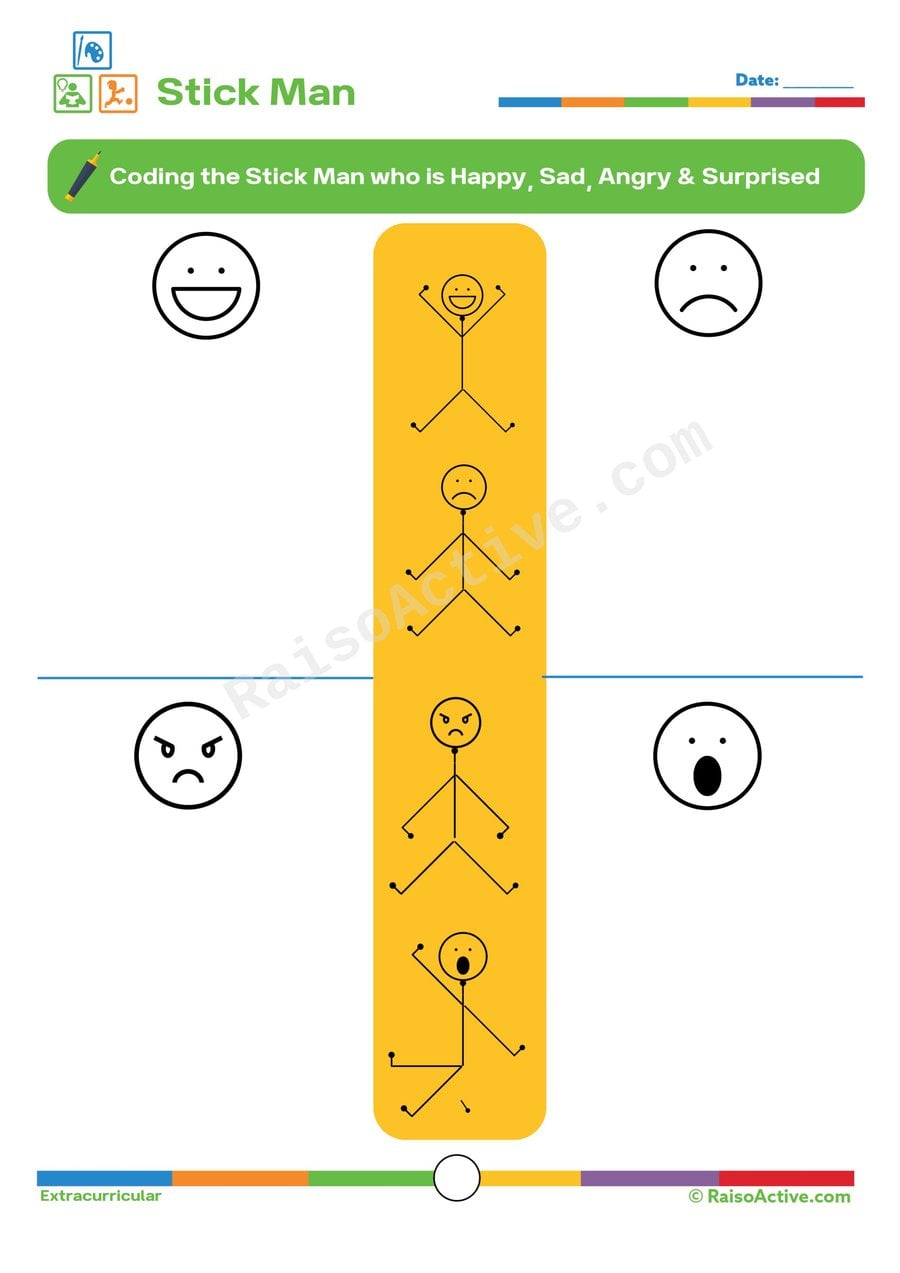
Stick Man Emotions Worksheet: Happy, Sad, Angry & Surprised!
Ages 3-5 · Preschool–Pre-KAges 3-5 · Nursery–ReceptionAges 3-5 · Nursery–LKGAges 3-5
Matching simple stick-figure faces to emotion words helps children ages 3-5 build an early emotional vocabulary, connecting facial cues like a curved mouth or raised eyebrows to specific feeling words. This kind of emotion recognition is a foundational social-emotional skill, helping children name what they and others are feeling instead of just reacting.
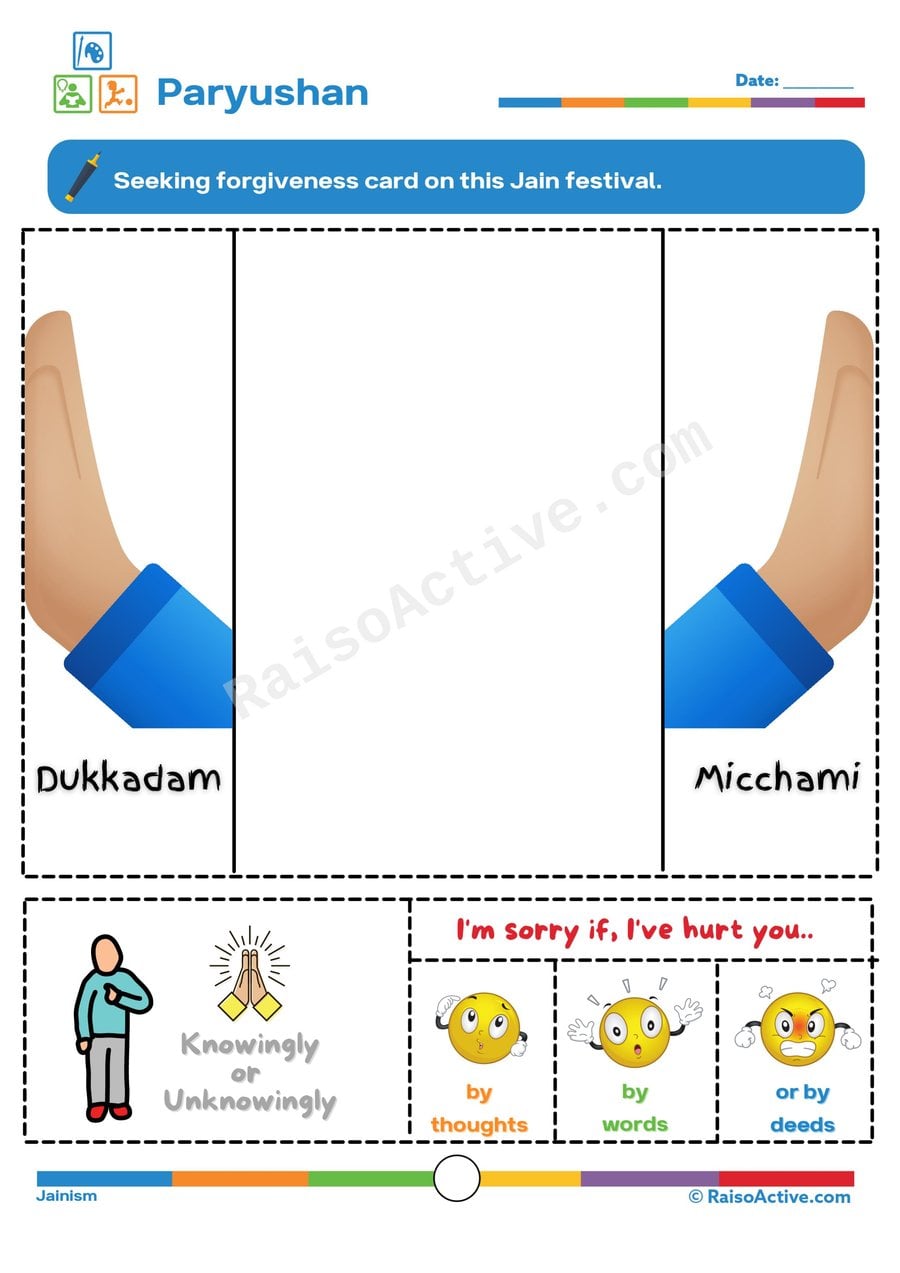
Paryushan Forgiveness Card Worksheet for Kids
Ages 3-5 · Preschool–Pre-KAges 3-5 · Nursery–ReceptionAges 3-5 · Nursery–LKGAges 3-5
This worksheet introduces children ages 3-5 to the Jain concept of seeking forgiveness during Paryushan by creating a personal forgiveness card. At this age, children are beginning to understand that their words and actions can affect others, and this activity gives them a gentle, guided way to practice empathy and simple self-reflection.
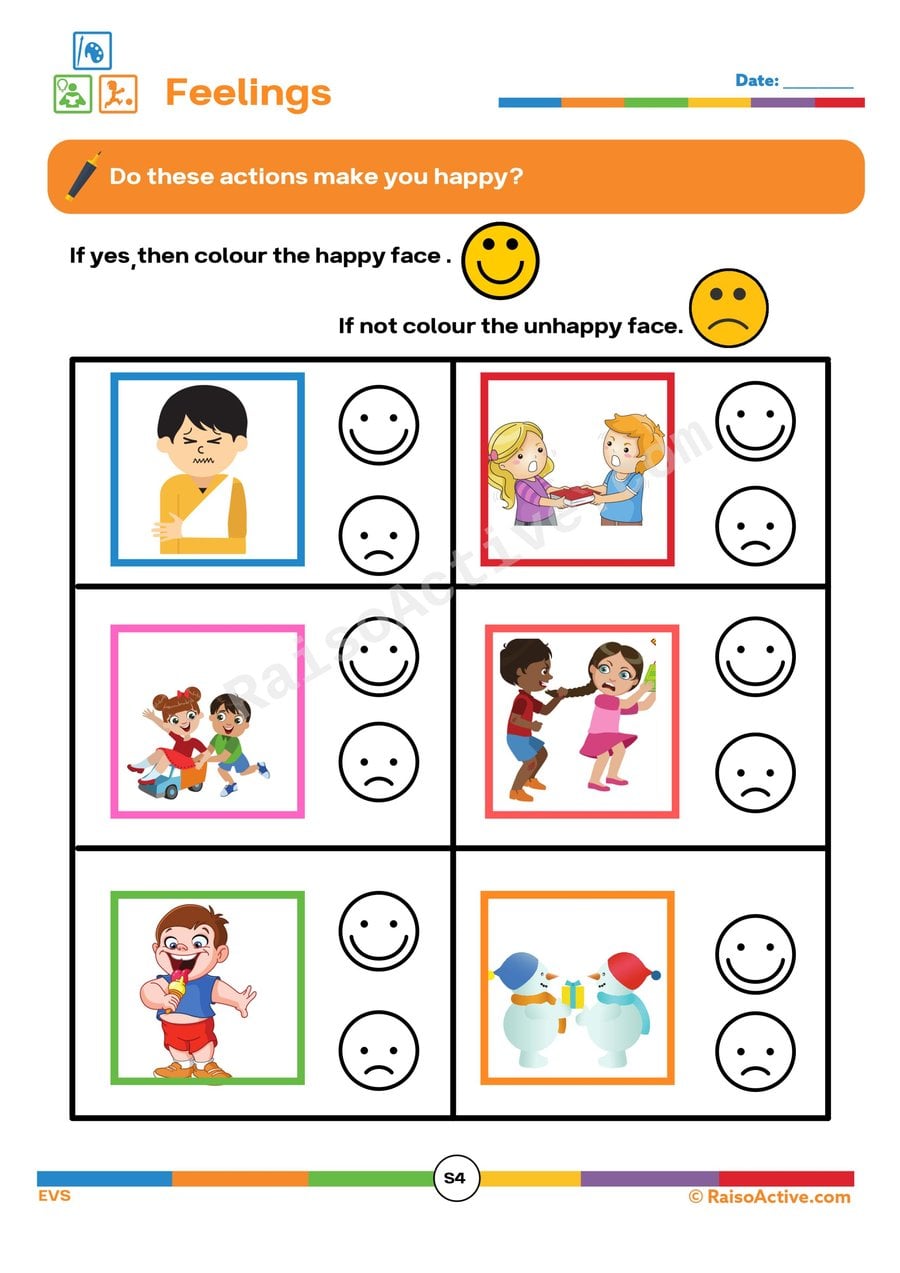
Feelings Worksheet: Happy or Sad?
Ages 3-5 · Preschool–Pre-KAges 3-5 · Nursery–ReceptionAges 3-5 · Nursery–LKGAges 3-5
Children ages 3-5 build emotional vocabulary and self-awareness as they decide whether different everyday situations would make them feel happy or sad. Naming and sorting emotions based on a scenario is an early social-emotional skill that helps children recognize and eventually talk about their own feelings more clearly.
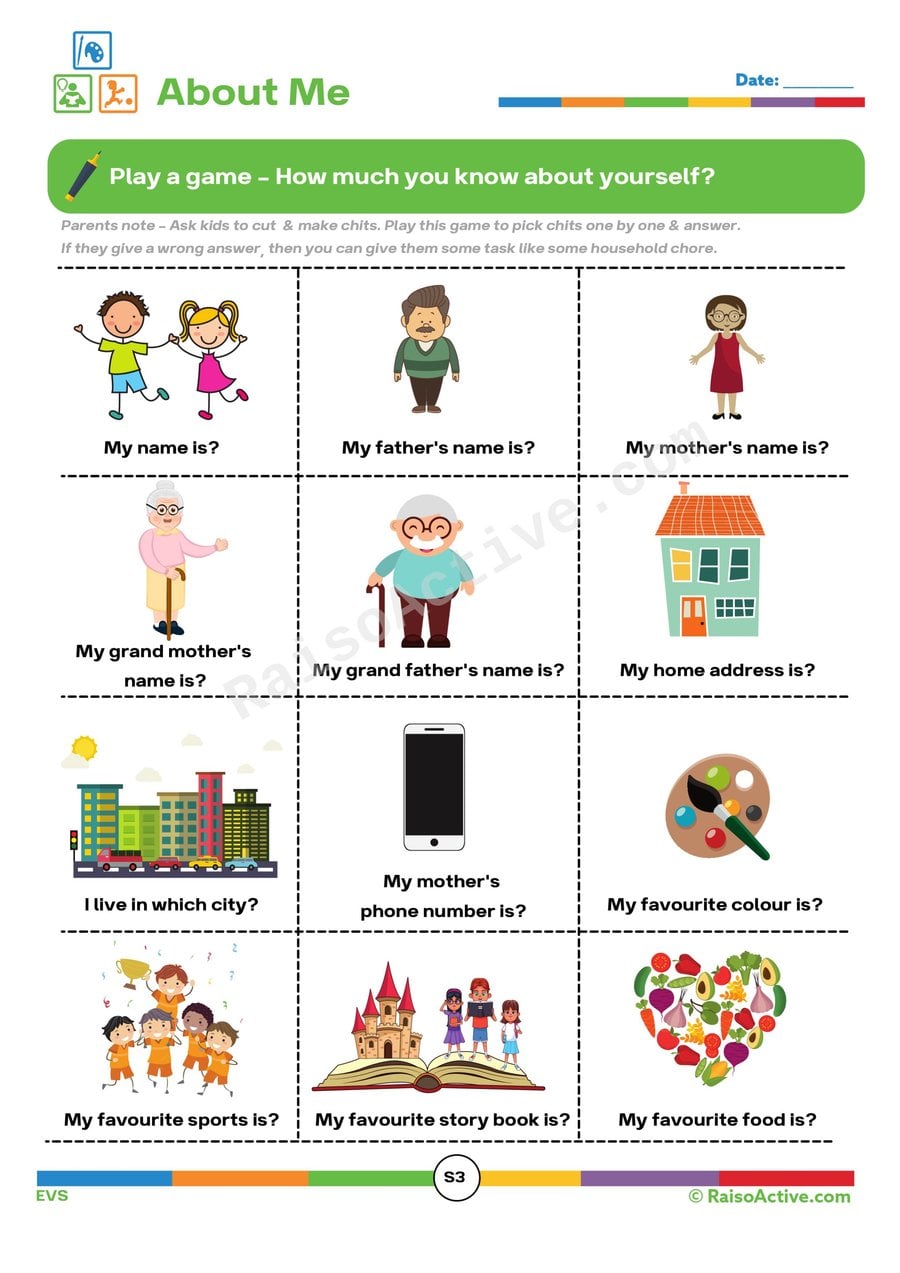
About Me Worksheet: Learn About Yourself!
Ages 3-5 · Preschool–Pre-KAges 3-5 · Nursery–ReceptionAges 3-5 · Nursery–LKGAges 3-5
This 'About Me' worksheet helps children ages 3-5 build self-awareness and early identity vocabulary by prompting them to describe their name, family, favorites, and feelings. Putting personal facts into words or pictures strengthens expressive language and gives children practice sharing information about themselves in a structured way. It's also a gentle first step into autobiographical writing, well before children can spell full sentences.

Written by
Hemsweta Jain · Teacher Cheena
MBA and Early Childhood Educator, teaching since 2014 · Founder of RaisoActive, Mumbai
Published · Last reviewed
Related Resources
Printable Resources(10)
View all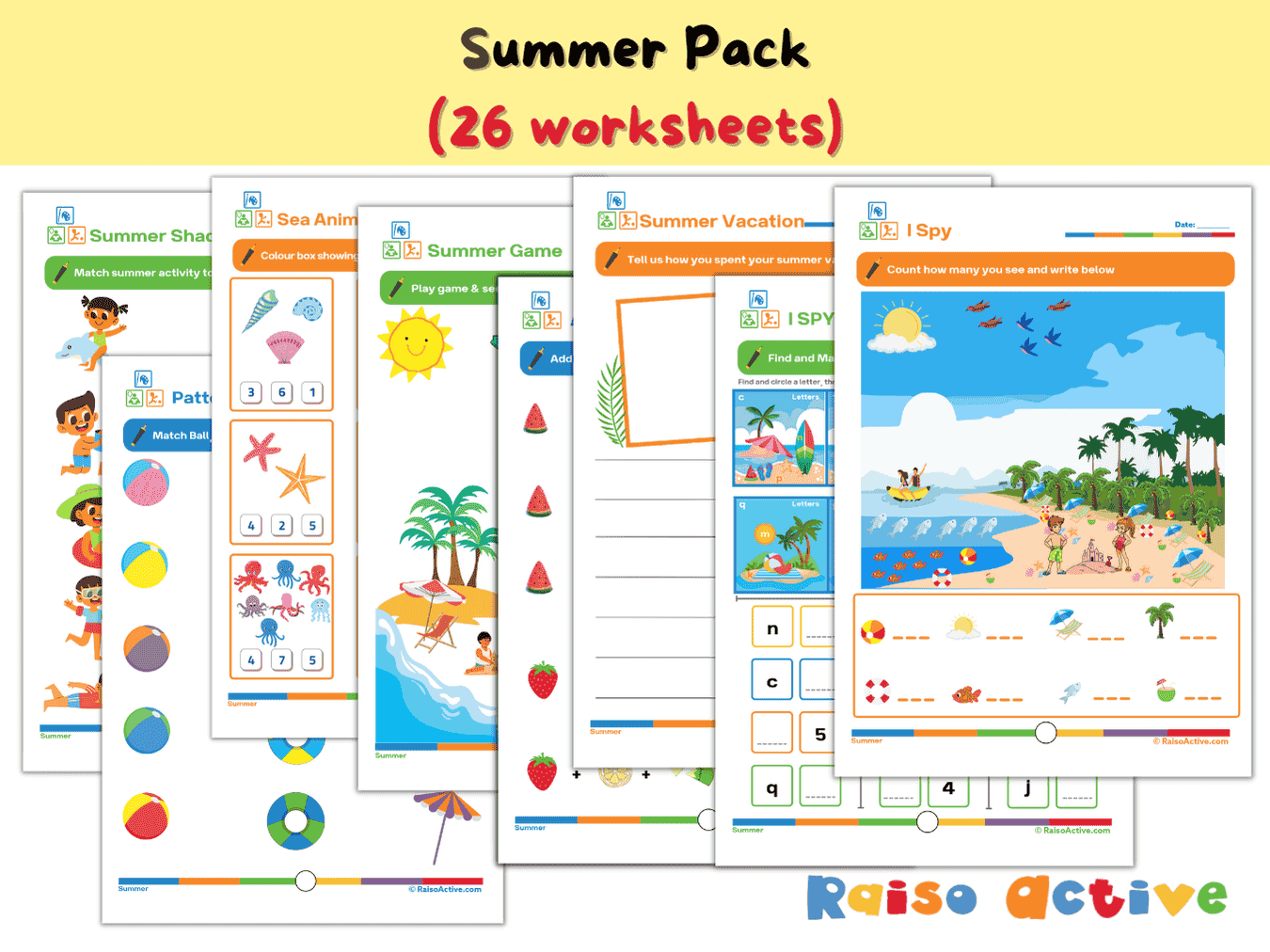

Summer Activity Pack: Math, Literacy, Puzzles & More for Preschool & Kindergarten
Ages 3-7 · Preschool–Grade 1Ages 3-7 · Nursery–Year 2Ages 3-7 · Nursery–Class 1Ages 3-7 · 26 pages
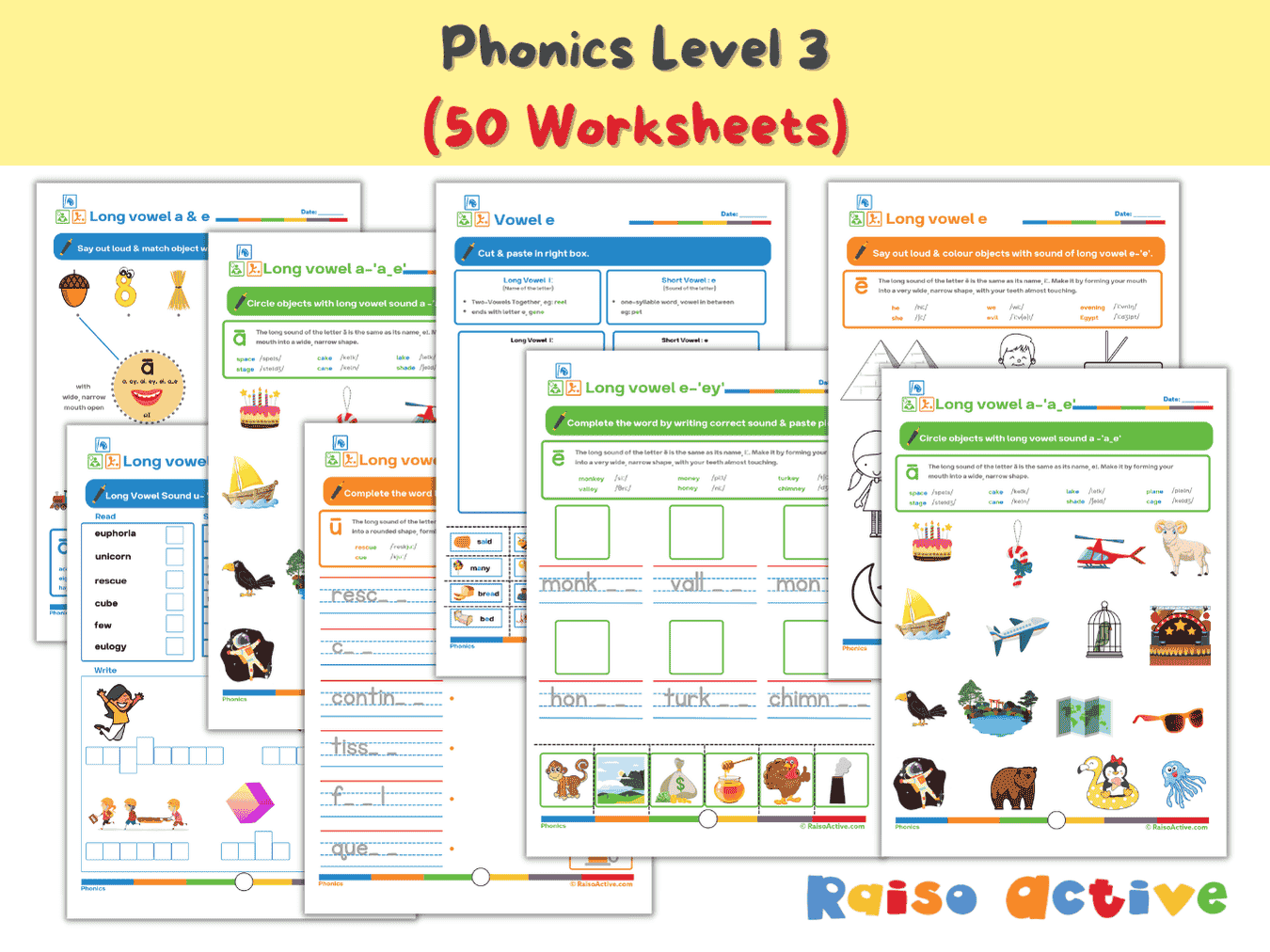

Phonics Level 3 Long Vowels Activity Book for Kindergarten & 1st Grade
Ages 5-7 · Kindergarten–Grade 1Ages 5-7 · Year 1–Year 2Ages 5-7 · UKG–Class 1Ages 5-7 · 51 pages
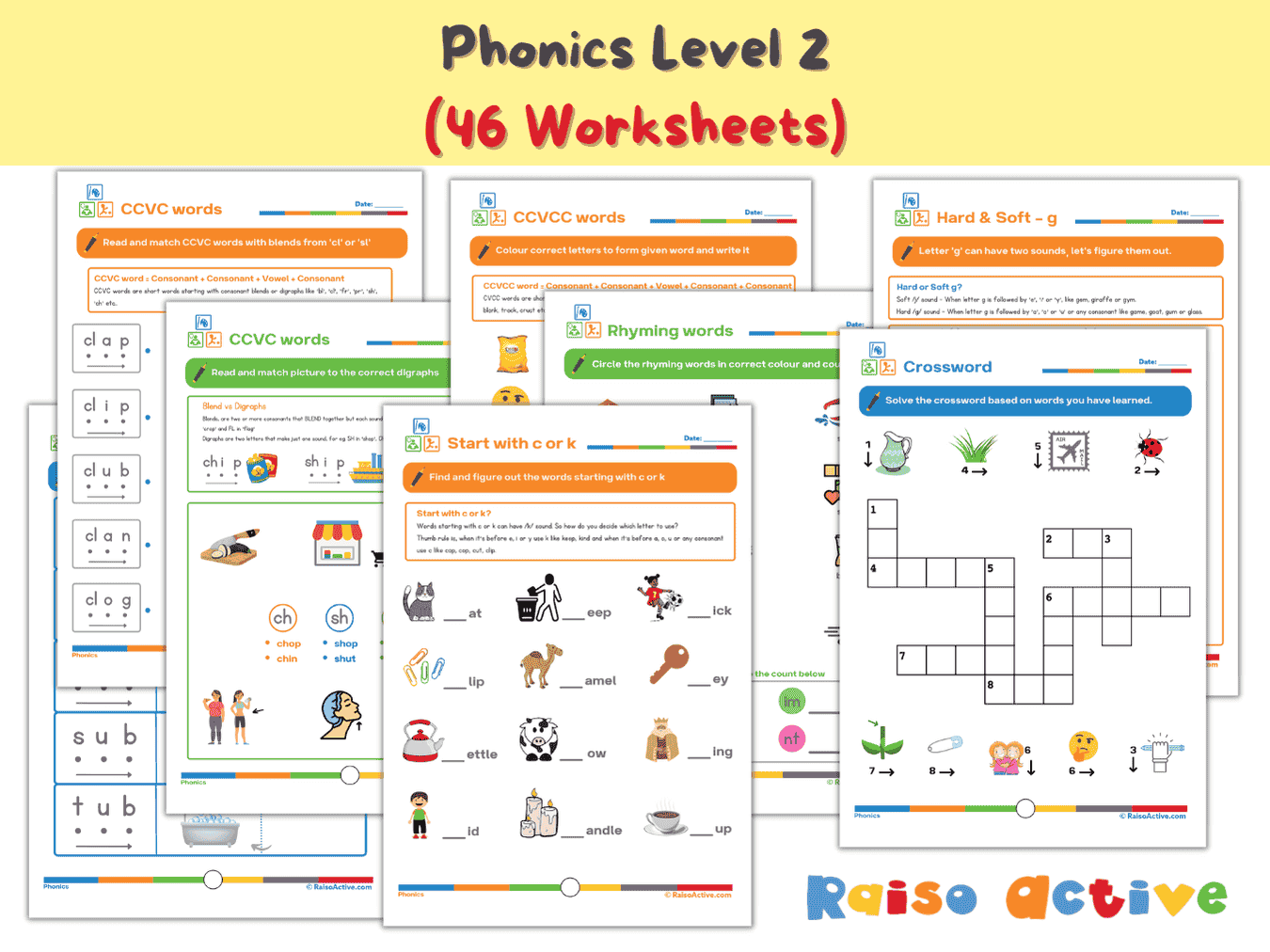
Phonics Level 2 Worksheets: CVC, CCVC, CVCC Word Families & Blends for Early Readers (Ages 4-7)
Ages 4-7 · Pre-K–Grade 1Ages 4-7 · Reception–Year 2Ages 4-7 · LKG–Class 1Ages 4-7 · 47 pages
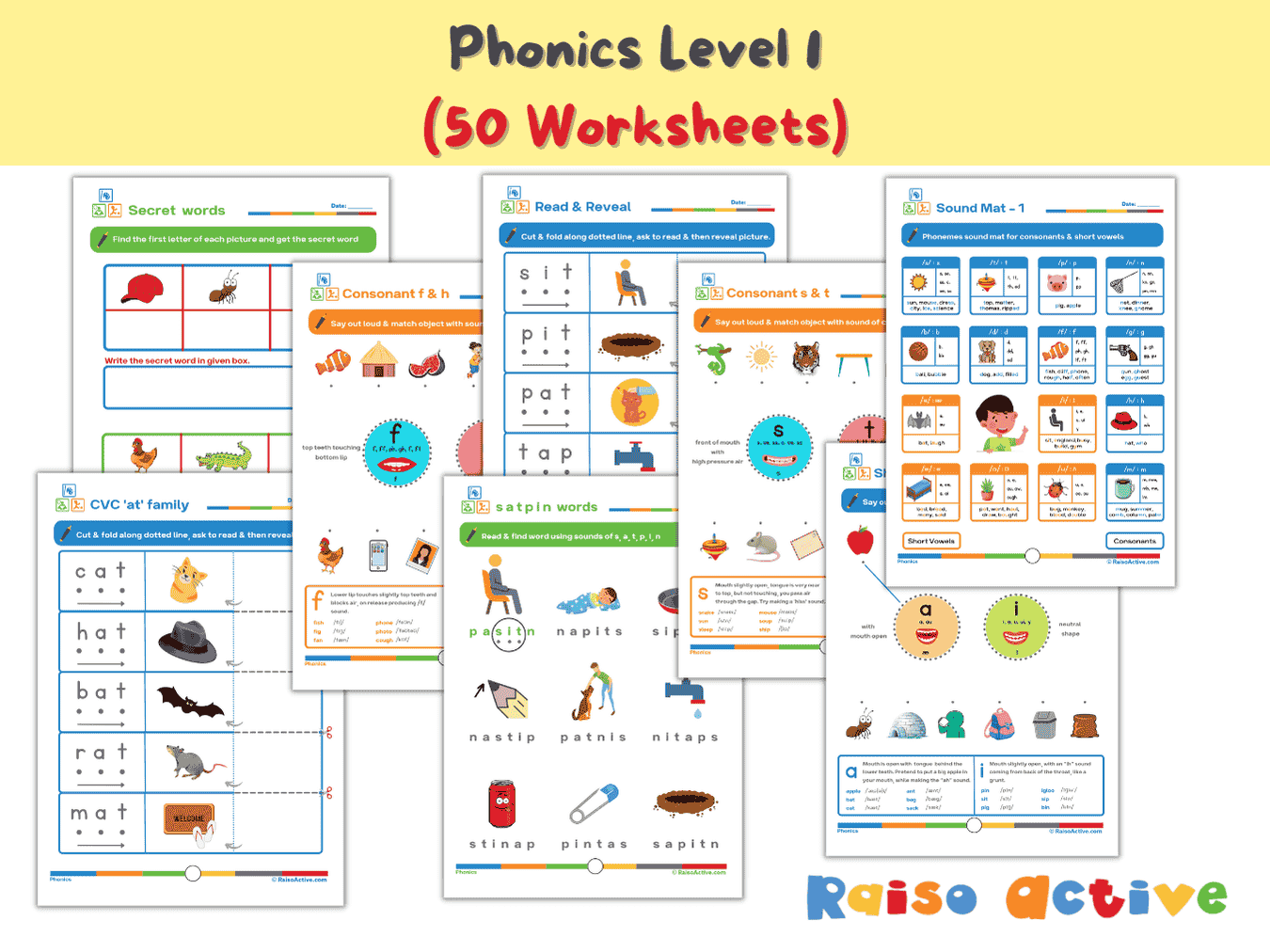
Phonics Level 1 Activity Book: Letter Sounds, Blending & CVC Words for Preschool & Kindergarten
Ages 3-6 · Preschool–KindergartenAges 3-6 · Nursery–Year 1Ages 3-6 · Nursery–UKGAges 3-6 · 60 pages
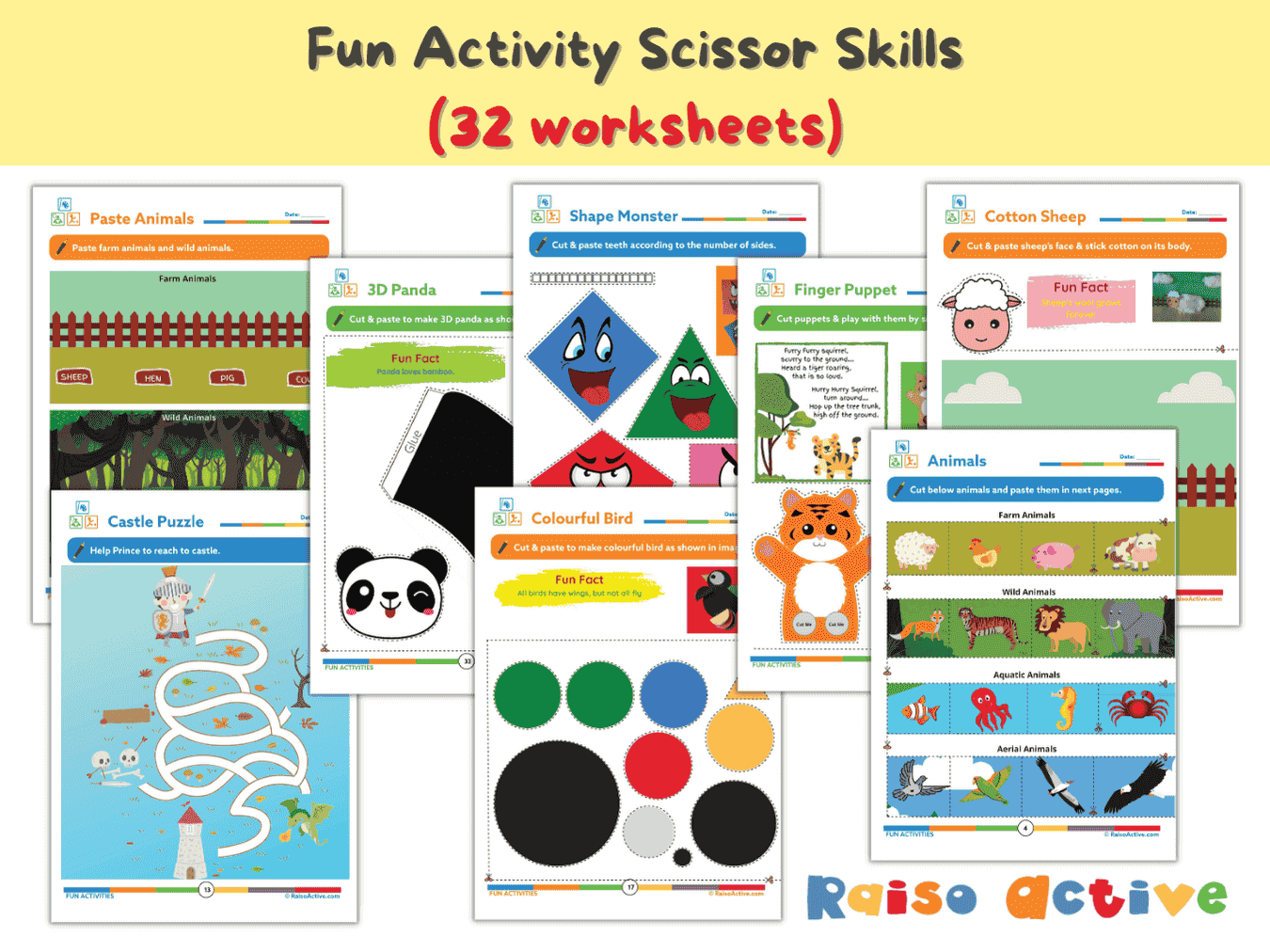

Preschool Scissor Skills Activity Book: Fine Motor & Craft Fun for Ages 3-6
Ages 3-6 · Preschool–KindergartenAges 3-6 · Nursery–Year 1Ages 3-6 · Nursery–UKGAges 3-6 · 35 pages
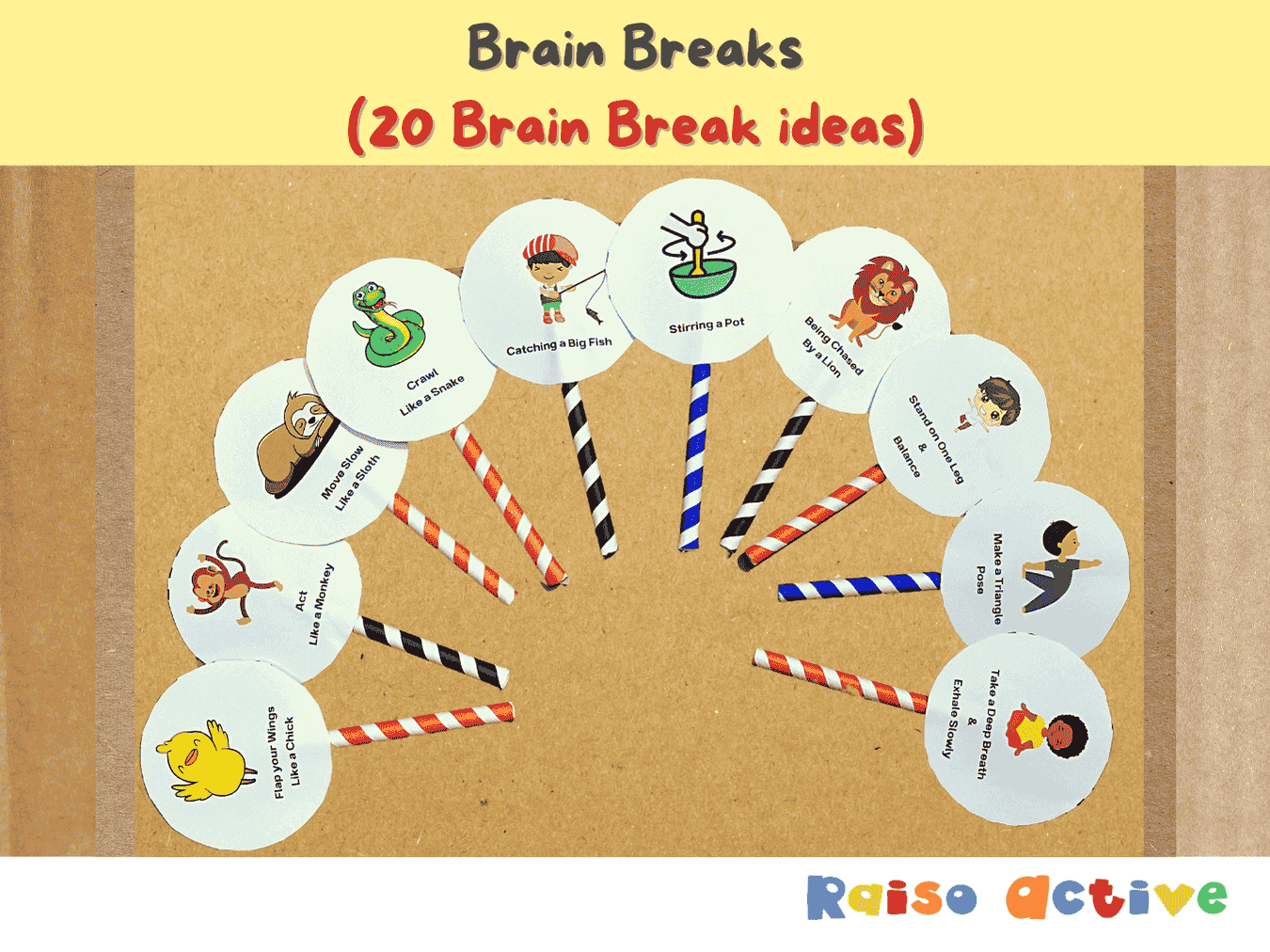
Gross Motor Movement & Imaginative Play Flashcards for Toddlers & Preschoolers
Ages 2-5 · Preschool–Pre-KAges 2-5 · Nursery–ReceptionAges 2-5 · Nursery–LKGAges 2-5 · 5 pages

Month 9: Holistic Preschool Play Learning | Ages Up to 4
Ages 3-4 · PreschoolAges 3-4 · NurseryAges 3-4 · 30 pages
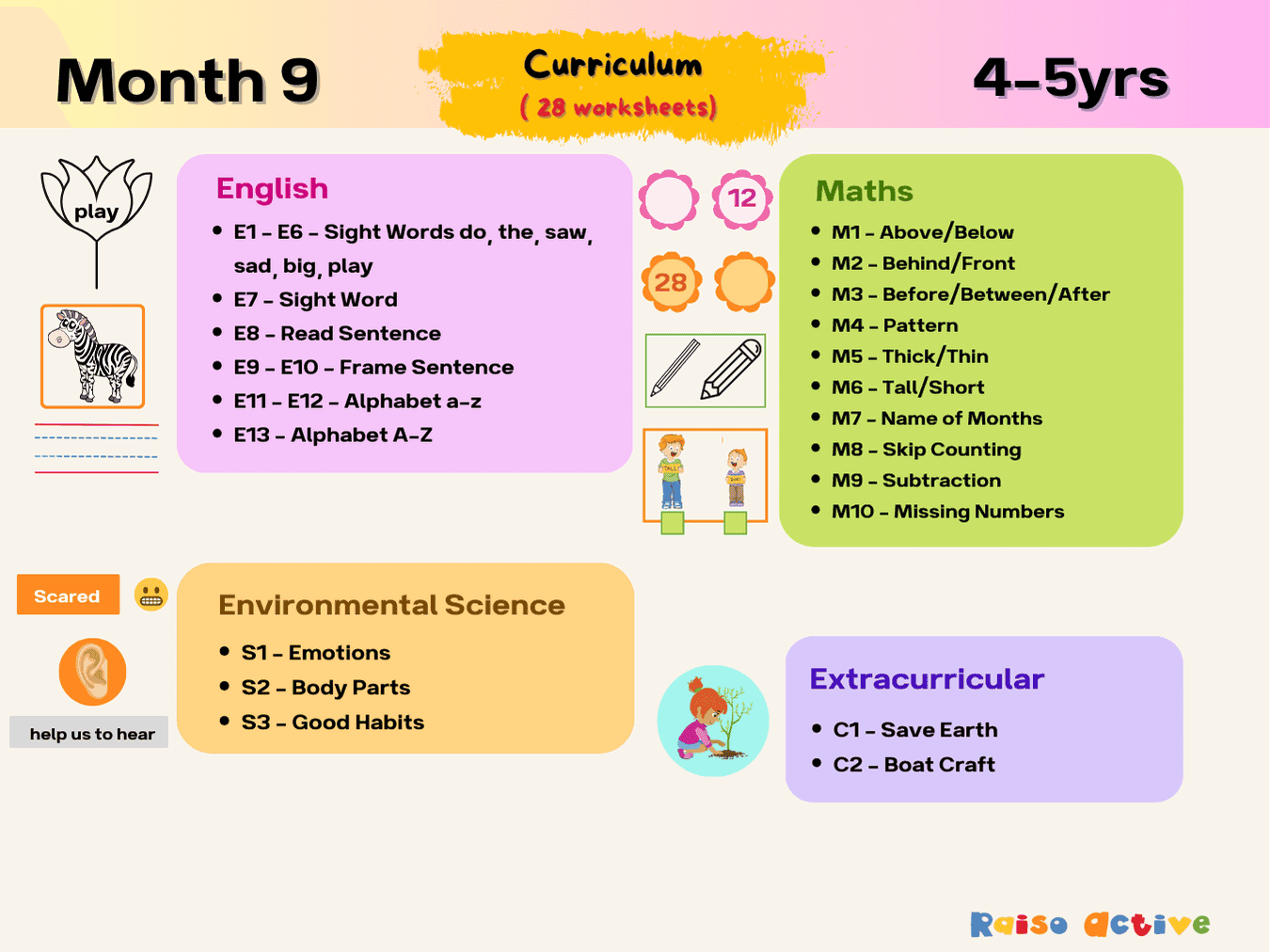
Month 9: Play-Based Preschool Foundational Skills | Ages 4-5
Ages 4-5 · Pre-KAges 4-5 · ReceptionAges 4-5 · LKGAges 4-5 · 31 pages
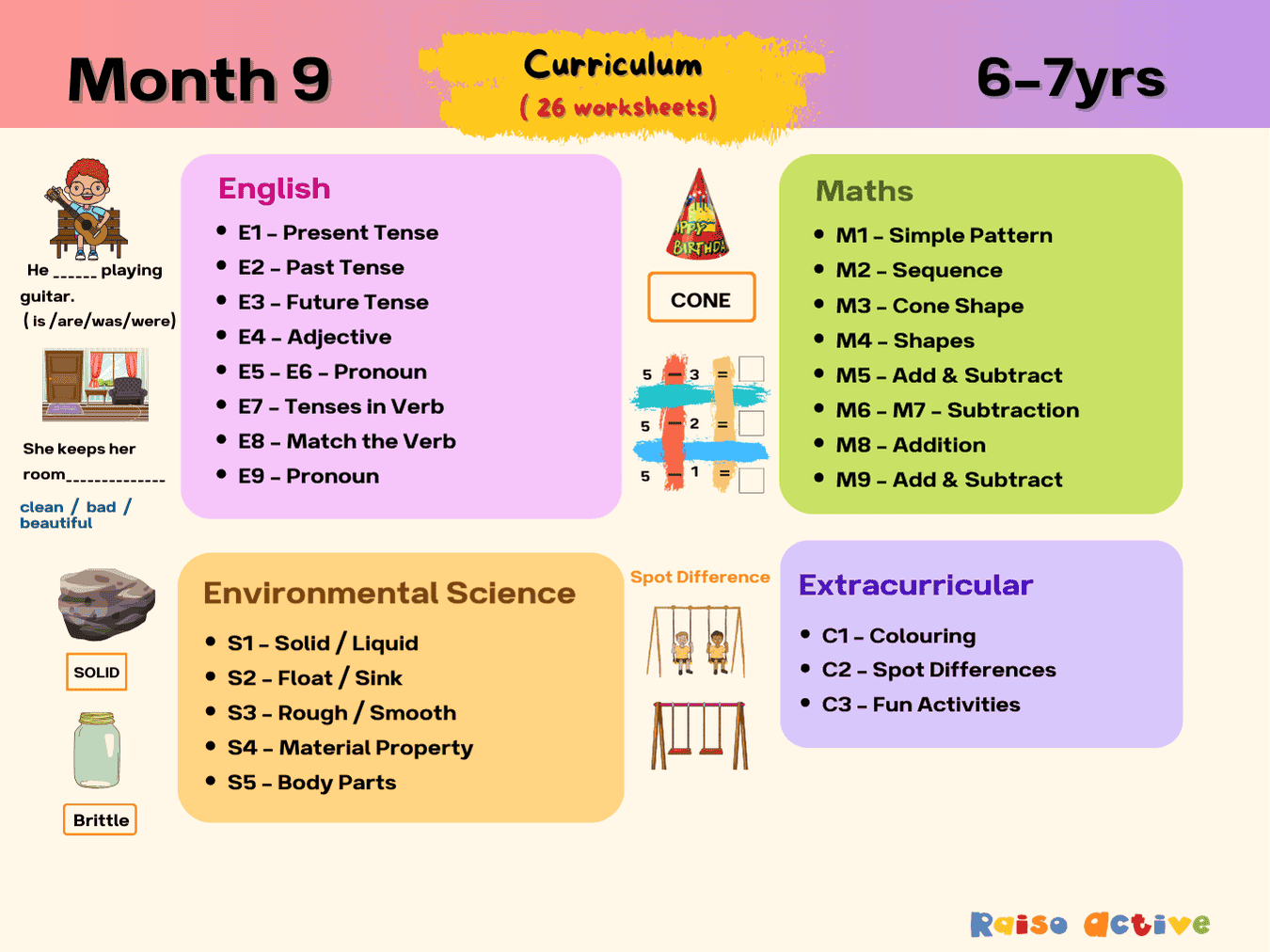
Month 9: Multi-Subject Early Learning | Ages 6-7
Ages 6-7 · Grade 1Ages 6-7 · Year 2Ages 6-7 · Class 1Ages 6-7 · 29 pages
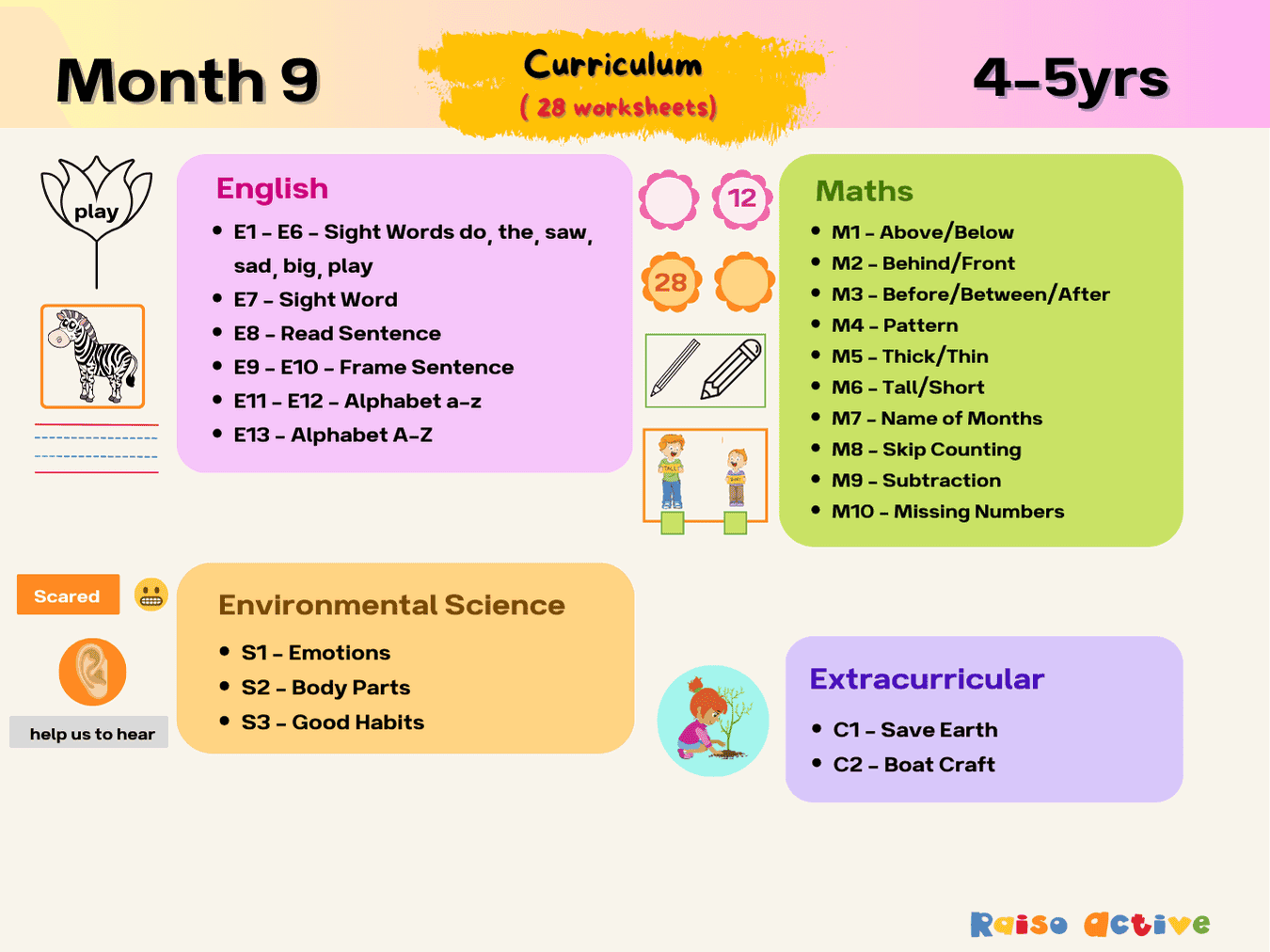
Month 9: Preschool Early Learning Activities | Ages 4-5
Ages 4-5 · Pre-KAges 4-5 · ReceptionAges 4-5 · LKGAges 4-5 · 31 pages