How to Help Your Child with Letter Reversals: A Complete Guide for Parents and Teachers
Author
RaisoActive - Kids Activities and Fun Learning
Published
Updated
Reading Time
20 min read

- Letter reversals — writing b as d, p as q, or numbers like 3 and 5 backwards — are completely normal and developmentally expected until age 7-8
- The young brain is still building left-right directionality; mirror-image confusion is a neurological milestone, not a character flaw or teaching failure
- Reversals alone do not indicate dyslexia — dyslexia involves a persistent cluster of reading and phonological difficulties that goes far beyond letter orientation
- Multisensory strategies like sand tray tracing, sky writing, playdough formation, and anchor letter tricks build directional memory far more effectively than repeated correction
- Children learning both English and a regional script such as Hindi, Tamil, or Gujarati may show reversals slightly more often — this is a normal and temporary feature of bilingual literacy development
When the b Goes the Wrong Way — And Why That Is Actually Fine
You have seen it. The careful, tongue-out concentration as your child writes their name — and then there it is: the "b" curving to the left, the "d" sprouting its bump on the wrong side, the number "3" facing backwards like it is looking in a mirror. Your first instinct might be concern. Your second might be to reach for the eraser.
Before you do either, here is what every parent and teacher working with young children needs to know: letter reversals are one of the most universally normal features of early writing development. Nearly every child who has ever picked up a pencil has done it. It is not a sign of poor teaching, inattention, or a looming learning difficulty. It is a sign that a young brain is doing something genuinely difficult — learning to treat mirror-image symbols as completely different things.
This guide is your complete resource for understanding why reversals happen, which letters and numbers are most affected, when (and only when) to look more closely for dyslexia, and the practical, evidence-informed strategies that actually help — without stress, shame, or the disheartening cycle of repeated erasing.
The Brain Science Behind Letter Reversals — Explained Simply
To understand reversals, you need to understand something remarkable about human perception. For most of evolutionary history, the brain was wired to recognise objects regardless of which direction they faced. A mango on the left side of the tree is the same as a mango on the right. A predator facing one way is just as dangerous facing the other. This ability — called mirror generalisation — is deeply built in, and it served us well for hundreds of thousands of years.
Reading and writing ask the brain to undo this ancient efficiency for a very specific, very arbitrary set of symbols. The letter "b" and the letter "d" are mirror images of each other — and yet they represent entirely different sounds and must never be confused. The brain must learn to care about directionality in a way it was never designed to by evolution. This is genuinely hard work, and it takes years.
Developmental neuroscience research shows that the cortical systems responsible for establishing consistent left-right directionality in symbol recognition continue maturing well into middle childhood. For most children, this solidifies between ages 7 and 8. Until that point, the brain will occasionally treat a "b" and a "d" as the same symbol — because to the evolutionarily older part of the visual system, they are.
Understanding this changes everything about how you respond to reversals. When a child writes "b" as "d", they are not being careless. Their brain is actively in the process of building a new cognitive capacity — one that most humans have never needed before the era of widespread literacy.
Which Letters and Numbers Are Most Commonly Reversed?
Not all letters cause equal confusion. The most troublesome ones share a key feature: they are mirror images or rotations of each other, meaning a small directional error produces a completely different (and equally valid-looking) letter. Knowing which symbols are most prone to reversal helps you spot patterns in your child's writing rather than seeing random errors.
- **b and d** — The champion of all reversals. Both are a vertical stick attached to a rounded bump; the only difference is which side the bump is on. Children who have memorised one often produce the other by mirroring.
- **p and q** — Similar to b/d but also flipped vertically. The bump hangs below the baseline and switches sides, making these four letters (b, d, p, q) a particularly confusing family.
- **n and u** — Rotational reversals. Turn an n upside down and you get a u. Some children write these interchangeably for a period.
- **s** — Frequently written as a mirror image, curving to the right instead of the left when the child begins the stroke from the wrong direction.
- **Numbers 3, 5, and 7** — Among the most commonly reversed numerals. The 3 and 5 in particular look convincingly like their mirror images, and children writing quickly will often flip them.
- **Capital letters E, F, and J** — These capitals have clear directional features that children often reverse, especially when they are still learning which way a letter faces.
An important observation: the letters a child reverses most often are usually the ones they are most actively engaging with. A reversed b is not evidence of avoidance — it is evidence that the child knows a stick-and-bump letter exists and is working out its orientation. That is the first half of the battle won already.
Reversals and Dyslexia — Separating Myth from Evidence
The word "dyslexia" is one of the most Googled concerns for parents who notice letter reversals. And while it is natural to wonder, the relationship between reversals and dyslexia is far more nuanced — and far less alarming — than most people assume.
Dyslexia is a specific learning difficulty that primarily affects phonological processing — the ability to hear, manipulate, and connect the sounds of spoken language to written symbols. It shows up as difficulty with reading fluency, decoding unfamiliar words, spelling, and rhyming. It is not primarily a visual disorder, and letter reversal is a very small, very common behaviour that most children outgrow naturally.
Most children who reverse letters do not have dyslexia. Many children with dyslexia do reverse letters — but reversals are caused by normal brain development, not dyslexia. Use reading progress, not letter orientation, as your primary indicator.
Developmental studies consistently show that up to 50% of typically developing children aged 5-6 produce letter reversals. This figure drops sharply by ages 7-8 as directional discrimination matures — in children with and without dyslexia.
- +Child is 7 years old or younger
- +Primarily b/d, p/q, s and a few numerals
- +Reversals are decreasing as reading exposure grows
- +Child reads words correctly even if they write letters reversed
- +Simple anchor cues improve the reversal quickly
- +Reading and phonics are progressing at a broadly expected pace
- -Child is 8 or older with no improvement after 6-12 months
- -Reversal is accompanied by slow, laboured, halting reading
- -Difficulty connecting sounds to letters despite good instruction
- -Struggles to rhyme, blend, or segment words into sounds
- -Multiple co-occurring difficulties across reading, spelling, and phonics
- -Family history of dyslexia and several signs present together
If your child is under 8, reversing a handful of letters, and making reasonable progress in reading and phonics, the evidence strongly suggests you are looking at a developmental milestone — not a disorder. The most helpful thing you can do right now is provide good multisensory support and stay calm.
The Indian Context — Learning Two Scripts at the Same Time
For many children in India and in Indian families around the world, there is an additional layer of complexity that is worth understanding. A significant number of children are simultaneously learning to read and write in two entirely different scripts — English alongside Hindi, Marathi, Gujarati, Tamil, Telugu, Kannada, or another regional language. Each script carries its own spatial logic, stroke directions, and letter orientations.
Devanagari, for instance, is written beneath a headline (the horizontal bar at the top), with strokes and curves that bear no visual relationship to Latin letters. Tamil script has circular and curved forms that move quite differently from English letterforms. When a young child's brain is simultaneously building spatial memory for two completely different symbol systems, the cognitive load is substantially higher than for monolingual learners — and it is entirely expected that reversal frequency increases temporarily as a result.
This is not a warning sign. It is a normal, temporary feature of bilingual literacy development. Research consistently shows that bilingual children typically catch up with — and often surpass — their monolingual peers in visual discrimination and literacy outcomes by ages 8-9. The extra cognitive work is, in the long run, an asset.
- Keep script-specific practice sessions clearly distinct — a dedicated English writing session and a separate Hindi or regional language session, rather than mixing both in one sitting, helps the brain categorise each symbol system independently.
- Use colour-coding at the practice stage: English letters in one colour pen and regional script letters in another. The visual distinction reinforces the brain's sorting process.
- Frame the difference positively: this is the English way versus the Hindi way — never say you mixed them up again. Children respond well to the framing of two systems rather than one right and one wrong.
- If a child temporarily applies Devanagari stroke logic to an English letter (or vice versa), gently point out the difference rather than treating it as an error. Curiosity about the distinction is actually useful for building awareness.
- Expect a slightly longer timeline for reversal resolution in bilingual learners — this is normal and does not require concern unless reading progress in both languages is also stalling well past age 8.
This figure is higher in bilingual and multi-script learners, where the brain is simultaneously building directional memory for two or more symbol systems. In both groups, reversals decrease substantially and naturally by ages 7-8 without formal intervention — provided reading instruction is consistent and supportive.
Source: Developmental Review; Journal of Learning Disabilities
The Bedroom Door Trick and Other Anchor Letter Techniques
The single most effective category of strategies for b/d confusion is what educators call anchor letter techniques — giving a child a memorable, consistent reference point that tells them which way a letter faces before they write it. These techniques do not require repeated drilling. They give children a tool they can use independently, which builds both skill and confidence.
The Bedroom Door Trick: When you stand at the bottom of a staircase and look up at a bedroom door, the door handle is usually on the right side. Draw a rectangle (the door) with a small circle on the right (the handle) — that is the letter d. A b is the same door viewed from inside the room, with the handle now on the left. Some children find this visual story instantly memorable, especially if you tie it to their own bedroom door at home.
The Bed Trick (the classic): Make a fist with the left hand and extend the thumb upward — that is the letter b (stick on the left, bump on the right). Make a fist with the right hand and extend the thumb upward — that is the letter d (bump on the left, stick on the right). Put both hands together and they form the word BED, which even looks like a bed with a headboard and footboard. Draw this on a small card and keep it at the writing area. Every time a child is unsure which way a letter faces, they consult the card rather than guessing — and over weeks, the correct orientation becomes internalised.
Verbal Cue Sequences: Auditory learners respond well to a short phrase that describes the letter's formation sequence. For b: "Bounce down, then bump right." For d: "Draw a circle, then a tall stick." The sequence makes the directionality explicit each time — and with enough repetition, the cue runs automatically in the child's mind as they write.
Multisensory Strategies That Build Directional Memory
When a child writes a letter only on paper, the brain uses one sensory pathway. When they form the same letter in a sand tray, build it with playdough, and write it in the air — all while saying the sound aloud — three or four pathways are activated simultaneously. This cross-modal reinforcement dramatically improves retention and makes the correct orientation feel physically distinct, not just visually different.
- **Salt or sand tray tracing:** Spread a thin layer of fine sand or salt in a baking tray. Ask the child to trace the letter with their index finger while saying the letter sound. The tactile resistance and the visible trail both reinforce direction. Reset with a shake.
- **Playdough snake letters:** Roll thin playdough snakes and form the letter shape, always starting from the correct anchor point (top of the stick for b and d, for instance). Forming the shape slowly with hands makes directionality a physical experience rather than a visual one.
- **Sky writing:** Have the child stand and write the letter large in the air using their full arm, not just their wrist. Large motor movements engage the gross motor system and reinforce direction at a whole-body level. Say the sound out loud as they write.
- **Raised letter cards:** Apply glitter glue or puffy paint in the shape of the letter on card and let it dry. Children trace the raised surface with their fingertips, feeling the correct direction. These cards also double as reference anchors.
- **Rainbow writing:** Trace the same letter four or five times in layered colours, always starting from the same point and following the same direction. The repetitive layering builds muscle memory without the tedium of identical repetition.
- **Magnetic letter sorting:** Use a set of magnetic foam letters and call out words for the child to build. Each time a b or d is needed, ask the child to pick it out from the set — naming it, not just grabbing. This builds letter identification alongside formation.
The key with all multisensory activities is short, frequent, and positive. Ten minutes of engaged, varied practice three or four times per week is substantially more effective than a 45-minute drill session once a week. The brain consolidates learning during rest, not during extended effort.
Multisensory practice works because it engages multiple brain regions simultaneously — visual, tactile, auditory, and motor. A letter that has been traced, built, sky-written, and spoken aloud is encoded far more robustly than one that has only been copied on paper twenty times.
A Practical 7-Day Reversal-Support Plan (10 Minutes a Day)
Day 1 — Observe Without Correcting
Look through your child's recent writing samples. Note which letters are reversed most consistently without saying anything at the time. Choose one letter pair to focus on for the week — b and d is usually the best starting point. Resist the urge to fix everything at once.
Day 2 — Build the Anchor Together
Introduce one anchor technique — the bed trick, the bedroom door, or a verbal cue — and create the reference card together. Draw it, decorate it, let the child colour it in. The act of making the anchor together makes it memorable. Place it prominently at the writing area.
Day 3 — Multisensory Formation Practice
Bring out the sand tray or playdough and practise forming only the target letter using at least two sensory pathways. Say the sound aloud as the letter is formed. Keep this session under 10 minutes. End with something the child enjoys — stickers, a stamp, free drawing.
Day 4 — Sky Writing and Large Motor
Stand up together and sky-write the target letter in the air with full arm movements. Do it three or four times while saying the sound. Then try it with eyes closed, using the anchor cue as a guide. Large motor reinforcement is particularly powerful for kinaesthetic learners.
Day 5 — Letter in Words
Write three to five simple words containing the target letter. Before each tricky letter, glance at the anchor card. Celebrate each correct attempt warmly — but do not make a production of errors. If the letter is reversed, simply say "that one goes the other way" and move on without erasing drama.
Day 6 — Sorting Game
Write a mix of b, d, and other letters on small cards or sticky notes. Ask the child to sort the b pile and the d pile. Or use magnetic foam letters. The sorting task builds identification speed — which feeds directly into correct formation. Keep it light and game-like.
Day 7 — Rest and Observation
Take a day off from structured practice. Allow natural writing to happen — a card to a grandparent, a drawing with a caption, a shopping list. Observe whether the anchor is being used independently. Rest is when the brain consolidates what it has learned. Do not skip this step.
What NOT to Do — Common Responses That Make Reversals Worse
Many of the most common responses to letter reversals are well-intentioned but counterproductive. Understanding what to avoid is just as important as knowing the right strategies.
- **Do not grab the eraser immediately.** Repeatedly erasing a reversed letter communicates urgency and failure. It breaks the flow of writing and teaches a child that their instinct is wrong before they have developed a better one. Circle the letter lightly and revisit it after the task is complete.
- **Do not express alarm or frustration.** Children read emotional tone with remarkable precision. If a backwards b produces a sharp intake of breath or a furrowed brow, they learn that this letter is dangerous territory — and may start avoiding writing altogether to protect themselves from that feeling.
- **Do not use labels.** Saying a child always gets certain letters wrong or has a problem with letters creates a fixed identity around the difficulty. Children internalise these labels quickly, and they are very hard to dislodge once embedded.
- **Do not drill repetitively in a single session.** Forty rounds of copying b on a single worksheet is less effective than ten focused, multisensory repetitions spread across several days. Boredom and fatigue work against memory formation — quality and variety beat quantity every time.
- **Do not compare with other children.** Letter reversal rates vary enormously even between children of identical age and ability. A classmate who never reverses b is not evidence that your child has a problem — children develop at genuinely different rates, and comparison adds pressure without adding any benefit.
- **Do not wait and do nothing either.** Reversals are normal, but consistent, supportive practice does help. Passive waiting without any engagement is less effective than light, positive multisensory support.
School Accommodations and Communicating with Teachers
If your child is in school and reversals are affecting their written work, a simple, proactive conversation with their class teacher can make a significant difference. Most teachers are well aware of developmental reversals and will readily accommodate simple support strategies.
Ask whether the anchor card can be kept on the child's desk during writing tasks. Request that teachers use a circling approach rather than erasing when they mark reversed letters. Let the teacher know which specific letters your child is working on so that practice is consistent across home and school. If the school has a learning support teacher or special educator, a brief consultation can provide additional strategies tailored to the child.
In India, many schools — particularly those following the CBSE and ICSE curriculum — are increasingly familiar with learning support frameworks. Schools following NEP 2020 guidelines are encouraged to adopt inclusive, non-punitive approaches to early literacy difficulties. You have the right to ask for accommodations, and most teachers will respond positively to a parent who comes prepared, informed, and collaborative rather than accusatory.
A consistent approach between home and school is more effective than either working in isolation. Share your anchor technique with the class teacher so the same cue is used in both settings. Consistency is one of the most powerful accelerators of directional memory.
While dyslexia is more common than many people realise, the vast majority of children who reverse letters in early childhood — the other 85-90% — are developing typically. Early, positive support for letter formation and multisensory literacy activities benefits all children, whether or not dyslexia is ever a factor.
Source: International Dyslexia Association
When to Seek a Professional Assessment
While reversals are normal in young children, there are circumstances where a professional opinion is genuinely worthwhile. Think of an assessment not as a diagnosis of failure but as gathering better information so you can support your child more effectively.
- Your child is **8 years or older** and still reversing multiple letters consistently, with no meaningful improvement over the past 6 to 12 months despite supportive practice.
- Reversals are accompanied by significant **reading difficulties** — slow, halting reading, inability to decode unfamiliar words, or spelling that remains very poor with no improvement.
- The child shows **phonological difficulties** — struggling to rhyme, blend sounds together, or break words into syllables.
- There is a **family history of dyslexia** and several signs are co-occurring (not reversal alone).
- The child is showing **emotional distress** around reading and writing — consistent avoidance, tearfulness, or declining confidence that is affecting their relationship with school.
In India, assessment can be arranged through your child's school (via the school's special educator or counsellor), through a child development centre or paediatric occupational therapist, or through a private educational psychologist. Organisations such as the Indian Dyslexia Association provide resources, referrals, and support for families navigating this process. Getting an assessment, even if the outcome is reassuring, is always worthwhile when you have persistent concerns.
Frequently Asked Questions About Letter Reversals
My child is 6 years old and reverses almost every letter. Is that normal?
Do letter reversals mean my child has dyslexia?
Should I use worksheets or tracing exercises for reversed letters?
My child reverses letters in both English and Hindi. Is something wrong?
What is the single most effective thing I can do at home to help?
When can I stop worrying about letter reversals?
Does punishing or scolding a child for reversed letters help?
Free worksheets for this topic
Browse all worksheets
Pumpkin Lines Dice Game: Halloween Pre-Writing Worksheet
Ages 4-8 · Pre-K–Grade 2Ages 4-8 · Reception–Year 3Ages 4-8 · LKG–Class 2Ages 4-8
Children practise wavy, zigzag and looped pre-writing lines while playing a simple dice game.
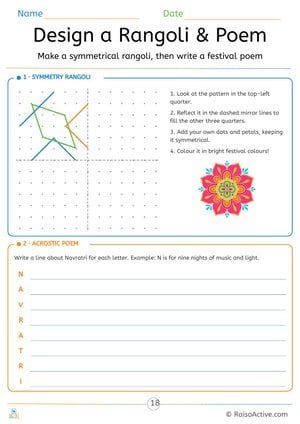
Navratri Symmetry Rangoli and Acrostic Poem
Ages 7-11 · Grade 2–Grade 3Ages 7-11 · Year 3–Year 4Ages 7-11 · Class 2–Class 3Ages 7-11
Children reflect a pattern in two mirror lines to complete a four-way symmetrical rangoli on a dot grid, add their own symmetrical details, and write an acrostic poem with one line for each letter of NAVRATRI.
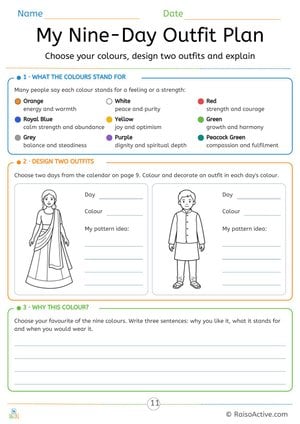
My Nine-Day Outfit Plan: Navratri Colours Design and Writing
Ages 7-11 · Grade 2–Grade 3Ages 7-11 · Year 3–Year 4Ages 7-11 · Class 2–Class 3Ages 7-11
Children read what each of the nine colours is often said to stand for, choose two days from the calendar, colour and pattern a lehenga-style outfit and a kurta outfit in those colours, and write three sentences explaining their favourite colour.
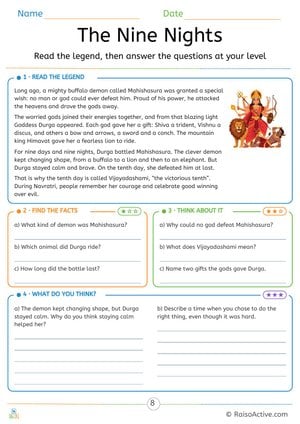
The Nine Nights: Durga and Mahishasura Reading Comprehension
Ages 7-11 · Grade 2–Grade 3Ages 7-11 · Year 3–Year 4Ages 7-11 · Class 2–Class 3Ages 7-11
Children read a retelling of the legend of Durga and Mahishasura, find facts in the text, answer inference questions about why things happened, and write their own opinion about staying calm and doing the right thing.

Written by
Hemsweta Jain · Teacher Cheena
MBA and Early Childhood Educator, teaching since 2014 · Founder of RaisoActive, Mumbai
Published · Last reviewed
Related Resources
Printable Resources(10)
View all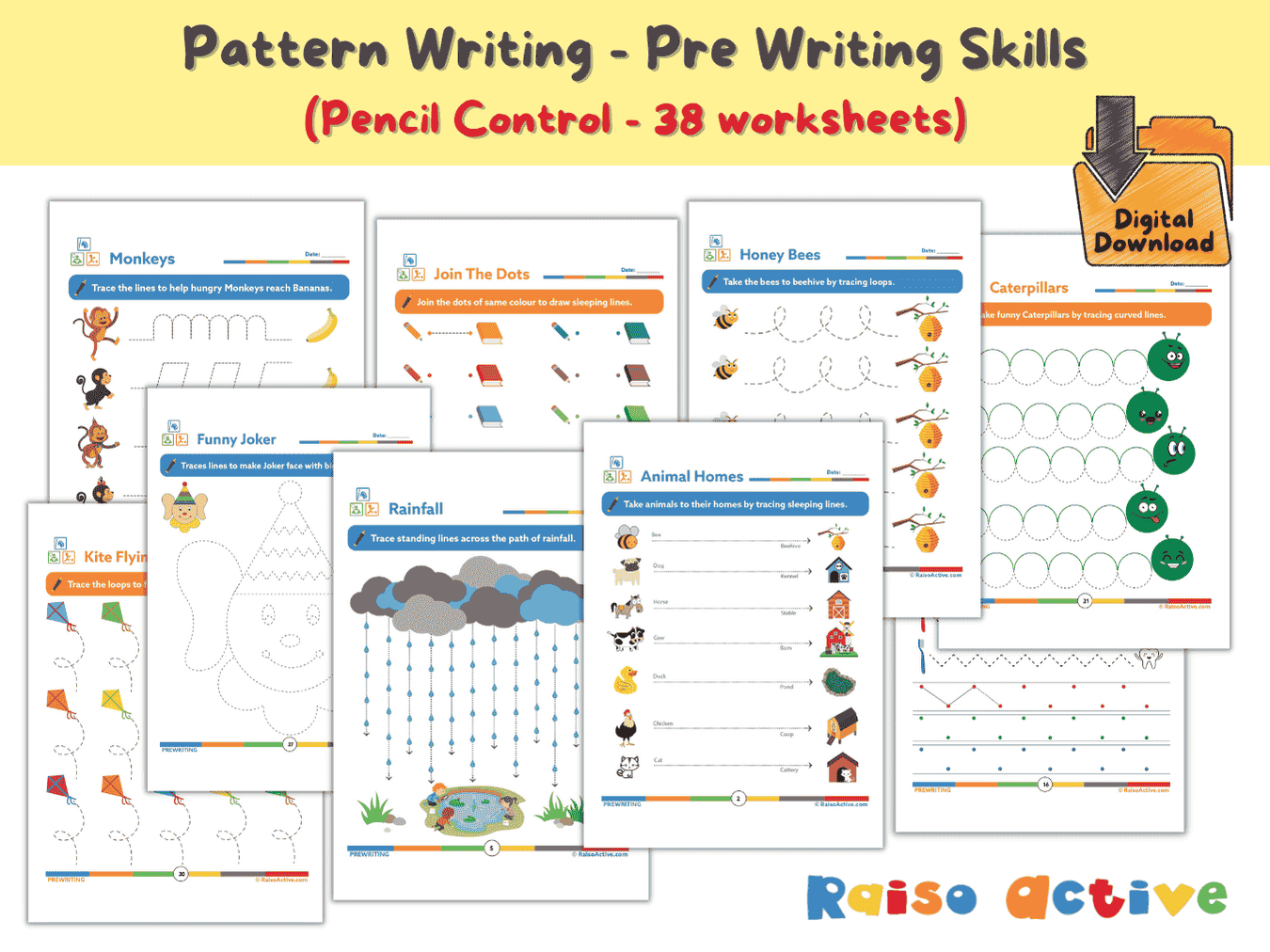

Pattern Writing Pre-writing Skills Activity Book for 3-4 Year Olds
Ages 3-4 · PreschoolAges 3-4 · NurseryAges 3-4 · 44 pages
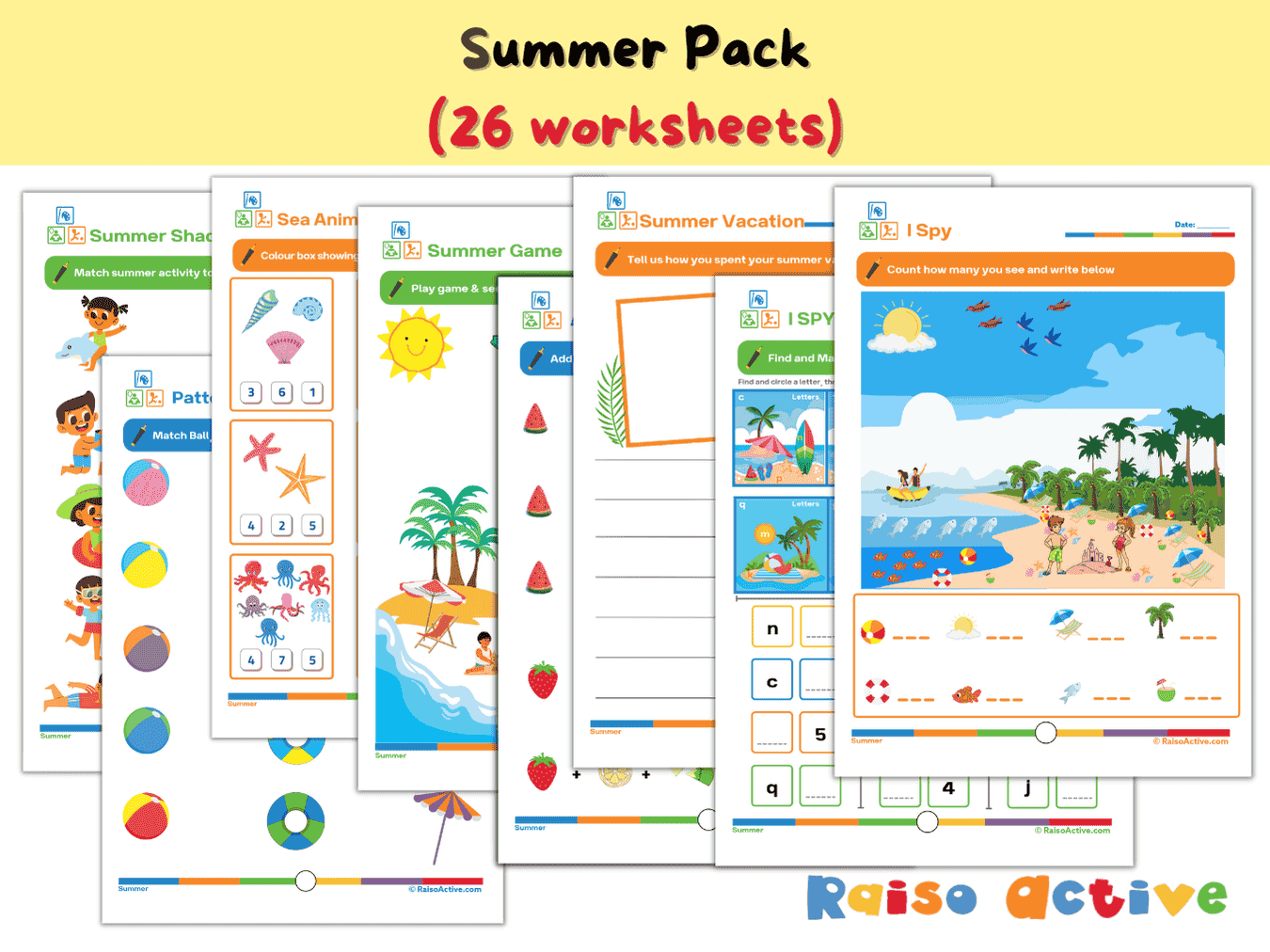

Summer Activity Pack: Math, Literacy, Puzzles & More for Preschool & Kindergarten
Ages 3-7 · Preschool–Grade 1Ages 3-7 · Nursery–Year 2Ages 3-7 · Nursery–Class 1Ages 3-7 · 26 pages
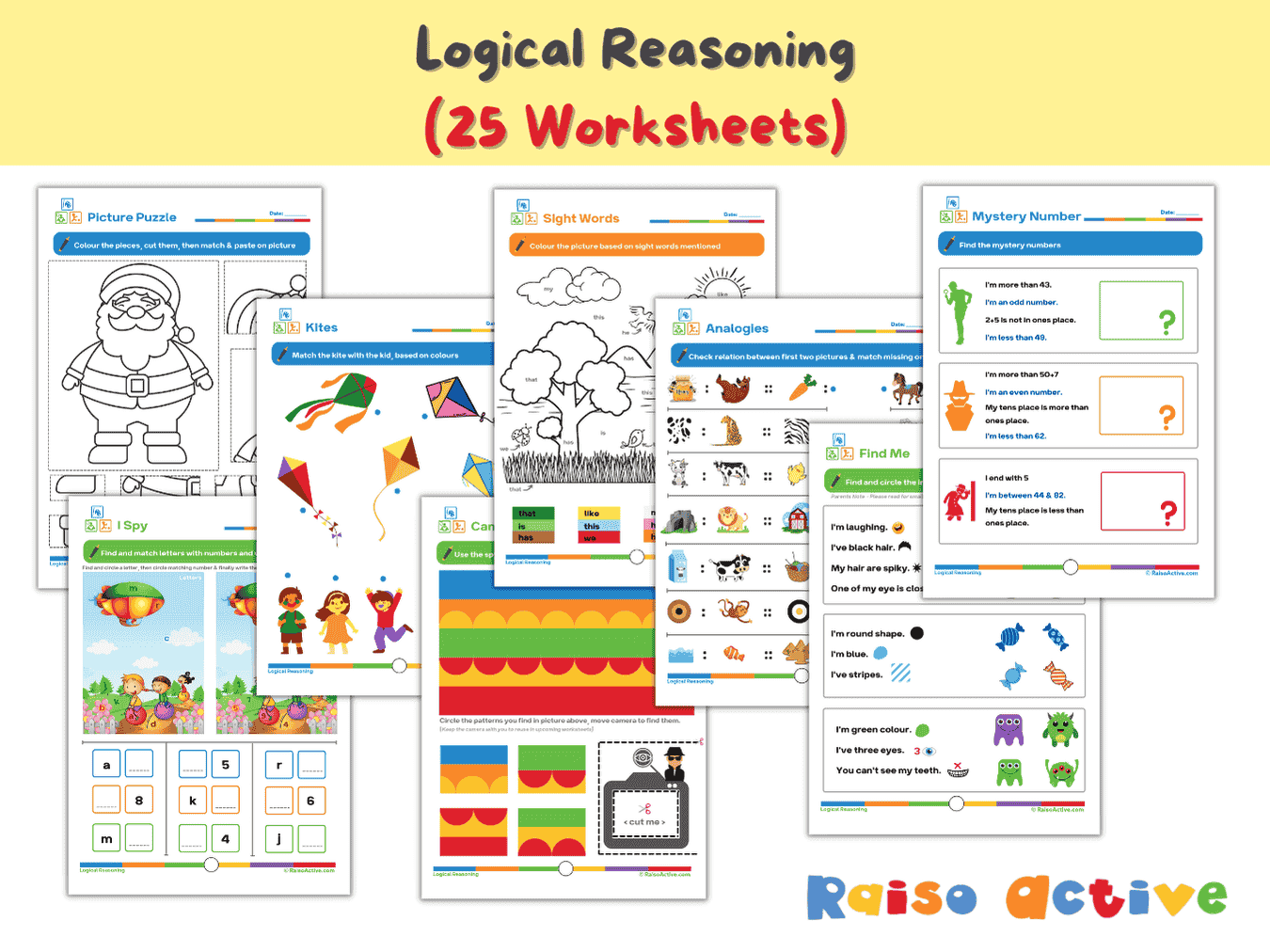

Logical Reasoning Activity Book for Preschool & Kindergarten | Patterns, Puzzles & Analogies
Ages 4-7 · Pre-K–Grade 1Ages 4-7 · Reception–Year 2Ages 4-7 · LKG–Class 1Ages 4-7 · 26 pages
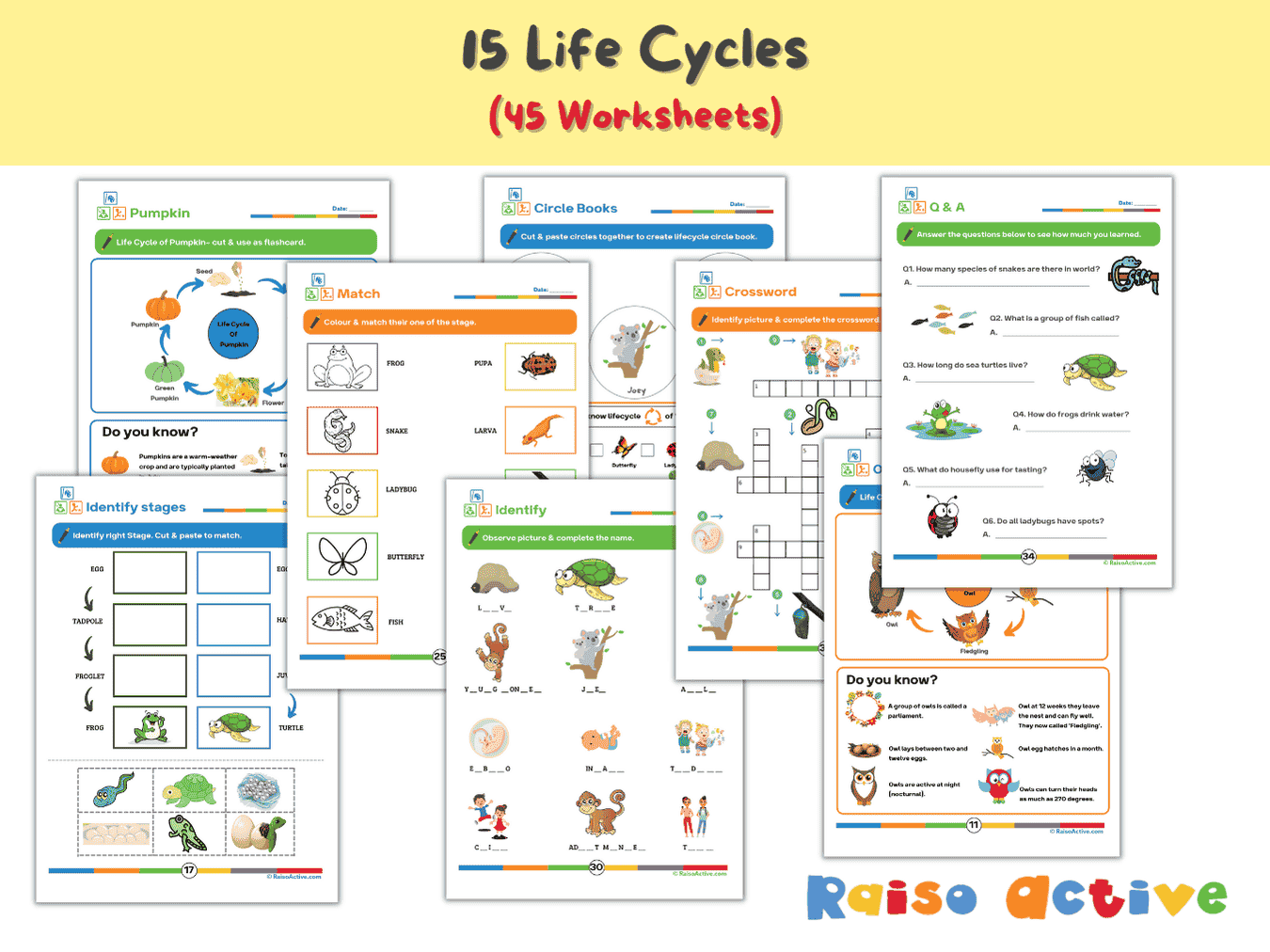

Lifecycles Activity Book & Flashcards for Preschool & Early Elementary
Ages 3-8 · Preschool–Grade 2Ages 3-8 · Nursery–Year 3Ages 3-8 · Nursery–Class 2Ages 3-8 · 46 pages
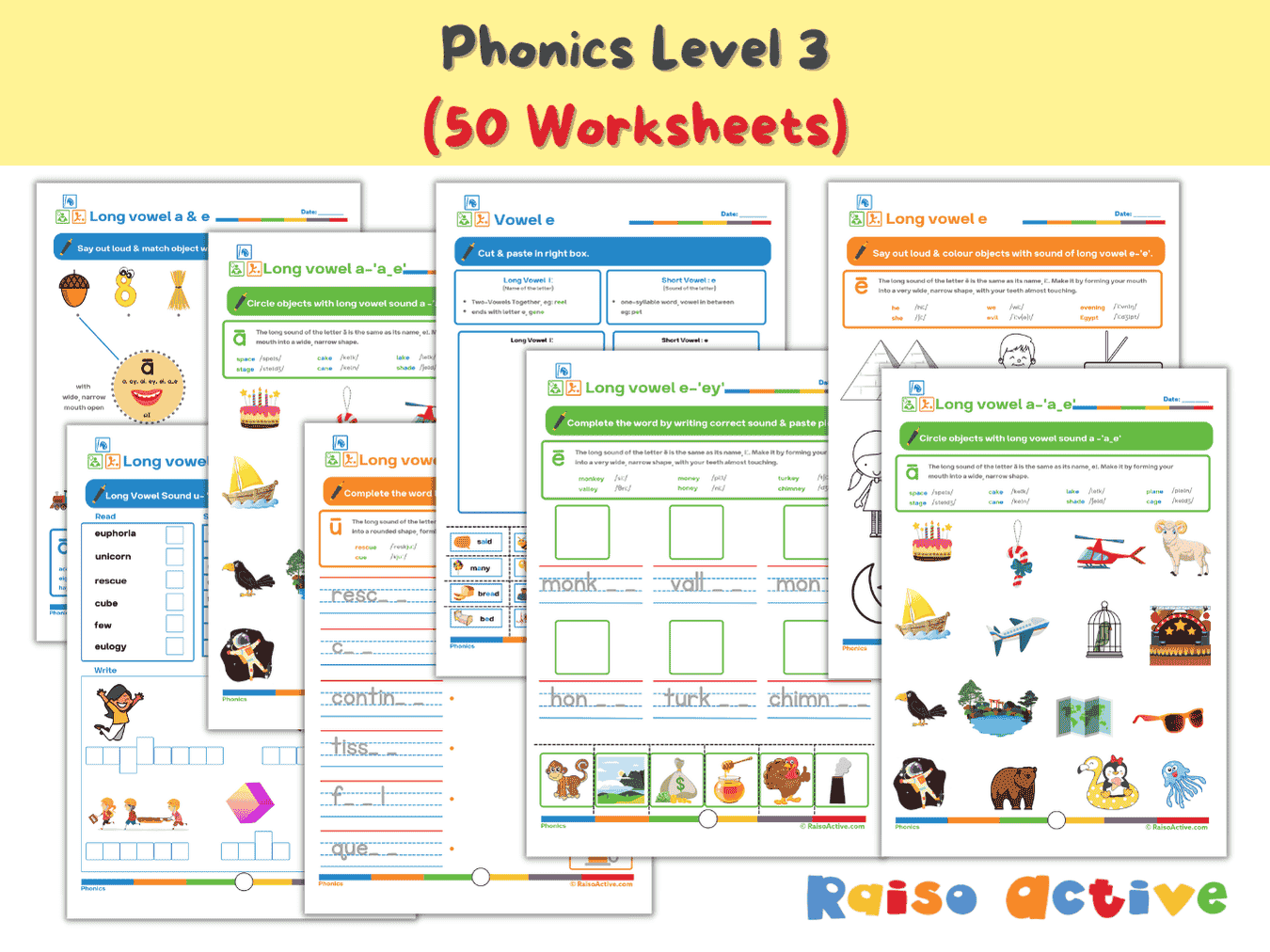

Phonics Level 3 Long Vowels Activity Book for Kindergarten & 1st Grade
Ages 5-7 · Kindergarten–Grade 1Ages 5-7 · Year 1–Year 2Ages 5-7 · UKG–Class 1Ages 5-7 · 51 pages
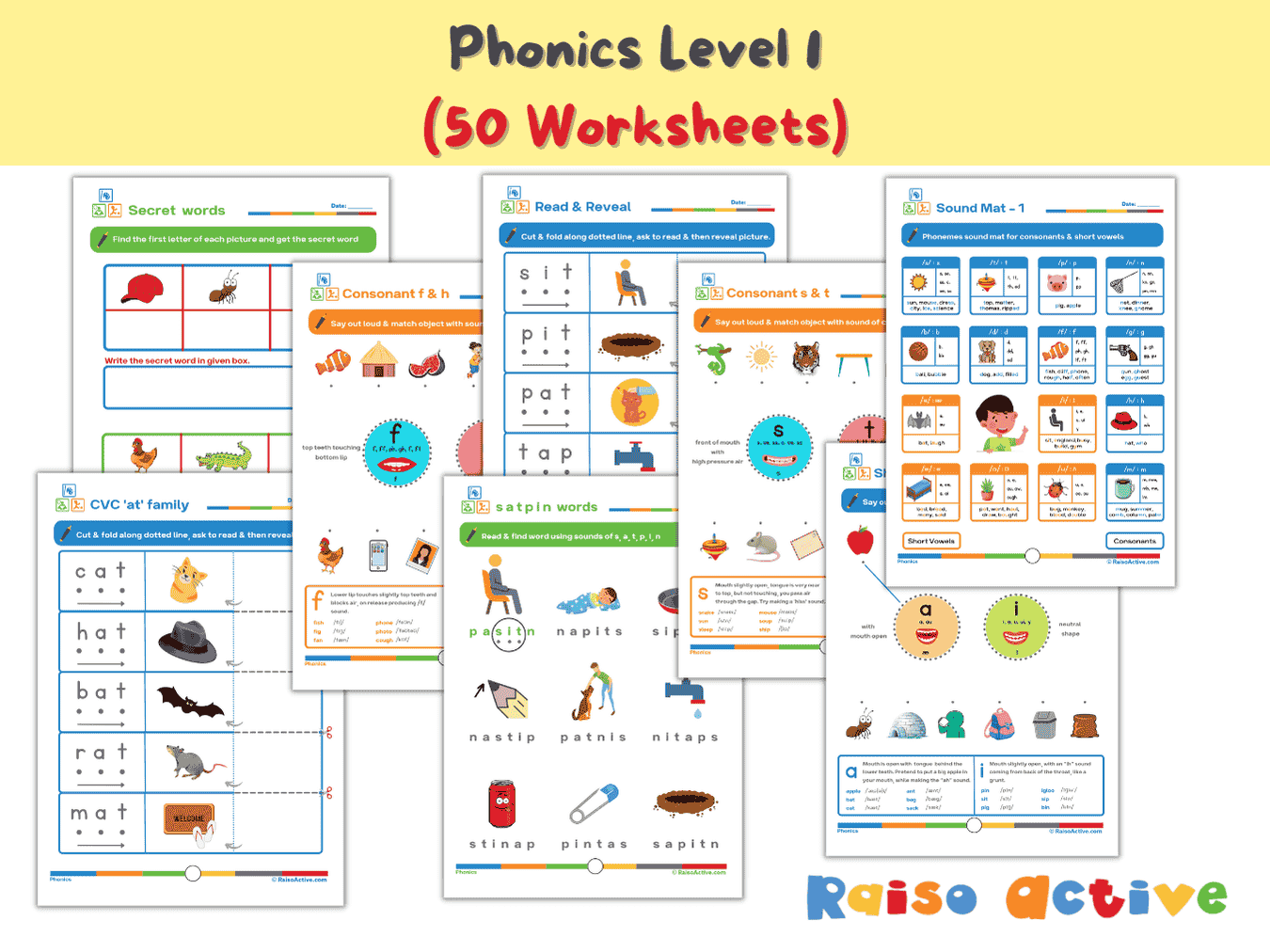
Phonics Level 1 Activity Book: Letter Sounds, Blending & CVC Words for Preschool & Kindergarten
Ages 3-6 · Preschool–KindergartenAges 3-6 · Nursery–Year 1Ages 3-6 · Nursery–UKGAges 3-6 · 60 pages
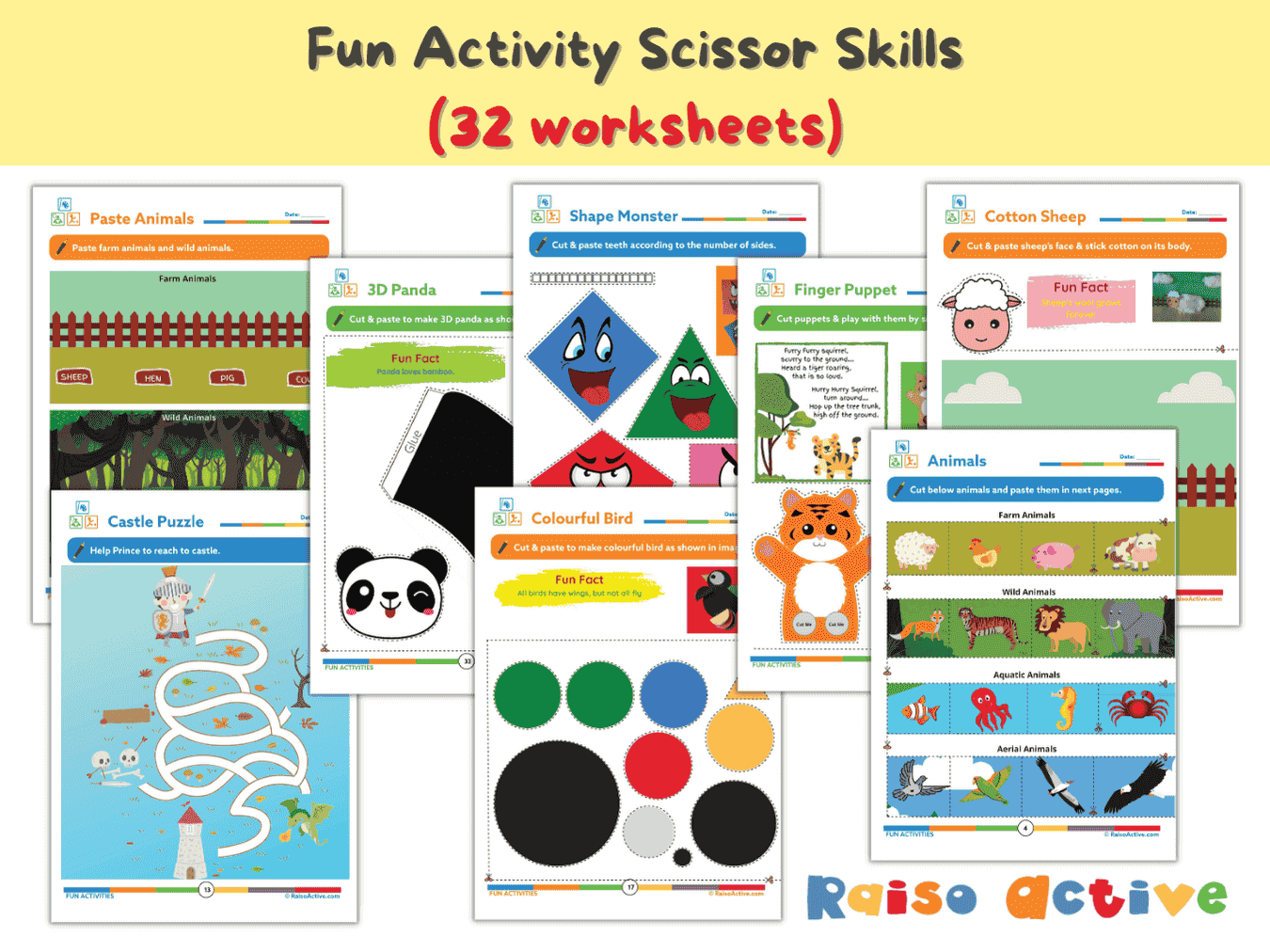
Preschool Scissor Skills Activity Book: Fine Motor & Craft Fun for Ages 3-6
Ages 3-6 · Preschool–KindergartenAges 3-6 · Nursery–Year 1Ages 3-6 · Nursery–UKGAges 3-6 · 35 pages
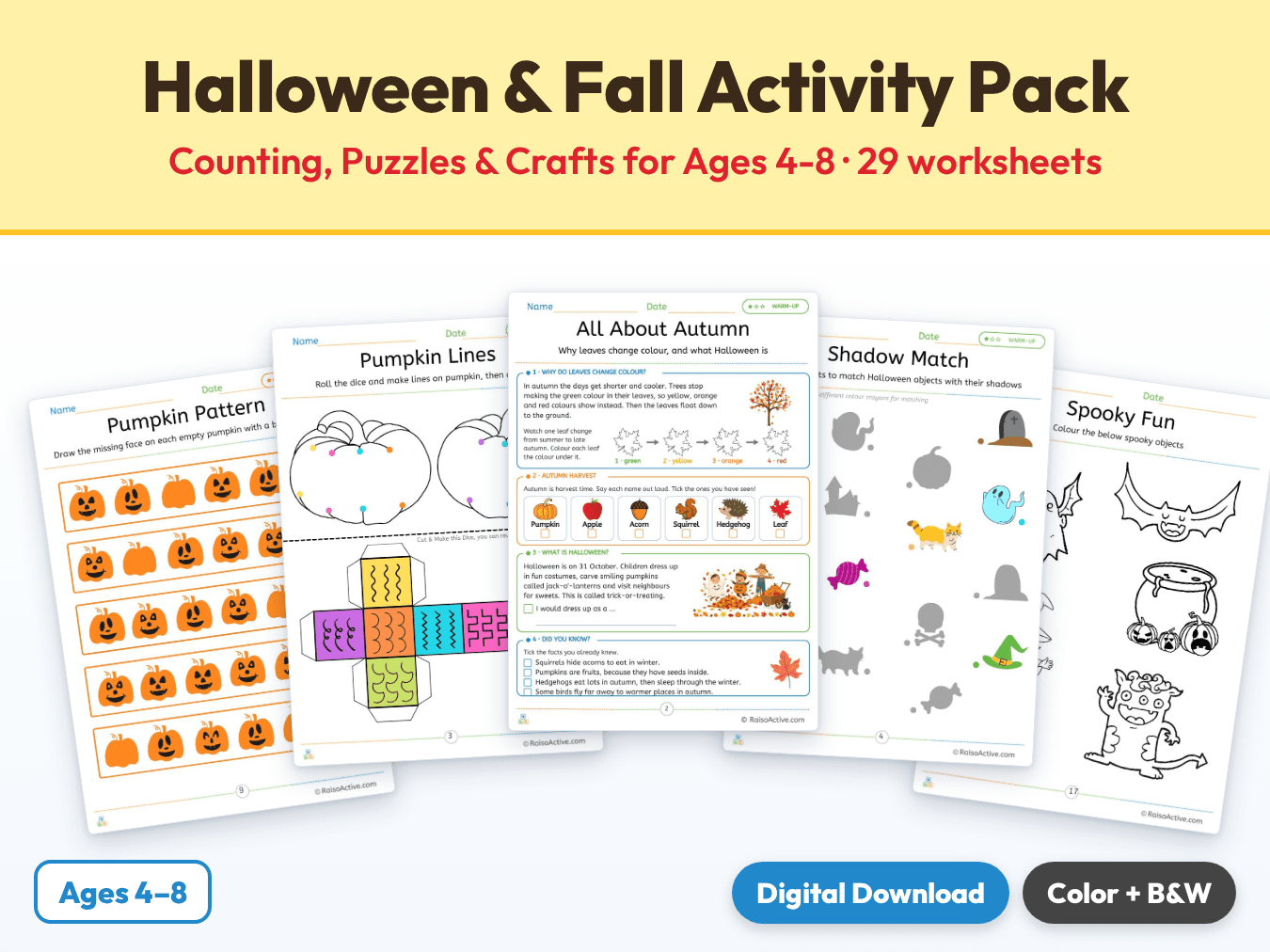
Halloween & Fall Activity Pack: Counting, Puzzles & Crafts for Ages 4-8
Ages 4-8 · Pre-K–Grade 2Ages 4-8 · Reception–Year 3Ages 4-8 · LKG–Class 2Ages 4-8 · 30 pages
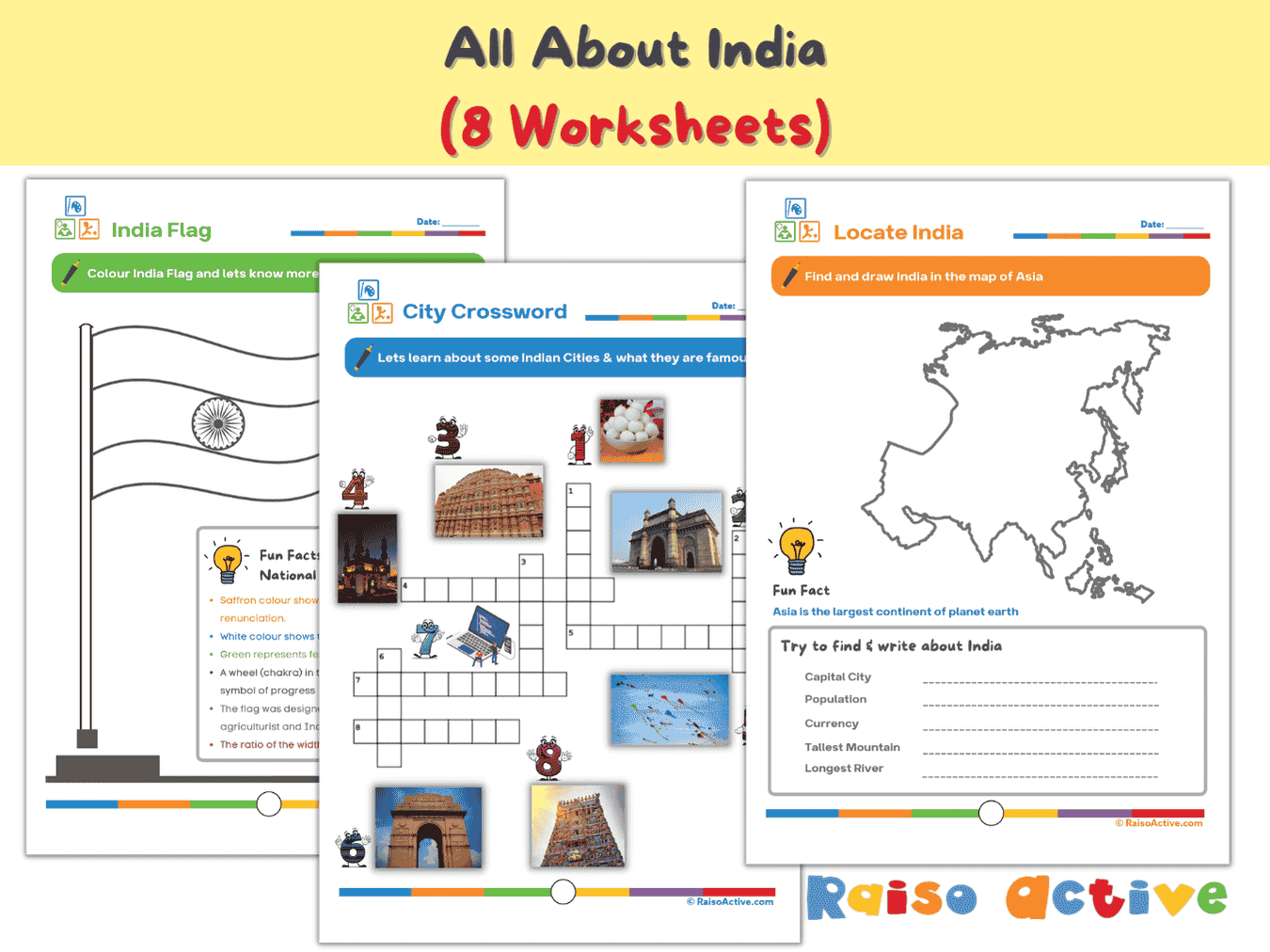
India Activity Book for Kids: Explore Geography, Culture & Symbols (Ages 5-8)
Ages 5-8 · Kindergarten–Grade 2Ages 5-8 · Year 1–Year 3Ages 5-8 · UKG–Class 2Ages 5-8 · 8 pages

Month 9: Holistic Preschool Play Learning | Ages Up to 4
Ages 3-4 · PreschoolAges 3-4 · NurseryAges 3-4 · 30 pages