Alphabet U-Z Worksheet: Find the Letter and Count!
This worksheet extends alphabet mastery to the less-practiced letters U through Z for children ages 4-6, combining beginning-sound identification with a counting task for each object pictured. Because letters at the end of the alphabet appear less often in early reading material, dedicated practice here helps round out full alphabet fluency, while the counting component keeps numeracy skills active alongside literacy.

Part of the pack
Month 11: Learning & Development | Ages Up to 4
This is page 8 of the pack. Ages 2-4 · PreschoolAges 2-4 · NurseryAges 2-4
Made for your child
Counting to 10, made for your child
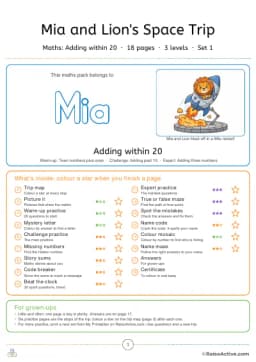
A maths pack with your child's name in it: pictures that explain, practice at three levels, puzzles and story sums about them. Print a new set whenever they finish.
Make a maths packFree preview · free for members
Curriculum
- Writing > Letter Tracing A-Z
How to use this worksheet
Look at the first picture together and say its name slowly, listening for the beginning sound. Ask your child which letter, U through Z, that sound matches, and have them write it on the line provided. Then have them count the objects shown for that letter and write the total number in the box. Continue through each letter from U to Z the same way, saying both the letter sound and the count out loud each time.
Materials needed
- Pencil
- Crayons
Extension activities
- 1Search the house for objects that start with each of the letters U through Z.
- 2Draw your own pictures for tricky letters like X and Q, since few common words start with them.
- 3Make an alphabet chart together, adding U-Z words as your child discovers them.
- 4Practice writing each letter, both uppercase and lowercase, on a blank sheet.

Written by
Hemsweta Jain · Teacher Cheena
MBA and Early Childhood Educator, teaching since 2014 · Founder of RaisoActive, Mumbai
Every RaisoActive worksheet is designed and checked by the founder before publishing.
Published · Last reviewed
More from Month 11: Learning & Development | Ages Up to 4

Help Dad Reach Home! Missing Number Maze Worksheet
Ages 4-6 · Pre-K–KindergartenAges 4-6 · Reception–Year 1Ages 4-6 · LKG–UKGAges 4-6
Filling in missing numbers along a maze path combines number sequencing from 1-20 with the planning skills needed to trace a route from start to finish, giving children ages 4-6 practice in both counting recall and spatial navigation.
Parent's Guide: Fun Activities for Kids!
Ages 3-5 · Preschool–Pre-KAges 3-5 · Nursery–ReceptionAges 3-5 · Nursery–LKGAges 3-5
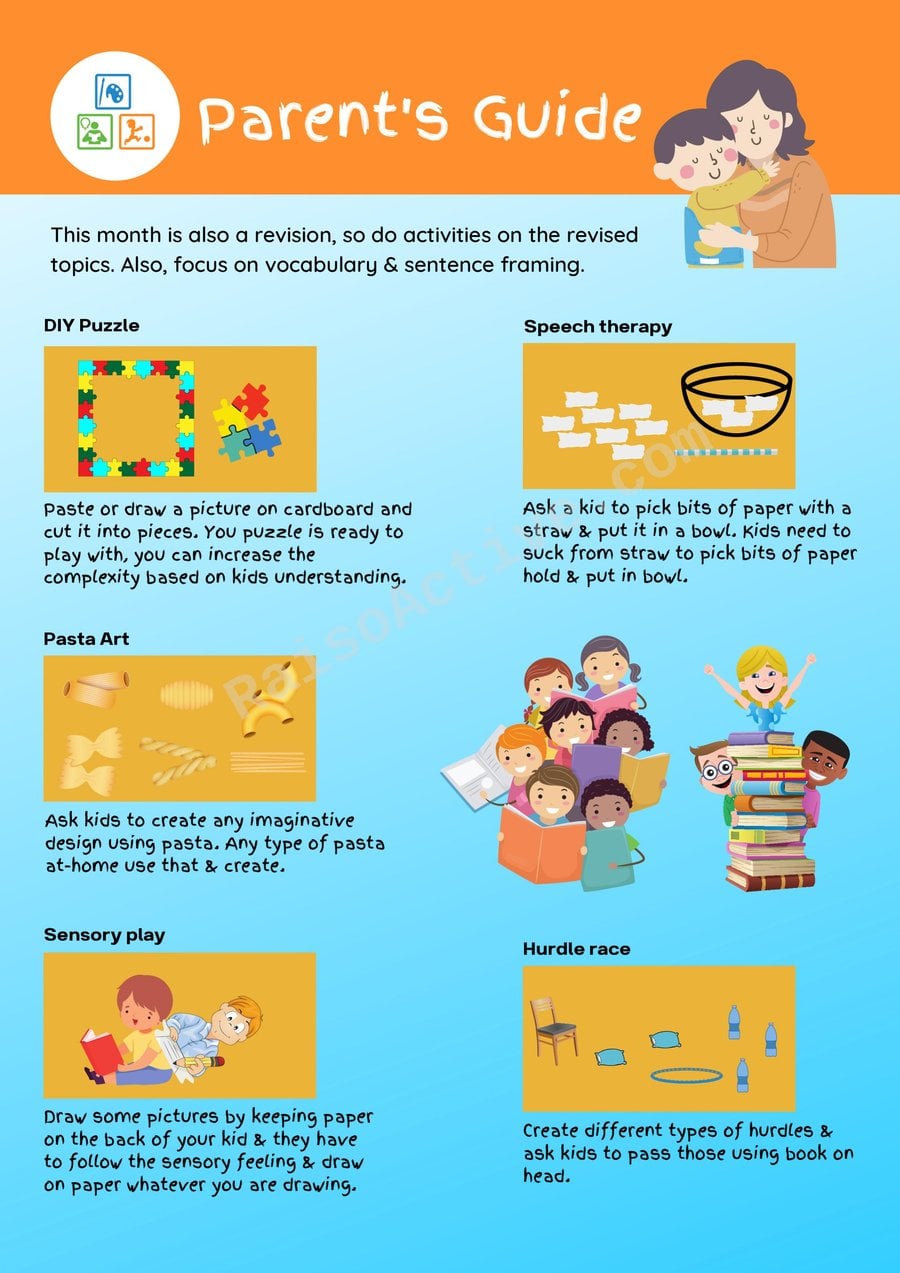
This parent's guide brings together a set of simple, no-prep activities that support early literacy, counting, and sequencing skills for children ages 3-5 outside of a single structured worksheet. Because the activities are designed to be adapted to your child's current interests and skill level, they build flexible thinking and real-world application of skills like counting and sequencing, rather than isolated worksheet practice.

Counting Fun: Count and Write the Numbers Worksheet for Kids
Ages 3-5 · Preschool–Pre-KAges 3-5 · Nursery–ReceptionAges 3-5 · Nursery–LKGAges 3-5
This worksheet builds core numeracy for children ages 3-5 through the fundamental skill of one-to-one correspondence — counting a group of objects and writing the numeral that represents the total. This is one of the earliest and most essential math skills, since accurately connecting a counted quantity to a written number underlies every later arithmetic concept.
Summer Fun Coloring Worksheet for Preschoolers
Ages 3-5 · Preschool–Pre-KAges 3-5 · Nursery–ReceptionAges 3-5 · Nursery–LKGAges 3-5
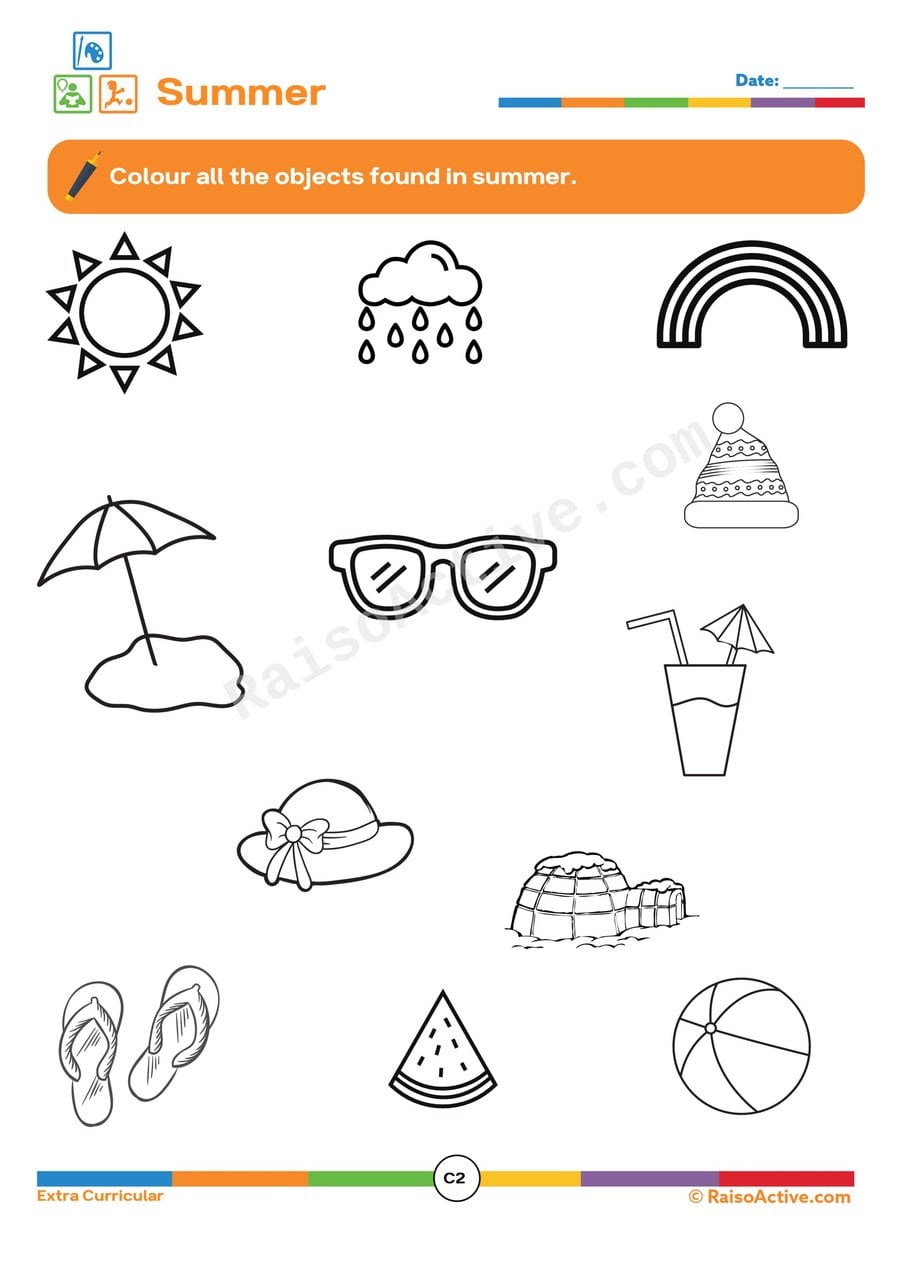
Children ages 3-5 practice associating specific objects, like sunglasses, ice cream, or a swimsuit, with the summer season, building early seasonal awareness alongside fine motor coloring practice. Recognizing which objects belong to which season is a foundational step toward understanding weather, time, and the changing year.

Connect the Dots: Help the Prince Find the Princess! Numbers 1-25 Worksheet
Ages 3-5 · Preschool–Pre-KAges 3-5 · Nursery–ReceptionAges 3-5 · Nursery–LKGAges 3-5
Locating dots in order from 1 to 25 and drawing a steady connecting line combines number recognition and sequencing with the pencil control children ages 3-5 need for handwriting readiness.
Write and Color Numbers 1-20 Worksheet
Ages 4-6 · Pre-K–KindergartenAges 4-6 · Reception–Year 1Ages 4-6 · LKG–UKGAges 4-6
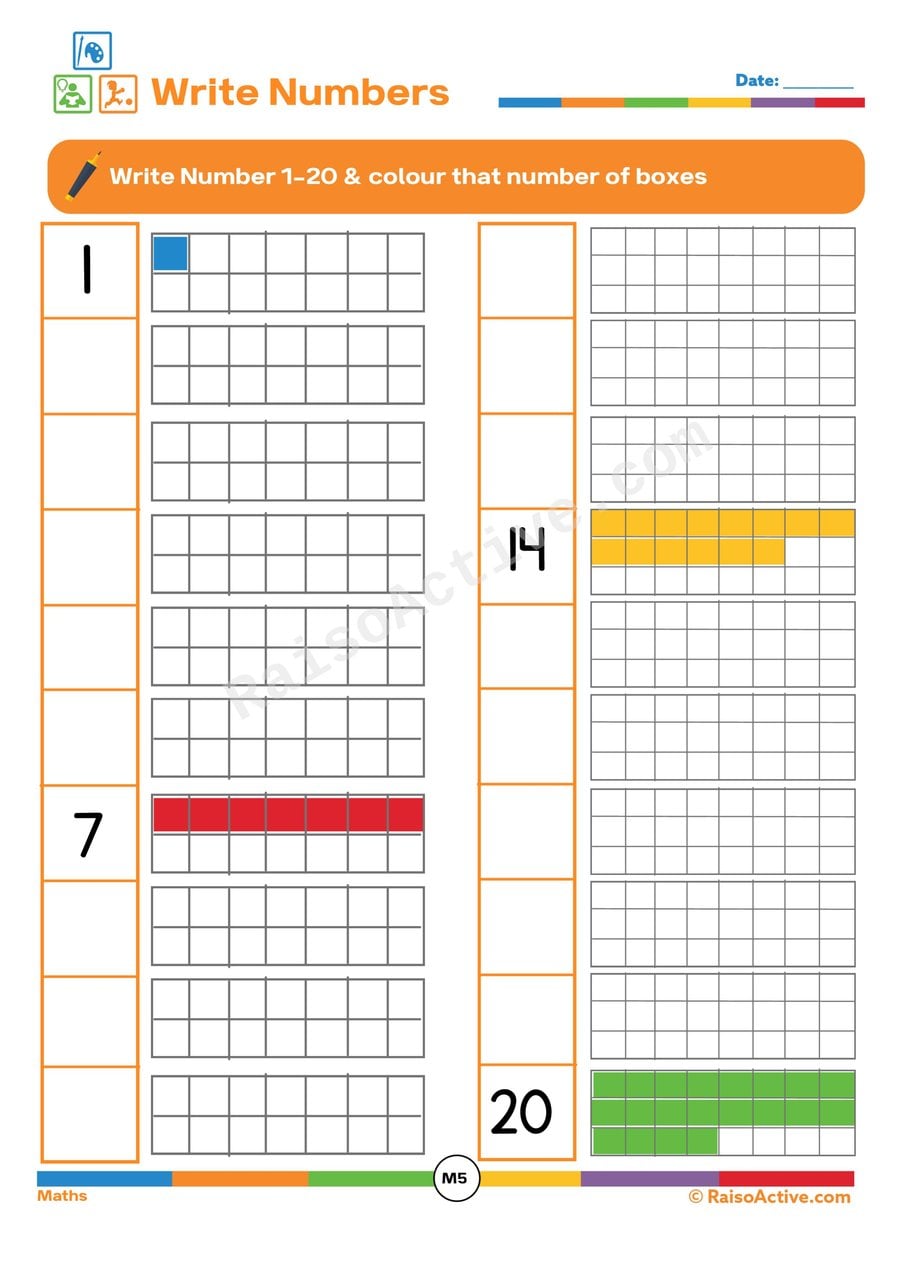
Children ages 4-6 practice writing numbers from 1 to 20 in sequence while reinforcing quantity recognition by coloring the matching number of boxes for each number, connecting the written numeral to the amount it represents. Extending number writing practice up through 20 supports children moving beyond single digits into the teens and twenties, a range many children find confusing.
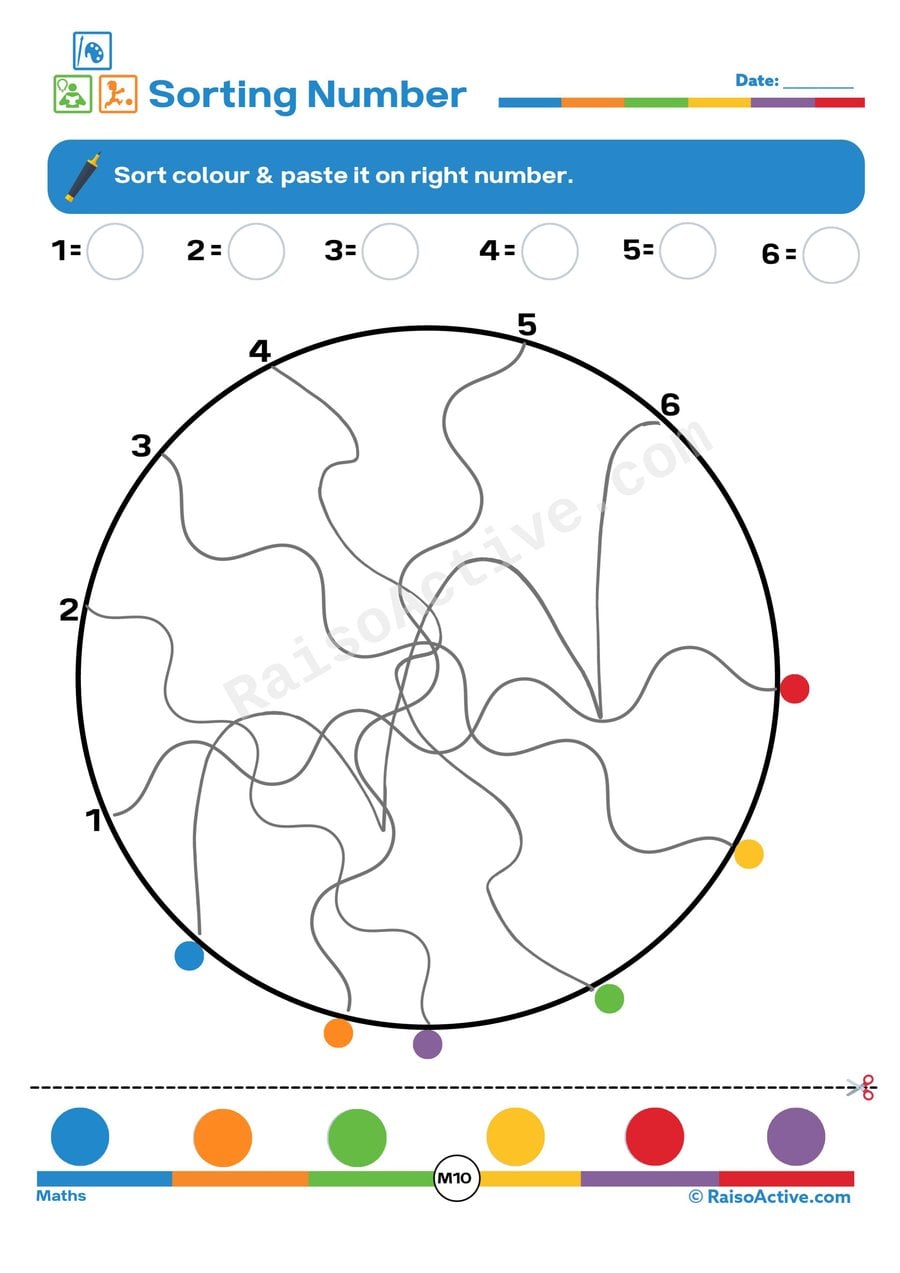
Sorting Numbers Worksheet: Color and Paste!
Ages 3-5 · Preschool–Pre-KAges 3-5 · Nursery–ReceptionAges 3-5 · Nursery–LKGAges 3-5
Children ages 3-5 practice matching quantities to written numerals by counting sets of colored dots and pasting them next to the correct number, reinforcing both counting accuracy and number recognition in a hands-on cut-and-paste format. Sorting by matching color groups to numbers also builds early visual categorization skills.

Color the Circles: Vocabulary Worksheet for Preschoolers
Ages 3-5 · Preschool–Pre-KAges 3-5 · Nursery–ReceptionAges 3-5 · Nursery–LKGAges 3-5
Matching a chart of letter-color pairings to circles below reinforces alphabet recognition for children ages 3-5 while training them to hold a two-step visual instruction in mind — find the letter, then find its color — while coloring.
Related worksheets

Summer Fun: Find, Match, and Write Letters and Numbers Worksheet
Ages 3-5 · Preschool–Pre-KAges 3-5 · Nursery–ReceptionAges 3-5 · Nursery–LKGAges 3-5
This worksheet combines three skills in one activity for children ages 3-5: finding a target letter, matching it to a corresponding number, and then writing the letter independently. Working through find, match, and write in sequence builds sustained attention across multiple steps, which is an important readiness skill for the multi-part instructions children will encounter in kindergarten. It also reinforces both letter recognition and number recognition side by side rather than practicing them separately.
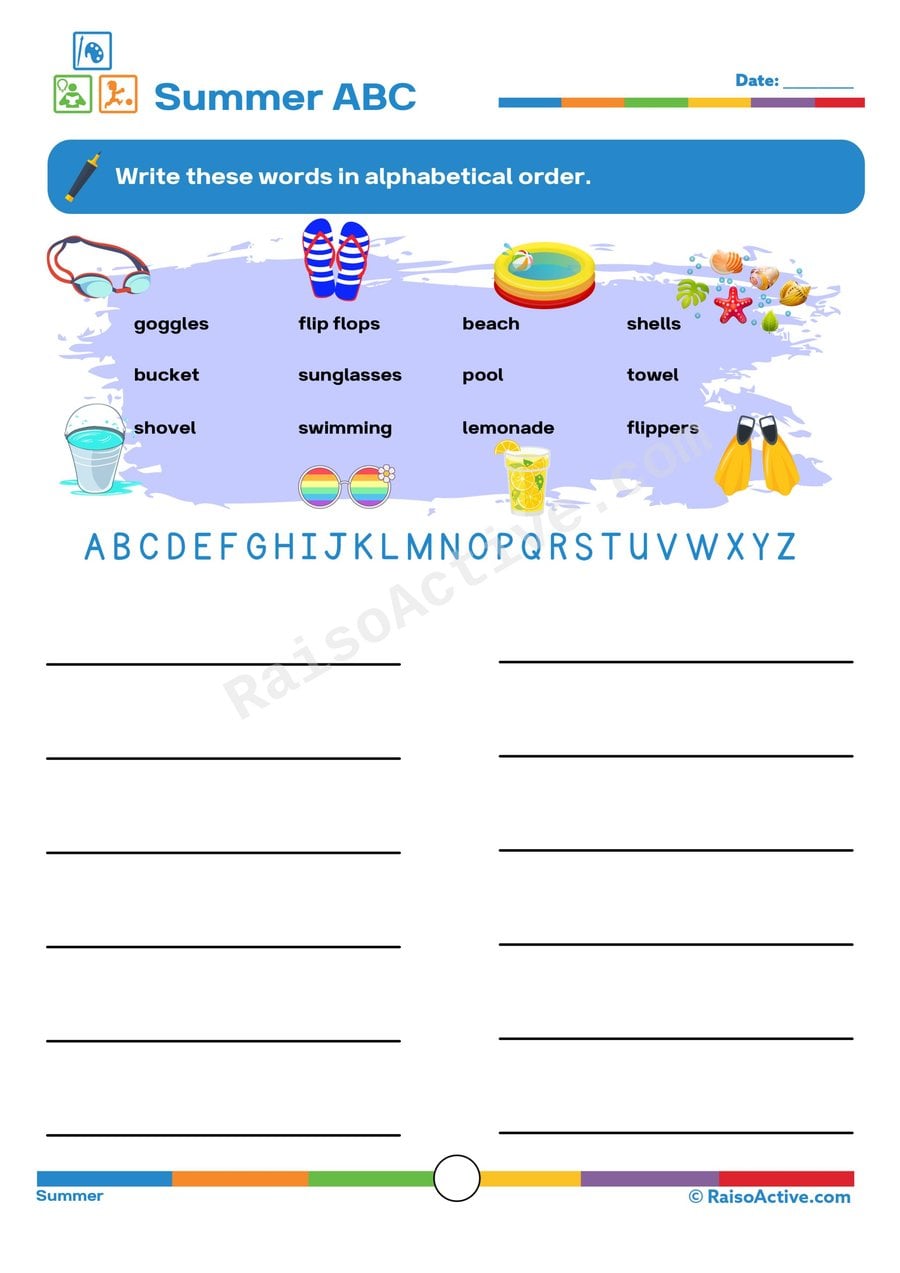
Summer ABC Worksheet: Alphabetical Order Fun!
Ages 4-6 · Pre-K–KindergartenAges 4-6 · Reception–Year 1Ages 4-6 · LKG–UKGAges 4-6
This worksheet has children ages 4-6 put a new set of summer words into alphabetical order, building on the comparison and sequencing skills involved in matching each word's first letter to its place in the alphabet. Because this task requires holding several words in mind at once and deciding their relative order, it strengthens working memory alongside letter-sequence knowledge. Repeated practice with alphabetizing across different word sets like this one helps the skill become more automatic over time.

Summer Words ABC Order Worksheet for Preschoolers
Ages 4-5 · Pre-KAges 4-5 · ReceptionAges 4-5 · LKGAges 4-5
This worksheet has children ages 4-5 practice putting summer-themed words in alphabetical order, a key pre-reading skill that requires comparing the first letters of multiple words and understanding that the alphabet has a fixed sequence. Because children must hold several words in mind and decide their relative order rather than just recognizing a single letter, this task builds early sequencing and comparison skills alongside letter knowledge. Writing the words out afterward also reinforces spelling and handwriting practice.
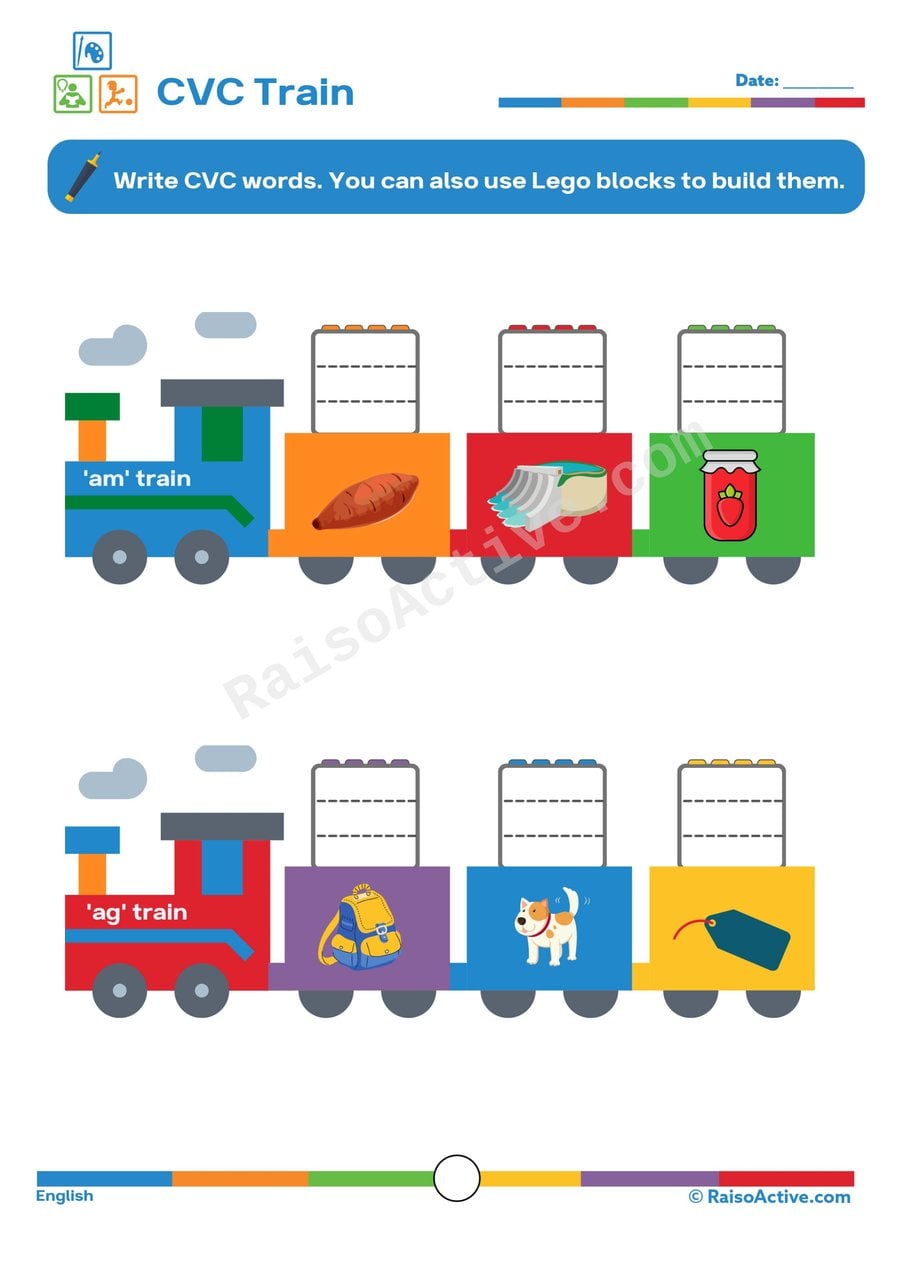
CVC Train Worksheet: Write and Build CVC Words!
Ages 4-6 · Pre-K–KindergartenAges 4-6 · Reception–Year 1Ages 4-6 · LKG–UKGAges 4-6
This worksheet gives children ages 4-6 focused practice blending letter sounds into consonant-vowel-consonant words, using train-car pictures as clues for words like 'dog,' 'hen,' or 'cup.' Because children both write the word and can optionally build it with Lego blocks, this worksheet reinforces the same phonics skill through two different physical actions — handwriting and hands-on construction — which helps the spelling patterns stick.
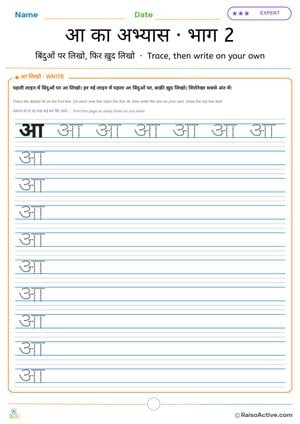
Hindi Letter आ Practice Part 2: Trace and Write on Your Own | आ का अभ्यास · भाग 2
Ages 3-7 · Preschool–Grade 1Ages 3-7 · Nursery–Year 2Ages 3-7 · Nursery–Class 1Ages 3-7
Children build writing fluency by tracing the dotted line आ on the first line and then writing the letter on their own, line after line, as the dotted help fades. The headline (शिरोरेखा) is drawn last, as in Hindi handwriting.
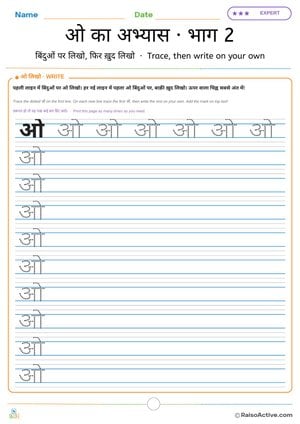
Hindi Letter ओ (o) Practice 2: Trace, then Write on Your Own | ओ का अभ्यास · भाग 2
Ages 5-7 · Kindergarten–Grade 1Ages 5-7 · Year 1–Year 2Ages 5-7 · UKG–Class 1Ages 5-7
An expert page for confident writers: trace the dotted ओ on the first line, then on each new line trace the first ओ and write the rest on your own, adding the mark on top last.

Navratri Colour Hunt: Colour Words, Matching and Bangles
Ages 4-6 · Pre-K–KindergartenAges 4-6 · Reception–Year 1Ages 4-6 · LKG–UKGAges 4-6
Children read colour words, colour bangles to match, count how many of each colour, match everyday things to their colours and find colours around the home.
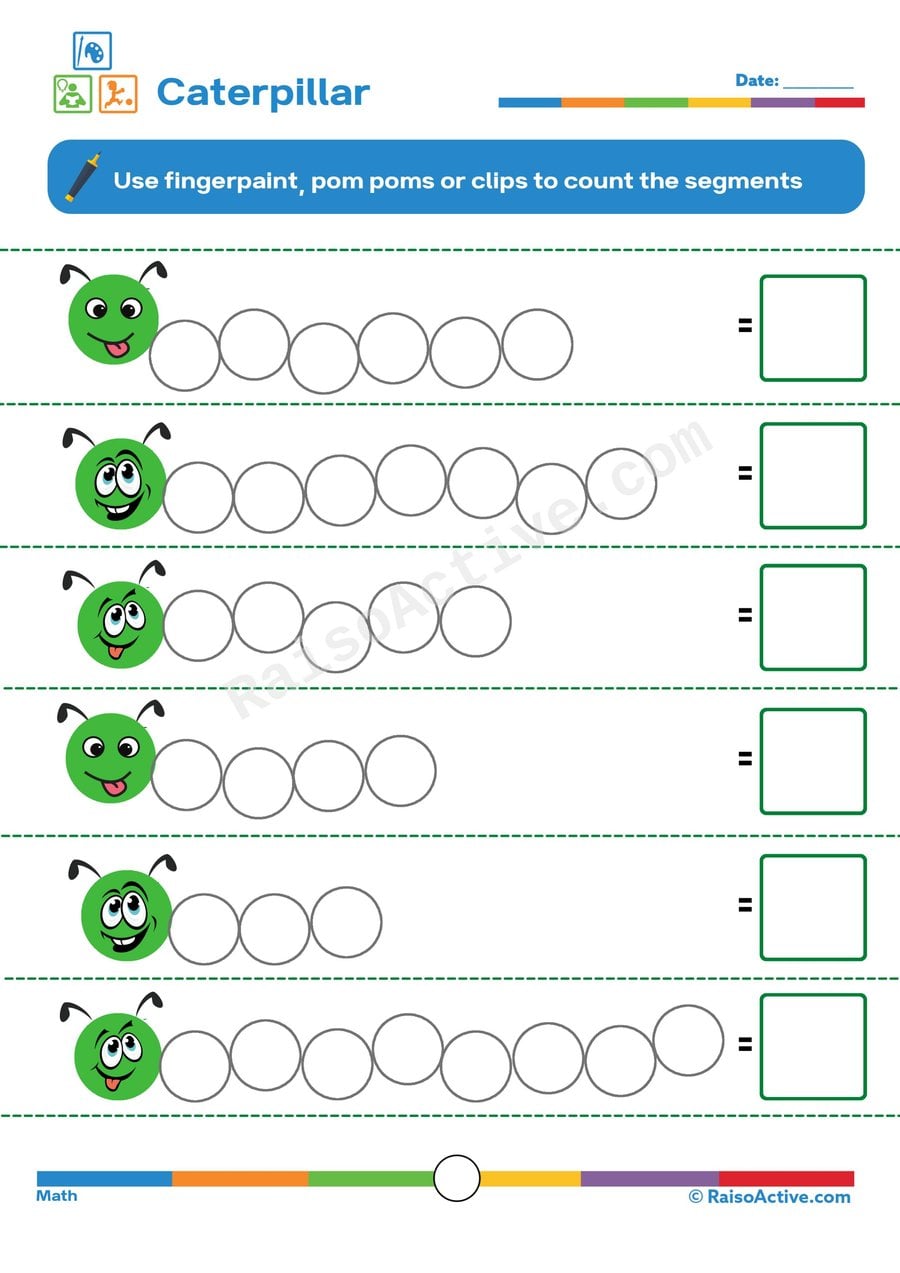
Caterpillar Counting Worksheet for Preschoolers
Ages 3-5 · Preschool–Pre-KAges 3-5 · Nursery–ReceptionAges 3-5 · Nursery–LKGAges 3-5
Counting the segments of each caterpillar teaches children ages 3-5 one-to-one correspondence — touching or marking each segment exactly once while saying a number — which is the core skill underlying accurate counting. Writing the final total in a box also connects the physical act of counting to its written numeral, reinforcing early number-writing practice.
Guides for this topic

Number Formation Rhymes 0–9 and How to Fix Reversals
Original number formation rhymes for 0–9, the correct stroke order for each digit, why 3, 5 and 7 get reversed most often, and multisensory fixes that work.

Documenting Learning Without Drowning in Data: A Practical Guide for Parents and Teachers
Learn practical ways to document your child's learning without overwhelm. Simple portfolios, observation tips, and printable trackers for ages 1-8.

How to Help Your Child with Letter Reversals: A Complete Guide for Parents and Teachers
Letter reversals are normal until age 7-8. Learn the best multisensory strategies, anchor letter tricks, and activities to help children write b, d, p, and q correctly.
Reviews
Every worksheet for ages 4–6, no watermark
Members download the full library of 1,000+ worksheets and every activity pack without watermarks or daily limits. One year costs ₹999 in India or $20 elsewhere.
See membership plansOr download any worksheet free with a watermark (5 a day).