Fill the Sequence Worksheet for Preschoolers
This two-part worksheet has children ages 3-5 first fill in missing numbers within a counting sequence and then cut out and paste the correct completed sequence, combining number-order recognition with fine motor cutting and pasting practice. Understanding that numbers follow a fixed, unchanging order is a critical foundation for counting accurately and, later, for addition and subtraction.
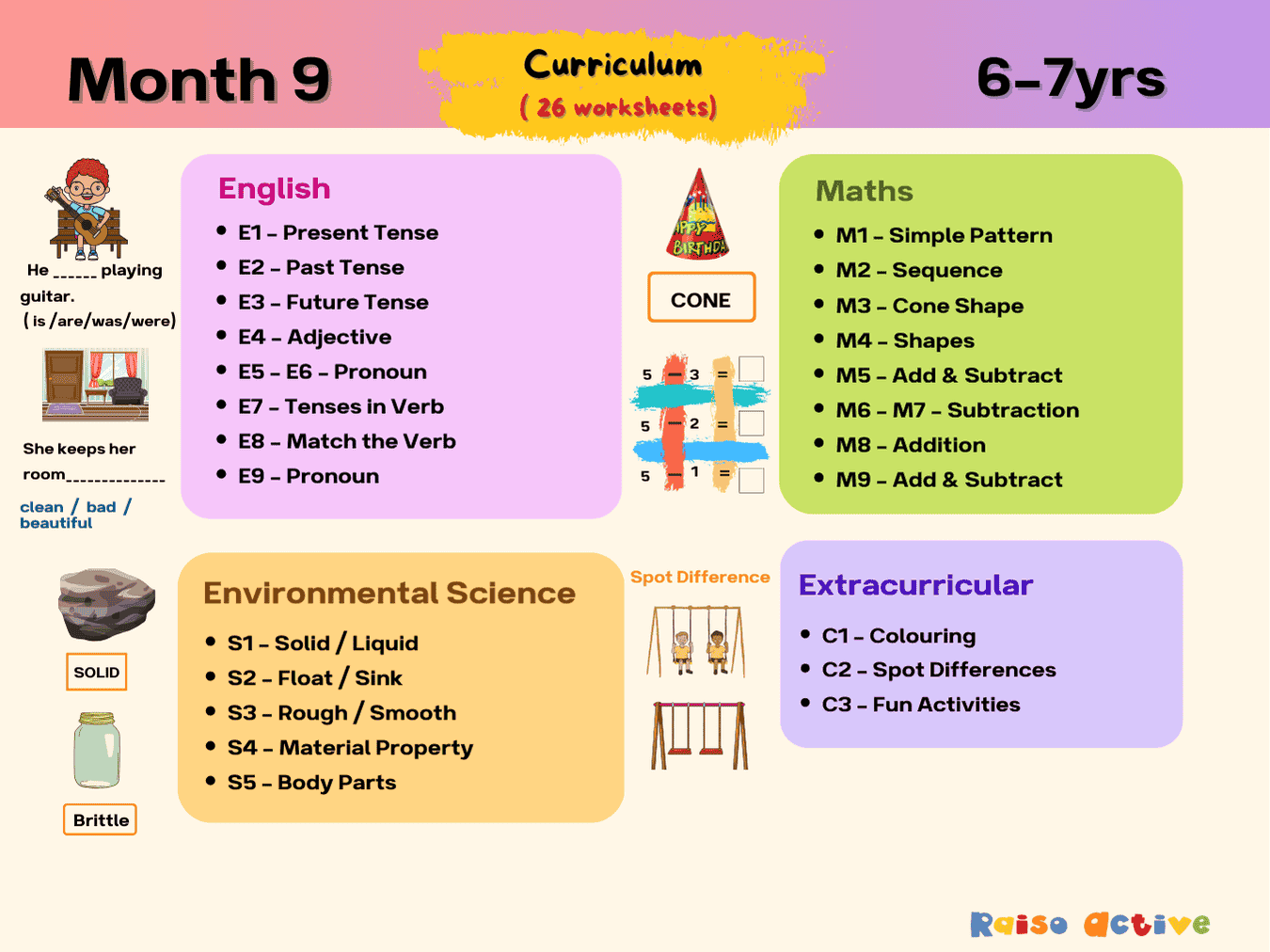
Part of the pack
Month 9: Multi-Subject Early Learning | Ages 6-7
This is page 14 of the pack. Ages 6-7 · Grade 1Ages 6-7 · Year 2Ages 6-7 · Class 1Ages 6-7
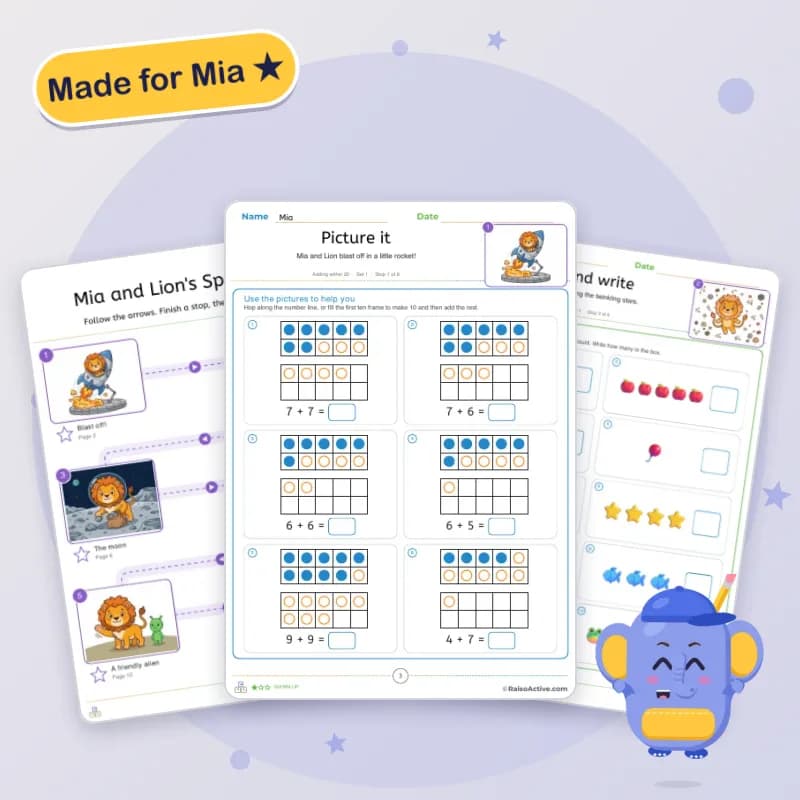
Made for your child
Counting to 10, made for your child
A maths pack with your child's name in it: pictures that explain, practice at three levels, puzzles and story sums about them. Print a new set whenever they finish.
Make a maths packFree preview · free for members
See all 7 personalised packsAbout this worksheet
- Topic:
- Number Sequencing
- Skill:
- Number Sequencing (Number Sense): Order numbers and find missing numbers in sequences.
- Pack:
- Page 14 of 29 in Month 9: Multi-Subject Early Learning | Ages 6-7.
How to use this worksheet
Look at the first number sequence together and count aloud from the beginning, pausing at each blank to ask your child what number belongs there before they write it in. Complete all the sequences on the page this way, always counting from the start rather than guessing the gap in isolation. Move to the cut-and-paste section, where your child cuts out the sequence options at the bottom of the page and identifies which one is in the correct order. Once they've chosen correctly, have them glue that sequence into the matching space.
Materials needed
- Pencil
- Scissors
- Glue
Extension activities
- 1Write a number sequence with a deliberate gap on a whiteboard and let your child be the 'teacher' who fills it in for you.
- 2Use number cards or sticky notes to build a sequence on the floor, then remove one and ask your child to find the missing number from a shuffled pile.
- 3Count stairs, footsteps, or claps together, pausing partway through to ask what number comes next.
- 4Cut a printed number line into strips and have your child reassemble it in the correct order.
- 5Play a simple board game with numbered squares and ask your child to predict which number they'll land on next.

Written by
Hemsweta Jain · Teacher Cheena
MBA and Early Childhood Educator, teaching since 2014 · Founder of RaisoActive, Mumbai
Every RaisoActive worksheet is designed and checked by the founder before publishing.
Published · Last reviewed
More from Month 9: Multi-Subject Early Learning | Ages 6-7

Present Tense Worksheet: Fill in the Blanks and Identify Sentences!
Ages 4-6

Shapes Worksheet: Cut and Paste, Complete the Sequence!
Ages 4-5

Material Properties Worksheet for Kids: Matching and Identifying
Ages 3-5
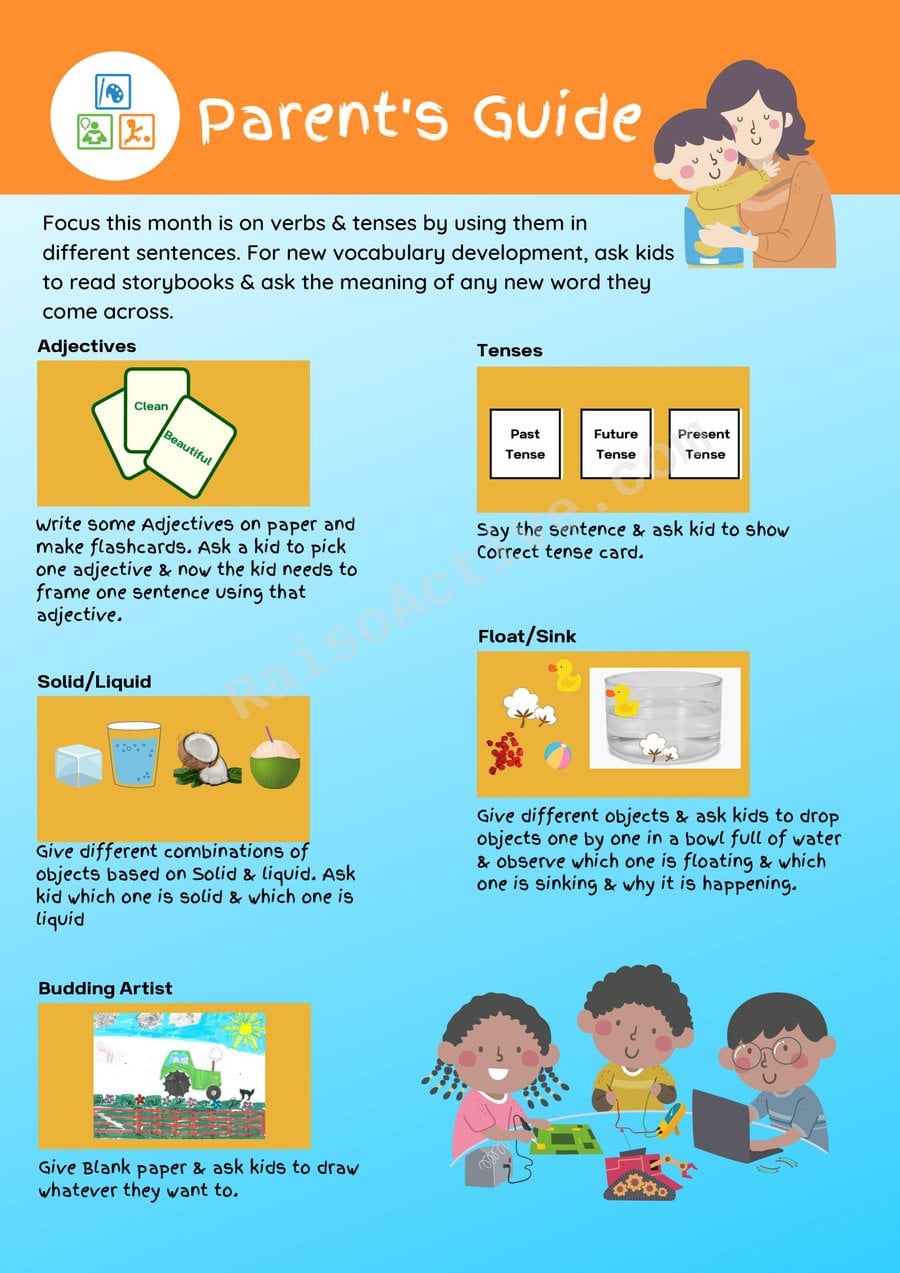
Parent's Guide: Verbs, Tenses, and Vocabulary Fun!
Ages 3-5
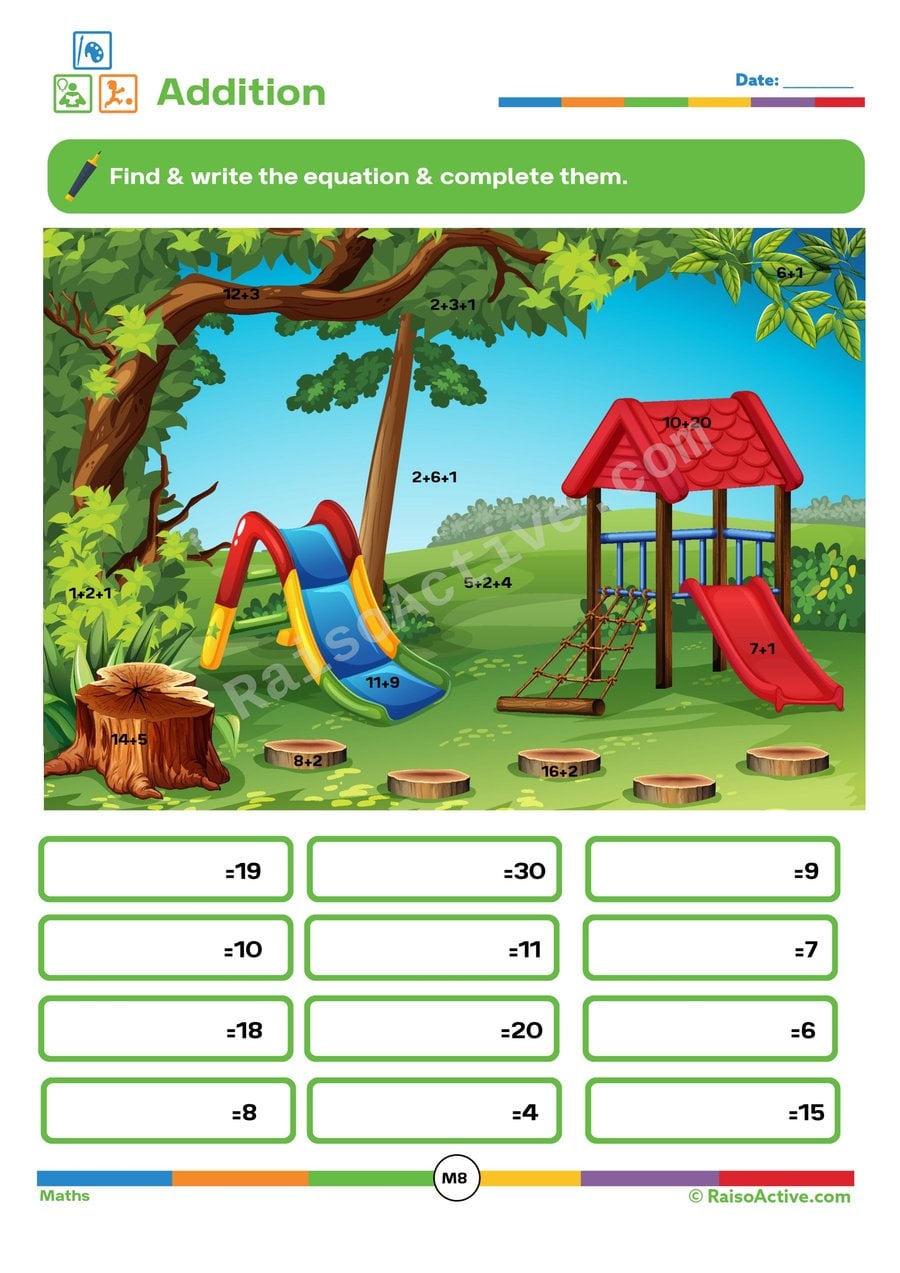
Addition Worksheet: Find and Write Equations!
Ages 4-6

Cut and Paste Body Parts Worksheet for Preschoolers
Ages 4-6

Tenses in Verbs Worksheet: Tick & Write the Correct Option!
Ages 4-6
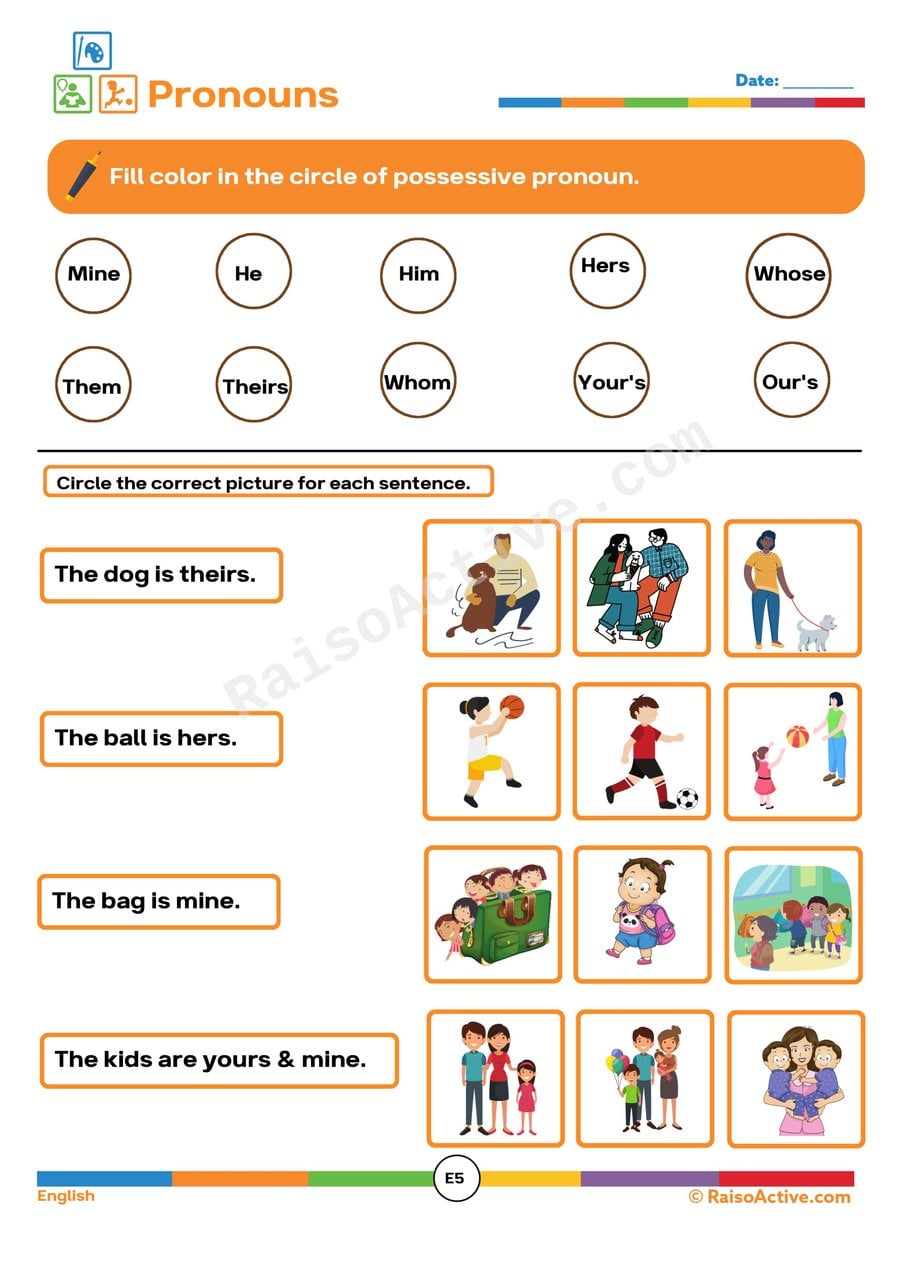
Possessive Pronouns Worksheet: Circle and Match!
Ages 3-5
Related worksheets

Missing Numbers Worksheet: Before, Between, and After
Ages 4-6
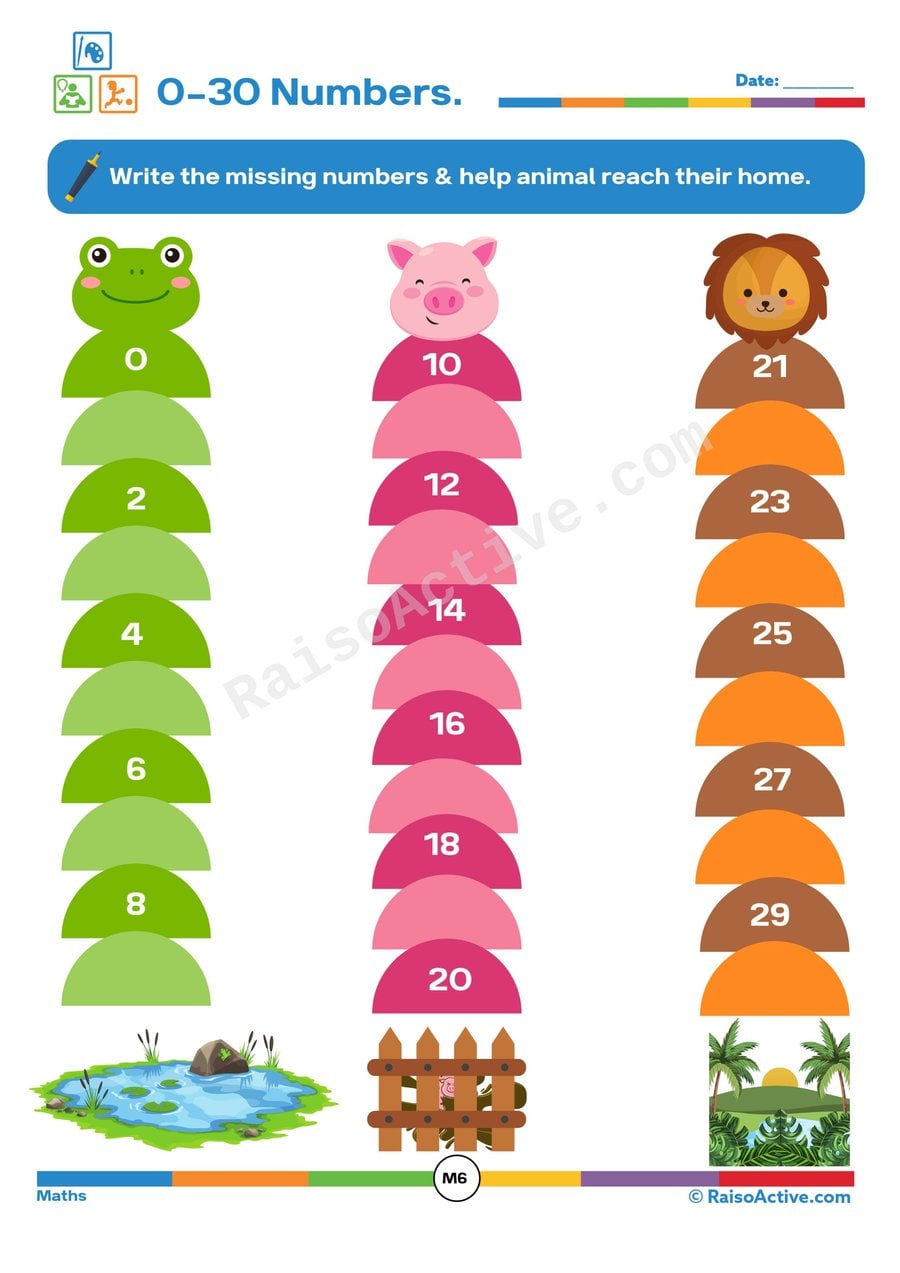
Number Fun: Missing Numbers Worksheet for Kids!
Ages 4-6
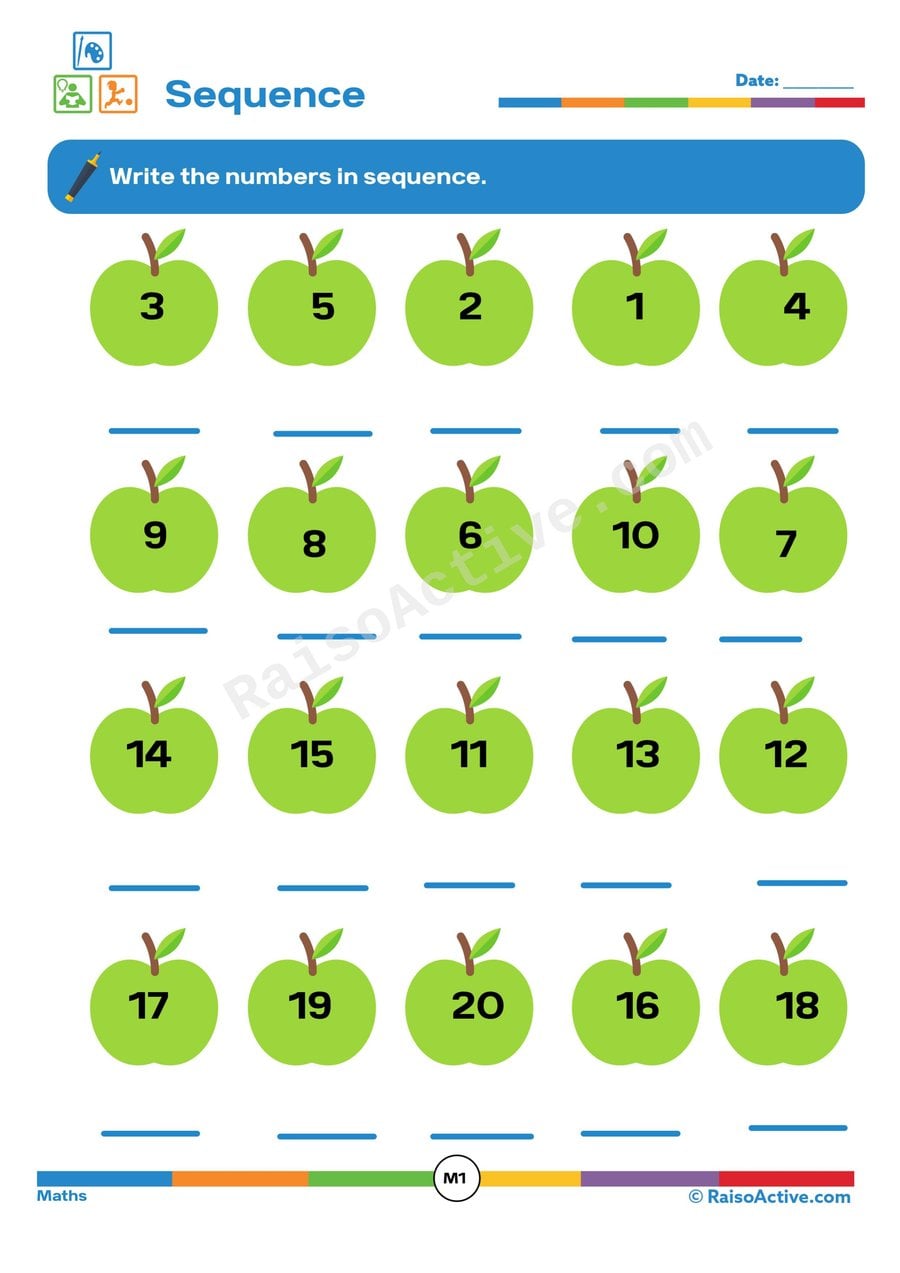
Sequence Fun: Writing Numbers in Order Worksheet
Ages 4-5

Sequencing Numbers Train Worksheet for Preschoolers
Ages 4-5
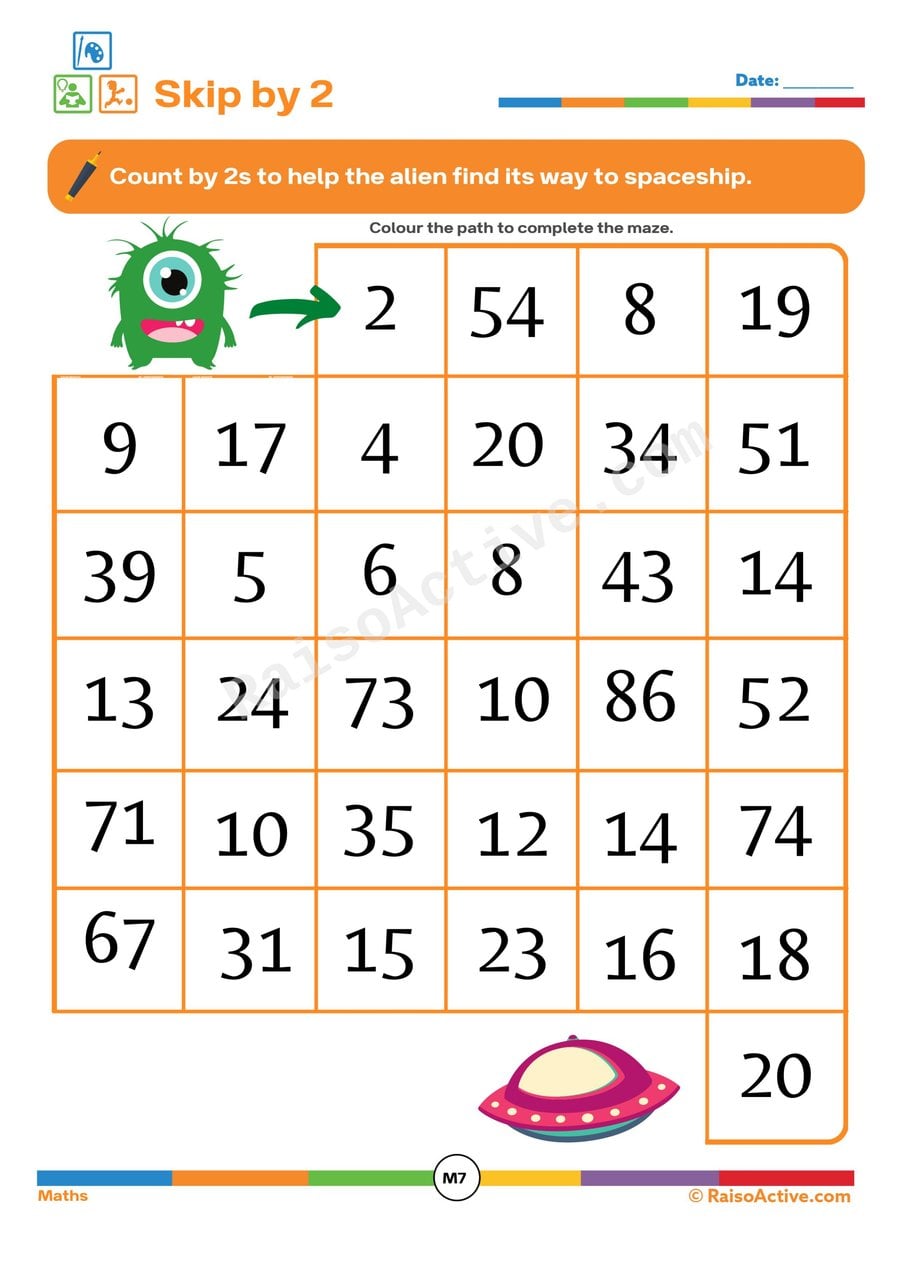
Alien Maze: Skip Counting by 2s Worksheet
Ages 3-5
Missing Number Road Trip Worksheet for Kids
Ages 4-6

Bee's Number Sequence Adventure: Coloring Numbers 0-50!
Ages 4-6

Before and After: Counting and Sequencing Worksheet
Ages 4-6
Guides for this topic

Number Formation Rhymes 0–9 and How to Fix Reversals
Original number formation rhymes for 0–9, the correct stroke order for each digit, why 3, 5 and 7 get reversed most often, and multisensory fixes that work.

Documenting Learning Without Drowning in Data: A Practical Guide for Parents and Teachers
Learn practical ways to document your child's learning without overwhelm. Simple portfolios, observation tips, and printable trackers for ages 1-8.

How to Help Your Child with Letter Reversals: A Complete Guide for Parents and Teachers
Letter reversals are normal until age 7-8. Learn the best multisensory strategies, anchor letter tricks, and activities to help children write b, d, p, and q correctly.
Reviews
Every worksheet for ages 3–5, no watermark
Members download the full library of 1,000+ worksheets and every activity pack without watermarks or daily limits. One year costs ₹999 in India or $20 elsewhere.
See membership plansOr download any worksheet free with a watermark (5 a day).