Letter O Tracing Worksheet for Preschoolers: Learn to Write!
Tracing the letter 'O' gives children ages 3-5 practice with a fully rounded stroke, a foundational shape that also underlies other letters like 'a,' 'c,' and 'd,' making it valuable early motor practice beyond just this one letter. Coloring pictures that start with 'O' connects that shape and sound to real, familiar words, reinforcing beginning-sound recognition alongside handwriting.
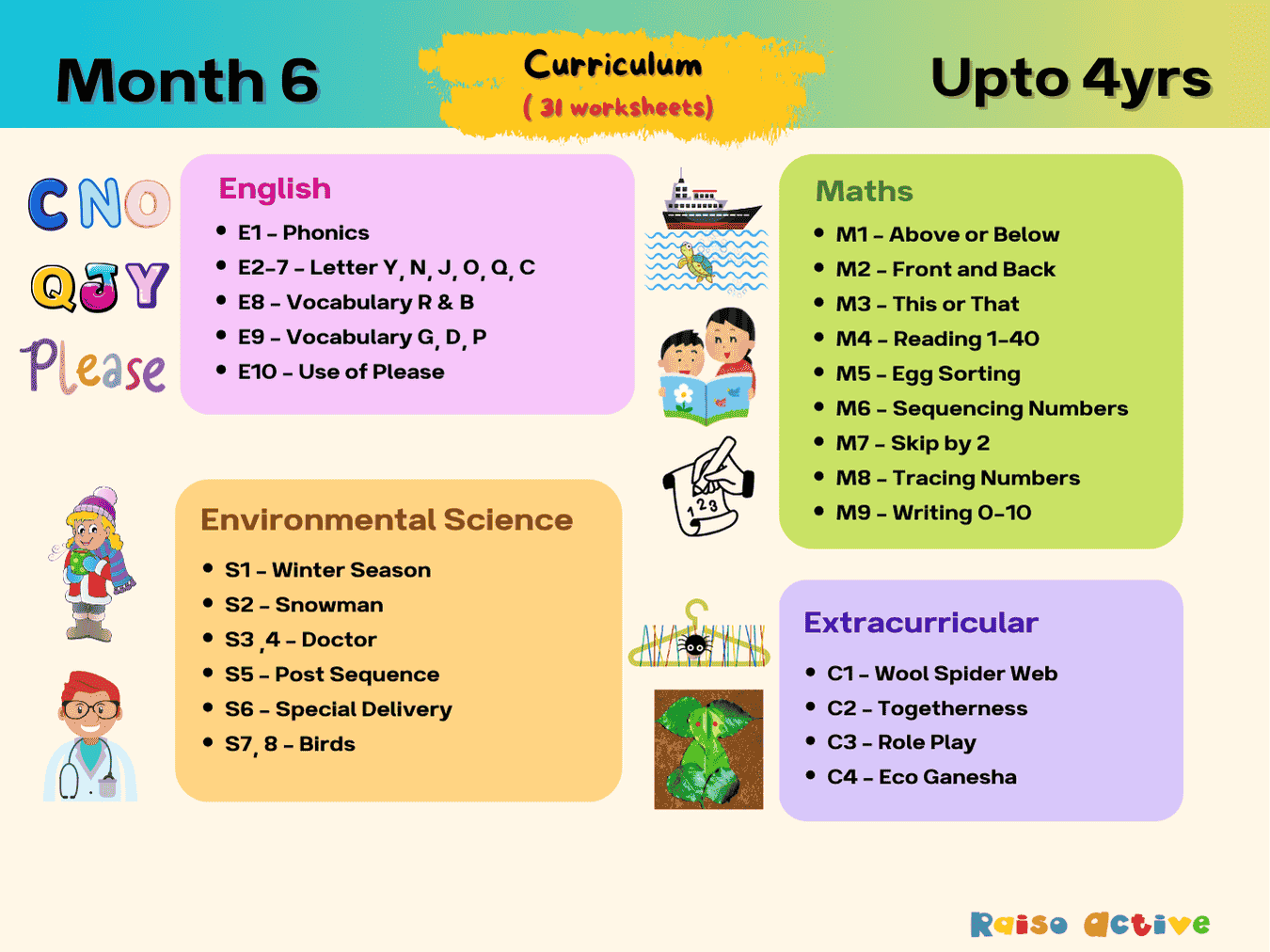
Part of the pack
Month 6: Toddler Preschool Foundational Skills | Ages Up to 4
This is page 8 of the pack. Ages 2-4 · PreschoolAges 2-4 · NurseryAges 2-4
Made for your child
A whole activity pack made with their name
60 pages to spot, build, trace and write their own name, plus pages about their favourites, feelings and family. See a free preview with their name.
Make an All About Me packFree preview · free for members
Or start free: a name tracing sheet with their nameCurriculum
- Writing > Letter Tracing A-Z
How to use this worksheet
Have your child trace the large letter 'O' first, moving the pencil in a smooth, continuous circular motion while saying the letter's name and sound aloud. Next, guide them to trace the letter along the dotted practice lines several times to build consistency in the round shape. Point out the pictures on the page and ask your child which ones start with the letter 'O,' then have them color those pictures. Review the finished page together, naming each colored picture and its beginning sound one more time.
Materials needed
- Pencil
- Crayons
Extension activities
- 1Have your child find objects around the room that start with the letter 'O,' like an orange or an octopus toy.
- 2Practice writing the letter 'O' in a sand tray or on a whiteboard, focusing on a smooth, round motion.
- 3Trace circular household objects, like a plate or lid, and talk about how their shape matches the letter 'O.'
- 4Read a short picture book with an 'O' word and pause to identify the letter each time it appears.
- 5Play an oral sound game, saying several words aloud and having your child respond only to ones starting with 'O.'

Written by
Hemsweta Jain · Teacher Cheena
MBA and Early Childhood Educator, teaching since 2014 · Founder of RaisoActive, Mumbai
Every RaisoActive worksheet is designed and checked by the founder before publishing.
Published · Last reviewed
More from Month 6: Toddler Preschool Foundational Skills | Ages Up to 4
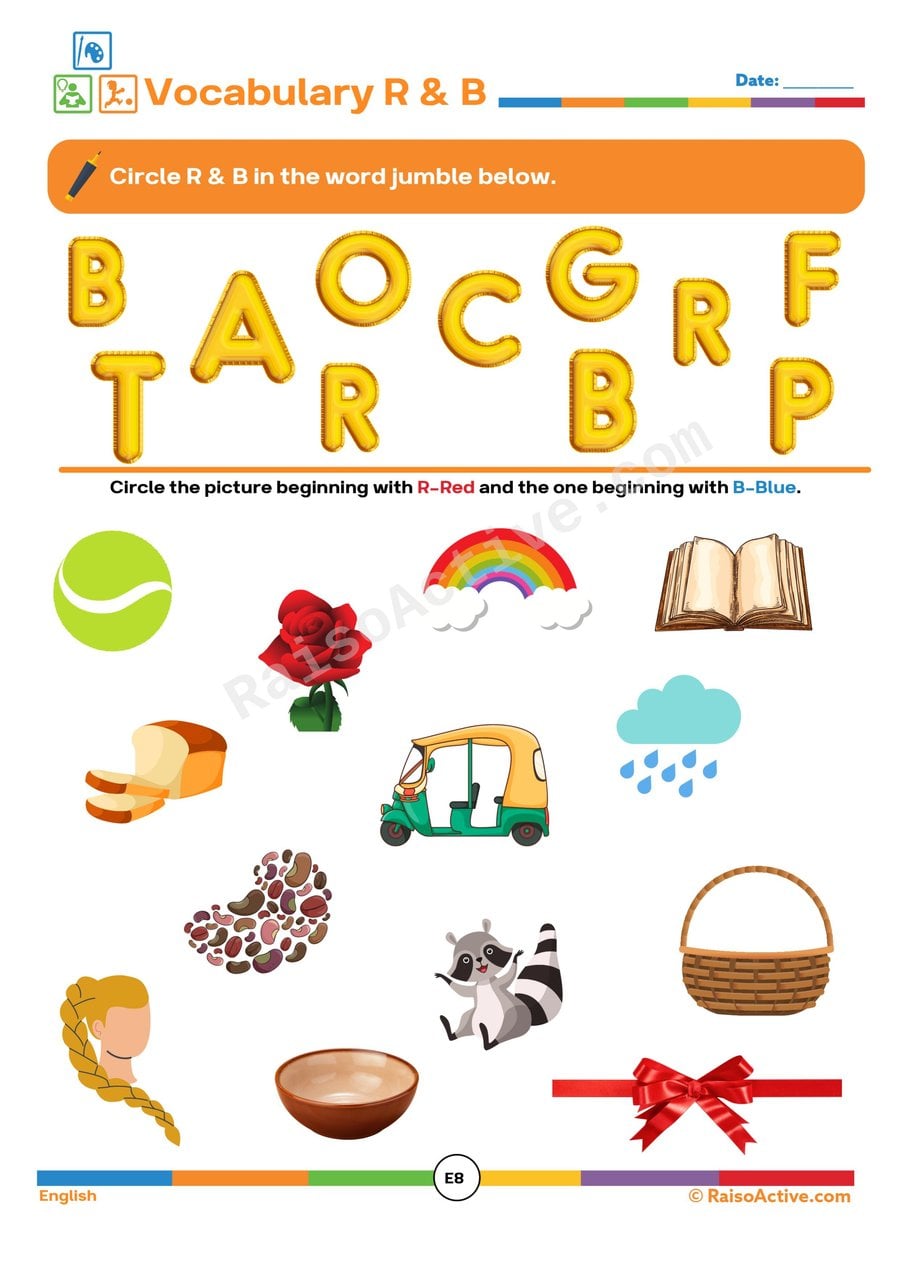
R & B Word Jumble Worksheet for Preschoolers
Ages 4-5 · Pre-KAges 4-5 · ReceptionAges 4-5 · LKGAges 4-5
Circling the letters R and B within a jumbled group of letters sharpens visual discrimination for children ages 4-5, training their eyes to spot a specific letter shape among similar-looking distractions. Pairing this with picture identification for words that start with R and B reinforces beginning-sound recognition, connecting the visual letter search to actual spoken sounds.
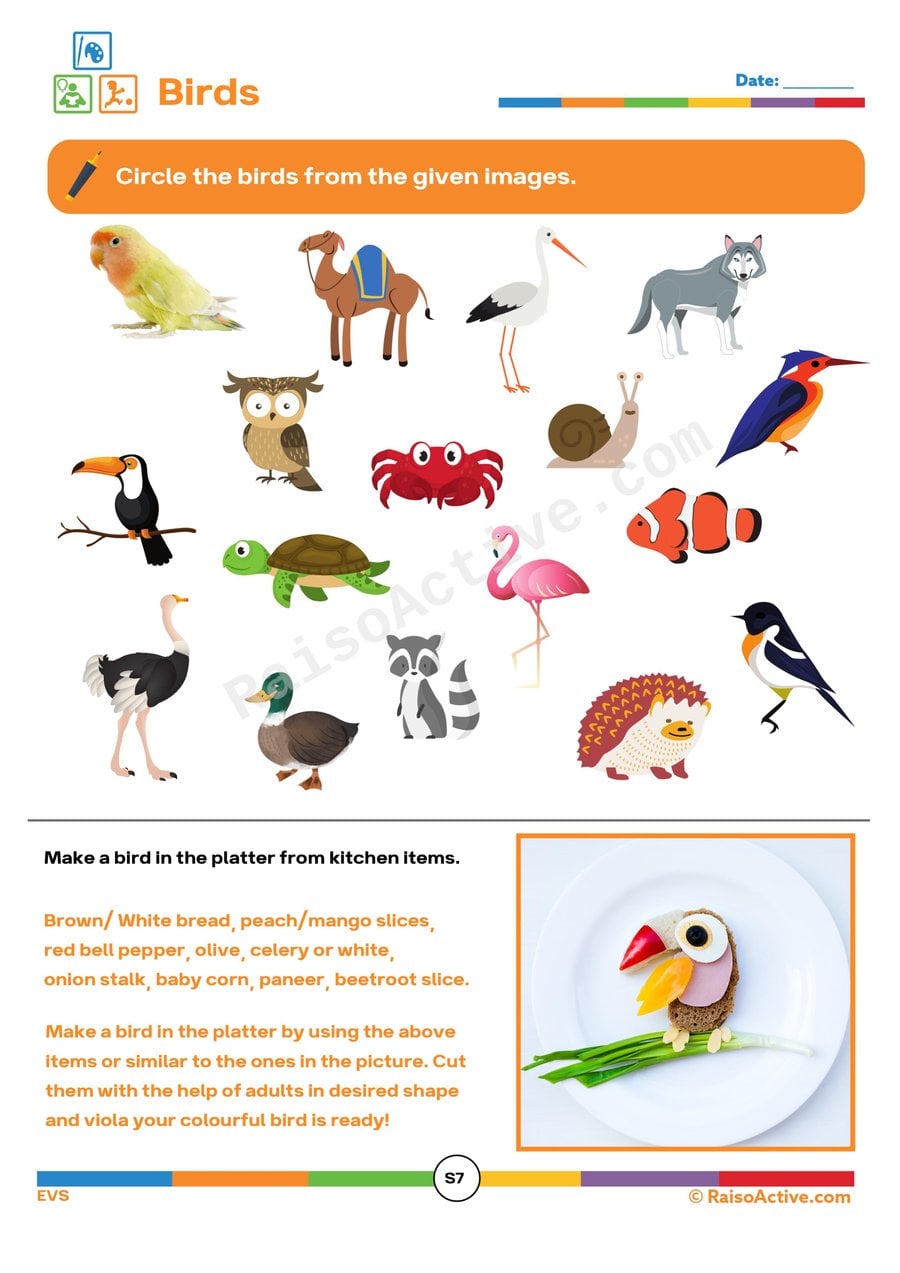
Bird Spotting Worksheet: Circle the Birds!
Ages 3-5 · Preschool–Pre-KAges 3-5 · Nursery–ReceptionAges 3-5 · Nursery–LKGAges 3-5
This worksheet builds visual discrimination and observation skills by asking children to scan a mixed picture and circle only the birds among other animals or objects, sharpening their ability to notice defining features like wings, feathers, or beaks. For ages 3-5, this kind of categorization by visual features is an early step toward broader scientific classification skills.
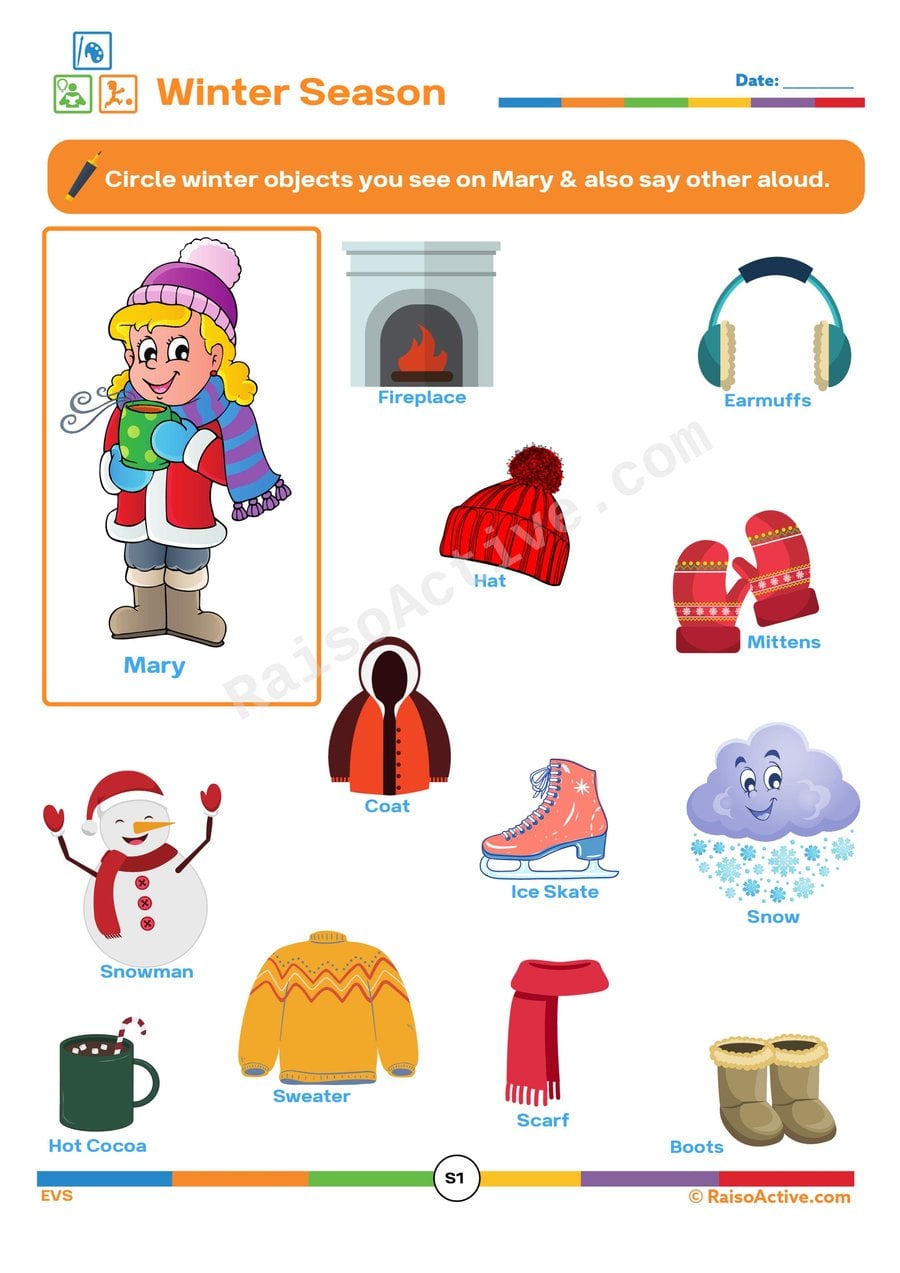
Winter Objects Worksheet: Circle and Say!
Ages 3-5 · Preschool–Pre-KAges 3-5 · Nursery–ReceptionAges 3-5 · Nursery–LKGAges 3-5
Identifying winter-related objects on this worksheet builds vocabulary and seasonal awareness for children ages 3-5, teaching them to associate specific items, like scarves, mittens, and snowflakes, with a particular time of year. Circling objects within a larger picture also sharpens visual scanning skills, requiring children to search carefully rather than glance at the whole image at once.

Egg Sorting Worksheet: Count and Order the Chicks!
Ages 3-5 · Preschool–Pre-KAges 3-5 · Nursery–ReceptionAges 3-5 · Nursery–LKGAges 3-5
Cutting out and arranging numbered eggs in order builds number sequencing skills for children ages 3-5, requiring them to compare several numbers at once and place them correctly rather than just recognizing a single number in isolation. This hands-on ordering task also reinforces counting fluency, since children benefit from counting aloud as they check their arrangement.
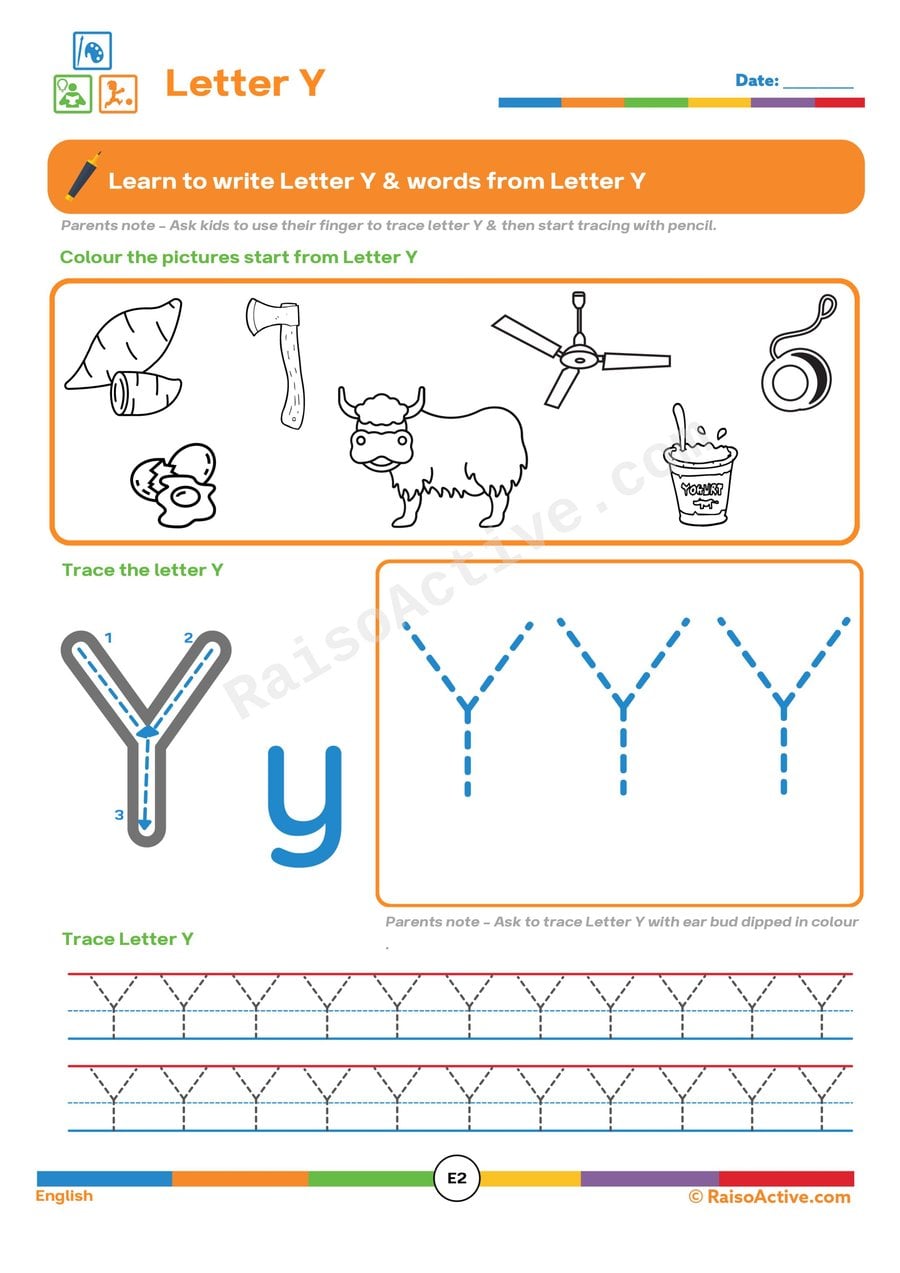
Letter Y Tracing Worksheet for Preschoolers
Ages 3-5 · Preschool–Pre-KAges 3-5 · Nursery–ReceptionAges 3-5 · Nursery–LKGAges 3-5
Tracing the uppercase and lowercase letter Y builds the fine motor control and pencil grip preschoolers need for handwriting, while linking the letter to words that start with its sound strengthens early phonemic awareness. For ages 3-5, repeated tracing also builds the visual memory needed to recognize the letter Y instantly, both in print and eventually in their own writing.

Month 6: Toddler Preschool Foundational Skills | Ages Up to 4 - Page 19
Ages 2-4 · PreschoolAges 2-4 · NurseryAges 2-4
As part of an ongoing toddler foundational skills series, this page gives children up to age 4 low-pressure practice with coloring and simple fine motor prompts, building the pencil and crayon grip control that comes before formal writing instruction. Repeated, varied activity pages like this one help very young children build attention span and comfort with sitting down to a focused task, both important readiness skills for structured learning ahead.

Color the Beginning Sounds: G, D, and P Worksheet for Preschoolers
Ages 3-5 · Preschool–Pre-KAges 3-5 · Nursery–ReceptionAges 3-5 · Nursery–LKGAges 3-5
This worksheet strengthens phonemic awareness by asking children to distinguish between three different beginning sounds, G, D, and P, and color pictures according to which sound they start with. For ages 3-5, sorting by sound rather than simply circling reinforces both listening discrimination and the ability to hold multiple sound categories in mind at once.

Special Delivery Maze: Help the Postman Find the Houses!
Ages 3-5 · Preschool–Pre-KAges 3-5 · Nursery–ReceptionAges 3-5 · Nursery–LKGAges 3-5
This postman-themed maze strengthens fine motor control through pencil tracing while building visual tracking skills as children follow a winding path to the correct houses. Because the activity also involves reading numbers on a delivery note and matching them to numbered houses, it reinforces number recognition alongside the spatial problem-solving that mazes provide.
Related worksheets

Letter M Tracing and Coloring Worksheet for Preschoolers
Ages 3-5 · Preschool–Pre-KAges 3-5 · Nursery–ReceptionAges 3-5 · Nursery–LKGAges 3-5
This worksheet helps children ages 3-5 practice tracing the letter M's up-down-up-down strokes, identifying words that start with M, and coloring both capital and lowercase versions of the letter. Comparing the capital and lowercase forms side by side helps children notice that the same letter can look different in size while representing the same sound.

Letter Dd Tracing and Matching Worksheet for Preschoolers
Ages 3-5 · Preschool–Pre-KAges 3-5 · Nursery–ReceptionAges 3-5 · Nursery–LKGAges 3-5
Children ages 3-5 practice writing the letter Dd through guided tracing, then apply that recognition by finding Dd hidden in a letter grid and identifying pictures that start with the sound. Moving from writing the letter to spotting it among other letters, and then to hearing it at the start of real words, builds a well-rounded, multi-sense understanding of the letter D.

Trace and Identify the Letter 'G' Worksheet for Preschoolers
Ages 4-5 · Pre-KAges 4-5 · ReceptionAges 4-5 · LKGAges 4-5
This worksheet helps children ages 4-5 build the pencil control needed to form the letter G while also practicing visual search skills as they locate every G hidden among other letters. Coloring pictures that start with G ties the abstract letter shape to concrete, familiar words, strengthening the letter-sound connection.

Letter E Tracing Worksheet for Preschoolers: Learn to Write!
Ages 3-5 · Preschool–Pre-KAges 3-5 · Nursery–ReceptionAges 3-5 · Nursery–LKGAges 3-5
Children ages 3-5 use this worksheet to build the specific motor pattern for capital E — three horizontal strokes branching off one vertical line — while reinforcing the /e/ sound through picture recognition. Repeated tracing in a dashed-box format also trains children to keep letters a consistent size, an important pre-writing skill before they move to unlined paper.
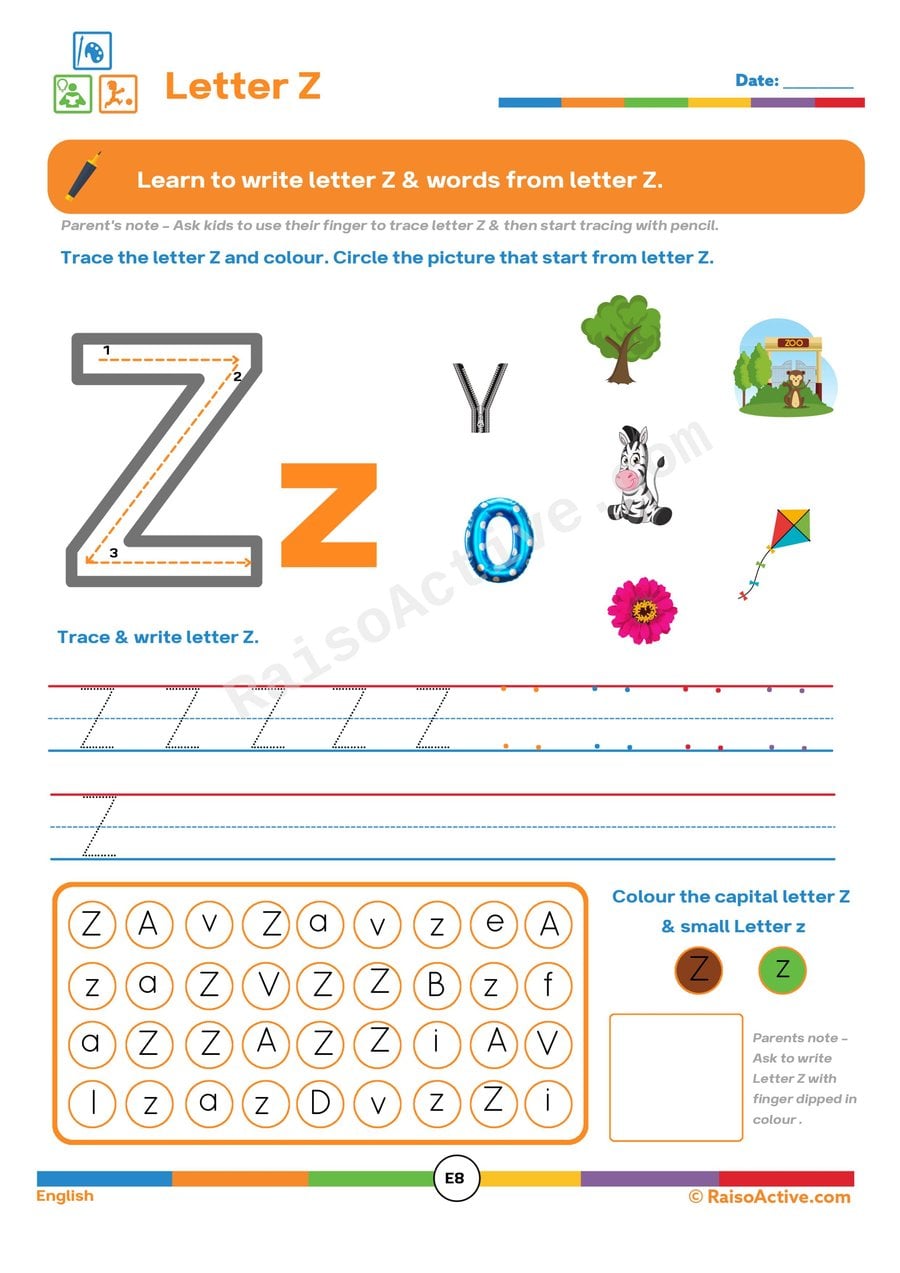
Letter Z Worksheet: Trace, Write, and Color!
Ages 3-5 · Preschool–Pre-KAges 3-5 · Nursery–ReceptionAges 3-5 · Nursery–LKGAges 3-5
This worksheet helps children ages 3-5 learn to recognize and write the letter Z, both uppercase and lowercase, completing their practice of the full alphabet with one of its most visually distinct letters. Tracing Z's sharp diagonal stroke also gives practice with a different kind of pencil movement than the curves and loops used in many other letters.

Learn the Letter 'x' Worksheet: Tracing, Matching, and Coloring Fun!
Ages 4-5 · Pre-KAges 4-5 · ReceptionAges 4-5 · LKGAges 4-5
This worksheet builds recognition of the less common letter x through tracing both uppercase and lowercase forms, then reinforces that recognition through matching pictures and highlighting the letter within a grid. For ages 4-5, letter x is genuinely rare at the start of everyday words, so this worksheet leans on strong examples like 'x-ray' to build familiarity despite limited real-world exposure.
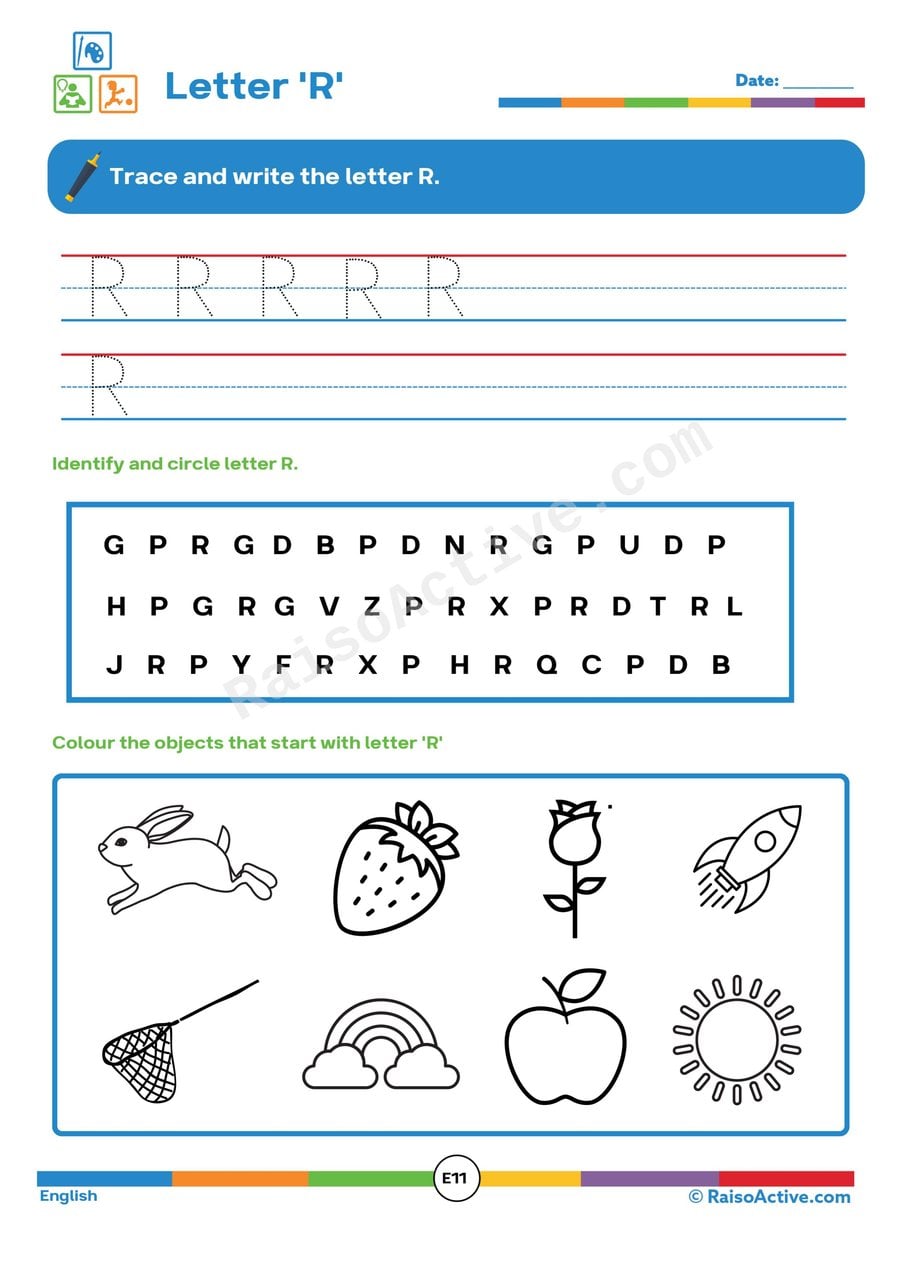
Letter R Worksheet: Trace, Identify, and Color!
Ages 4-5 · Pre-KAges 4-5 · ReceptionAges 4-5 · LKGAges 4-5
This worksheet helps children ages 4-5 practice tracing and writing the letter R, spotting it among a group of other letters, and recognizing objects that begin with the R sound. Working across three related tasks for one letter, tracing, searching, and identifying pictures, gives repeated exposure that helps the letter shape and sound become automatic.
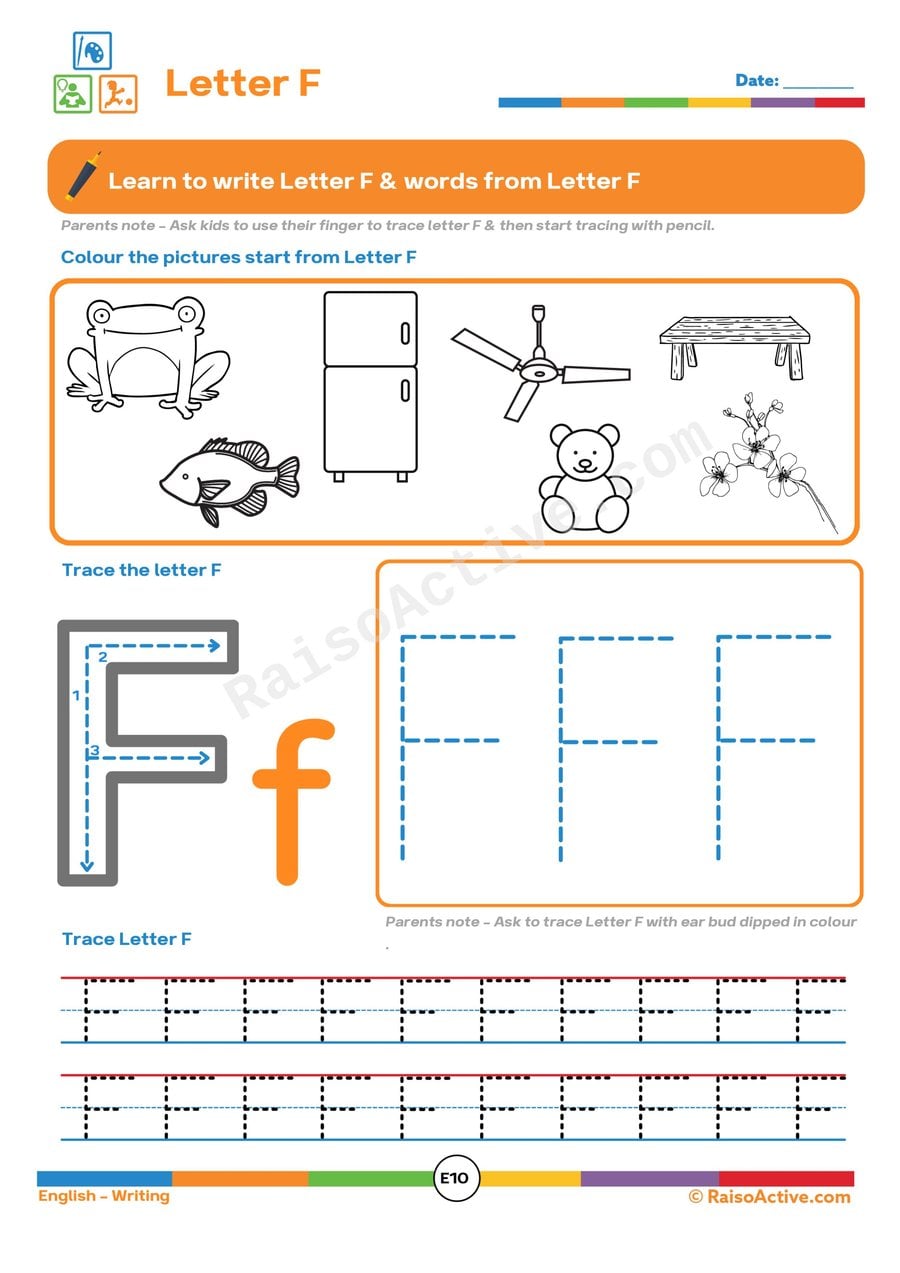
Letter F Worksheet: Trace, Color, and Learn!
Ages 3-5 · Preschool–Pre-KAges 3-5 · Nursery–ReceptionAges 3-5 · Nursery–LKGAges 3-5
This worksheet builds children's ability to reproduce capital F — a vertical line with two horizontal branches — through repeated tracing, while the matching coloring activity trains them to connect the letter shape to its beginning sound in real words. For 3-5 year olds, this dual practice of motor formation plus sound recognition is exactly the combination that prepares a child to write and read independently.
Guides for this topic

Documenting Learning Without Drowning in Data: A Practical Guide for Parents and Teachers
Learn practical ways to document your child's learning without overwhelm. Simple portfolios, observation tips, and printable trackers for ages 1-8.

How to Help Your Child with Letter Reversals: A Complete Guide for Parents and Teachers
Letter reversals are normal until age 7-8. Learn the best multisensory strategies, anchor letter tricks, and activities to help children write b, d, p, and q correctly.

Activities That Help with Pencil Grip Development: A Complete Guide for Parents and Teachers
Discover fun, research-backed activities to develop pencil grip in young children. Age-wise exercises, play ideas, and expert tips for parents and teachers.
Reviews
Every worksheet for ages 3–5, no watermark
Members download the full library of 1,000+ worksheets and every activity pack without watermarks or daily limits. One year costs ₹999 in India or $20 elsewhere.
See membership plansOr download any worksheet free with a watermark (5 a day).