Parent's Guide: Fun Activities for Early Learning
This parent guide bundles four hands-on activities covering sentence building, subtraction, number comparison, and food sorting, designed for children ages 3-5 to practice early literacy and numeracy through tactile, real-world materials like natural loose parts and playdough. Rotating between language and math tasks in one sitting helps children see connections between counting, comparing, and describing the world around them, rather than treating each subject in isolation.
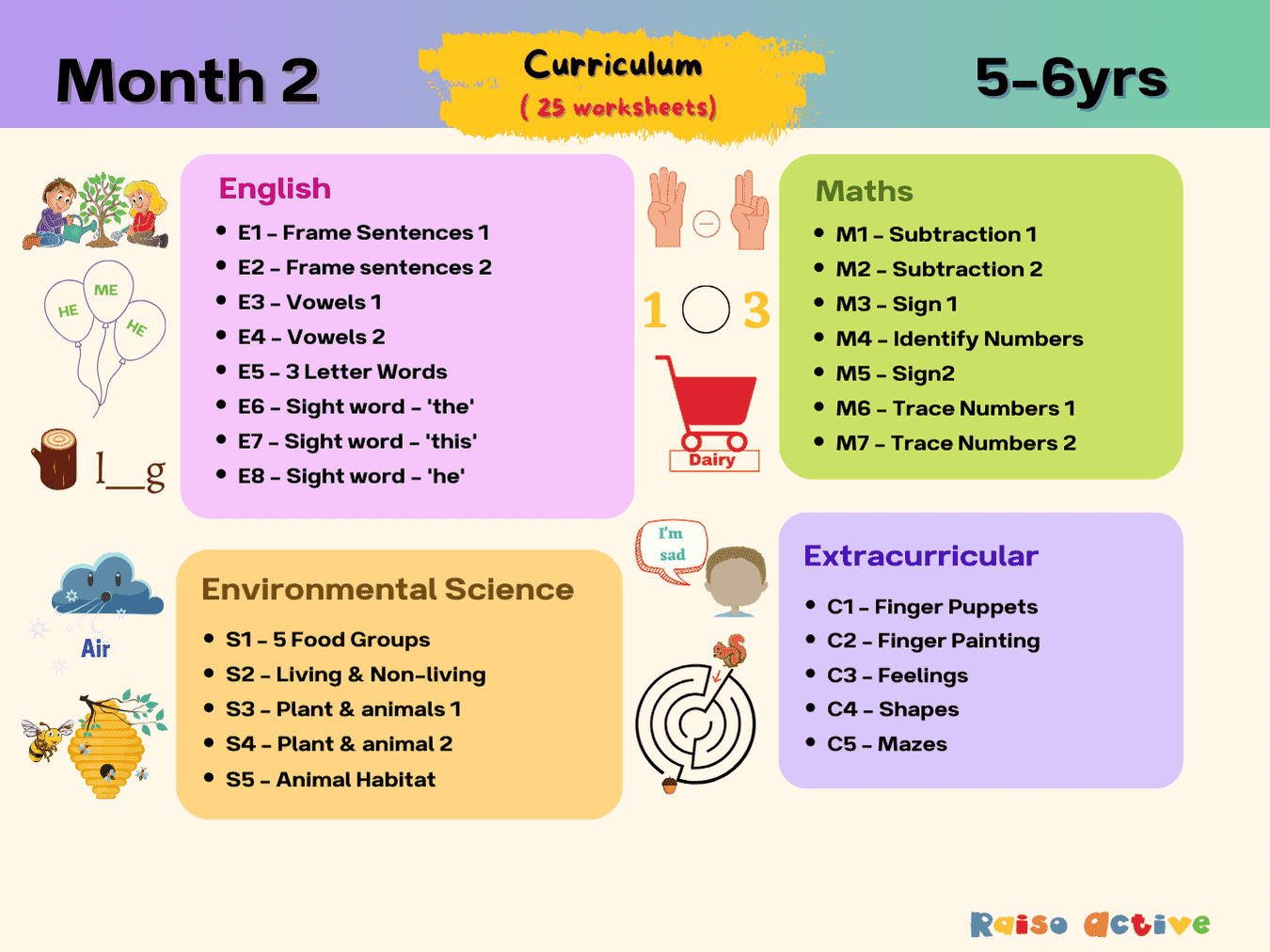
Part of the pack
Month 2: Learning & Development | Ages 5-6
This is page 2 of the pack. Ages 5-6 · KindergartenAges 5-6 · Year 1Ages 5-6 · UKGAges 5-6
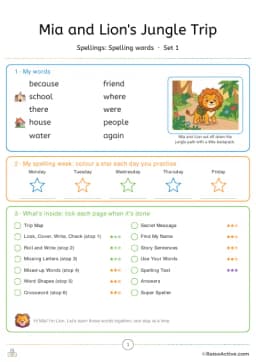
Made for your child
Spelling practice, made for your child
Their own spelling words turned into a pack: trace or look-cover-write-check, roll and write, a secret picture code, a word search, a crossword and a test, with their name in it.
Make a spelling packFree preview · free for members
Or start free: a word search with sight wordsAbout this worksheet
- Topic:
- Parent Guide
- Skill:
- Beginning Sounds (Phonics - Letter Sounds): Identify the beginning sound of words.
- Pack:
- Page 2 of 28 in Month 2: Learning & Development | Ages 5-6.
How to use this worksheet
Read through each of the four activity sections before starting so you know which materials to gather first. For the sentence-building section, use word cards or objects to help your child construct a simple sentence aloud, then write it down together. Move to the subtraction and comparison sections using loose parts like rocks or sticks as physical counters your child can take away or line up side by side. Finish with the food-sorting activity, grouping real or pictured food items by category, and let your child lead as much of the physical setup as they're able to.
Materials needed
- Leaves
- Sticks
- Sand
- Rocks
- Blue Playdough/Rice
- Cardboard
- Grains
- Gloves
- Food items
Extension activities
- 1Take a nature walk to collect the leaves, sticks, and rocks the guide calls for, turning material-gathering into its own counting activity.
- 2Use the collected rocks or grains as manipulatives for an extra round of subtraction problems you make up on the spot.
- 3Build a sentence a day using a new 'mystery object' from around the house as the subject.
- 4Set up a pretend grocery store with food items and have your child sort and 'sell' items by food group.

Written by
Hemsweta Jain · Teacher Cheena
MBA and Early Childhood Educator, teaching since 2014 · Founder of RaisoActive, Mumbai
Every RaisoActive worksheet is designed and checked by the founder before publishing.
Published · Last reviewed
More from Month 2: Learning & Development | Ages 5-6
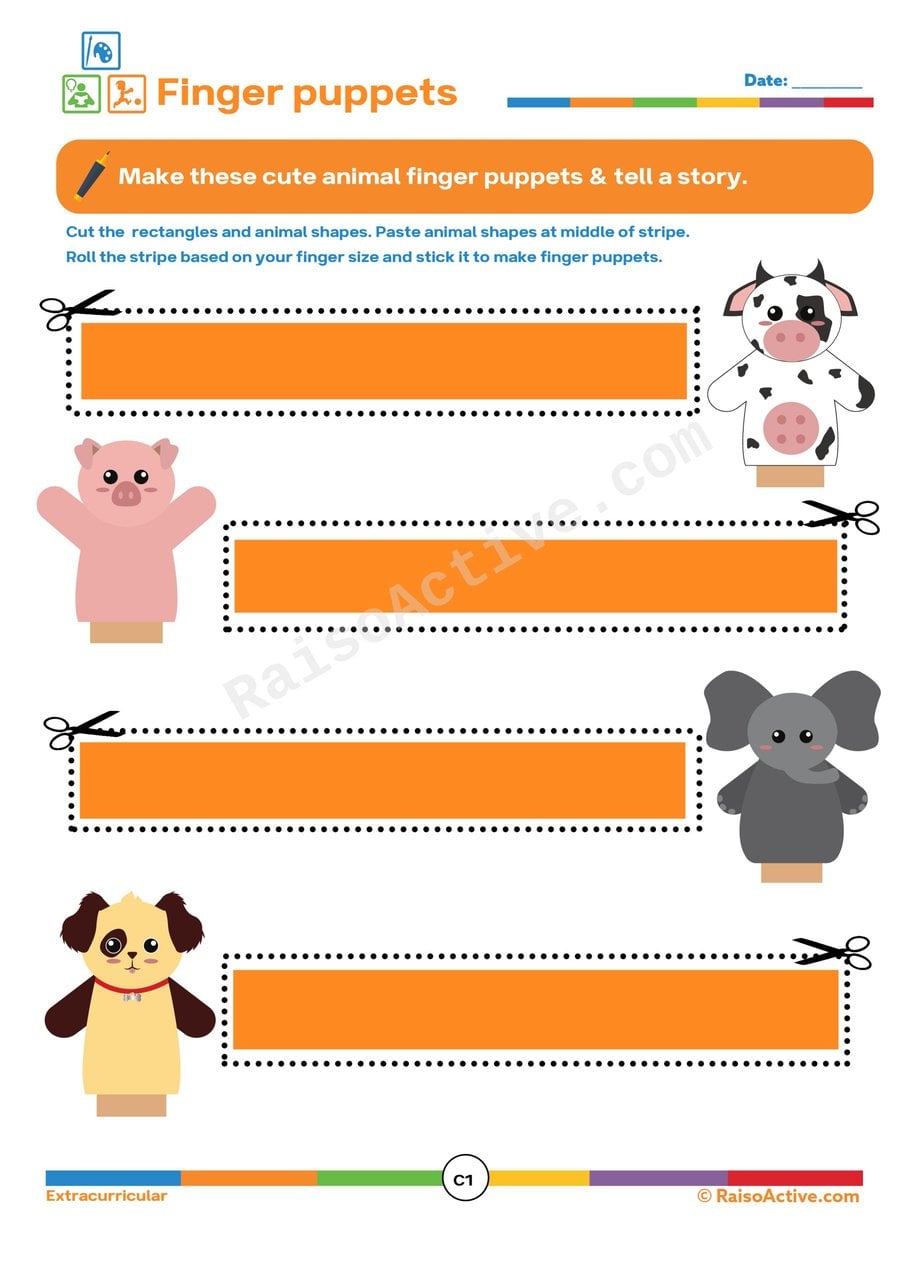
Make Finger Puppets! Fun Animal Craft Worksheet
Ages 3-5

Trace and Write Numbers 11-15: Counting and Writing Worksheet
Ages 4-6

Alligator Comparison Worksheet: Greater Than, Less Than, and Equal To!
Ages 4-6

Frame Sentences Worksheet: Fill-in-the-Blanks with Pictures!
Ages 4-5

Counting and Comparing: Greater Than, Less Than, or Equal To Worksheet
Ages 4-6

Sight Word 'This' Worksheet: Trace, Write, and Identify!
Ages 3-5

Animal Maze Adventure: Help the Animals Find Their Food!
Ages 3-5
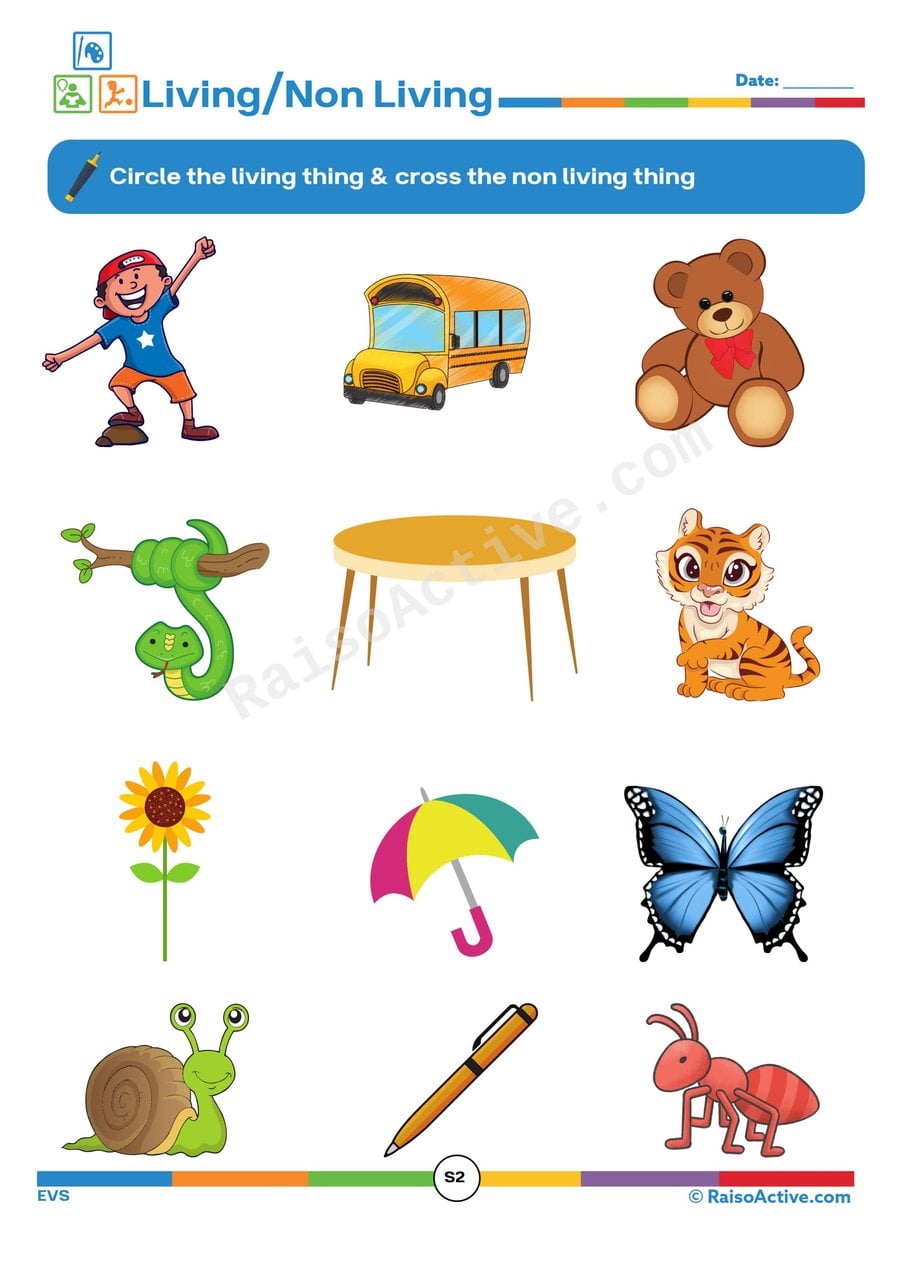
Living and Non-Living Things Worksheet for Kids
Ages 3-5
Related worksheets

Parent's Guide: Fun Activities for Storytelling, Addition, and More!
Ages 3-5
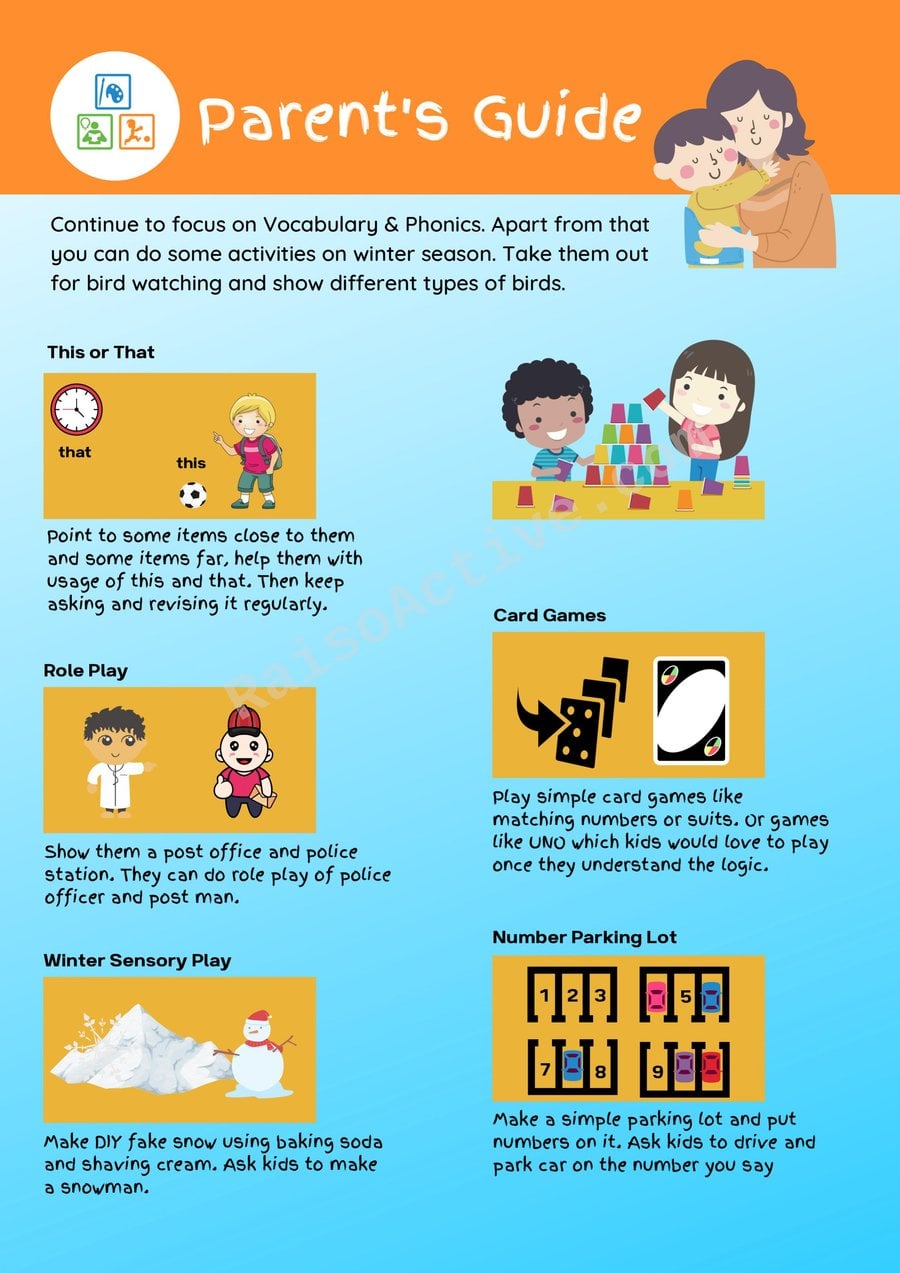
Winter Fun Activities for Kids: Parent's Guide
Ages 3-5
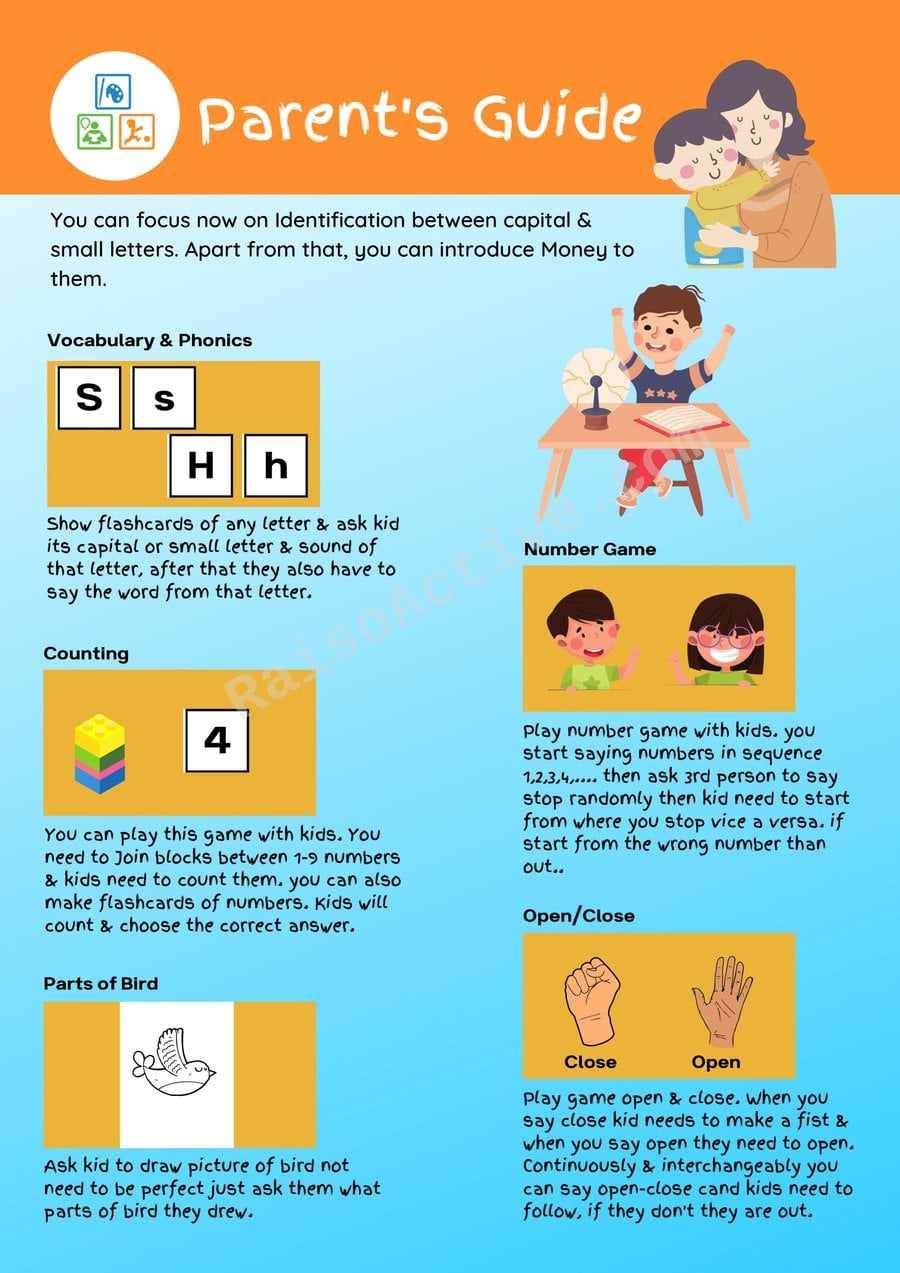
Parent's Guide: Learning Letters, Numbers, and More!
Ages 3-5

Parent's Guide: Fun Revision Activities for Early Learners!
Ages 3-5

Parent's Guide: Fun Activities for Blend Words, Addition, and More!
Ages 3-5

Parent's Guide: Fun Activities for Early Learning
Ages 3-5

Parent's Guide: Fun Activities for Early Learning!
Ages 3-5

Parent's Guide: Fun Activities for Gross Motor Development and Emotional Learning
Ages 3-5
Guides for this topic

Documenting Learning Without Drowning in Data: A Practical Guide for Parents and Teachers
Learn practical ways to document your child's learning without overwhelm. Simple portfolios, observation tips, and printable trackers for ages 1-8.
How to Balance Free vs. Paid Educational Resources: A Parent's Strategic Guide to Smart Learning Investments
Learn how to strategically balance free and paid educational resources for your child. Save money while ensuring quality learning with this practical Indian parent guide.
What's the Difference Between Educational and Busy Work? A Parent's Guide to Meaningful Learning Activities
Learn to tell educational activities from busy work for young children. Discover what makes learning meaningful, how to evaluate worksheets, and how to transform rote tasks into rich experiences.
Reviews
Every worksheet for ages 3–5, no watermark
Members download the full library of 1,000+ worksheets and every activity pack without watermarks or daily limits. One year costs ₹999 in India or $20 elsewhere.
See membership plansOr download any worksheet free with a watermark (5 a day).