Good Habits Worksheet for Kids: Tick and Cross!
Marking each pictured behavior with a tick or a cross asks children ages 4-6 to reason about whether an action is a good habit or a bad one, an early exercise in moral and social reasoning that goes beyond simple right-or-wrong memorization. Using tick and cross symbols also introduces basic symbol literacy, since children need to understand what each mark conventionally represents before they can use it correctly.
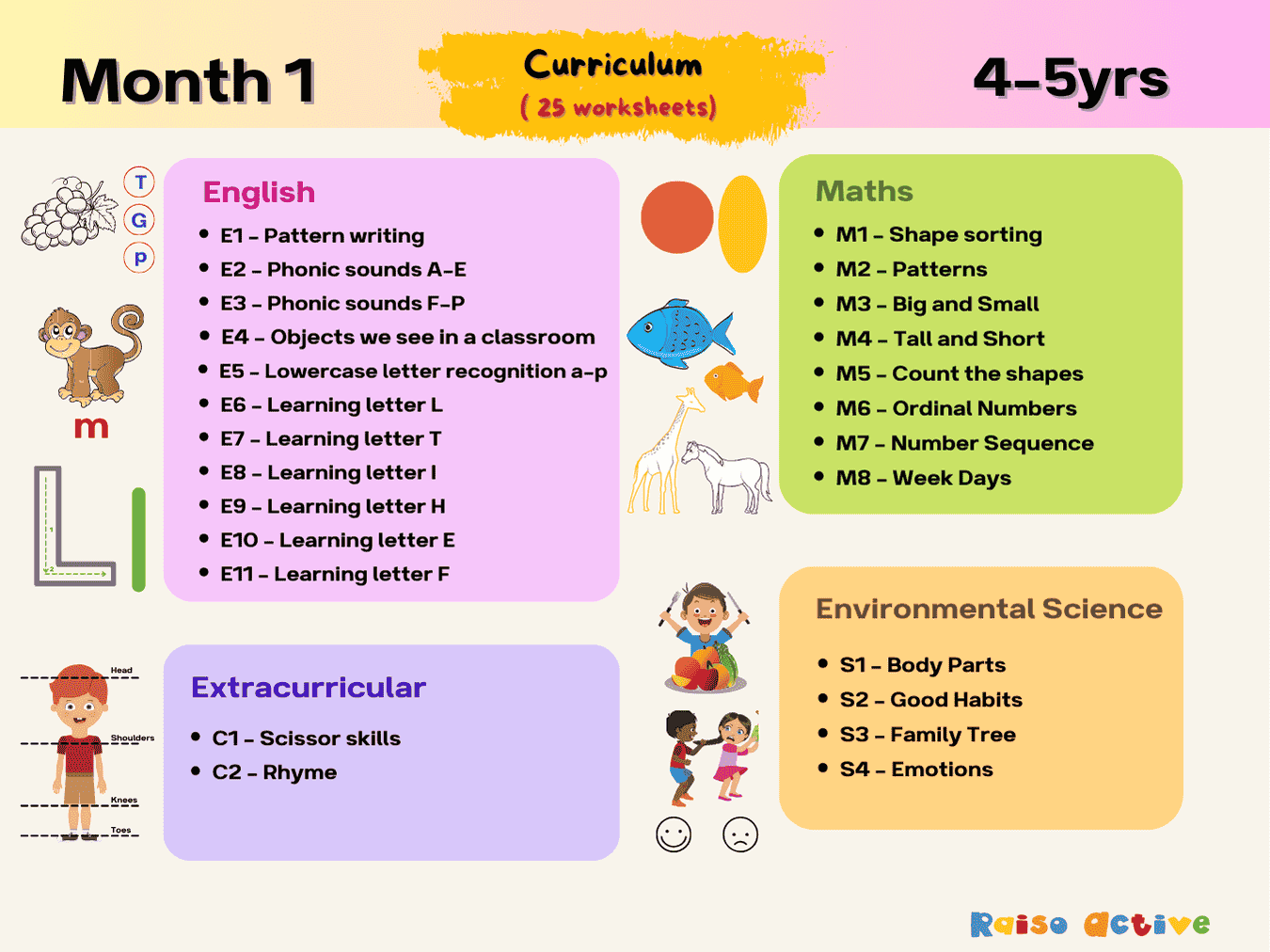
Part of the pack
Month 1: Learning & Development | Ages 4-5
This is page 24 of the pack. Ages 4-5 · Pre-KAges 4-5 · ReceptionAges 4-5 · LKGAges 4-5
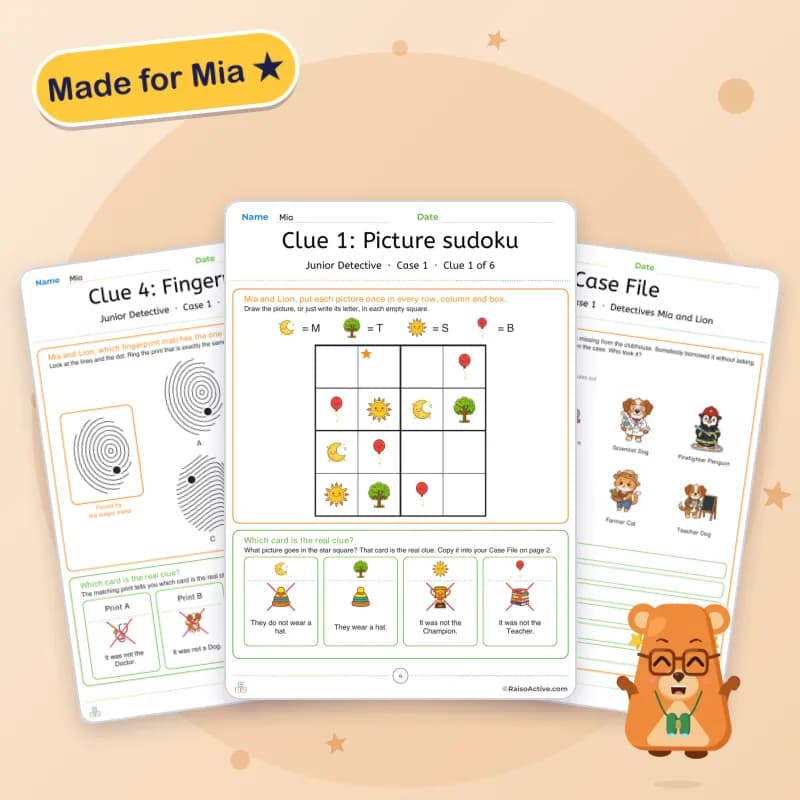
Made for your child
Puzzle Detective, starring your child
A detective puzzle pack made for one child: something has gone missing, and sudoku, secret codes, logic grids and fingerprints give the clues to work out who borrowed it. Ages 5 to 12, and a new case whenever you like.
Make a detective packFree preview · free for members
See all 7 personalised packsAbout this worksheet
- Topic:
- Good Habits
- Skill:
- Good Habits (Health & Hygiene): Identify and practice good daily habits.
- Pack:
- Page 24 of 28 in Month 1: Learning & Development | Ages 4-5.
How to use this worksheet
Look at each picture with your child and ask them to describe what the person in it is doing before deciding whether it's a good or bad habit. Talk through why a behavior is good or bad rather than letting your child guess silently, since the reasoning matters more than the mark itself. Have your child draw a tick for good habits and a cross for bad habits next to each picture. Review the page together at the end, discussing what your child could do instead of any bad habits shown.
Materials needed
- Pencil
- Crayons
- Scissors
- Glue (optional)
Extension activities
- 1Role-play a few everyday scenarios, like brushing teeth or sharing a toy, and talk about why each is a good habit.
- 2Make a simple sticker chart to track a real good habit your child is working on, like putting away toys.
- 3Sort a set of picture or word cards into 'good habit' and 'bad habit' piles as a matching game.
- 4Talk about one good habit and one habit to work on as a bedtime reflection routine.
- 5Read a book featuring a character learning a good habit and discuss what changed in the story.

Written by
Hemsweta Jain · Teacher Cheena
MBA and Early Childhood Educator, teaching since 2014 · Founder of RaisoActive, Mumbai
Every RaisoActive worksheet is designed and checked by the founder before publishing.
Published · Last reviewed
More from Month 1: Learning & Development | Ages 4-5
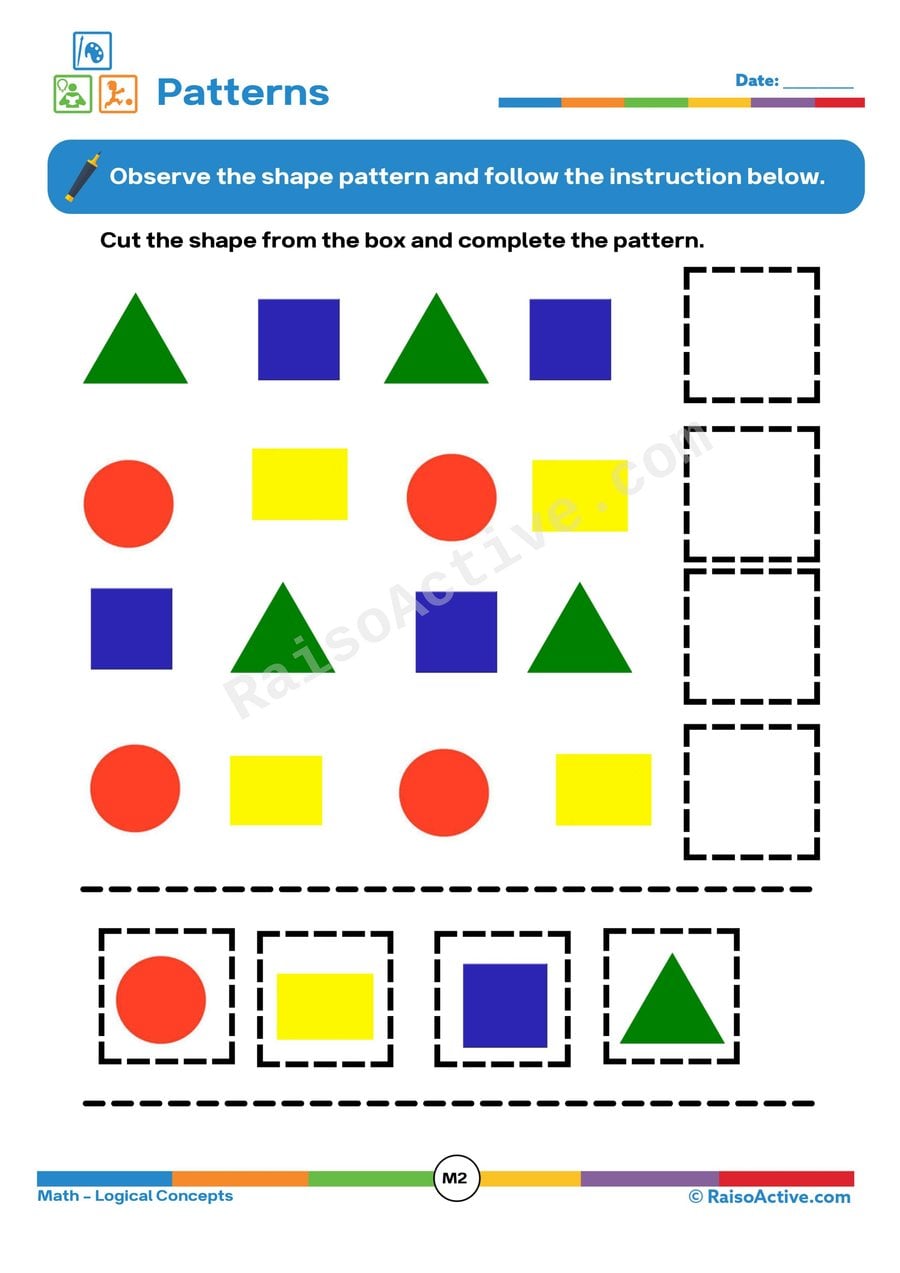
Shape Pattern Worksheet: Complete the Pattern!
Ages 3-5
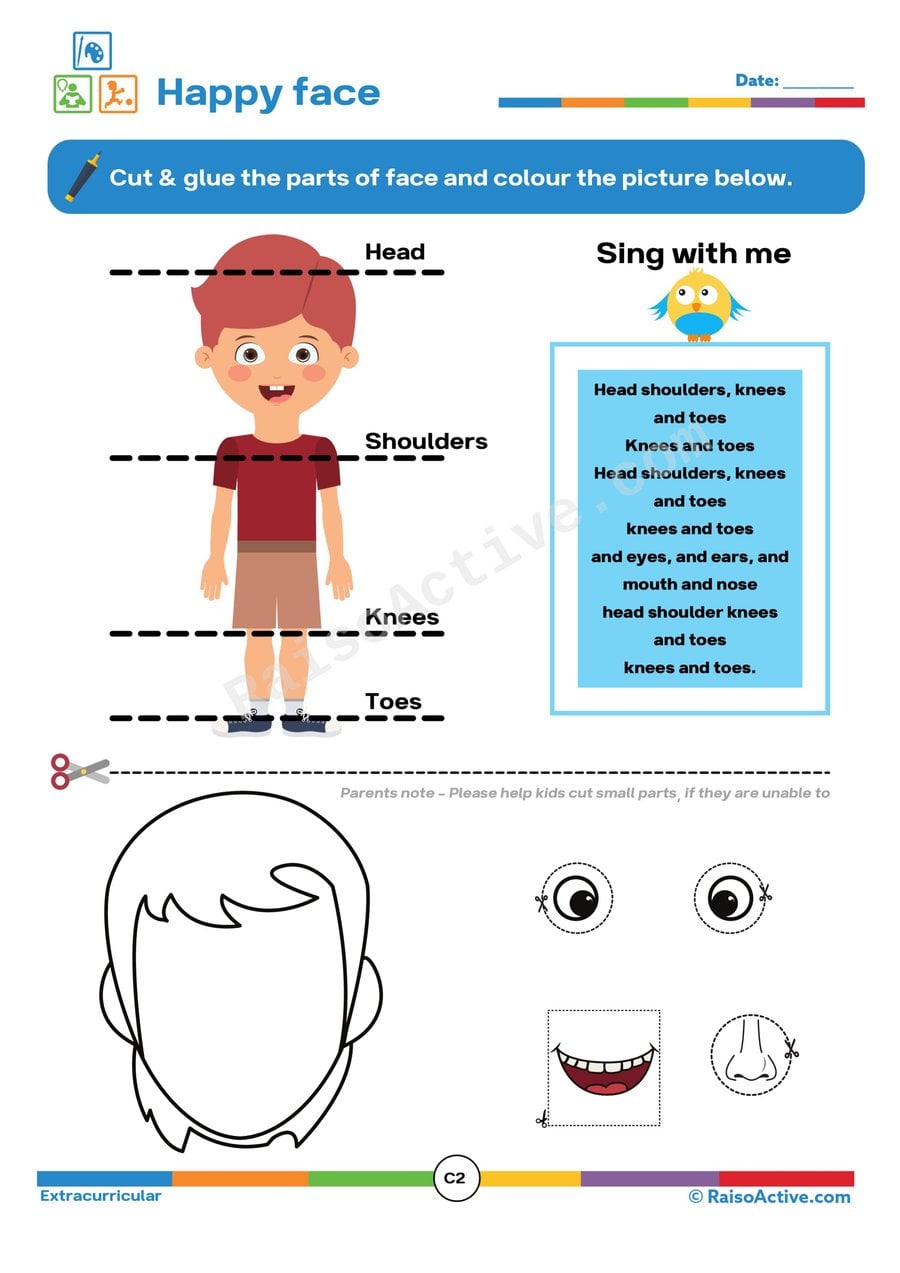
Happy Face Worksheet: Cut, Paste, and Sing!
Ages 3-5
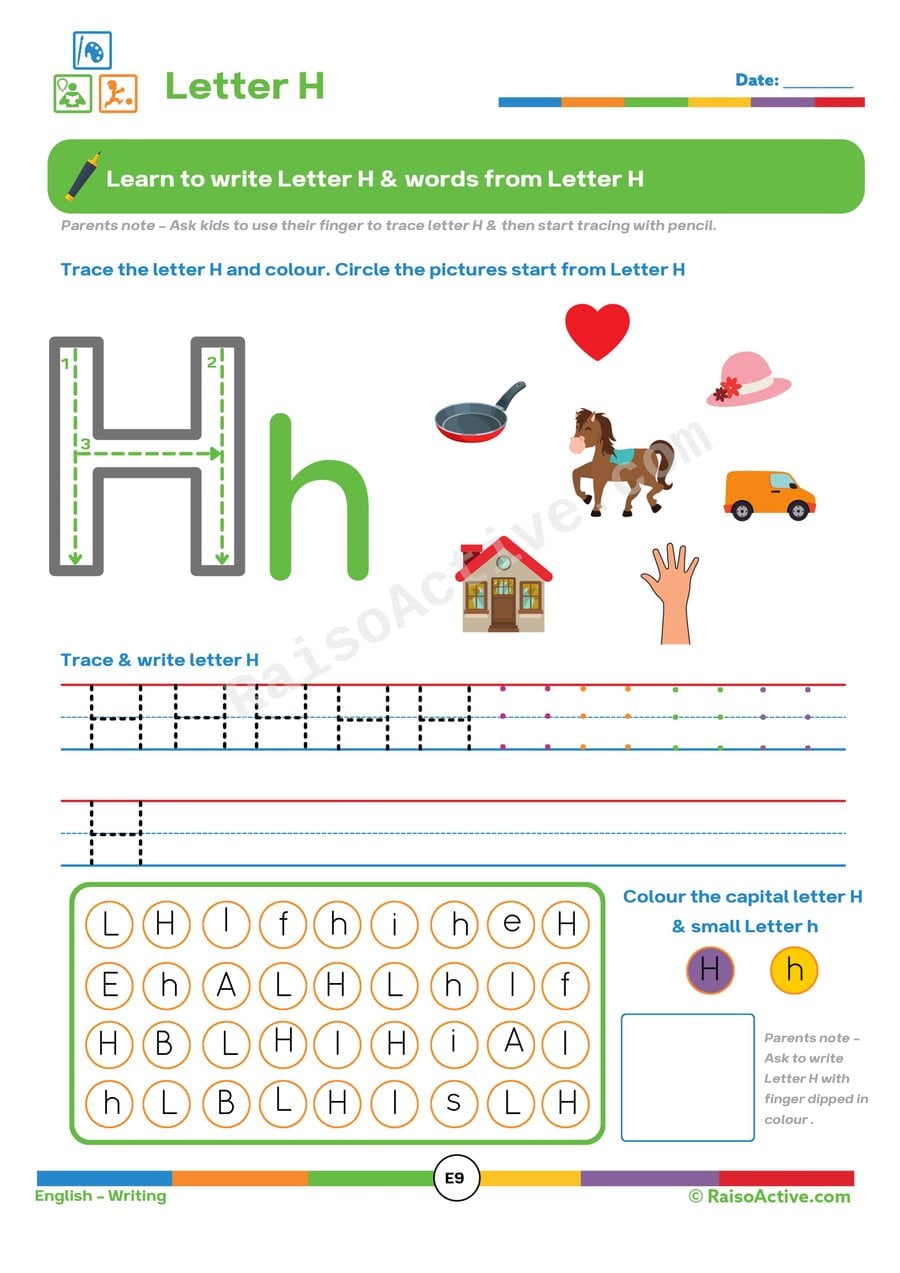
Letter H Worksheet: Trace, Write, and Color!
Ages 3-5

Fun with Letter F Worksheet: Tracing, Coloring, and Letter Recognition!
Ages 3-5

Letter Sounds: Color the Letter Worksheet for Preschoolers
Ages 3-5

The Hungry Ant: Fruit Matching Worksheet for Kids
Ages 3-5

Classroom Connections: Circle the Classroom Items!
Ages 4-6

Diamond Shape Counting and Matching Worksheet for Preschoolers
Ages 3-5
Related worksheets

Good Habits Worksheet for Kids: Tick Good and Cross Bad!
Ages 3-5

Good Habits Worksheet for Kids: Circle the Correct Option!
Ages 3-5

Good Habits Worksheet for Kids: Tick the Good Behaviors!
Ages 3-5
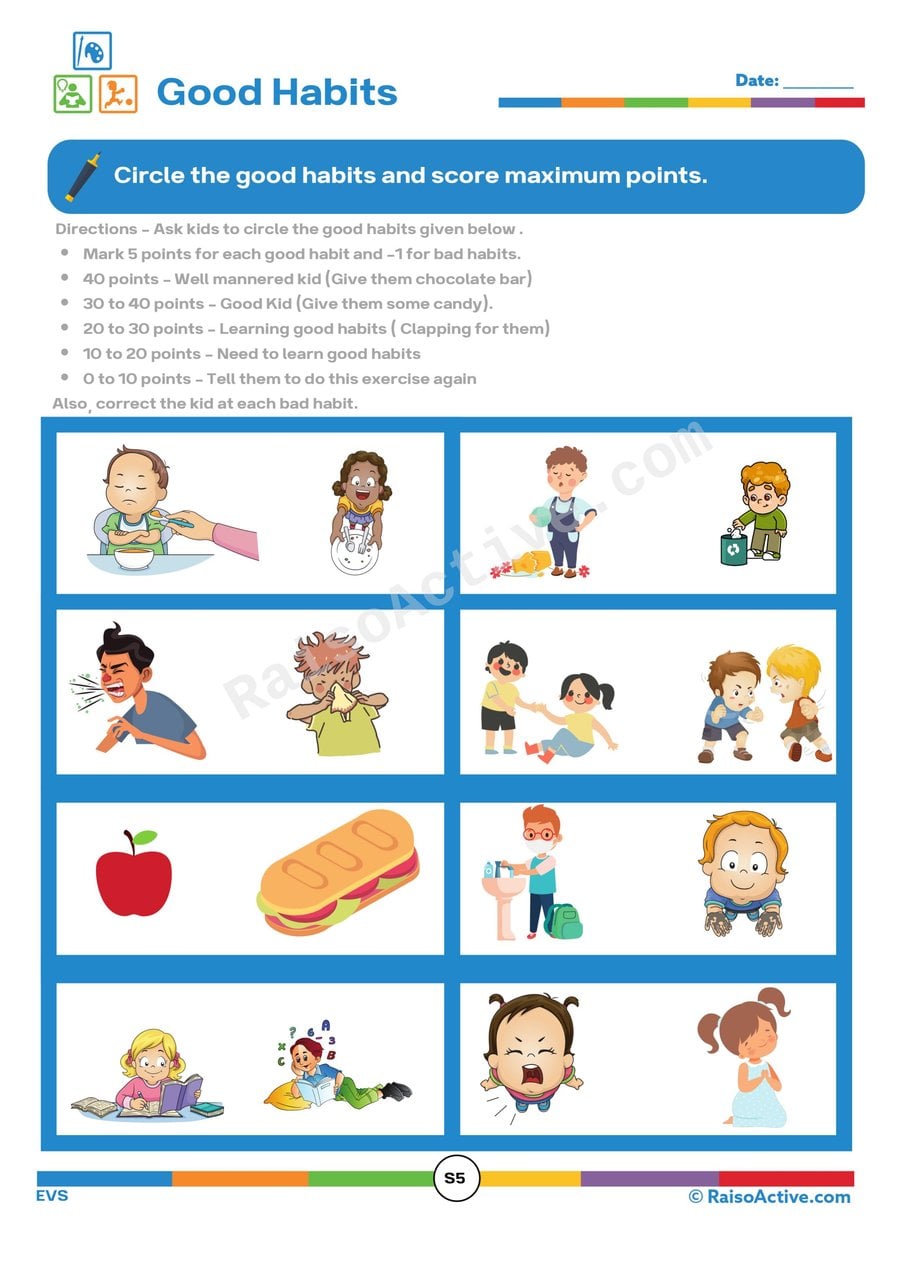
Good Habits Worksheet for Kids: Circle and Learn!
Ages 3-5
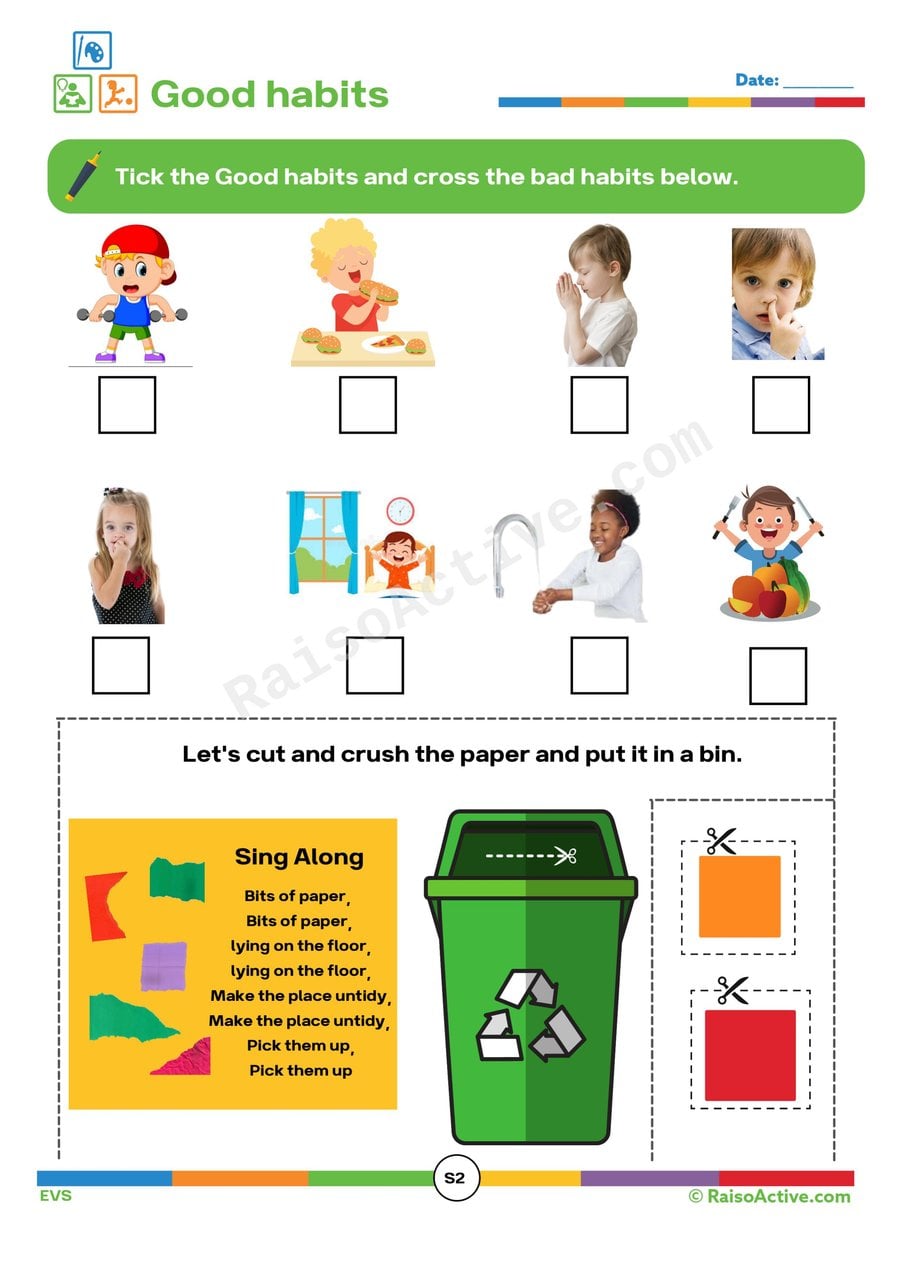
Good Habits Worksheet for Kids: Tick and Cross!
Ages 3-5

Clean or Dirty Sorting Worksheet for Preschoolers
Ages 3-5
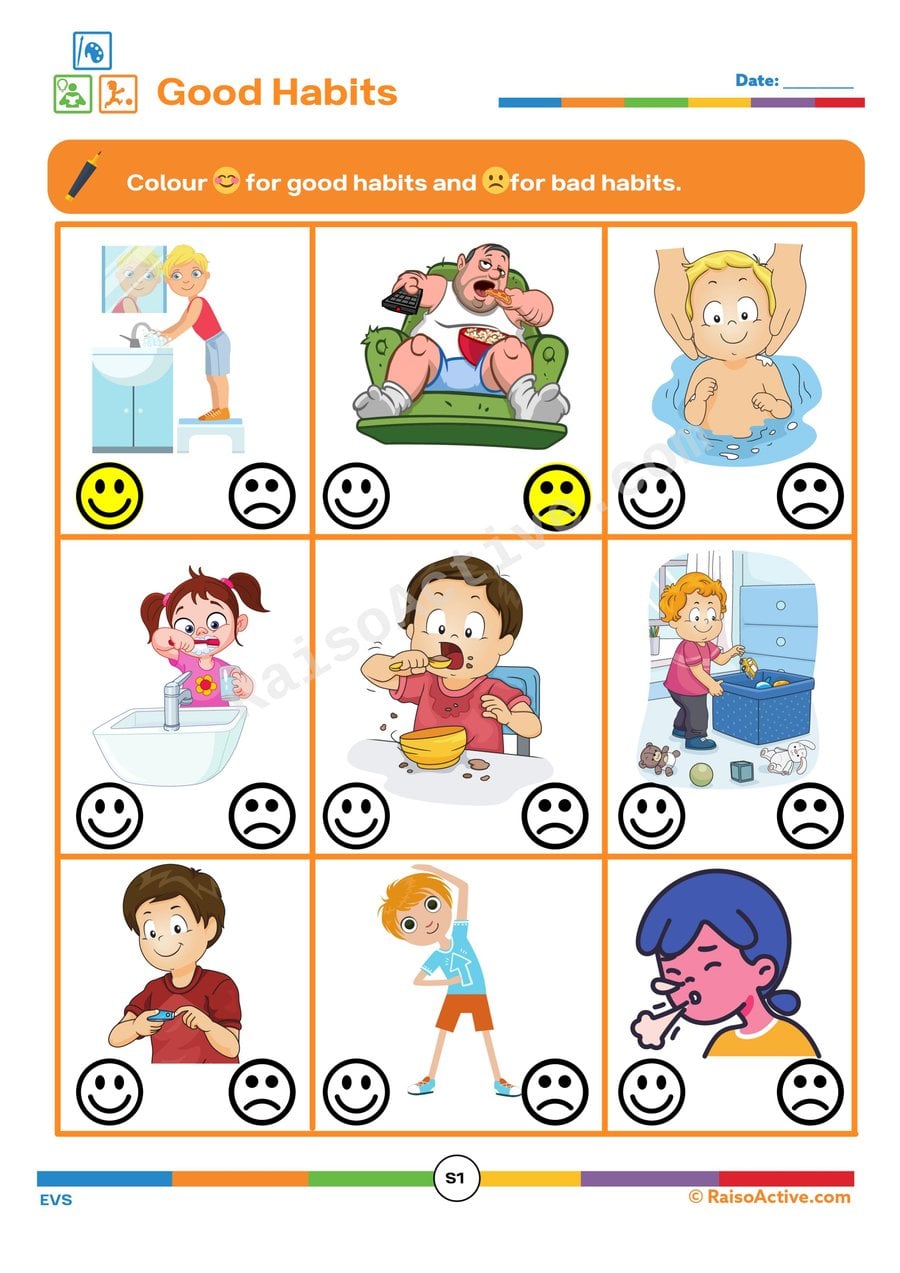
Good Habits Coloring Worksheet for Kids
Ages 3-5

Healthy Habits Worksheet for Kids: Sorting Activities
Ages 3-5
Guides for this topic

Age-Appropriate Problem-Solving Activities: Building Critical Thinkers from the Ground Up
Discover fun, age-appropriate problem-solving activities for children ages 1-8. Build critical thinking, logic, and reasoning skills through play-based learning.
Critical Thinking Activities That Actually Work for Young Children: Building Tomorrow's Thinkers Today
Discover proven critical thinking activities for young children. Age-wise logic games, questioning techniques, and hands-on ideas to build thinking skills at home.

Preparing Your Child for a Rapidly Changing World: Essential Skills for Future Success
Discover the essential 21st century skills your child needs for future success. Practical tips on creativity, critical thinking, digital literacy & emotional intelligence for ages 1-8.
Reviews
Every worksheet for ages 4–6, no watermark
Members download the full library of 1,000+ worksheets and every activity pack without watermarks or daily limits. One year costs ₹999 in India or $20 elsewhere.
See membership plansOr download any worksheet free with a watermark (5 a day).