Informal Language Fun: Cut and Paste Worksheet for Kids
Sorting sentences as informal helps children ages 4-6 begin to notice that the same idea can be expressed differently depending on who's listening — a friend versus a teacher, for example — which is an early step toward social and audience awareness in language. The cutting and pasting also reinforces this recognition kinesthetically, since children must physically place each sentence where it belongs rather than just circling an answer.
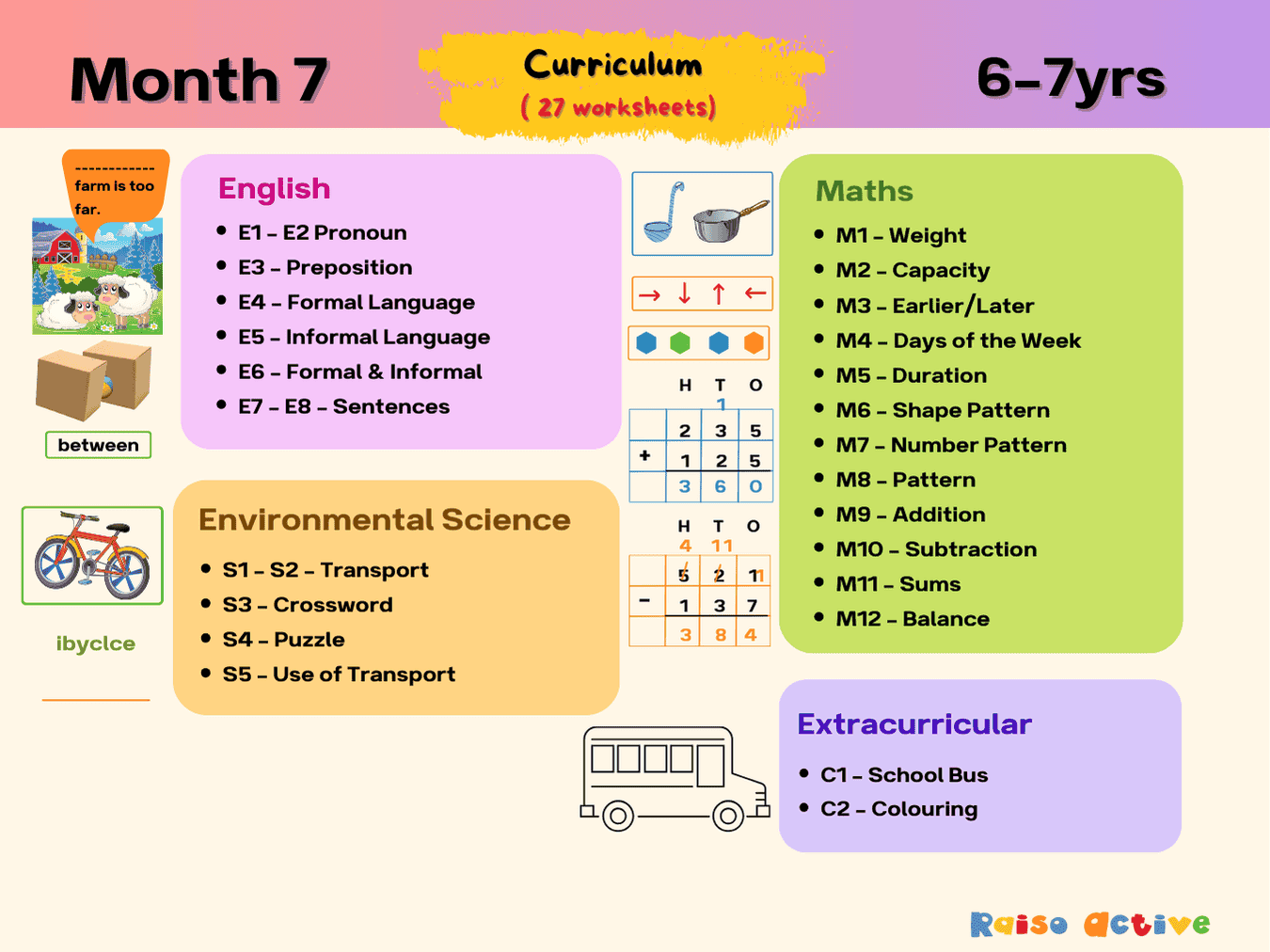
Part of the pack
Month 7: Foundational English Math Science | Ages 6-7
This is page 8 of the pack. Ages 6-7 · Grade 1Ages 6-7 · Year 2Ages 6-7 · Class 1Ages 6-7
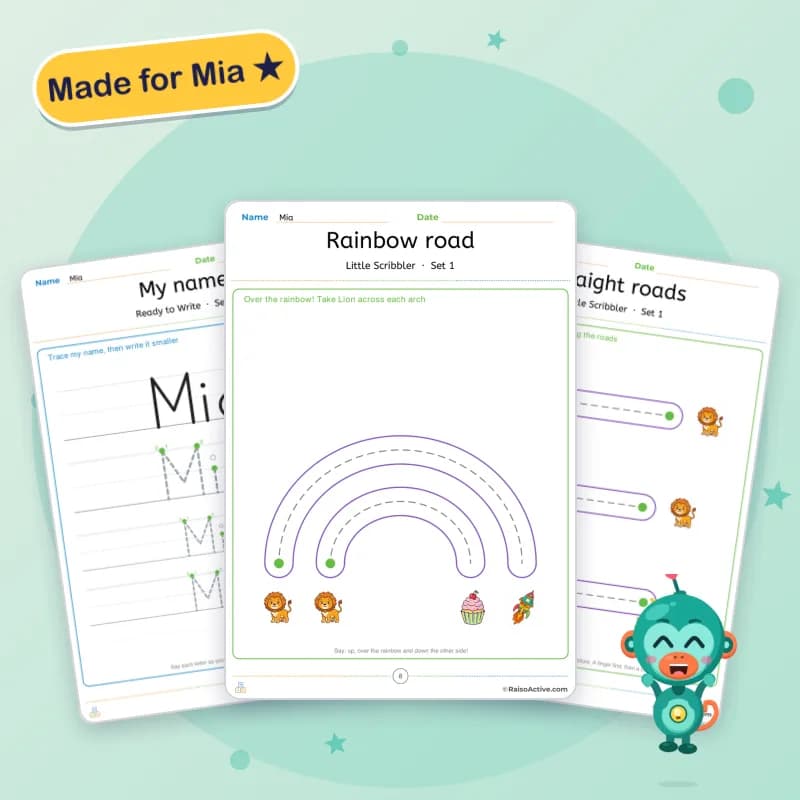
Made for your child
Pen Control, starring your child
A pre-writing pack made for one child: their animal travels along roads, lines, waves, loops and spirals to things it loves, then round shapes and along cutting lines, all the way to their own name. Ages 2 to 5, and new paths whenever you like.
Make a pen control packFree preview · free for members
See all 7 personalised packsAbout this worksheet
- Topic:
- Informal Language
- Skill:
- Formal & Informal Language (Grammar): Identify and use formal vs informal language.
- Pack:
- Page 8 of 30 in Month 7: Foundational English Math Science | Ages 6-7.
How to use this worksheet
Read through the example informal sentences at the top of the page together so your child hears what casual, friendly speech sounds like. Have them cut out the sentence strips at the bottom of the page one at a time. For each strip, read it aloud and ask your child whether it sounds like something they'd say to a close friend, then guide them to glue it into the matching box. Once every sentence is placed, reread the finished page together, noticing the casual words and phrases that make each sentence informal.
Materials needed
- Scissors
- Glue
- Pencil
Extension activities
- 1Have your child say the same message two ways — once casually to a sibling, once politely to a grandparent or teacher — and talk about the differences.
- 2Role-play a phone call or greeting scene, switching between talking to a friend and talking to a new adult.
- 3Create a simple two-column chart at home and add new informal phrases your child hears during the week.
- 4Read a comic strip or picture book with casual dialogue and point out any informal expressions together.
- 5Practice greetings side by side: 'Hey, what's up?' versus 'Good morning, how are you?'

Written by
Hemsweta Jain · Teacher Cheena
MBA and Early Childhood Educator, teaching since 2014 · Founder of RaisoActive, Mumbai
Every RaisoActive worksheet is designed and checked by the founder before publishing.
Published · Last reviewed
More from Month 7: Foundational English Math Science | Ages 6-7

Earlier or Later Time Sequencing Worksheet for Kids
Ages 4-6

Addition and Subtraction Sums Worksheet for Preschoolers
Ages 4-6

Number Pattern Worksheet for Kids: Identify and Fill in the Blanks!
Ages 4-6
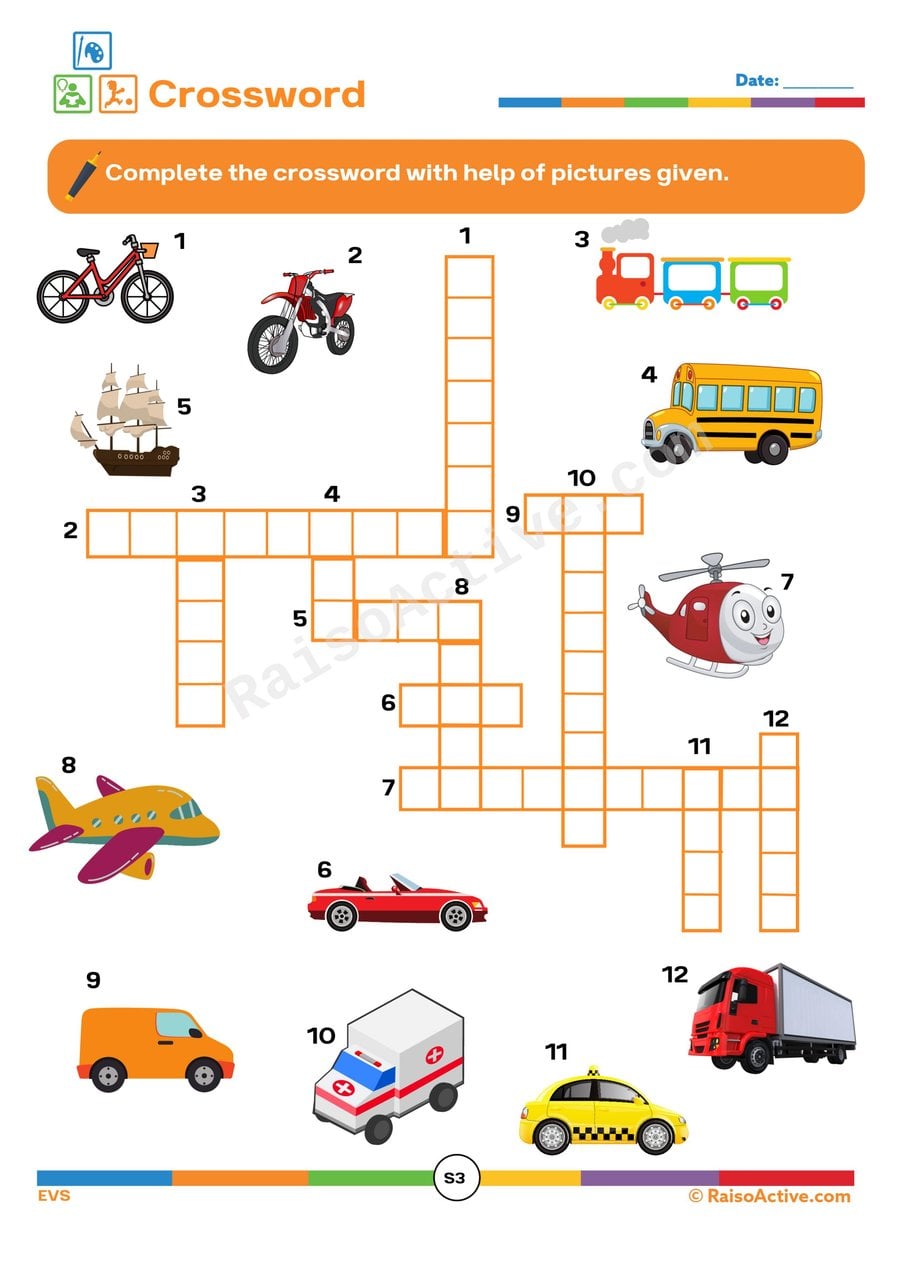
Crossword Puzzle: Vehicles Worksheet for Kids
Ages 4-6

Transport Unscramble and Match Worksheet for Preschoolers
Ages 3-5

Shape Pattern Worksheet for Preschoolers: Color the Correct Pattern!
Ages 3-5
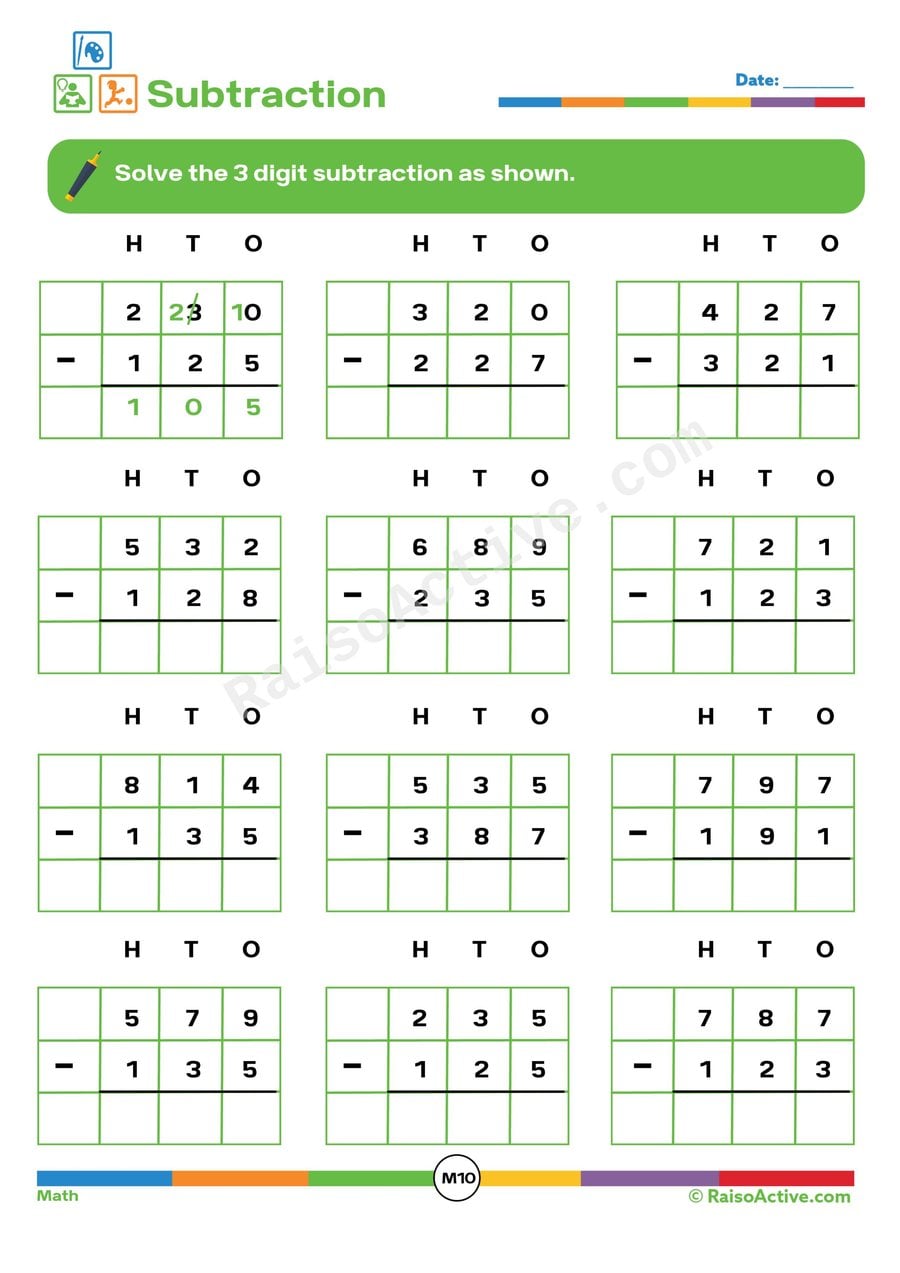
3-Digit Subtraction Worksheet for Kids
Ages 5-7

Preposition Worksheet: Identifying Where Things Are!
Ages 3-5
Related worksheets

Sight Word Fortune Teller: Cut, Fold and Play a Spelling and Reading Game
Ages 4-6

Shake and Settle Calm Jar: Make a Pull-Strip Calm-Down Jar
Ages 4-6

Mini-Book 6: Four Pets Cut, Fold and Read Colour and Number Book
Ages 5-7

My Pocket Calm Book: A Mini Book of Six Calm Tools
Ages 4-6

Feelings Monsters Collector Cards: Cut-Out Monster Cards and Monster Snap
Ages 7-10

Minutes in an Hour: Time Facts, Time Units Snap Cards and True or Yogi
Ages 7-10

Kai and the Stuck Kite: A Feelings Story with a Pull-Tab Slider
Ages 4-6

Mini-Book 1: Who Is It? Cut, Fold and Read Sight Word Book
Ages 5-7
Guides for this topic

How to Teach Cutting Skills to Your Preschooler: A Complete Guide for Parents and Teachers
Help your child master scissor skills safely. Expert guide covering readiness signs, scissor types, progression steps, pre-cutting exercises, and fun practice ideas for ages 2-6.
Christmas and Winter Activities That Combine Fun and Learning: Creating Magical Educational Experiences
Discover Christmas and winter activities that combine festive fun with real learning. Crafts, counting, literacy, and printable worksheets for ages 2 to 8 — perfect for home and school.
Age-Appropriate Halloween Learning Activities: Balancing Spooks and Skills for Young Learners
Discover fun, age-appropriate Halloween learning activities for young children. Spooky crafts, counting games, literacy ideas, and printable worksheets for ages 2 to 8.
Reviews
Every worksheet for ages 4–6, no watermark
Members download the full library of 1,000+ worksheets and every activity pack without watermarks or daily limits. One year costs ₹999 in India or $20 elsewhere.
See membership plansOr download any worksheet free with a watermark (5 a day).