Parts of a Plant Worksheet: Identify and Label!
This activity teaches children ages 3-5 the basic parts of a plant — flower, stem, leaf, and roots — by having them label a diagram and add texture using real pulses or grains glued onto the plant shape. Combining a tactile material with each labeled part helps young children retain the vocabulary better than labeling alone, since touch and sight reinforce the same information.
Part of the pack
Hands-On Early Learning Activity Book: Math, Science, Literacy & Emotions for Ages 3-6
This is page 3 of the pack. Ages 3-6 · Preschool–KindergartenAges 3-6 · Nursery–Year 1Ages 3-6 · Nursery–UKGAges 3-6
Made for your child
A whole activity pack made with their name
60 pages to spot, build, trace and write their own name, plus pages about their favourites, feelings and family. See a free preview with their name.
Make an All About Me packFree preview · free for members
Or start free: a name tracing sheet with their nameCurriculum
- Cognitive - Attention > Observation Skills
How to use this worksheet
Look at the plant diagram together and name each part aloud — flower, stem, leaf, and roots — pointing to where it sits on the drawing. Give your child a small handful of pulses or grains and have them glue a few onto each section of the plant to add texture and detail. Once the gluing is done, help your child write or trace the label for each part in the space provided. Finish by reviewing all four labeled parts together, asking your child to point to each one as you name it.
Materials needed
- Pencil
- Pulses or grains
- Glue
Extension activities
- 1Take a real plant or houseplant and match its actual roots, stem, leaves, and flower to the worksheet diagram.
- 2Sort different types of dried pulses or grains by size and color before using them for the craft.
- 3Plant a bean or seed in a cup of soil and observe the roots and stem as they grow over the coming weeks.
- 4Draw a completely new plant and label its parts independently, without a template to copy.

Written by
Hemsweta Jain · Teacher Cheena
MBA and Early Childhood Educator, teaching since 2014 · Founder of RaisoActive, Mumbai
Every RaisoActive worksheet is designed and checked by the founder before publishing.
Published · Last reviewed
More from Hands-On Early Learning Activity Book: Math, Science, Literacy & Emotions for Ages 3-6
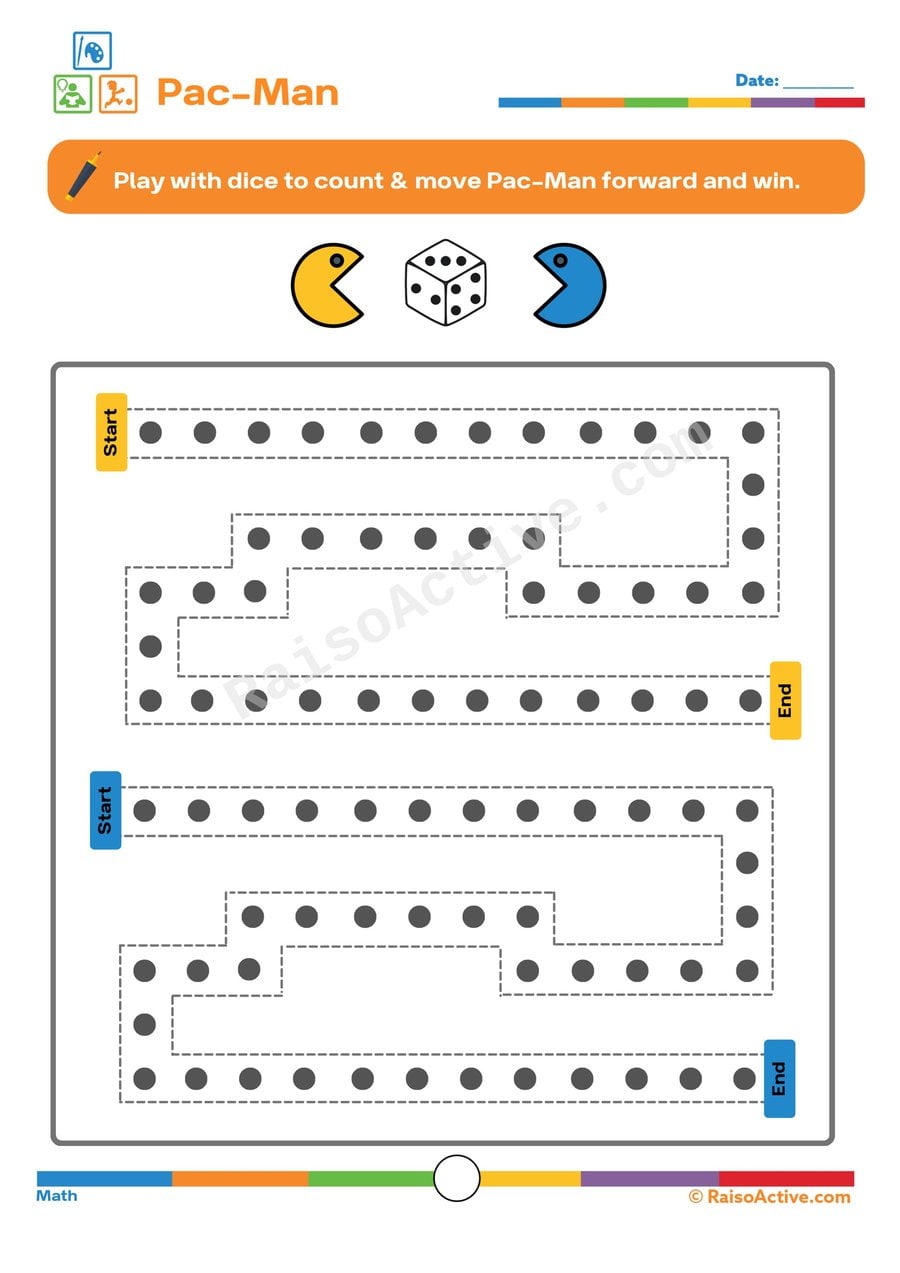
Pac-Man Maze Worksheet: Count and Move!
Ages 3-5 · Preschool–Pre-KAges 3-5 · Nursery–ReceptionAges 3-5 · Nursery–LKGAges 3-5
This dice-driven maze combines counting practice with path-following for children ages 3-5, since they must accurately count dots on a die before moving Pac-Man the matching number of spaces forward. Deciding how far to move and staying on the correct path also builds early strategic thinking, as children track their current position within the maze after each turn.

Clothing Pattern Matching Worksheet for Preschoolers
Ages 3-5 · Preschool–Pre-KAges 3-5 · Nursery–ReceptionAges 3-5 · Nursery–LKGAges 3-5
By comparing clothing items and connecting each one to its pattern match, children ages 3-5 build visual discrimination skills, learning to notice fine differences in stripes, dots, or repeated shapes. This close-looking practice supports the same attention-to-detail children will later need to tell similar-looking letters and numbers apart.

Addition House Worksheet for Preschoolers
Ages 4-5 · Pre-KAges 4-5 · ReceptionAges 4-5 · LKGAges 4-5
This hands-on craft turns simple addition into a reusable game, as children ages 4-5 build a paper house with numbered windows and a door that can be changed with tape or number stripes. Physically swapping numbers to create new addition problems (like 2 windows + 1 door) helps children grasp that addition means combining separate groups into one total, rather than just memorizing facts.
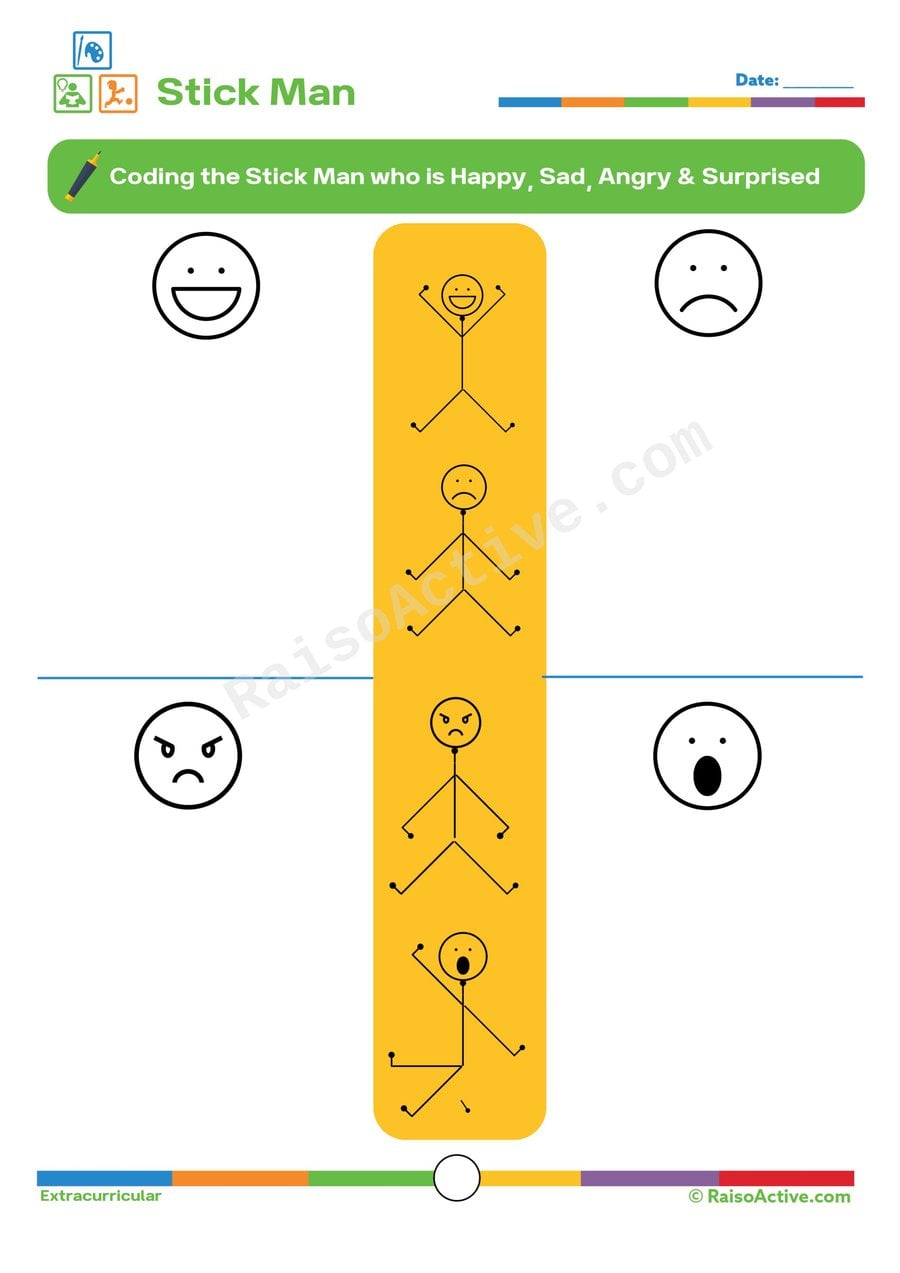
Stick Man Emotions Worksheet: Happy, Sad, Angry & Surprised!
Ages 3-5 · Preschool–Pre-KAges 3-5 · Nursery–ReceptionAges 3-5 · Nursery–LKGAges 3-5
Matching simple stick-figure faces to emotion words helps children ages 3-5 build an early emotional vocabulary, connecting facial cues like a curved mouth or raised eyebrows to specific feeling words. This kind of emotion recognition is a foundational social-emotional skill, helping children name what they and others are feeling instead of just reacting.
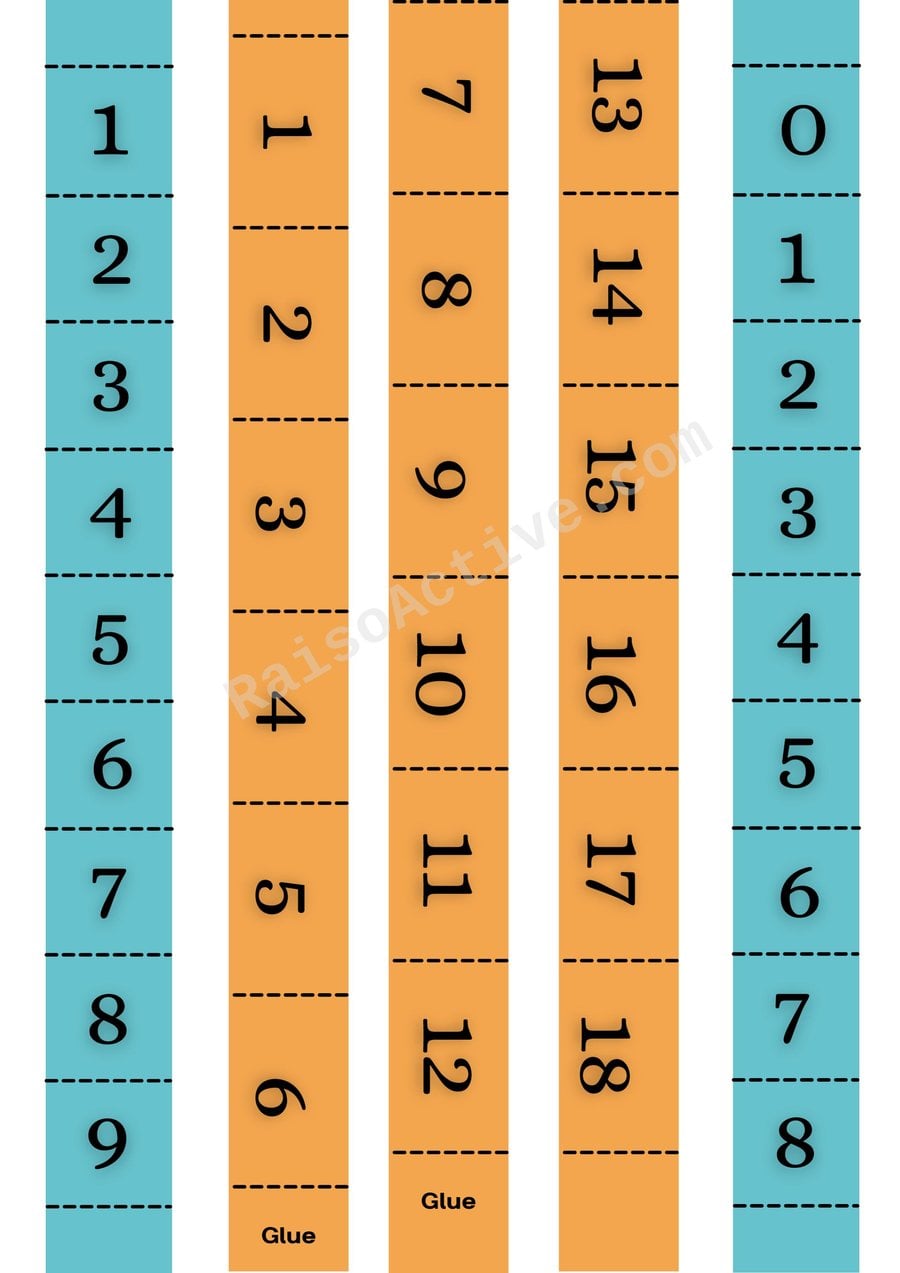
Number Matching Worksheet: 0-18
Ages 3-5 · Preschool–Pre-KAges 3-5 · Nursery–ReceptionAges 3-5 · Nursery–LKGAges 3-5
This activity strengthens numeral recognition for children ages 3-5 by having them find and pair matching numbers from 0 to 18 printed on separate strips. Because the numbers are scattered rather than in order, children must recognize each digit shape on its own rather than relying on counting sequence, which builds true number recognition instead of rote list-reciting.
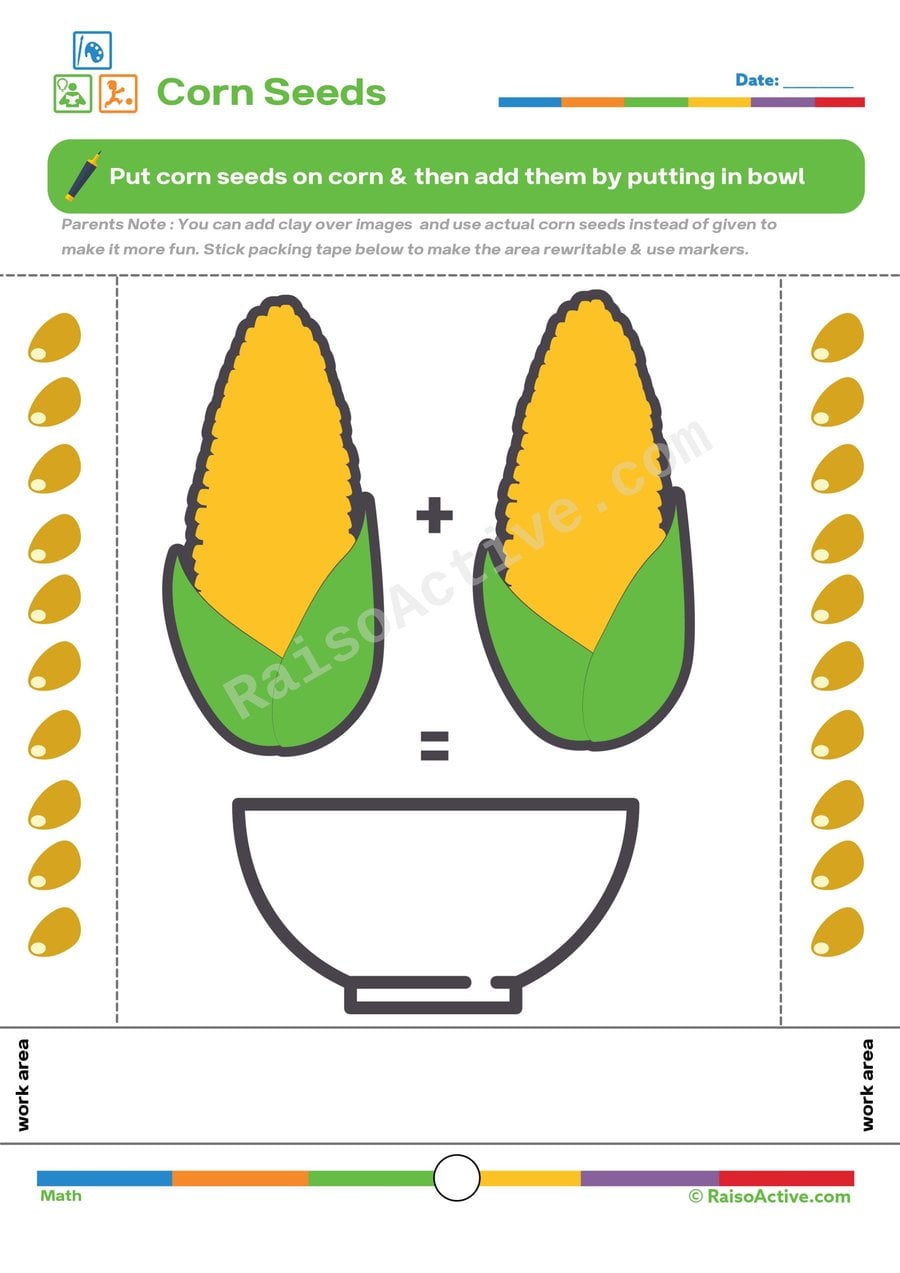
Corn Seed Addition Worksheet for Preschoolers
Ages 3-5 · Preschool–Pre-KAges 3-5 · Nursery–ReceptionAges 3-5 · Nursery–LKGAges 3-5
Counting corn seeds on two ears of corn and combining them into one total teaches children ages 3-5 the core concept of addition as joining groups together, using a concrete, countable image rather than abstract numerals alone. This worksheet also builds one-to-one correspondence, since accurate addition depends on touching or pointing to each seed exactly once while counting.

Soap & Pepper Science Experiment Worksheet for Preschoolers
Ages 3-5 · Preschool–Pre-KAges 3-5 · Nursery–ReceptionAges 3-5 · Nursery–LKGAges 3-5
This hands-on demonstration shows children ages 3-5 how soap disrupts water's surface tension, using floating pepper as a simple, visible indicator of the change. Because the reaction happens instantly and dramatically, it gives young children a strong, memorable first experience with predicting an outcome and then observing whether their prediction was right.
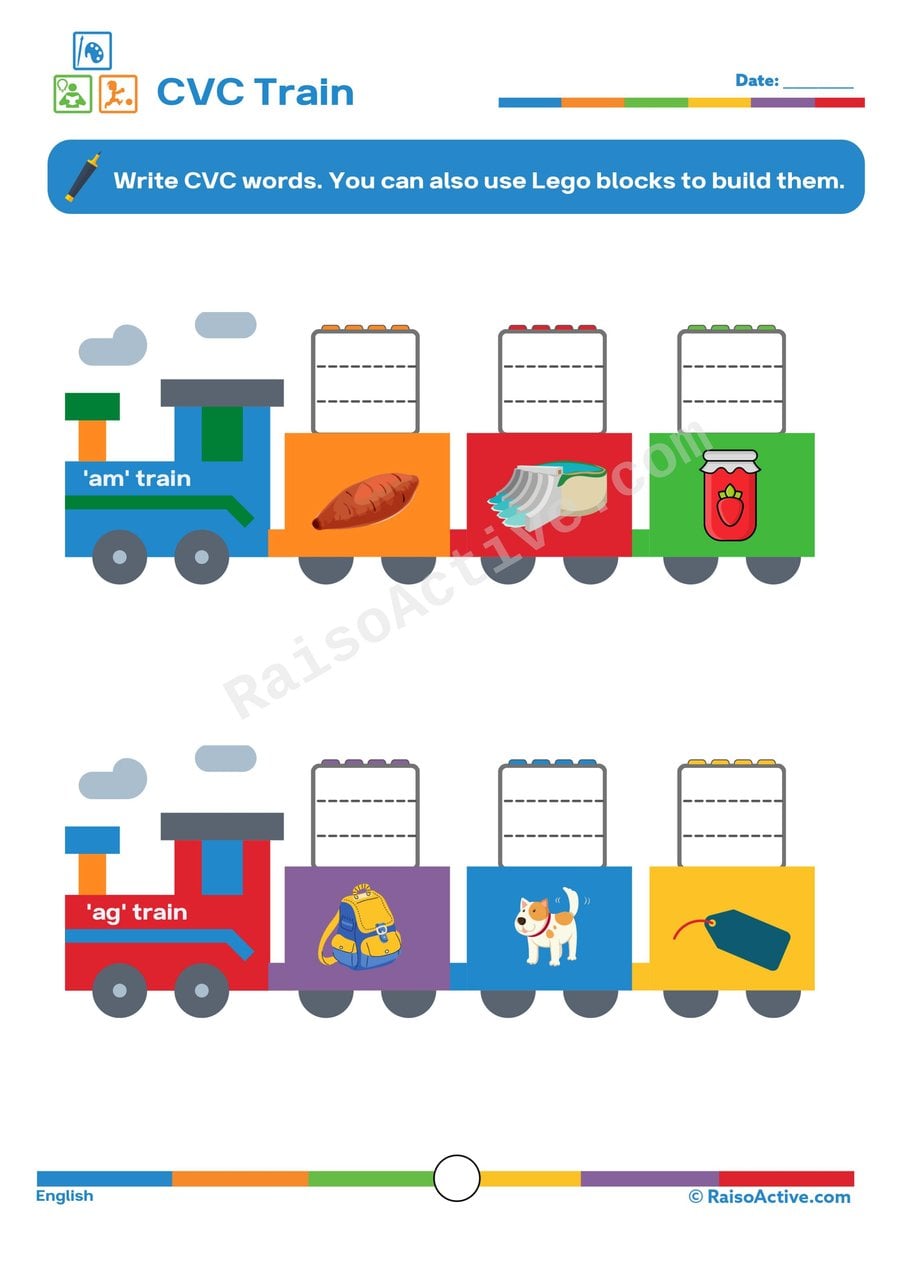
CVC Train Worksheet: Write CVC Words!
Ages 4-6 · Pre-K–KindergartenAges 4-6 · Reception–Year 1Ages 4-6 · LKG–UKGAges 4-6
Writing consonant-vowel-consonant words like 'cat,' 'sun,' or 'pig' under matching pictures gives children ages 4-6 direct practice with letter-sound blending, a core phonics skill that underpins independent reading. Because each train car pairs a picture clue with a blank space, children also practice translating a spoken word they can sound out into its correctly spelled written form.
Related worksheets

Match the Countries with Their Symbols Worksheet
Ages 4-6 · Pre-K–KindergartenAges 4-6 · Reception–Year 1Ages 4-6 · LKG–UKGAges 4-6
Children ages 4-6 build early social studies awareness by matching country flags to their well-known national symbols, connecting visual recognition with basic geography and cultural knowledge. This kind of matching exercise strengthens careful observation, since children must compare colors, shapes, and details across both the flag and the symbol image. It also plants the seed for understanding that different countries have distinct identities and traditions.

Summer T-Shirt Match: A Fun Matching Worksheet for Kids!
Ages 3-5 · Preschool–Pre-KAges 3-5 · Nursery–ReceptionAges 3-5 · Nursery–LKGAges 3-5
This worksheet has children ages 3-5 match fruit designs to summer t-shirts featuring the same pattern, building visual discrimination as they compare details like shape and arrangement across two separate pictures. Because the match depends on recognizing a specific fruit design repeated in a different context, children practice the transferable skill of identifying that two pictures represent the same thing even when shown in a different format. Naming the fruits along the way also builds vocabulary.

Sound Energy Worksheet: Identifying Sound Producers!
Ages 4-6 · Pre-K–KindergartenAges 4-6 · Reception–Year 1Ages 4-6 · LKG–UKGAges 4-6
This worksheet asks children to identify which objects produce sound and to think about how the ear allows us to hear those sounds, introducing basic science vocabulary around sound energy at an age when they're ready to start reasoning about cause and effect. Circling and matching sound-producing objects also sharpens observation, since children must consider whether an object truly makes noise or is simply pictured near something that does.

Indian Cities Crossword Puzzle Worksheet for Kids
Ages 4-6 · Pre-K–KindergartenAges 4-6 · Reception–Year 1Ages 4-6 · LKG–UKGAges 4-6
This crossword challenges children ages 4-6 to identify famous Indian cities from picture clues of their landmarks and then spell out each city's name in the puzzle grid, combining observation skills with early geography knowledge. Counting the crossword boxes to match each city's letter count also reinforces attention to word length before writing.

Odd One Out Worksheet: Find the Different Animal or Object!
Ages 3-5 · Preschool–Pre-KAges 3-5 · Nursery–ReceptionAges 3-5 · Nursery–LKGAges 3-5
Children ages 3-5 sharpen visual discrimination and categorical reasoning as they scan each row of pictures and decide which single image doesn't share a feature with the rest. This kind of comparison task builds the same 'same versus different' thinking that underlies early science observation and later logical reasoning. It also trains sustained visual attention, since children must examine every image in a row before deciding.
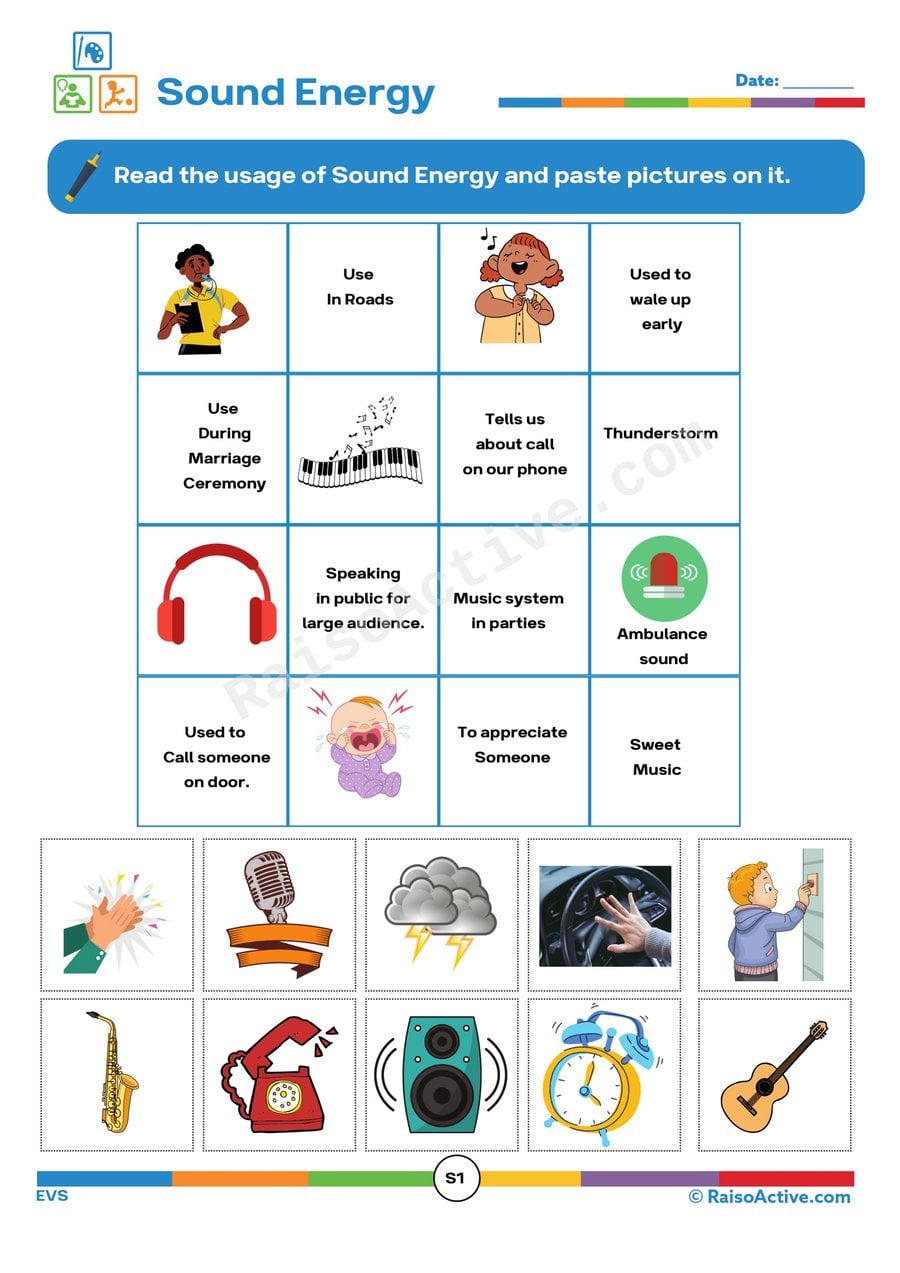
Sound Energy Matching Worksheet for Kids
Ages 4-6 · Pre-K–KindergartenAges 4-6 · Reception–Year 1Ages 4-6 · LKG–UKGAges 4-6
This worksheet introduces children ages 4-6 to the science concept of sound energy by having them match short descriptions of sound sources to the correct picture. Reading or listening to a description and then identifying the matching image builds comprehension alongside early science reasoning, helping children understand that sound is produced by different actions and objects in the world around them.

Summer Shadows Matching Worksheet for Preschoolers
Ages 3-5 · Preschool–Pre-KAges 3-5 · Nursery–ReceptionAges 3-5 · Nursery–LKGAges 3-5
This worksheet has children ages 3-5 match pictures of summer activities, like swimming or building a sandcastle, to their correct shadow silhouettes, building visual discrimination through shape recognition rather than color or detail. Because these shadows represent action scenes rather than single objects, children must recognize more complex outlines, including body positions and poses, which is a step up from matching simpler object shadows. This adds a layer of visual reasoning about how shapes and motion relate.

Transportation Coloring Worksheet for Preschoolers
Ages 3-5 · Preschool–Pre-KAges 3-5 · Nursery–ReceptionAges 3-5 · Nursery–LKGAges 3-5
This worksheet helps children ages 3-5 practice categorizing vehicles by where they travel — air, water, or land — while strengthening fine motor control through a color-coded coloring task. Following a color key adds a layer of symbolic thinking, since children must hold three rules in mind and apply the correct one to each vehicle. It's a natural bridge between science classification and hands-on art.
Guides for this topic

Documenting Learning Without Drowning in Data: A Practical Guide for Parents and Teachers
Learn practical ways to document your child's learning without overwhelm. Simple portfolios, observation tips, and printable trackers for ages 1-8.

Discovering Wonder: Nature-Based Learning Activities That Captivate Young Children
Explore nature-based learning activities for children ages 2–7 — leaf rubbings, bug hunts, nature journals, and seasonal Indian outdoor ideas that spark wonder.

How to Help Your Child with Letter Reversals: A Complete Guide for Parents and Teachers
Letter reversals are normal until age 7-8. Learn the best multisensory strategies, anchor letter tricks, and activities to help children write b, d, p, and q correctly.
Reviews
Every worksheet for ages 3–5, no watermark
Members download the full library of 1,000+ worksheets and every activity pack without watermarks or daily limits. One year costs ₹999 in India or $20 elsewhere.
See membership plansOr download any worksheet free with a watermark (5 a day).