Trace the Numbers: Practice Writing Numbers 9-12!
Tracing numerals 9 through 12 strengthens the small hand muscles and pencil control preschoolers need for later handwriting, while repeated exposure to each numeral's shape builds the visual memory that underlies number recognition. Ages 3-5 are also learning that a written numeral represents a specific quantity, so pairing the traced digit with its name reinforces early number sense alongside the motor skill.
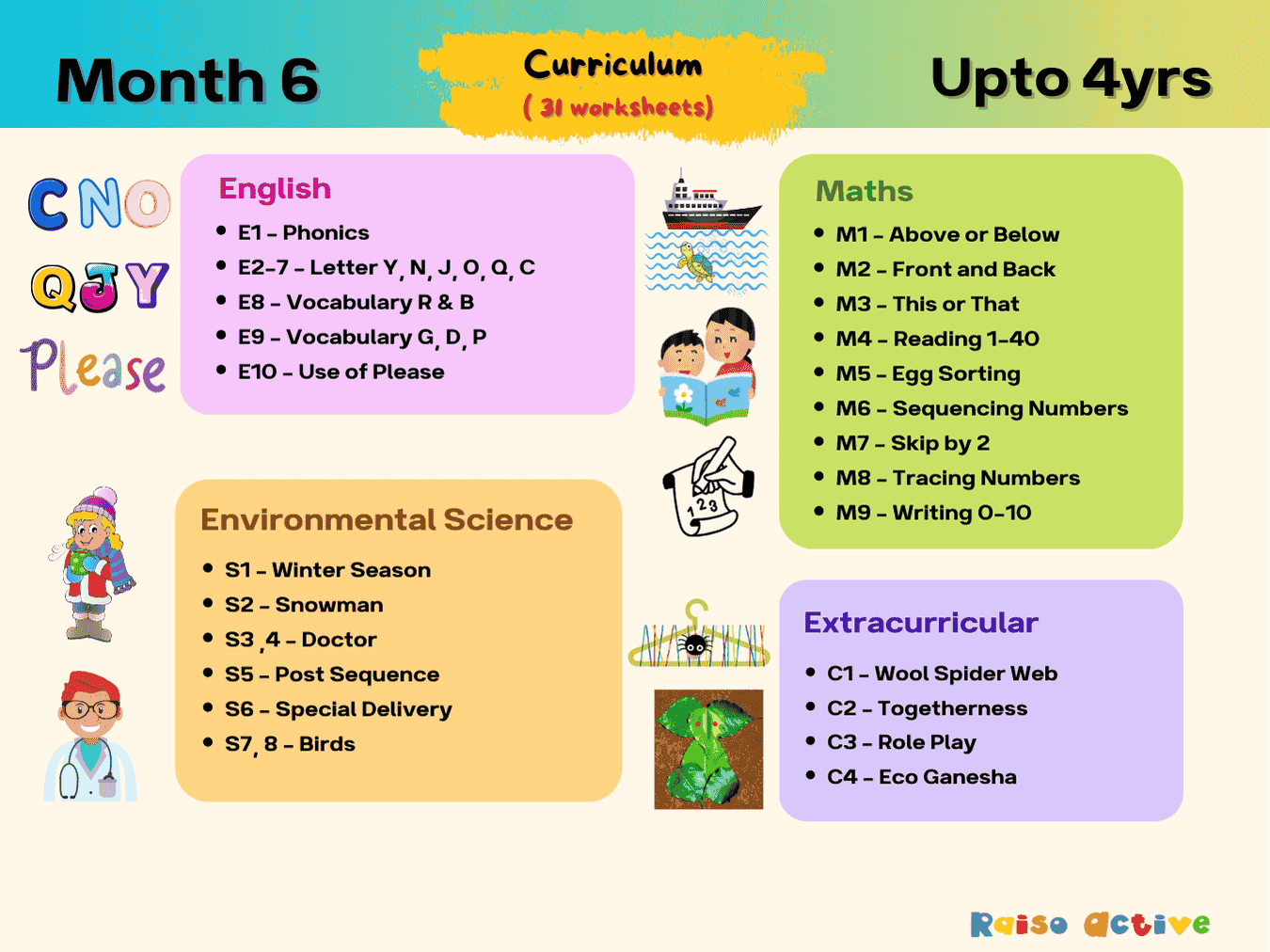
Part of the pack
Month 6: Toddler Preschool Foundational Skills | Ages Up to 4
This is page 21 of the pack. Ages 2-4 · PreschoolAges 2-4 · NurseryAges 2-4
Made for your child
Counting to 10, made for your child
A maths pack with your child's name in it: pictures that explain, practice at three levels, puzzles and story sums about them. Print a new set whenever they finish.
Make a maths packFree preview · free for members
Curriculum
- Number Recognition > Number Writing
How to use this worksheet
Start by pointing to the number 9 and naming it aloud before your child places their pencil on the dotted line. Guide them to trace each numeral slowly, following the dots from start to finish rather than jumping around, and encourage them to say the number as they go. Move through 10, 11, and 12 in the same way, letting your child trace each one two or three times if the page allows. Once all four numbers are traced, ask your child to point to each one and say its name without looking at the dots, then let them color any decorative elements on the page.
Materials needed
- Pencil
- Crayons
Extension activities
- 1Cut out four paper cards labeled 9-12 and hide them around the room for your child to find and put in order.
- 2Build towers of 9, 10, 11, and 12 blocks side by side so your child can see how the quantities grow.
- 3Practice writing 9-12 in a shallow tray of sand or shaving cream with a fingertip before returning to pencil and paper.
- 4Look for the numbers 9 through 12 on a clock face, calendar, or house numbers during a walk.
- 5Clap a number of times between 9 and 12 and have your child guess and write the matching numeral.

Written by
Hemsweta Jain · Teacher Cheena
MBA and Early Childhood Educator, teaching since 2014 · Founder of RaisoActive, Mumbai
Every RaisoActive worksheet is designed and checked by the founder before publishing.
Published · Last reviewed
More from Month 6: Toddler Preschool Foundational Skills | Ages Up to 4
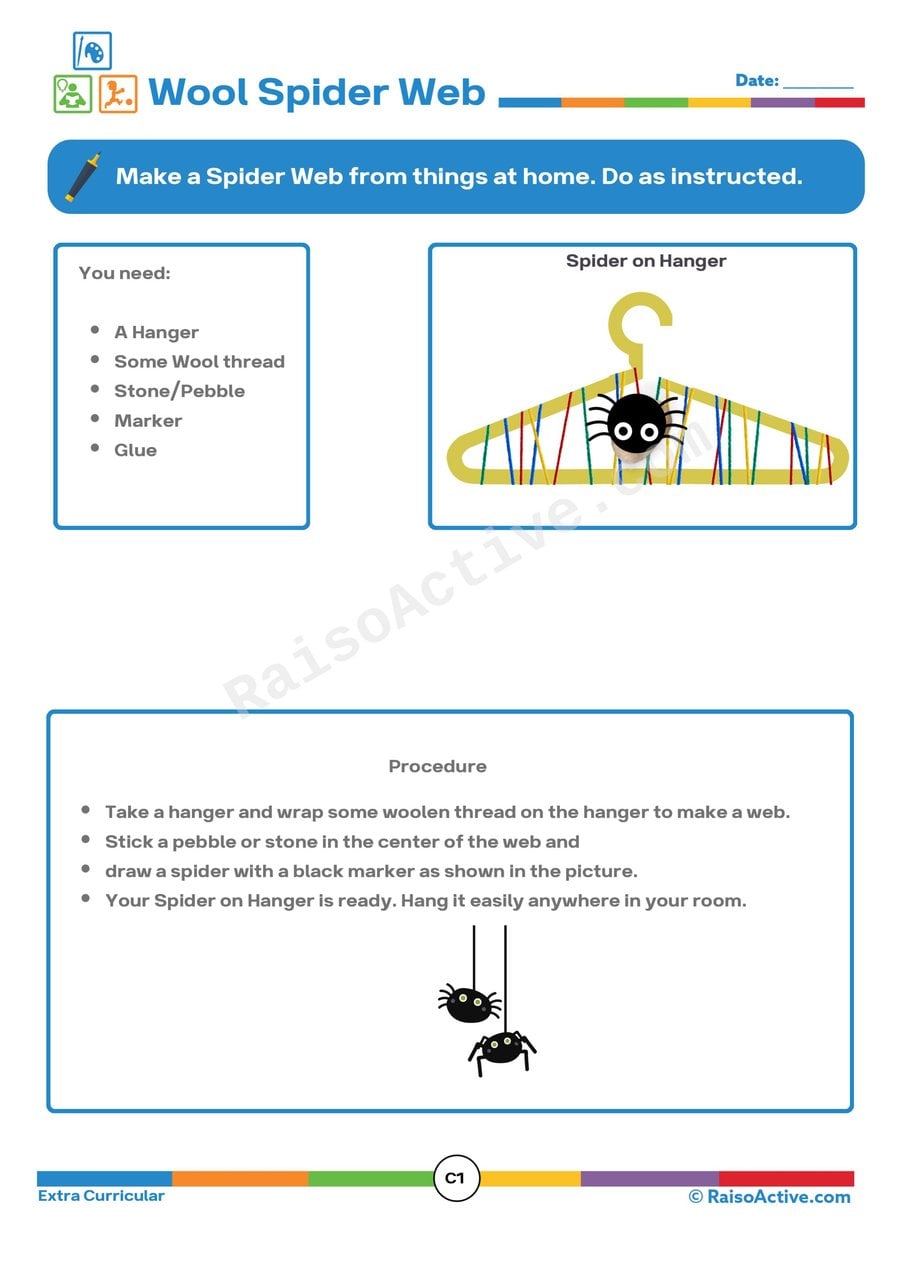
Wool Spider Web Craft: Follow the Instructions!
Ages 3-5 · Preschool–Pre-KAges 3-5 · Nursery–ReceptionAges 3-5 · Nursery–LKGAges 3-5
This step-by-step craft activity builds sequencing and instruction-following skills as children wrap wool thread around a hanger to form a web shape, while also strengthening fine motor coordination through the repetitive wrapping motion. For ages 3-5, following a multi-step process in the correct order is excellent practice for executive function skills that carry over into classroom instructions later on.

Trace and Color the Letter Q Worksheet for Preschoolers
Ages 3-5 · Preschool–Pre-KAges 3-5 · Nursery–ReceptionAges 3-5 · Nursery–LKGAges 3-5
This worksheet builds handwriting readiness for the less common letter Q through repeated tracing, while the coloring activity reinforces vocabulary for Q words, which are often trickier for young children since Q almost always pairs with U. For ages 3-5, practicing an uncommon letter like Q broadens their full alphabet exposure beyond the more frequently seen letters.

Match the Bird Shadows Worksheet for Preschoolers
Ages 3-5 · Preschool–Pre-KAges 3-5 · Nursery–ReceptionAges 3-5 · Nursery–LKGAges 3-5
Matching bird pictures to their correct shadows sharpens visual discrimination for children ages 3-5, requiring them to focus on outline and shape rather than color or detail, since a shadow strips away everything but silhouette. This kind of shape-matching task builds the careful observation skills that support later letter and word recognition, where subtle shape differences also matter.

Eco-Ganesha Craft: Make Your Own Eco-Friendly Ganesh!
Ages 3-5 · Preschool–Pre-KAges 3-5 · Nursery–ReceptionAges 3-5 · Nursery–LKGAges 3-5
Making an Eco-Ganesha from peepal leaves teaches children ages 3-5 to see natural materials as creative art supplies, building both fine motor skill through careful arrangement and early environmental awareness through using biodegradable materials instead of plastic. This hands-on craft also introduces cultural and seasonal tradition in a tactile, memorable way that connects art-making to real-world values.

Trace and Color the Letter N Worksheet for Preschoolers
Ages 3-5 · Preschool–Pre-KAges 3-5 · Nursery–ReceptionAges 3-5 · Nursery–LKGAges 3-5
Tracing the letter 'N' repeatedly helps children ages 3-5 build the muscle memory needed for consistent, legible letter formation, since 'N' requires a specific up-down-up stroke pattern that differs from rounded letters. Coloring pictures that start with 'N' extends the practice into beginning-sound recognition, linking the letter's shape to a specific sound they can hear at the start of familiar words.

This or That? Cut and Paste Worksheet for Early Learners
Ages 3-5 · Preschool–Pre-KAges 3-5 · Nursery–ReceptionAges 3-5 · Nursery–LKGAges 3-5
Sorting objects into 'this' and 'that' categories helps children ages 3-5 connect an abstract grammar concept to something they can physically place and see, reinforcing the idea that these words describe relative closeness rather than a fixed rule. This early categorization practice also builds general sorting and decision-making skills that extend well beyond grammar itself.

Post Sequence Worksheet: Ordering Steps for Sending a Letter!
Ages 3-5 · Preschool–Pre-KAges 3-5 · Nursery–ReceptionAges 3-5 · Nursery–LKGAges 3-5
Ordering the steps of sending a letter teaches children to recognize that everyday processes happen in a logical sequence with a clear beginning, middle, and end, a skill that underlies both reading comprehension and later writing organization. For ages 3-5, sequencing also strengthens working memory, since children must hold several images in mind at once while deciding which comes first.
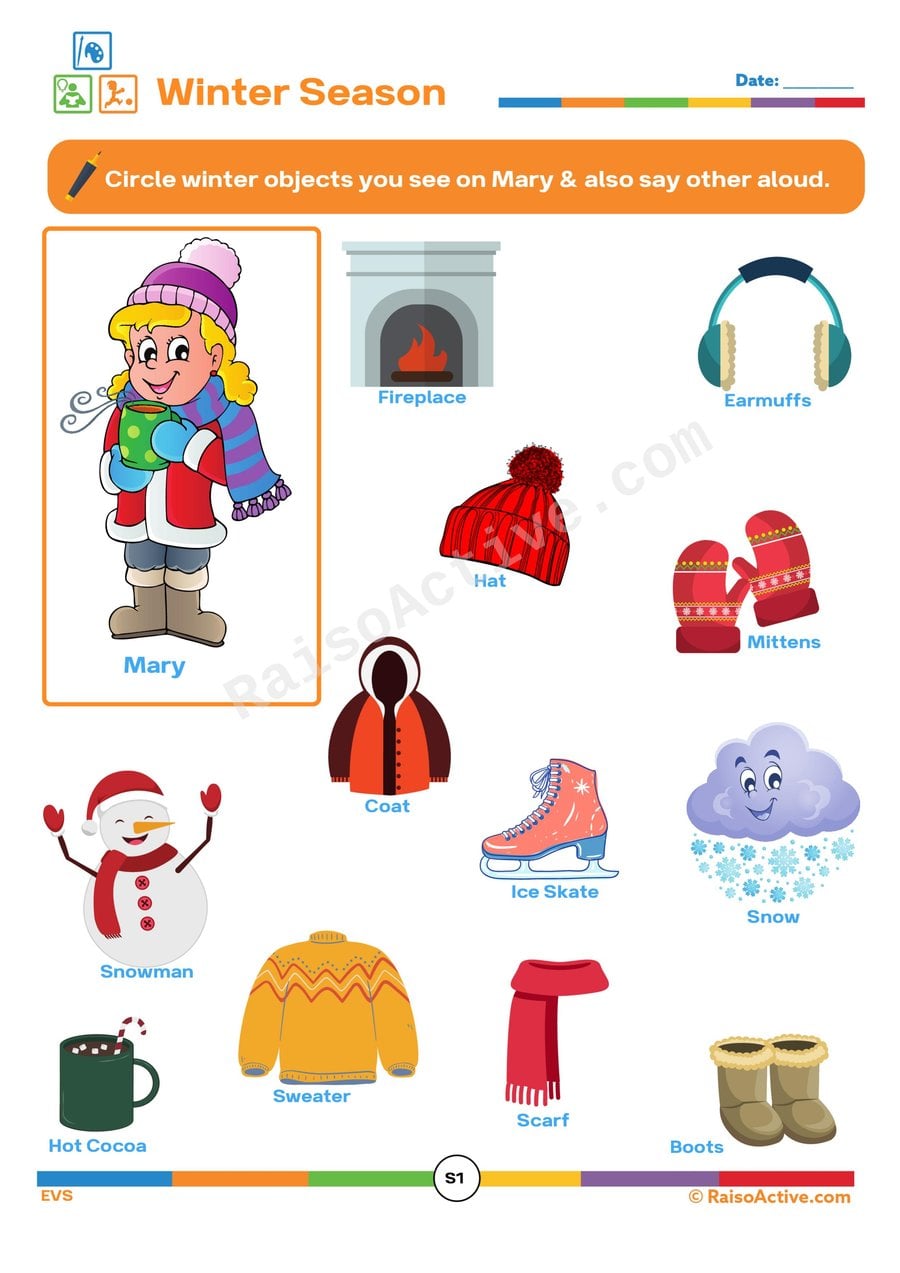
Winter Objects Worksheet: Circle and Say!
Ages 3-5 · Preschool–Pre-KAges 3-5 · Nursery–ReceptionAges 3-5 · Nursery–LKGAges 3-5
Identifying winter-related objects on this worksheet builds vocabulary and seasonal awareness for children ages 3-5, teaching them to associate specific items, like scarves, mittens, and snowflakes, with a particular time of year. Circling objects within a larger picture also sharpens visual scanning skills, requiring children to search carefully rather than glance at the whole image at once.
Related worksheets

Writing Number 6 Worksheet: Trace, Color, and Count!
Ages 4-5 · Pre-KAges 4-5 · ReceptionAges 4-5 · LKGAges 4-5
This worksheet builds number 6 recognition for 4-5 year olds through tracing, coloring, and counting practice, connecting the written numeral to an actual quantity of objects your child counts aloud. Bringing formation, counting, and independent writing together in one page reinforces that '6' isn't just a shape to copy but represents a specific, countable amount, which is the real foundation of number sense.
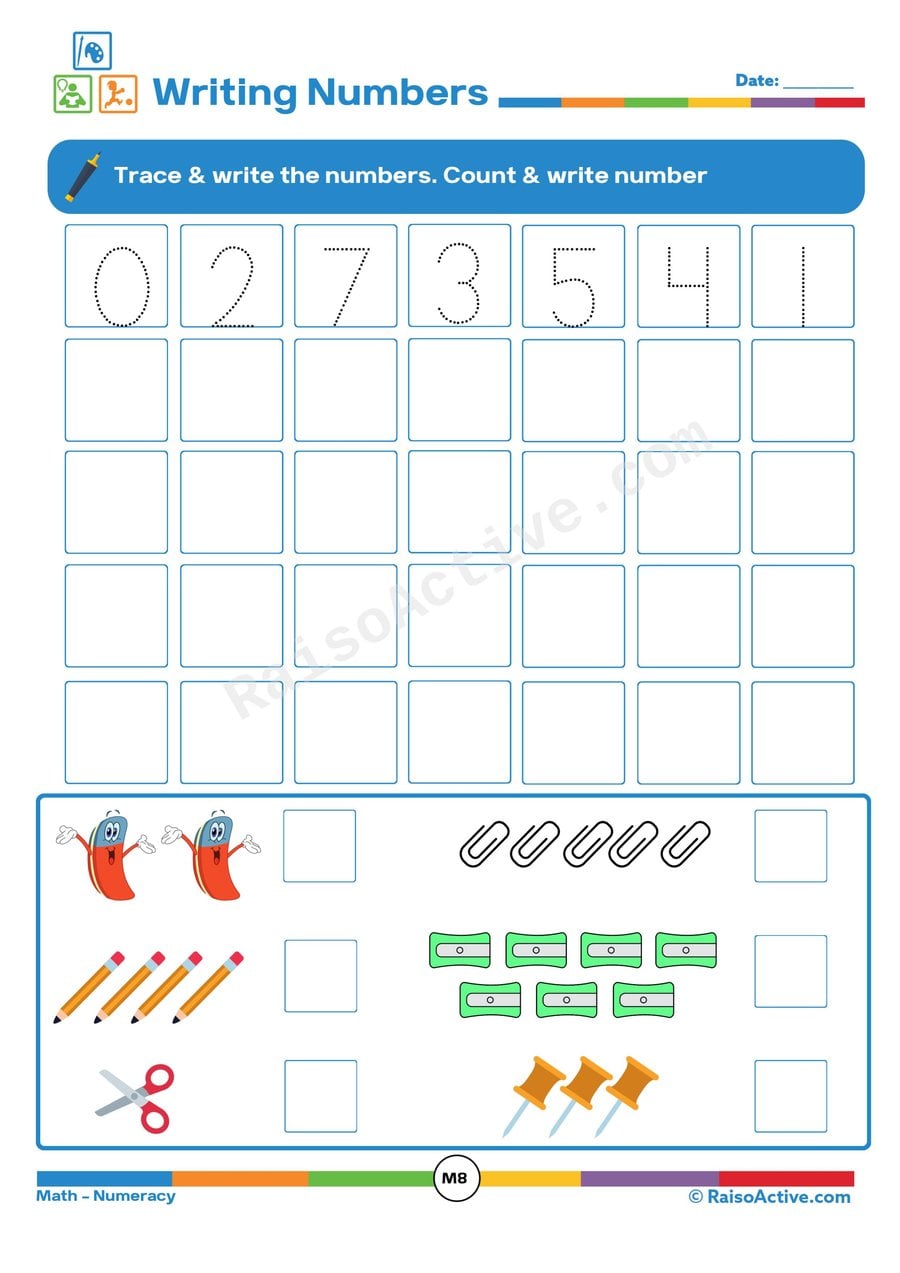
Trace and Write Numbers 0-5 Worksheet
Ages 3-5 · Preschool–Pre-KAges 3-5 · Nursery–ReceptionAges 3-5 · Nursery–LKGAges 3-5
Tracing and writing the numbers 0 through 5 builds the specific hand strokes needed to form each numeral correctly, a skill that develops separately from simply being able to count or recognize numbers by sight for children ages 3-5. Following the tracing with a counting-and-writing section, where children count objects and record the total themselves, connects the motor skill of writing numbers directly to their meaning as quantities. Practicing this small, foundational range first builds the confidence needed before tackling larger numbers later.

Writing Numbers Worksheet: Counting and Tracing for Preschoolers
Ages 3-5 · Preschool–Pre-KAges 3-5 · Nursery–ReceptionAges 3-5 · Nursery–LKGAges 3-5
Counting a group of objects, writing the total, and then tracing that same number gives children ages 3-5 a complete loop of practice — recognizing a quantity, representing it with a written numeral, and reinforcing the numeral's shape through tracing. This combination targets both number sense and handwriting in a single page, which is more efficient and engaging than practicing each skill separately. Repeating this pattern across several different numbers also builds flexibility, since children must apply the process freshly to each new quantity rather than following a single fixed routine.

Writing Numbers 11-16 Worksheet: Trace, Write & Count!
Ages 4-6 · Pre-K–KindergartenAges 4-6 · Reception–Year 1Ages 4-6 · LKG–UKGAges 4-6
This worksheet moves children ages 4-6 beyond single-digit numbers, giving them structured practice tracing, writing, and counting the numbers 11 through 16. Working with two-digit numbers for the first time helps children understand place value informally, seeing that these numbers are built from a 'ten' plus more. The paired counting section connects each written number to a matching quantity of objects, reinforcing number meaning rather than just symbol recognition.

Trace and Write the Number 0 Worksheet for Preschoolers
Ages 3-5 · Preschool–Pre-KAges 3-5 · Nursery–ReceptionAges 3-5 · Nursery–LKGAges 3-5
This worksheet gives children ages 3-5 focused practice forming the number 0, building the fine motor control and pencil grip needed for handwriting while reinforcing that 0 represents 'none' or an empty group. Tracing the curved stroke repeatedly also helps children internalize the shape through muscle memory, which supports faster, more confident number writing later.

Number Writing Worksheet: Trace, Write, Count, and Paste Numbers!
Ages 3-5 · Preschool–Pre-KAges 3-5 · Nursery–ReceptionAges 3-5 · Nursery–LKGAges 3-5
This multi-step worksheet strengthens number formation, counting, and one-to-one correspondence all in one activity, as children ages 3-5 trace and write numerals, then count a group of objects and paste the matching quantity in a box. Combining writing with hands-on counting and cutting helps children connect the written symbol to the actual amount it represents, a key milestone in early numeracy.
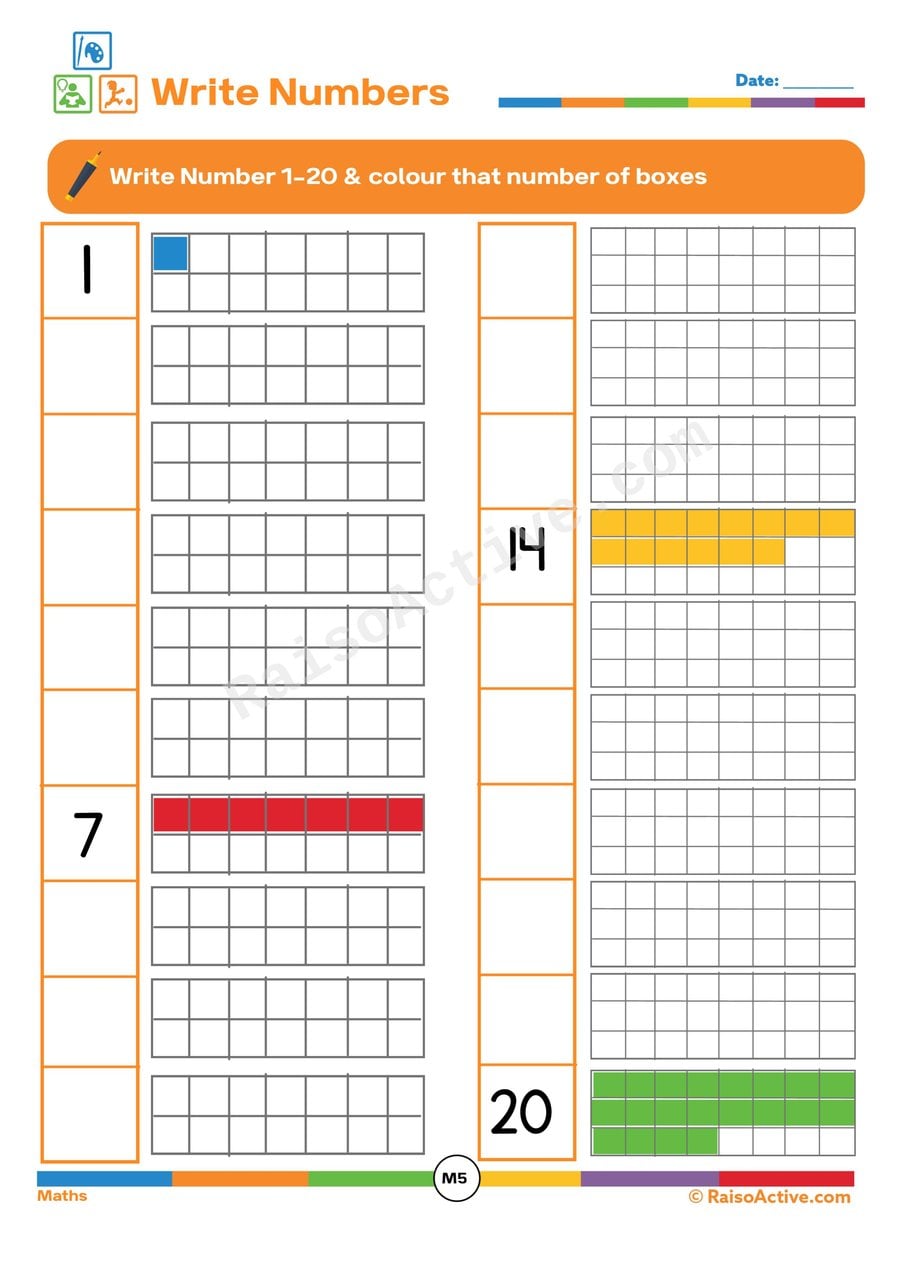
Write and Color Numbers 1-20 Worksheet
Ages 4-6 · Pre-K–KindergartenAges 4-6 · Reception–Year 1Ages 4-6 · LKG–UKGAges 4-6
Children ages 4-6 practice writing numbers from 1 to 20 in sequence while reinforcing quantity recognition by coloring the matching number of boxes for each number, connecting the written numeral to the amount it represents. Extending number writing practice up through 20 supports children moving beyond single digits into the teens and twenties, a range many children find confusing.
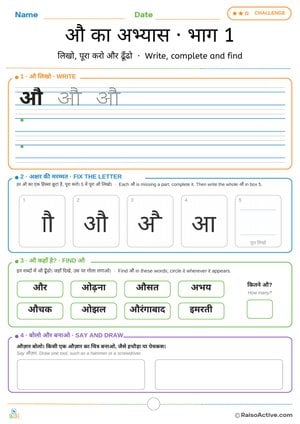
Hindi Letter औ (au) Practice 1: Write, Fix the Letter and Find | औ का अभ्यास · भाग 1
Ages 4-7 · Pre-K–Grade 1Ages 4-7 · Reception–Year 2Ages 4-7 · LKG–Class 1Ages 4-7
A challenge page: write औ between the lines, complete four letters that are each missing a part and then write the whole औ in box 5, find औ in words such as और, औसत, औचक and औरंगाबाद, and draw a picture. औ and ओ are different vowels; औ has two marks on top and ओ has one.
Guides for this topic

Documenting Learning Without Drowning in Data: A Practical Guide for Parents and Teachers
Learn practical ways to document your child's learning without overwhelm. Simple portfolios, observation tips, and printable trackers for ages 1-8.

How to Help Your Child with Letter Reversals: A Complete Guide for Parents and Teachers
Letter reversals are normal until age 7-8. Learn the best multisensory strategies, anchor letter tricks, and activities to help children write b, d, p, and q correctly.

Activities That Help with Pencil Grip Development: A Complete Guide for Parents and Teachers
Discover fun, research-backed activities to develop pencil grip in young children. Age-wise exercises, play ideas, and expert tips for parents and teachers.
Reviews
Every worksheet for ages 3–5, no watermark
Members download the full library of 1,000+ worksheets and every activity pack without watermarks or daily limits. One year costs ₹999 in India or $20 elsewhere.
See membership plansOr download any worksheet free with a watermark (5 a day).