Skip Counting Adventure: Fill in the Blanks Worksheet for Numbers 2, 5, and 10!
Filling in missing numbers in sequences that count by twos, fives, and tens teaches children ages 4-6 to recognize numerical patterns beyond counting one at a time, an important stepping stone toward multiplication later in school. Because each skip-counting sequence has a consistent gap between numbers, children must notice and apply that pattern rather than simply reciting a memorized list. This worksheet also builds flexible number sense, helping children see numbers as a system with predictable structure rather than an arbitrary list to memorize.
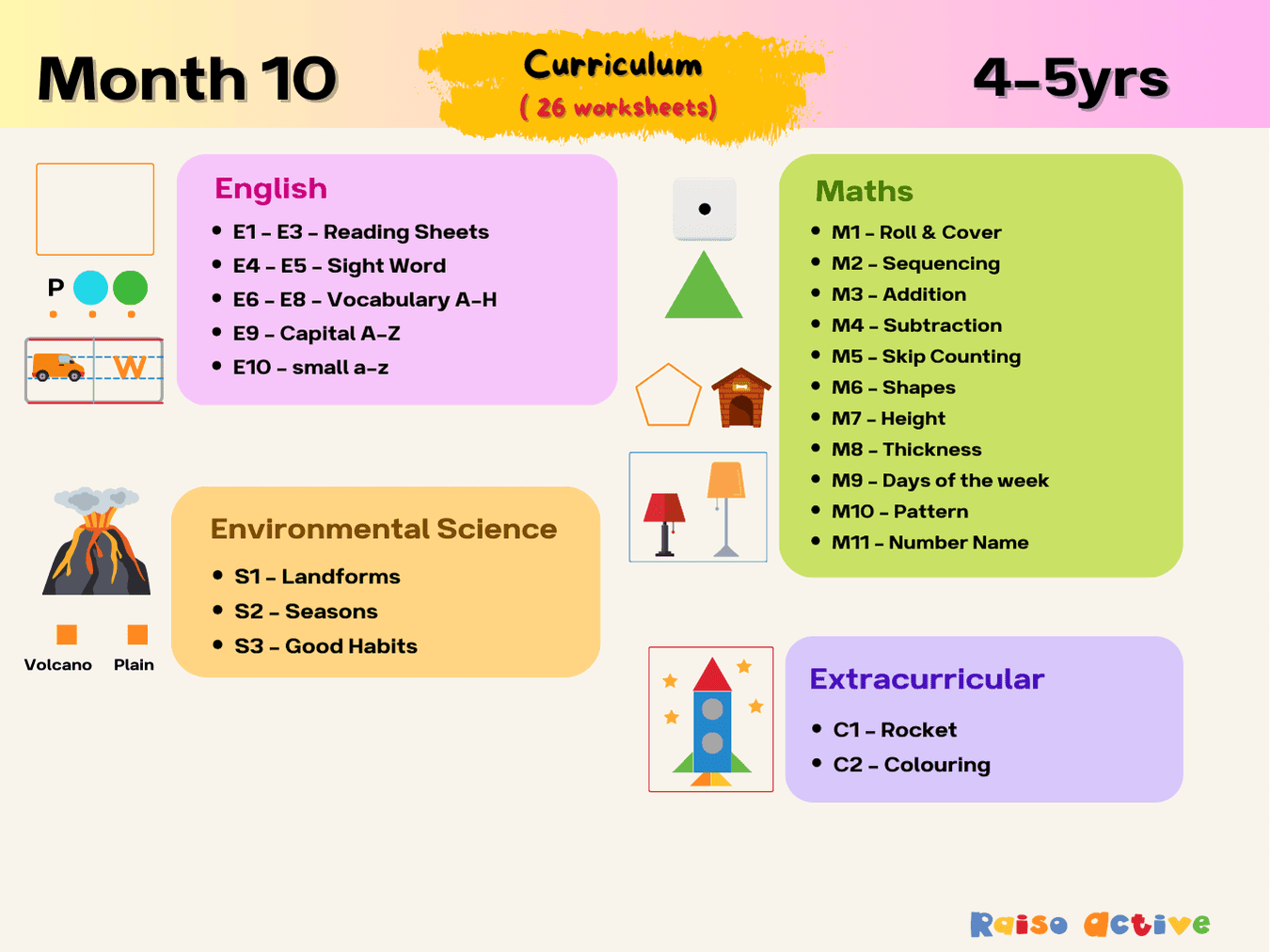
Part of the pack
Month 10: Learning & Development | Ages 4-5
This is page 18 of the pack. Ages 4-5 · Pre-KAges 4-5 · ReceptionAges 4-5 · LKGAges 4-5
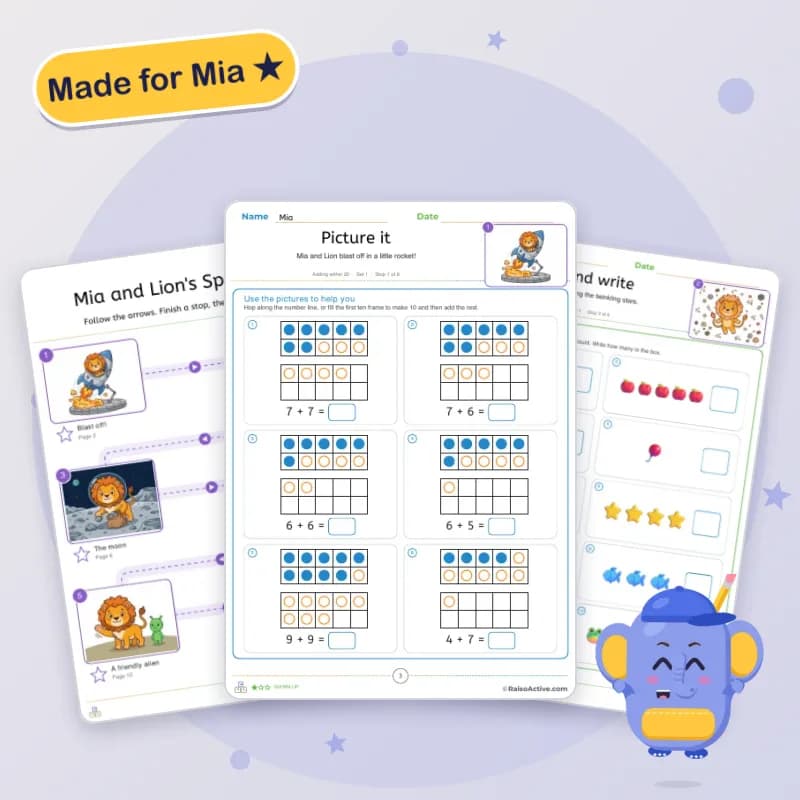
Made for your child
2, 5 and 10 times tables, made for your child
A maths pack with your child's name in it: pictures that explain, practice at three levels, puzzles and story sums about them. Print a new set whenever they finish.
Make a maths packFree preview · free for members
See all 7 personalised packsAbout this worksheet
- Topic:
- Skip Counting
- Skill:
- Skip Counting (Counting): Skip count by 2s, 5s, and 10s.
- Pack:
- Page 18 of 29 in Month 10: Learning & Development | Ages 4-5.
How to use this worksheet
Look at the first row together and read the numbers that are already filled in, asking your child what they notice about how much the numbers are increasing each time. Once your child identifies the pattern, such as adding two each time, have them fill in the missing numbers in the blanks to continue the sequence. Move to the next row, which may use a different skip-counting pattern like fives or tens, and repeat the process, discussing how the jump between numbers has changed. Read each completed sequence aloud together once finished to reinforce the pattern.
Materials needed
- Pencil
- Eraser
Extension activities
- 1Use counters, blocks, or coins arranged in groups of two, five, or ten to physically build each skip-counting sequence.
- 2Skip count out loud together while doing a physical activity, like jumping jacks in groups of two.
- 3Create a number line poster at home marking multiples of five or ten with stickers.
- 4Count a real collection of small objects, like coins or buttons, by grouping and skip counting them.
- 5Play a game where you say a skip-counting sequence with one number wrong and ask your child to spot the mistake.

Written by
Hemsweta Jain · Teacher Cheena
MBA and Early Childhood Educator, teaching since 2014 · Founder of RaisoActive, Mumbai
Every RaisoActive worksheet is designed and checked by the founder before publishing.
Published · Last reviewed
More from Month 10: Learning & Development | Ages 4-5
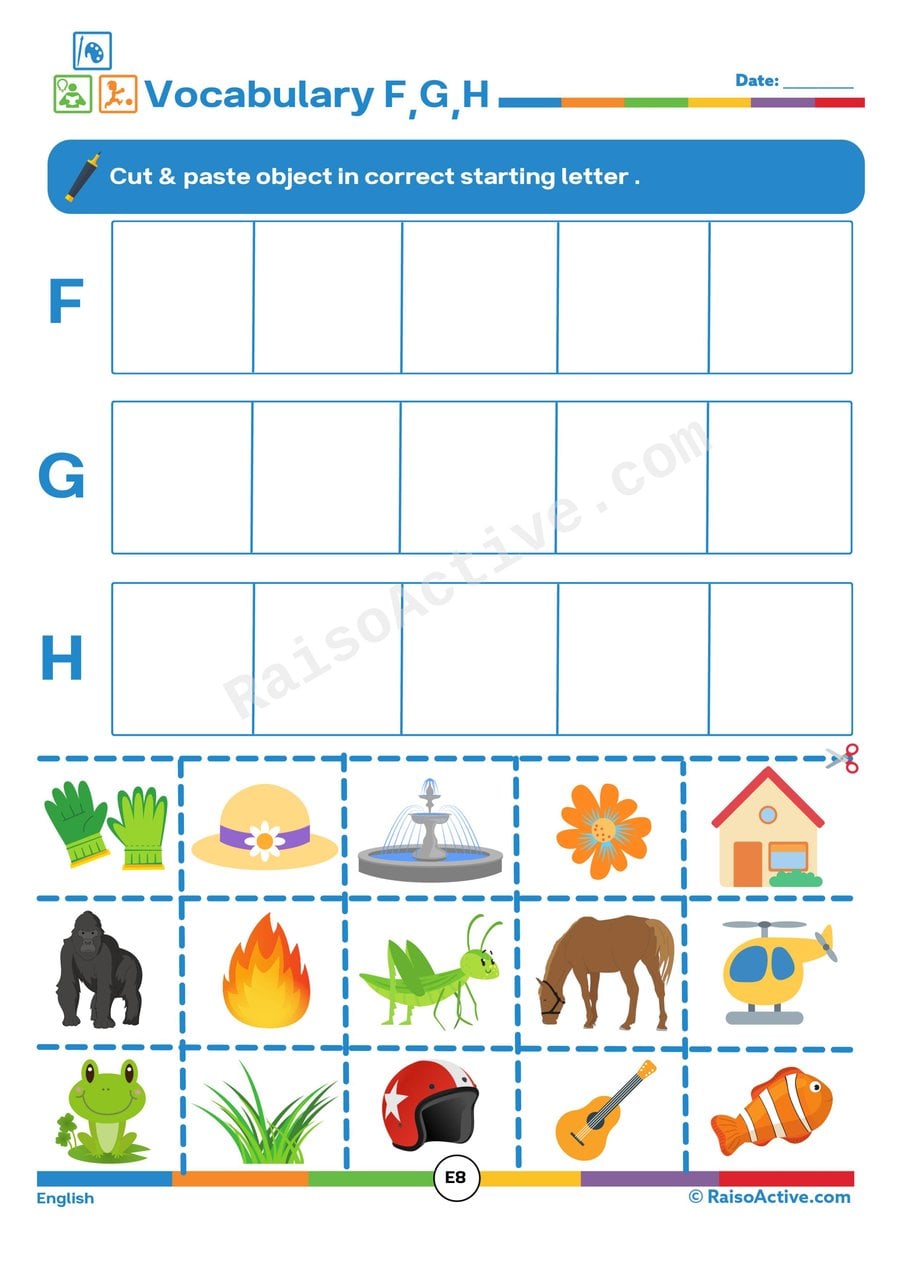
F, G, H Letter Sounds Cut and Paste Worksheet
Ages 4-5

Good Habits Worksheet for Kids: Circle the Correct Option!
Ages 3-5

Subtraction Fun: Count and Subtract with Cute Animals!
Ages 4-6

Rocket Shapes Cut and Glue Worksheet for Preschoolers
Ages 3-5

Roll and Cover Shapes Worksheet for Preschoolers
Ages 3-5
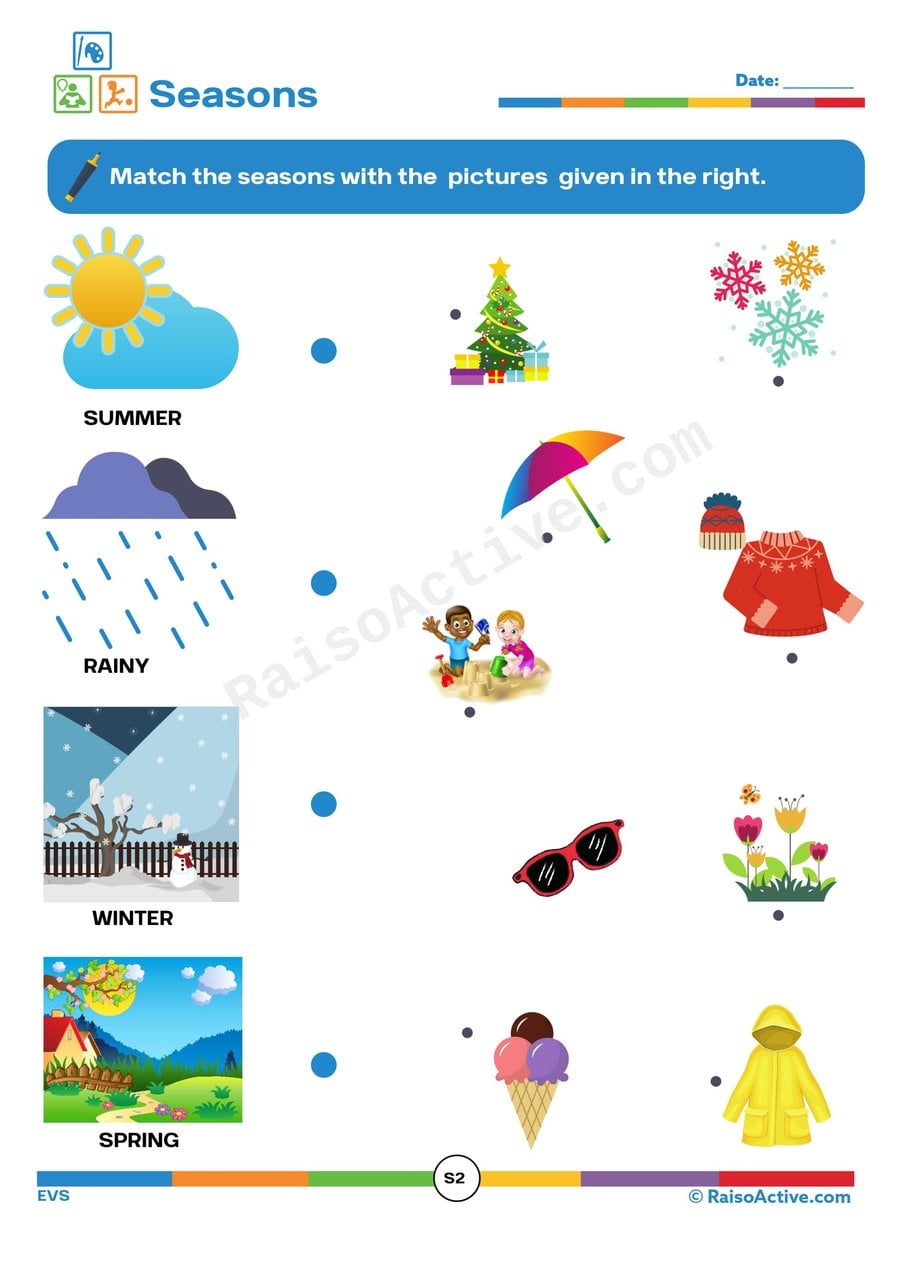
Seasons Matching Worksheet for Preschoolers
Ages 3-5

Read and Circle: Matching Sentences to Pictures Worksheet
Ages 4-5

Alphabet Adventures: 'A' and 'B' Picture Sorting Worksheet
Ages 4-5
Related worksheets

Skip Counting Adventure: Help Community Helpers! A Fun Math Worksheet
Ages 4-6

Skip Counting by 10 Worksheet: Fill in the Blanks!
Ages 4-5

Counting Ones Worksheet: Match and Fill in the Blanks!
Ages 4-6

Counting Fun: Count by 5 or 10 Worksheet for Preschoolers!
Ages 4-6
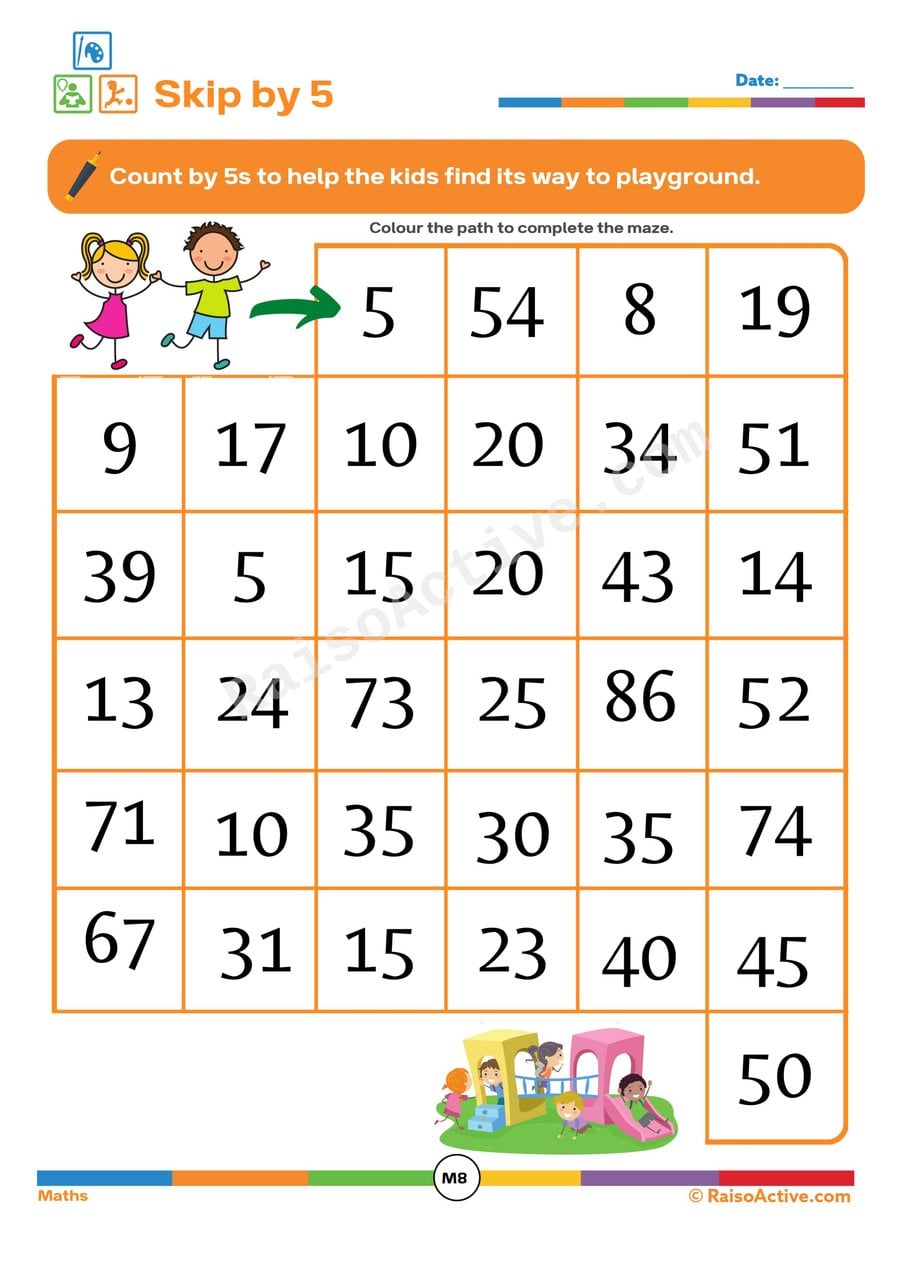
Skip Counting by 5: Maze Worksheet for Kids
Ages 4-6
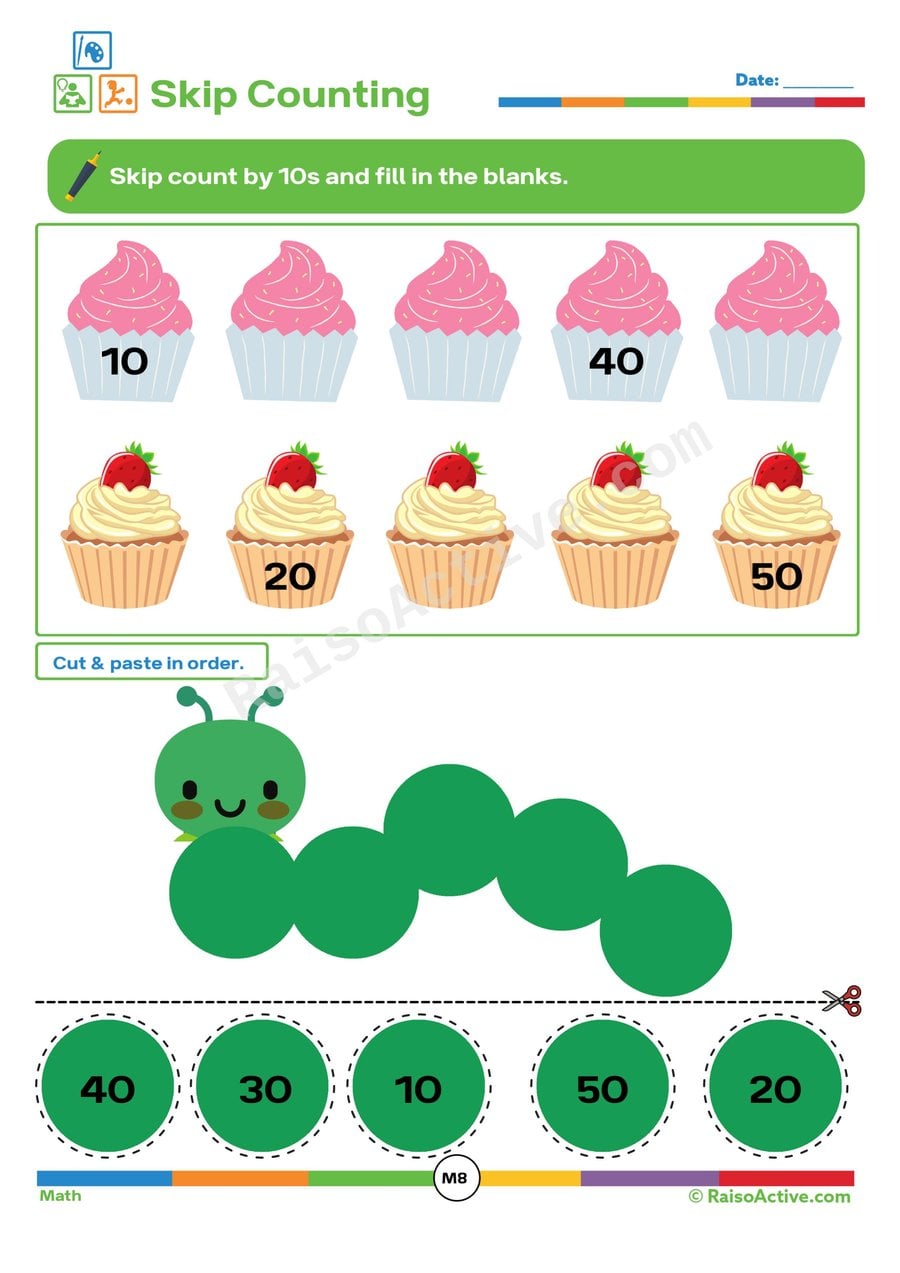
Skip Counting Cupcake Worksheet: Count by 10s!
Ages 4-5

Froggy Skip Counting Worksheet: Practice Number Patterns!
Ages 4-6
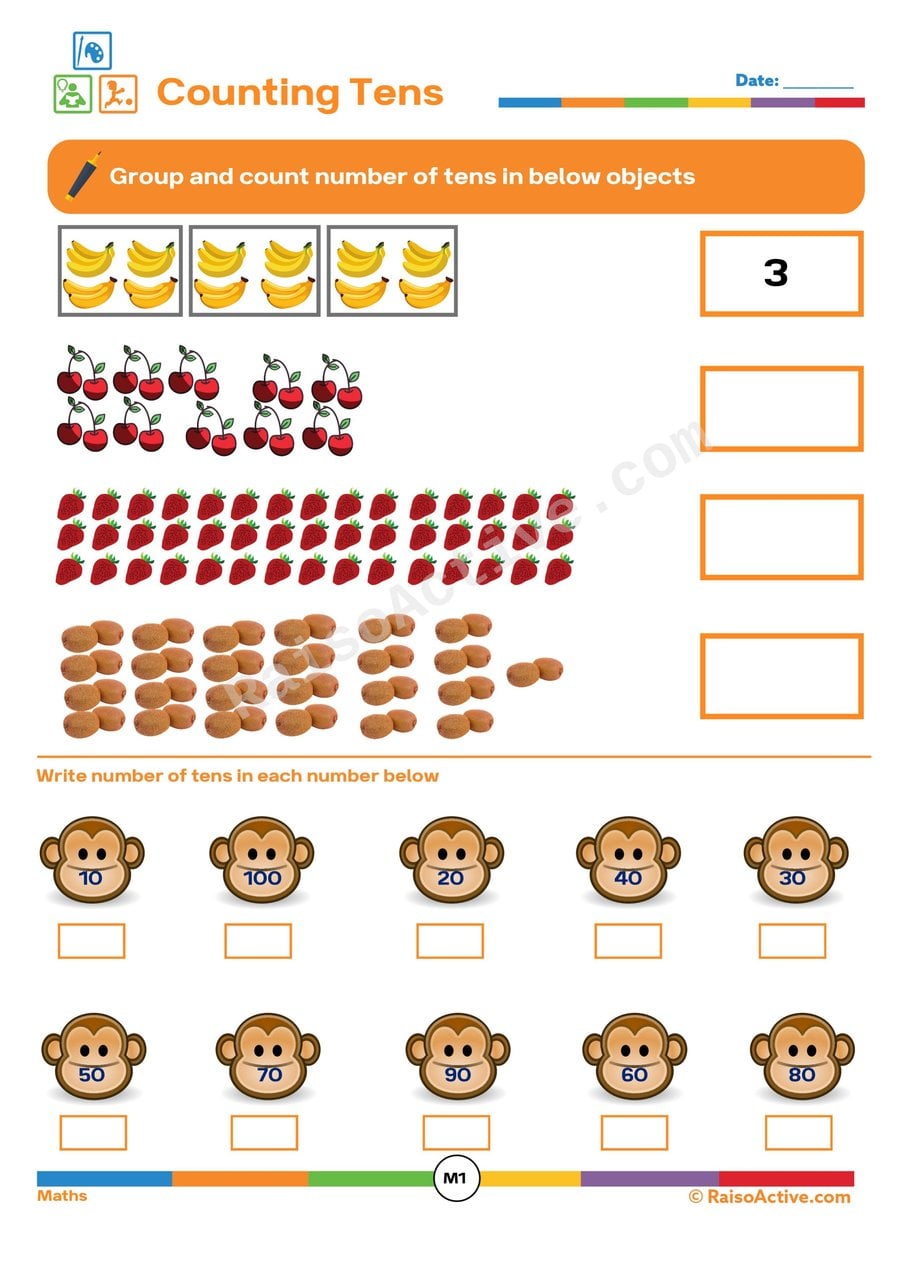
Counting Tens Worksheet: Group and Count!
Ages 4-6
Guides for this topic

Number Formation Rhymes 0–9 and How to Fix Reversals
Original number formation rhymes for 0–9, the correct stroke order for each digit, why 3, 5 and 7 get reversed most often, and multisensory fixes that work.

Christmas and Winter Activities That Combine Fun and Learning: Creating Magical Educational Experiences
Discover Christmas and winter activities that combine festive fun with real learning. Crafts, counting, literacy, and printable worksheets for ages 2 to 8 — perfect for home and school.
Age-Appropriate Halloween Learning Activities: Balancing Spooks and Skills for Young Learners
Discover fun, age-appropriate Halloween learning activities for young children. Spooky crafts, counting games, literacy ideas, and printable worksheets for ages 2 to 8.
Reviews
Every worksheet for ages 4–6, no watermark
Members download the full library of 1,000+ worksheets and every activity pack without watermarks or daily limits. One year costs ₹999 in India or $20 elsewhere.
See membership plansOr download any worksheet free with a watermark (5 a day).