Free printable worksheets · United Kingdom
Year 1 Letter Tracing Worksheets (Ages 5–6)
Year 1 letter tracing worksheets are practice sheets for children aged 5–6 in Year 1 in the UK. Letter tracing is following the dotted outline of a printed letter with a pencil, in the correct stroke order, to learn how it is formed. The sheets on this page cover uppercase letter formation, lowercase letter formation, starting points and stroke direction and spacing between letters.
Year 1 opens the National Curriculum proper: daily phonics moves through Phases 3 to 5, written number sentences replace counted objects, and the phonics screening check in June asks each child to read forty words, some of them invented, to confirm they can decode reliably. Five-year-olds finish tracing the lowercase alphabet and start moving off the dotted guide letter by letter. A worksheet should trace each lowercase letter on two-line or four-line paper so height becomes part of the task, tall letters reaching the top line and small letters staying between the middle two. Once a letter has been traced correctly several times, the next row asks for a copy beside the model instead, with no dots at all.
579+ worksheets · free PDF download · print on A4 or Letter
Year 1 Letter Tracing Worksheets to print
Browse all worksheets for ages 5–6
Sun Safety Worksheet for Kids: Learn About Staying Safe in the Sun!
This worksheet has children ages 4-7 answer questions about sun safety, such as why sunscreen and hats matter, building early health literacy alongside writing practice as they put their understanding into their own words. Because the questions ask children to reason about why certain sun-safety habits matter rather than just label a picture, this worksheet develops early explanatory thinking, a step up from simple factual recall. Practicing writing full answers, even short ones, also builds sentence-forming skills appropriate for this age range.
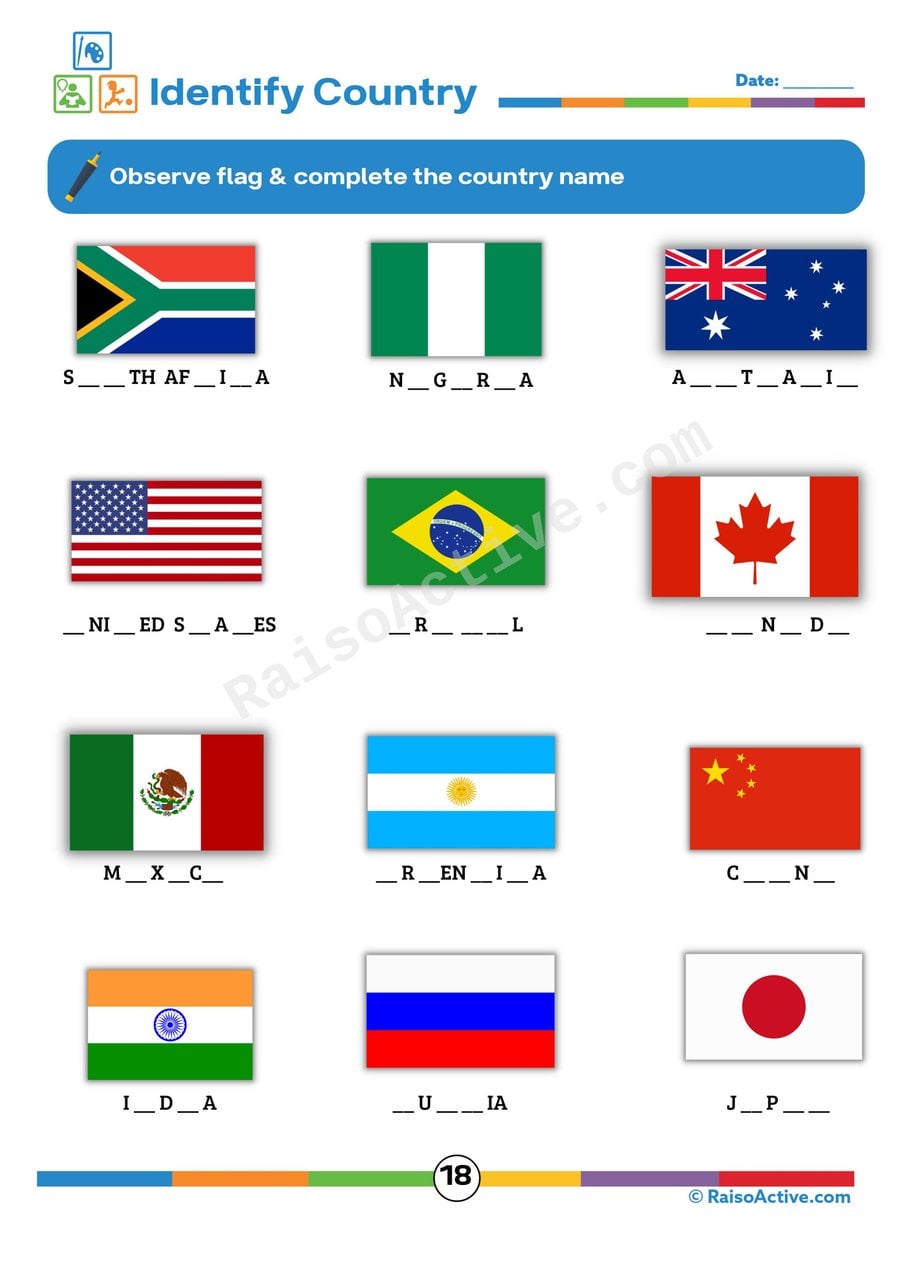
Identify the Country: Flag Matching Worksheet
Filling in the missing letters of each country's name while studying its flag gives children ages 4-7 practice with letter-sound correspondence and spelling patterns, since they must sound out the word and recall which letters are already provided as clues. It also builds early geography knowledge, helping children connect a visual symbol (the flag) to a country's name for the first time. This dual practice of decoding and world knowledge lays groundwork for both literacy and social studies skills.

Proper Noun Worksheet for Kids: Fill-in-the-Blanks and Identify!
This worksheet teaches children to tell the difference between a common noun and a proper noun, the specific, capitalized name of a particular person, place, or thing, which is foundational for both grammar and correct capitalization in their own writing. Ages four to six are at the right stage to start noticing that names like 'London' or 'Sara' get capital letters while general words like 'city' or 'girl' do not.
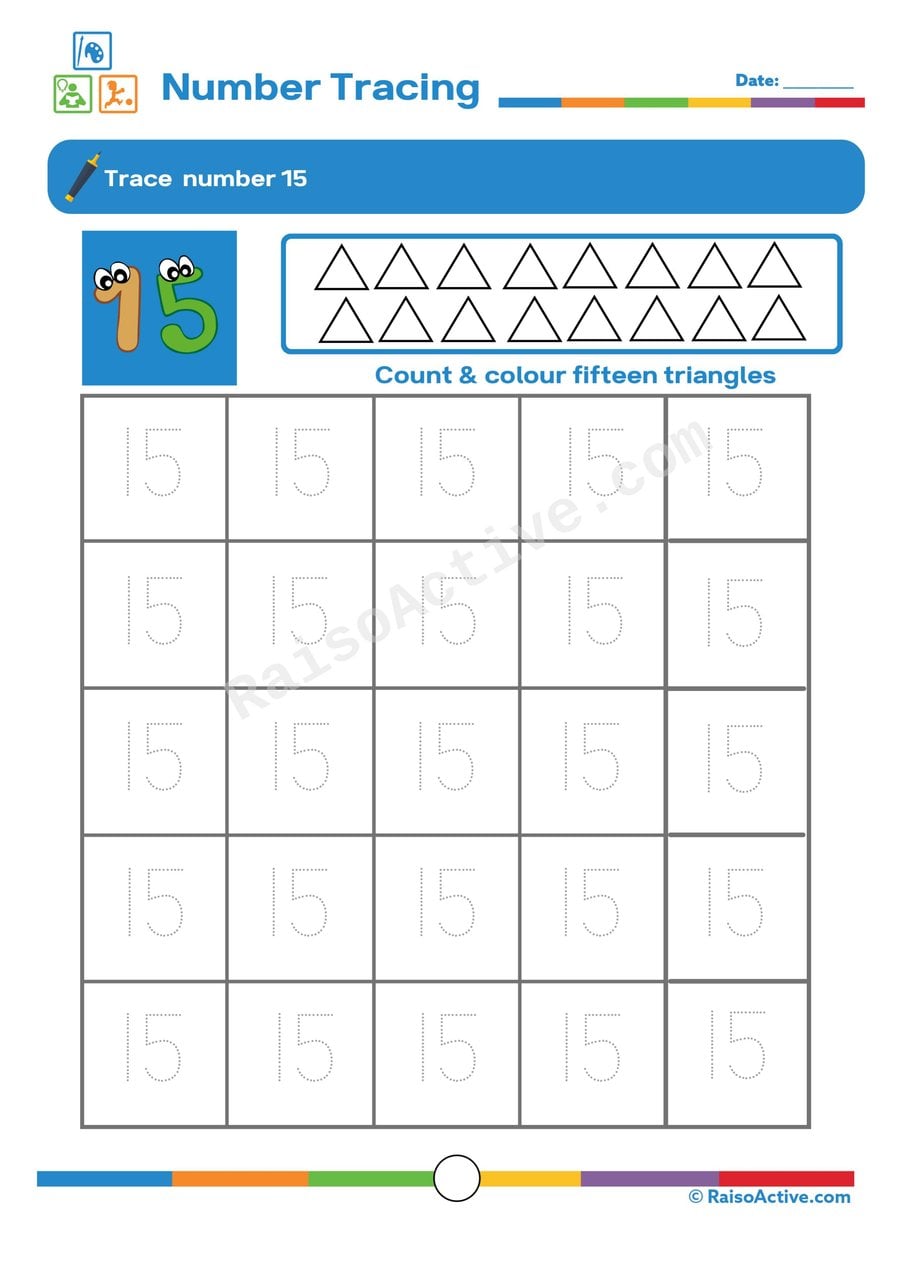
Number Tracing Worksheet: Trace and Count to 15!
This worksheet has children ages 4-6 trace the number 15 and then count and color a full set of fifteen triangles, extending their counting range further into the teens than many earlier worksheets. Counting all the way to fifteen requires children to keep track across a larger set without losing their place, building the working memory and sustained attention needed for extended counting. Introducing triangles instead of circles or balls also lets this worksheet quietly reinforce basic shape recognition alongside the counting task.

Long Vowel U Worksheet: Complete the Words and Match!
Rounding out the five long vowel sounds, this worksheet has children ages 4-6 complete words containing the long 'u' sound and then match each one to its picture, reinforcing both spelling recall and word meaning together. The long 'u' sound is often trickier than other long vowels since it can sound like 'oo' in some words and like 'yoo' in others, so focused, repeated practice really helps here. Completing this worksheet means your child will have now practiced identifying and spelling all five long vowel patterns, a major milestone in decoding independence.

Punctuation Adventure: End Punctuation Worksheet for Kids
Children ages 5-7 practice choosing between periods, question marks, and exclamation points based on the meaning and tone of a sentence, a skill that connects punctuation directly to how a sentence should sound when read aloud. This builds the foundation for expressive, correctly punctuated writing later in school.

Conjunctions Worksheet: Practice with 'and', 'but', 'so', and 'yet'
This worksheet introduces four common coordinating conjunctions, teaching children to notice how 'and,' 'but,' 'so,' and 'yet' each connect ideas differently, whether adding information, showing contrast, or indicating a result. For ages 4-6, this is an early step toward writing compound sentences and understanding that word choice changes the meaning and flow of a sentence.

Long Vowel 'i-igh' Worksheet: Circle and Write the Words!
The 'igh' spelling pattern (as in 'light' and 'night') is a less intuitive way to represent the long 'i' sound compared to the silent-e pattern, so this worksheet gives children ages 4-6 dedicated practice recognizing and writing words that use this specific, slightly trickier spelling. Identifying pictures with the 'igh' sound and then writing the matching word builds both auditory discrimination and spelling accuracy for a pattern that doesn't follow the more common rules children may have already learned. Since 'igh' words are common in early reading books, this focused practice pays off quickly in reading fluency.

Writing Numbers 11-16 Worksheet: Trace, Write & Count!
This worksheet moves children ages 4-6 beyond single-digit numbers, giving them structured practice tracing, writing, and counting the numbers 11 through 16. Working with two-digit numbers for the first time helps children understand place value informally, seeing that these numbers are built from a 'ten' plus more. The paired counting section connects each written number to a matching quantity of objects, reinforcing number meaning rather than just symbol recognition.

Spooky Vocabulary Worksheet: Fill in the Missing Letters!
This worksheet has children ages 4-6 look at a Halloween picture and fill in the missing letters of its matching word, building phonics skills and reinforcing correct spelling patterns for seasonal vocabulary. Because only some letters are missing rather than the whole word, children practice using partial information and sound-based reasoning to complete each word correctly.

Simple Sentences Worksheet: Rewriting Sentences for Early Readers
Children ages 4-6 practice sentence construction by rearranging scrambled words into a grammatically correct, meaningful sentence, building an understanding of proper word order in English. This hands-on rearranging task teaches children to recognize where a sentence's subject, action, and details belong, a skill they'll use in all future writing.
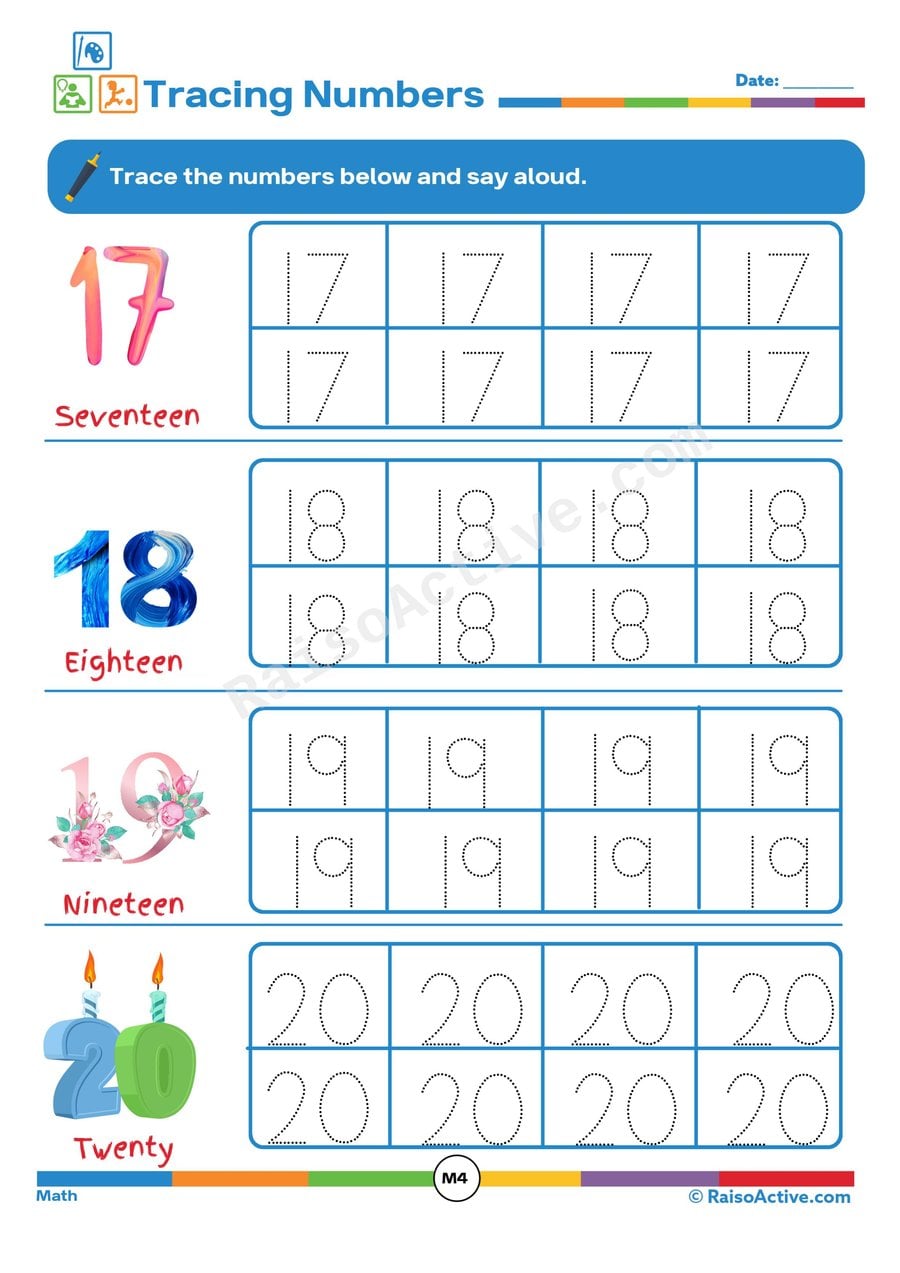
Trace and Learn Numbers 17-20 Worksheet
This tracing worksheet helps children ages 4-6 build number-writing fluency and number-name recognition for 17 through 20, a range that's often trickier than smaller numbers because it involves two-digit sequencing and less familiar number words like 'seventeen' and 'nineteen'. Tracing the dotted numerals builds the fine motor control and muscle memory needed for independent number writing, while saying each number aloud reinforces the link between the written numeral and its spoken name. This range also sets up the transition into the twenties and beyond.

Plant Adaptation Worksheet for Kids: Matching Examples
This worksheet introduces 4-6 year olds to plant adaptations — the specific features that help plants survive in their environment, like thick leaves that store water or thorns that deter animals — by having them match real plant examples to the correct type of adaptation and then write it in. This is a genuinely abstract science concept for this age group, since it requires connecting a visible feature to an invisible purpose (why does a cactus have thick, waxy skin?), making it more conceptually demanding than simple plant-part labeling.

Abbreviations Worksheet for Kids: Road, Doctor, and More!
This worksheet introduces children ages 4-6 to abbreviations like Rd. for Road and Dr. for Doctor, teaching them that a shortened form can stand in for a longer, familiar word. Recognizing abbreviations is an early vocabulary and reading skill children will meet constantly on street signs, envelopes, and forms.
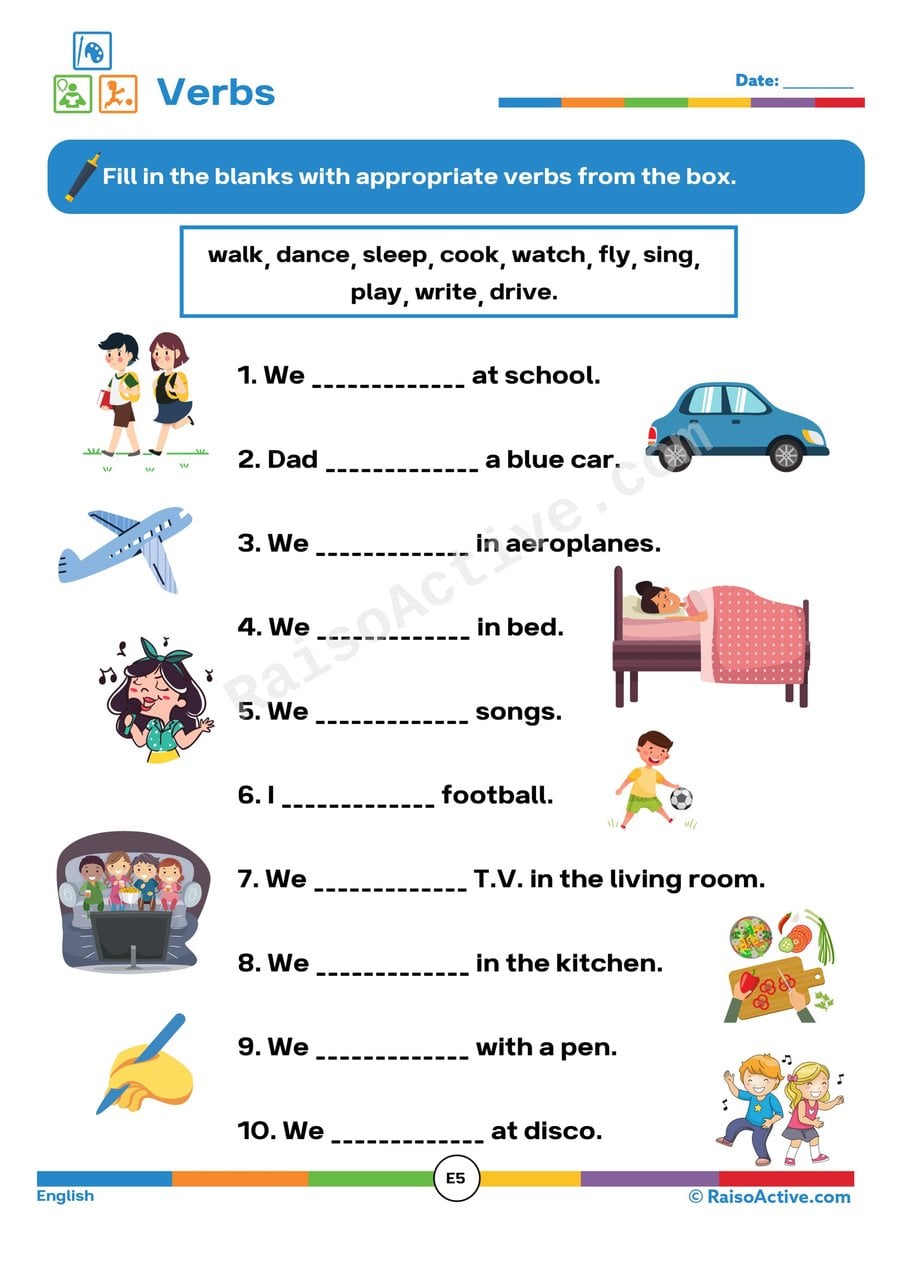
Action Verbs Worksheet: Fill in the Blanks!
This worksheet moves 4-6 year olds a step beyond matching verbs to pictures — now they have to read a full sentence, understand its meaning, choose the correct verb from a word box, and write it into the blank themselves. That combination of reading comprehension, vocabulary selection, and handwriting makes this noticeably more demanding than earlier action-word worksheets, and it's exactly the kind of sentence-completion task children will meet again in early elementary grammar lessons.

Ot Word Family Worksheet: Read, Trace, and Identify!
Reading, tracing, and identifying words from the 'ot' family — like pot, dot, and hot — helps children ages 4-6 see how changing the first letter of a word while keeping the same ending produces a whole new word, reinforcing the pattern-based phonics strategy known as word families. Tracing each word while reading it connects handwriting practice directly to reading practice, and identifying the matching picture afterward checks genuine comprehension rather than rote letter-sounding. Word family practice like this builds the foundation for decoding many more words independently later on.
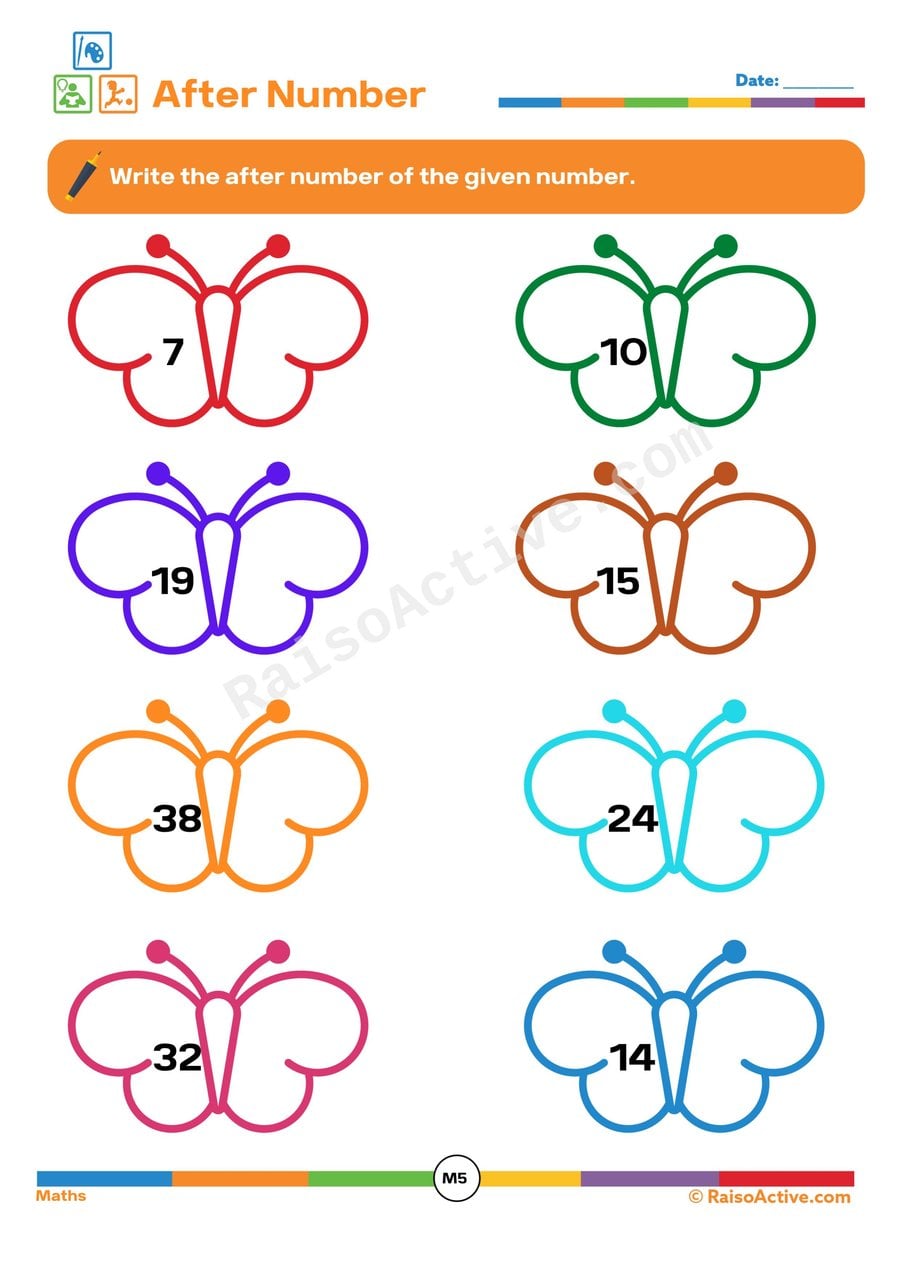
After Number Worksheet: Butterfly Fun!
This worksheet targets a specific early-numeracy milestone: understanding that every number has a number that comes immediately after it in sequence. For ages 4-6, practicing 'what comes next' strengthens the mental number line children rely on for later addition, since knowing that 7 comes after 6 is the foundation of counting on.

Blend Words Worksheet: Fill in the Blanks with Beginning Blends!
Similar to blend recognition but with an added layer of choice, this worksheet gives children ages 4-6 a bank of possible beginning blends to choose from as they complete each picture word, building both phonics recall and careful selection skills. Choosing the correct blend from several options requires your child to test each possibility mentally against the word they're trying to spell, which strengthens their ability to self-check and problem-solve rather than just guessing. This kind of active decision-making with phonics elements builds toward more independent spelling down the road.
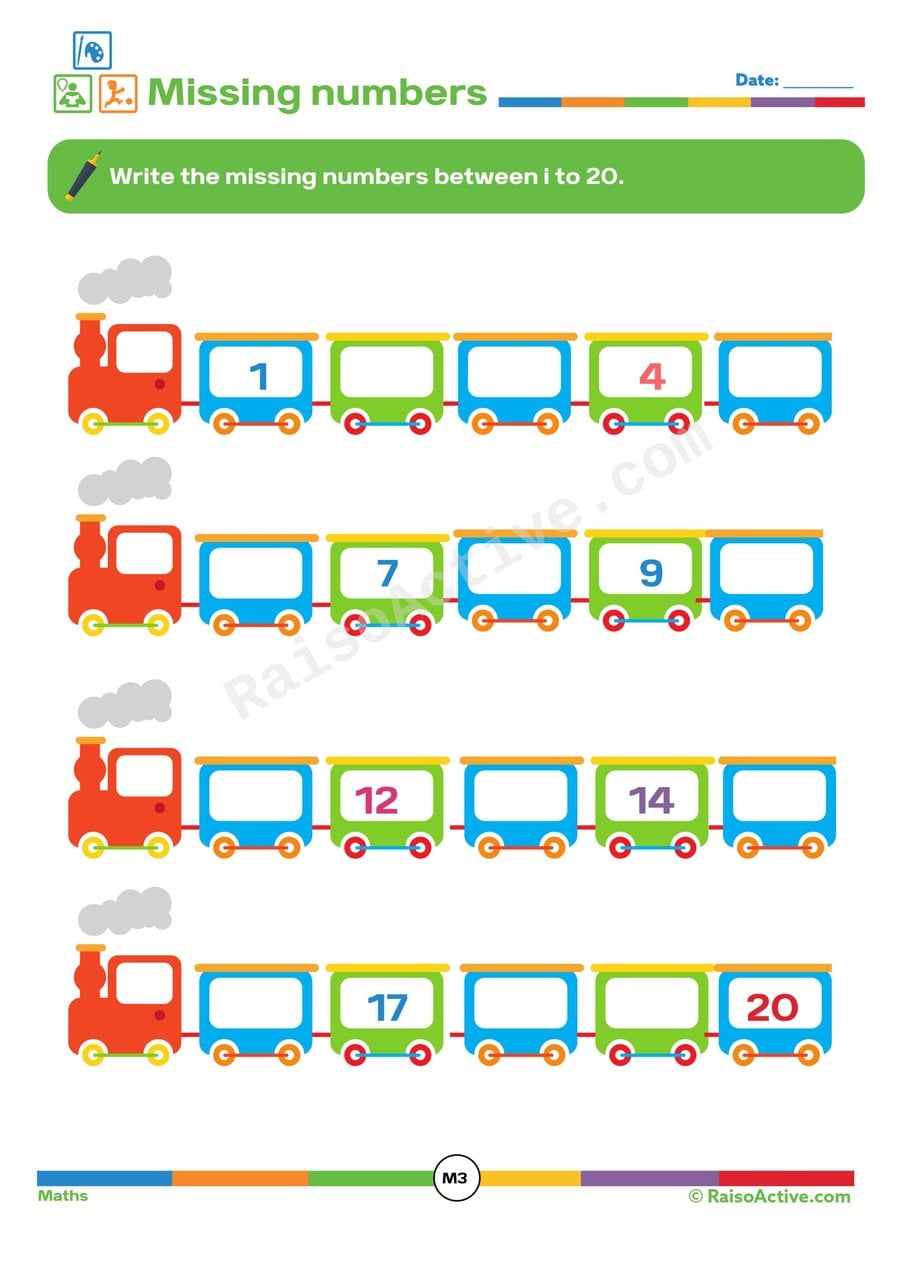
Missing Numbers Train Worksheet: Numbers 1-20
This worksheet helps children ages 4-6 practice number recognition and sequencing by filling in missing numbers on a train of cars that counts from 1 to 20, reinforcing that numbers follow a fixed, predictable order. Working with a range this large also builds the stamina and sustained counting skill needed before children move on to skip-counting and simple addition.

Identify the Countries! A Fun Flag Worksheet for Kids
This worksheet combines flag recognition with spelling practice as children ages 4-6 study each flag and use provided letters to complete the missing parts of its country's name. Working from a partially filled word bank also teaches children to use context and available clues to solve a problem, rather than needing to know the full spelling from memory.

Number Names Worksheet: Writing and Matching Numbers 41-50
Writing number names like 'forty-one' through 'fifty' next to their numerals helps children ages 4-6 connect the spoken word for a two-digit number to both its written word form and its digit form, deepening overall number sense in this specific range. This worksheet also revisits missing-number sequencing and color-coded boxes, reinforcing the same number range through several different, related tasks rather than one repetitive drill. Building fluency with number names in the 40s prepares children to confidently read numbers they encounter in daily life, from clocks to price tags.
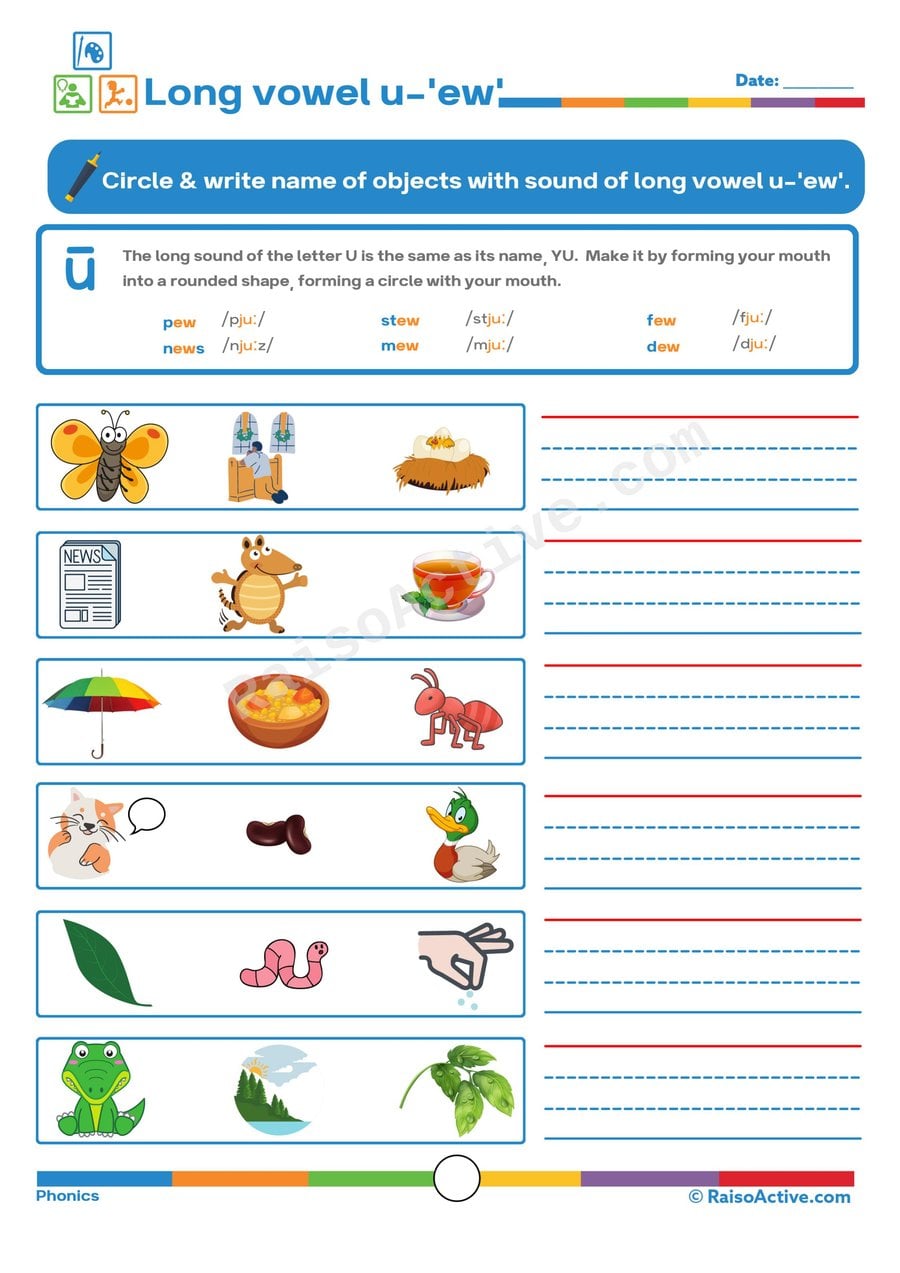
Long Vowel U 'ew' Worksheet: Circle and Write
This worksheet has children ages 4-6 identify pictures whose names contain the long 'u' sound spelled with the letters 'ew,' as in 'few' or 'new,' building awareness of this less common spelling pattern for a sound they may already recognize from simpler spellings. Circling the matching pictures practices listening skills, while writing the words afterward reinforces the specific 'ew' spelling through repeated handwriting. Focusing on a single spelling pattern like 'ew' helps children build pattern recognition they can apply to new, unfamiliar words later.

Sentence Detective: Simple, Compound, or Complex Sentences Worksheet for Kids
This worksheet introduces children to three different sentence structures, simple, compound, and complex, teaching them to notice how conjunctions and clause combinations change a sentence's complexity, a more advanced grammar concept appropriate for ages four to six who are already reading independently. Recognizing these structures also improves reading fluency, since children start to anticipate pauses and connections within longer sentences.

Fall Vocabulary Unscramble Worksheet for Preschoolers
This unscrambling activity asks children ages 4-6 to rearrange jumbled letters into correctly spelled fall vocabulary words, building letter-sound awareness and an early sense of correct spelling patterns. Because each word relates to a picture clue, children also practice connecting spoken vocabulary to its written form, a key step on the road to independent reading.
What Year 1 letter tracing worksheets cover
Five-year-olds finish tracing the lowercase alphabet and start moving off the dotted guide letter by letter. A worksheet should trace each lowercase letter on two-line or four-line paper so height becomes part of the task, tall letters reaching the top line and small letters staying between the middle two. Once a letter has been traced correctly several times, the next row asks for a copy beside the model instead, with no dots at all.
- Trace lowercase letters on two-line or four-line paper
- Keep tall letters reaching the top line, small letters lower
- Copy a well-practiced letter beside its model with no dots
- Trace and write a full first and last name
How to use these worksheets at home or in class
A decodable passage or word list most days, plus a short number bonds sheet, keeps pace with a Year 1 classroom. Fifteen minutes is a reasonable ceiling, and reading the passage twice in one sitting builds the fluency the screening check rewards.
Start with the sheet that matches what your child can already do, then move one step up. Keep finished sheets in a folder: Year 1 teachers often ask for evidence of practice, and children like seeing their own progress.
Is your child ready for Year 1 letter tracing work?
Entering this stage, a child should blend most Phase 3 sounds into words, write a few letters correctly formed, count reliably to twenty, and sit through a short table task without needing constant redirection.
Frequently asked questions
My five-year-old traces letters neatly but writes them wrong unaided. What helps?
That gap closes with a middle step between tracing and free writing: cover the traced letter, show the model beside an empty box, and ask for a copy rather than a trace. Once copies are consistently correct, remove the model too and just say the letter's name. Going straight from tracing to unaided writing skips the stage where the hand practices the shape without the dots doing the steering, which is usually where the error creeps back in.
What should a Year 1 child be able to do in letter tracing?
Five-year-olds finish tracing the lowercase alphabet and start moving off the dotted guide letter by letter. A worksheet should trace each lowercase letter on two-line or four-line paper so height becomes part of the task, tall letters reaching the top line and small letters staying between the middle two. Once a letter has been traced correctly several times, the next row asks for a copy beside the model instead, with no dots at all. Entering this stage, a child should blend most Phase 3 sounds into words, write a few letters correctly formed, count reliably to twenty, and sit through a short table task without needing constant redirection.
Do these worksheets follow the Year 1 curriculum?
The sheets cover uppercase letter formation, lowercase letter formation, starting points and stroke direction and spacing between letters, which sit inside the National Curriculum KS1 (Year 1); Letters and Sounds Phase 3–5 outcomes for Year 1. Kindergarten / 1st Grade (US), UKG (India) use the same skills at this age, so the sheets also fit families following those programmes.
Are these Year 1 letter tracing worksheets free?
Yes. Each worksheet downloads free as a watermarked PDF once you create an account, with a limit of five a day. An annual membership ($20) removes the watermark and the limit for the whole library of over 1,000 worksheets and every printable pack.

Written by
Hemsweta Jain · Teacher Cheena
MBA and Early Childhood Educator, teaching since 2014 · Founder of RaisoActive, Mumbai
Written and reviewed by Hemsweta Jain (Teacher Cheena), who designs every RaisoActive worksheet.
Last reviewed
Printable packs for ages 5–6
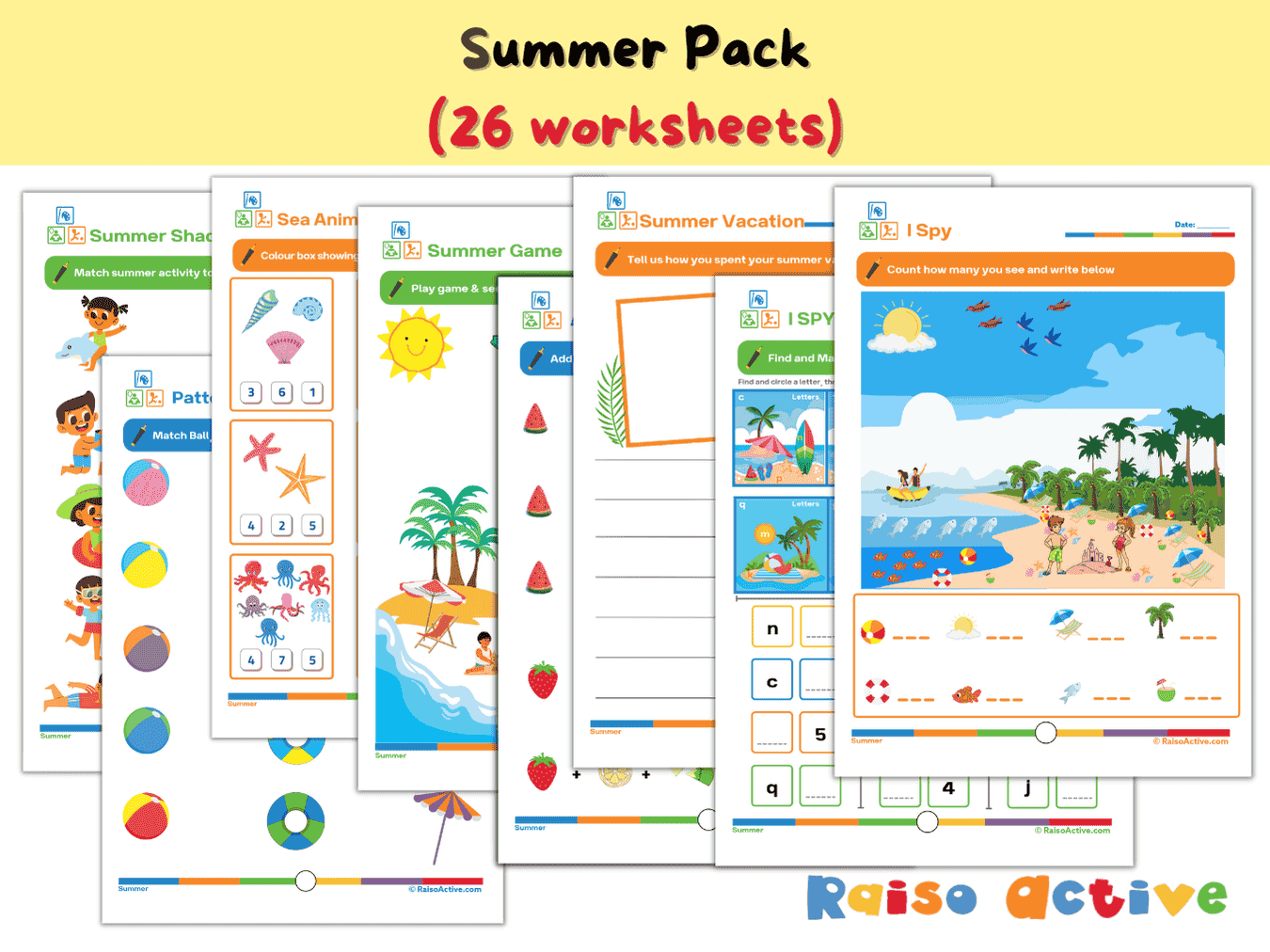
Summer Activity Pack: Math, Literacy, Puzzles & More for Preschool & Kindergarten
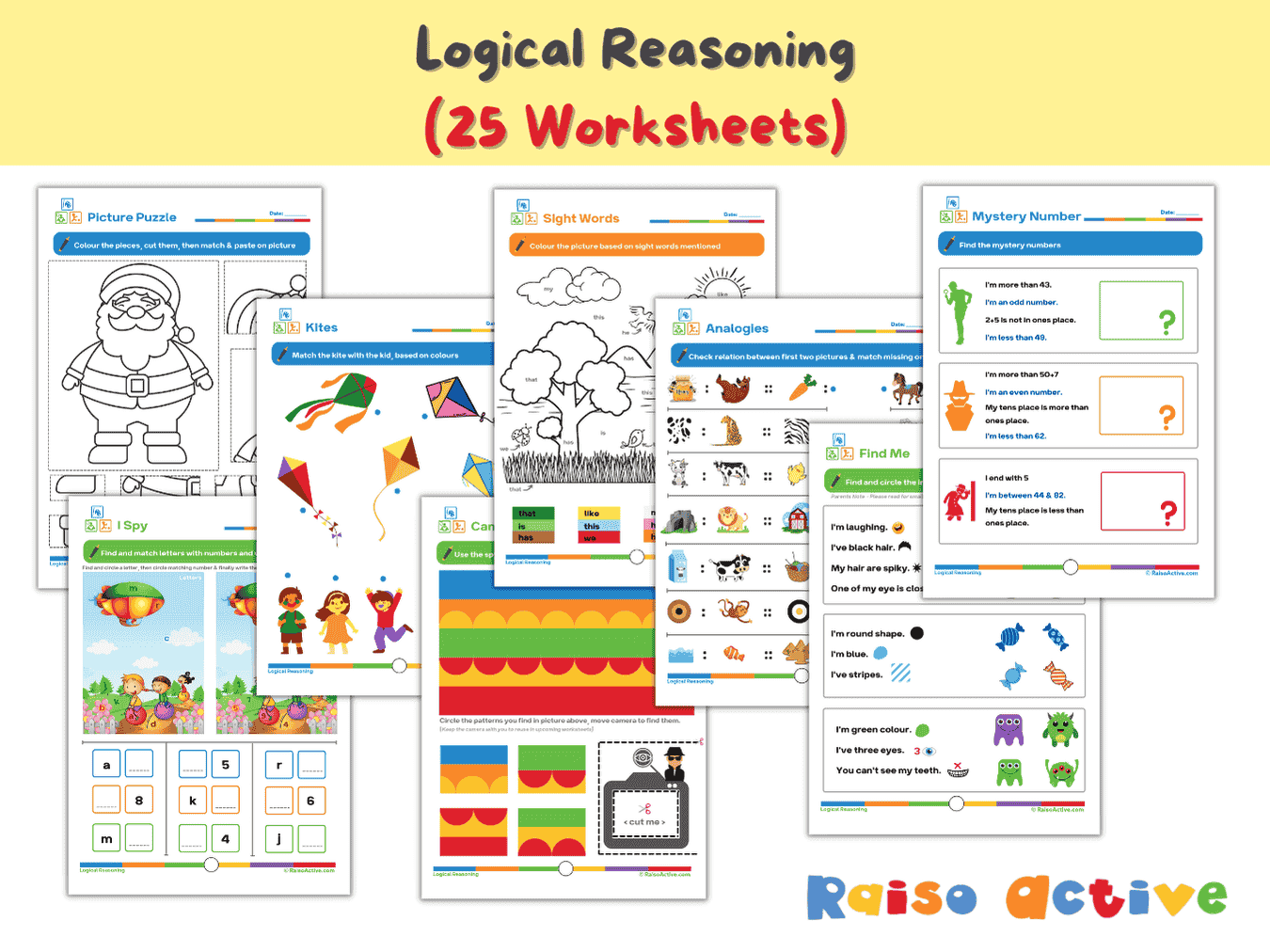
Logical Reasoning Activity Book for Preschool & Kindergarten | Patterns, Puzzles & Analogies
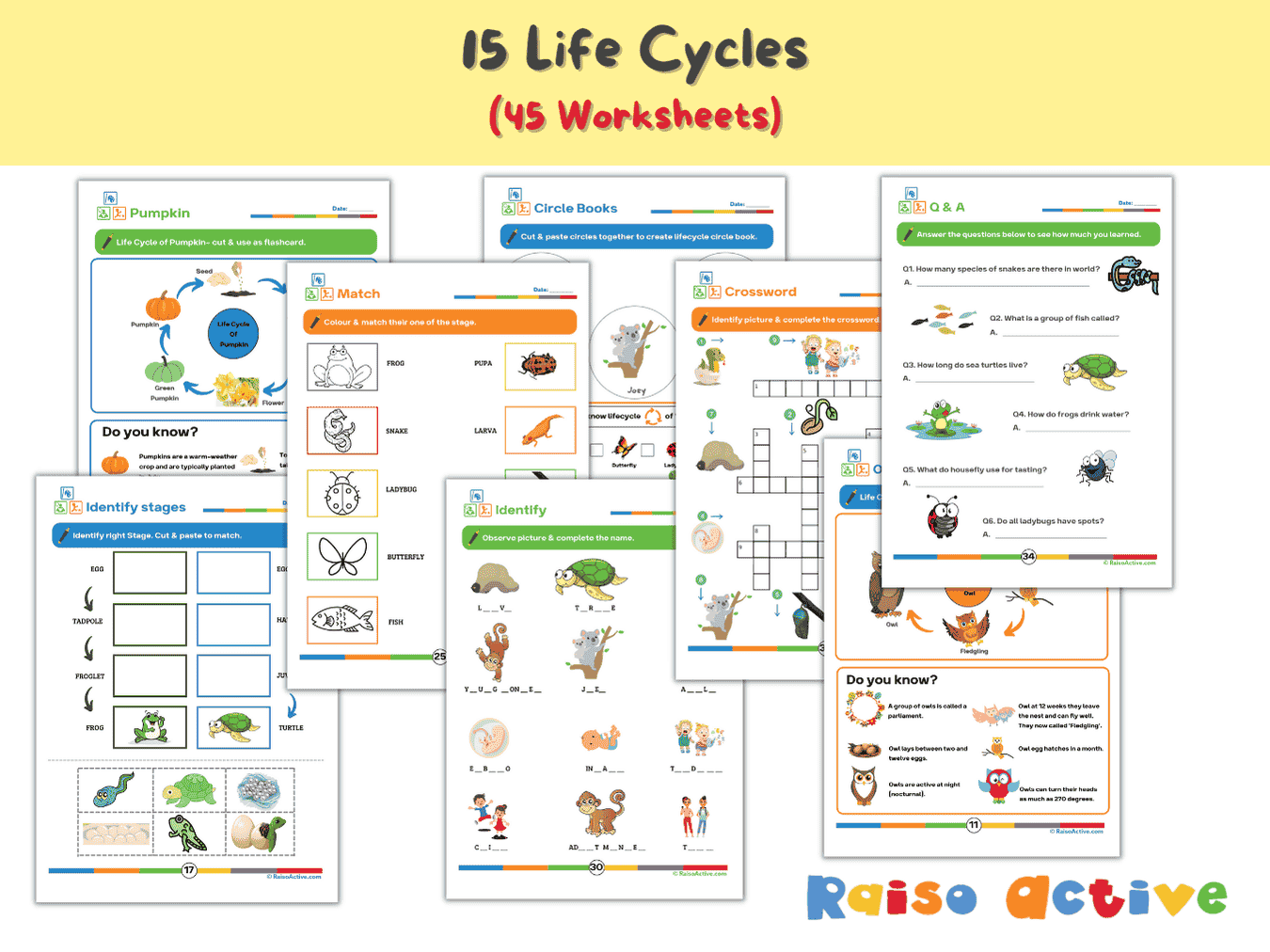
Lifecycles Activity Book & Flashcards for Preschool & Early Elementary
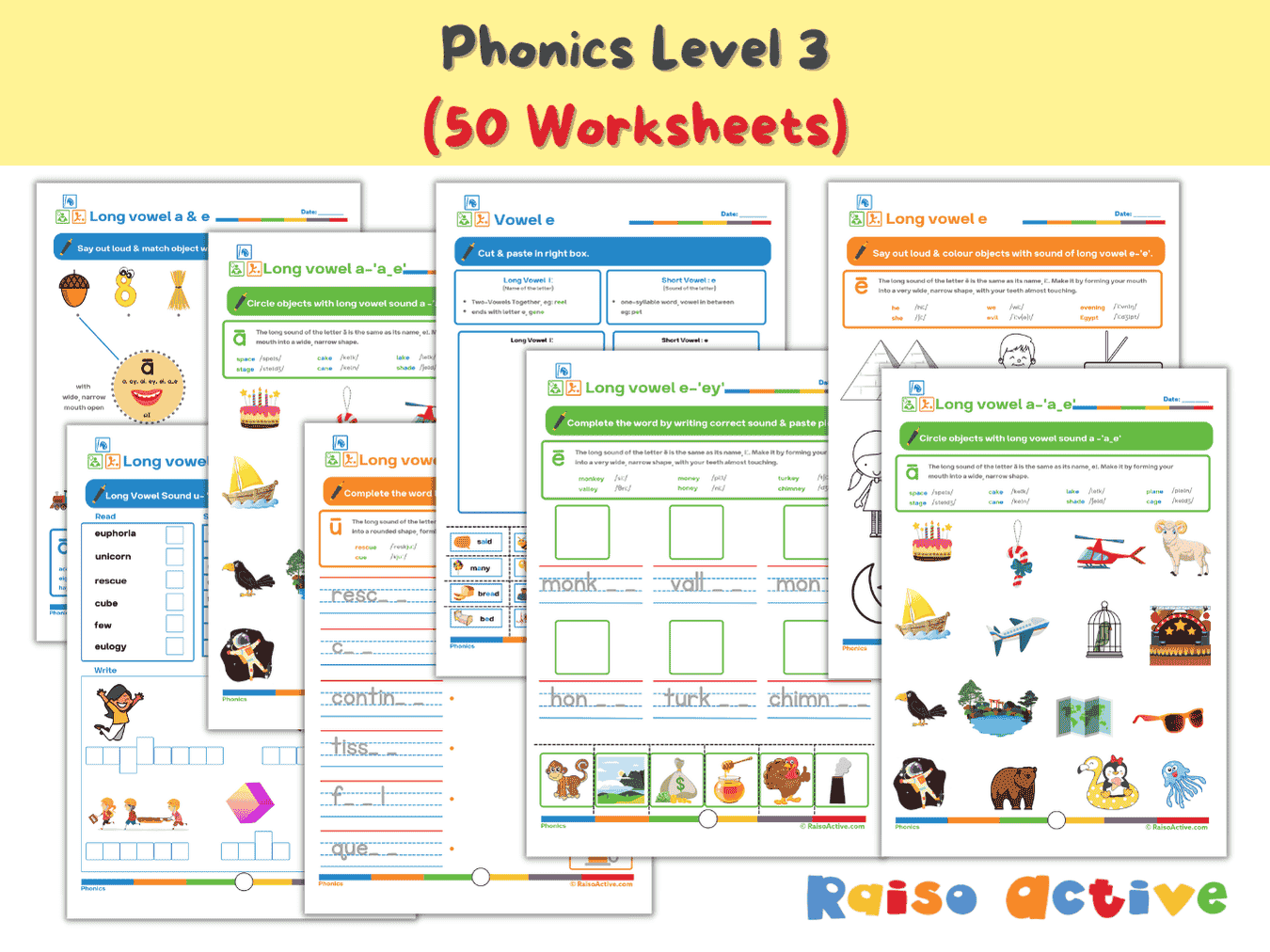
Phonics Level 3 Long Vowels Activity Book for Kindergarten & 1st Grade
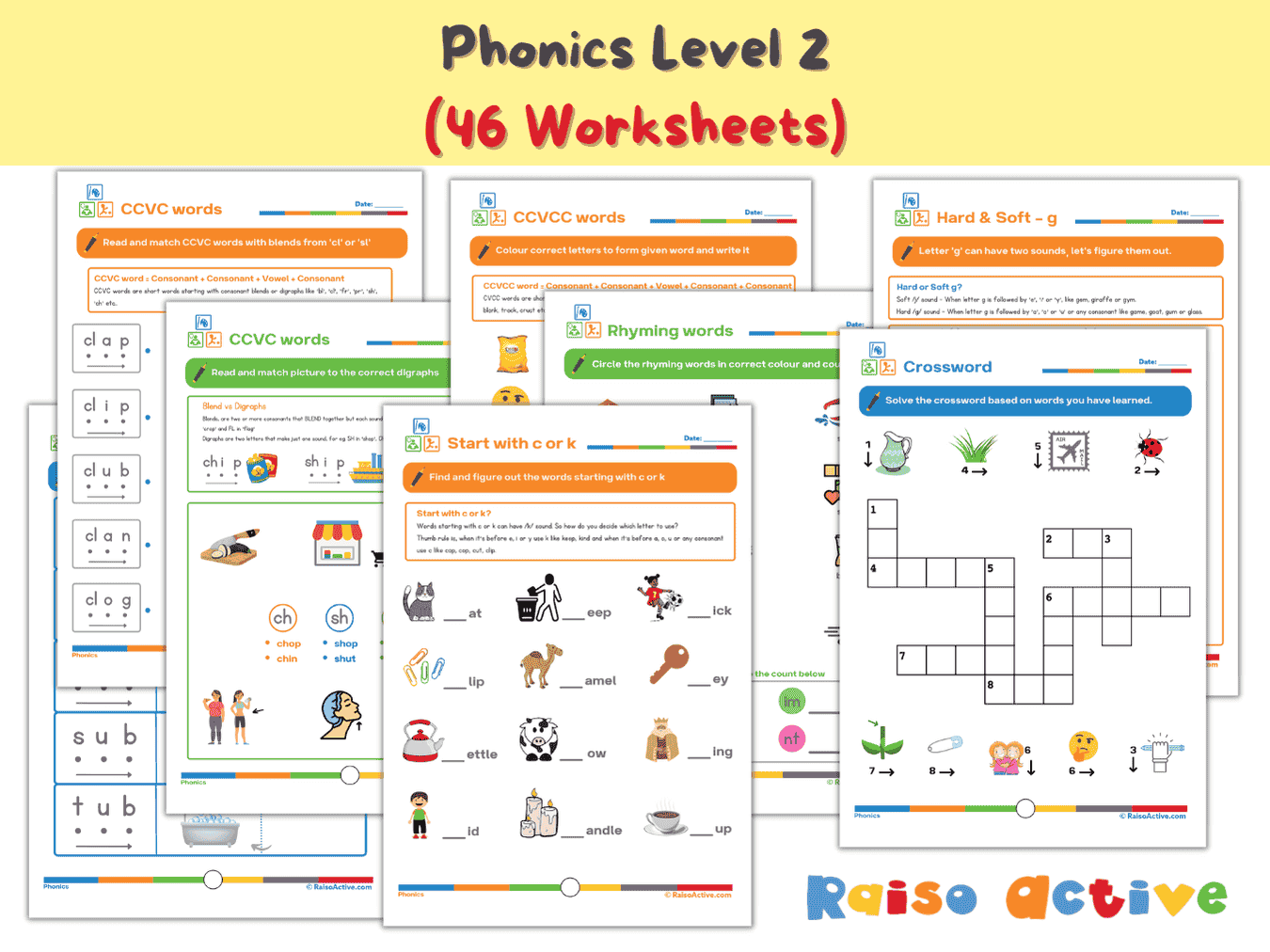
Phonics Level 2 Worksheets: CVC, CCVC, CVCC Word Families & Blends for Early Readers (Ages 4-7)
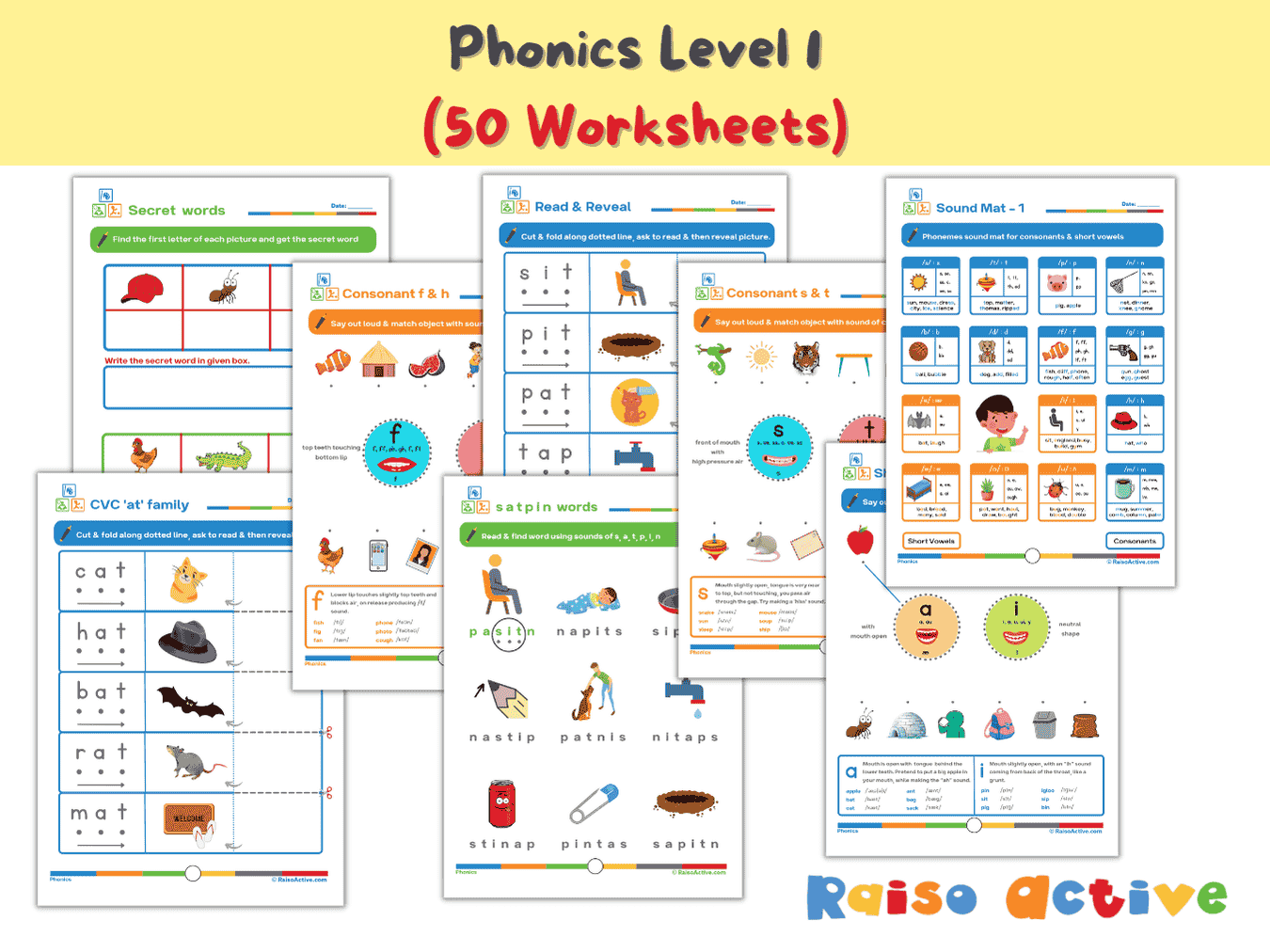
Phonics Level 1 Activity Book: Letter Sounds, Blending & CVC Words for Preschool & Kindergarten
Guides for parents and teachers
See all guides →Number Formation Rhymes 0–9 and How to Fix Reversals
Original number formation rhymes for 0–9, the correct stroke order for each digit, why 3, 5 and 7 get reversed most often, and multisensory fixes that work.
Pre-Writing Strokes in Order: From Standing Lines to Loops (With Printable Patterns)
The developmental order of pre-writing strokes, from vertical lines to loops, and why practicing them in sequence makes letter formation much easier to learn.
Kindergarten Readiness Checklist: 25 Skills to Practice Before the First Day
A kindergarten readiness checklist of 25 literacy, math, motor, self-regulation and self-help skills, with an 8-week summer plan and notes on when not to worry.
Best Worksheets for 3-Year-Olds: What Works and What to Avoid
What works on worksheets for 3-year-olds: short sessions, crayons, tracing lines, matching, cutting, a free weekly plan, and signs one is too advanced.
Reception Year Explained: EYFS Learning and How to Help at Home
A teacher's plain-English guide to the Reception Year: the seven areas of learning, Early Learning Goals, Phase 2/3 phonics, the RBA and home routines.
What Should a 4-Year-Old Know Before LKG? A Readiness Checklist
A calm, teacher-written LKG readiness checklist for 4-year-olds: language, pattern writing, numbers to 10, self-help and social skills, plus a 6-week plan.
Canonical: https://raisoactive.com/worksheets/year-1-letter-tracing