Free printable worksheets · United Kingdom
KS1 Letter Tracing Worksheets (Ages 5–7)
KS1 letter tracing worksheets are practice sheets for children aged 5–7 in Key Stage 1 (Years 1–2) in the UK. Letter tracing is following the dotted outline of a printed letter with a pencil, in the correct stroke order, to learn how it is formed. The sheets on this page cover uppercase letter formation, lowercase letter formation, starting points and stroke direction and spacing between letters.
Key Stage 1 covers Years 1 and 2 together, the stretch in which a child becomes an independent reader and writer while moving from counting to calculating. Year 1 work centres on phonics and the screening check; Year 2 shifts towards spelling patterns, longer writing and mental arithmetic with two-digit numbers. Five-year-olds finish tracing the lowercase alphabet and start moving off the dotted guide letter by letter. A worksheet should trace each lowercase letter on two-line or four-line paper so height becomes part of the task, tall letters reaching the top line and small letters staying between the middle two. Once a letter has been traced correctly several times, the next row asks for a copy beside the model instead, with no dots at all.
579+ worksheets · free PDF download · print on A4 or Letter
KS1 Letter Tracing Worksheets to print
Browse all worksheets for ages 5–7
Punctuation Adventure: End Punctuation Worksheet for Kids
Children ages 5-7 practice choosing between periods, question marks, and exclamation points based on the meaning and tone of a sentence, a skill that connects punctuation directly to how a sentence should sound when read aloud. This builds the foundation for expressive, correctly punctuated writing later in school.

Sun Safety Worksheet for Kids: Learn About Staying Safe in the Sun!
This worksheet has children ages 4-7 answer questions about sun safety, such as why sunscreen and hats matter, building early health literacy alongside writing practice as they put their understanding into their own words. Because the questions ask children to reason about why certain sun-safety habits matter rather than just label a picture, this worksheet develops early explanatory thinking, a step up from simple factual recall. Practicing writing full answers, even short ones, also builds sentence-forming skills appropriate for this age range.
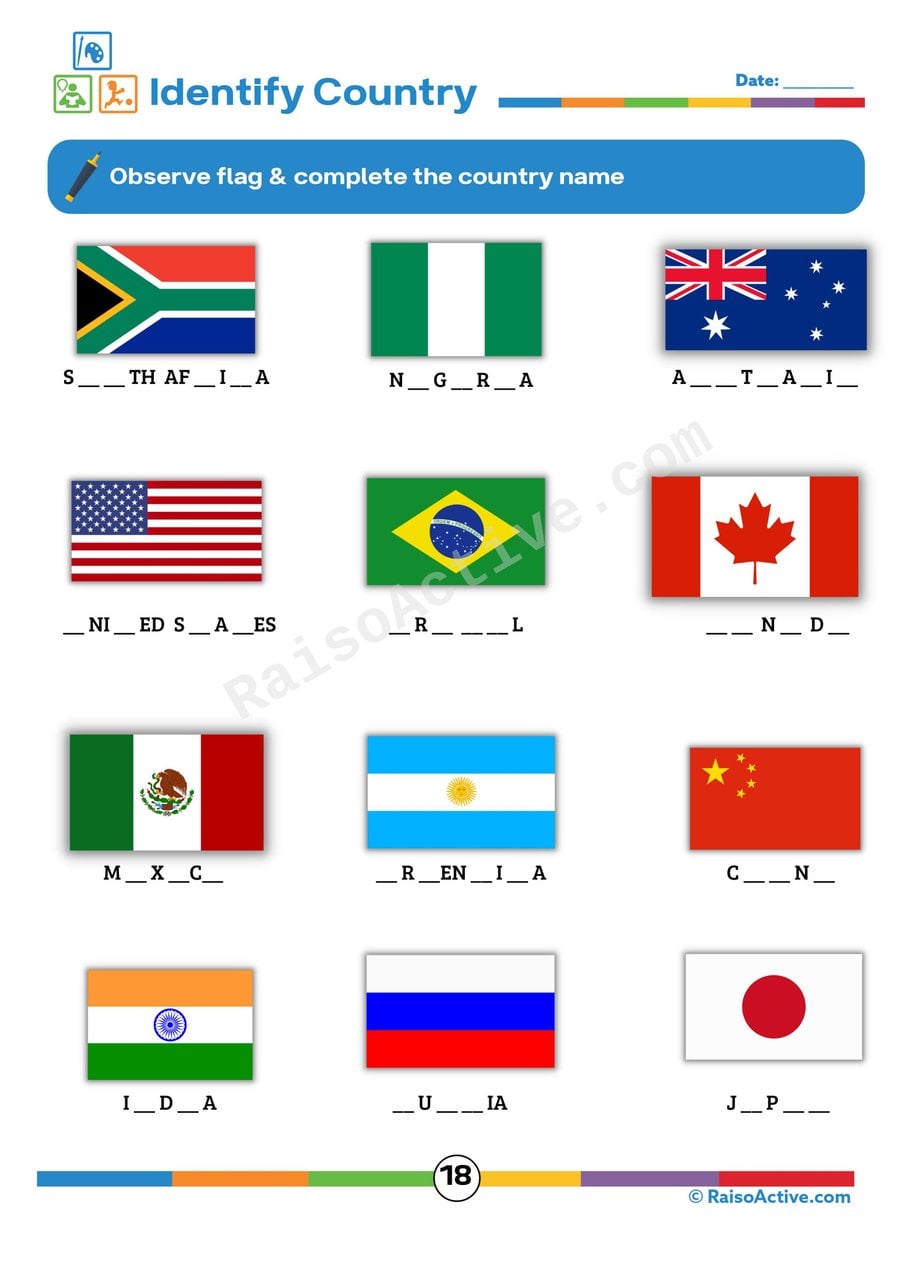
Identify the Country: Flag Matching Worksheet
Filling in the missing letters of each country's name while studying its flag gives children ages 4-7 practice with letter-sound correspondence and spelling patterns, since they must sound out the word and recall which letters are already provided as clues. It also builds early geography knowledge, helping children connect a visual symbol (the flag) to a country's name for the first time. This dual practice of decoding and world knowledge lays groundwork for both literacy and social studies skills.

Blend Words Worksheet: Practice Blending Sounds with Pictures!
This worksheet has children ages 4-6 practice blending two consonant sounds together at the start of a word by looking at a picture, saying the word, and writing in the missing blend to complete it. Unlike simply reading a finished blend word, this fill-in-the-blank format requires your child to actively recall which two letters combine to make the sound they hear, a more demanding skill than recognition alone. Strengthening blend spelling this way builds the foundation needed for more complex multisyllable words later in reading development.

Capitalization Worksheet: Practice Writing Sentences Correctly!
This worksheet teaches children ages 4-6 the rule that sentences begin with a capital letter, along with an introduction to capitalizing proper nouns like names and places. Rewriting sentences correctly, rather than just circling errors, gives children active practice applying the capitalization rule themselves, which builds the habit more effectively than passive correction exercises.

Pronoun Power: Complete the Sentences Worksheet for Kids
This worksheet gives children ages 4-6 practice choosing the correct pronoun — like 'he', 'she', 'it', or 'they' — to complete simple sentences, reinforcing an early grammar skill that makes spoken and written language flow more naturally. Learning to replace a repeated noun with the right pronoun is a subtle but important step toward writing sentences that sound natural rather than repetitive.
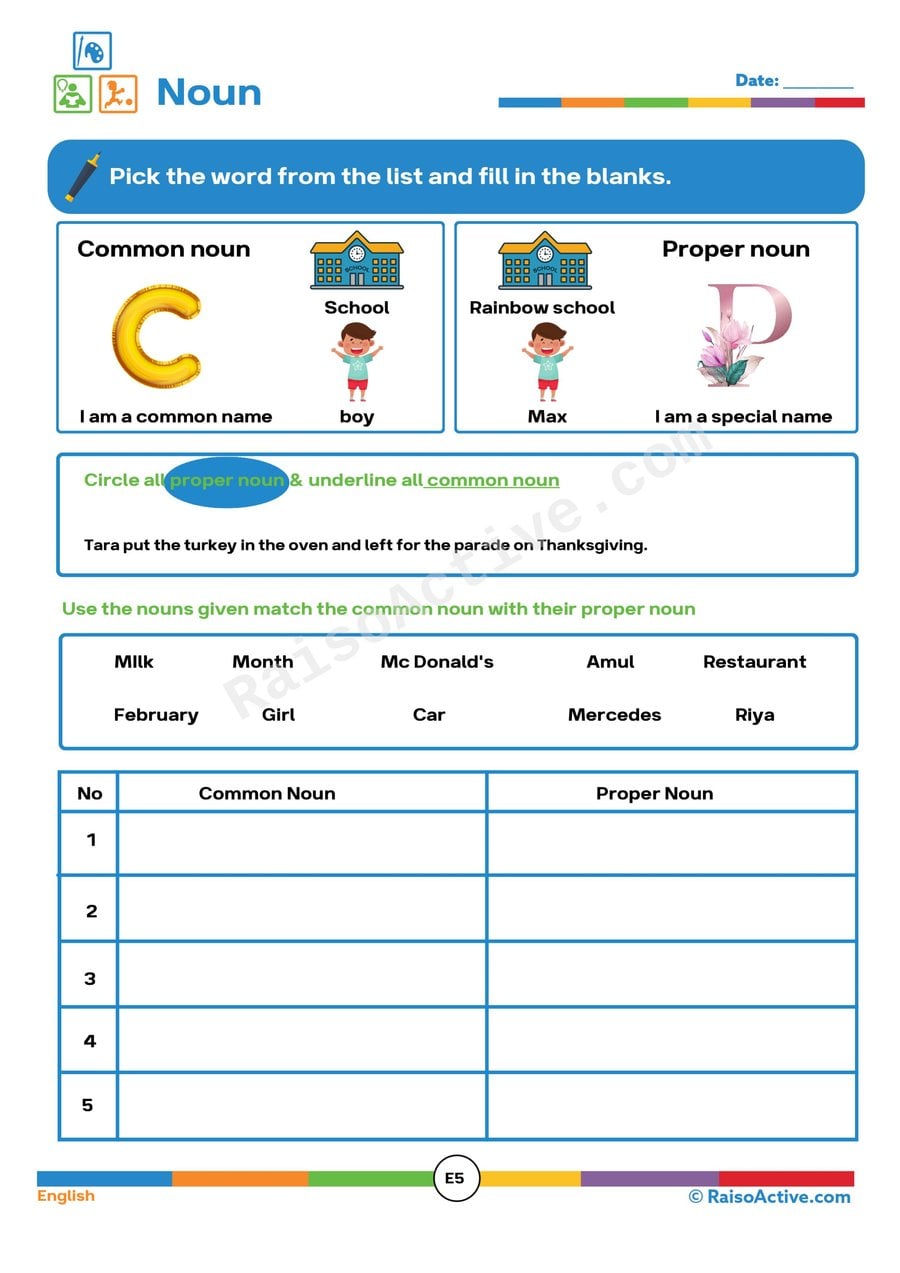
Common and Proper Nouns Worksheet for Kids
This worksheet introduces children ages 4-6 to the grammar concept of common nouns (general words like city or dog) versus proper nouns (specific names like Mumbai or Rex), building an early foundation for capitalization rules and sentence structure. Learning to tell the two apart also sharpens attention to detail, since proper nouns are marked by capital letters that common nouns don't use.

Abbreviations Worksheet for Kids: Road, Doctor, and More!
This worksheet introduces children ages 4-6 to abbreviations like Rd. for Road and Dr. for Doctor, teaching them that a shortened form can stand in for a longer, familiar word. Recognizing abbreviations is an early vocabulary and reading skill children will meet constantly on street signs, envelopes, and forms.

Possessive Noun Worksheet: Practice with Examples!
Possessive nouns, words like 'the dog's bone' that show ownership, introduce children to how a small change, adding an apostrophe and 's', shifts the meaning of a whole sentence, an early lesson in how grammar carries specific information. For ages four to six, recognizing possession in sentences also supports reading comprehension, since misunderstanding who owns what can confuse the meaning of a story.

Match and Write: Blend Words Worksheet for Early Readers
This worksheet has children ages 4-6 match a beginning consonant blend to the rest of a word, then write the complete blended word in the space provided. Requiring children to both select the correct blend and then produce the full word in writing combines recognition and recall, pushing this practice a step beyond simple matching alone.
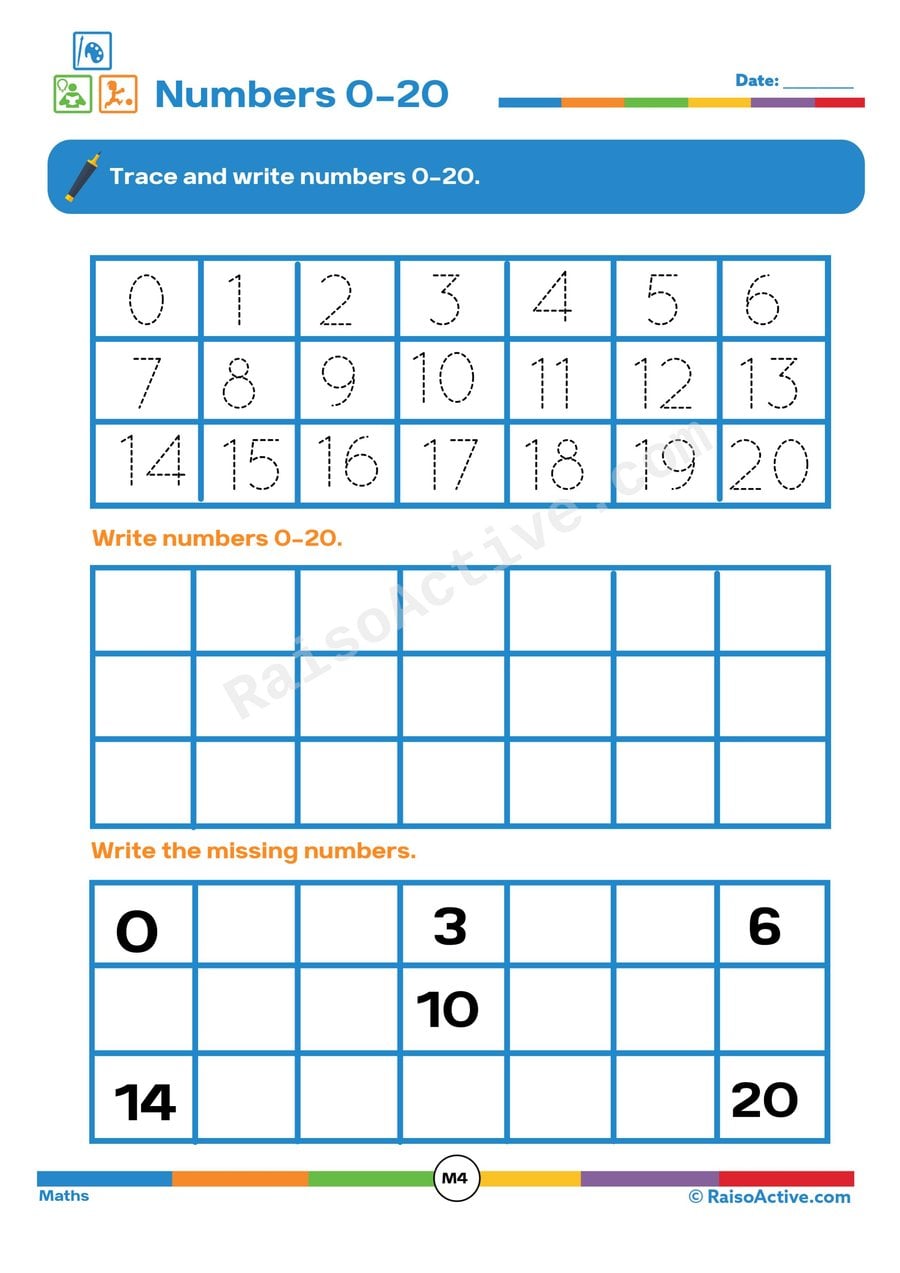
Trace and Write Numbers 0-20 Worksheet
This worksheet extends number formation practice across the full range from 0 to 20, giving children repeated tracing and writing practice on both single-digit and two-digit numerals. For four- to six-year-olds, moving past 10 into the teens and twenties is an important milestone, since it introduces the idea that numbers can be built from combinations of digits rather than each needing its own unique symbol.

CCVCC Word Worksheet: Color and Write!
This worksheet challenges children ages 4-6 to identify and write CCVCC words — words with a consonant blend at both the beginning and the end, like 'stomp' or 'crisp' — by coloring the correct letters and writing the complete word. As one of the more complex CVC-family word patterns, CCVCC words require children to blend and hold onto sounds at both ends of the word, a genuine stretch beyond basic three- and four-letter words.
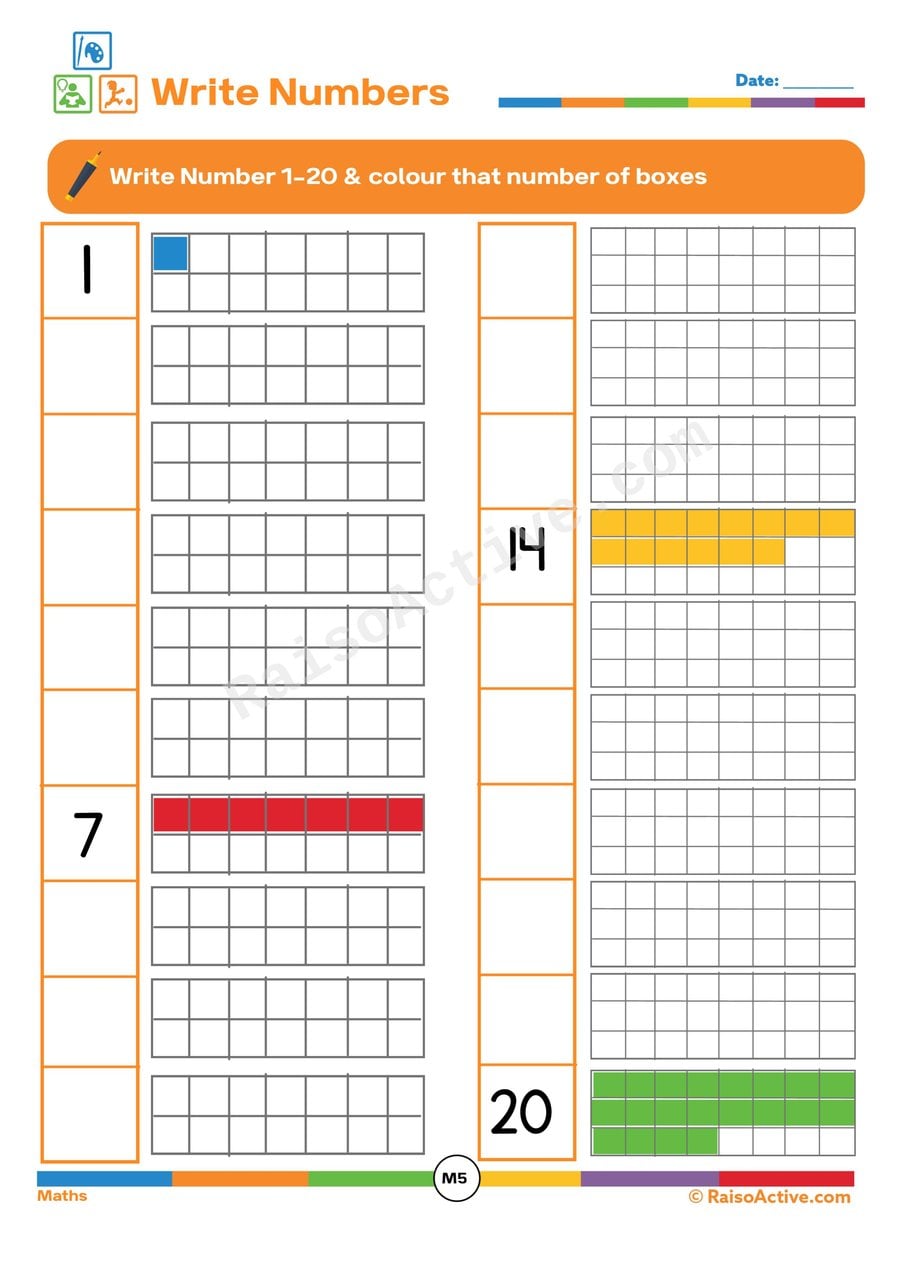
Write and Color Numbers 1-20 Worksheet
Children ages 4-6 practice writing numbers from 1 to 20 in sequence while reinforcing quantity recognition by coloring the matching number of boxes for each number, connecting the written numeral to the amount it represents. Extending number writing practice up through 20 supports children moving beyond single digits into the teens and twenties, a range many children find confusing.
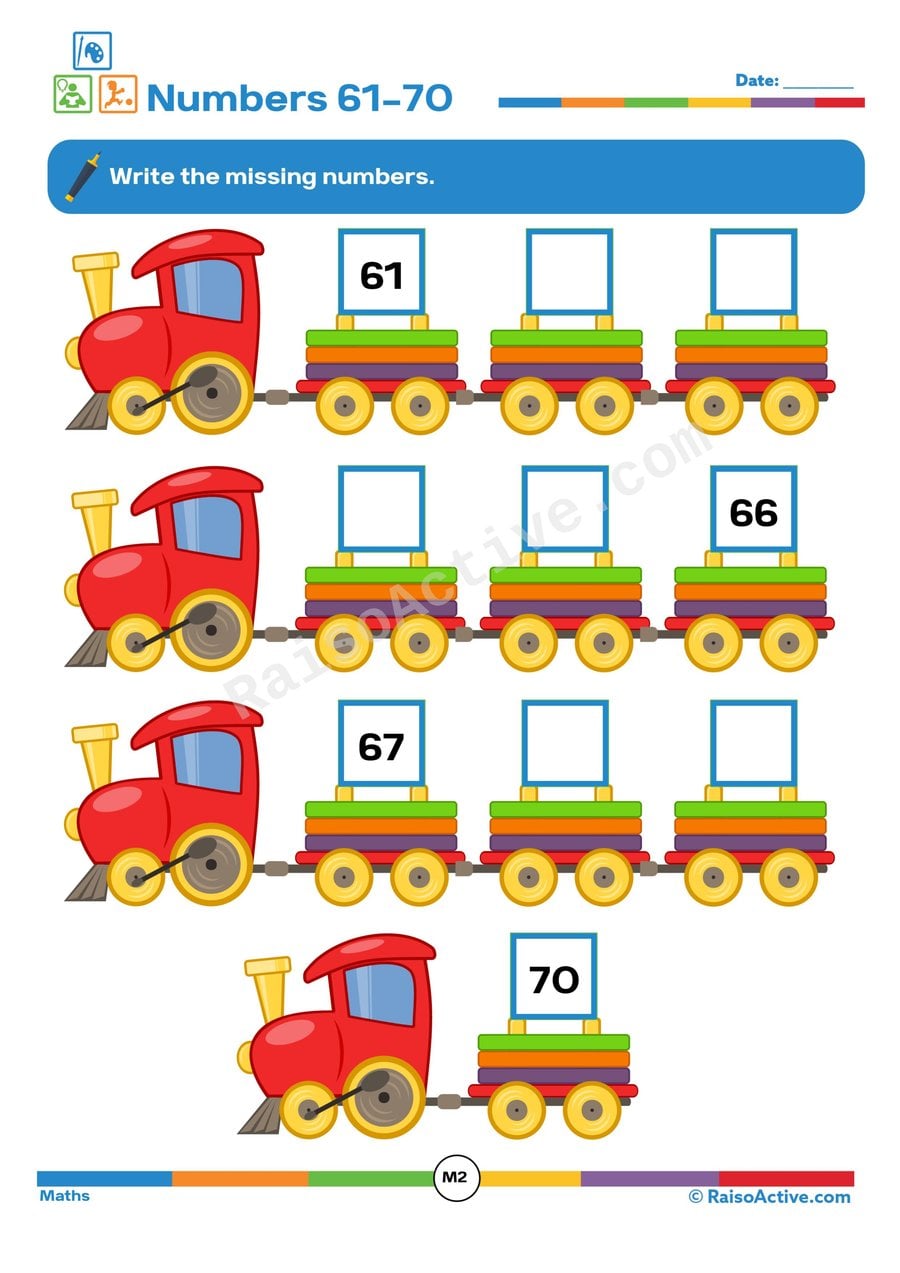
Train Tracks: Missing Numbers 61-70 Worksheet
Filling in missing numbers along the 61-70 train track builds number sequencing skills for children ages 4-6, requiring them to recognize the pattern of counting by ones within the sixties. Because some numbers are already shown and others are blank, children must use the surrounding numbers as anchors, an important strategy for later skip-counting and estimation work.

A or An Worksheet: Fill in the Blanks with Beginning Sounds!
This worksheet teaches children ages 4-6 the grammar rule for choosing between the articles 'a' and 'an,' based on whether the following word starts with a consonant or vowel sound. Applying this rule correctly requires listening carefully to a word's beginning sound rather than just its spelling, which sharpens phonemic awareness alongside grammar knowledge.

Present Tense Worksheet: Fill in the Blanks and Identify Sentences!
This worksheet gives children ages 4-6 focused practice with present tense verbs, both producing them correctly in fill-in-the-blank sentences and recognizing them when identifying whether a given sentence is written in the present tense. Distinguishing tense is an important grammar milestone that helps children communicate clearly about what is happening right now versus what already happened, a distinction they're actively sorting out in their own speech at this age.

Writing Numbers 11-16 Worksheet: Trace, Write & Count!
This worksheet moves children ages 4-6 beyond single-digit numbers, giving them structured practice tracing, writing, and counting the numbers 11 through 16. Working with two-digit numbers for the first time helps children understand place value informally, seeing that these numbers are built from a 'ten' plus more. The paired counting section connects each written number to a matching quantity of objects, reinforcing number meaning rather than just symbol recognition.
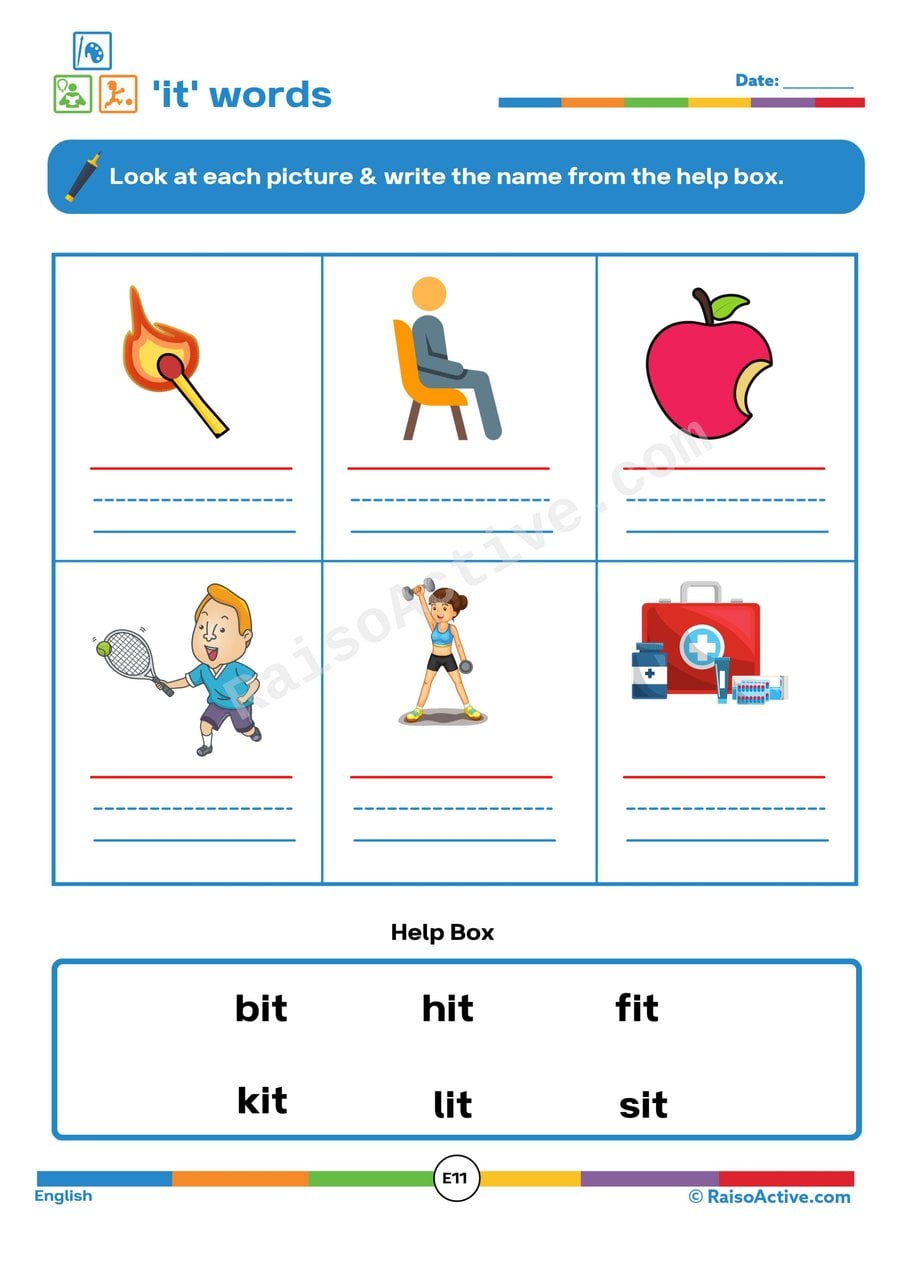
It Words Worksheet: Read and Write 'it' Words!
Children ages 4-6 build phonics fluency by reading and writing CVC words from the 'it' family, such as 'sit', 'bit', and 'fit'. Recognizing this word family pattern teaches children that groups of letters carry predictable, reusable sounds, which speeds up decoding of new words they encounter later. Writing each word after identifying it also reinforces correct spelling and letter sequencing.

Number Names Worksheet: Write the Missing Letters!
This worksheet builds early spelling and number-word recognition as children ages 4-6 look at a numeral and fill in the missing letters to complete its written name, such as turning 'f_ve' into 'five.' Connecting the numeral, the spoken word, and its written spelling all in one task strengthens both literacy and numeracy at the same time.

Blend Words Worksheet: See the Pictures and Write the Correct Blend!
Children ages 4-6 practice identifying missing consonant blends by looking at a picture, saying the word aloud, and writing the correct blend to complete it. This task requires children to isolate the blended sound at the beginning of a word and match it to its written letter combination, a more advanced phonics skill than single-letter sounds. Successfully completing each word strengthens both spelling accuracy and reading fluency with blended sounds.

Number Words Worksheet: Complete the Number Words!
Filling in missing letters to complete number words teaches children ages 4-6 to connect a numeral with its written spelling, combining early spelling practice with number vocabulary. This kind of fill-in-the-blank format also encourages careful attention to each letter, since number words often contain tricky spelling patterns that don't follow simple phonics rules.
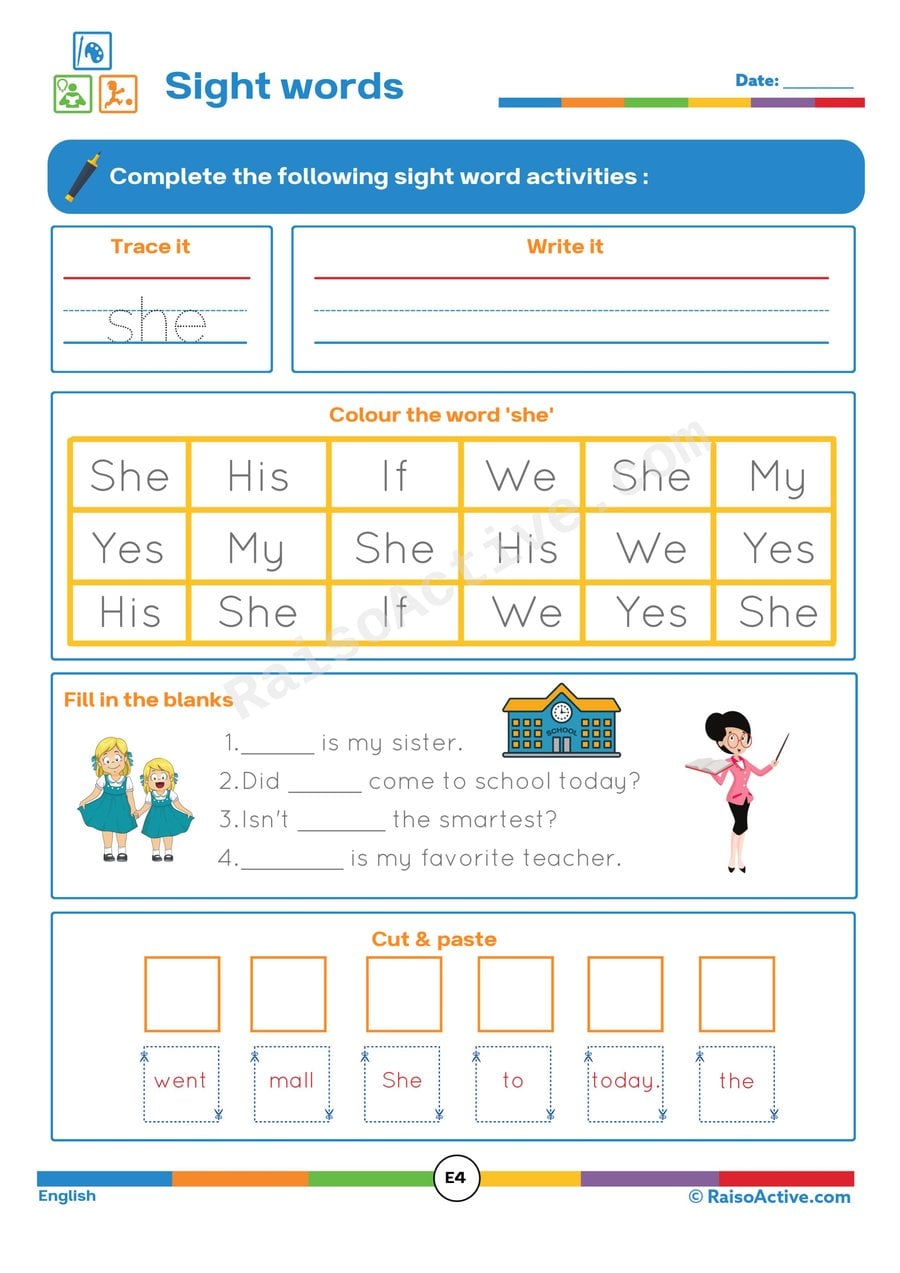
Sight Words Worksheet: Trace, Write, and Color 'She'!
Tracing, writing, coloring, and completing sentences with the sight word 'she' gives children ages 4-6 repeated exposure to this common word across multiple activity types, which builds the instant recognition needed for reading fluency. The cut-and-paste sentence completion at the end adds sentence-level context, helping children see the word used meaningfully rather than in isolation.

Tense Time! A Worksheet on Past, Present, and Future Verbs
This worksheet has 4-6 year olds take a given verb and write it correctly in past, present, and future tense boxes, which is a more demanding task than simply identifying tense since it requires actually producing the correct verb form each time — including the common '-ed' ending pattern for regular verbs. Practicing this transformation across multiple verbs builds the flexible understanding that the same action word changes shape depending on when it happens.

Pronoun Power: Fill-in-the-Blanks Worksheet for Kids
Children ages 4-6 practice using indefinite pronouns like 'someone', 'anything', or 'everybody' correctly within sentences, an early grammar skill that helps their spoken and written language sound more natural and precise. Filling in blanks with the right pronoun requires reading comprehension, since children must understand the sentence's meaning to choose correctly. The coloring step adds a quick visual check that reinforces the correct answer.
What KS1 letter tracing worksheets cover
Five-year-olds finish tracing the lowercase alphabet and start moving off the dotted guide letter by letter. A worksheet should trace each lowercase letter on two-line or four-line paper so height becomes part of the task, tall letters reaching the top line and small letters staying between the middle two. Once a letter has been traced correctly several times, the next row asks for a copy beside the model instead, with no dots at all.
- Trace lowercase letters on two-line or four-line paper
- Keep tall letters reaching the top line, small letters lower
- Copy a well-practiced letter beside its model with no dots
- Trace and write a full first and last name
How to use these worksheets at home or in class
Because this stage spans two years, match the sheet to what the classroom is doing rather than to age alone: decoding and number bonds for a Year 1 child, comprehension and times tables for a Year 2 child, in sessions of fifteen to twenty minutes.
Start with the sheet that matches what your child can already do, then move one step up. Keep finished sheets in a folder: KS1 teachers often ask for evidence of practice, and children like seeing their own progress.
Is your child ready for KS1 letter tracing work?
A child ready for the later half of this stage reads a short passage with reasonable fluency, writes several connected sentences, adds and subtracts within twenty and recalls the 2, 5 and 10 times tables with growing confidence.
- Trace a reversed letter with its starting point clearly marked
- Trace the entry and exit strokes of a cursive letter
- Write the traced letter again inside a short real word
Frequently asked questions
My five-year-old traces letters neatly but writes them wrong unaided. What helps?
That gap closes with a middle step between tracing and free writing: cover the traced letter, show the model beside an empty box, and ask for a copy rather than a trace. Once copies are consistently correct, remove the model too and just say the letter's name. Going straight from tracing to unaided writing skips the stage where the hand practices the shape without the dots doing the steering, which is usually where the error creeps back in.
What should a KS1 child be able to do in letter tracing?
Five-year-olds finish tracing the lowercase alphabet and start moving off the dotted guide letter by letter. A worksheet should trace each lowercase letter on two-line or four-line paper so height becomes part of the task, tall letters reaching the top line and small letters staying between the middle two. Once a letter has been traced correctly several times, the next row asks for a copy beside the model instead, with no dots at all. A child ready for the later half of this stage reads a short passage with reasonable fluency, writes several connected sentences, adds and subtracts within twenty and recalls the 2, 5 and 10 times tables with growing confidence.
Do these worksheets follow the KS1 curriculum?
The sheets cover uppercase letter formation, lowercase letter formation, starting points and stroke direction and spacing between letters, which sit inside the National Curriculum Key Stage 1 outcomes for KS1. Kindergarten to 1st Grade (US), UKG to Class 1 (India) use the same skills at this age, so the sheets also fit families following those programmes.
Are these KS1 letter tracing worksheets free?
Yes. Each worksheet downloads free as a watermarked PDF once you create an account, with a limit of five a day. An annual membership ($20) removes the watermark and the limit for the whole library of over 1,000 worksheets and every printable pack.

Written by
Hemsweta Jain · Teacher Cheena
MBA and Early Childhood Educator, teaching since 2014 · Founder of RaisoActive, Mumbai
Written and reviewed by Hemsweta Jain (Teacher Cheena), who designs every RaisoActive worksheet.
Last reviewed
Printable packs for ages 5–7
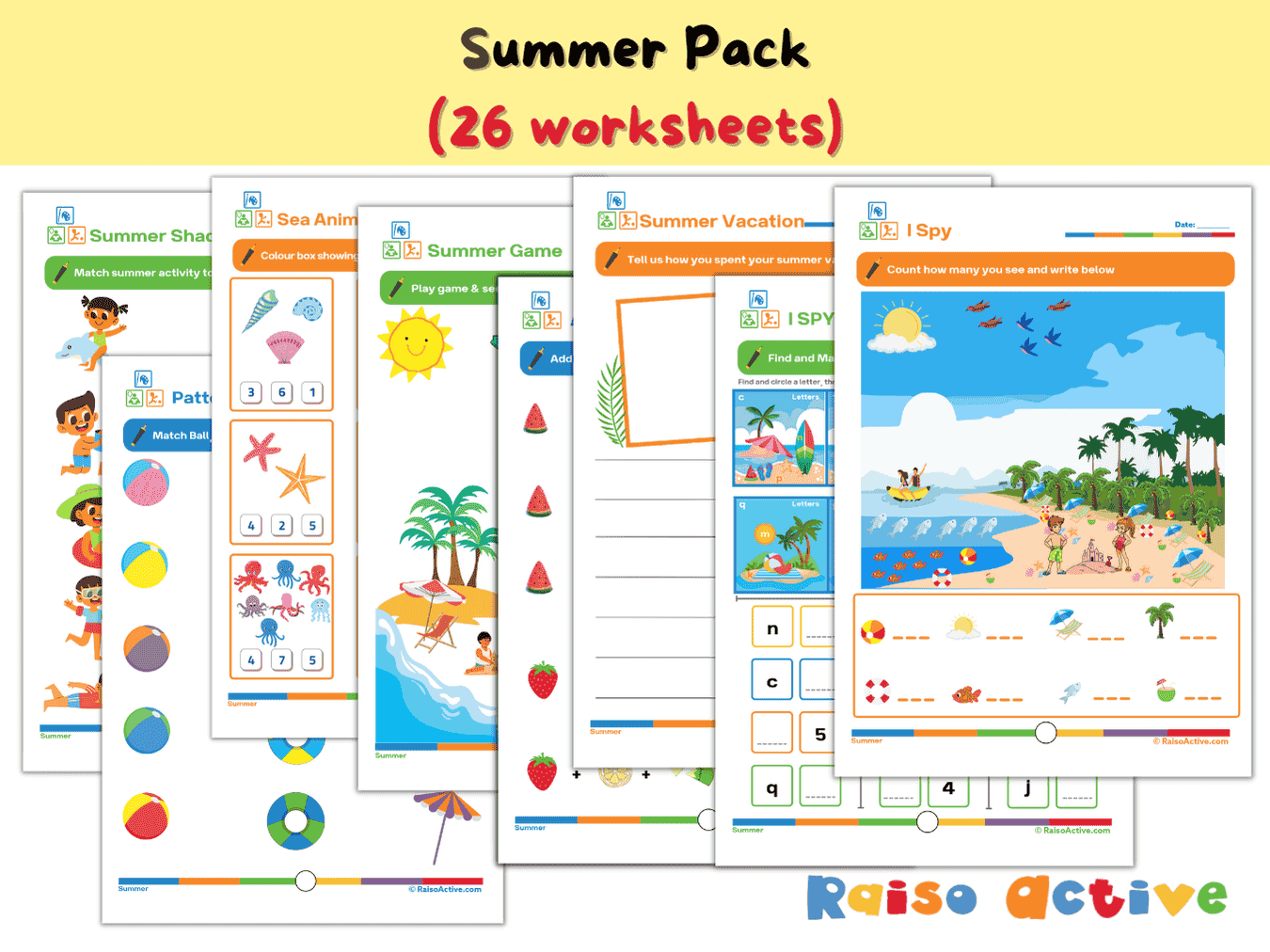
Summer Activity Pack: Math, Literacy, Puzzles & More for Preschool & Kindergarten
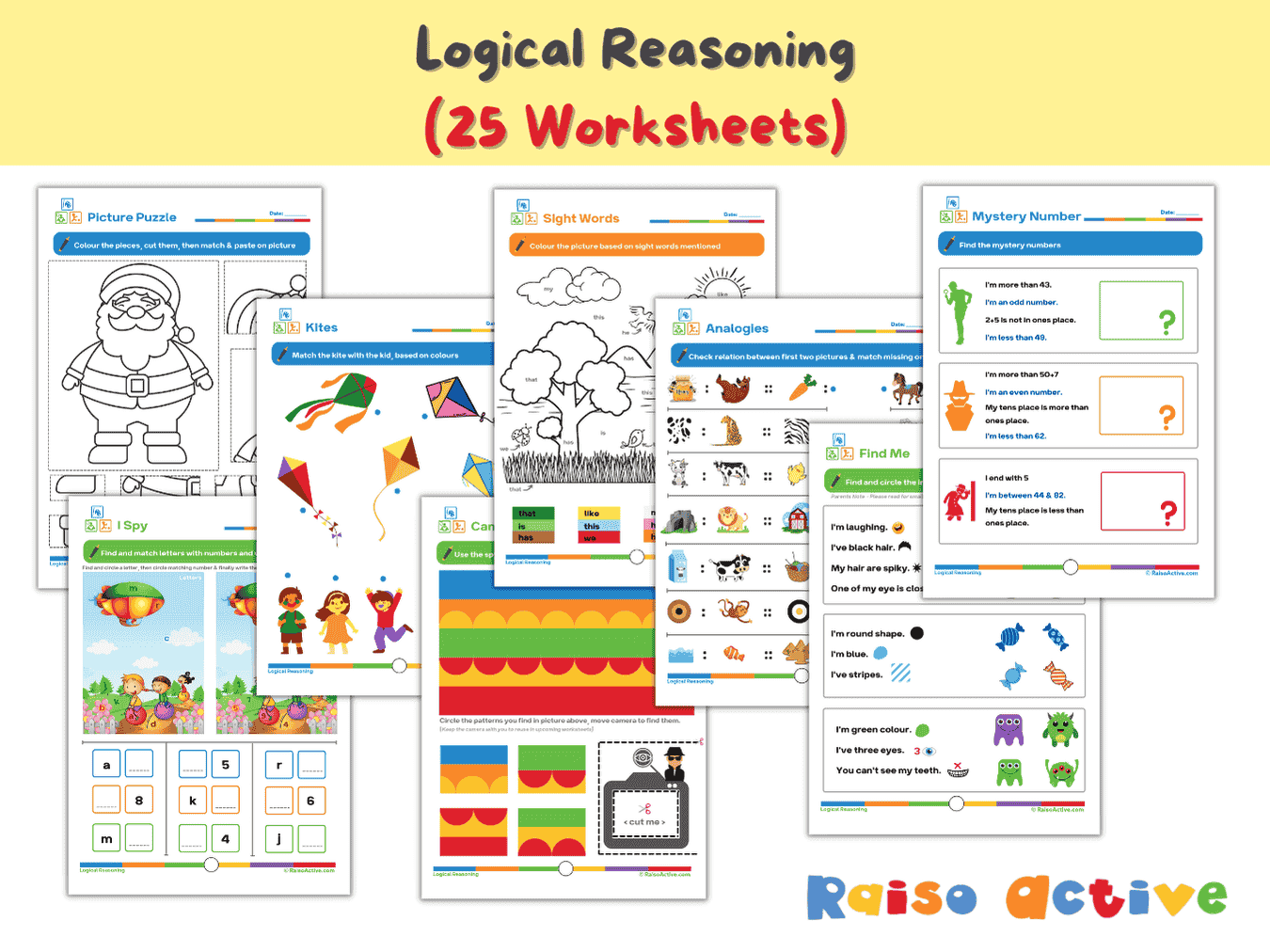
Logical Reasoning Activity Book for Preschool & Kindergarten | Patterns, Puzzles & Analogies
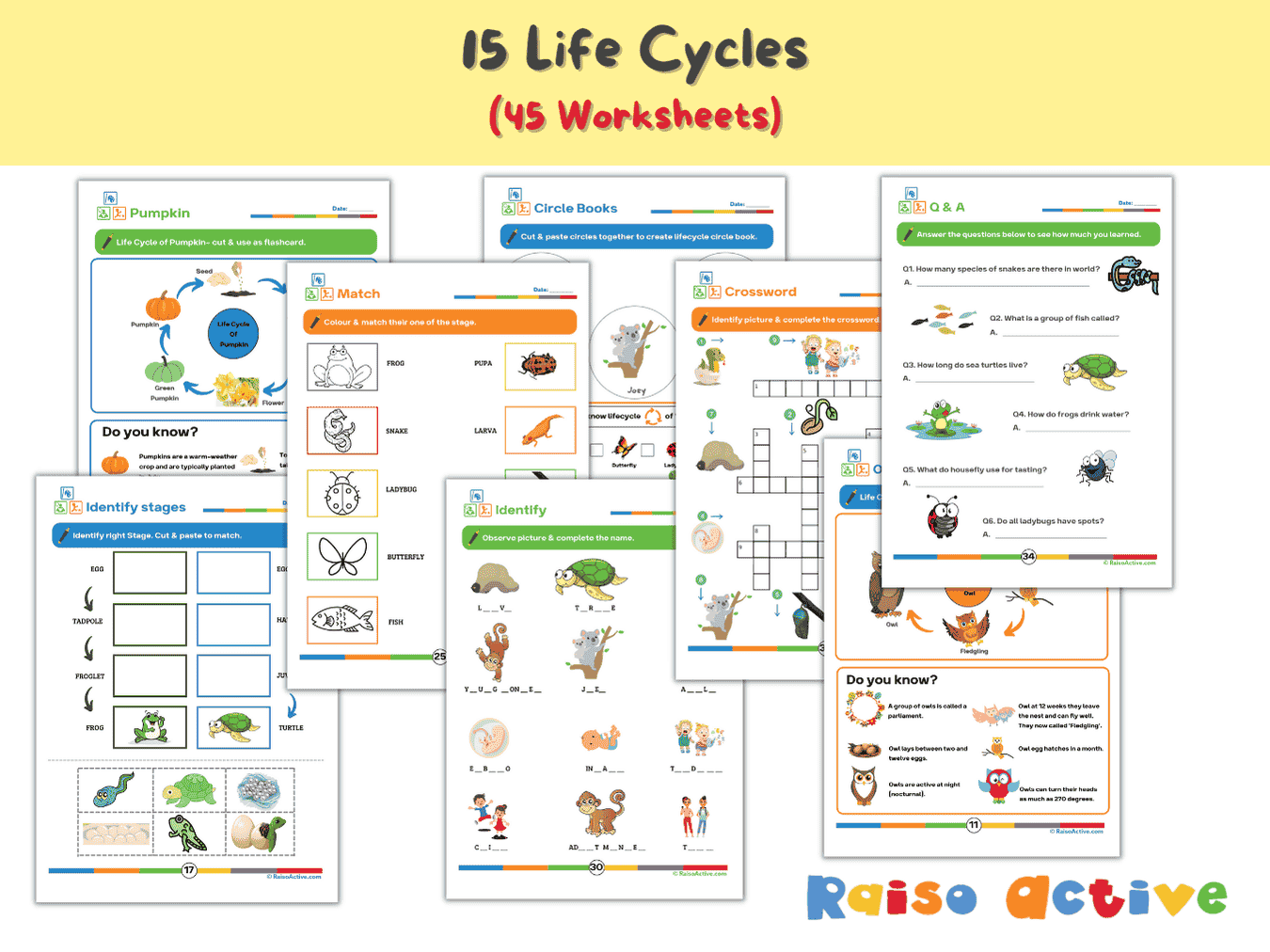
Lifecycles Activity Book & Flashcards for Preschool & Early Elementary
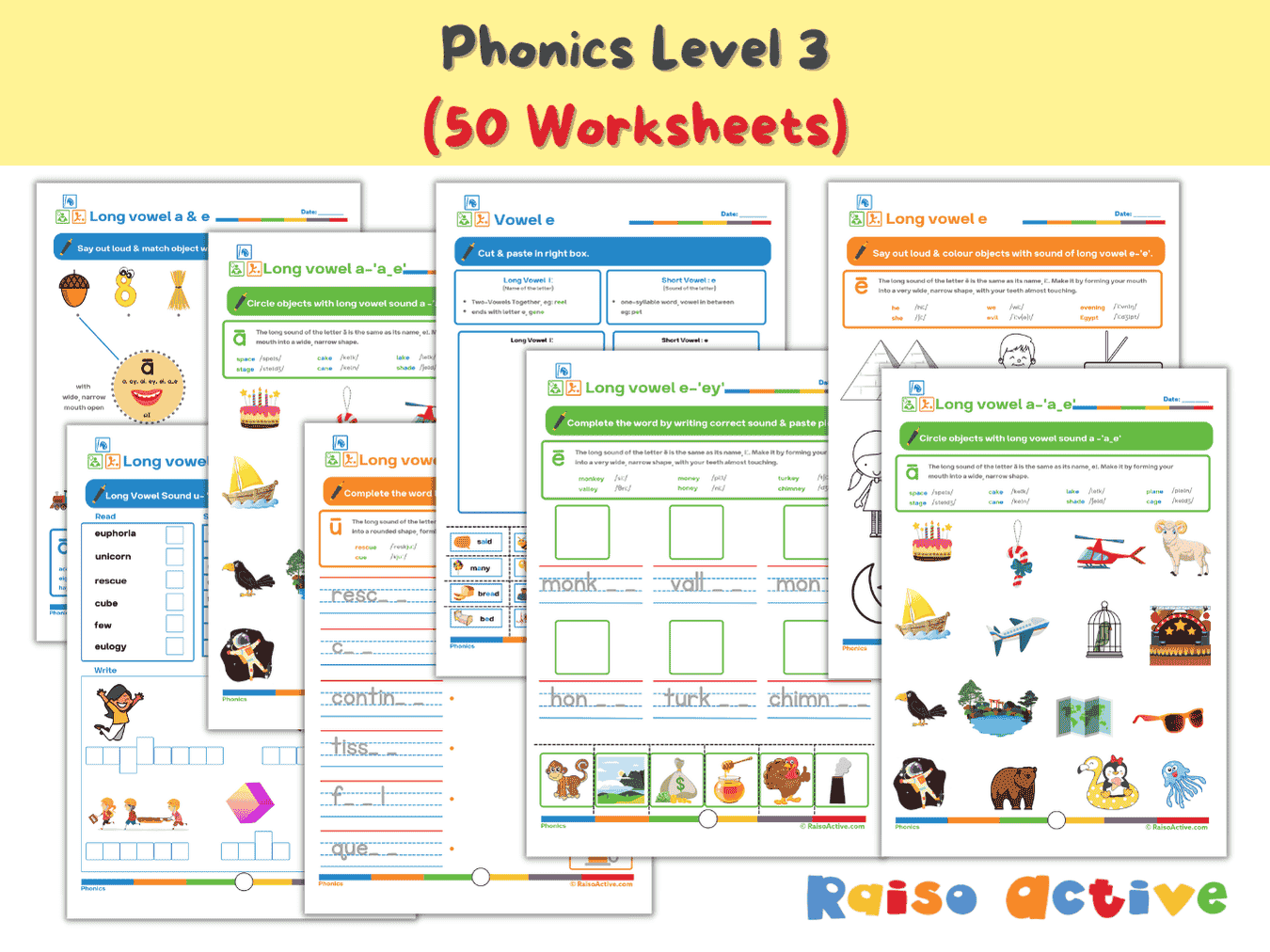
Phonics Level 3 Long Vowels Activity Book for Kindergarten & 1st Grade
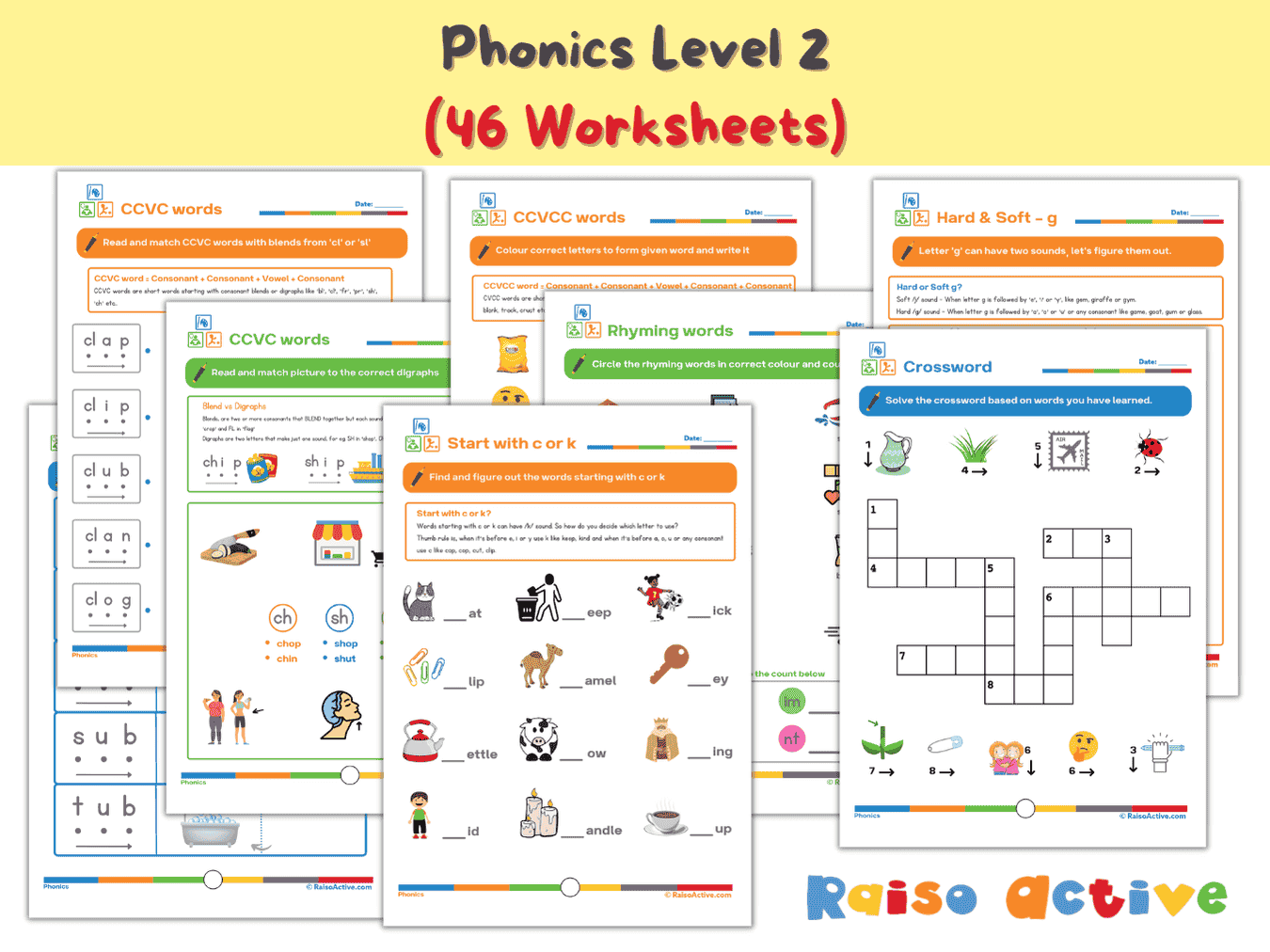
Phonics Level 2 Worksheets: CVC, CCVC, CVCC Word Families & Blends for Early Readers (Ages 4-7)
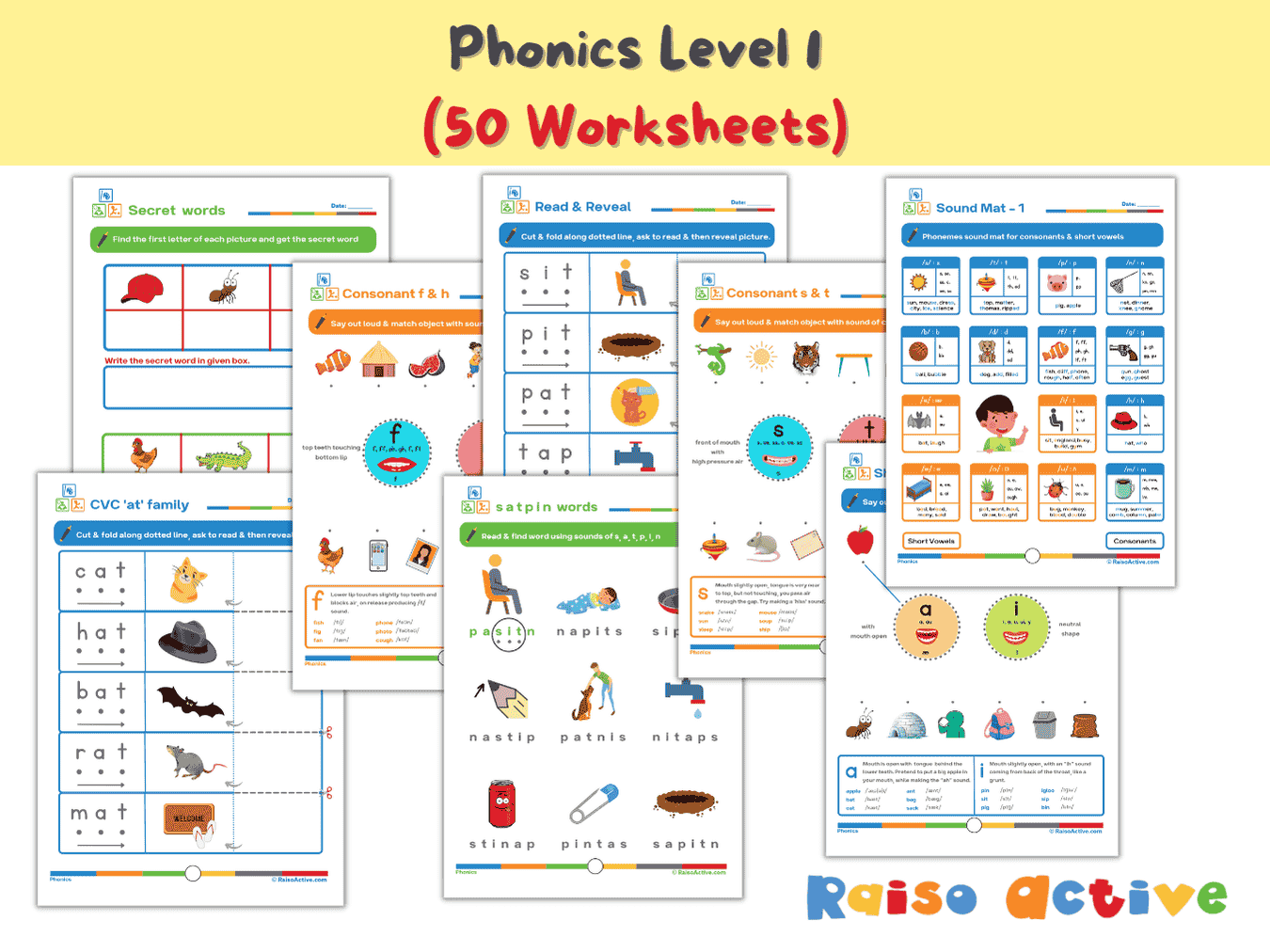
Phonics Level 1 Activity Book: Letter Sounds, Blending & CVC Words for Preschool & Kindergarten
Guides for parents and teachers
See all guides →Number Formation Rhymes 0–9 and How to Fix Reversals
Original number formation rhymes for 0–9, the correct stroke order for each digit, why 3, 5 and 7 get reversed most often, and multisensory fixes that work.
Pre-Writing Strokes in Order: From Standing Lines to Loops (With Printable Patterns)
The developmental order of pre-writing strokes, from vertical lines to loops, and why practicing them in sequence makes letter formation much easier to learn.
Kindergarten Readiness Checklist: 25 Skills to Practice Before the First Day
A kindergarten readiness checklist of 25 literacy, math, motor, self-regulation and self-help skills, with an 8-week summer plan and notes on when not to worry.
Best Worksheets for 3-Year-Olds: What Works and What to Avoid
What works on worksheets for 3-year-olds: short sessions, crayons, tracing lines, matching, cutting, a free weekly plan, and signs one is too advanced.
Reception Year Explained: EYFS Learning and How to Help at Home
A teacher's plain-English guide to the Reception Year: the seven areas of learning, Early Learning Goals, Phase 2/3 phonics, the RBA and home routines.
What Should a 4-Year-Old Know Before LKG? A Readiness Checklist
A calm, teacher-written LKG readiness checklist for 4-year-olds: language, pattern writing, numbers to 10, self-help and social skills, plus a 6-week plan.
Canonical: https://raisoactive.com/worksheets/ks1-letter-tracing