Free printable worksheets · United Kingdom
KS1 Matching Worksheets (Ages 5–7)
KS1 matching worksheets are practice sheets for children aged 5–7 in Key Stage 1 (Years 1–2) in the UK. Matching is finding and pairing items that are identical, related or belong to the same category, from among several printed options. The sheets on this page cover identifying identical pairs, matching an object to its category, matching uppercase letters to lowercase and matching a numeral to a quantity.
Key Stage 1 covers Years 1 and 2 together, the stretch in which a child becomes an independent reader and writer while moving from counting to calculating. Year 1 work centres on phonics and the screening check; Year 2 shifts towards spelling patterns, longer writing and mental arithmetic with two-digit numbers. Five-year-olds read the items they match. Sheets pair a three-letter word with its picture, an addition sum with its answer, a number with the ten frame that shows it, a picture with its ending sound, and opposites such as hot and cold. The line-drawing is now easy, so the value lies entirely in the content, which lets the child practice reading and sums without much writing. Eight to twelve shuffled pairs is a fair length.
461+ worksheets · free PDF download · print on A4 or Letter
KS1 Matching Worksheets to print
Browse all worksheets for ages 5–7
Addition Fun: Add and Match the Numbers! (Worksheet)
Children ages 4-6 practice basic addition by counting two groups of pictured objects, finding their total, and then matching that sum to the correct number, combining counting, addition, and visual matching in a single activity. Drawing a line to connect an answer to its number reinforces that a math sentence and a numeral represent exactly the same quantity.
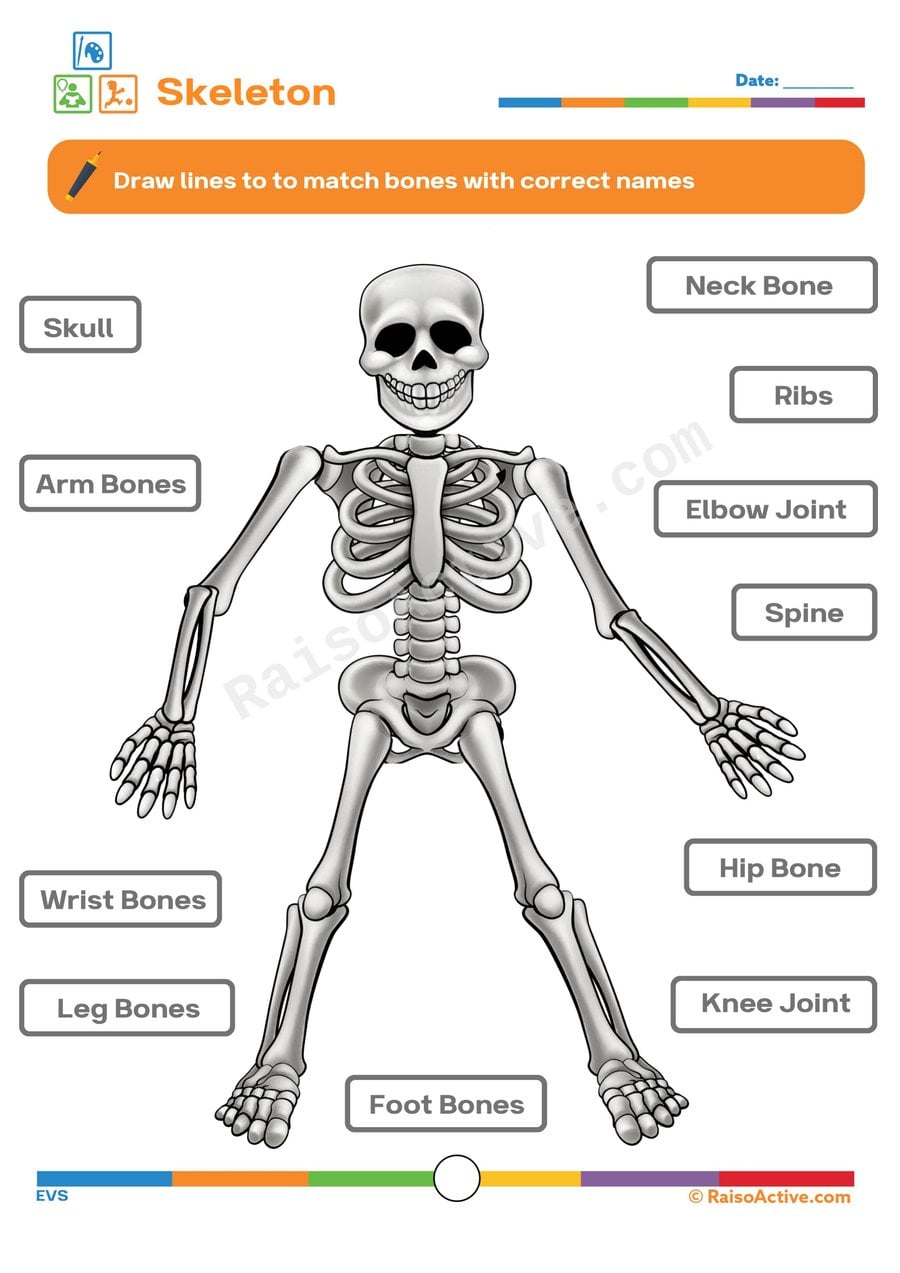
Skeleton Matching Worksheet: Learn About Bones!
Drawing lines from bone names to their locations on a skeleton diagram introduces children ages 4-6 to basic human anatomy vocabulary, such as skull, ribs, or spine, while practicing left-to-right reading and matching skills. Because children must read a word and then visually locate the correct part of the body, this worksheet also strengthens the connection between written language and real-world objects, an important step toward reading comprehension. The Halloween-skeleton framing makes an otherwise academic science topic feel playful and approachable.
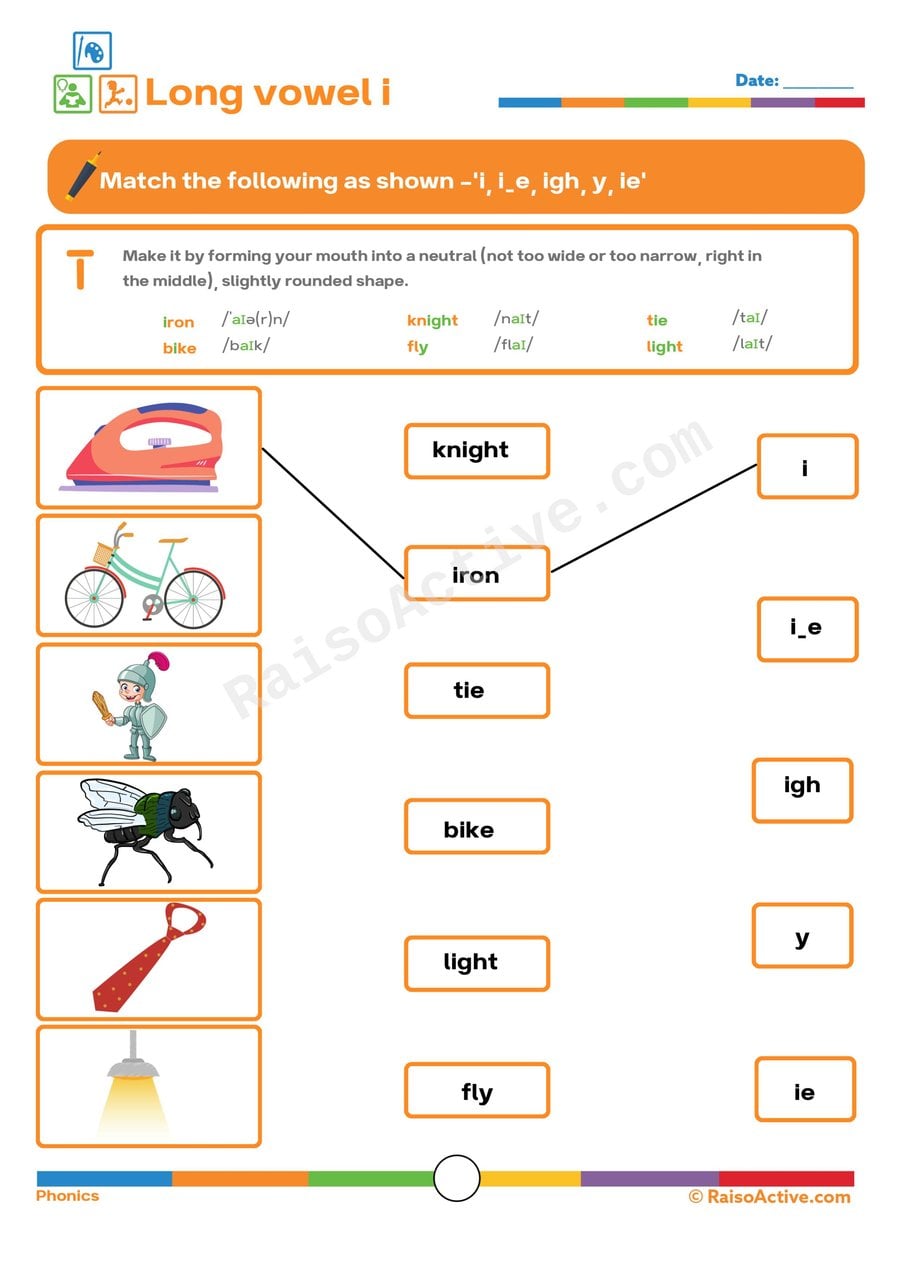
Long Vowel 'i' Matching Worksheet for Kids
This worksheet challenges children ages 4-6 to match pictures with words that share the long 'i' sound but use different spelling patterns, such as 'ie' in 'pie' or a silent 'e' in 'kite,' building awareness that one vowel sound can take multiple written forms. This flexible understanding of spelling patterns is an important step beyond basic phonics, preparing children for the many irregular spellings they'll encounter as readers.

Adjective Adventure: Matching Sentences Worksheet for Kids
This worksheet teaches 4-6 year olds that adjectives are the words that describe nouns, asking them to fill in a missing adjective in a sentence and then physically mark the noun and adjective separately by underlining and circling. That separation step — telling apart which word names a thing and which word describes it — is a genuinely useful grammar distinction that most children haven't consciously noticed before, even though they use adjectives constantly in speech.
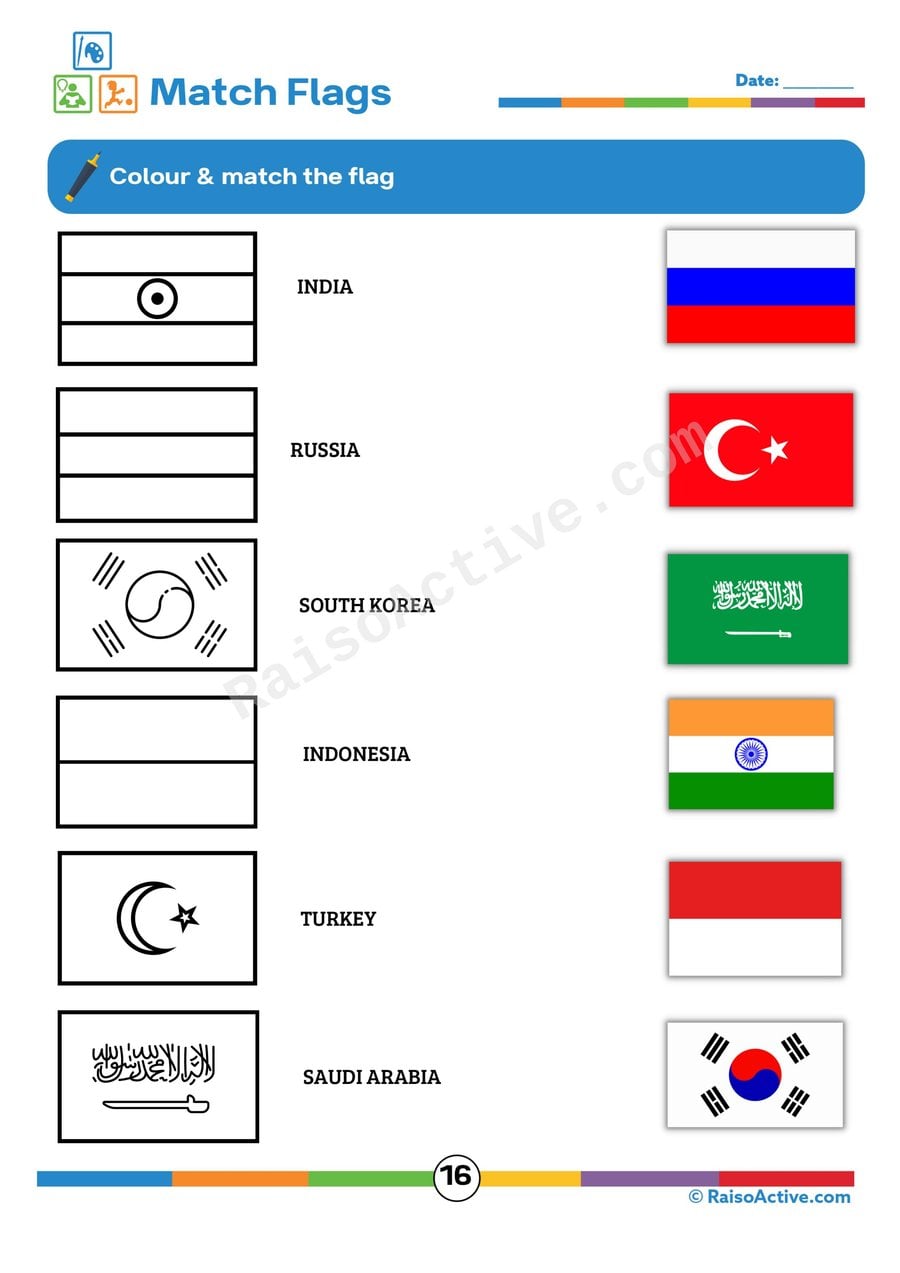
Match the Flags Worksheet for Kids
Children ages 4-6 build flag recognition by matching a set of country flags to their correct names, continuing to strengthen geography vocabulary and visual discrimination through this final flag-focused worksheet. Working with flags is an especially effective way to build visual memory in young children, since each one is a distinct, colorful pattern they can learn to recognize quickly.

Match the Sentence: Picture Matching Worksheet for Early Readers
Reading a full sentence and connecting it to the picture it describes asks children ages 4-6 to move beyond single-word recognition into genuine sentence comprehension, checking that they understood the sentence's overall meaning rather than just decoding individual words. This worksheet builds that comprehension skill by having children read several simple sentences and match each one to the correct illustration, reinforcing that reading is about extracting meaning, not just producing sounds. Developing this kind of sentence-level comprehension early is an important bridge between phonics-based decoding and true reading fluency.

Vowel Sounds Worksheet: Identify and Circle the Correct Vowel!
Children ages 4-6 practice identifying vowel sounds within words by looking at a picture, saying its name aloud, and figuring out which vowel they hear, a specific phonics skill that builds toward independent reading and spelling. Isolating the vowel sound in a word is often trickier for children than identifying beginning consonant sounds, making this a meaningful next step in phonics.

Stick Man Emotions Worksheet: Happy, Sad, Angry, and Surprised!
Children ages 4-6 practice reading facial expressions on this worksheet, matching stick-figure faces to their correct emotion labels by noticing details like mouth shape and eyebrow position. This strengthens emotional literacy — the ability to name and recognize feelings in others — which supports empathy and smoother social interactions as children move into more group play and classroom settings.

Long Vowel i-y Worksheet: Complete the Words and Match the Pictures!
This worksheet has children ages 4-6 complete words by writing the correct ending sound for the long 'i' pattern, which can be spelled with 'i' or 'y,' and then match each finished word to its picture, combining spelling, phonics, and visual matching in one task. Filling in a missing part of a word, rather than writing it entirely from scratch, gives children a scaffolded way to practice spelling without the full demand of unassisted writing. Matching the finished word to a picture also confirms whether their spelling produced the intended word.

Pollution Awareness Worksheet for Kids: Circle the Correct Answer!
This worksheet introduces children ages 4-6 to the idea that pollution comes in different forms — air, water, and land — and asks them to connect each type to a picture, building early environmental science vocabulary alongside visual reasoning. Sorting items into recycling categories afterward extends the lesson from simply naming a problem to practicing a real-world solution, which helps young children start to see themselves as capable of taking action. This blend of identification and hands-on sorting suits a preschooler's concrete way of understanding abstract ideas like 'the environment.'

Numeracy Match: Counting and Number Recognition Worksheet
Children ages 4-6 strengthen number recognition by matching written numerals to their corresponding word names or quantities, reinforcing that numbers can be represented in more than one way. This kind of numeral-to-word matching deepens number sense beyond simple counting, helping children see the relationship between symbol, word, and quantity. Coloring in their birth date personalizes the practice and connects it to something meaningful in their own life.
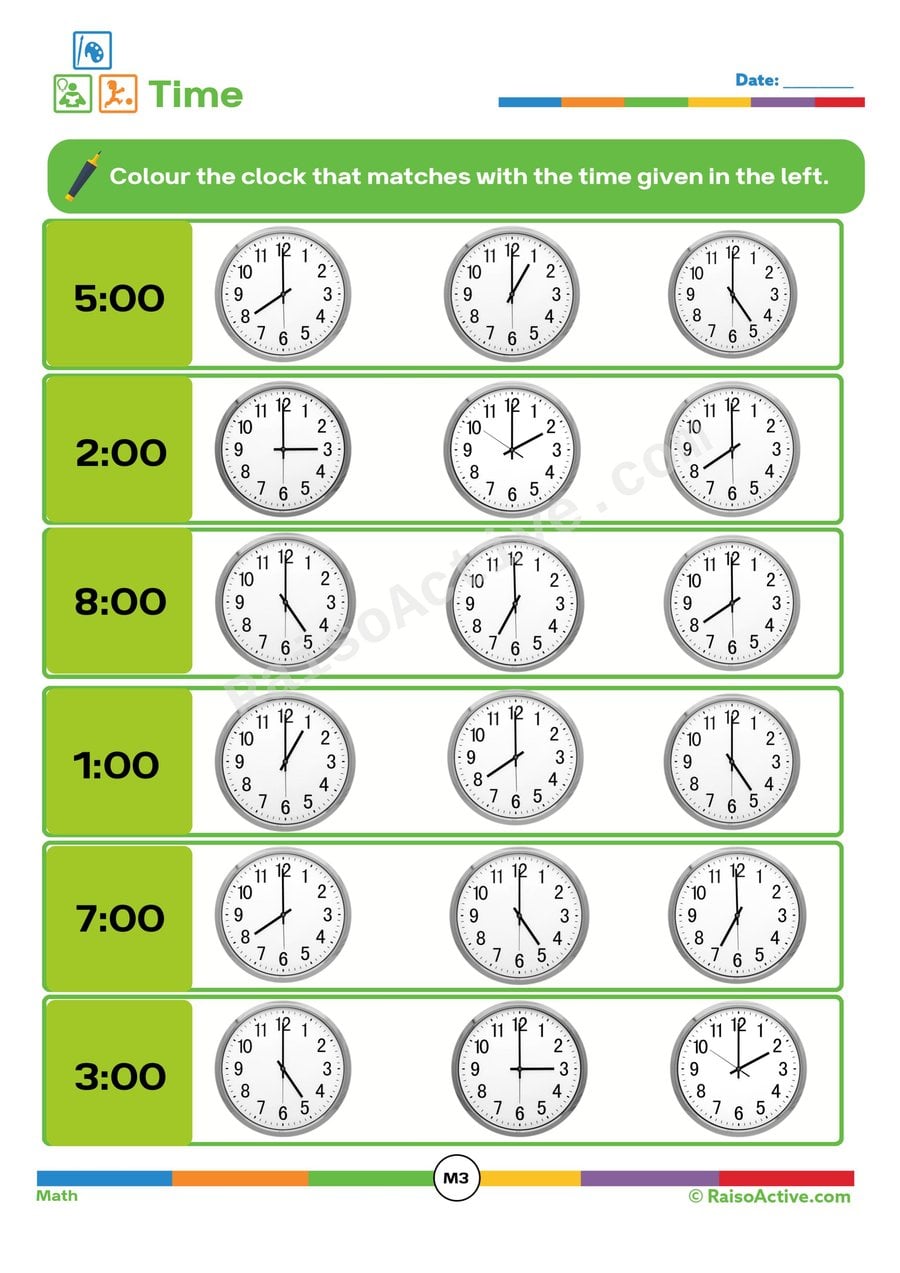
Time Matching Worksheet: Color the Clock!
Matching a written or digital time to the analog clock showing the same time builds clock-reading skills for children ages 4-6, requiring them to translate between two different ways of representing the same moment.

J and K Consonant Sounds Matching Worksheet for Preschoolers
The letters J and K are frequently mixed up by children ages 4-6 because both are less common consonants that don't appear in as many early words as letters like S or T, so this worksheet gives them focused, repeated practice distinguishing the two sounds. Matching each letter to a picture that starts with its sound builds the letter-sound association needed before a child can spell or read J and K words confidently. This kind of targeted practice on less-frequent letters fills a gap that broader phonics worksheets often skip over.

Landforms Worksheet: Identify and Circle the Correct Answer!
Reading a short description and circling the matching landform picture asks children ages 4-6 to connect written or spoken language directly to a visual feature of the natural world, strengthening both reading comprehension and early geography vocabulary. Because landforms like deserts, hills, and mountains can look somewhat similar in simple illustrations, this task also sharpens careful reading and visual comparison rather than quick guessing. Understanding these terms gives children language to describe landscapes they see in books, on trips, or in nature.
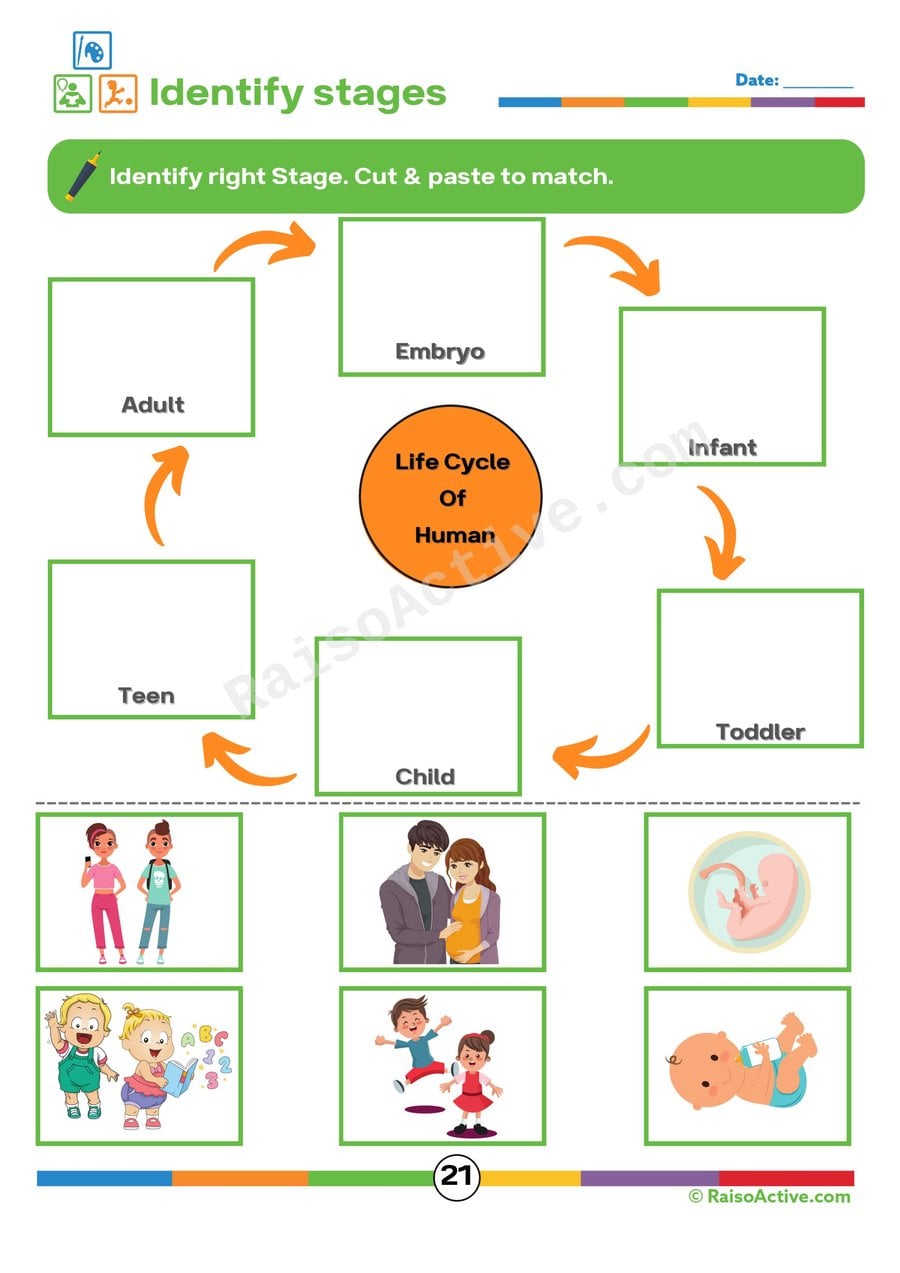
Human Life Cycle Stages Worksheet for Kids
This worksheet helps children ages 4-6 understand that people, like animals, grow and change over time by matching pictures to the stages of human development — baby, child, teenager, and adult. It introduces early classification and comparison skills while giving children a concrete way to talk about growth they can observe in their own family.

Solar System Number Matching Worksheet for Preschoolers
This worksheet combines number-word recognition with a color-by-key coloring task for children ages 4-6, asking them to match number names written on planets to their corresponding numerals before coloring each planet according to a color code. Matching written number words in a space-themed context adds novelty that keeps repeated number-word practice fresh, while the color-key step reinforces careful, sequential following of visual instructions. Together, these two tasks combine literacy and numeracy practice in one engaging page.

Number Names Worksheet: Unscramble, Match, and Write Numbers!
This worksheet layers three literacy and numeracy skills together: unscrambling jumbled letters to spell out number names, writing the corresponding numeral, and matching numbers to their written names. For ages 4-6, connecting a numeral like '5' to its written word 'five' bridges math and reading skills, reinforcing that numbers can be represented in more than one way.

Body Parts Worksheet: Identify and Paste the Correct Organ!
Reading a clue about a body part's function and finding the matching organ builds science vocabulary and reading comprehension for children ages 4-6, linking what a body part does to its correct name.

Short Vowel Sounds: Matching Objects to Sounds Worksheet
This worksheet helps children ages 4-6 tell apart the short 'o' sound (as in 'fox') from the short 'u' sound (as in 'sun') by matching pictured objects to their correct vowel sound. Short vowels are the building blocks of the earliest CVC words children read, so being able to hear and distinguish them accurately is essential before moving on to more complex word patterns.

CVC 'an' Family Matching Worksheet for Early Readers
This worksheet strengthens phonics skills in children ages 4-6 by having them read, color, and match CVC words from the 'an' family, such as 'can', 'man', and 'fan'. Practicing an entire word family together helps children notice the shared 'an' pattern, an efficient shortcut that lets them decode a whole group of new words once they master just one.

Noun, Pronoun, or Adjective? Match the Words! Worksheet for Kids
This worksheet introduces children ages 4-6 to three foundational parts of speech — nouns, pronouns, and adjectives — by asking them to sort individual words into the correct grammatical category. Learning to tell these word types apart early gives children a vocabulary for talking about language itself, which supports both reading comprehension and their own sentence writing later on. Matching words to pictures also keeps an abstract grammar concept grounded in something concrete and visual.

Sense Organs Worksheet: Circle the Objects We Use!
Children ages 4-6 practice connecting each of the five senses to real objects and experiences, like identifying what they might see, hear, smell, taste, or touch. This builds early science vocabulary and body awareness while reinforcing that different body parts are used to experience the world in different ways.
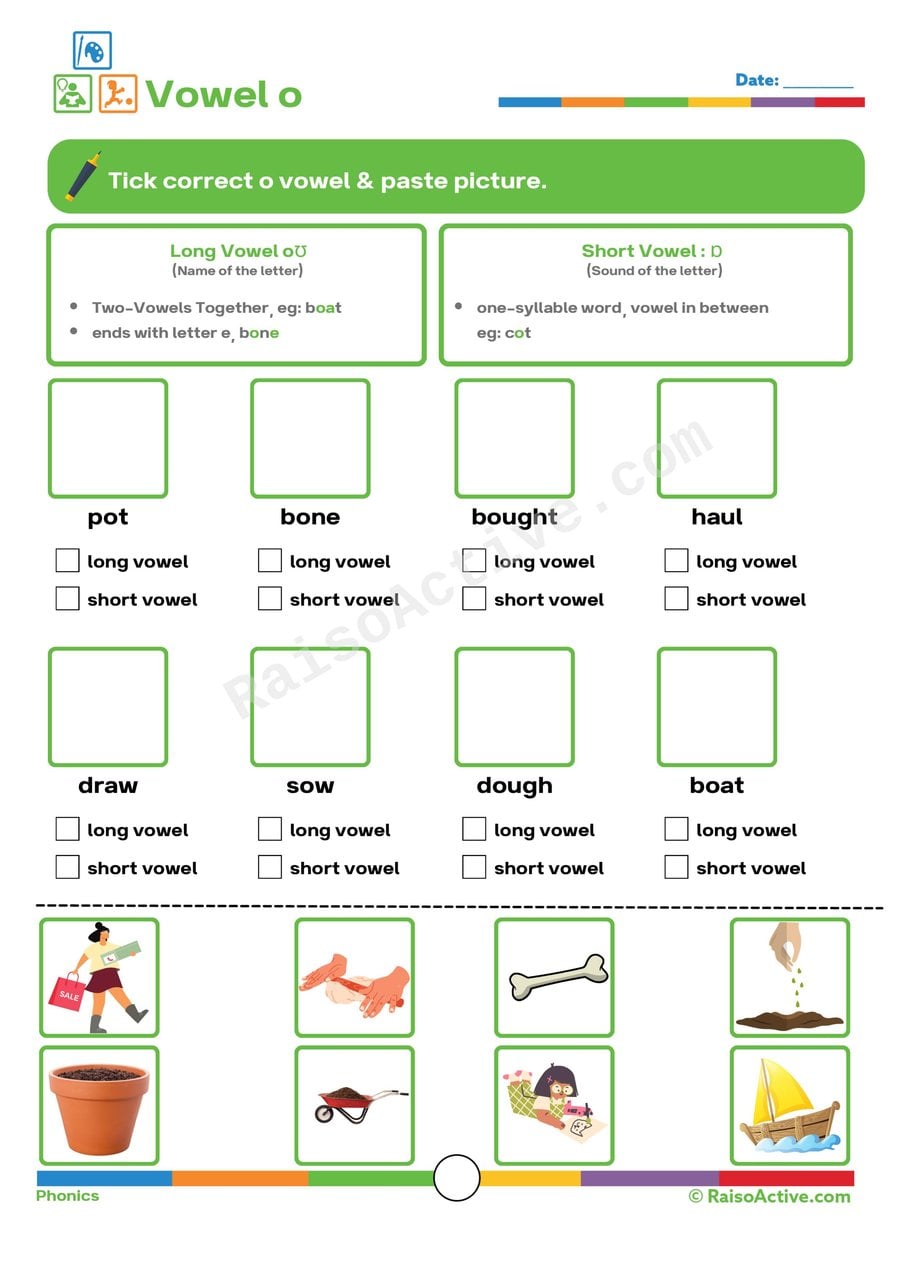
Vowel o Worksheet: Long and Short Vowel Sounds
This matching worksheet builds on early phonemic awareness by asking children ages 4-6 to listen for the long 'o' sound (as in 'boat') versus the short 'o' sound (as in 'dog') and sort accordingly. Cutting and pasting the matching picture adds a fine-motor and visual-matching layer on top of the listening task, so children are practicing several pre-reading skills at once. Recognizing vowel length is a stepping stone toward reading multisyllabic words later on.

Vowel i Matching Worksheet: Long and Short Sounds
In this worksheet, children ages 4-6 train their ears to tell apart the short 'i' sound (as in 'pig') from the long 'i' sound (as in 'kite'), then sort pictures into the correct category. This side-by-side comparison is a key phonics milestone, because confusing short and long vowels is one of the most common early reading errors, and deliberate practice like this builds the auditory discrimination needed to read unfamiliar words accurately.
What KS1 matching worksheets cover
Five-year-olds read the items they match. Sheets pair a three-letter word with its picture, an addition sum with its answer, a number with the ten frame that shows it, a picture with its ending sound, and opposites such as hot and cold. The line-drawing is now easy, so the value lies entirely in the content, which lets the child practice reading and sums without much writing. Eight to twelve shuffled pairs is a fair length.
- Match a three-letter word such as dog to its picture
- Draw lines from addition sums to their answers within 10
- Pair opposites such as hot and cold, up and down
- Match a numeral to the ten frame showing that many
- Connect a picture to the letter it ends with
How to use these worksheets at home or in class
Because this stage spans two years, match the sheet to what the classroom is doing rather than to age alone: decoding and number bonds for a Year 1 child, comprehension and times tables for a Year 2 child, in sessions of fifteen to twenty minutes.
Start with the sheet that matches what your child can already do, then move one step up. Keep finished sheets in a folder: KS1 teachers often ask for evidence of practice, and children like seeing their own progress.
Is your child ready for KS1 matching work?
A child ready for the later half of this stage reads a short passage with reasonable fluency, writes several connected sentences, adds and subtracts within twenty and recalls the 2, 5 and 10 times tables with growing confidence.
- Match analog clocks to digital times on the hour and half hour
- Pair a fraction with the picture that shows it shaded
- Draw a line from each word to its short meaning
Frequently asked questions
Are matching worksheets too easy for a five-year-old?
The format is easy, and that is the point: it lets a child practice reading words or checking sums without the effort of writing them out. What changes at five is the content. If a sheet is finished in a minute without a single error, keep the format but move the content on, for example from word-to-picture pairs to sum-to-answer pairs, or shuffle the columns and add more pairs.
What should a KS1 child be able to do in matching?
Five-year-olds read the items they match. Sheets pair a three-letter word with its picture, an addition sum with its answer, a number with the ten frame that shows it, a picture with its ending sound, and opposites such as hot and cold. The line-drawing is now easy, so the value lies entirely in the content, which lets the child practice reading and sums without much writing. Eight to twelve shuffled pairs is a fair length. A child ready for the later half of this stage reads a short passage with reasonable fluency, writes several connected sentences, adds and subtracts within twenty and recalls the 2, 5 and 10 times tables with growing confidence.
Do these worksheets follow the KS1 curriculum?
The sheets cover identifying identical pairs, matching an object to its category, matching uppercase letters to lowercase and matching a numeral to a quantity, which sit inside the National Curriculum Key Stage 1 outcomes for KS1. Kindergarten to 1st Grade (US), UKG to Class 1 (India) use the same skills at this age, so the sheets also fit families following those programmes.
Are these KS1 matching worksheets free?
Yes. Each worksheet downloads free as a watermarked PDF once you create an account, with a limit of five a day. An annual membership ($20) removes the watermark and the limit for the whole library of over 1,000 worksheets and every printable pack.

Written by
Hemsweta Jain · Teacher Cheena
MBA and Early Childhood Educator, teaching since 2014 · Founder of RaisoActive, Mumbai
Written and reviewed by Hemsweta Jain (Teacher Cheena), who designs every RaisoActive worksheet.
Last reviewed
Printable packs for ages 5–7
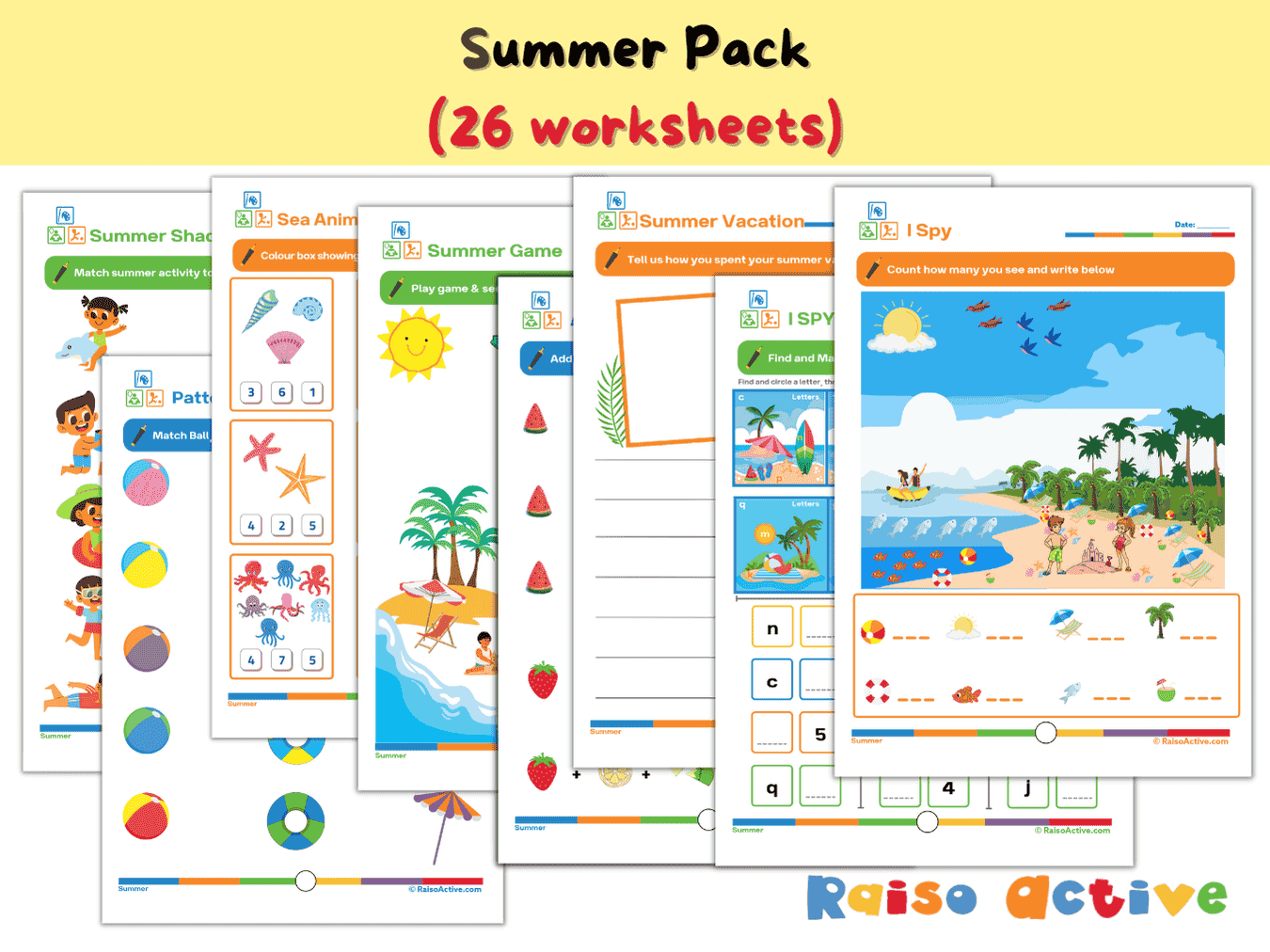
Summer Activity Pack: Math, Literacy, Puzzles & More for Preschool & Kindergarten
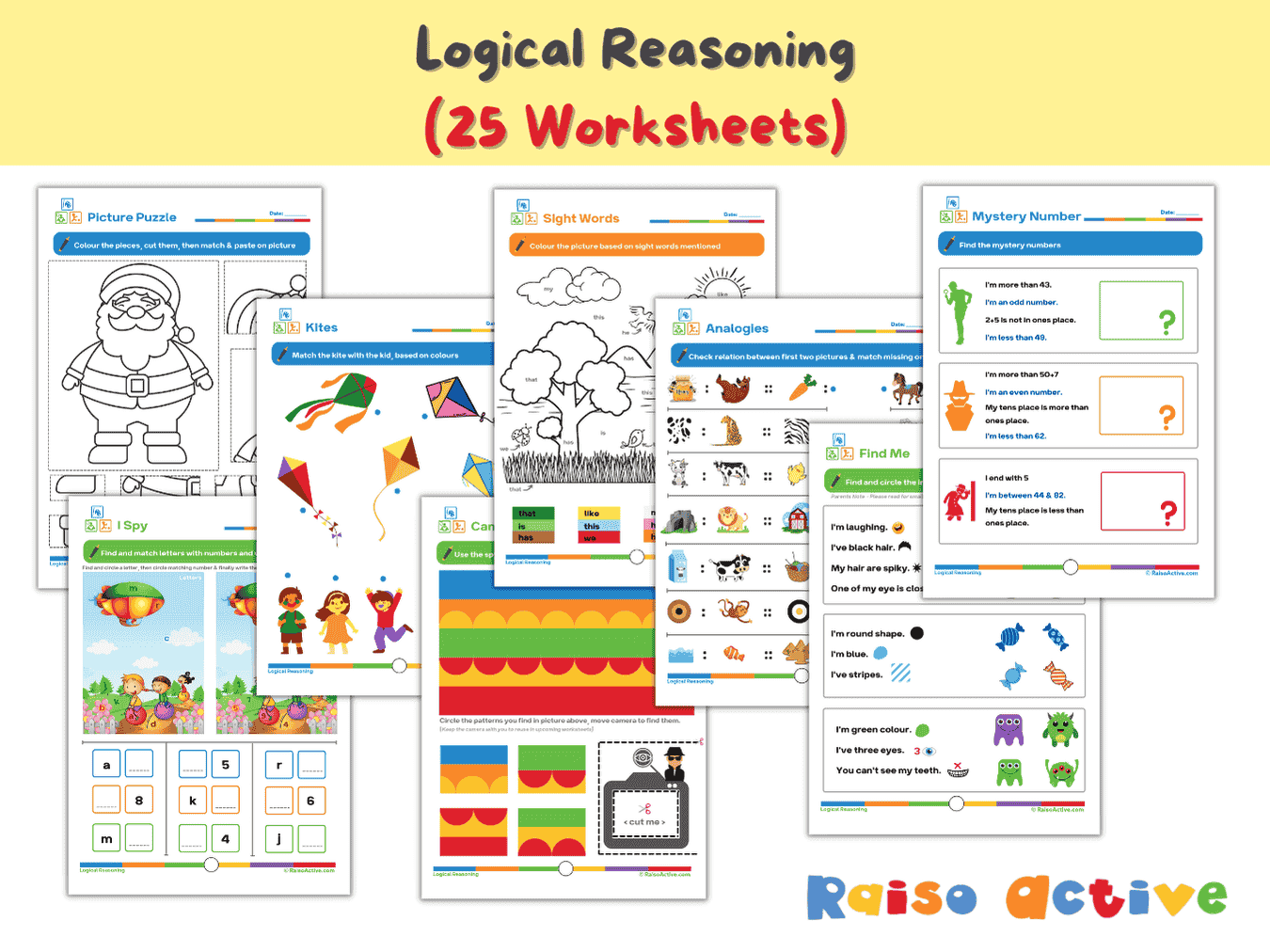
Logical Reasoning Activity Book for Preschool & Kindergarten | Patterns, Puzzles & Analogies
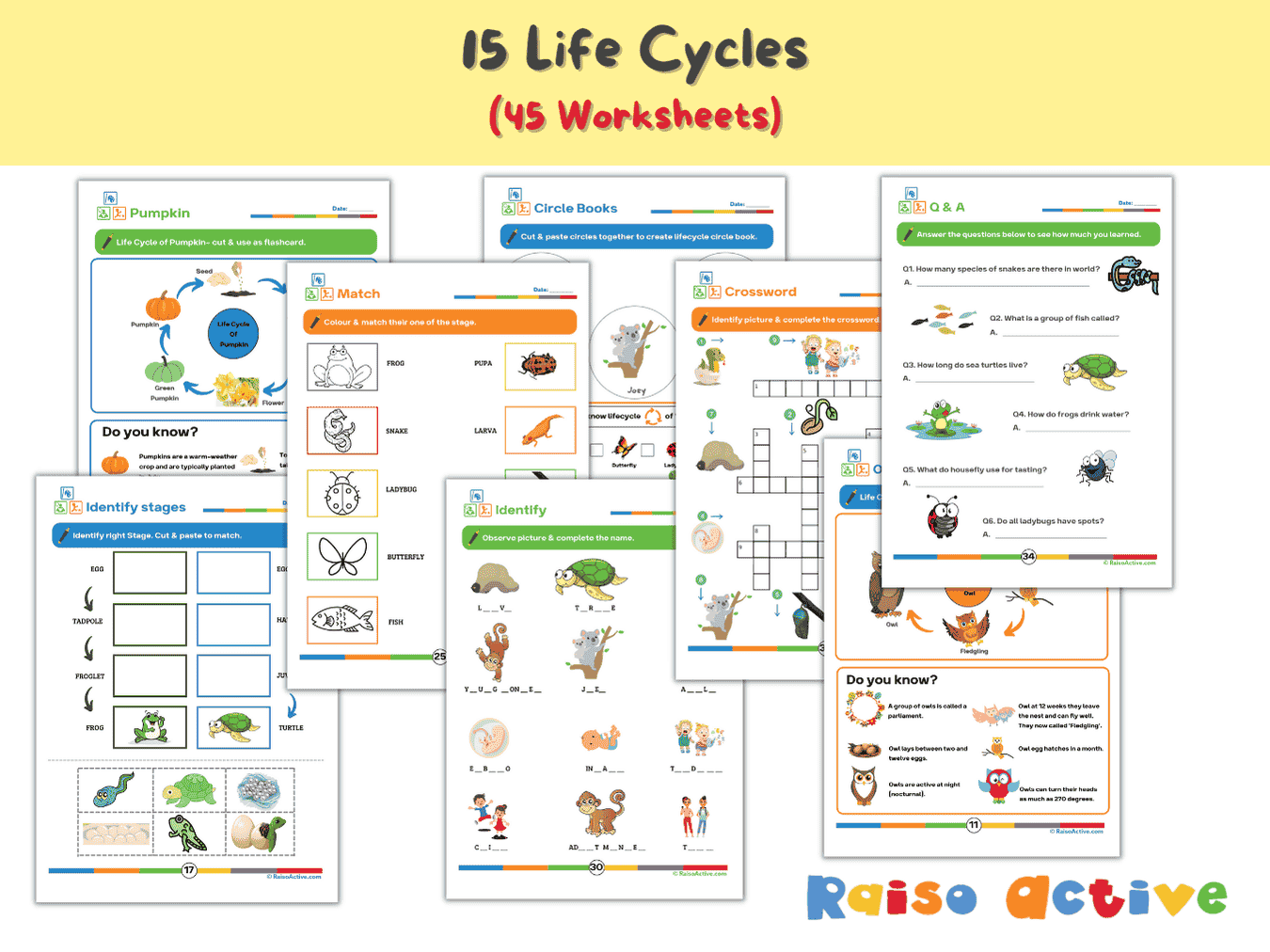
Lifecycles Activity Book & Flashcards for Preschool & Early Elementary
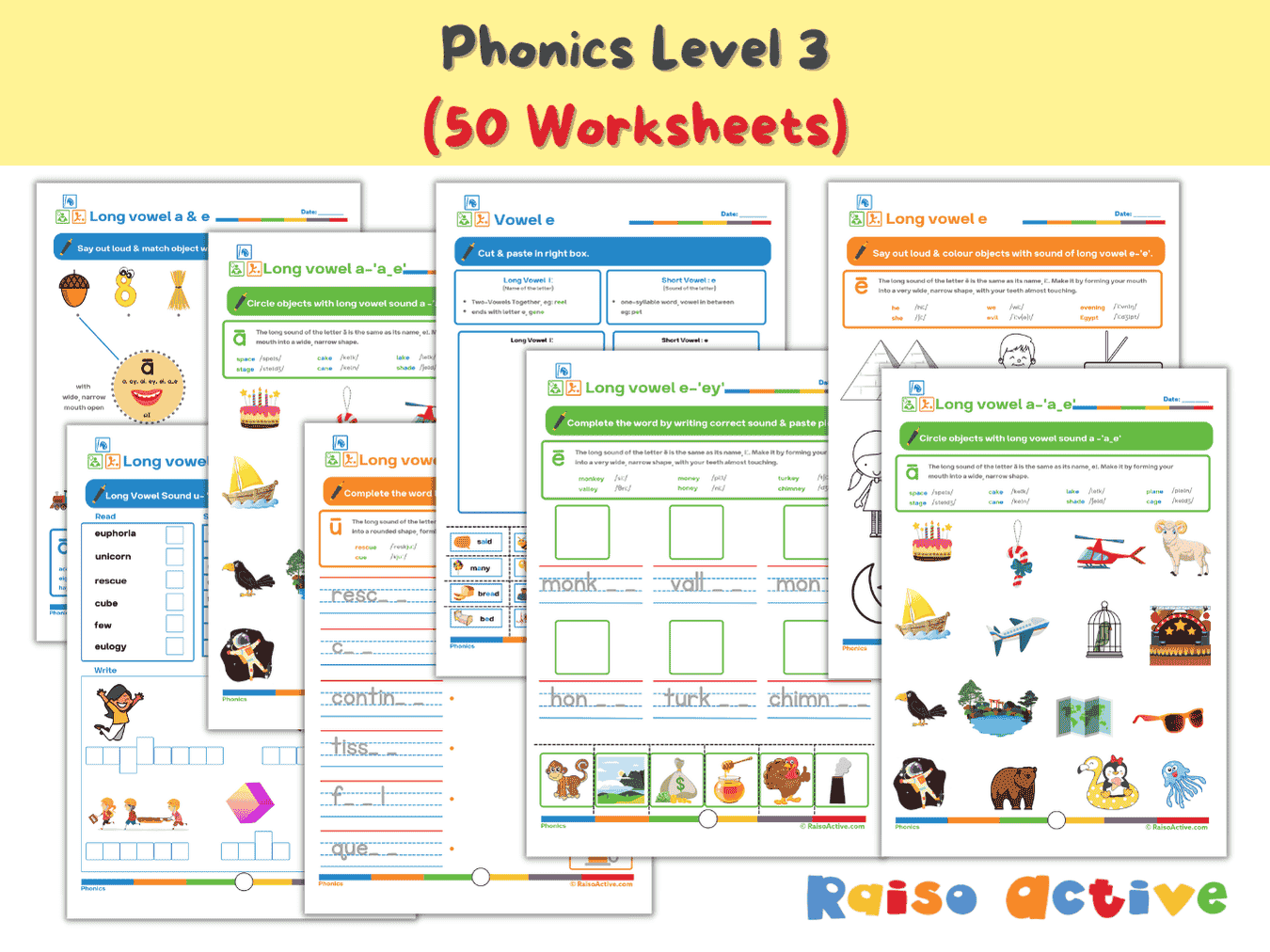
Phonics Level 3 Long Vowels Activity Book for Kindergarten & 1st Grade
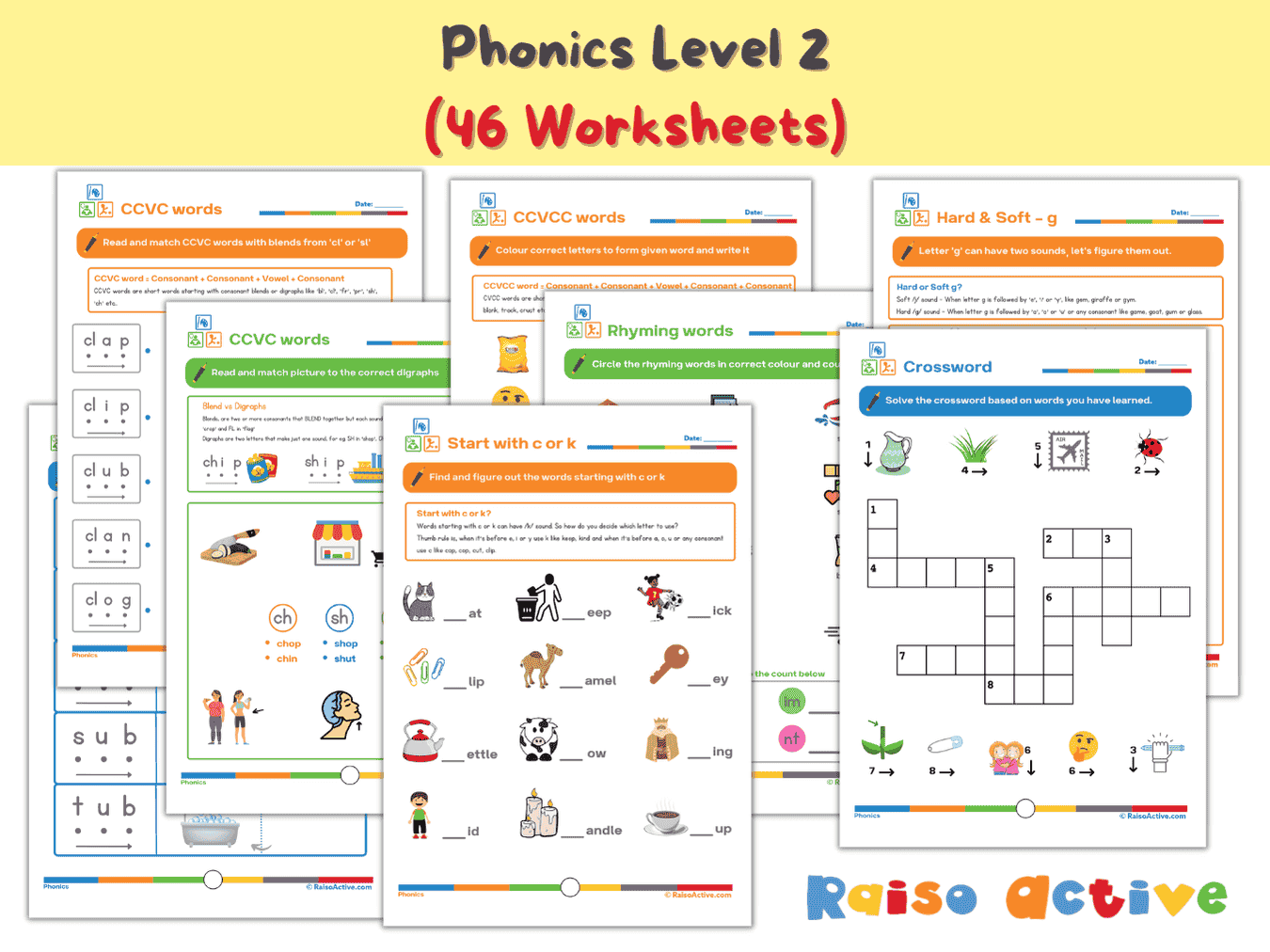
Phonics Level 2 Worksheets: CVC, CCVC, CVCC Word Families & Blends for Early Readers (Ages 4-7)
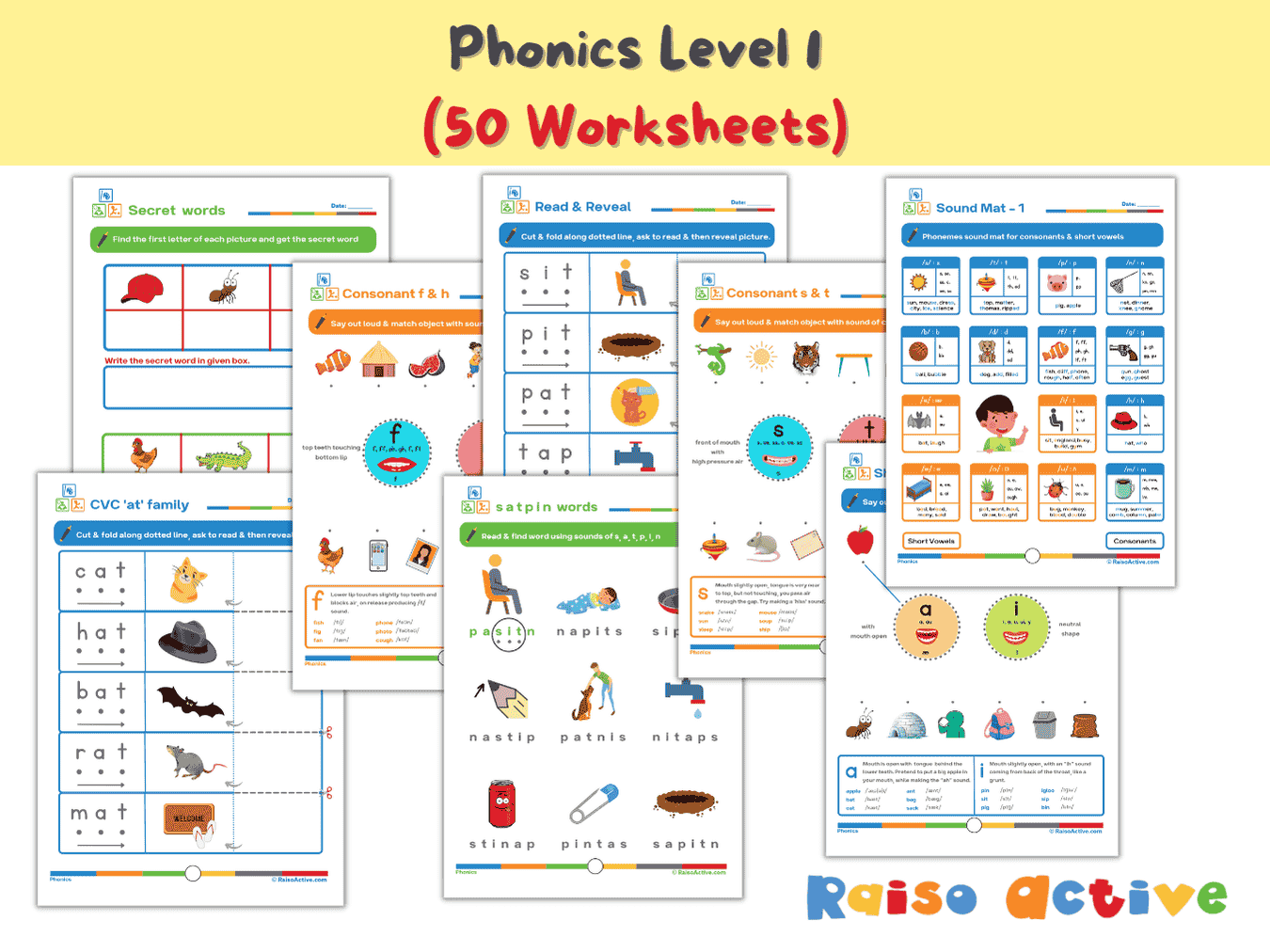
Phonics Level 1 Activity Book: Letter Sounds, Blending & CVC Words for Preschool & Kindergarten
Guides for parents and teachers
See all guides →Best Worksheets for 3-Year-Olds: What Works and What to Avoid
What works on worksheets for 3-year-olds: short sessions, crayons, tracing lines, matching, cutting, a free weekly plan, and signs one is too advanced.
Age-Appropriate Problem-Solving Activities: Building Critical Thinkers from the Ground Up
Discover fun, age-appropriate problem-solving activities for children ages 1-8. Build critical thinking, logic, and reasoning skills through play-based learning.
Critical Thinking Activities That Actually Work for Young Children: Building Tomorrow's Thinkers Today
Discover proven critical thinking activities for young children. Age-wise logic games, questioning techniques, and hands-on ideas to build thinking skills at home.
Coding Activities for Preschoolers: Building Tomorrow's Thinkers Today
Discover 15+ unplugged and screen-based coding activities for preschoolers that build sequencing, logic, and problem-solving skills through play. NEP 2020 aligned.