Free printable worksheets · United States
Preschool Connect the Dots Worksheets (Ages 3–4)
Preschool connect the dots worksheets are practice sheets for children aged 3–4 in Preschool in the US. Connect the dots is joining a series of numbered or lettered dots in order with a pencil line to reveal a hidden picture. The sheets on this page cover counting or sequencing in order, fine motor control drawing straight segments and letter or number recognition when dots are labeled.
Preschool builds readiness rather than academics: pre-writing strokes, uppercase letter recognition, counting objects to ten, naming shapes and colors, and cutting along a line, all introduced through short table activities inside a mostly play-based day. Grip is still forming, so most activities favor a thick crayon over a standard pencil. A dot-to-dot at three is a handful of large dots, numbered 1 to 5 and later 1 to 10, set around an obvious outline such as an apple or a fish. The child says each number aloud, finds it, and draws a crayon line to it. Straightness does not matter; the sequence does. Dots should be far apart with nothing else nearby. Pictures that need twenty dots or a pencil are next year's work.
375+ worksheets · free PDF download · print on A4 or Letter
Preschool Connect the Dots Worksheets to print
Browse all worksheets for ages 3–4
Connect the Dots: Ganesha Face Worksheet for Kids
This worksheet strengthens number sequencing from 1 to 30 and fine motor pencil control in children ages 3-5 as they connect dots to reveal a Ganesha face. Following a long numeric sequence builds number order fluency beyond simple counting, while the resulting picture rewards sustained focus with a satisfying reveal.

Connect the Dots: Hidden Shape Worksheet for Kids
Children ages 3-5 practice counting in sequence and fine motor line control as they connect numbered dots in order to reveal a hidden shape, combining numeracy with hand-eye coordination in one satisfying activity. The surprise of a shape emerging only once every dot is connected correctly also motivates children to stay careful and accurate rather than rushing through the numbers.
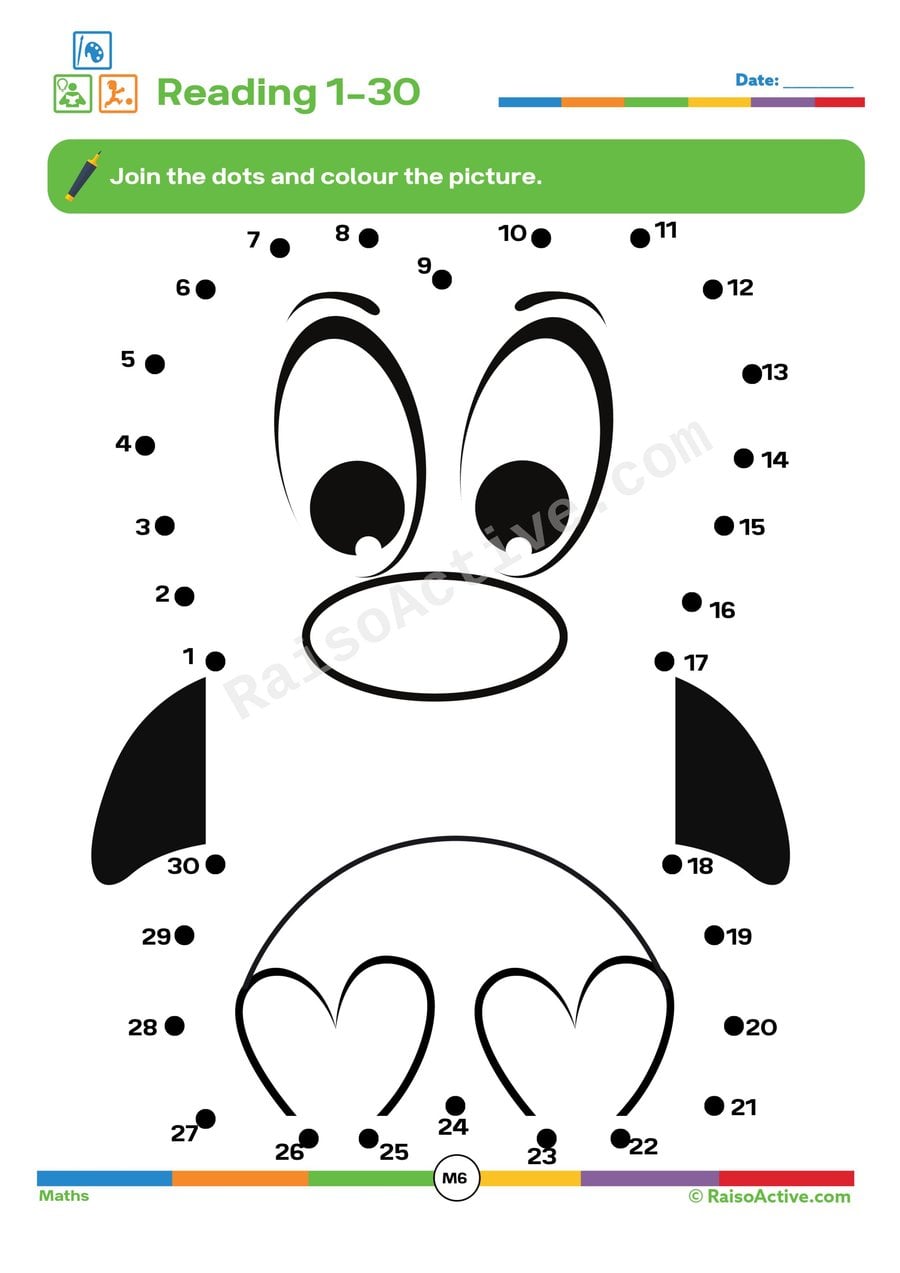
Connect the Dots Penguin Worksheet for Kids
Connecting numbered dots in order to reveal a penguin picture helps children ages 3-5 practice counting in sequence while building the fine motor control needed to draw a steady connecting line. The surprise of watching a recognizable picture emerge gives extra motivation to count carefully all the way to the end.

Unicorn Dot-to-Dot Worksheet: Connect the Numbers!
Connecting fifty numbered dots in sequence gives children serious practice with number order and one-to-one counting while also demanding steady pencil control to draw a continuous line from point to point. The reveal of a unicorn picture at the end provides a built-in reward that keeps motivation high through a task that requires more sustained focus than a typical preschool counting page.

Connect the Dots: Help the Prince Find the Princess! Numbers 1-25 Worksheet
Locating dots in order from 1 to 25 and drawing a steady connecting line combines number recognition and sequencing with the pencil control children ages 3-5 need for handwriting readiness.

Learn India's National Symbols: A Dot-to-Dot Worksheet
Connecting numbered dots to reveal each national symbol builds fine motor control and number-sequence recognition in children ages 3-5, since they must find and connect dots in the correct numerical order to form a recognizable picture. As each symbol emerges from the dots, children also gain early familiarity with important national imagery and its name.

Dot-to-Dot Snail Worksheet: Counting Numbers 1-30!
This dot-to-dot worksheet challenges children ages 3-5 to count and connect numbers from 1 to 30 in sequence, extending their number-order knowledge well past the more common 1-10 range while also building fine motor control as they draw connecting lines. Successfully completing a longer sequence like this gives children a real sense of accomplishment tied directly to numeracy.
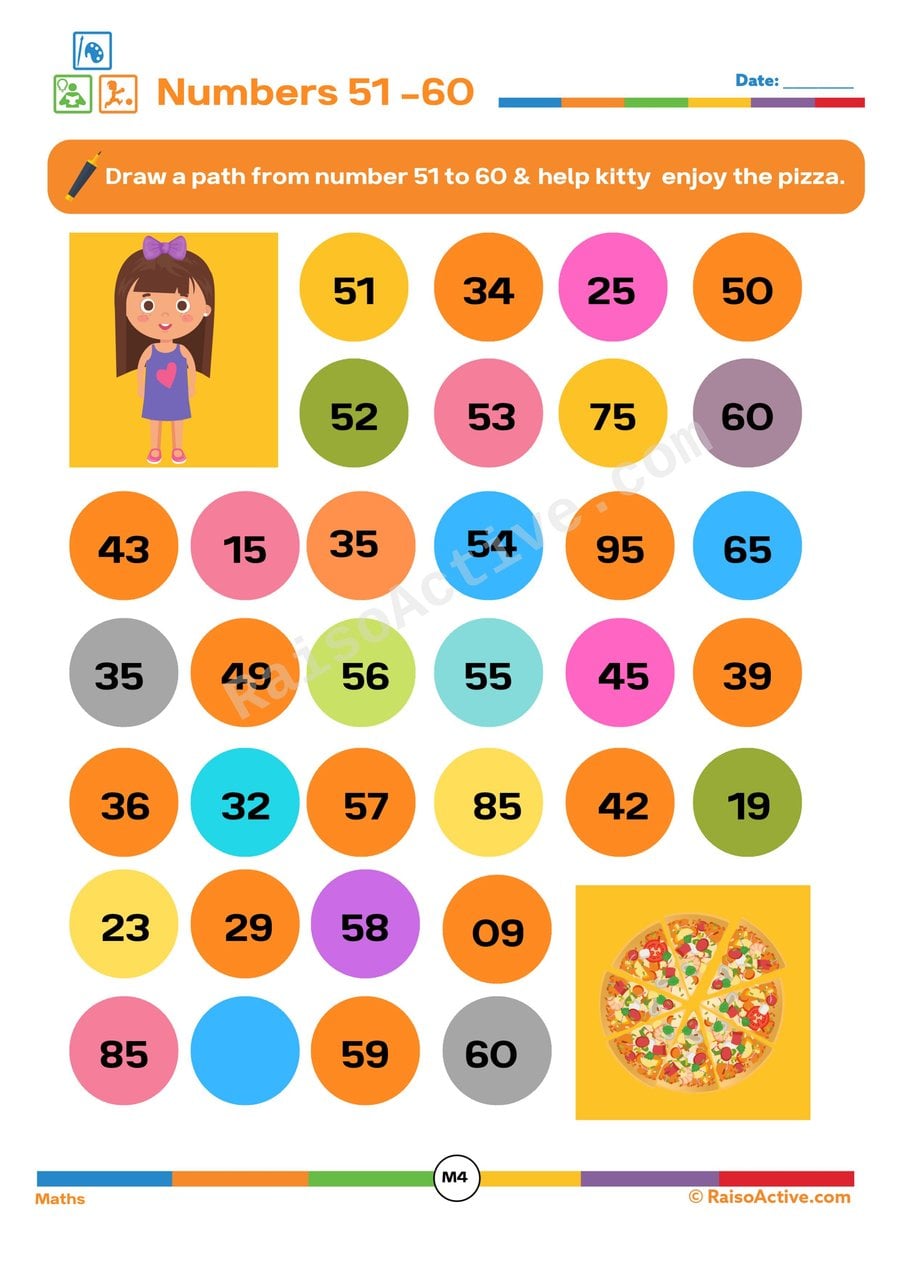
Pizza Path: Numbers 51-60 Worksheet for Kids
Connecting the dots from 51 to 60 in order pushes children ages 4-5 beyond the more familiar 1-20 range, helping them recognize two-digit numbers and understand that counting sequences continue predictably into higher decades. This dot-to-dot format turns number recognition into a rewarding visual payoff, since a hidden pizza picture only appears once every number is found and connected correctly. It's a motivating way to practice number order without it feeling like repetitive drilling.

Connect the Dots: Mushroom House Worksheet for Kids (Numbers 26-50)
Extending number sequencing into the 26-50 range pushes children ages 4-6 past the more familiar 1-20 span while reinforcing the fine motor control needed to draw controlled connecting lines that reveal a mushroom house picture.
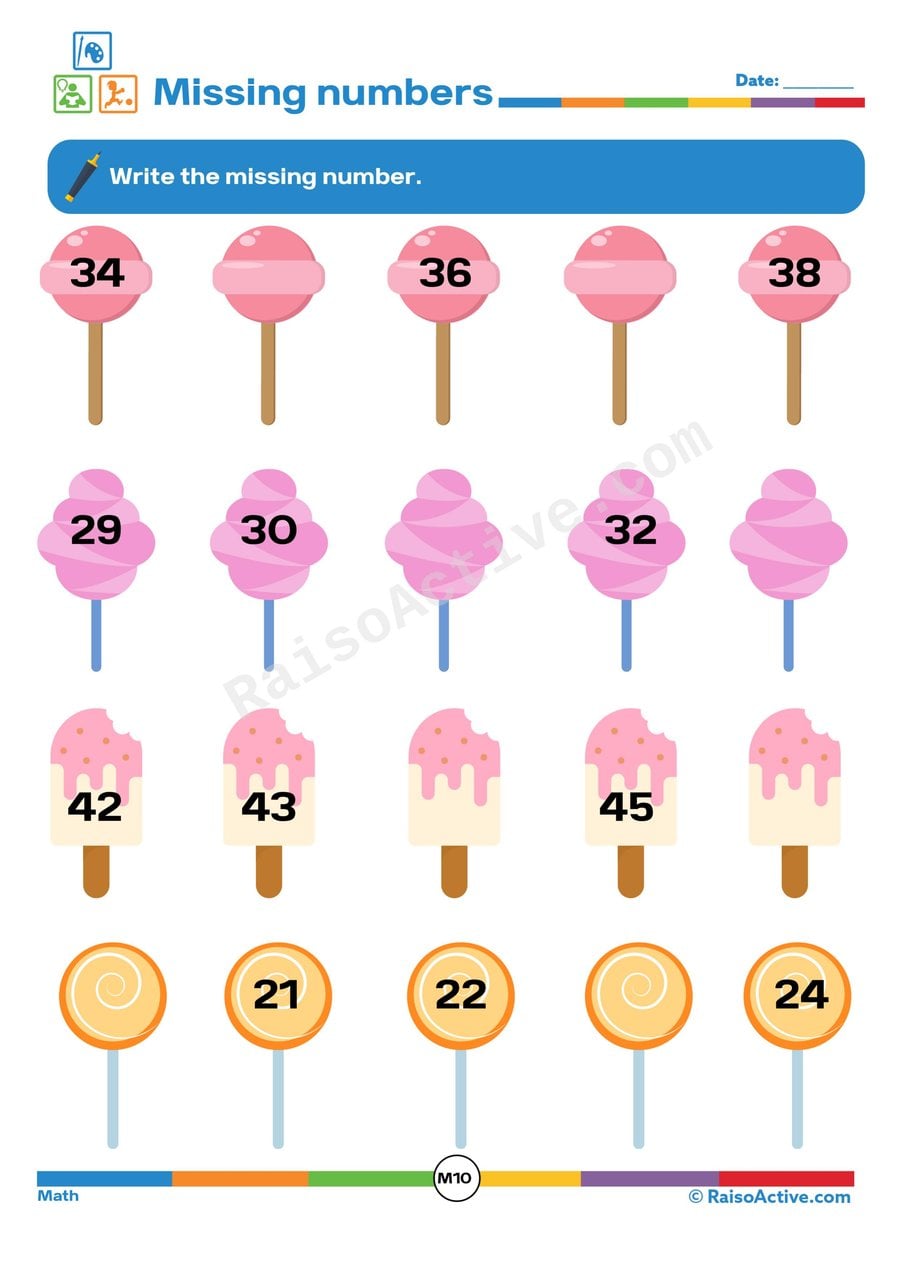
Missing Numbers Worksheet: Sweet Treats!
Set against a row of illustrated sweet treats, this worksheet gives children ages 3-5 practice with number sequencing - recognizing what comes before or after a given number in the counting order. This is a key early step toward understanding that numbers have a fixed, predictable order, which children need before they can count reliably or perform simple addition.
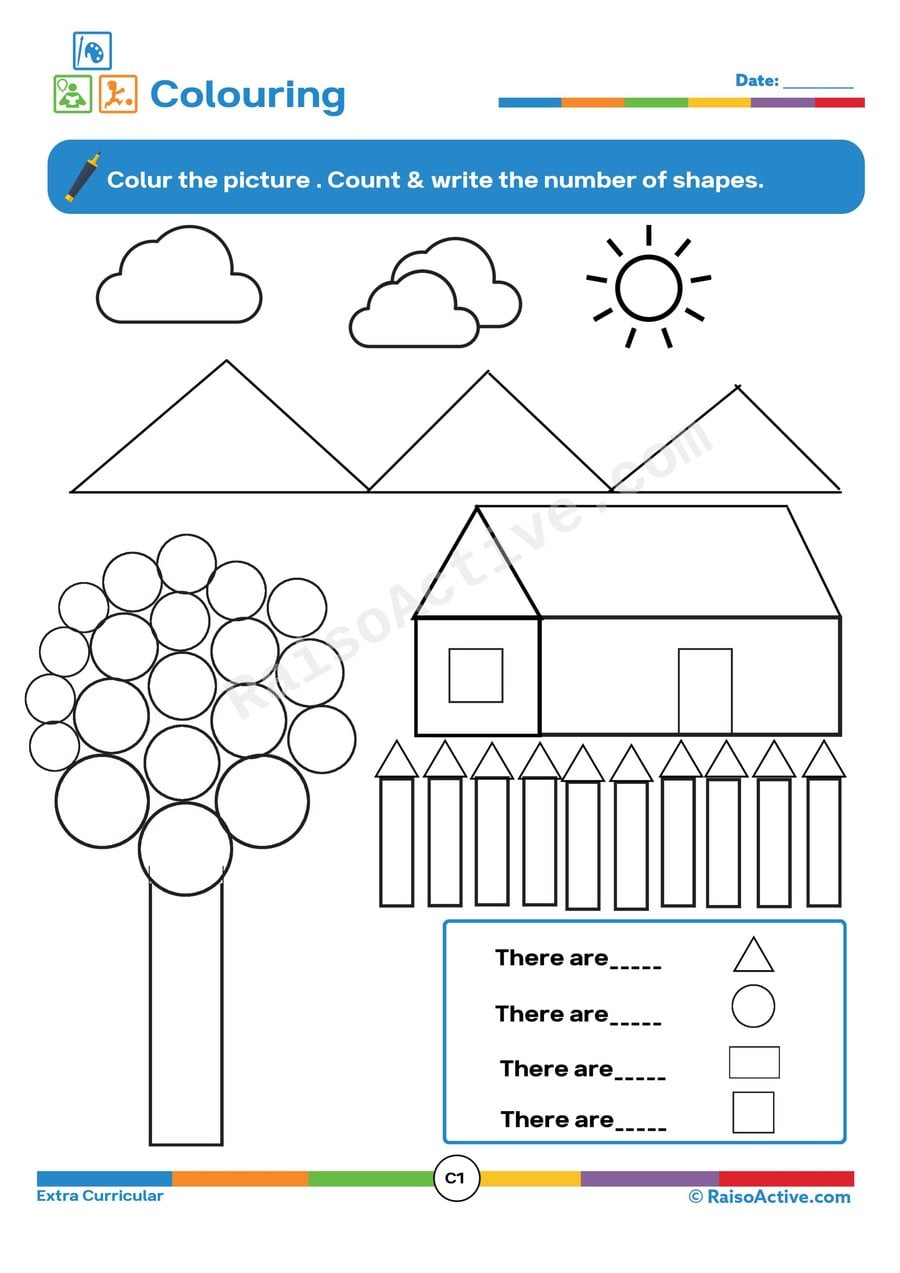
Shape Counting Fun: Count and Color the Shapes!
Preschoolers ages 3-5 combine shape recognition with counting practice by identifying different shapes within a larger picture, coloring them, and then counting how many of each shape appear. This dual task strengthens both geometry vocabulary and one-to-one correspondence as children tally shape totals. Coloring the picture first also builds sustained fine motor control before the counting portion begins.
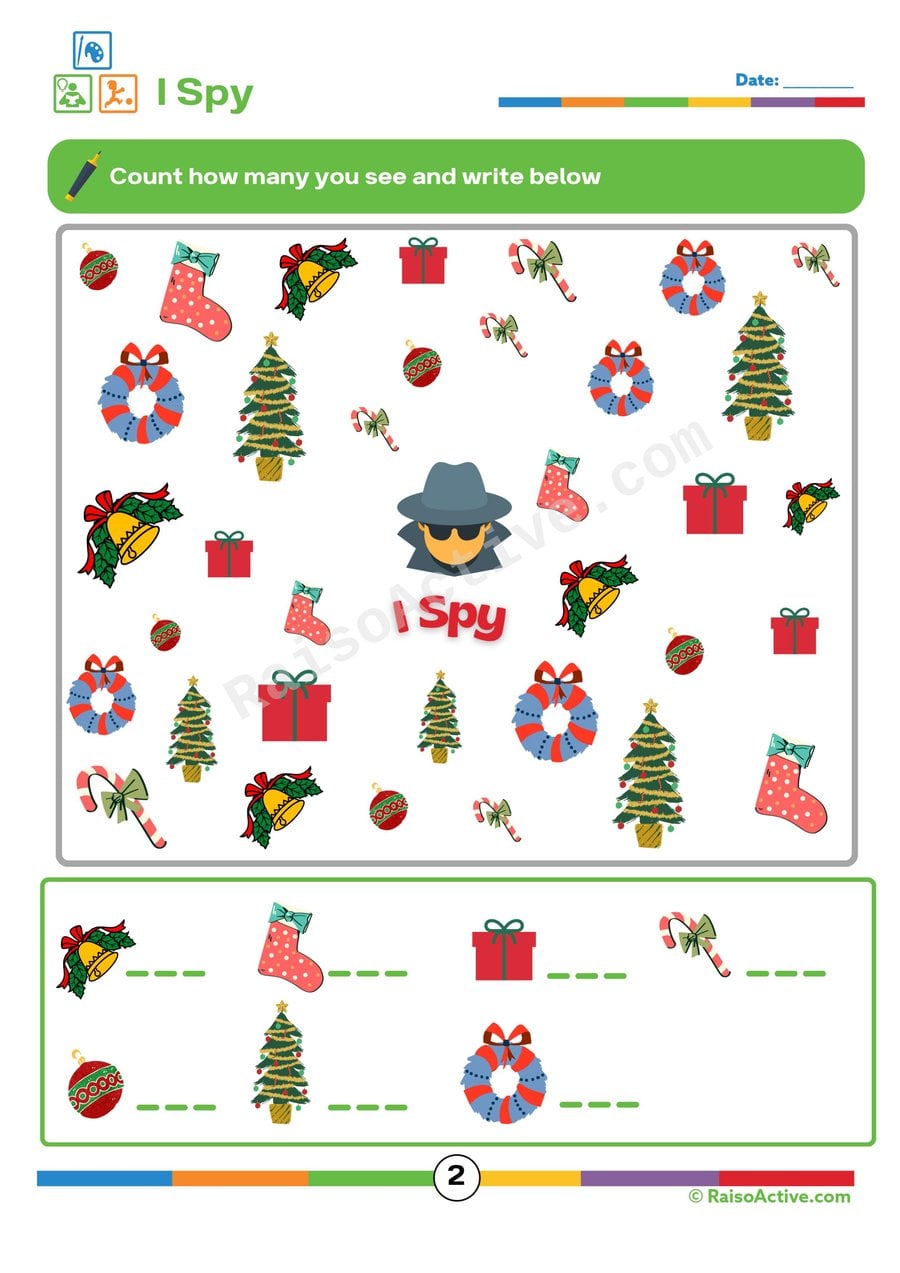
I Spy Christmas Worksheet: Count and Write!
This worksheet strengthens counting accuracy and number writing in children ages 3-5 as they search a busy Christmas scene for specific items and record how many they find. The 'I Spy' search format adds a visual scanning challenge on top of basic counting, since children must first locate every instance of an item scattered across the picture before counting it.
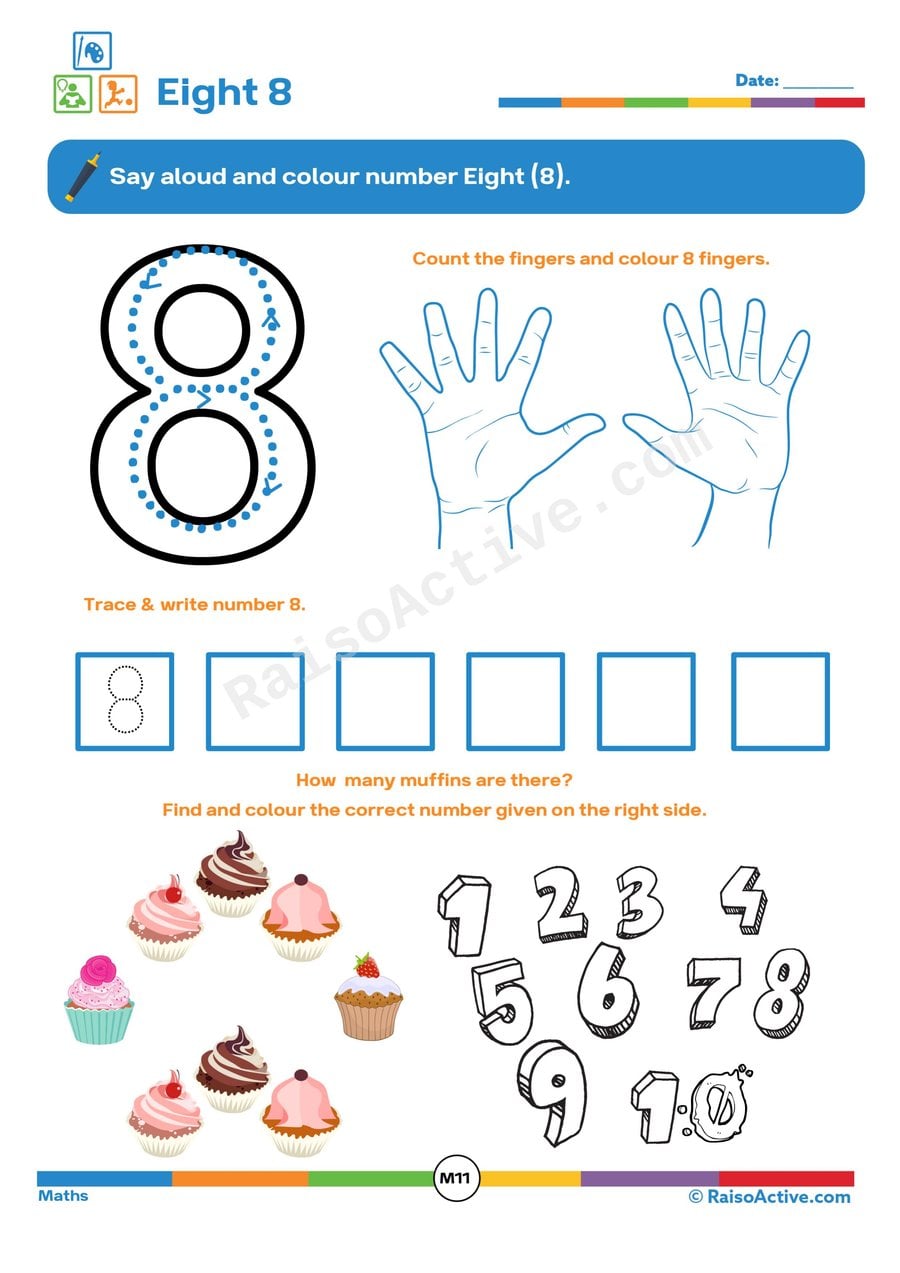
Number Eight (8) Worksheet: Trace, Count, and Color!
This worksheet helps children ages 3-5 learn to recognize, trace, and write the number 8 using its continuous curved stroke, while counting fingers and muffins reinforces one-to-one correspondence for the quantity eight. Circling the correct count among options also sharpens numeral recognition alongside handwriting practice.

Missing Numbers: Ice Cream Fun Worksheet for Kids
This worksheet helps children ages 3-5 practice number sequencing by identifying and writing in the missing numerals within a series of ice cream cones and cars, numbers 1 through 10. Filling in a gap within an otherwise familiar sequence requires children to hold the whole counting order in mind and recognize what number logically belongs in the empty spot, which is more demanding than counting forward from the start each time. The playful ice cream and car theme keeps the repeated number practice visually engaging.

Number 1 Fun: Tracing, Coloring, and Counting Worksheet for Preschoolers
This worksheet helps children recognize, trace, and count the number 1 through a combination of tracing practice, coloring watermelon slices and number blocks, and identifying the numeral within a sequence. For three- to five-year-olds, this multi-activity approach reinforces the same number from several angles — written form, spoken word, and counted quantity — so the concept of '1' is reinforced from more than one direction.
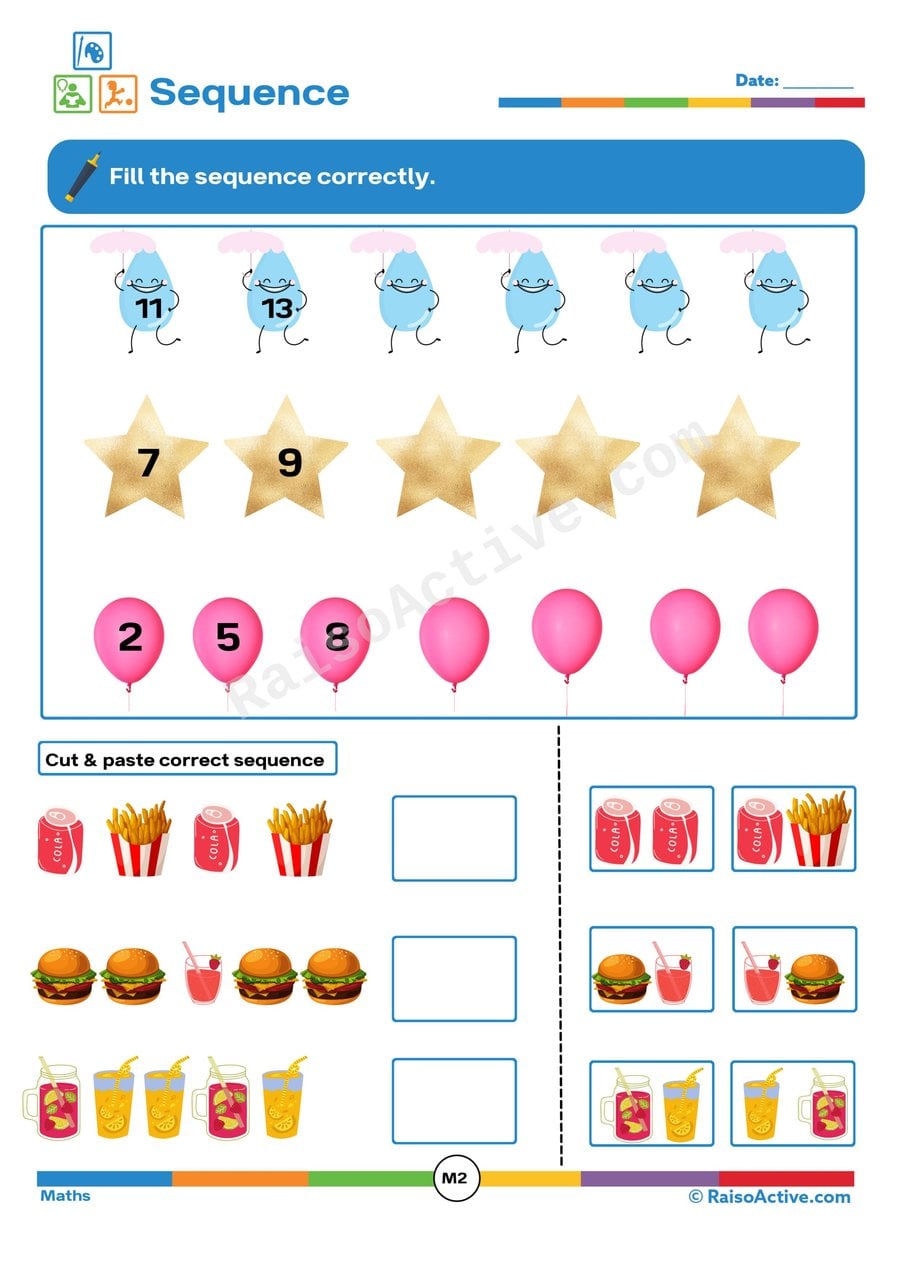
Fill the Sequence Worksheet for Preschoolers
This two-part worksheet has children ages 3-5 first fill in missing numbers within a counting sequence and then cut out and paste the correct completed sequence, combining number-order recognition with fine motor cutting and pasting practice. Understanding that numbers follow a fixed, unchanging order is a critical foundation for counting accurately and, later, for addition and subtraction.

Number Names Matching Worksheet for Preschoolers
This worksheet helps children ages 3-5 connect written number names, like 'three' or 'seven,' to the numeral they represent, an important step beyond simply recognizing digits since it introduces reading actual number words. Decoding a color clue to figure out and write each number name first adds an extra layer of visual attention before the matching step even begins.

Summer Counting Worksheet: Count and Color Summer Objects!
This worksheet has children ages 3-5 count summer objects arranged in separate boxes and write the matching number below each group, giving repeated practice at connecting a counted quantity to its written numeral across several small sets. Working through multiple separate boxes, rather than one long row, keeps each counting task short and manageable while still building the stamina to repeat the process several times in a row. This structure also helps children generalize the skill of counting and labeling rather than memorizing a single group's answer.

Spider Count Worksheet: Finger Painting Fun for Halloween!
Dabbing fingertips or Q-tips in paint to create the exact number of spiders shown on each web gives children ages 3-5 hands-on practice with one-to-one counting while also strengthening the small hand muscles needed for pencil control later on. Because each web has a target number, children must count as they paint rather than just decorating freely, which reinforces number recognition in a playful, low-pressure way. The messy, sensory nature of finger painting also supports focus and engagement at an age when seated paper-and-pencil tasks can be hard to sustain.

Simple Pattern Worksheet for Preschoolers: Fill in the Sequence!
Recognizing and continuing a pattern is one of the earliest building blocks of mathematical and logical thinking for children ages 3-5, since it requires noticing a repeating rule and predicting what comes next based on that rule. This worksheet uses both shapes and numbers to build pattern awareness, asking children to fill in missing elements in a sequence and then match related number sequences together. Pattern recognition like this underpins later skills in math, reading, and even everyday problem-solving, since spotting repeating structures is a skill that transfers well beyond this one worksheet.

Subtraction Fun: Counting and Subtracting Worksheet for Kids
This worksheet gives 3-5 year olds direct practice subtracting the smaller number from the larger one, using accompanying pictures to make each subtraction problem visible and countable rather than purely abstract. Working through picture-supported subtraction repeatedly at this age builds the number sense needed before children can subtract using numerals alone, without a picture to lean on.

Cut and Glue: Comparing Quantities Worksheet for Preschoolers
Comparing quantities using the greater than, less than, and equal to symbols is an early step toward formal mathematical notation for children ages 3-5, building on the counting skills they already have. This cut-and-paste worksheet asks children to count two sets of objects, decide which set is larger, smaller, or the same, and then physically select and glue the correct comparison symbol between them. Handling the symbol pieces themselves, rather than writing the symbols freehand, lets younger children engage with this abstract math concept before their fine motor skills are ready for symbol writing.

Weather Worksheet: Match the Weather to the Number!
This matching activity asks children ages 3-5 to connect weather pictures — sun, rain, clouds, snow — to numbered labels, combining early reading of weather vocabulary with number-symbol association. Recognizing that a picture, a word, and a number can all represent the same idea builds the kind of flexible symbolic thinking children will later use in reading and math alike. Weather is also a topic children experience daily, which makes the vocabulary immediately meaningful rather than abstract.

Rough vs. Smooth Worksheet: Sorting and Counting Objects
Rough and smooth are texture words a 3-5 year old usually understands through touch long before they can reliably identify them just by looking at a picture, so this worksheet bridges that gap by pairing the visual sorting task with counting practice. Counting how many rough versus smooth objects appear afterward layers basic data skills — 'which group has more?' — on top of the classification.
What Preschool connect the dots worksheets cover
A dot-to-dot at three is a handful of large dots, numbered 1 to 5 and later 1 to 10, set around an obvious outline such as an apple or a fish. The child says each number aloud, finds it, and draws a crayon line to it. Straightness does not matter; the sequence does. Dots should be far apart with nothing else nearby. Pictures that need twenty dots or a pencil are next year's work.
- Join three big dots to make a triangle
- Connect dots 1 to 5 around an apple outline
- Say each number out loud before drawing to it
- Draw a crayon line from one big dot to the next
- Color the picture once the dots are joined
How to use these worksheets at home or in class
Five minutes is a solid session for a three-year-old, ten minutes the practical ceiling. Offer a thick crayon or a short fat pencil, sit beside your child, and treat the sheet as one activity among blocks, stories and outdoor play rather than as schoolwork.
Start with the sheet that matches what your child can already do, then move one step up. Keep finished sheets in a folder: Preschool teachers often ask for evidence of practice, and children like seeing their own progress.
Is your child ready for Preschool connect the dots work?
A child ready for these activities holds a crayon and makes deliberate marks, sits at a table briefly, follows a single spoken instruction, and shows some interest in the letters of their own name or the numbers they hear counted aloud.
Frequently asked questions
My three-year-old cannot recognize numbers yet. Can they still do dot-to-dots?
Yes. Start with sheets of two or three unnumbered dots, where the task is only drawing from one to the next, then use 1 to 5 pictures with the dots already in order around the outline while you read each numeral aloud. Counting together as the line reaches each dot teaches the numerals 1 to 5 through the picture itself, which is how most children first learn them.
What should a Preschool child be able to do in connect the dots?
A dot-to-dot at three is a handful of large dots, numbered 1 to 5 and later 1 to 10, set around an obvious outline such as an apple or a fish. The child says each number aloud, finds it, and draws a crayon line to it. Straightness does not matter; the sequence does. Dots should be far apart with nothing else nearby. Pictures that need twenty dots or a pencil are next year's work. A child ready for these activities holds a crayon and makes deliberate marks, sits at a table briefly, follows a single spoken instruction, and shows some interest in the letters of their own name or the numbers they hear counted aloud.
Do these worksheets follow the Preschool curriculum?
The sheets cover counting or sequencing in order, fine motor control drawing straight segments, letter or number recognition when dots are labeled and completing a picture from a sequence, which sit inside the Head Start Early Learning Outcomes Framework (ELOF) outcomes for Preschool. Nursery (UK), Nursery (India) use the same skills at this age, so the sheets also fit families following those programmes.
Are these Preschool connect the dots worksheets free?
Yes. Each worksheet downloads free as a watermarked PDF once you create an account, with a limit of five a day. An annual membership ($20) removes the watermark and the limit for the whole library of over 1,000 worksheets and every printable pack.

Written by
Hemsweta Jain · Teacher Cheena
MBA and Early Childhood Educator, teaching since 2014 · Founder of RaisoActive, Mumbai
Written and reviewed by Hemsweta Jain (Teacher Cheena), who designs every RaisoActive worksheet.
Last reviewed
Printable packs for ages 3–4
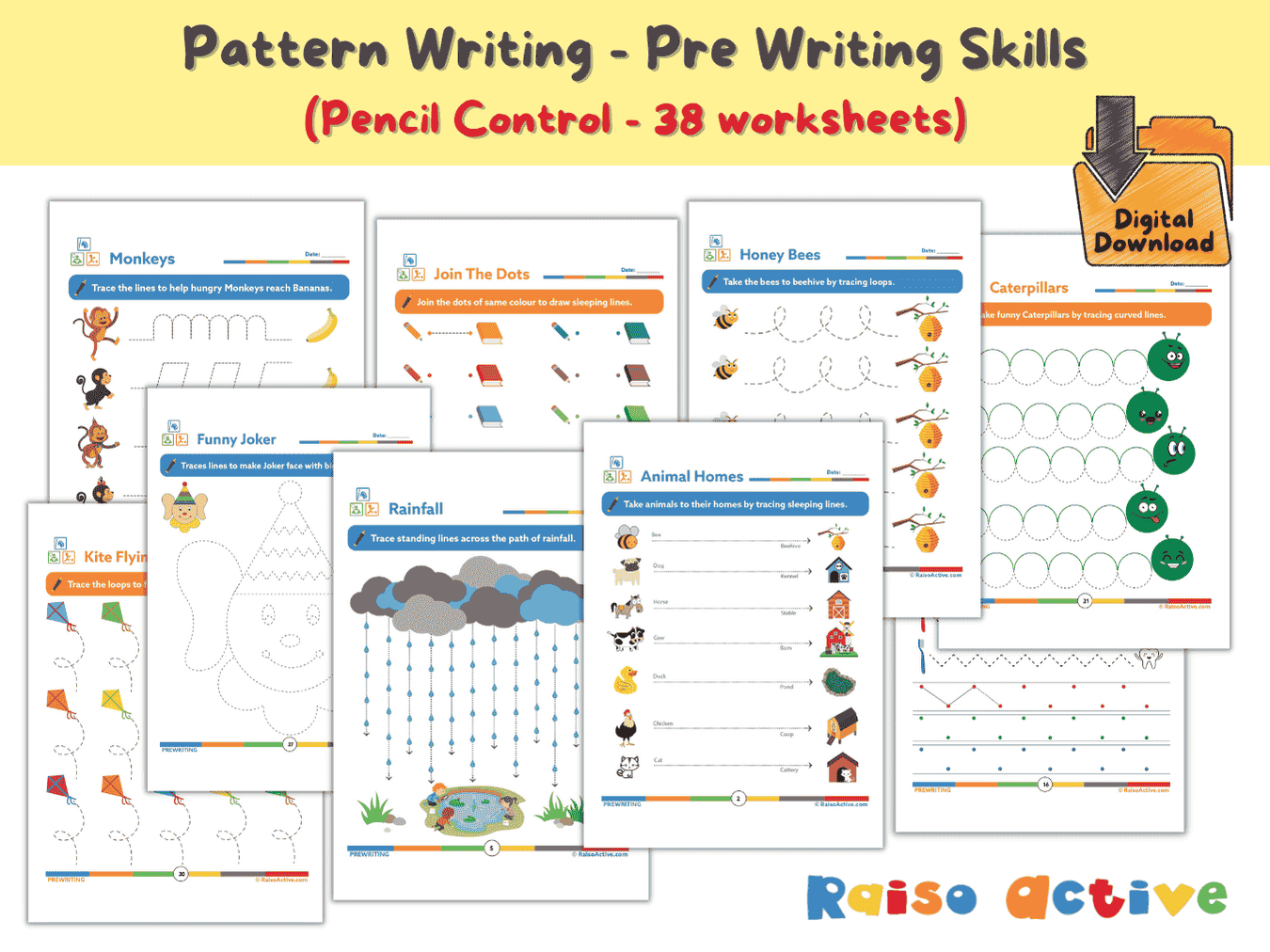
Pattern Writing Pre-writing Skills Activity Book for 3-4 Year Olds
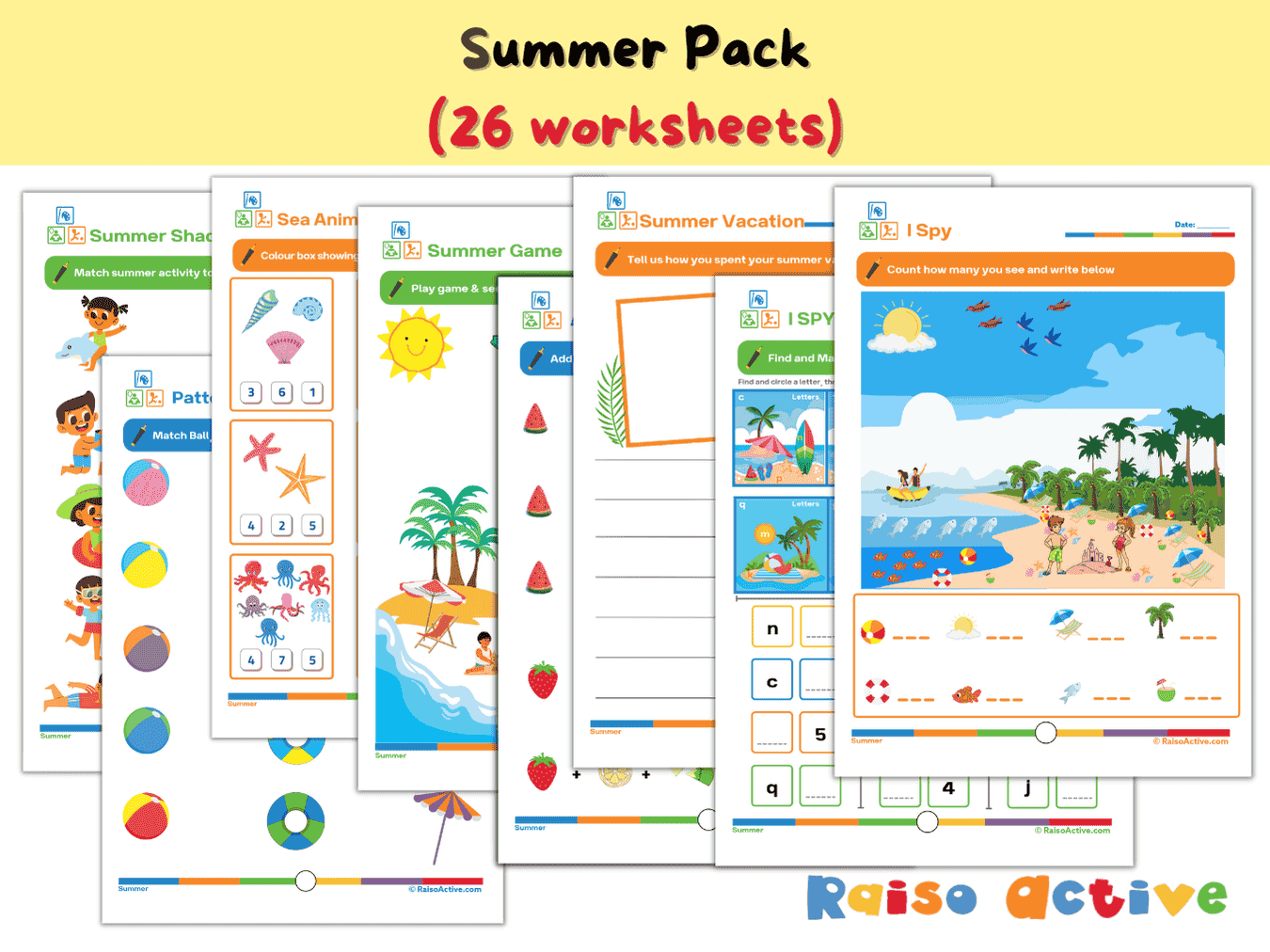
Summer Activity Pack: Math, Literacy, Puzzles & More for Preschool & Kindergarten
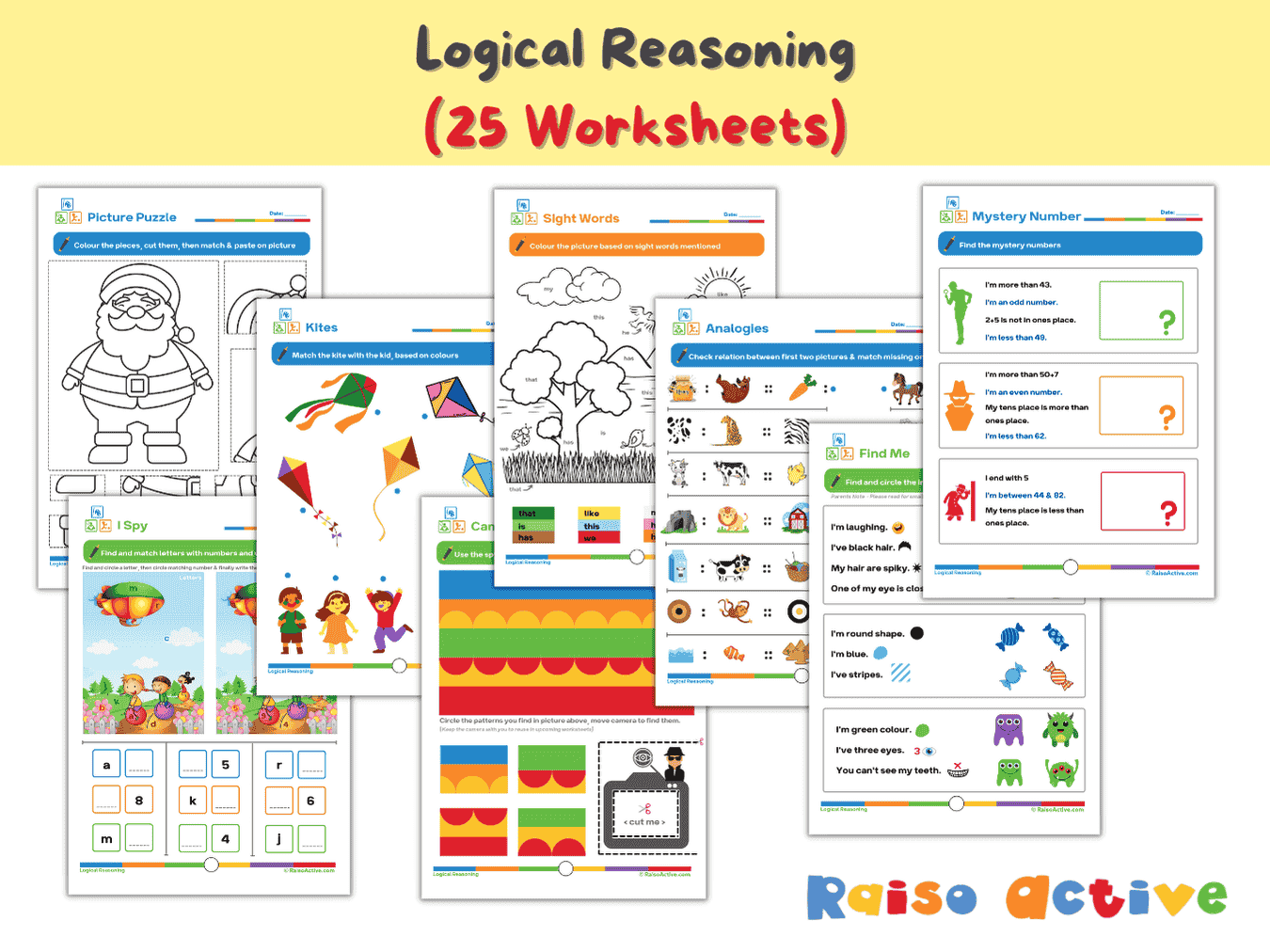
Logical Reasoning Activity Book for Preschool & Kindergarten | Patterns, Puzzles & Analogies
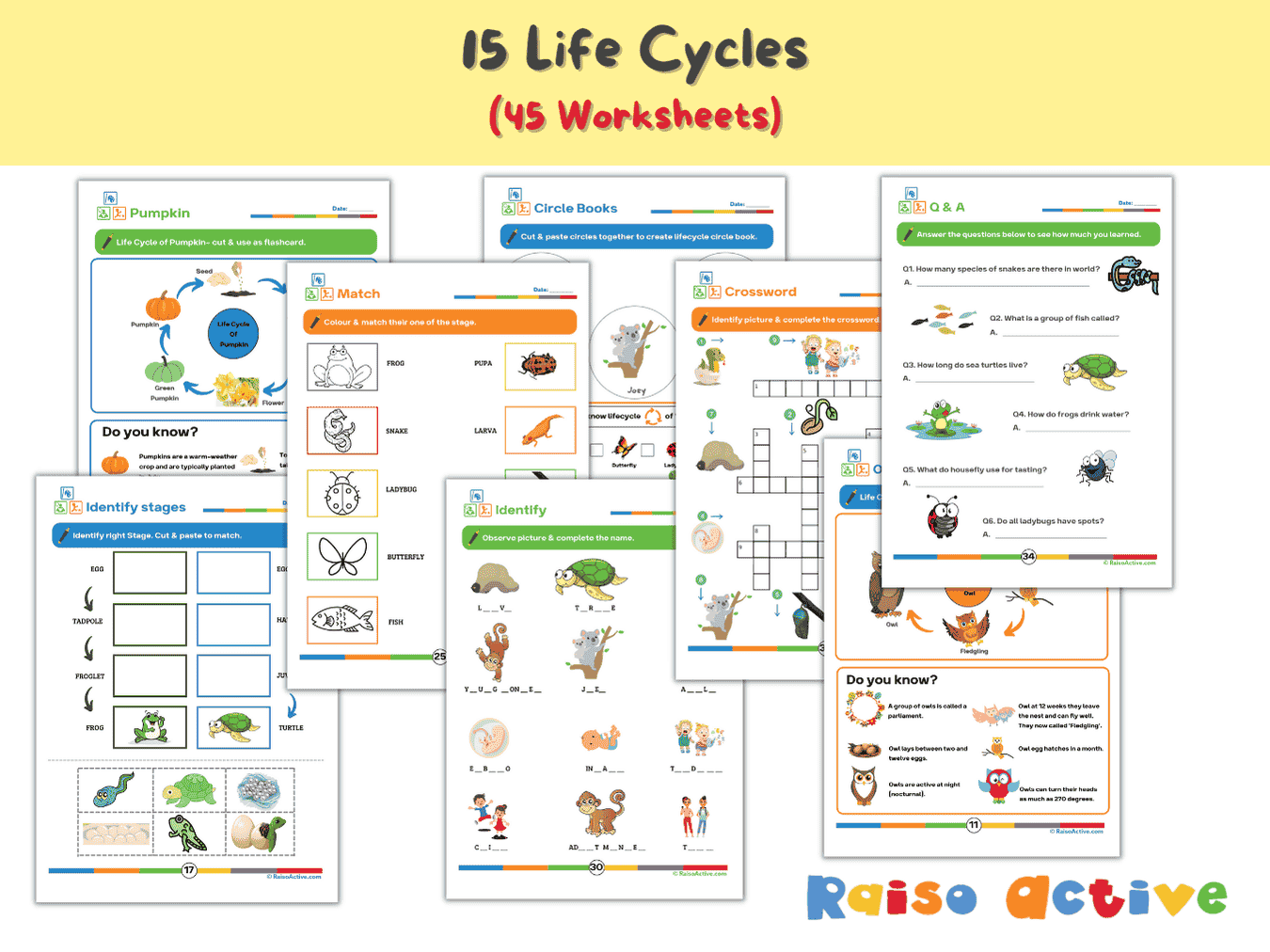
Lifecycles Activity Book & Flashcards for Preschool & Early Elementary
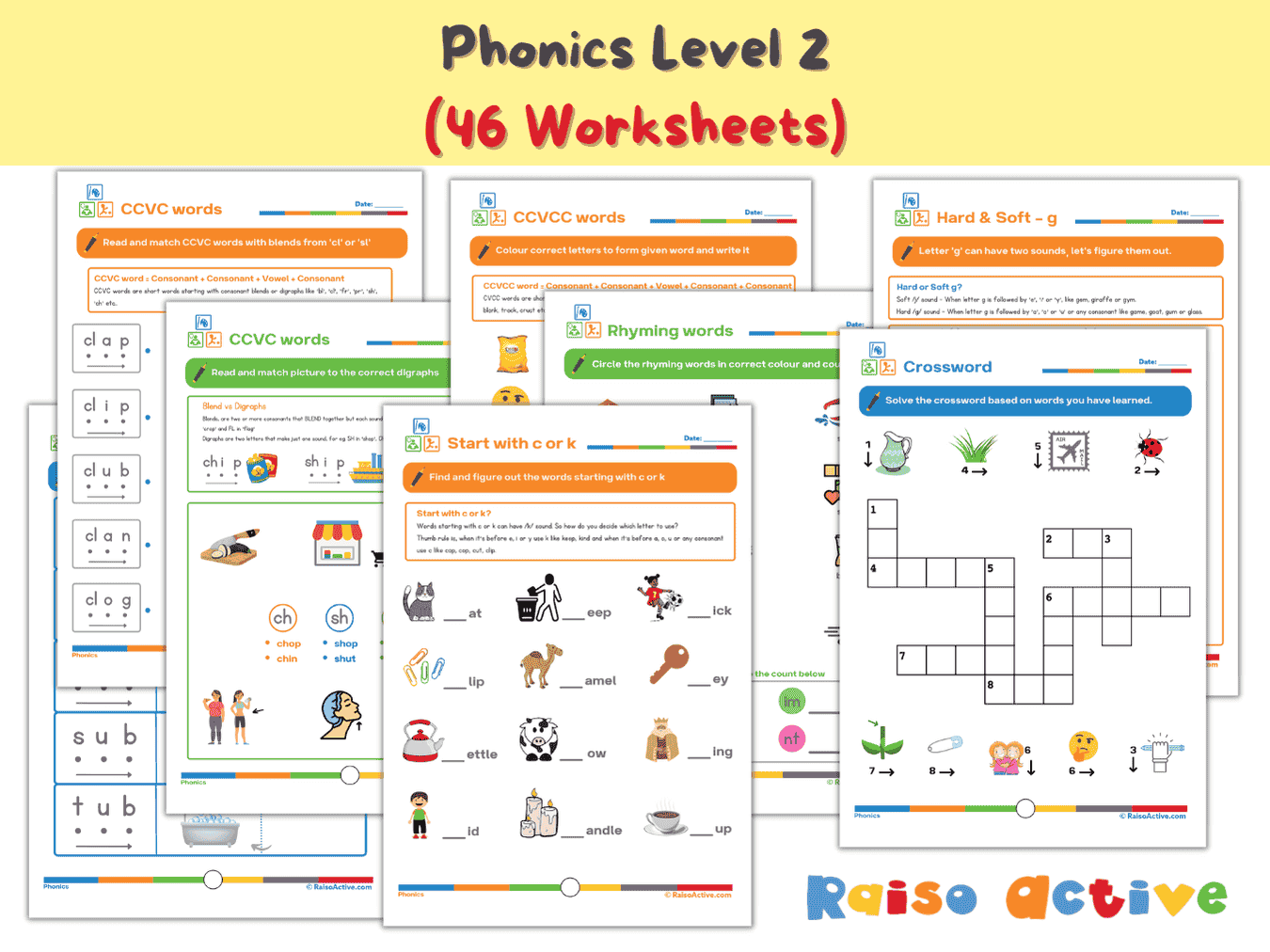
Phonics Level 2 Worksheets: CVC, CCVC, CVCC Word Families & Blends for Early Readers (Ages 4-7)
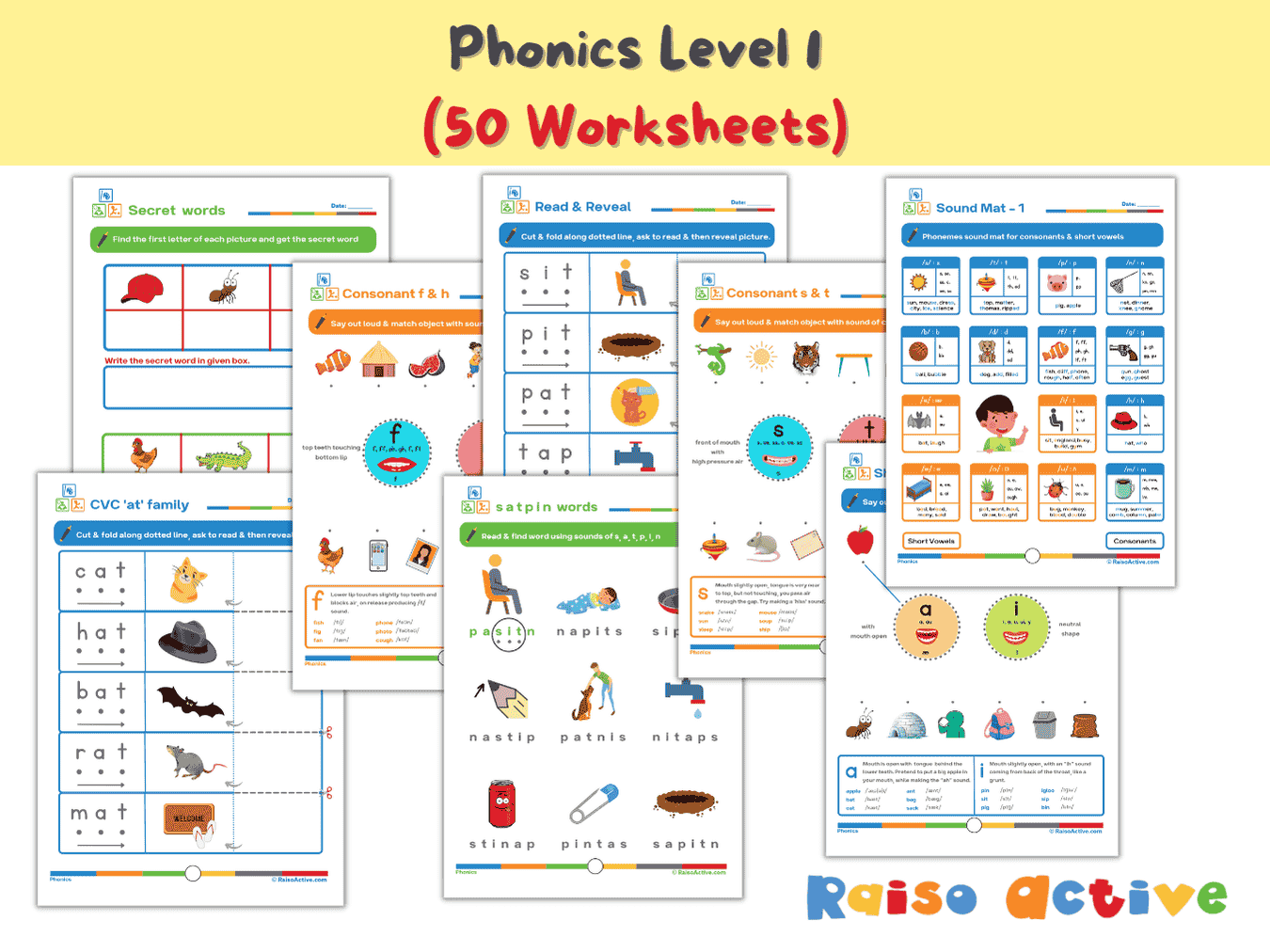
Phonics Level 1 Activity Book: Letter Sounds, Blending & CVC Words for Preschool & Kindergarten
Guides for parents and teachers
See all guides →Number Formation Rhymes 0–9 and How to Fix Reversals
Original number formation rhymes for 0–9, the correct stroke order for each digit, why 3, 5 and 7 get reversed most often, and multisensory fixes that work.
Christmas and Winter Activities That Combine Fun and Learning: Creating Magical Educational Experiences
Discover Christmas and winter activities that combine festive fun with real learning. Crafts, counting, literacy, and printable worksheets for ages 2 to 8 — perfect for home and school.
Age-Appropriate Halloween Learning Activities: Balancing Spooks and Skills for Young Learners
Discover fun, age-appropriate Halloween learning activities for young children. Spooky crafts, counting games, literacy ideas, and printable worksheets for ages 2 to 8.
The Power of Music: How Musical Activities Accelerate Learning Development in Young Children
Discover how musical activities accelerate brain development, phonics, maths, and emotional regulation in children ages 1–8. Practical tips for Indian homes and classrooms.
What's the Best Alternative to ABCmouse? A Complete Parent's Guide to Free and Affordable Educational Apps
ABCmouse runs ~Rs 4,000-5,000/year with US spellings and curriculum. Compare free & affordable Indian-friendly apps like Khan Academy Kids and DIKSHA.
Is Khan Academy Kids Really Free? A Parent's Complete Guide to Costs, Features, and Hidden Fees
Confirmed: Khan Academy Kids has zero subscription fees, ads, or paywalls. See what's included, age-by-age tips, and offline use for Indian families.
Canonical: https://raisoactive.com/worksheets/preschool-connect-the-dots