Free printable worksheets · United Kingdom
KS1 Sorting Worksheets (Ages 5–7)
KS1 sorting worksheets are practice sheets for children aged 5–7 in Key Stage 1 (Years 1–2) in the UK. Sorting is grouping a set of objects or pictures by a shared attribute, such as colour, size, shape or type. The sheets on this page cover grouping objects by one attribute, classifying by size, colour or type, recognizing what does not belong and comparing two groups after sorting.
Key Stage 1 covers Years 1 and 2 together, the stretch in which a child becomes an independent reader and writer while moving from counting to calculating. Year 1 work centres on phonics and the screening check; Year 2 shifts towards spelling patterns, longer writing and mental arithmetic with two-digit numbers. Five-year-olds can sort by a rule they cannot see and by two rules at once. Living and non-living things is the classic invisible rule: does it grow, does it need food, does it move by itself. Two-attribute sorts ask for pictures that are both red and round. Sort-and-count sheets end with a simple chart, and sorting pictures by beginning sound or numbers by size links the skill to reading and maths. Venn diagrams come next year.
696+ worksheets · free PDF download · print on A4 or Letter
KS1 Sorting Worksheets to print
Browse all worksheets for ages 5–7
Animal's World: Sorting Animals by Land, Water, and Air - Printable Worksheet
This sorting worksheet teaches children ages 4-6 to classify animals into three habitat categories — land, water, and air — based on where each animal naturally lives and moves. Classifying by habitat rather than by appearance alone encourages children to think about an animal's features, like fins, wings, or legs, and connect them to function. This three-way sort is more complex than a simple two-category sort, building more advanced categorization skills.
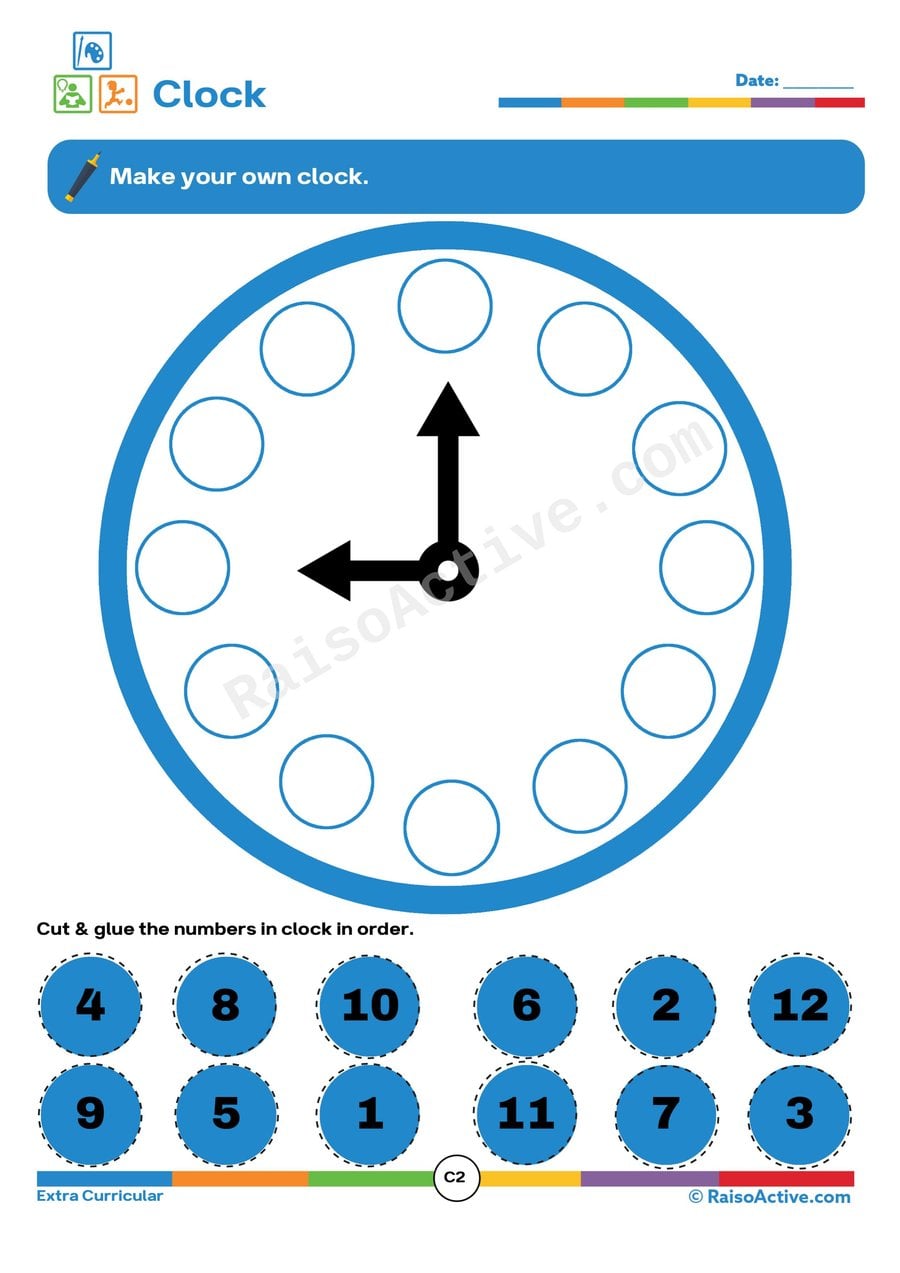
Make Your Own Clock Worksheet: Time Telling Fun!
This hands-on craft has children ages 4-6 cut out and glue numbers in order around a clock face, then draw hands to show different times, combining number sequencing with an introduction to how an analog clock is structured. Physically placing each number themselves, rather than reading a pre-printed clock, helps children internalize why the numbers 1 through 12 are arranged in that specific circular order. Drawing the hands afterward extends the activity from static number placement into functional time-telling practice.
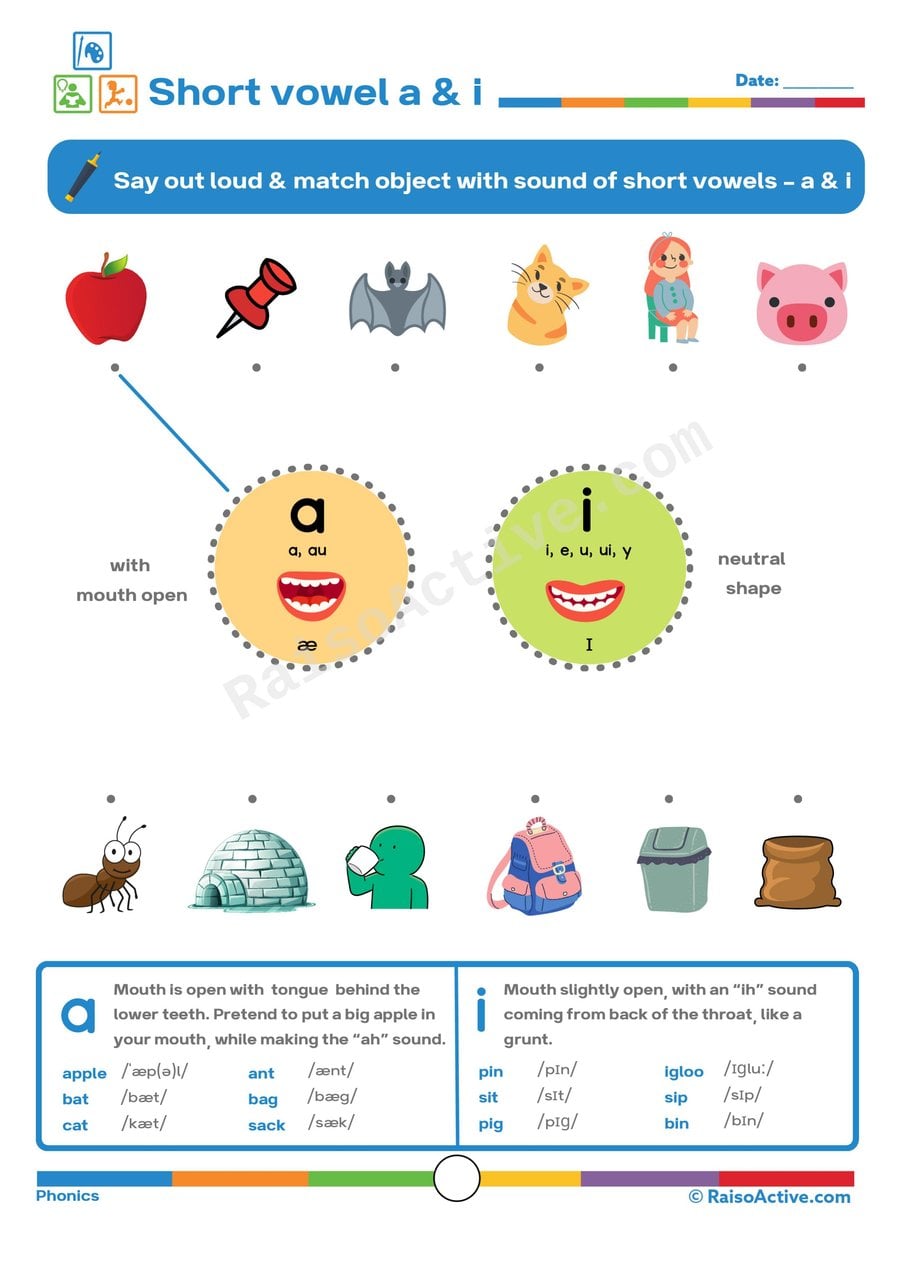
Short Vowel Sounds: Match the Pictures Worksheet
Distinguishing between the short 'a' and short 'i' sounds is a foundational listening skill for children ages 4-6, since these two vowel sounds are easy to confuse and appear constantly in early reading words. This worksheet has children say a word aloud, listen for its vowel sound, and match the picture to the correct sound category, training their ear before they're expected to read or spell independently. Strong auditory discrimination between short vowels directly predicts success decoding CVC words like 'cat' and 'sit' later on.

Cut and Paste Number Matching Worksheet: Numbers 31-40
Matching number words like thirty-one through forty to their correct numerals teaches children ages 4-6 to recognize larger two-digit numbers by both their written word form and their numeral form, extending number recognition well beyond the more familiar numbers under twenty. Cutting and pasting the matching numeral also reinforces careful visual comparison, since numbers in this range can look similar to one another.
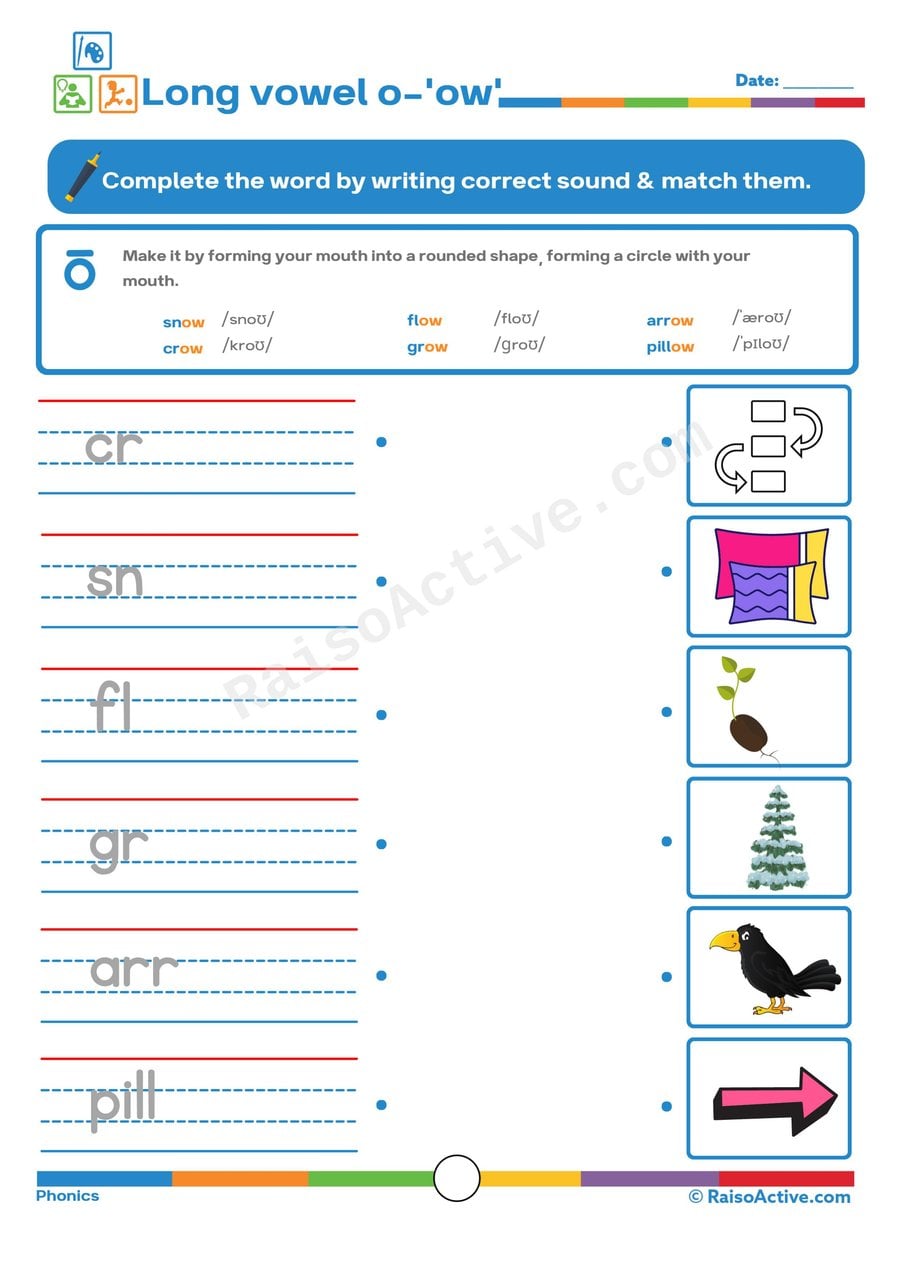
Long Vowel 'o-ow' Worksheet: Write and Match!
The 'ow' spelling pattern for the long 'o' sound (as in 'snow' and 'grow') is an alternative to the more common silent-e pattern, and this worksheet gives children ages 4-6 practice completing words with the missing sound before matching them to their pictures. Working out which letters complete a word requires active recall of the specific 'ow' spelling rather than passive recognition, strengthening spelling accuracy for this particular long vowel pattern. Matching the completed word to its picture afterward closes the loop by confirming meaning alongside spelling.

Internal Parts Worksheet: Cut and Paste the Organs!
This worksheet introduces children ages 4-6 to basic human anatomy by having them cut out pictures of internal organs, such as the heart, lungs, and stomach, and glue each one into its correct location on a body outline. Beyond scissor and gluing practice, this activity builds spatial body awareness and early scientific vocabulary, giving children a first mental map of what's inside their own bodies.

Vowel e Cut and Paste Worksheet: Long and Short Vowel Sounds
This worksheet asks children ages 4-6 to make a genuinely challenging distinction: sorting words by whether they contain the short 'e' sound (as in 'bed') or the long 'e' sound (as in 'be'), a comparison that requires careful listening since both sounds involve the same letter. Cutting out word cards and pasting them into the correct category forces active decision-making about each word individually, rather than passively reading through a list. This kind of side-by-side vowel-length comparison builds a much deeper phonemic awareness than practicing either sound in isolation.

Missing Number Puzzle: Cut and Paste to Reveal the Hidden Picture!
Children ages 4-6 practice number recognition and sequencing by identifying which numbers are missing from a grid and placing the correct cut-out pieces to reveal a hidden picture underneath. The reveal element adds motivation and delayed gratification, encouraging children to complete every number rather than rushing through a few. This activity also builds scissor precision and spatial planning as pieces must fit exact spots.

Time Routine Cut and Paste Worksheet for Preschoolers
Matching a clock face showing a specific time to the daily activity that happens then — like breakfast or bedtime — connects the abstract skill of clock reading to concrete routines, helping children ages 4-6 build a real-world sense of how time structures a day.

Plant Life Cycle Worksheet: Cut and Paste the Stages!
Children ages 4-6 learn the sequential stages of a plant's life cycle — from seed to sprout to full-grown flower — by cutting out and correctly ordering picture cards. Understanding that living things grow through a fixed, predictable sequence is an early science concept that also reinforces sequencing and ordering skills useful well beyond biology.
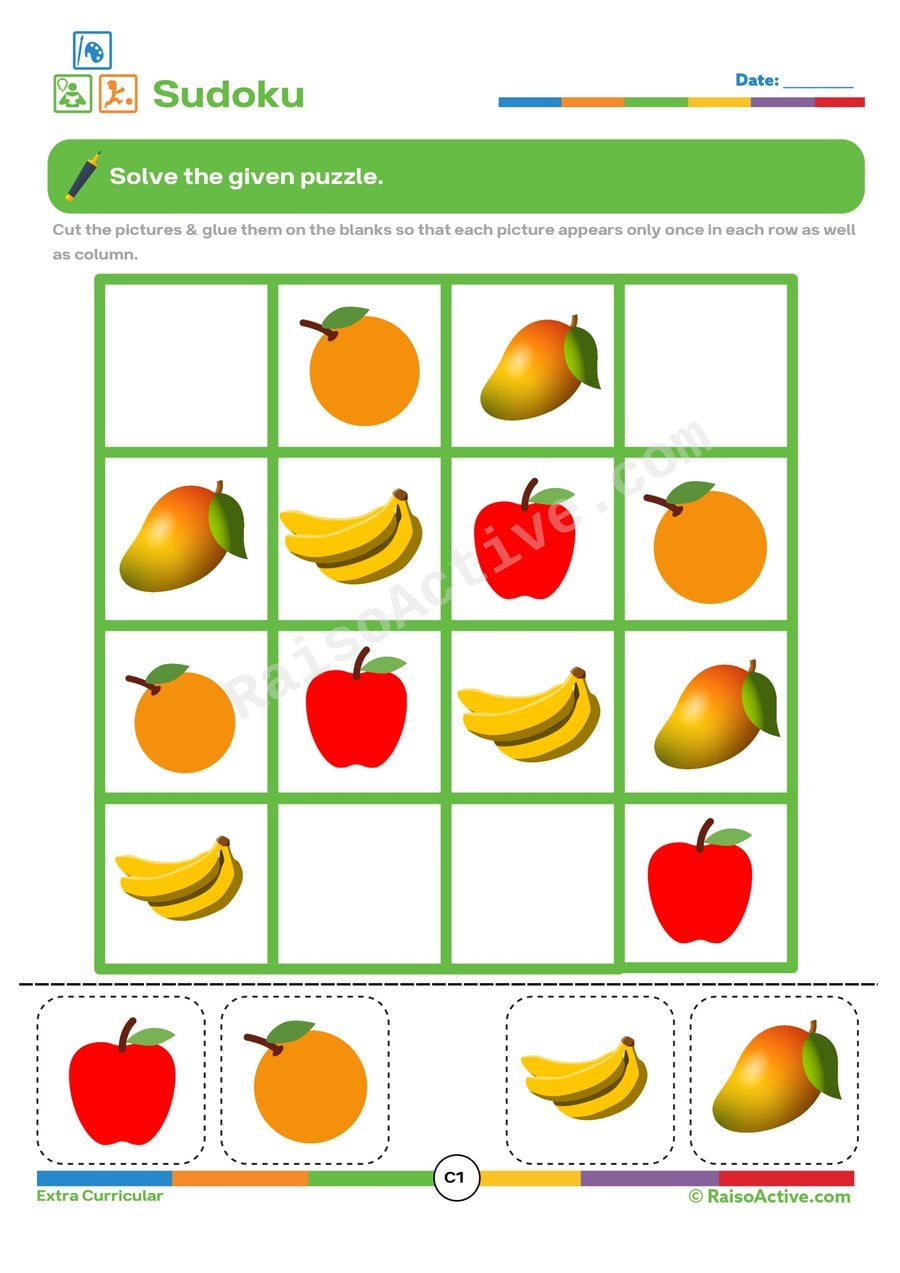
Fruit Sudoku Puzzle Worksheet for Kids
Completing a fruit-themed Sudoku grid builds early logical reasoning for children ages 4-6, requiring them to track which fruits are already placed in a row or column and deduce which one is missing — a foundational problem-solving skill.

Human Skeleton Cut and Join Worksheet for Preschoolers
This hands-on worksheet introduces children ages 4-6 to basic human anatomy as they cut out individual bone shapes, like the skull, ribs, arms, and legs, and assemble them into a complete skeleton. Beyond scissor control, the activity requires spatial reasoning, since children must figure out where each bone belongs relative to the others to build an accurate body shape.
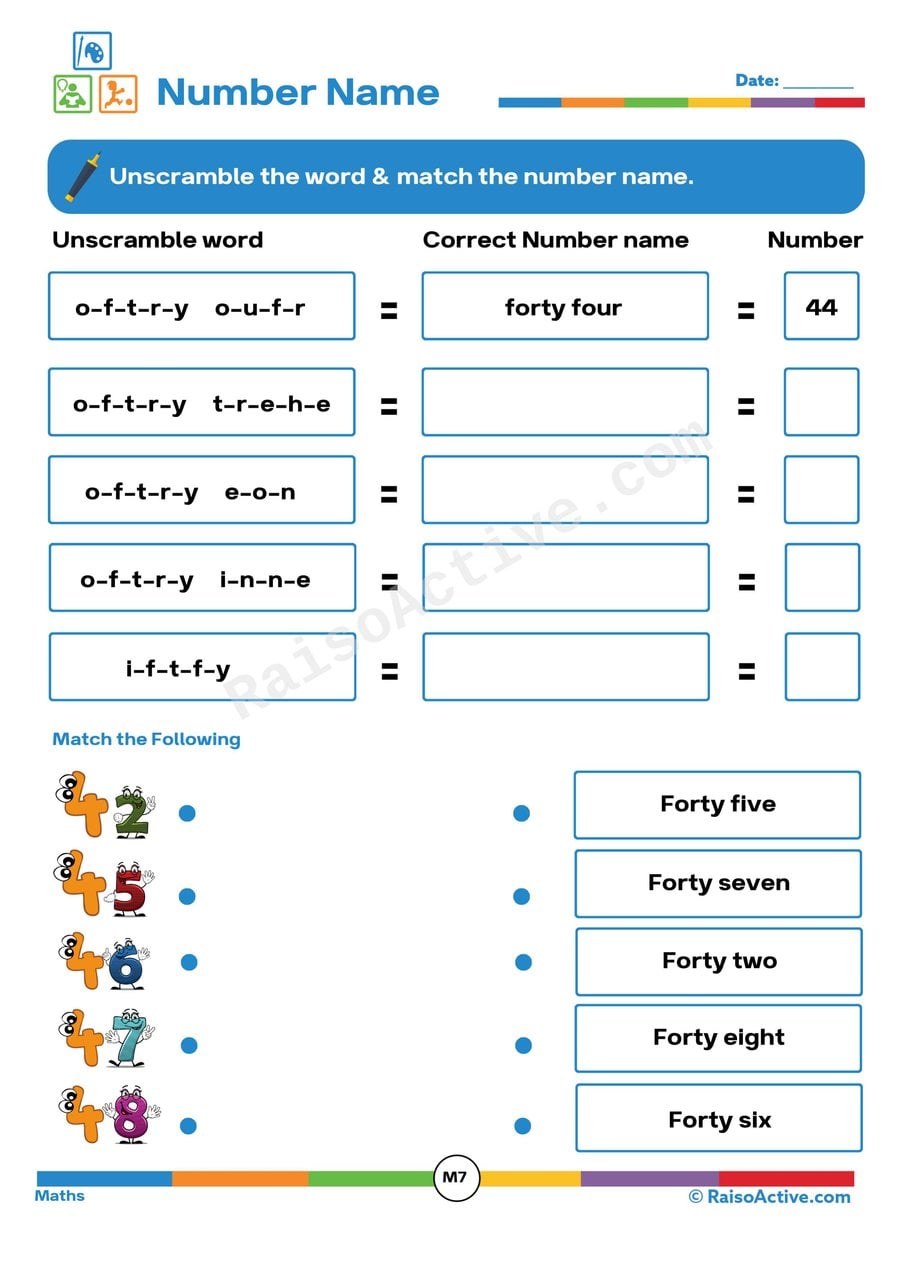
Number Name Matching Worksheet for Preschoolers
This worksheet connects three related number skills at once: unscrambling a jumbled word to spell a number name correctly, writing that number name out, and then matching it to its numeral — a layered task that builds both early spelling and number recognition together. Because number-name spelling (like 'seven' or 'eight') doesn't always follow simple sound-out rules, this worksheet gives 4-6 year olds valuable repeated exposure to sight-word-style number vocabulary.

Spring Sudoku Worksheet: Cut and Paste Puzzle for Kids
Placing cut-out pictures into a sudoku-style grid so that no image repeats in any row, column, or box teaches children ages 4-6 early logical reasoning and systematic thinking, since they must check multiple directions before deciding where each piece belongs. Cutting out the small picture squares beforehand also builds scissor control and hand-eye coordination. Together, this combines a pre-math logic puzzle with fine motor practice in a single spring-themed activity.

Family Words Cut and Paste Worksheet for Early Readers
Reading a simple CVC word and matching it to its picture teaches children ages 4-6 to blend individual sounds into a whole word and then connect that word to its meaning, a core decoding skill for early readers. Because CVC words follow a consistent consonant-vowel-consonant pattern, practicing them builds a reliable phonics foundation that transfers to reading many other simple words.
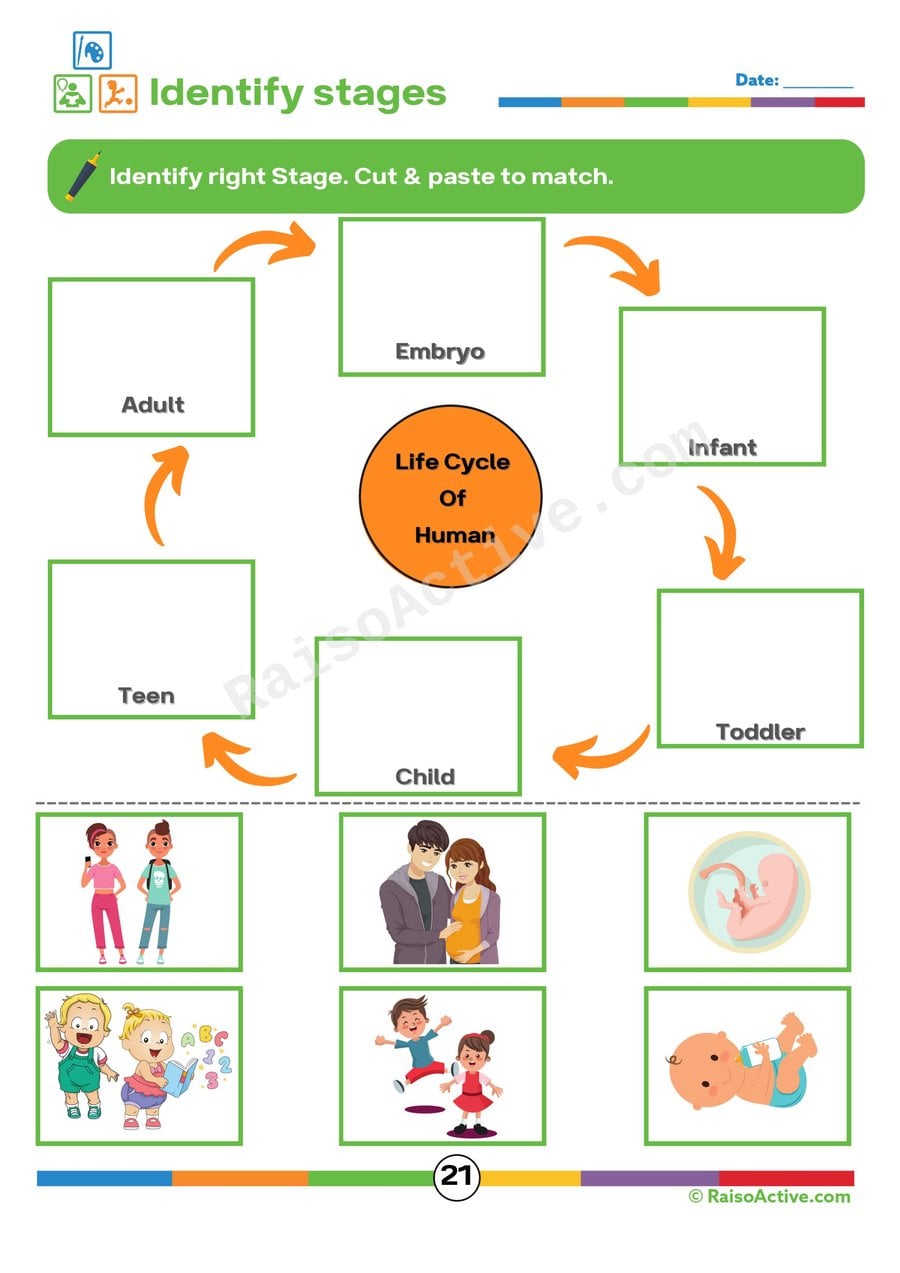
Human Life Cycle Stages Worksheet for Kids
This worksheet helps children ages 4-6 understand that people, like animals, grow and change over time by matching pictures to the stages of human development — baby, child, teenager, and adult. It introduces early classification and comparison skills while giving children a concrete way to talk about growth they can observe in their own family.

Long Vowel 'a' Sound Worksheet: Circle the Pictures!
This worksheet trains children ages 4-6 to listen for the long 'a' sound within words and circle only the pictures whose names contain it, sharpening auditory discrimination skills separate from spelling. Because children must rely purely on listening rather than reading the word, this format builds a stronger, more independent phonemic awareness than sound-and-spelling activities alone.
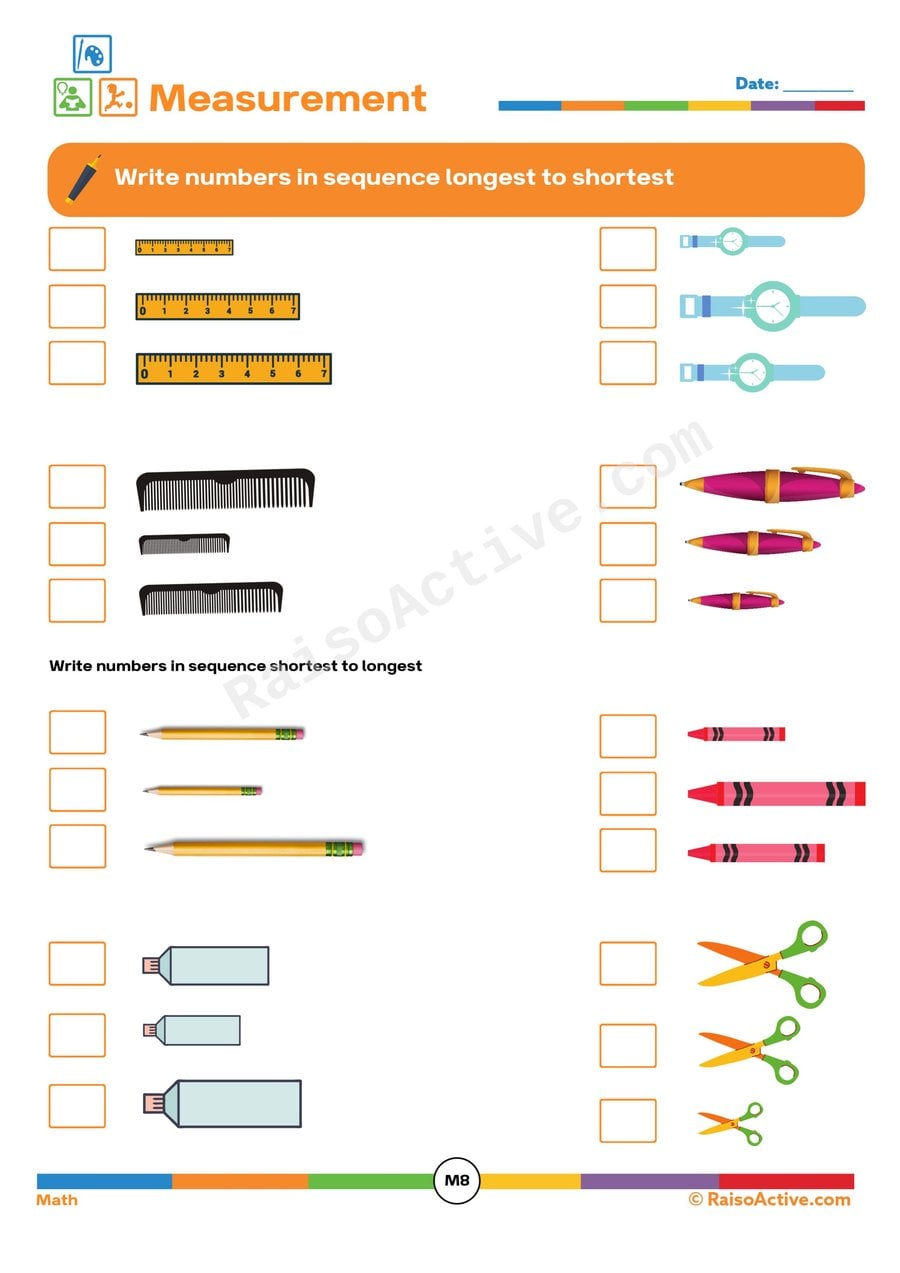
Measurement Worksheet: Longest to Shortest!
This worksheet builds comparative measurement skills by having children visually assess and rank three objects from longest to shortest and again from shortest to longest, reinforcing that length can be ordered, not just measured in isolation. For ages 4-6, this kind of ordinal comparison is an important stepping stone before children begin measuring with actual units like inches or centimeters.

Mickey Mouse Number Sequence Worksheet: Counting and Matching
Filling gaps in a number sequence — knowing that 4 comes after 3 and before 5 — is a different skill from simply counting a pile of objects; it asks a 4-6 year old to hold the whole order in mind rather than count from one each time. Cutting and pasting the missing numbers into place adds a fine-motor and precision layer on top of the counting itself.

Match the Sentence: Picture Matching Worksheet for Early Readers
Reading a full sentence and connecting it to the picture it describes asks children ages 4-6 to move beyond single-word recognition into genuine sentence comprehension, checking that they understood the sentence's overall meaning rather than just decoding individual words. This worksheet builds that comprehension skill by having children read several simple sentences and match each one to the correct illustration, reinforcing that reading is about extracting meaning, not just producing sounds. Developing this kind of sentence-level comprehension early is an important bridge between phonics-based decoding and true reading fluency.

Adjective Adventure: Cut and Paste Worksheet for Early Readers
This cut-and-paste worksheet has 4-6 year olds fill in the blanks of a short story using adjectives, then reread the finished story to see how those descriptive words change and enrich the meaning — a more advanced application of adjective knowledge than isolated sentence work, since it shows how word choice affects a whole narrative. Choosing which cut-out adjective fits best in context also builds reading comprehension alongside vocabulary.

Addition Fun: Add and Match the Numbers! (Worksheet)
Children ages 4-6 practice basic addition by counting two groups of pictured objects, finding their total, and then matching that sum to the correct number, combining counting, addition, and visual matching in a single activity. Drawing a line to connect an answer to its number reinforces that a math sentence and a numeral represent exactly the same quantity.

Butterfly Life Cycle Cut and Paste Worksheet for Preschoolers
Children ages 4-6 build on earlier metamorphosis learning by assembling a butterfly life cycle circle book, practicing sequencing and fine motor precision as they cut and glue circular pieces. The rotating circle book format reinforces that metamorphosis is a repeating cycle, helping children move beyond a simple straight-line understanding of egg to butterfly.

Transport Worksheet: Cut and Paste the Correct Mode of Transport!
Reading a sentence and choosing the correct vehicle to complete it teaches children ages 4-6 to use context clues from text to guide a decision, an early reading comprehension skill that goes beyond simple word recognition. The cutting and pasting also reinforces vocabulary for different modes of transportation as children physically match each picture to its described purpose.
What KS1 sorting worksheets cover
Five-year-olds can sort by a rule they cannot see and by two rules at once. Living and non-living things is the classic invisible rule: does it grow, does it need food, does it move by itself. Two-attribute sorts ask for pictures that are both red and round. Sort-and-count sheets end with a simple chart, and sorting pictures by beginning sound or numbers by size links the skill to reading and maths. Venn diagrams come next year.
- Sort pictures into living things and non-living things
- Find the shapes that are both red and round
- Sort, count each group and record the totals in a chart
- Group pictures by the sound their names begin with
- Sort numbers into less than 10 and more than 10
How to use these worksheets at home or in class
Because this stage spans two years, match the sheet to what the classroom is doing rather than to age alone: decoding and number bonds for a Year 1 child, comprehension and times tables for a Year 2 child, in sessions of fifteen to twenty minutes.
Start with the sheet that matches what your child can already do, then move one step up. Keep finished sheets in a folder: KS1 teachers often ask for evidence of practice, and children like seeing their own progress.
Is your child ready for KS1 sorting work?
A child ready for the later half of this stage reads a short passage with reasonable fluency, writes several connected sentences, adds and subtracts within twenty and recalls the 2, 5 and 10 times tables with growing confidence.
- Place items in a two-circle Venn diagram with an overlap
- Sort shapes by how many sides and corners they have
- Group words by vowel sound or spelling pattern
Frequently asked questions
My five-year-old says a plant is not alive. Is that a problem?
It is the most common answer at this age, because the child is using movement as the test. Add the other rules a sheet relies on: living things grow, need food and water, and make new living things. Grow a bean on the windowsill and compare it with a toy car that moves but never changes. Reaching that understanding is the purpose of the living and non-living sort, not a prerequisite for it.
What should a KS1 child be able to do in sorting?
Five-year-olds can sort by a rule they cannot see and by two rules at once. Living and non-living things is the classic invisible rule: does it grow, does it need food, does it move by itself. Two-attribute sorts ask for pictures that are both red and round. Sort-and-count sheets end with a simple chart, and sorting pictures by beginning sound or numbers by size links the skill to reading and maths. Venn diagrams come next year. A child ready for the later half of this stage reads a short passage with reasonable fluency, writes several connected sentences, adds and subtracts within twenty and recalls the 2, 5 and 10 times tables with growing confidence.
Do these worksheets follow the KS1 curriculum?
The sheets cover grouping objects by one attribute, classifying by size, colour or type, recognizing what does not belong and comparing two groups after sorting, which sit inside the National Curriculum Key Stage 1 outcomes for KS1. Kindergarten to 1st Grade (US), UKG to Class 1 (India) use the same skills at this age, so the sheets also fit families following those programmes.
Are these KS1 sorting worksheets free?
Yes. Each worksheet downloads free as a watermarked PDF once you create an account, with a limit of five a day. An annual membership ($20) removes the watermark and the limit for the whole library of over 1,000 worksheets and every printable pack.

Written by
Hemsweta Jain · Teacher Cheena
MBA and Early Childhood Educator, teaching since 2014 · Founder of RaisoActive, Mumbai
Written and reviewed by Hemsweta Jain (Teacher Cheena), who designs every RaisoActive worksheet.
Last reviewed
Printable packs for ages 5–7
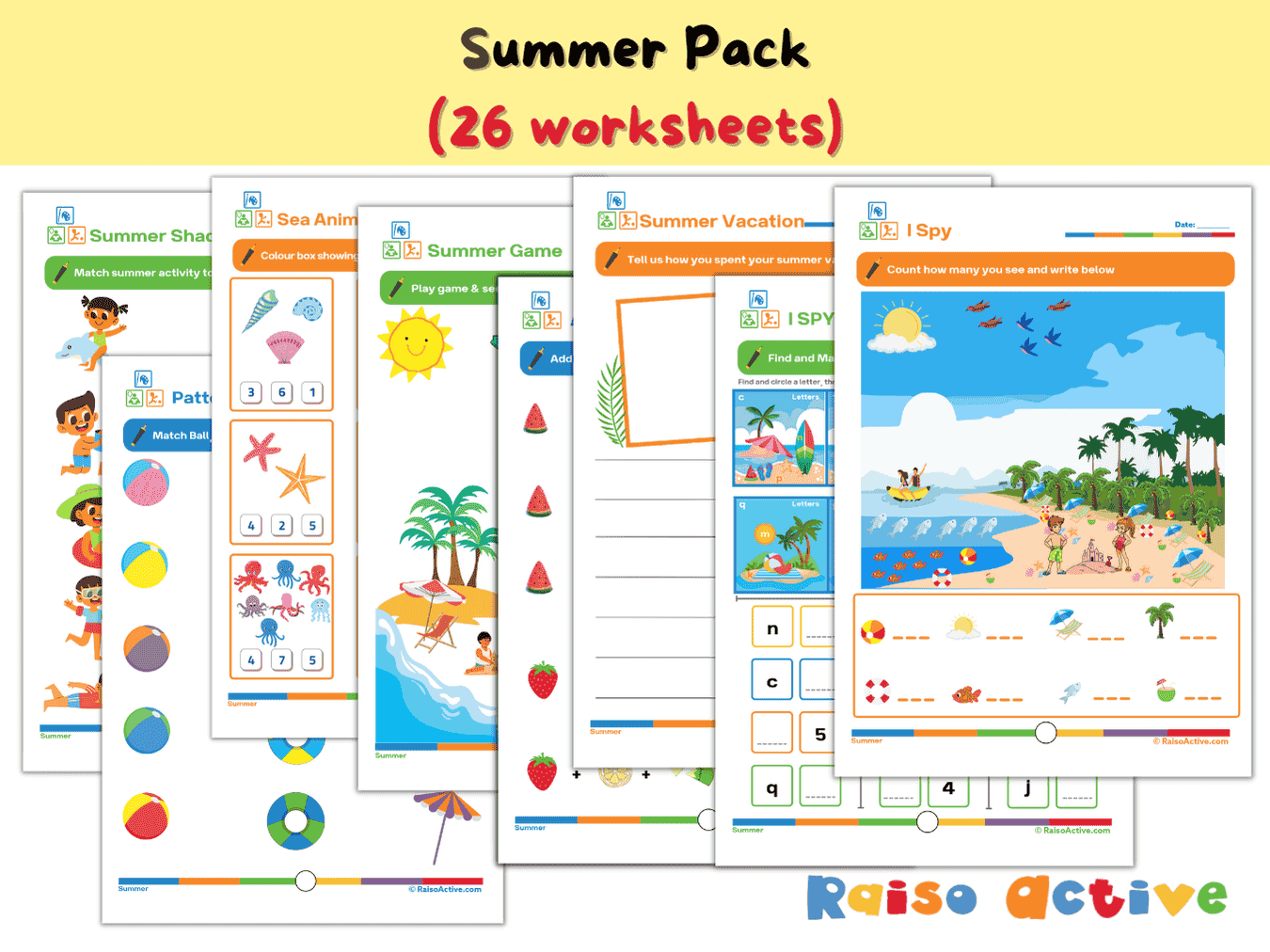
Summer Activity Pack: Math, Literacy, Puzzles & More for Preschool & Kindergarten
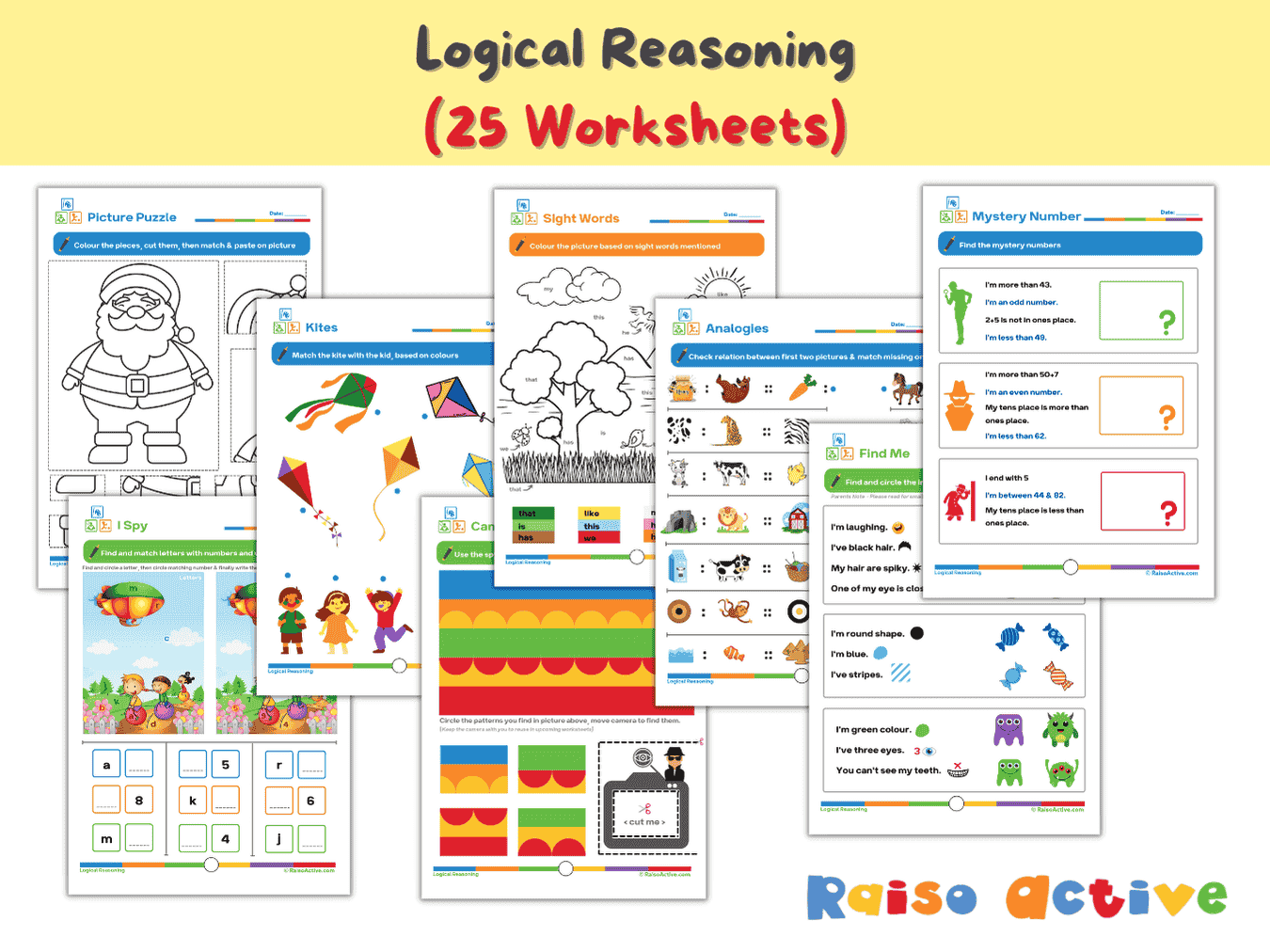
Logical Reasoning Activity Book for Preschool & Kindergarten | Patterns, Puzzles & Analogies
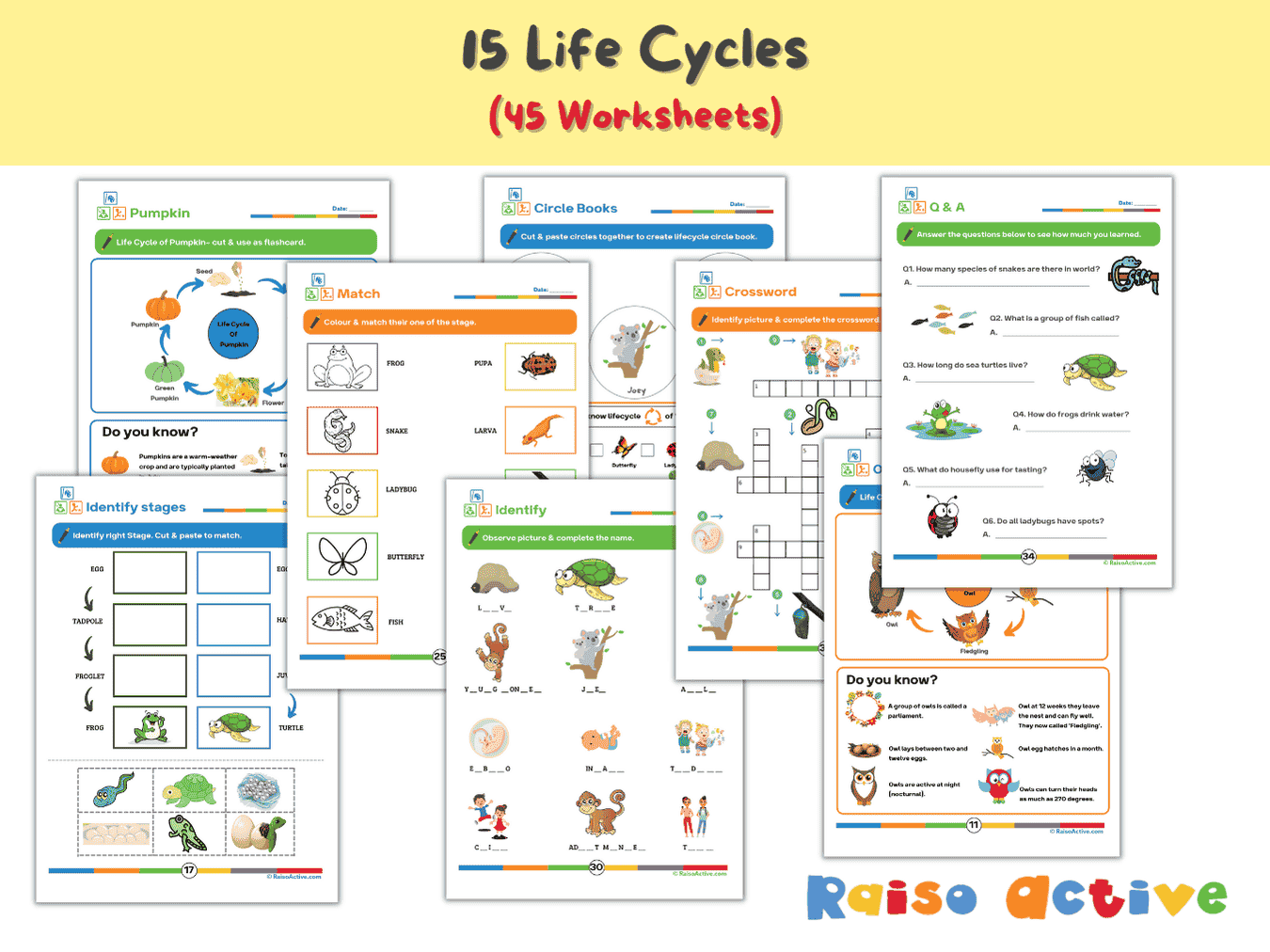
Lifecycles Activity Book & Flashcards for Preschool & Early Elementary
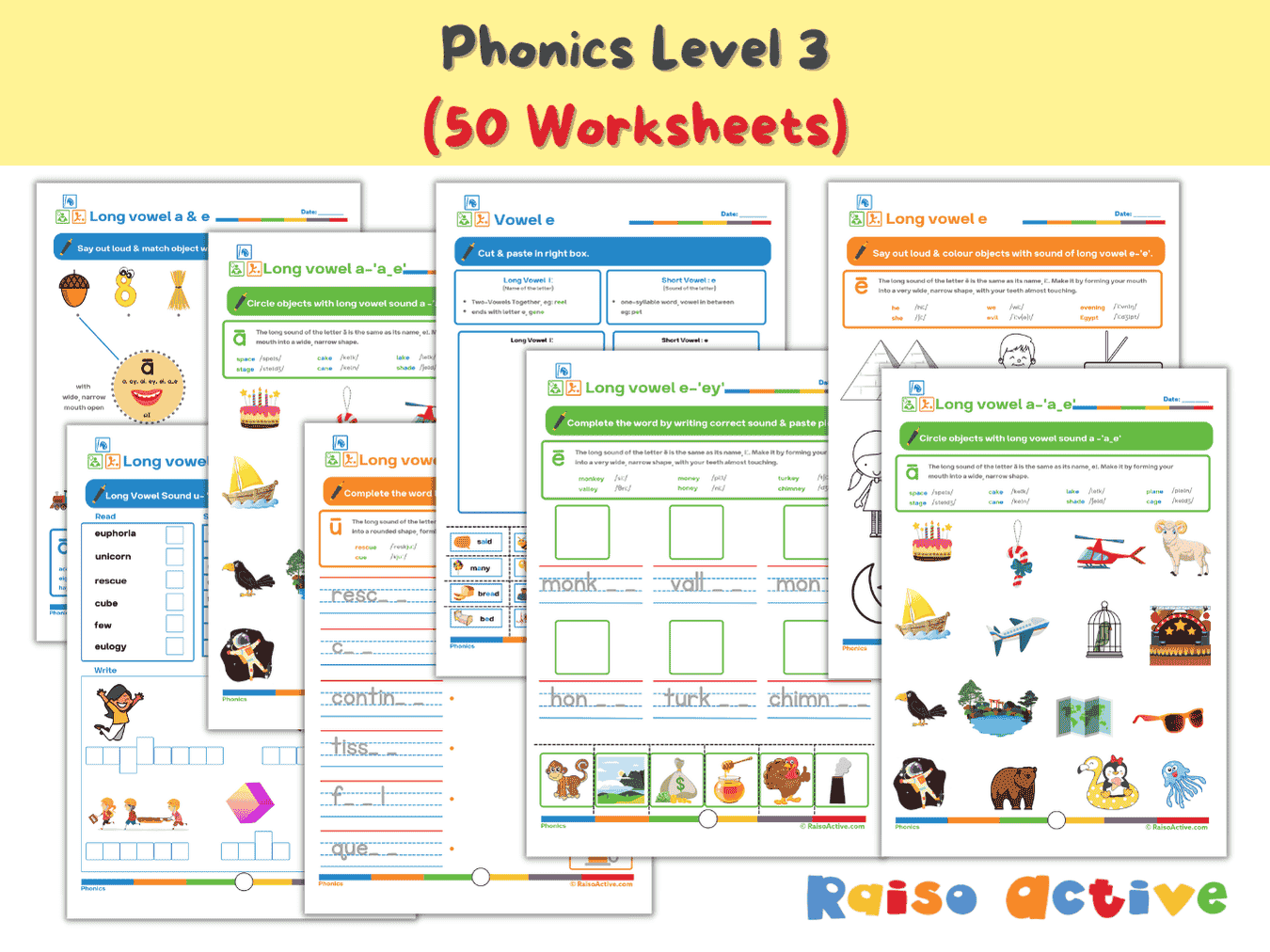
Phonics Level 3 Long Vowels Activity Book for Kindergarten & 1st Grade
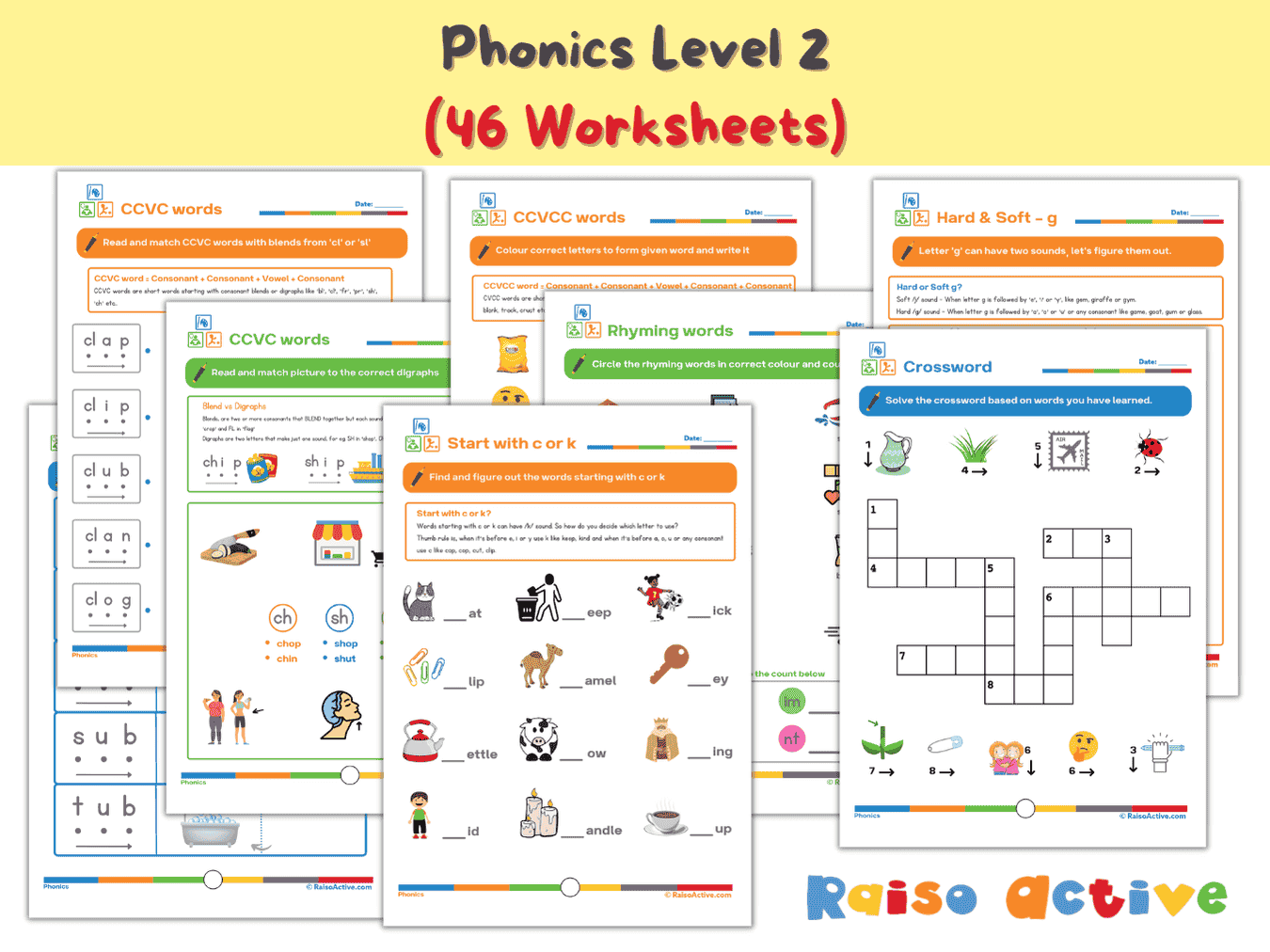
Phonics Level 2 Worksheets: CVC, CCVC, CVCC Word Families & Blends for Early Readers (Ages 4-7)
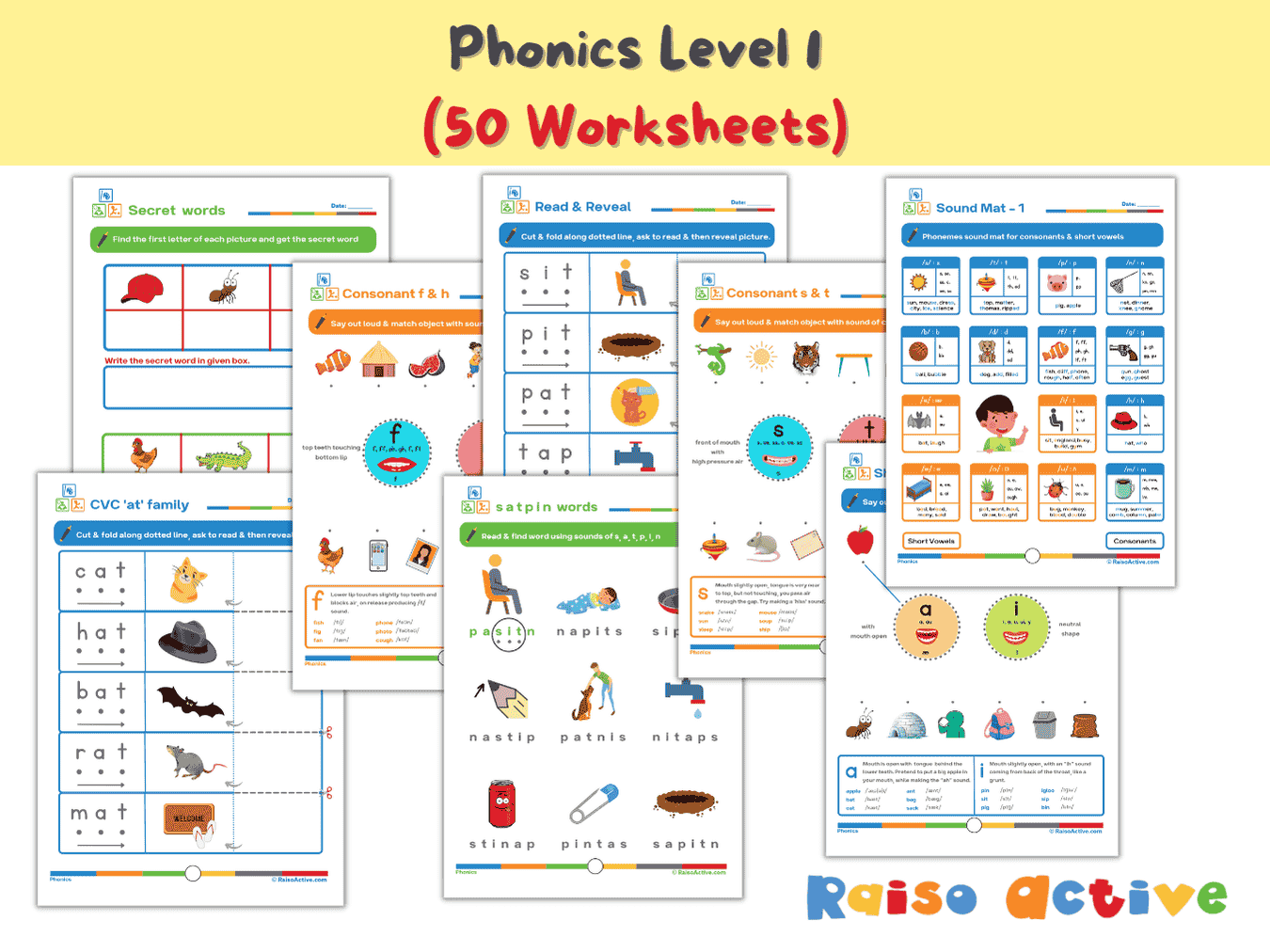
Phonics Level 1 Activity Book: Letter Sounds, Blending & CVC Words for Preschool & Kindergarten
Guides for parents and teachers
See all guides →Age-Appropriate Problem-Solving Activities: Building Critical Thinkers from the Ground Up
Discover fun, age-appropriate problem-solving activities for children ages 1-8. Build critical thinking, logic, and reasoning skills through play-based learning.
Critical Thinking Activities That Actually Work for Young Children: Building Tomorrow's Thinkers Today
Discover proven critical thinking activities for young children. Age-wise logic games, questioning techniques, and hands-on ideas to build thinking skills at home.
Coding Activities for Preschoolers: Building Tomorrow's Thinkers Today
Discover 15+ unplugged and screen-based coding activities for preschoolers that build sequencing, logic, and problem-solving skills through play. NEP 2020 aligned.
Montessori Activities for 3-4 Year Olds: A Complete Guide to Purposeful Learning
Discover practical Montessori activities for 3-4 year olds — practical life, sensorial, language, and maths — with Indian kitchen adaptations and budget shelf ideas.