Free printable worksheets · India
LKG Sorting Worksheets (Ages 4–5)
LKG sorting worksheets are practice sheets for children aged 4–5 in Lower Kindergarten (Junior KG) in India. Sorting is grouping a set of objects or pictures by a shared attribute, such as colour, size, shape or type. The sheets on this page cover grouping objects by one attribute, classifying by size, colour or type, recognizing what does not belong and comparing two groups after sorting.
Lower Kindergarten turns a scribbling hand into a writing one: capital letters A to Z and numbers up to twenty become the daily target, alongside pattern practice that keeps curves and loops steady. Reversed letters and numerals are still common at this stage and settle with repetition rather than correction. At four to five, sorting depends on what the child knows about the world rather than what they can see. Farm animals against wild animals, fruits against vegetables, vehicles by land, water and air, clothes for summer and winter. The odd one out with a spoken reason is a standard task, and counting each group after sorting turns the sheet into early data work. Rules that cannot be seen, like living versus non-living, wait until next year.
696+ worksheets · free PDF download · print on A4 or Letter
LKG Sorting Worksheets to print
Browse all worksheets for ages 4–5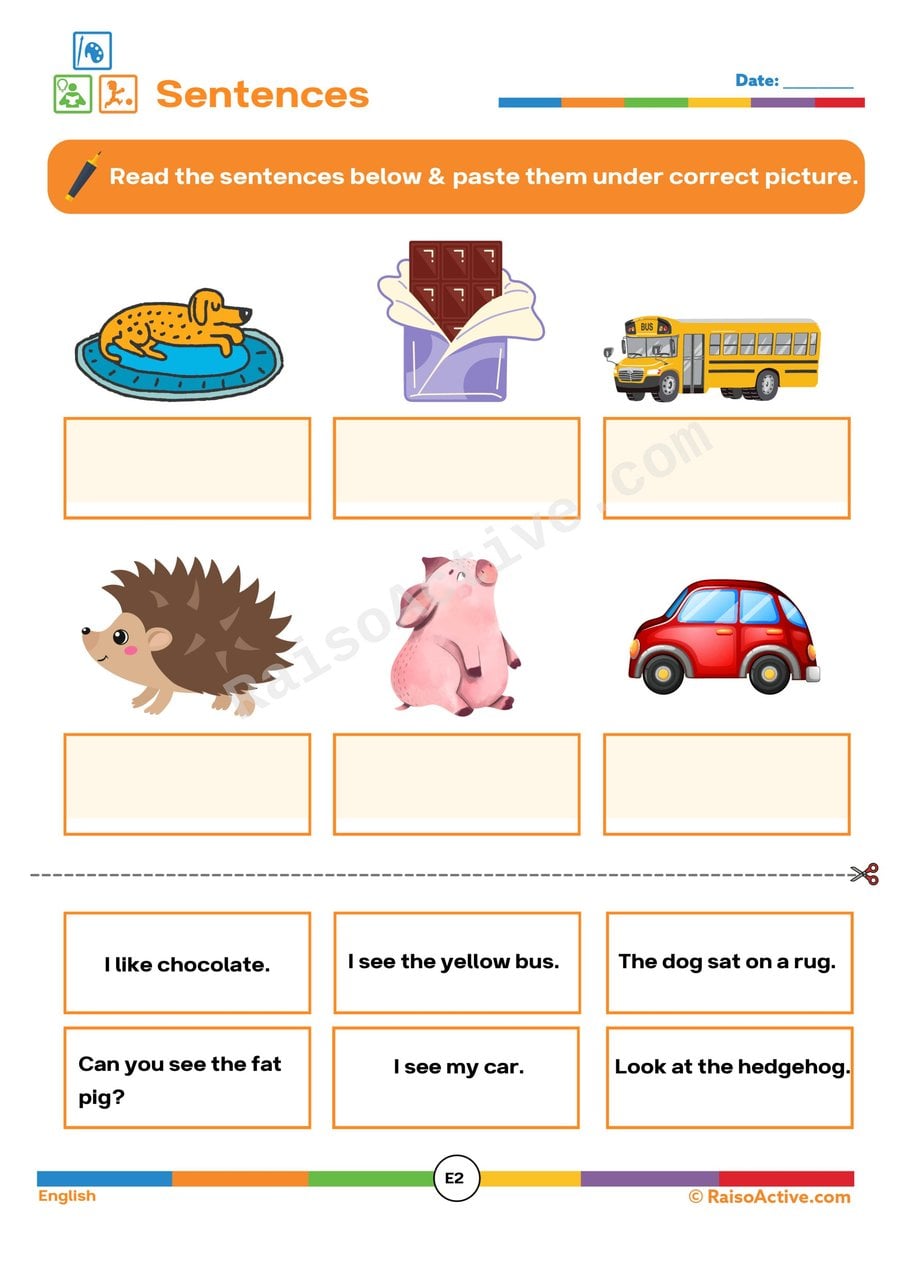
Sentence Matching Worksheet for Early Readers
Matching a written sentence to the picture it describes asks children ages 4-5 to read for meaning rather than just decode individual words, an important step up from single-word reading toward true reading comprehension. This worksheet also builds fine motor and organizational skills through cutting and placing the sentence in the correct spot. Successfully pairing text with image confirms that a child understands what they're reading, not just that they can sound out letters.

Long Vowel 'A' Worksheet: Complete the Words and Match!
This worksheet has children ages 4-5 complete long 'a' words by filling in missing letters and then matching each finished word to its picture. Combining spelling and matching in one activity reinforces the long 'a' sound from two directions at once — producing the correct letters and recognizing the completed word — which builds a more durable understanding than either skill alone.

Mickey Mouse Number Sequence Worksheet: Paste the Missing Numbers!
This cut-and-paste worksheet uses a Mickey Mouse theme to give children ages 4-5 practice recognizing and completing number sequences by identifying missing numbers within numbered frames and pasting them into place. Because the missing numbers appear in the middle of a sequence rather than only at the end, children must think about both the number before and after a gap, a more demanding skill than simple 'what comes next' counting. The familiar character theme adds motivation to a task that is fundamentally about numerical reasoning.

Descending Order Fruits Worksheet for Preschoolers
Arranging fruits labeled with numbers from largest to smallest builds descending order recognition for children ages 4-5, reinforcing number comparison skills that complement the more commonly practiced ascending order.
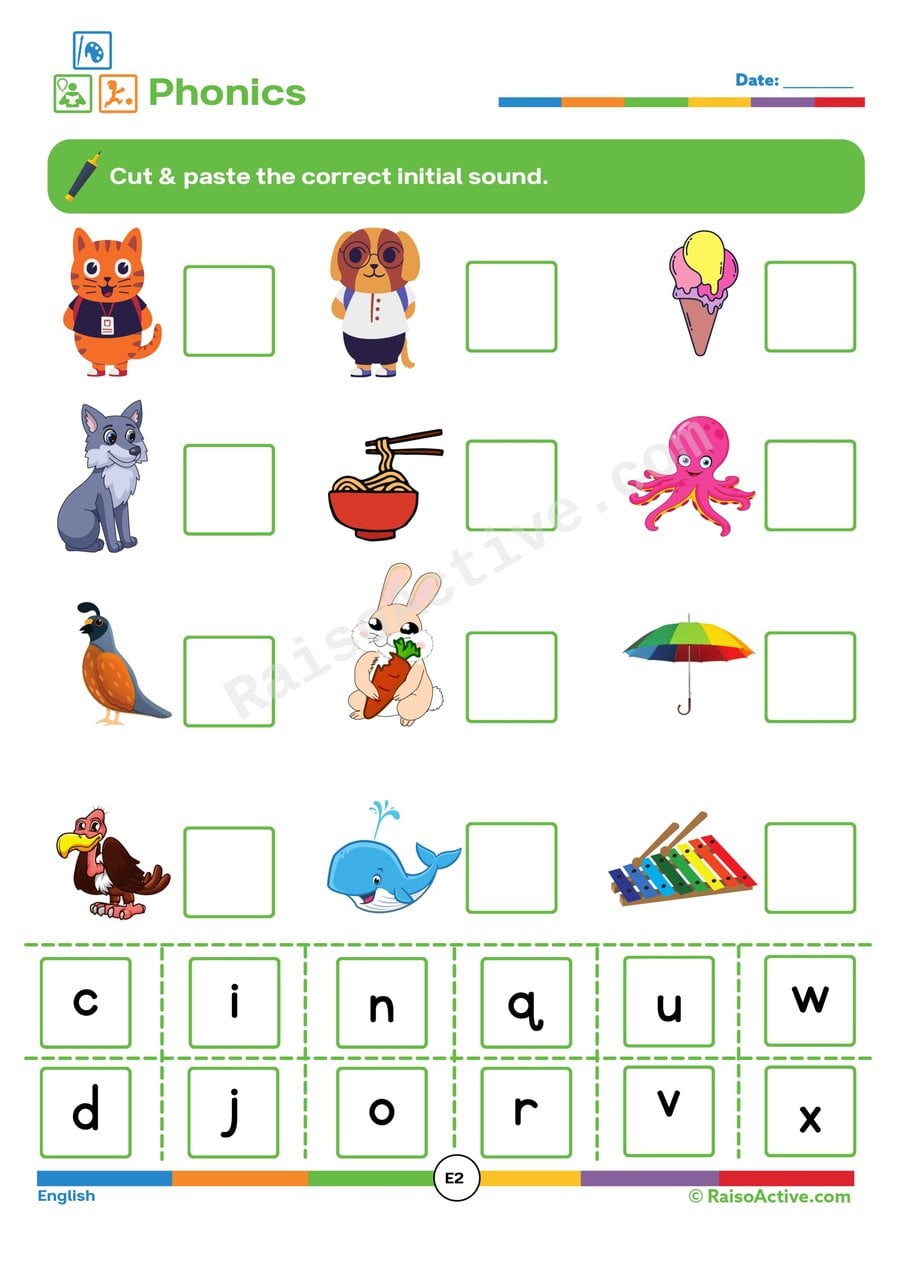
Initial Sound Match: Cut and Paste Worksheet
Children ages 4-5 develop phonemic awareness by identifying the beginning sound of each pictured object and matching it to the correct letter, a critical pre-reading skill for connecting sounds to symbols. This cut-and-paste format adds fine motor practice with scissors and glue alongside the phonics work. Recognizing initial sounds is one of the strongest early predictors of later reading success.
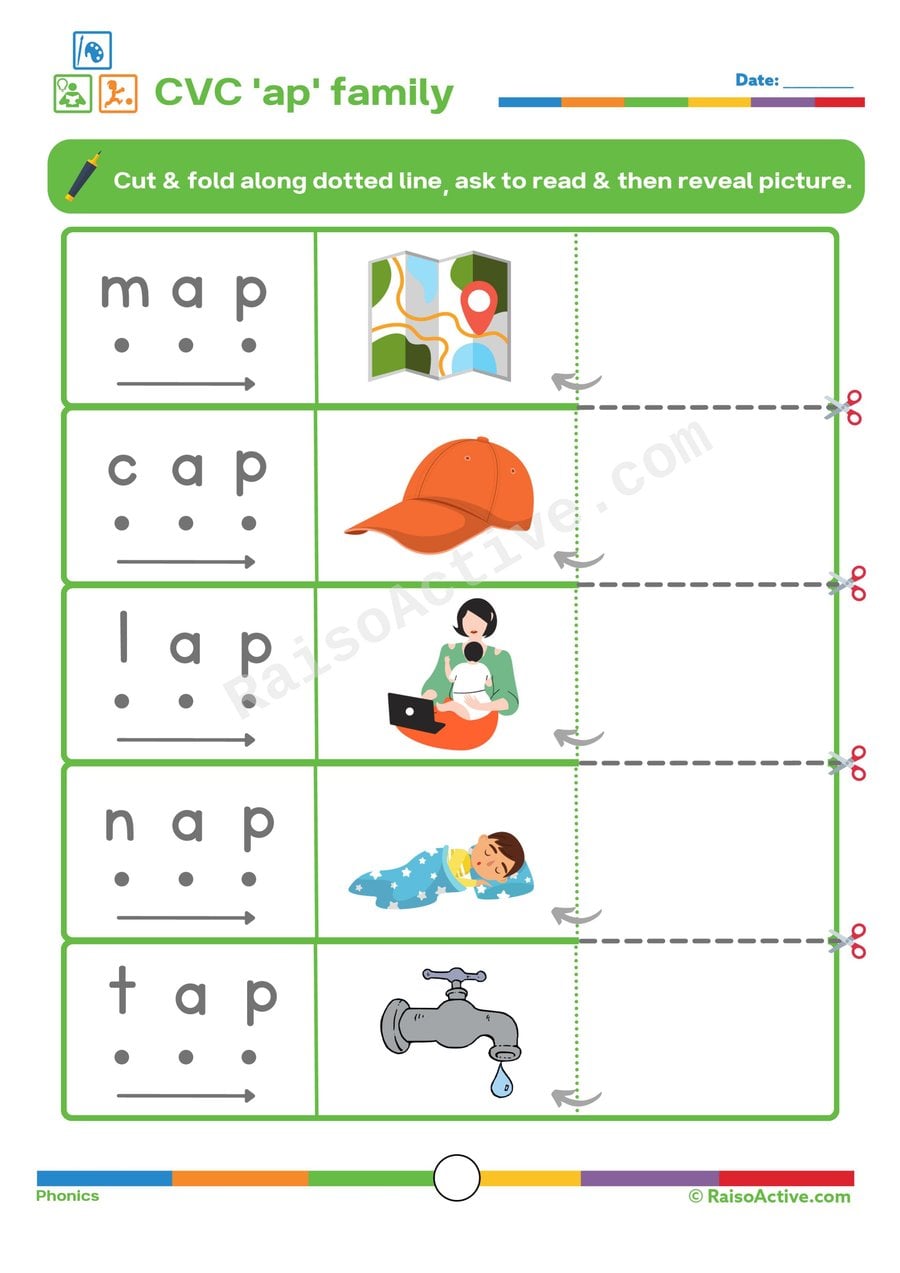
CVC Word Family 'ap' Worksheet: Read, Cut, and Match!
Working through the 'ap' word family (cap, map, nap) helps children ages 4-5 practice both decoding and matching in one activity, reinforcing that a small set of letter patterns can unlock many different words. Cutting apart the word and picture cards adds a fine motor and organizational challenge, requiring children to keep track of pieces while still focusing on reading accuracy. This combination of literacy and hands-on manipulation suits the shorter attention spans typical of this age group.

Long Vowel 'ee' Sound Matching Worksheet for Preschoolers
This worksheet has children ages 4-5 complete long 'ee' words by writing missing letters, then draw lines matching each finished word to its picture. Focusing on the specific 'ee' spelling of the long 'e' sound, as in 'tree' and 'bee', helps children start noticing that vowel sounds can have several different letter patterns representing the same sound.

Read and Paste: Matching Sentences with Pictures Worksheet
Reading a sentence and then finding its matching picture builds comprehension for children ages 4-5, teaching them to process the full meaning of connected words rather than recognizing them in isolation. The cutting and pasting component also strengthens the fine motor precision needed to place text accurately next to its correct visual match.

Vowel Sorting Fun: Identify and Sort Vowels Worksheet
Circling vowels within a word and sorting letters into 'vowels' and 'consonants' columns builds foundational phonics knowledge for children ages 4-5, an essential distinction for later decoding and spelling.

Long Vowel E Matching Worksheet: Sounds and Words
This worksheet has children ages 4-5 match pictures to words that share the long 'e' sound, reinforcing the connection between how a word sounds and how it's written. Practicing this sound-to-word matching across multiple long 'e' spelling patterns builds flexible phonics knowledge that will help children decode new words even when the spelling isn't the most familiar one.

CCVC Digraphs Worksheet: Read and Match the Pictures!
This worksheet teaches children ages 4-5 to recognize consonant digraphs — two letters like 'ch', 'sh', and 'th' that combine to make one new sound — within CCVC-style words, then match each word to its picture. Digraphs are a common stumbling block because children must learn that these letter pairs don't sound like their individual letters, an important exception to the blending rules they've just learned. Matching to pictures checks that the sound-out leads to real understanding of the word.

Cut and Paste the Word: Fun Reading Worksheet for Kids!
This cut-and-paste decoding activity has children ages 4-5 sound out simple CVC (consonant-vowel-consonant) words like 'cat' or 'sun' and match the missing picture to complete each word, directly practicing the phonics blending skills that underpin early reading fluency. Because the word is partly built from letters already on the page, children must connect individual letter sounds to a whole word rather than just recognizing a picture in isolation. This bridges the gap between knowing individual letter sounds and reading complete three-letter words independently.

CVC 'ag' Family Matching Worksheet: Read, Color, and Match!
This worksheet builds on word-family recognition by focusing on the 'ag' ending (bag, tag, rag, wag), giving children ages 4-5 more repetition with the analogy-based reading strategy where a shared spelling chunk unlocks several words at once. Reading, coloring, and matching the same set of words in different ways reinforces both visual word recognition and vocabulary, since your child sees, hears, and interacts with each word multiple times in one sitting. This kind of layered repetition is exactly what helps a word family truly stick in memory rather than being a one-time exercise.
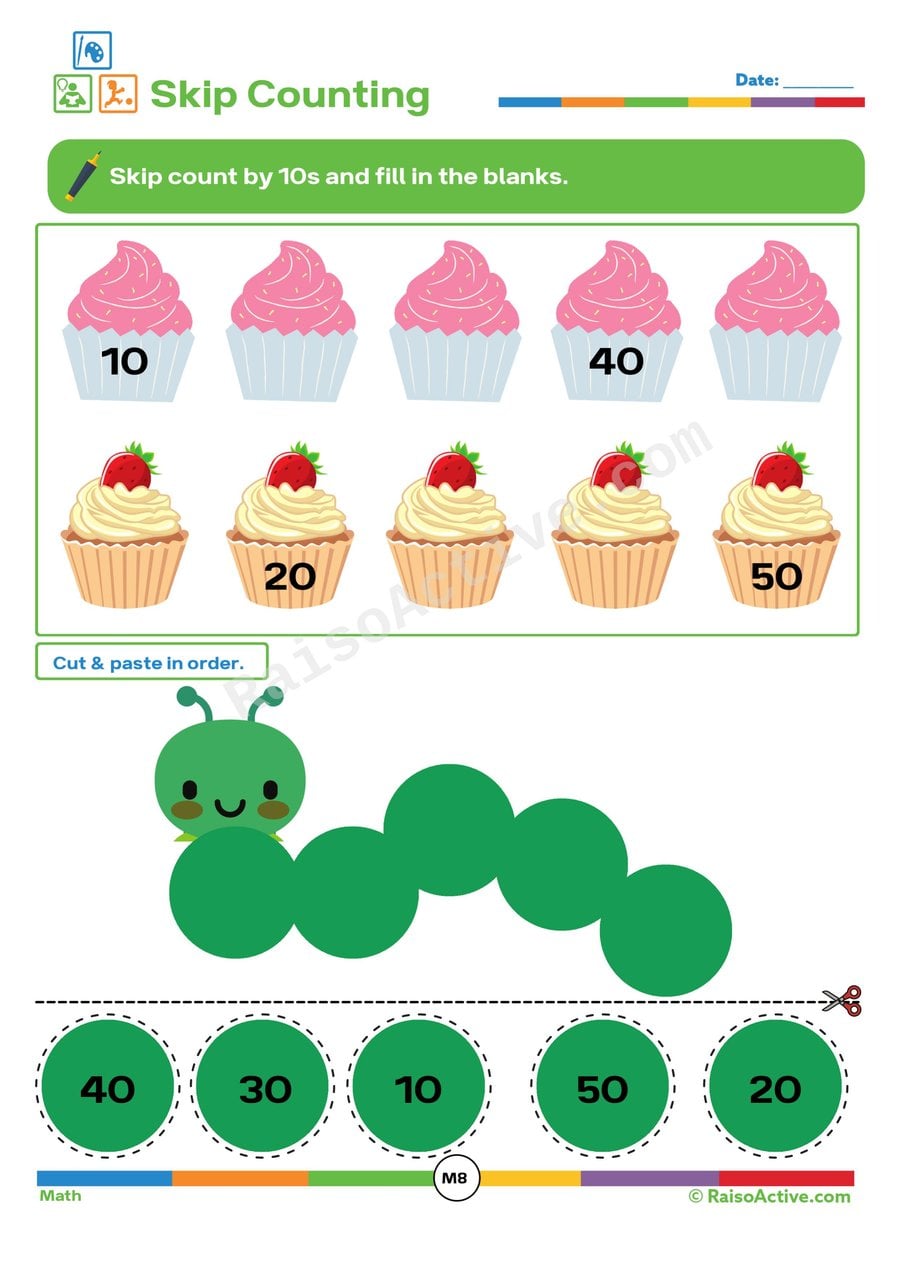
Skip Counting Cupcake Worksheet: Count by 10s!
This worksheet has children ages 4-5 fill in missing numbers while skip counting by tens, then cut and paste the numbers onto a caterpillar in the correct sequence. Skip counting by tens is a crucial stepping stone toward place value and mental math, since it helps children see numbers in efficient groups rather than counting one by one.
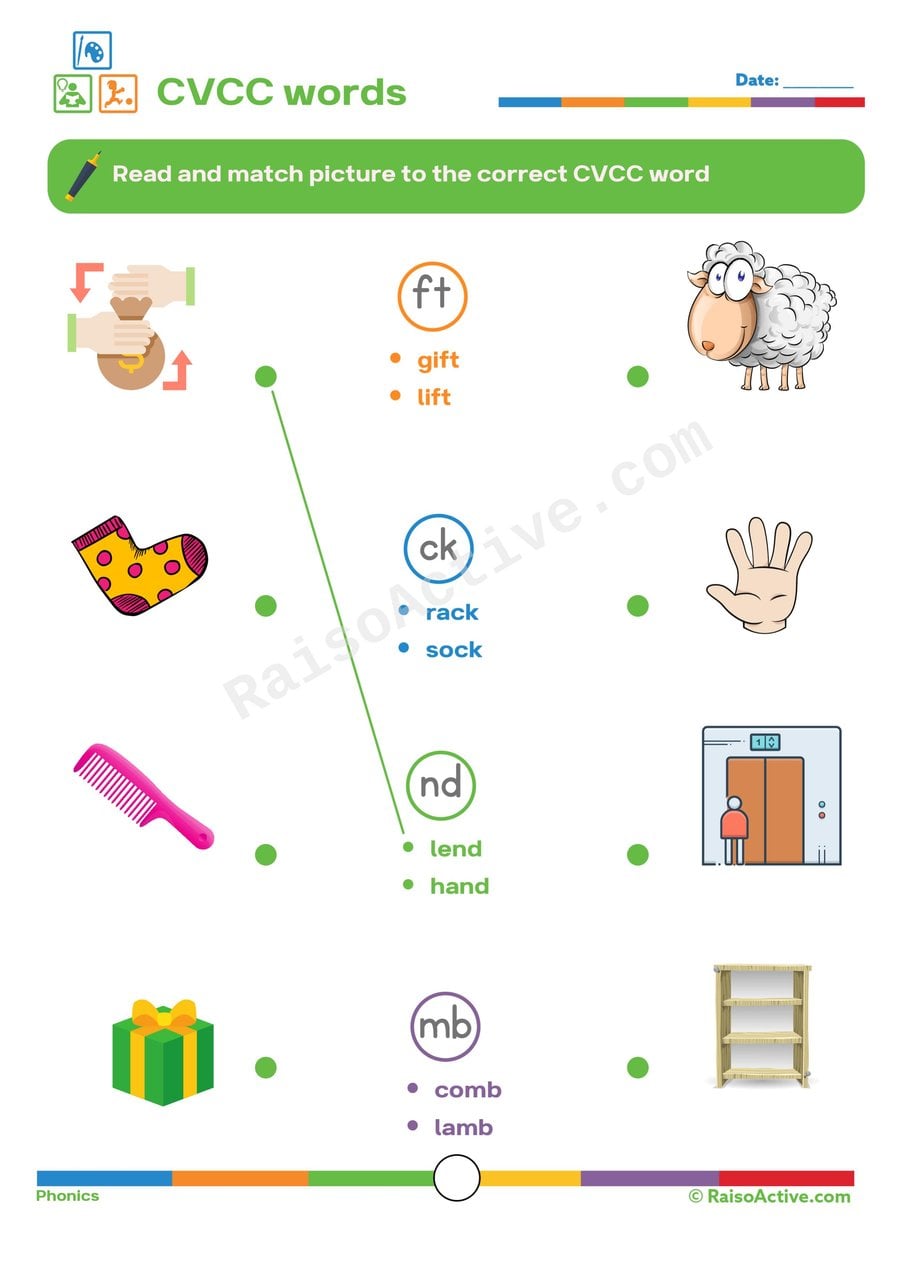
CVCC Word Matching Worksheet: Read and Match!
This worksheet gives children ages 4-5 practice reading CVCC words — words like 'lamp' or 'nest' that end in two consonants — and matching them to the correct picture. Ending blends are often harder than beginning blends because young readers tend to rush through the last sounds of a word, so this worksheet specifically trains them to listen all the way to the end. Matching to a picture provides an immediate, concrete check of whether the decoding was accurate.

Number Names Matching Worksheet for Preschoolers
This worksheet layers two skills for children ages 4-5: unscrambling the letters of a number-name word and then matching that word to its correct numeral. Unscrambling requires children to recognize familiar letter sequences, an early word-recognition skill, while matching reinforces that written number words correspond to specific quantities. Together these tasks push number-word literacy a step further than simple copying or tracing.

Earlier and Later Time Worksheet: Telling Time Practice
Comparing clock times to determine which is earlier or later is an early step toward telling time for children ages 4-5, requiring them to read a clock face and reason about the order of events across a day. This worksheet builds that skill in two directions: first identifying a time earlier than a given reference point, then identifying a time later than a different clock shown. Practicing both directions helps children understand that 'earlier' and 'later' are relative concepts depending on what they're being compared to, not fixed labels attached to specific times.

Read and Match: Sight Word Sentences Worksheet for Early Readers
Children ages 4-5 practice reading simple sight-word sentences and matching them to the picture that shows their meaning, building early reading comprehension by connecting printed words directly to what they represent. This bridges the gap between recognizing individual sight words and understanding a full sentence's meaning.

Shape Sorting Fun: Matching Shapes by Properties Worksheet
This worksheet has 4-5 year olds match written shape descriptions — number of sides, number of corners — to the correct shapes, then count how many of each shape appear in an accompanying picture. Reasoning from a property description back to the shape itself is a step up from simple naming, since it requires your child to hold the definition in mind and scan for a match, and the counting task afterward adds a quantity check to the geometry practice.

Read and Match: Sentence Matching Worksheet for Preschoolers
Reading a simple sentence and finding its matching picture teaches children ages 4-5 to connect written words directly to meaning, an essential comprehension skill that goes beyond simply decoding individual words. The cut-and-paste format also adds fine motor practice, requiring children to select the correct image from several options and place it precisely next to its sentence.

Lowercase Letter Matching Worksheet for Preschoolers
This worksheet gives children ages 4-5 practice connecting uppercase letters to their lowercase form by circling the correct match from a set of answer choices, a skill that's essential since most of the reading material children encounter is printed in lowercase. Many lowercase letters look quite different from their uppercase counterpart, so this matching task genuinely tests whether the connection has been learned rather than guessed.

Unscramble and Match: Vowel 'u' Worksheet for Preschoolers
This two-step worksheet challenges children ages 4-5 to unscramble jumbled letters into real words, then decide whether each word carries a long or short 'u' sound. Unscrambling builds letter-sequencing and spelling awareness, while the follow-up sound sort reinforces the vowel discrimination skills children need before they can decode new words independently.
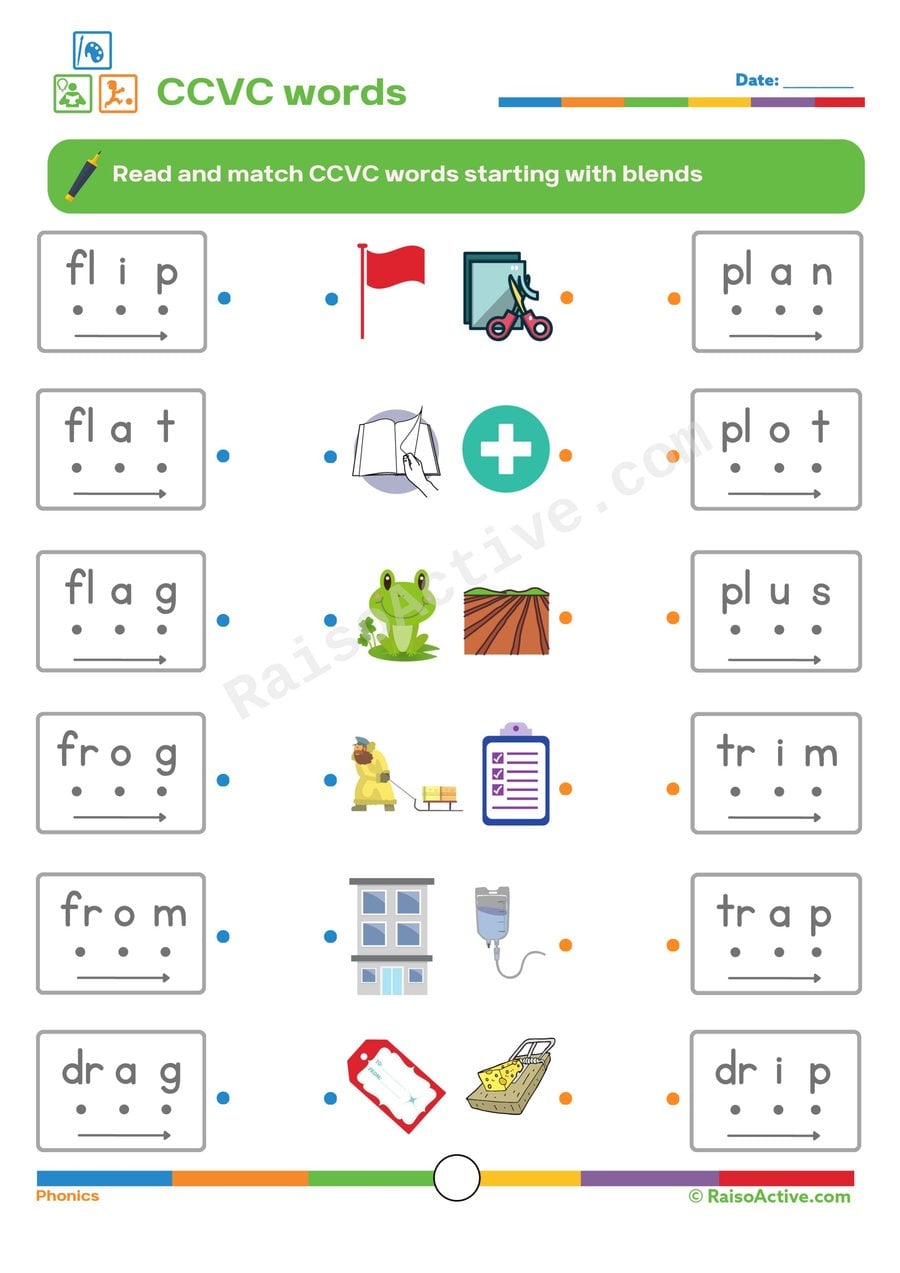
CCVC Word Matching Worksheet: Read and Match!
This worksheet gives children ages 4-5 practice reading and matching CCVC words — words that begin with two blended consonants before a vowel and a final consonant — to their corresponding pictures, reinforcing broader phonics skills beyond basic CVC words. Building comfort with consonant blends at the start of words is an important step up in decoding difficulty that prepares children for the more complex spelling patterns found in early chapter books.
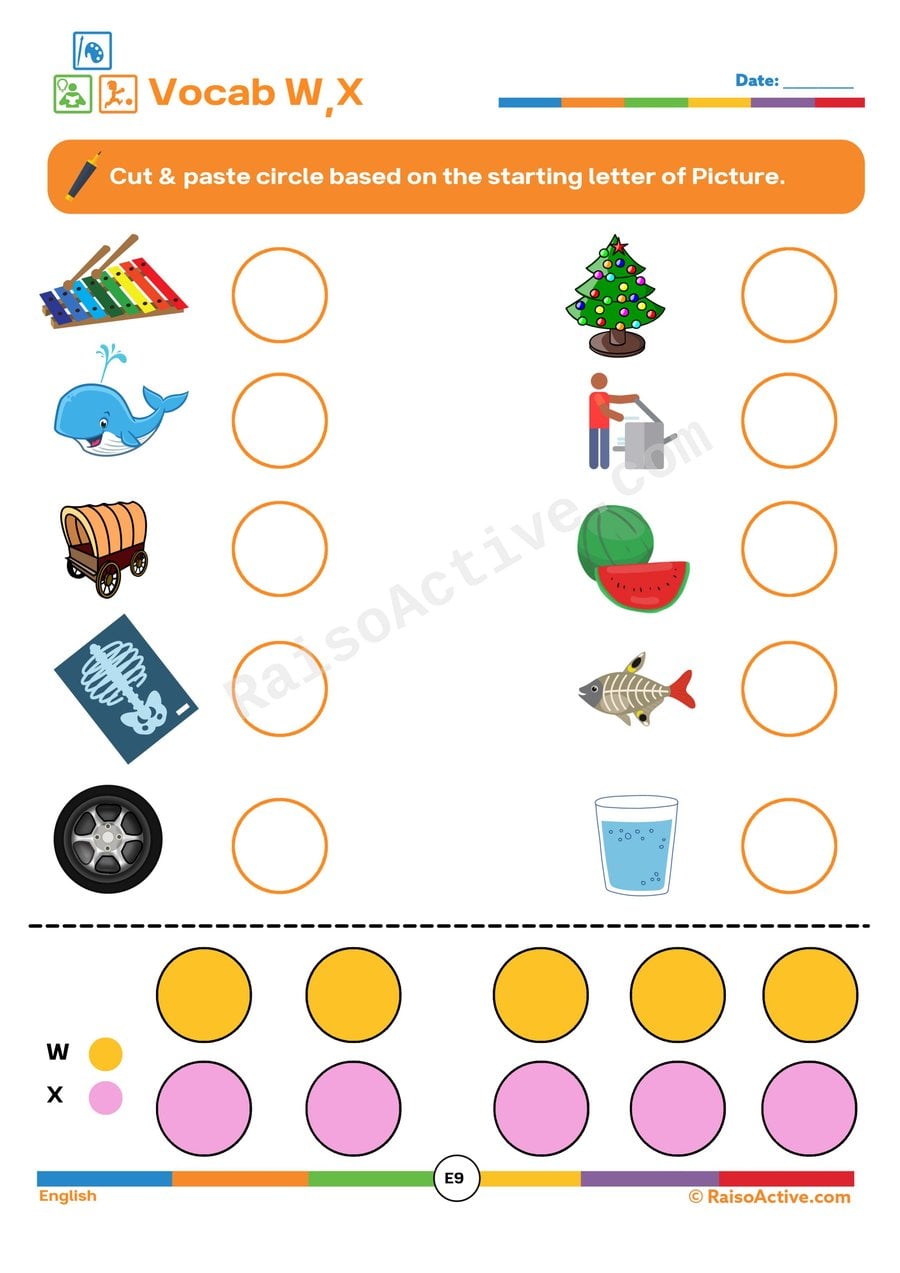
W and X Words Worksheet: Cut and Paste Fun!
Identifying words that start with W and the much rarer letter X gives children practice distinguishing beginning sounds across a wider range of vocabulary, since X-words are less common and require extra attention to hear correctly. For ages four to five, the cut-and-paste format adds a deliberate pause before each answer, helping avoid the rushed guessing that can happen with a quicker matching task.
What LKG sorting worksheets cover
At four to five, sorting depends on what the child knows about the world rather than what they can see. Farm animals against wild animals, fruits against vegetables, vehicles by land, water and air, clothes for summer and winter. The odd one out with a spoken reason is a standard task, and counting each group after sorting turns the sheet into early data work. Rules that cannot be seen, like living versus non-living, wait until next year.
- Sort farm animals and wild animals into two columns
- Paste fruits and vegetables under the right heading
- Group vehicles by whether they travel on land, water or air
- Circle the odd one out and say why it does not belong
- Count how many pictures ended up in each group
How to use these worksheets at home or in class
Ten to fifteen minutes with one warm-up pattern sheet followed by a single letter or number page fits a four-year-old's attention span. Read each instruction aloud before your child begins, and show a correct starting point once rather than repeatedly erasing an attempt.
Start with the sheet that matches what your child can already do, then move one step up. Keep finished sheets in a folder: LKG teachers often ask for evidence of practice, and children like seeing their own progress.
Is your child ready for LKG sorting work?
A child entering this stage should already trace straight and curved lines confidently, hold a pencil with three fingers rather than a fist, sit for ten minutes without wandering off, and recognise a handful of capital letters from their own name.
Frequently asked questions
How does sorting help a four-year-old with maths?
Counting a group begins with deciding what belongs in it, so a child who sorts five animals from three vehicles and then counts each pile is doing the first step of data handling. Comparing the two totals brings in more and fewer, and recording them as a row of ticks is a first pictograph. That same sort-count-compare sequence underlies graphing and, later, categorizing shapes and numbers.
What should a LKG child be able to do in sorting?
At four to five, sorting depends on what the child knows about the world rather than what they can see. Farm animals against wild animals, fruits against vegetables, vehicles by land, water and air, clothes for summer and winter. The odd one out with a spoken reason is a standard task, and counting each group after sorting turns the sheet into early data work. Rules that cannot be seen, like living versus non-living, wait until next year. A child entering this stage should already trace straight and curved lines confidently, hold a pencil with three fingers rather than a fist, sit for ten minutes without wandering off, and recognise a handful of capital letters from their own name.
Do these worksheets follow the LKG curriculum?
The sheets cover grouping objects by one attribute, classifying by size, colour or type, recognizing what does not belong and comparing two groups after sorting, which sit inside the NEP 2020 Foundational Stage (NCF-FS 2022) outcomes for LKG. Pre-K (US), Reception (UK) use the same skills at this age, so the sheets also fit families following those programmes.
Are the LKG sorting worksheets free to download?
Yes. Every sheet on this page can be downloaded free as a watermarked PDF after creating an account, up to five downloads a day. The annual membership (₹1000) removes the watermark and the daily limit across the full library of more than 1,000 worksheets and all activity packs.

Written by
Hemsweta Jain · Teacher Cheena
MBA and Early Childhood Educator, teaching since 2014 · Founder of RaisoActive, Mumbai
Written and reviewed by Hemsweta Jain (Teacher Cheena), who designs every RaisoActive worksheet.
Last reviewed
Printable packs for ages 4–5
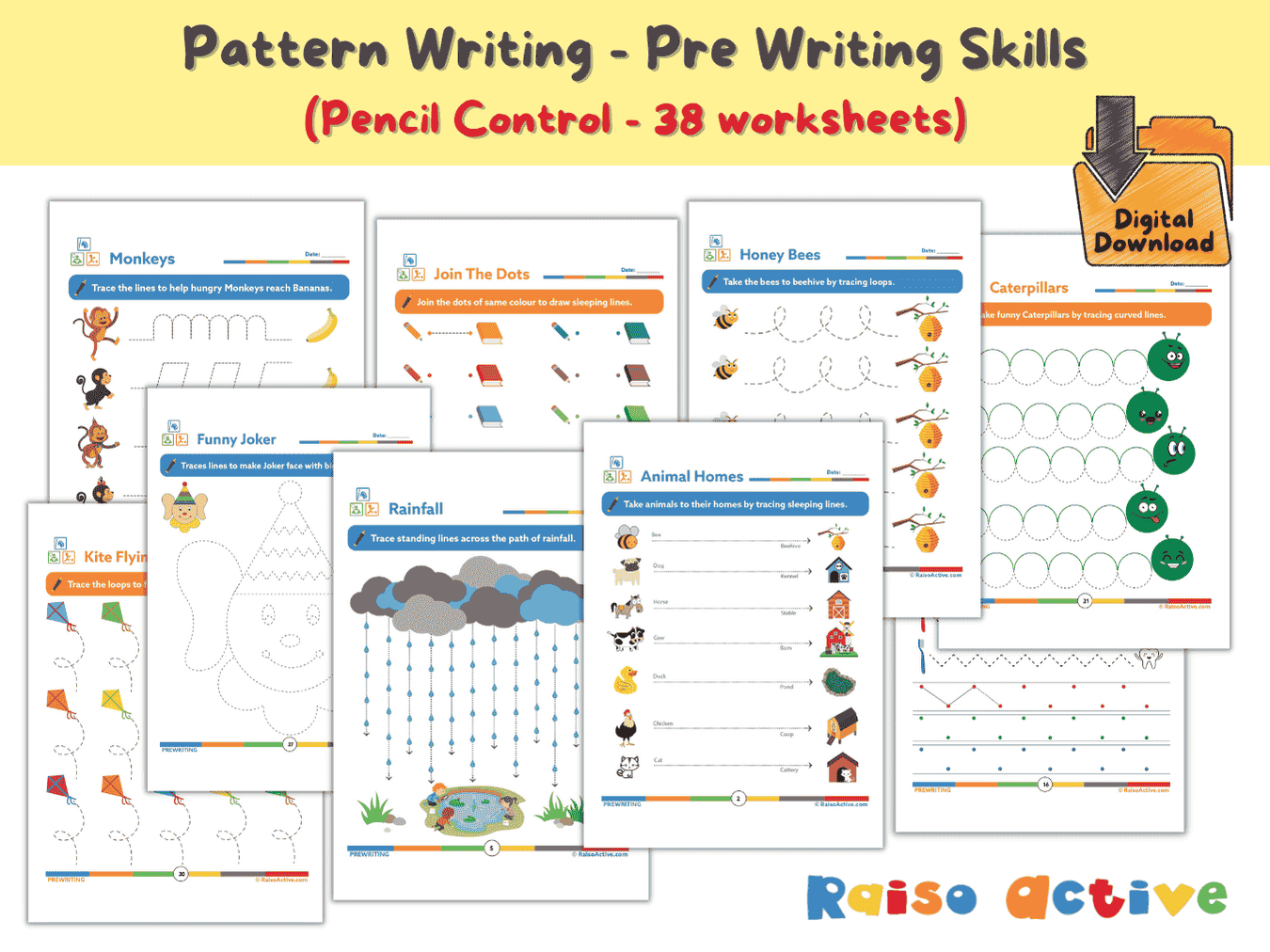
Pattern Writing Pre-writing Skills Activity Book for 3-4 Year Olds
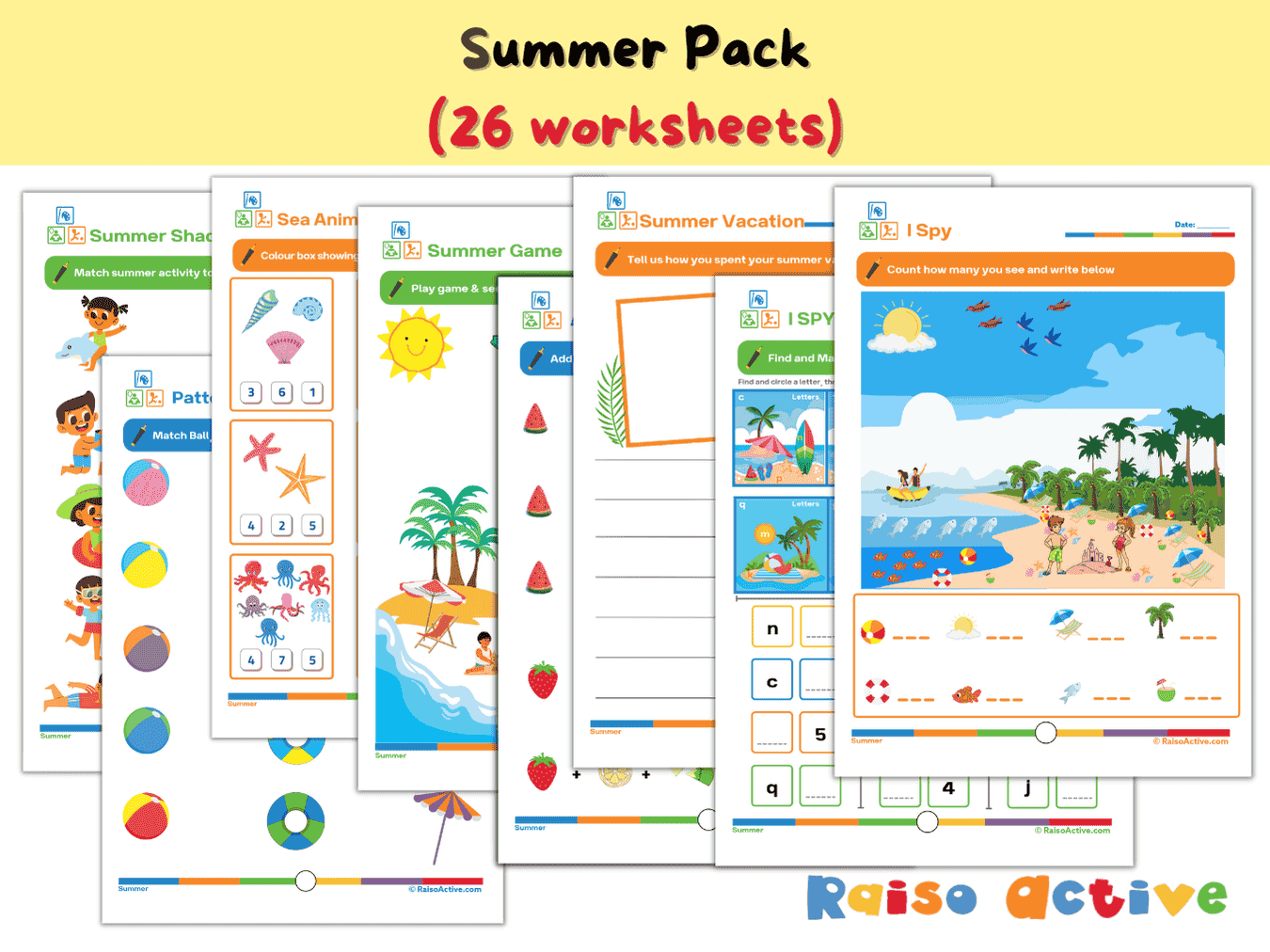
Summer Activity Pack: Math, Literacy, Puzzles & More for Preschool & Kindergarten
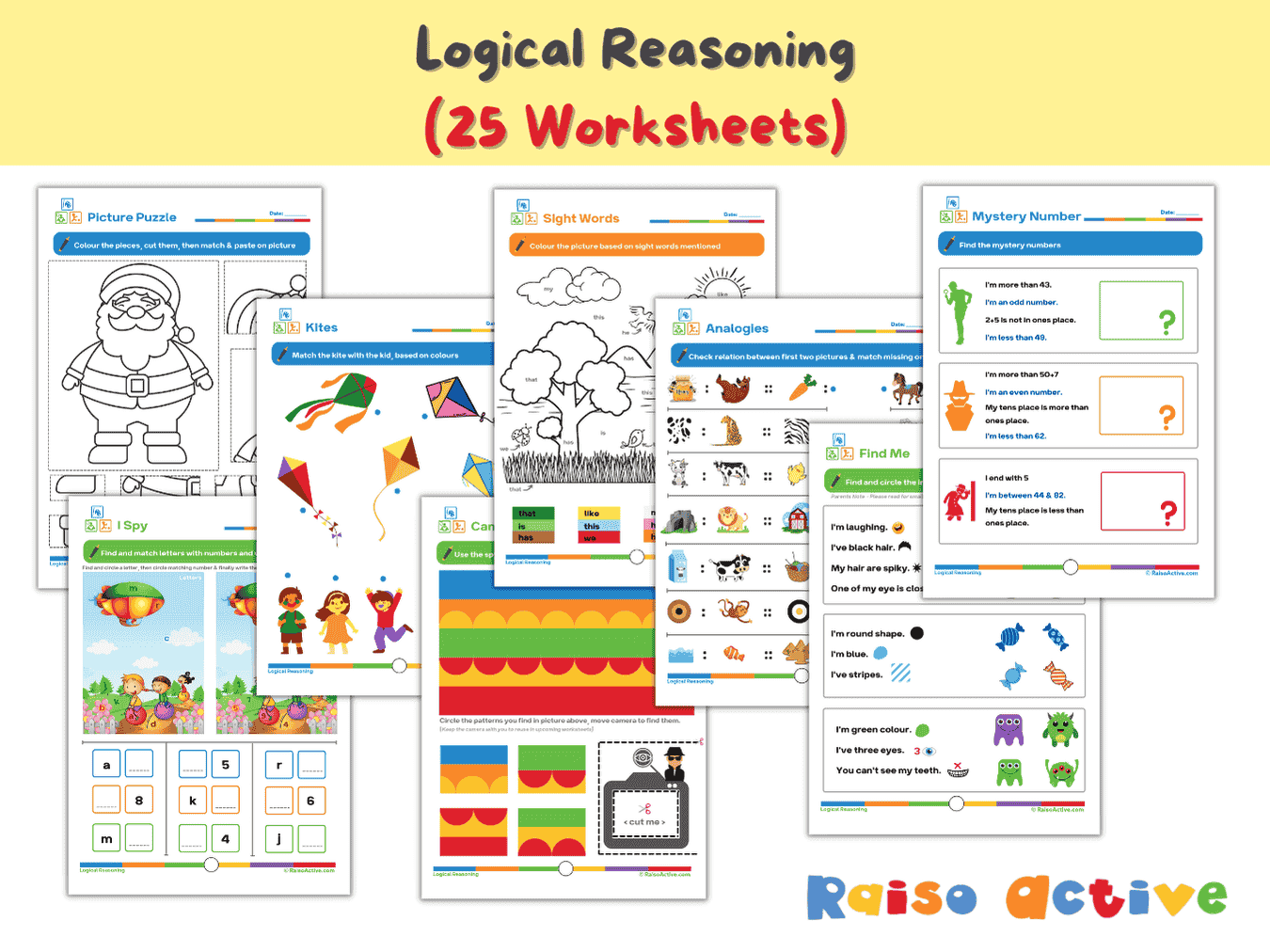
Logical Reasoning Activity Book for Preschool & Kindergarten | Patterns, Puzzles & Analogies
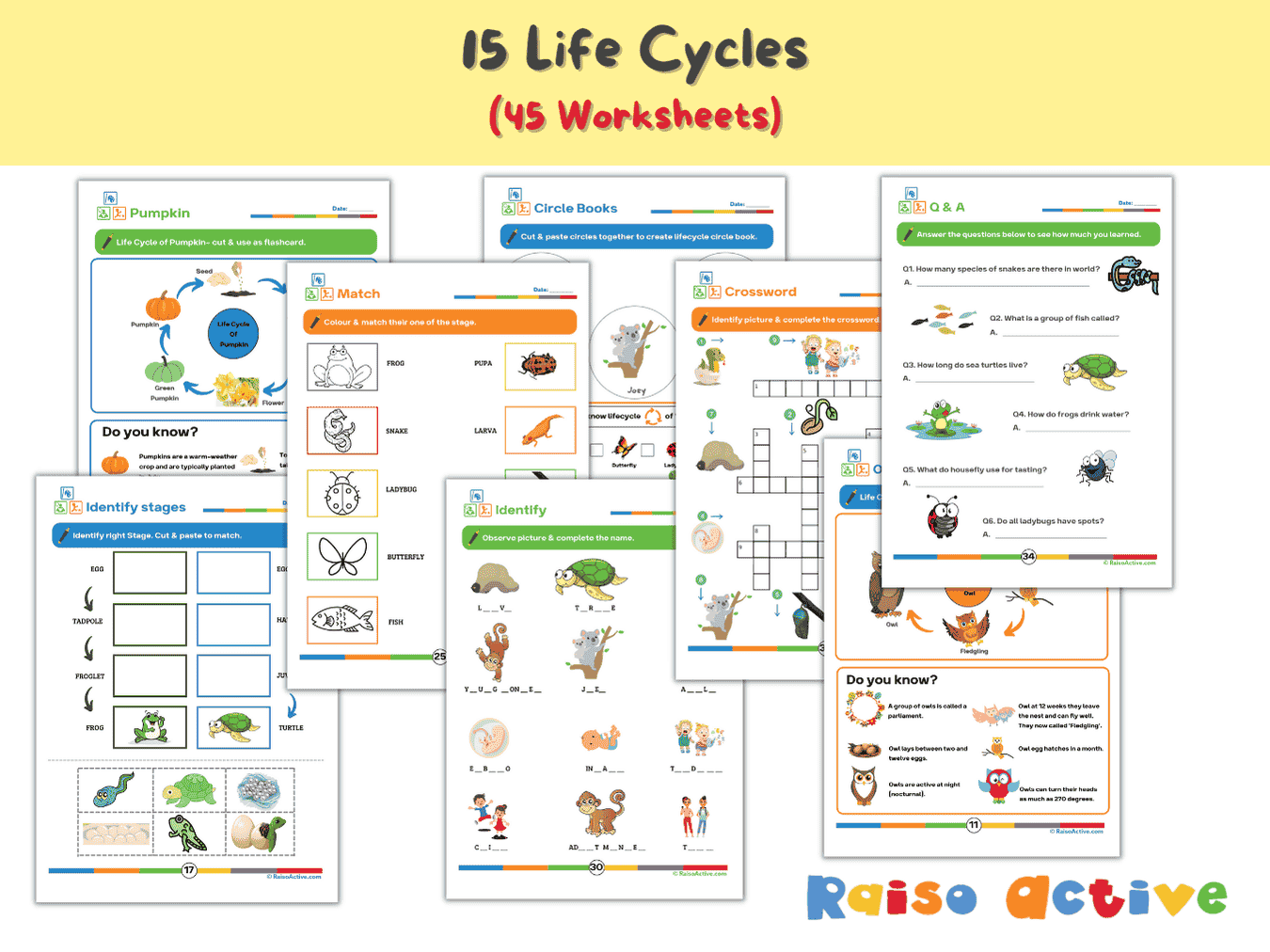
Lifecycles Activity Book & Flashcards for Preschool & Early Elementary
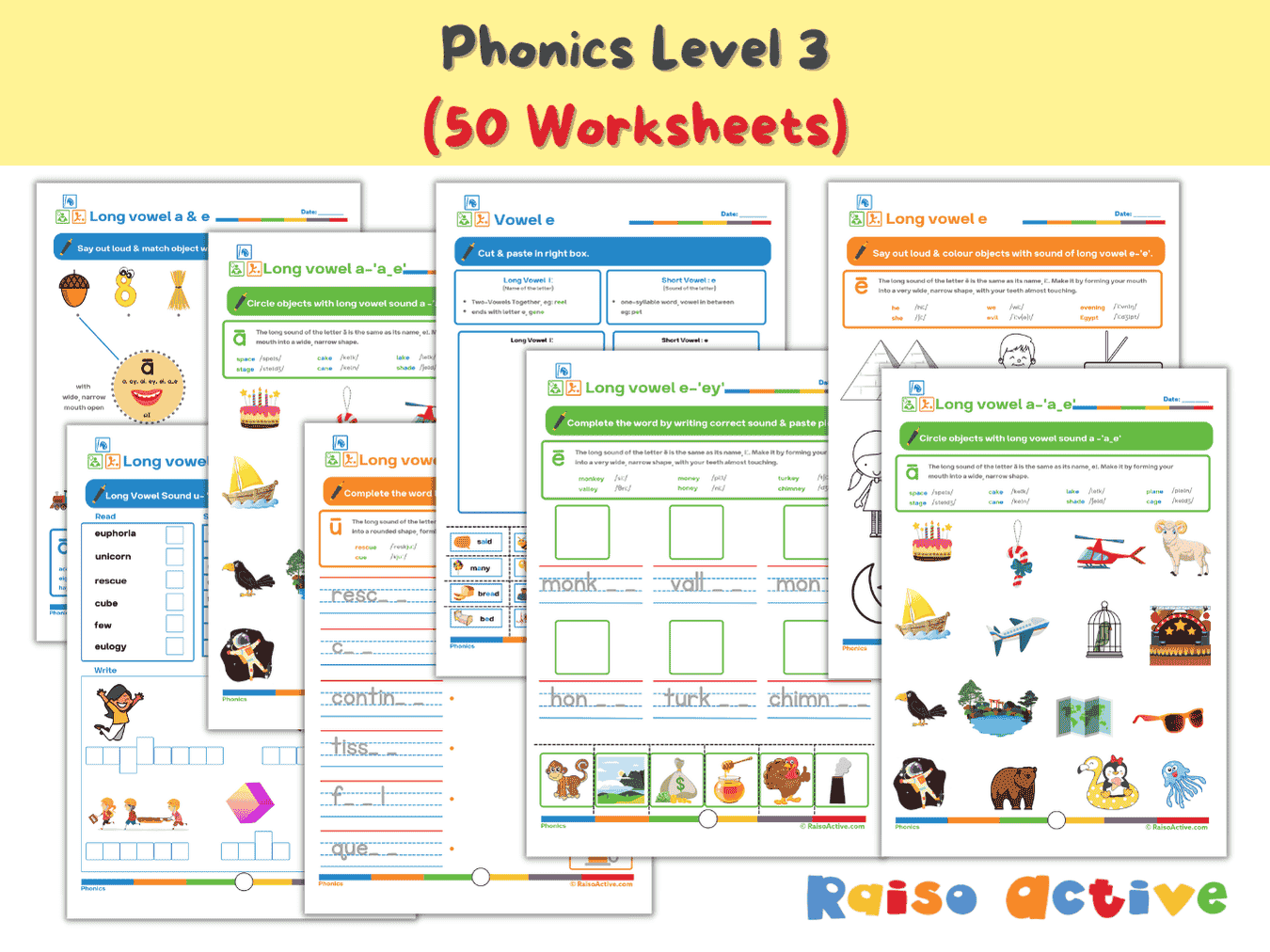
Phonics Level 3 Long Vowels Activity Book for Kindergarten & 1st Grade
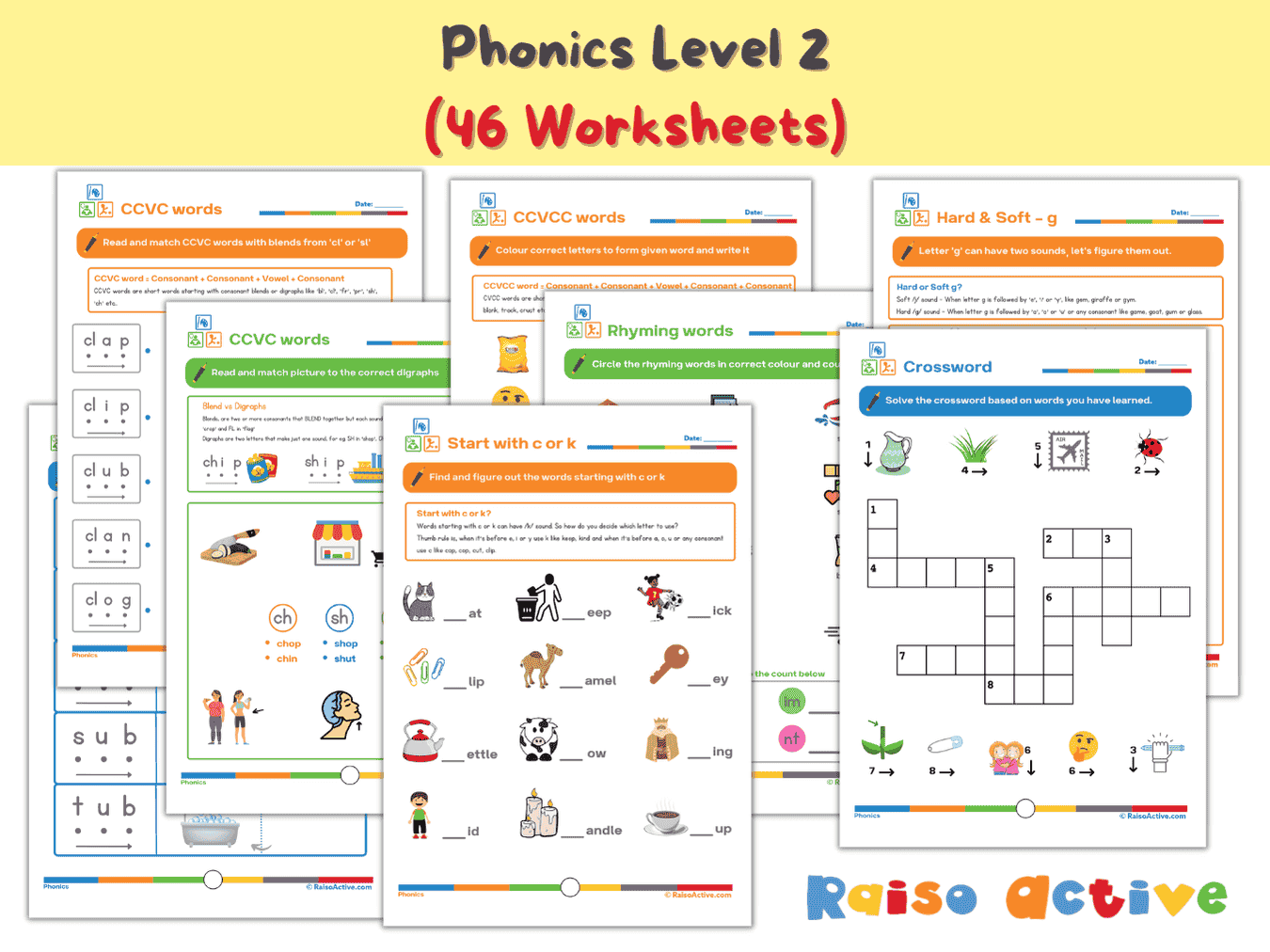
Phonics Level 2 Worksheets: CVC, CCVC, CVCC Word Families & Blends for Early Readers (Ages 4-7)
Guides for parents and teachers
See all guides →Age-Appropriate Problem-Solving Activities: Building Critical Thinkers from the Ground Up
Discover fun, age-appropriate problem-solving activities for children ages 1-8. Build critical thinking, logic, and reasoning skills through play-based learning.
Critical Thinking Activities That Actually Work for Young Children: Building Tomorrow's Thinkers Today
Discover proven critical thinking activities for young children. Age-wise logic games, questioning techniques, and hands-on ideas to build thinking skills at home.
Coding Activities for Preschoolers: Building Tomorrow's Thinkers Today
Discover 15+ unplugged and screen-based coding activities for preschoolers that build sequencing, logic, and problem-solving skills through play. NEP 2020 aligned.
Montessori Activities for 3-4 Year Olds: A Complete Guide to Purposeful Learning
Discover practical Montessori activities for 3-4 year olds — practical life, sensorial, language, and maths — with Indian kitchen adaptations and budget shelf ideas.