Free printable worksheets · United States
Pre-K Sorting Worksheets (Ages 4–5)
Pre-K sorting worksheets are practice sheets for children aged 4–5 in Pre-Kindergarten in the US. Sorting is grouping a set of objects or pictures by a shared attribute, such as color, size, shape or type. The sheets on this page cover grouping objects by one attribute, classifying by size, color or type, recognizing what does not belong and comparing two groups after sorting.
Pre-K is the bridge to kindergarten, so activities target the entry skills teachers consistently ask for: writing a first name, naming most uppercase and some lowercase letters, knowing a few letter sounds, counting to twenty, and managing scissors and a pencil comfortably. At four to five, sorting depends on what the child knows about the world rather than what they can see. Farm animals against wild animals, fruits against vegetables, vehicles by land, water and air, clothes for summer and winter. The odd one out with a spoken reason is a standard task, and counting each group after sorting turns the sheet into early data work. Rules that cannot be seen, like living versus non-living, wait until next year.
696+ worksheets · free PDF download · print on A4 or Letter
Pre-K Sorting Worksheets to print
Browse all worksheets for ages 4–5
Family Words Worksheet: Matching and Picture Association
Children ages 4-5 build vocabulary and reading recognition around family-member words — like mom, dad, sister, or brother — by first identifying the correct word for a picture, then matching printed words to pictures through cutting and pasting. Because family vocabulary is deeply familiar and emotionally meaningful, it's an especially effective category for anchoring new sight words in a child's memory.

CCVC Word Matching Worksheet: Read, Color, and Match!
This worksheet introduces children ages 4-5 to CCVC words — words that start with two consonants blended together before a vowel, like 'stop' or 'frog' — and asks them to read, color, and match each one to its picture. Because blending two consonants at the start of a word is harder than single-consonant CVC words, this practice stretches decoding skills just beyond the basics while still supporting success through coloring and picture cues.
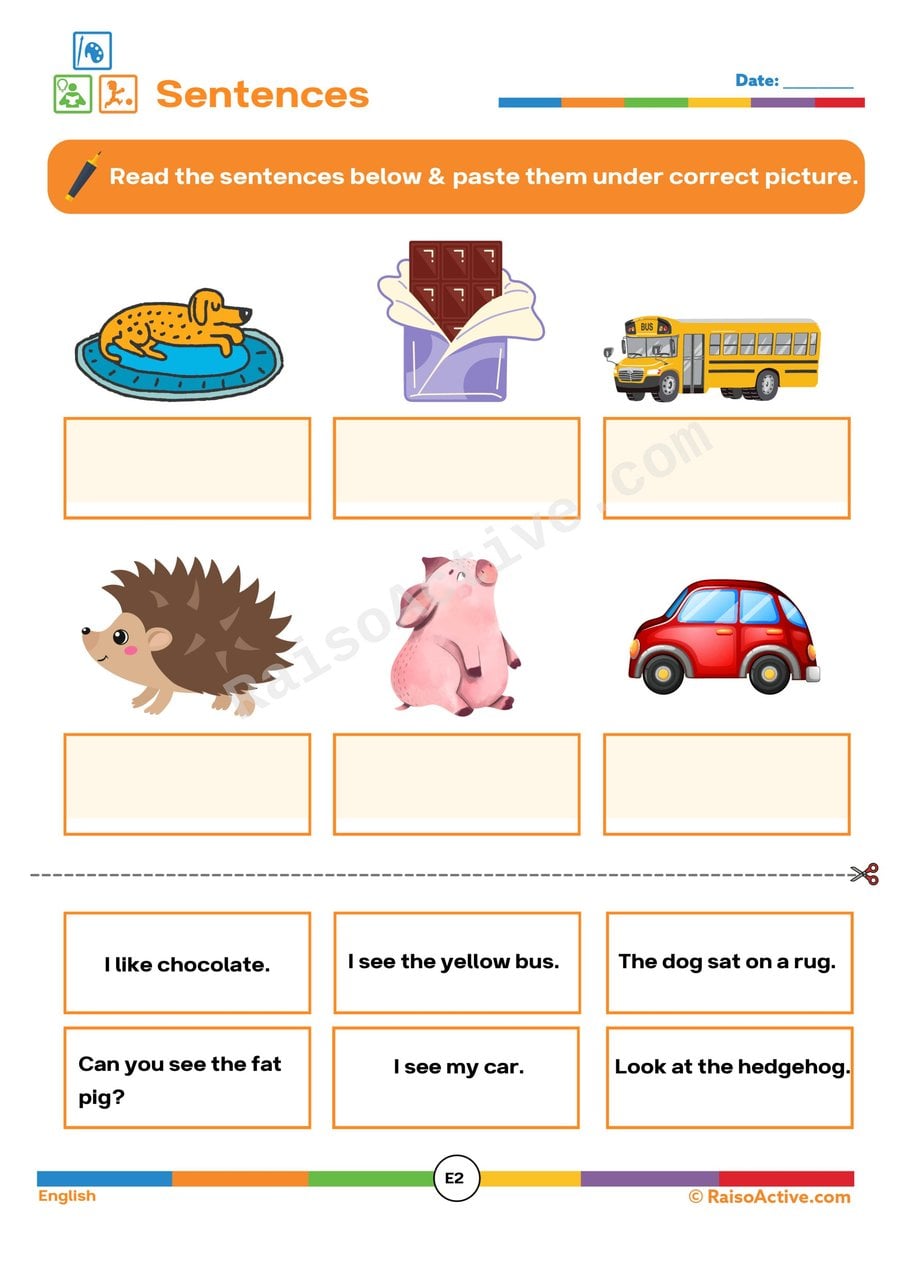
Sentence Matching Worksheet for Early Readers
Matching a written sentence to the picture it describes asks children ages 4-5 to read for meaning rather than just decode individual words, an important step up from single-word reading toward true reading comprehension. This worksheet also builds fine motor and organizational skills through cutting and placing the sentence in the correct spot. Successfully pairing text with image confirms that a child understands what they're reading, not just that they can sound out letters.
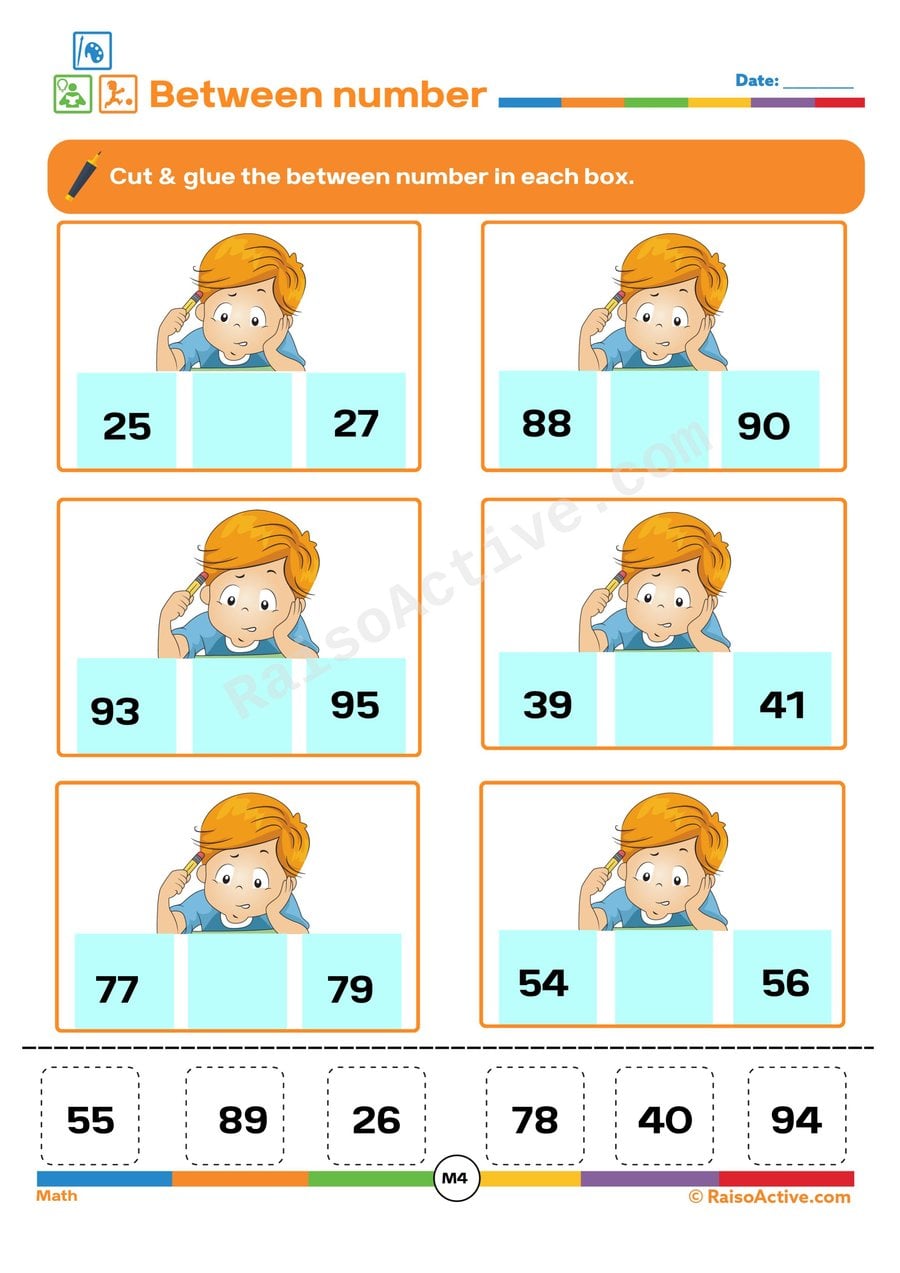
Find the Missing Number Worksheet for Kids
Children ages 4-5 strengthen number recognition and sequencing by figuring out which number is missing from a short sequence, then physically cutting and pasting the correct number into place. The cut-and-paste format adds a search-and-select step on top of the math, since children must locate the right numeral among several choices before placing it, reinforcing both number recognition and careful visual scanning.

Phonics Fun: Circle the Beginning Sound Worksheet for Preschoolers
This worksheet builds phonemic awareness by asking children to listen for a picture's beginning sound and circle the letter that matches it, a core early-reading skill that connects spoken sounds to written letters. For ages 4-5, this kind of sound-to-letter matching is one of the clearest predictors of later reading success, since it requires isolating individual sounds within a spoken word.

Summer Puzzle Worksheet: Cut and Arrange Numbers 11-20!
This worksheet extends number sequencing practice into the teens and twenties by having children cut out numbered puzzle pieces and arrange them from 11 to 20 to reveal a hidden summer picture. For four- and five-year-olds, the puzzle format adds motivation to get the sequence right, since an incorrect order means the picture won't come together properly, giving children immediate, visual feedback on their own work.

Cut and Paste the First Letter: Fun Phonics Worksheet for Preschoolers
Children ages 4-5 practice identifying the beginning sound of a word and matching it to the correct letter, a core early phonics skill, while also building fine motor control through cutting and pasting. Connecting a picture's name to its first letter sound is one of the clearest building blocks toward independent reading.
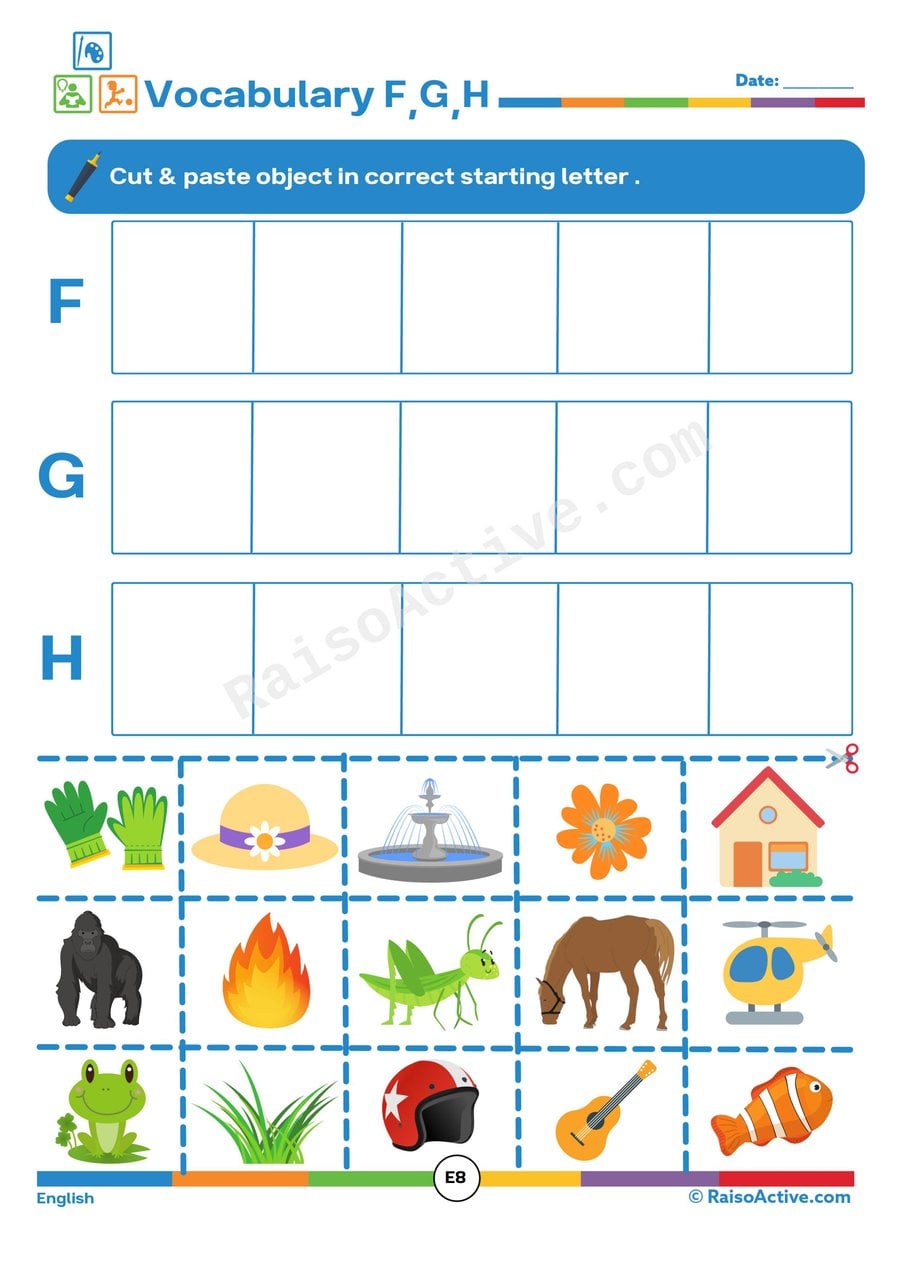
F, G, H Letter Sounds Cut and Paste Worksheet
This worksheet builds phonemic awareness in children ages 4-5 by asking them to isolate the beginning sound of each picture and sort it under the correct letter — F, G, or H. Sorting across three letters at once, rather than just one, requires children to hold multiple sound-letter associations in mind and choose between them, which is a step up in difficulty from single-letter worksheets. This kind of comparative sound-sorting strengthens the phonics foundation needed for early reading.

Lowercase Letter Matching Worksheet for Preschoolers
This worksheet gives children ages 4-5 practice connecting uppercase letters to their lowercase form by circling the correct match from a set of answer choices, a skill that's essential since most of the reading material children encounter is printed in lowercase. Many lowercase letters look quite different from their uppercase counterpart, so this matching task genuinely tests whether the connection has been learned rather than guessed.
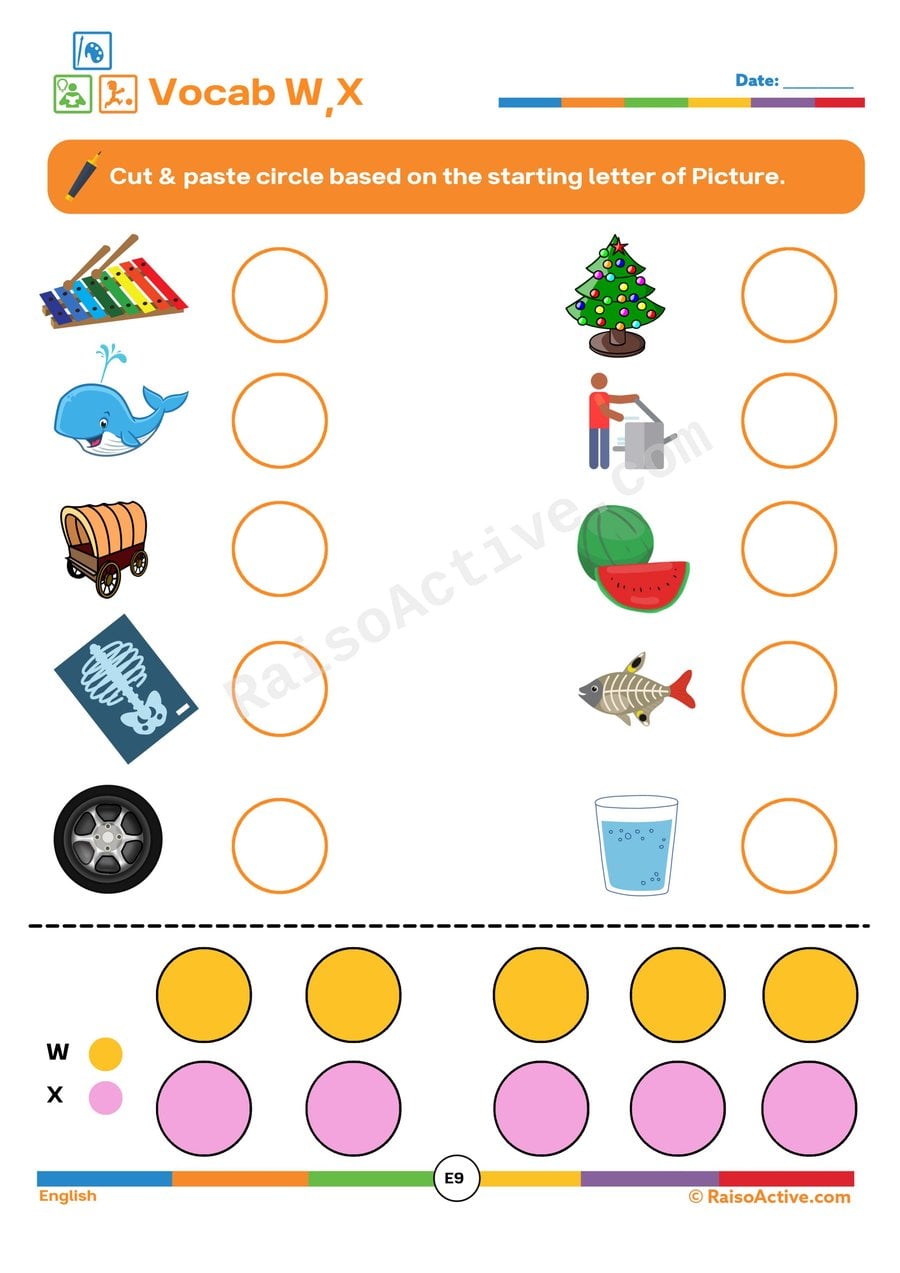
W and X Words Worksheet: Cut and Paste Fun!
Identifying words that start with W and the much rarer letter X gives children practice distinguishing beginning sounds across a wider range of vocabulary, since X-words are less common and require extra attention to hear correctly. For ages four to five, the cut-and-paste format adds a deliberate pause before each answer, helping avoid the rushed guessing that can happen with a quicker matching task.

Cut and Paste 'At' Family Worksheet: Practice Beginning Sounds!
Working through the 'at' word family — cat, hat, bat, mat, rat — sharpens the specific phonics skill of blending a beginning consonant with a familiar rime to build a real word. For four- and five-year-olds, this rime-based approach is one of the fastest routes into independent reading, since recognizing the 'at' chunk lets them decode dozens of words without sounding out every letter individually.
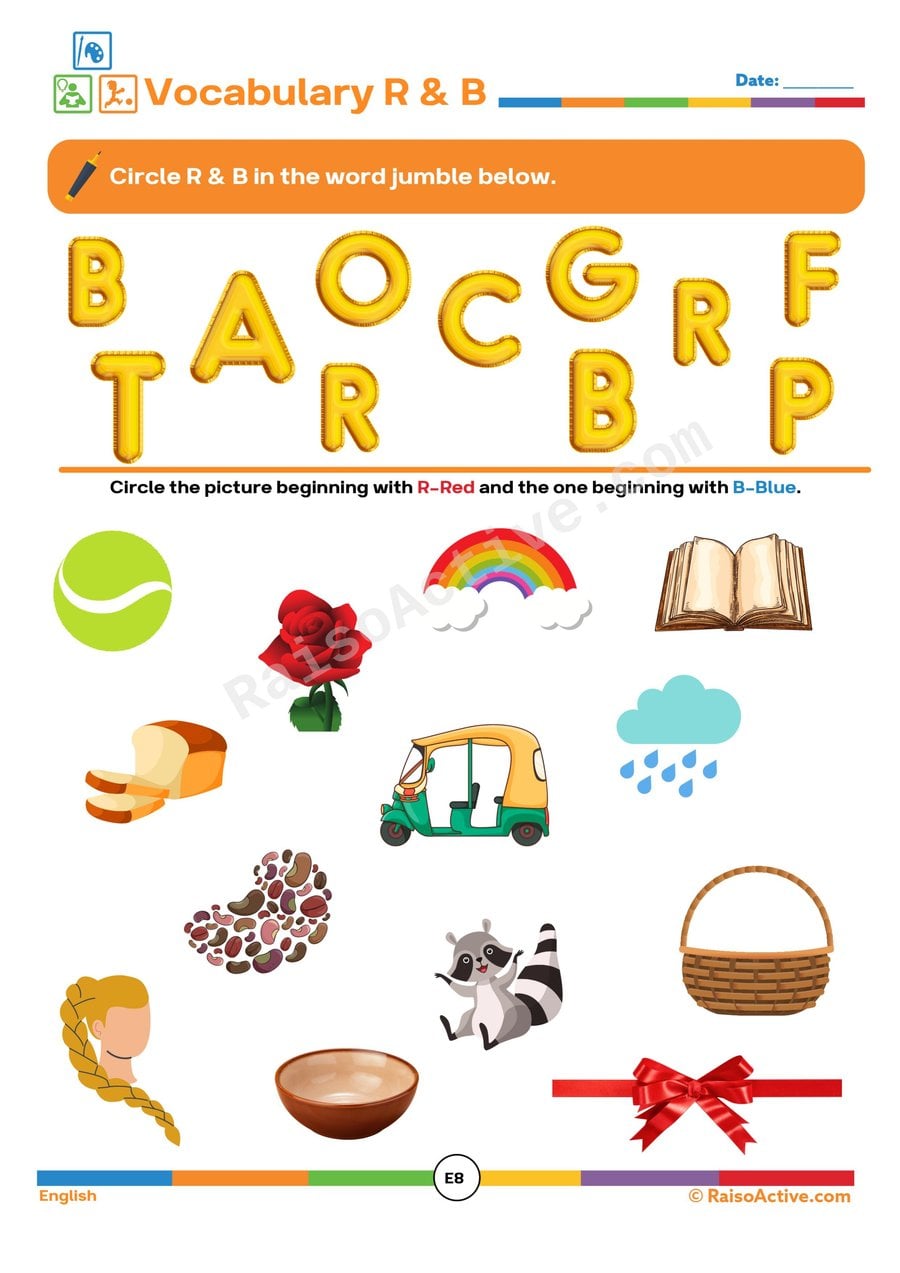
R & B Word Jumble Worksheet for Preschoolers
Circling the letters R and B within a jumbled group of letters sharpens visual discrimination for children ages 4-5, training their eyes to spot a specific letter shape among similar-looking distractions. Pairing this with picture identification for words that start with R and B reinforces beginning-sound recognition, connecting the visual letter search to actual spoken sounds.
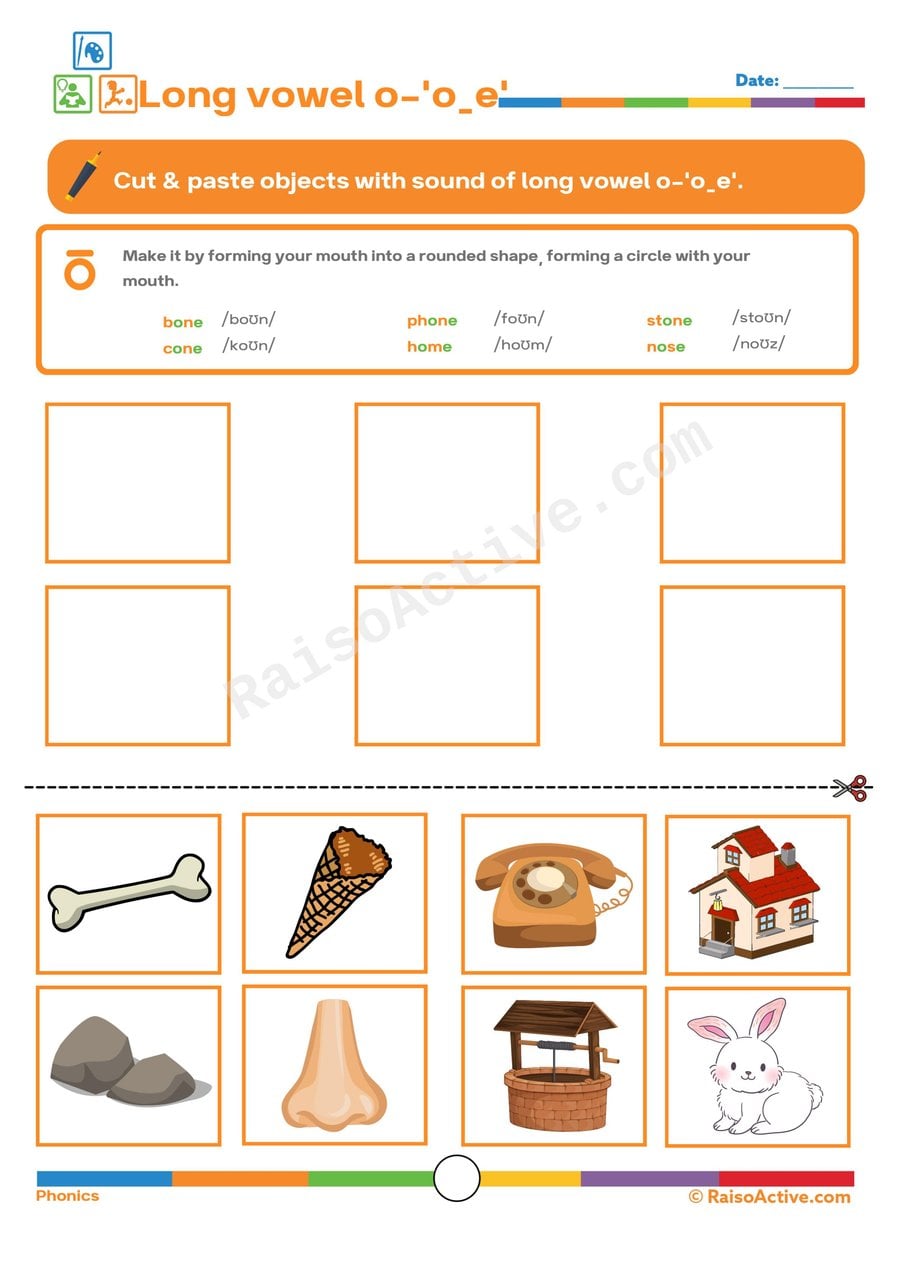
Long Vowel 'o' Cut and Paste Worksheet for Kids
This cut-and-paste worksheet has children ages 4-5 identify which pictured objects contain the long 'o' sound, as in 'boat' or 'rose,' and sort them by cutting and gluing only the matching pictures into the correct box. Categorizing by sound rather than by written spelling keeps the focus on listening skills, an important step before children are expected to connect that sound to its various written forms.

Lowercase Letter Matching Worksheet for Preschoolers
This worksheet trains children ages 4-5 to connect an uppercase letter to its lowercase counterpart, a skill that's genuinely tricky since many lowercase letters look quite different from their capital form (like G and g, or Q and q). Matching cases correctly is essential groundwork for reading real books and sentences, which are written mostly in lowercase.

Read and Match: Sight Word Sentences Worksheet for Early Readers
Children ages 4-5 practice reading simple sight-word sentences and matching them to the picture that shows their meaning, building early reading comprehension by connecting printed words directly to what they represent. This bridges the gap between recognizing individual sight words and understanding a full sentence's meaning.
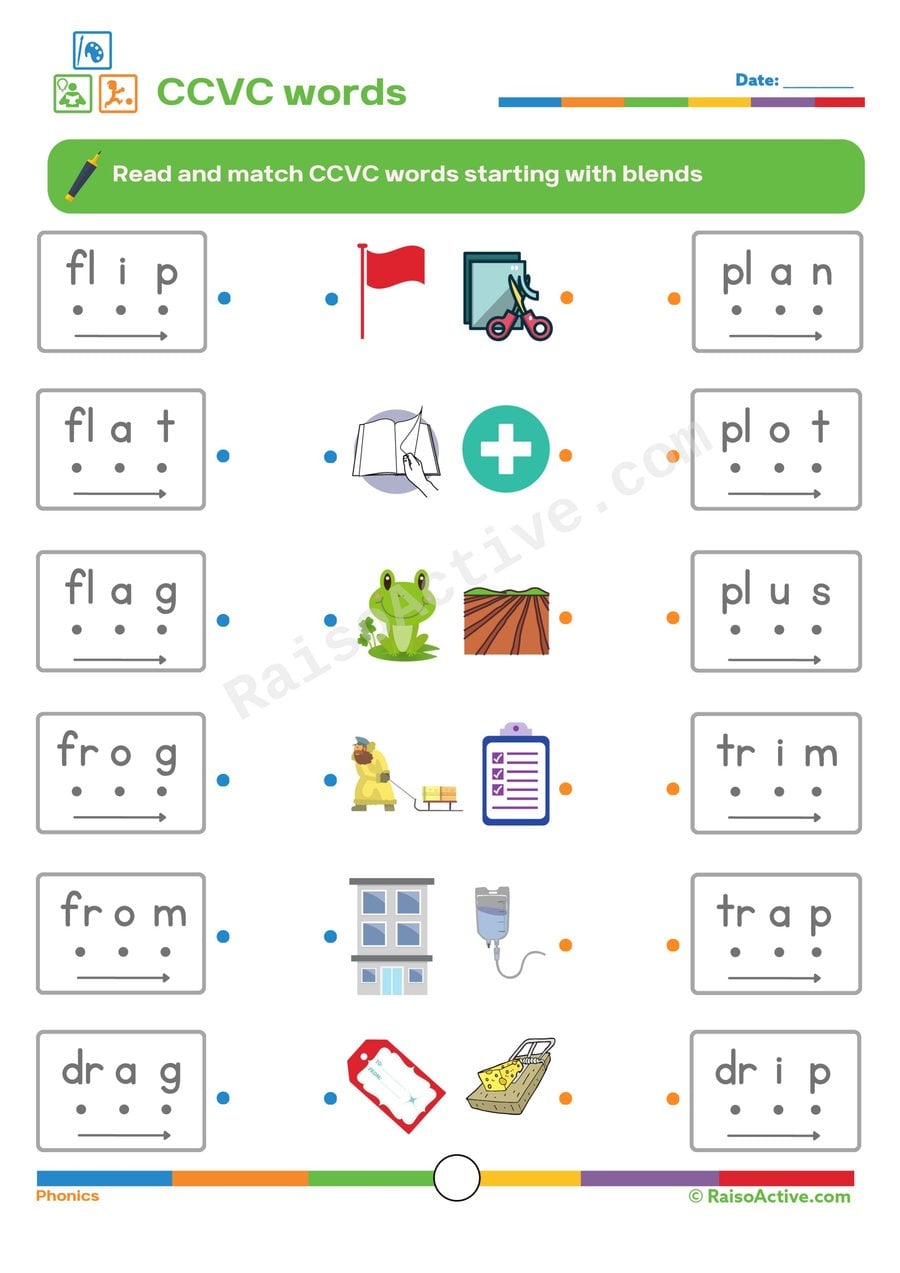
CCVC Word Matching Worksheet: Read and Match!
This worksheet gives children ages 4-5 practice reading and matching CCVC words — words that begin with two blended consonants before a vowel and a final consonant — to their corresponding pictures, reinforcing broader phonics skills beyond basic CVC words. Building comfort with consonant blends at the start of words is an important step up in decoding difficulty that prepares children for the more complex spelling patterns found in early chapter books.

Number Names Matching Worksheet for Preschoolers
This worksheet layers two skills for children ages 4-5: unscrambling the letters of a number-name word and then matching that word to its correct numeral. Unscrambling requires children to recognize familiar letter sequences, an early word-recognition skill, while matching reinforces that written number words correspond to specific quantities. Together these tasks push number-word literacy a step further than simple copying or tracing.
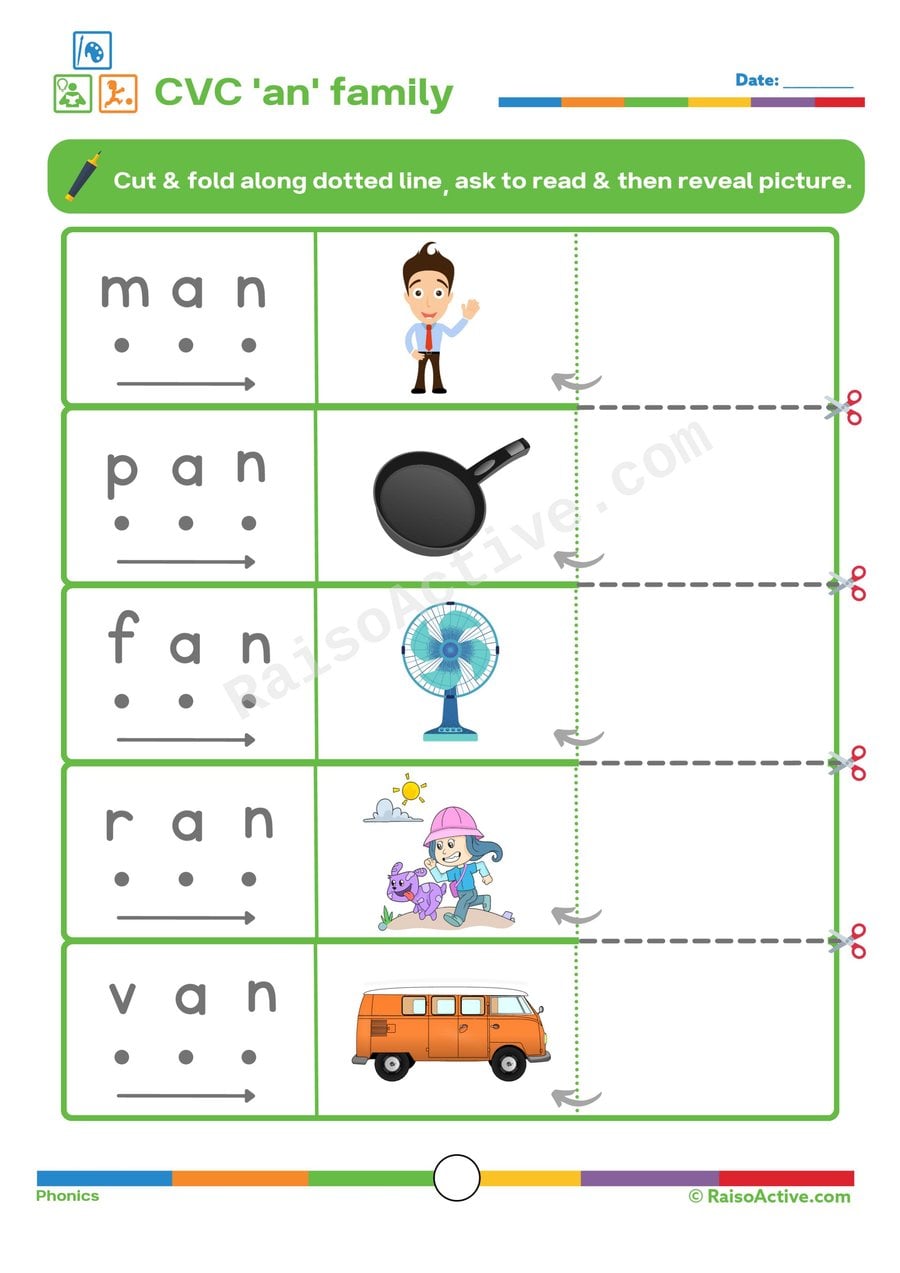
CVC Word Family 'an' Worksheet: Read, Cut, and Match!
This cut-and-fold worksheet helps children ages 4-5 read words in the 'an' word family — like 'can', 'fan', and 'man' — and then self-check their reading by revealing a hidden picture underneath. Because every word shares the same 'an' ending, children practice changing just the first letter and re-blending, which builds both decoding speed and confidence. The reveal mechanic gives instant feedback, letting children verify their own reading rather than depending on an adult to confirm each word.

My Plate: Cut and Paste Food Groups Worksheet for Kids
Children ages 3-6 learn about balanced nutrition by cutting out pictures of different foods and pasting each one onto the correct section of a plate diagram representing food groups like fruits, vegetables, grains, and proteins. This hands-on sorting activity introduces the idea that a healthy meal includes a variety of food types, an early building block for lifelong healthy eating habits.

Cut and Paste Initial Sounds Worksheet for Preschoolers
This worksheet asks children to identify the very first sound of a picture's name and then physically select and paste the matching letter, combining phoneme isolation with a hands-on confirmation step that a simple matching line doesn't provide. For ages four to five, the cutting and choosing process slows the task down just enough to make sure the sound-letter connection is deliberate rather than a quick guess.

Phonic Sounds Worksheet: Circle the Picture That Starts with the Alphabet Sound!
This worksheet reinforces beginning-sound recognition for children ages 4-5 by presenting a letter at the start of each row and asking them to find the one picture among several that begins with that same sound. Because each row contains multiple pictures, children must test several beginning sounds against the target letter before settling on the correct one, which builds more precise listening skills than simpler one-picture matching tasks. This process also strengthens the letter-sound mapping that underlies early decoding.

CCVC Digraphs Worksheet: Read and Match the Pictures!
This worksheet teaches children ages 4-5 to recognize consonant digraphs — two letters like 'ch', 'sh', and 'th' that combine to make one new sound — within CCVC-style words, then match each word to its picture. Digraphs are a common stumbling block because children must learn that these letter pairs don't sound like their individual letters, an important exception to the blending rules they've just learned. Matching to pictures checks that the sound-out leads to real understanding of the word.

Cut and Paste 'An' Family Worksheet for Preschoolers
This cut-and-paste worksheet has children ages 4-5 build simple 'an' family words, like 'can,' 'man,' and 'pan,' by gluing the correct beginning letter in front of the shared 'an' ending. Practicing a word family this way teaches children that changing just one letter creates a whole new word — a foundational pattern-recognition skill in early reading known as rhyming or word-family instruction.

Shapes Worksheet: Cut and Paste, Complete the Sequence!
This worksheet combines shape identification with pattern completion, asking children ages 4-5 to cut out and paste shapes into matching boxes and then draw the missing shape needed to finish a simple sequence. Together these tasks build geometric vocabulary, precise cutting and gluing control, and the logical reasoning needed to predict what comes next in a repeating pattern.
What Pre-K sorting worksheets cover
At four to five, sorting depends on what the child knows about the world rather than what they can see. Farm animals against wild animals, fruits against vegetables, vehicles by land, water and air, clothes for summer and winter. The odd one out with a spoken reason is a standard task, and counting each group after sorting turns the sheet into early data work. Rules that cannot be seen, like living versus non-living, wait until next year.
- Sort farm animals and wild animals into two columns
- Paste fruits and vegetables under the right heading
- Group vehicles by whether they travel on land, water or air
- Circle the odd one out and say why it does not belong
- Count how many pictures ended up in each group
How to use these worksheets at home or in class
Ten minutes a day, starting with name tracing before moving to letters or numbers, builds the steady habit this stage rewards. Say a letter's sound alongside its name while tracing, and count out loud while touching each object in turn.
Start with the sheet that matches what your child can already do, then move one step up. Keep finished sheets in a folder: Pre-K teachers often ask for evidence of practice, and children like seeing their own progress.
Is your child ready for Pre-K sorting work?
Before this stage a child should trace basic shapes and lines, recognize a few letters from their own name, count a small set of objects by pointing to each one, and sustain a simple table task for several minutes.
Frequently asked questions
How does sorting help a four-year-old with math?
Counting a group begins with deciding what belongs in it, so a child who sorts five animals from three vehicles and then counts each pile is doing the first step of data handling. Comparing the two totals brings in more and fewer, and recording them as a row of ticks is a first pictograph. That same sort-count-compare sequence underlies graphing and, later, categorizing shapes and numbers.
What should a Pre-K child be able to do in sorting?
At four to five, sorting depends on what the child knows about the world rather than what they can see. Farm animals against wild animals, fruits against vegetables, vehicles by land, water and air, clothes for summer and winter. The odd one out with a spoken reason is a standard task, and counting each group after sorting turns the sheet into early data work. Rules that cannot be seen, like living versus non-living, wait until next year. Before this stage a child should trace basic shapes and lines, recognize a few letters from their own name, count a small set of objects by pointing to each one, and sustain a simple table task for several minutes.
Do these worksheets follow the Pre-K curriculum?
The sheets cover grouping objects by one attribute, classifying by size, color or type, recognizing what does not belong and comparing two groups after sorting, which sit inside the State pre-K early learning standards; Head Start ELOF outcomes for Pre-K. Reception (UK), LKG / Junior KG (India) use the same skills at this age, so the sheets also fit families following those programmes.
Are these Pre-K sorting worksheets free?
Yes. Each worksheet downloads free as a watermarked PDF once you create an account, with a limit of five a day. An annual membership ($20) removes the watermark and the limit for the whole library of over 1,000 worksheets and every printable pack.

Written by
Hemsweta Jain · Teacher Cheena
MBA and Early Childhood Educator, teaching since 2014 · Founder of RaisoActive, Mumbai
Written and reviewed by Hemsweta Jain (Teacher Cheena), who designs every RaisoActive worksheet.
Last reviewed
Printable packs for ages 4–5
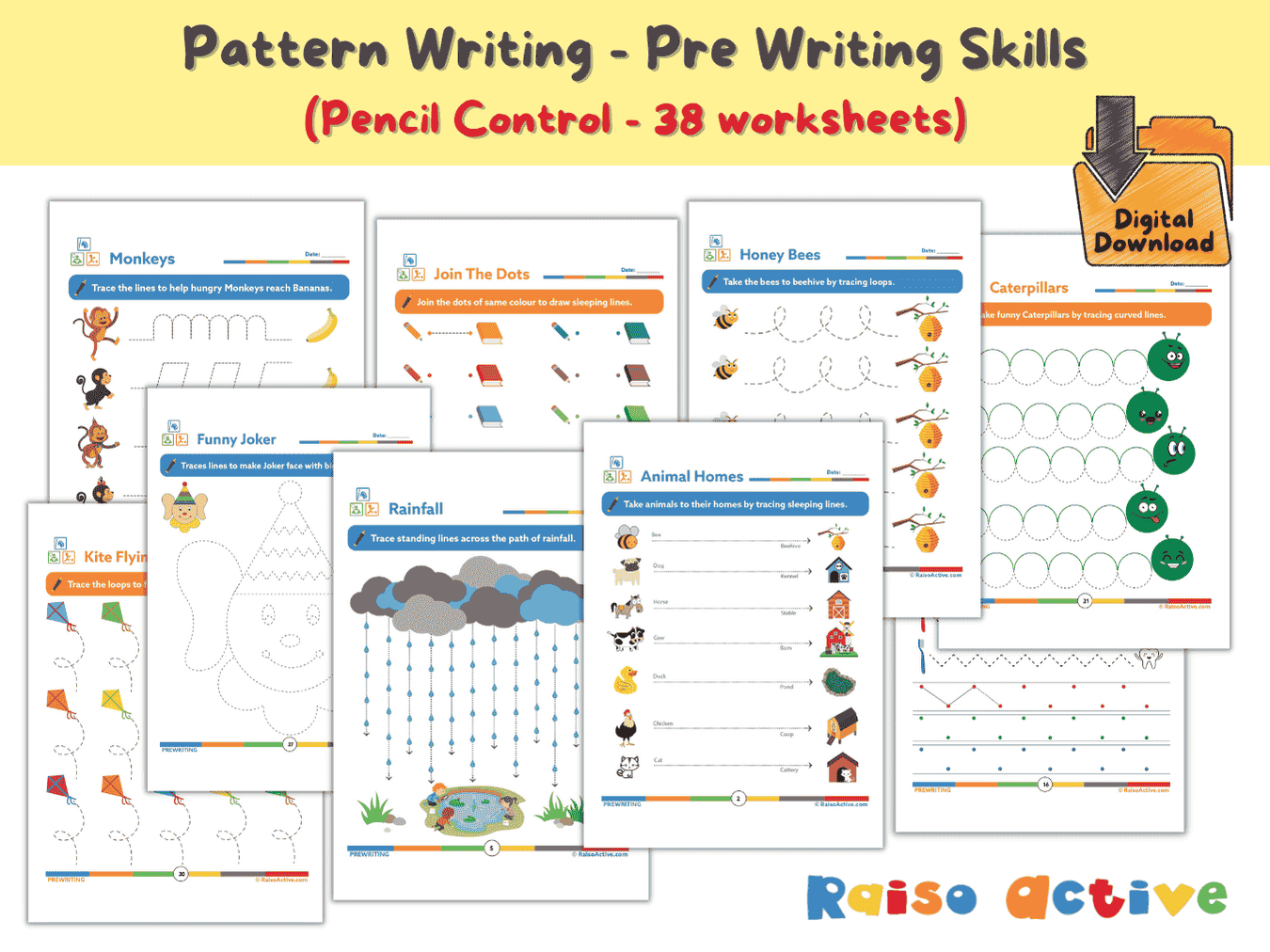
Pattern Writing Pre-writing Skills Activity Book for 3-4 Year Olds
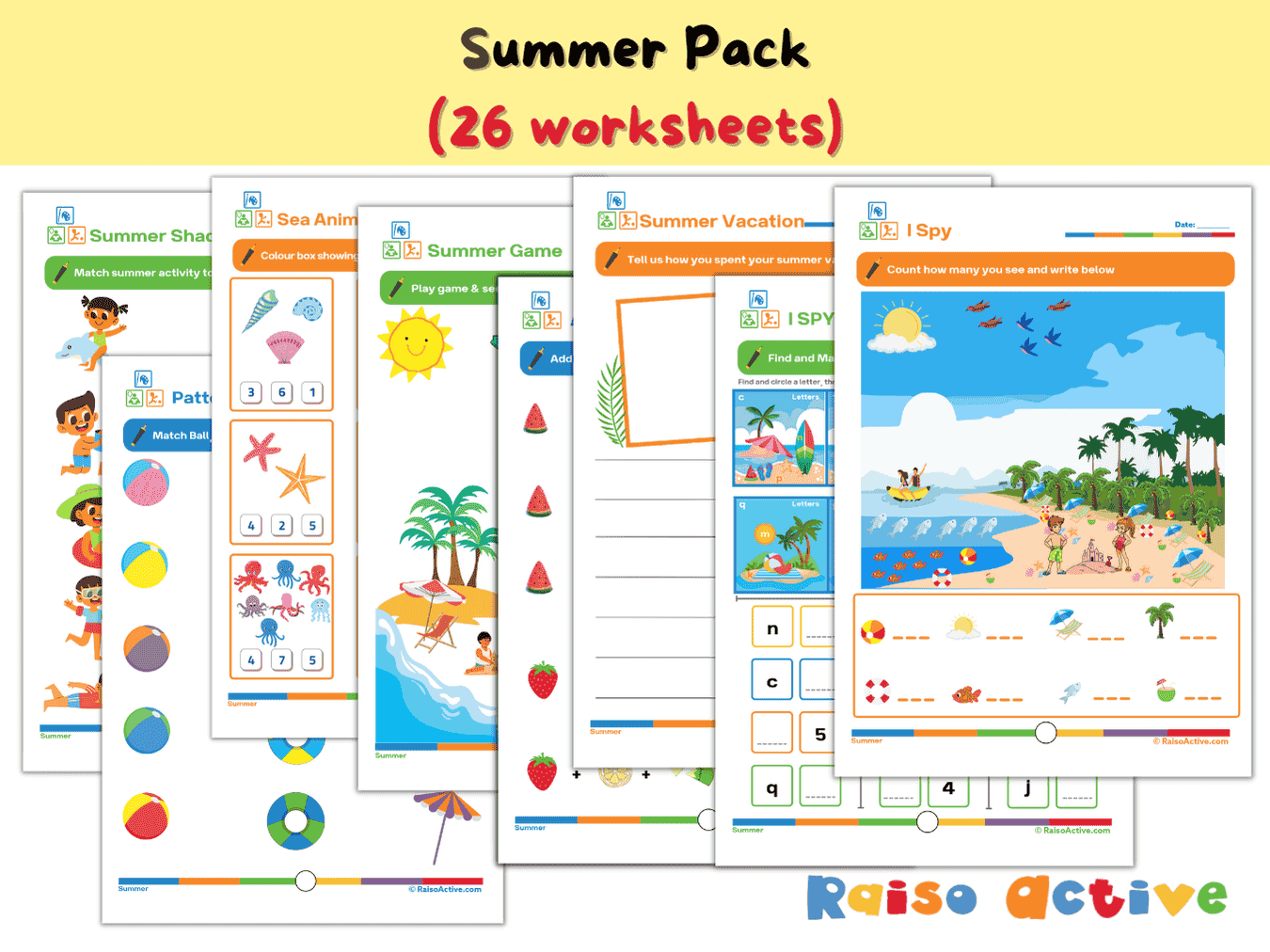
Summer Activity Pack: Math, Literacy, Puzzles & More for Preschool & Kindergarten
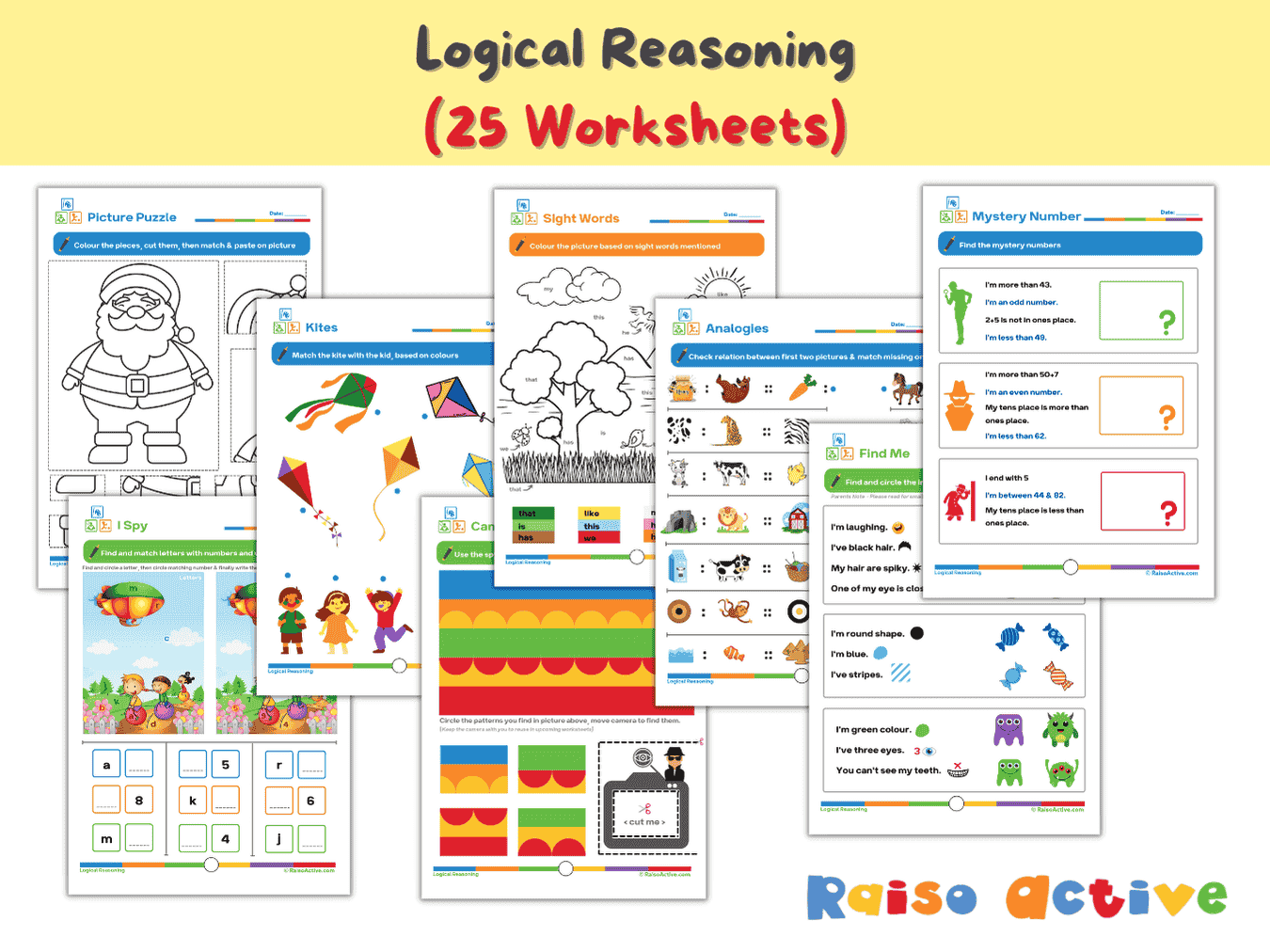
Logical Reasoning Activity Book for Preschool & Kindergarten | Patterns, Puzzles & Analogies
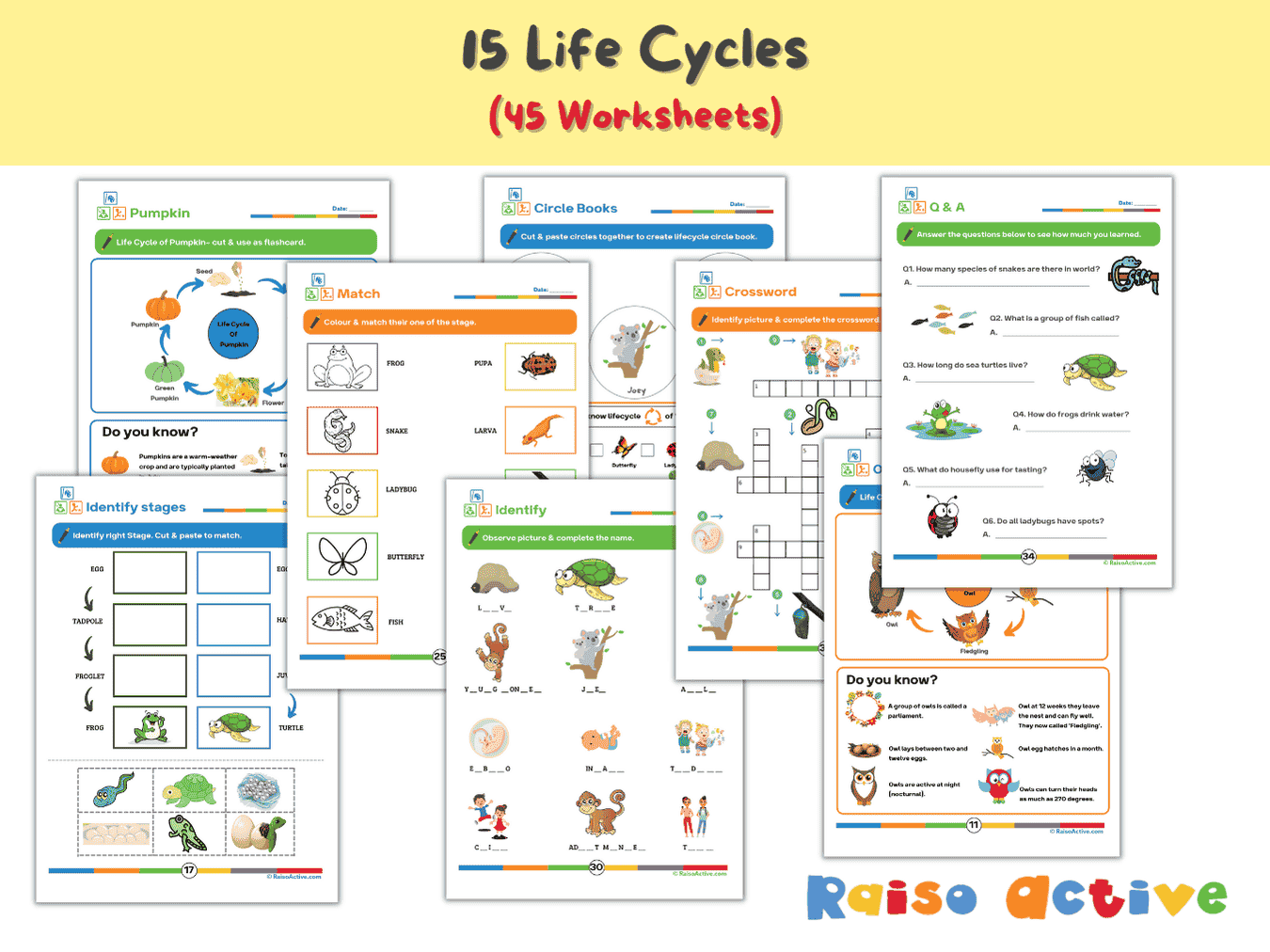
Lifecycles Activity Book & Flashcards for Preschool & Early Elementary
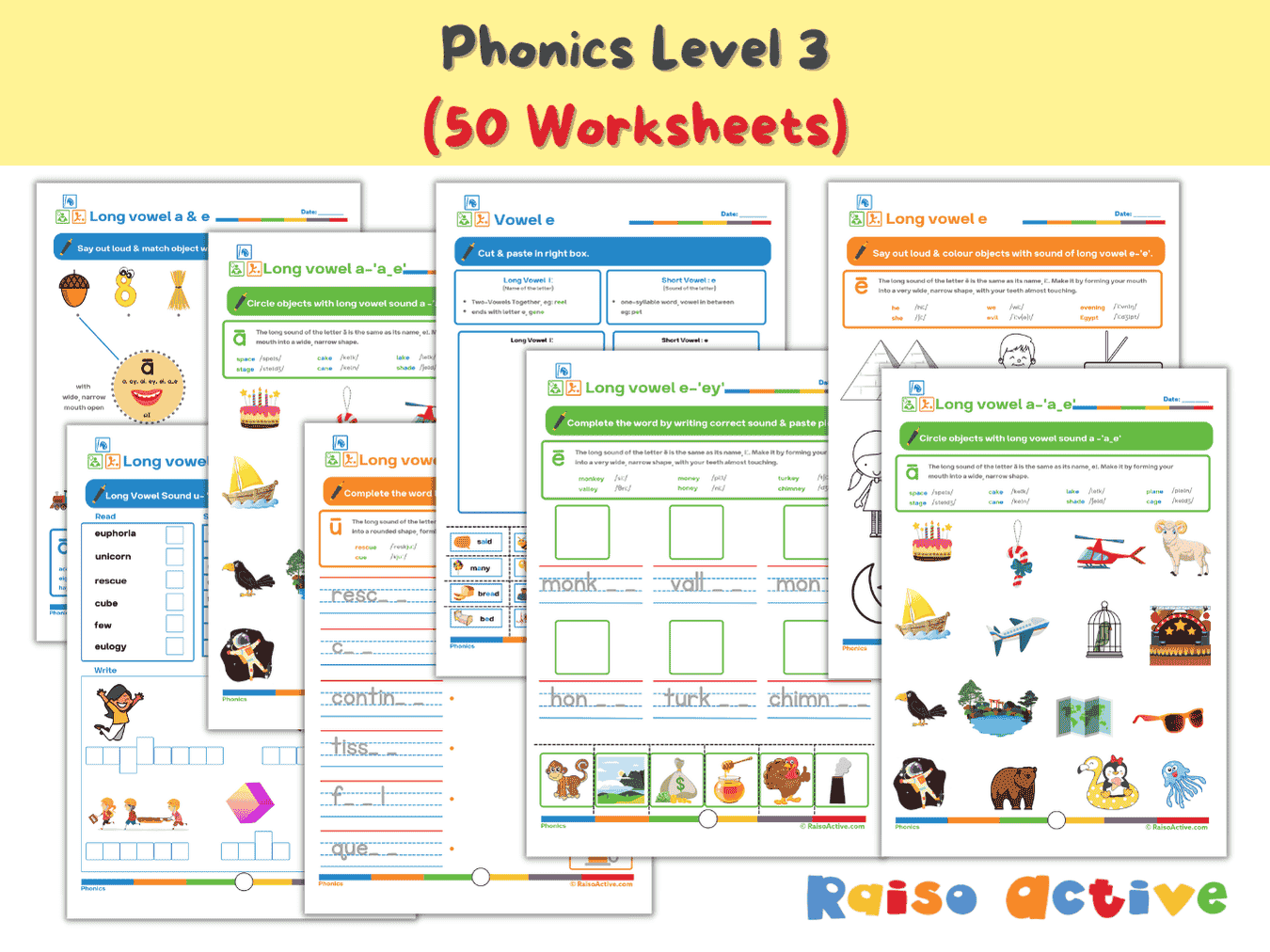
Phonics Level 3 Long Vowels Activity Book for Kindergarten & 1st Grade
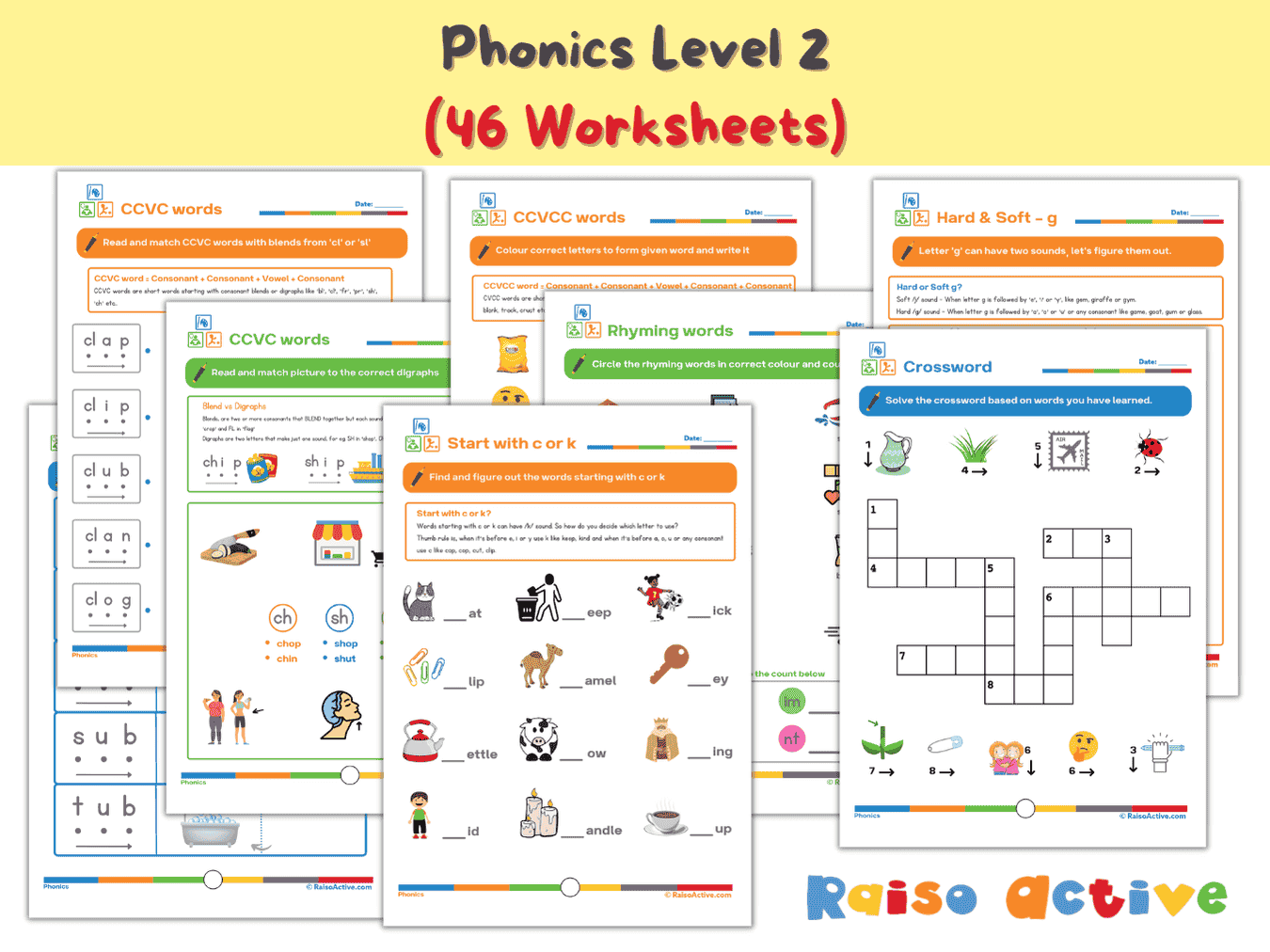
Phonics Level 2 Worksheets: CVC, CCVC, CVCC Word Families & Blends for Early Readers (Ages 4-7)
Guides for parents and teachers
See all guides →Age-Appropriate Problem-Solving Activities: Building Critical Thinkers from the Ground Up
Discover fun, age-appropriate problem-solving activities for children ages 1-8. Build critical thinking, logic, and reasoning skills through play-based learning.
Critical Thinking Activities That Actually Work for Young Children: Building Tomorrow's Thinkers Today
Discover proven critical thinking activities for young children. Age-wise logic games, questioning techniques, and hands-on ideas to build thinking skills at home.
Coding Activities for Preschoolers: Building Tomorrow's Thinkers Today
Discover 15+ unplugged and screen-based coding activities for preschoolers that build sequencing, logic, and problem-solving skills through play. NEP 2020 aligned.
Montessori Activities for 3-4 Year Olds: A Complete Guide to Purposeful Learning
Discover practical Montessori activities for 3-4 year olds — practical life, sensorial, language, and maths — with Indian kitchen adaptations and budget shelf ideas.