Free printable worksheets · United States
Preschool Phonics Worksheets (Ages 3–4)
Preschool phonics worksheets are practice sheets for children aged 3–4 in Preschool in the US. Phonics is the practice of connecting letters to the sounds they represent, then blending those sounds together to decode and read words. The sheets on this page cover letter-sound correspondence, blending sounds into words, segmenting words into sounds and digraphs and consonant blends.
Preschool builds readiness rather than academics: pre-writing strokes, uppercase letter recognition, counting objects to ten, naming shapes and colors, and cutting along a line, all introduced through short table activities inside a mostly play-based day. Grip is still forming, so most activities favor a thick crayon over a standard pencil. Phonics at three is almost entirely listening: hearing that "sun" and "fun" rhyme, clapping the syllables in a name, noticing that "mom" and "milk" start the same way. A worksheet should ask the child to circle the picture that rhymes with another, or find two pictures that start the same, with an adult saying the words aloud since the child is not yet reading them. A handful of letter sounds may be introduced, but blending is not attempted yet.
978+ worksheets · free PDF download · print on A4 or Letter
Preschool Phonics Worksheets to print
Browse all worksheets for ages 3–4
Clothing Pattern Match Worksheet for Preschoolers
This worksheet has children ages 3-5 study repeating patterns on clothing items — stripes, polka dots, or checks — and match each item to its identical twin, building visual discrimination and early pattern-sequencing skills. Distinguishing between similar-looking patterns also sharpens attention to detail, a skill that later supports letter and word recognition.

Fun with Letter F: Tracing, Finding, and Coloring Worksheet
Children ages 3-5 reinforce letter recognition and pencil control as they trace the letter F, search for it among other letters, and identify a picture starting with the F sound. Working through the same letter in multiple formats — writing, spotting, and sound-matching — helps move the letter from simple recognition toward automatic recall, an important pre-reading skill.
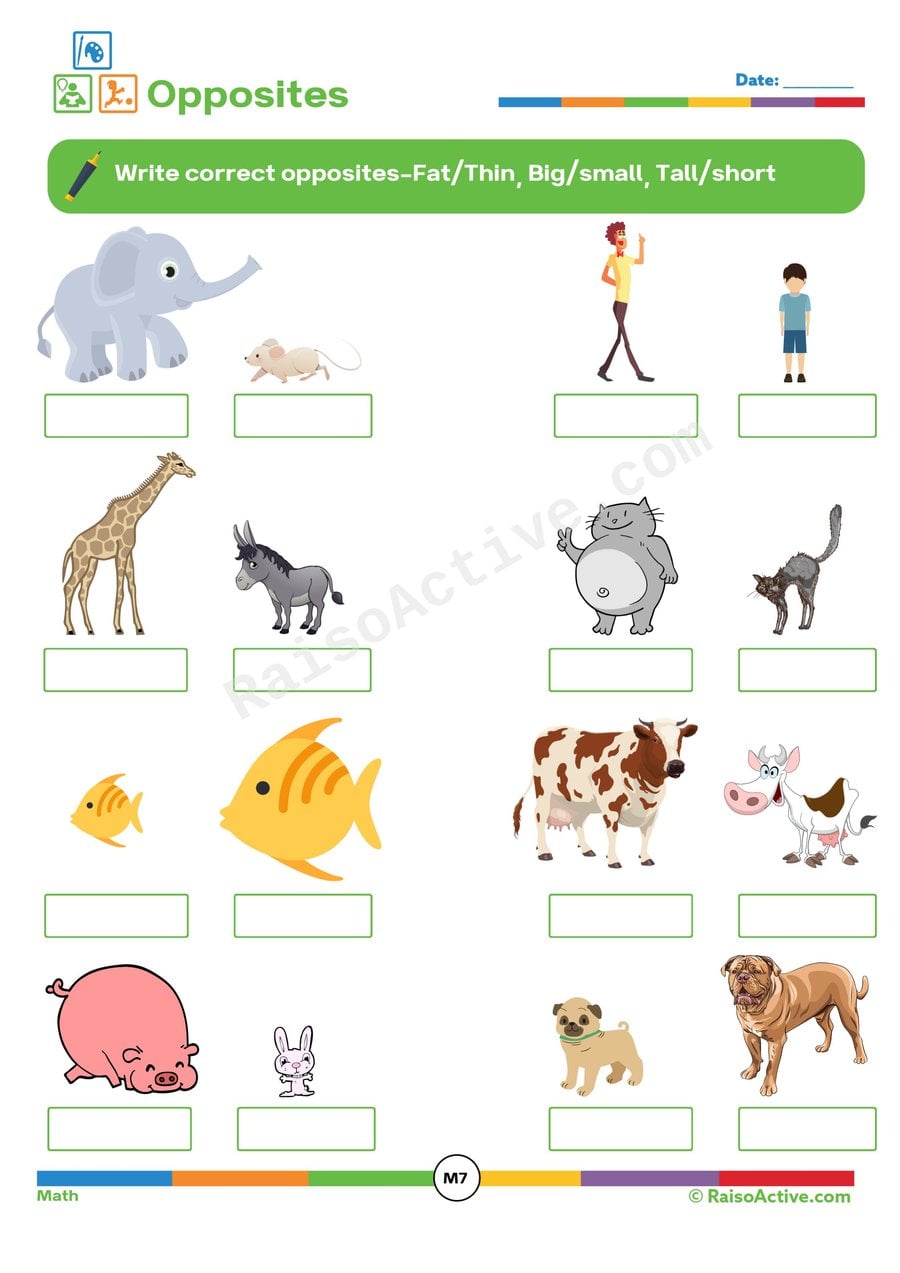
Opposites Worksheet: Fat/Thin, Big/Small, Tall/Short
Identifying opposite pairs like fat and thin, big and small, and tall and short teaches children ages 3-5 to think comparatively, recognizing that these descriptive words only make sense in relation to something else. This early vocabulary work also builds the reasoning skills needed to compare and contrast, a thinking pattern that shows up across science, math, and language throughout their schooling.

Trace and Count: Learning the Number Zero Worksheet
This worksheet introduces the more abstract concept of zero by having children trace the numeral and then identify pictures showing an empty or 'zero' quantity, like a basket with no fruit or a jar with no candies. For three- to five-year-olds, zero is often trickier to grasp than other numbers since it represents an absence rather than a countable group, so tracing it alongside visual examples of 'nothing there' helps make the idea concrete.

Letter S Tracing Worksheet for Preschoolers
Tracing the letter S gives 3-5 year olds practice with a single flowing curve that changes direction twice, a genuinely different challenge from straight-line letters and one that builds the smooth hand control needed for cursive-style writing later on. This page pairs the tracing practice with a picture to color, reinforcing the letter through a second, playful channel.

Number Names Matching Worksheet for Preschoolers
This worksheet helps children ages 3-5 connect written number names, like 'three' or 'seven,' to the numeral they represent, an important step beyond simply recognizing digits since it introduces reading actual number words. Decoding a color clue to figure out and write each number name first adds an extra layer of visual attention before the matching step even begins.

Phonics Fun: Write the First Letter and Draw! (Ages 3-5)
This worksheet asks children ages 3-5 to identify a picture's beginning sound and write the matching letter, then draw their own picture for extra practice, combining phonemic awareness with early letter formation. Writing the letter by hand, rather than just circling it, demands more fine motor control and reinforces the sound-symbol link more deeply than recognition alone. The open-ended drawing task also lets children apply the same beginning sound to a word of their own choosing.
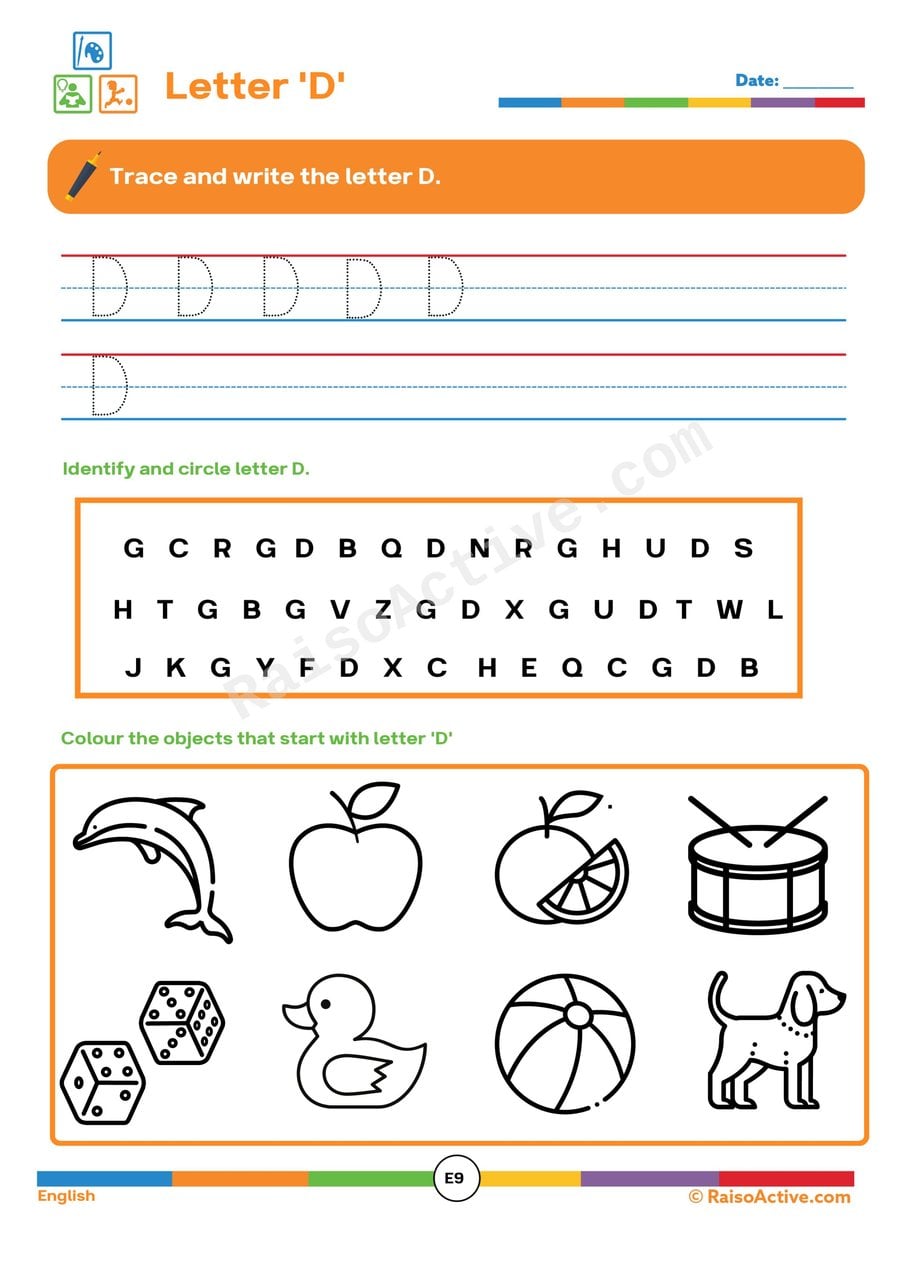
Letter D Worksheet: Trace, Identify, and Color!
This worksheet helps children ages 3-5 practice letter recognition, pencil-controlled tracing, and beginning sound awareness all centered on the letter D. Searching for D within a group of letters builds visual discrimination, an important pre-reading skill for telling similar shapes apart quickly.

Letter W Tracing Worksheet for Preschoolers: Practice Writing the Letter W!
W is essentially two V shapes joined together, making it one of the most stroke-heavy letters a preschooler encounters — tracing it builds stamina for multi-stroke letters and reinforces the diagonal-line control introduced by simpler letters like V. Practicing uppercase W and lowercase w at ages 3-5 also helps children notice that lowercase w is just a smaller version of the same repeated zigzag.
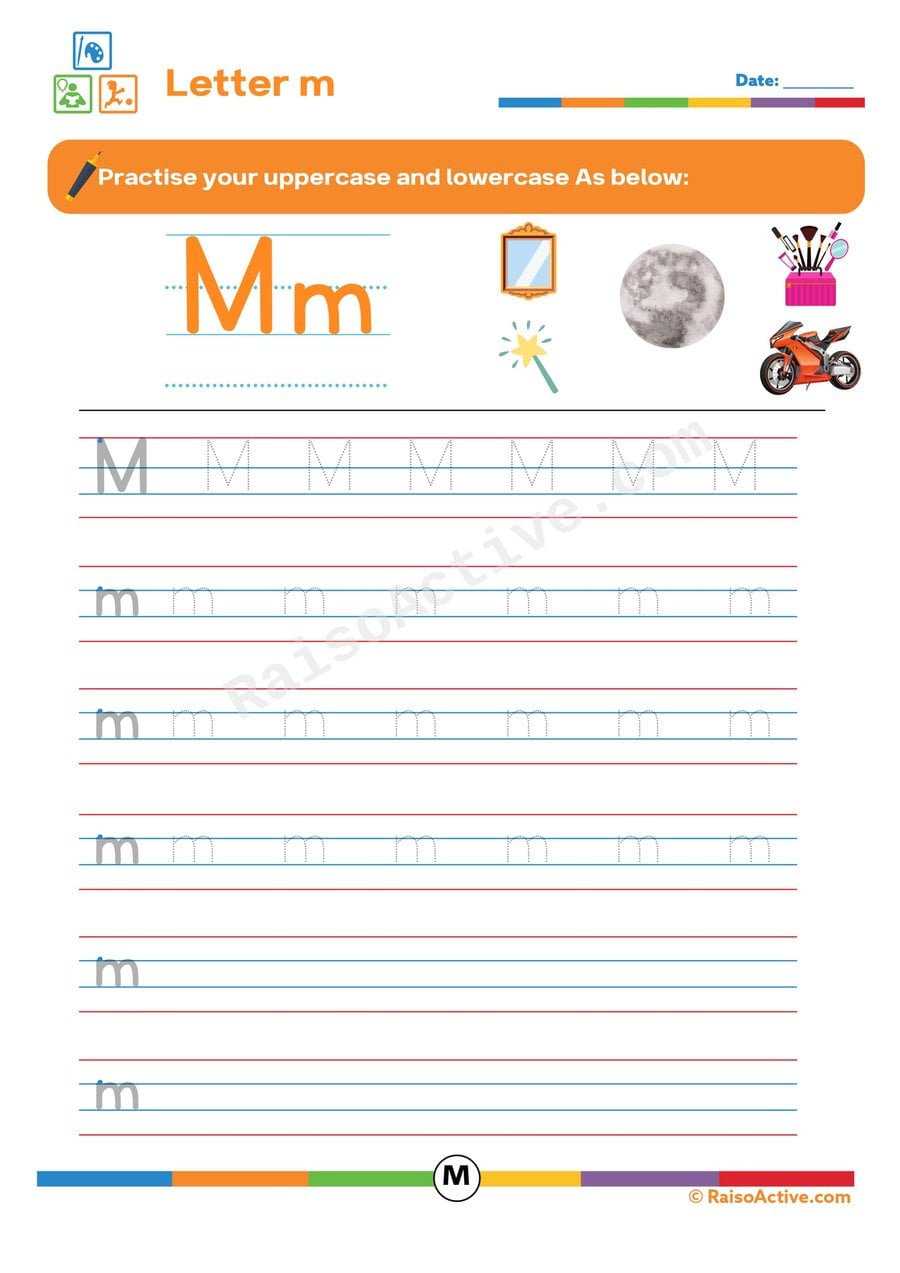
Letter M Tracing Worksheet for Preschoolers
M is built from four connected strokes — down, diagonal up, diagonal down, up — making it one of the most stroke-heavy letters in the early alphabet alongside W, and tracing it at ages 3-5 builds stamina and precision for multi-part letters. Practicing both uppercase M and lowercase m also shows children how the same basic zigzag pattern appears in different sizes.
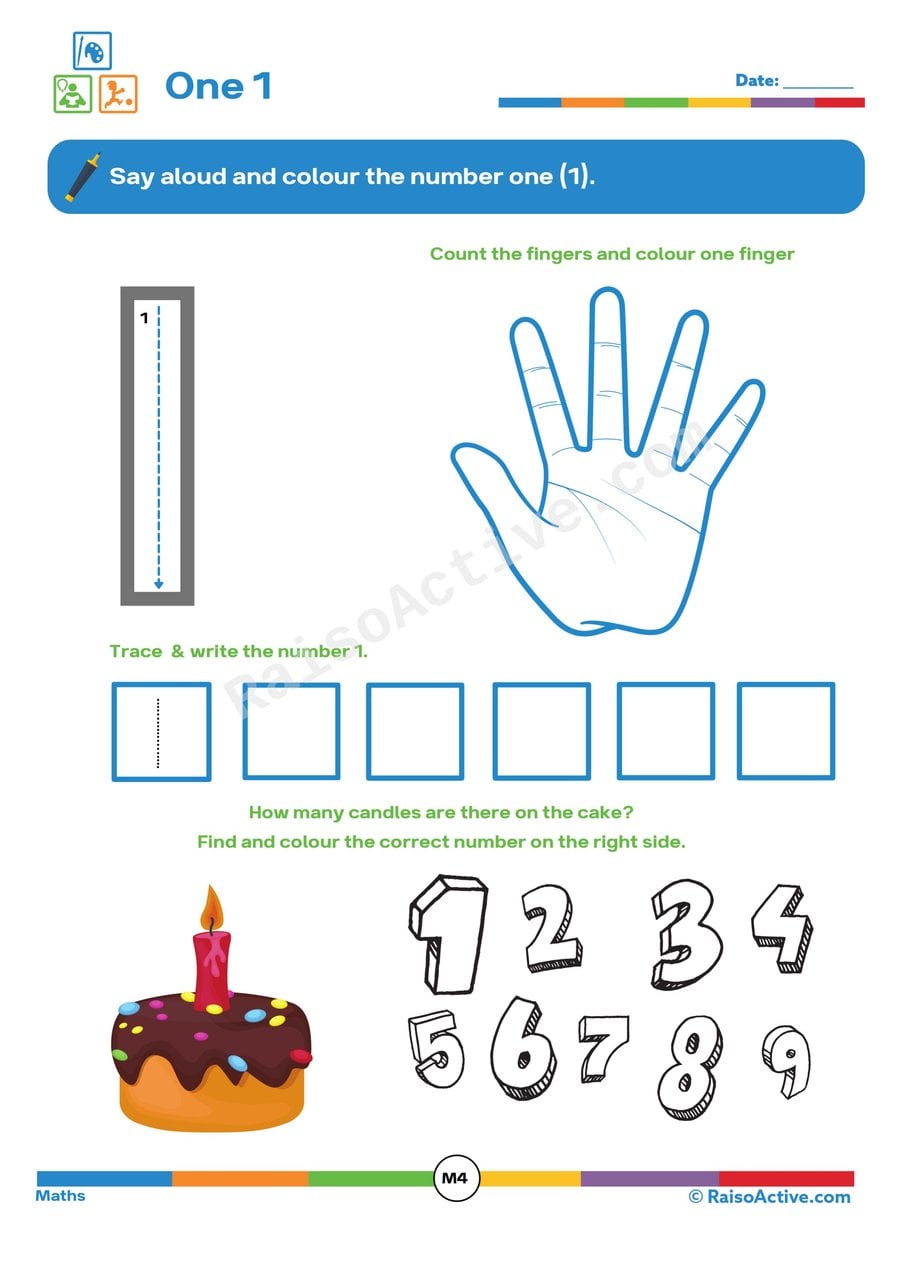
Number One Worksheet: Trace, Count, and Color!
Children ages 3-5 practice forming the number 1 through guided tracing while also reinforcing what the quantity 'one' represents by counting a single finger and a single candle. Linking the written symbol directly to a real quantity is a key early step in number sense before children move on to larger numbers.

Letter F Worksheet: Trace, Write, and Color the Letter F!
This worksheet gives children ages 3-5 structured practice tracing, then independently writing, the letter F in both its uppercase and lowercase forms, building the fine motor precision needed for legible handwriting. Moving from a traced guide to writing F on plain lines is an important step up in independence for early writers. Coloring pictures of F words afterward reinforces the connection between the letter's shape and its beginning sound.

Trace and Count the Number 17 Worksheet for Preschoolers
This worksheet challenges children ages 3-5 to trace the two-digit number 17 and then count out a matching set of seventeen rectangles, linking the written numeral to an actual quantity they can see and touch. Counting all the way to 17 pushes children past the more familiar 1-10 range and builds stamina for extended counting sequences. It also reinforces one-to-one correspondence, the skill of matching each number word to exactly one object as they count.
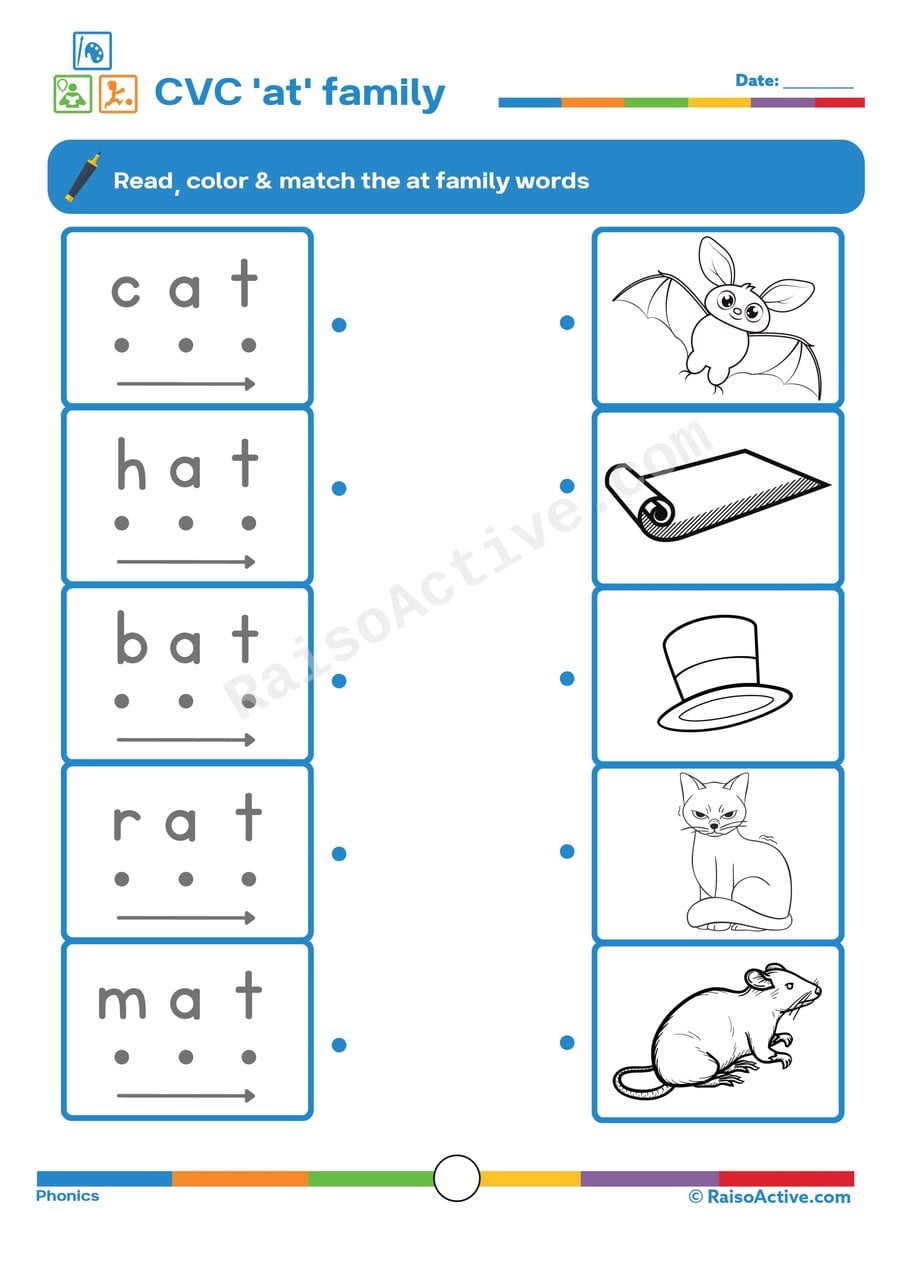
CVC 'at' Family Words Matching Worksheet for Kids
This worksheet introduces children ages 3-5 to the 'at' word family — cat, bat, hat, mat, and similar words that share the same ending sound — helping them notice that once they know how 'at' sounds, they can read many new words just by swapping the first letter. Word family practice is one of the most efficient ways young readers build a large sight vocabulary quickly, since the pattern transfers across dozens of words. Matching each word to its picture confirms real understanding, not just mechanical sounding-out.

2D Shape Sort Worksheet for Preschoolers: Matching Shapes!
This worksheet connects a shape's visual form to its written name, asking 3-5 year olds to match circles, squares, triangles, and rectangles on one side of the page to their names on the other. That word-to-shape link builds early reading vocabulary alongside geometry, since shape names are often a child's first exposure to reading multi-letter words that describe something they can see and touch. The follow-up questions at the bottom add a light counting or identification check to confirm the matching was done with real understanding.
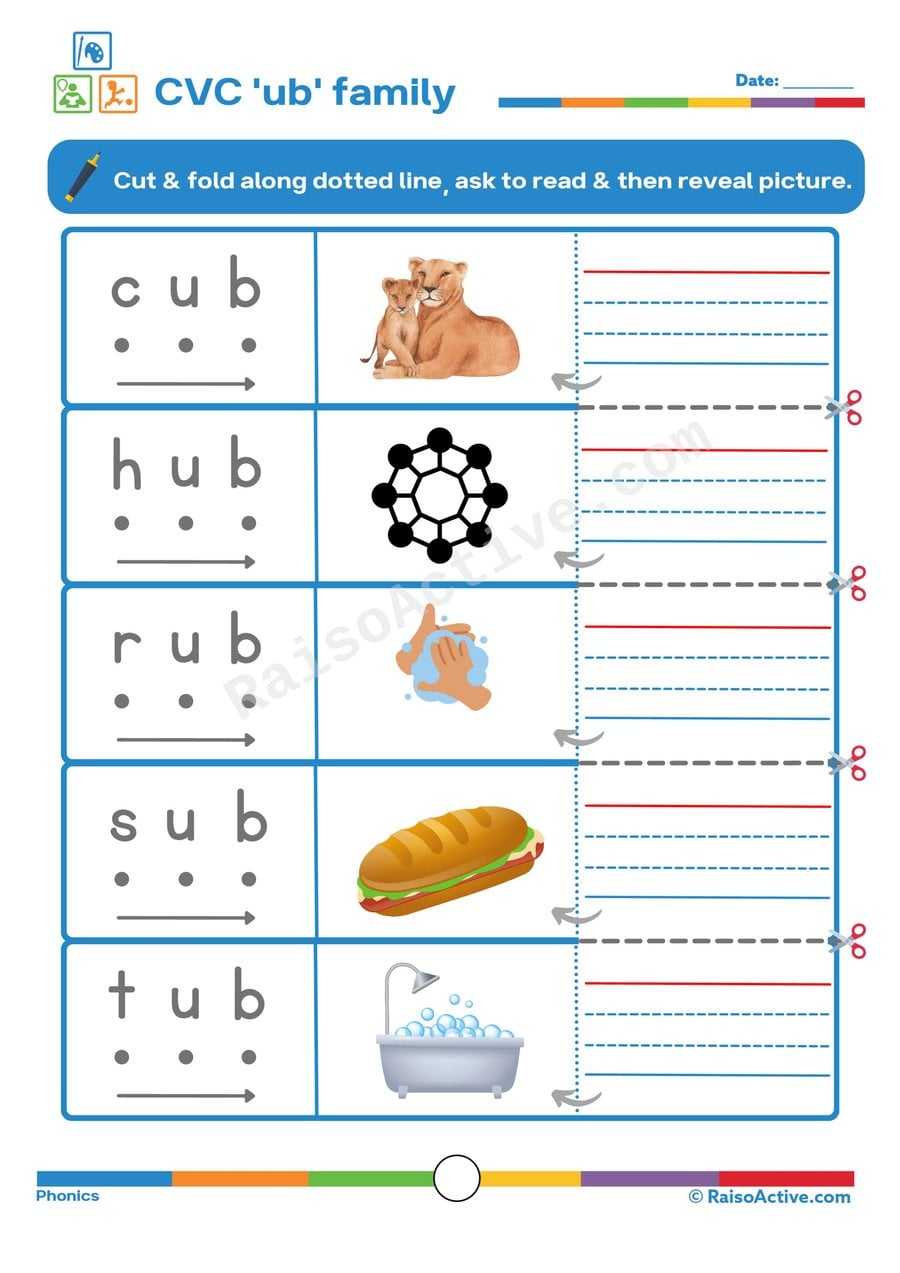
CVC 'ub' Family Worksheet: Read, Match, and Reveal!
This worksheet continues word-family practice with the 'ub' ending (like 'cub,' 'rub,' 'tub') for children ages 3-5, using the same cut-and-fold reveal format that turns reading into a short guessing game. Reading the word before flipping the flap to see its picture forces genuine sound-based decoding, encouraging children to trust their phonics skills rather than relying on picture cues to guess the word. This repeated exposure to the reveal format across different word families also builds independence, since children become increasingly confident predicting the picture before they even fold back the flap.

Small Alphabet Writing Worksheet: Before, Between, and After
Children ages 3-5 practice recalling the fixed order of the alphabet by writing the small letter that comes before, between, or after given letters, a skill that goes beyond simply reciting the alphabet song and requires genuine understanding of letter sequence. This kind of targeted recall practice helps children build the alphabet knowledge needed for using dictionaries, alphabetized lists, and smooth handwriting flow later on.

Letter 'i' Tracing and Matching Worksheet for Preschoolers
This worksheet builds recognition of the letter 'i' for 3-5 year olds through tracing, picture matching, and a highlighting activity, giving repeated exposure to both the letter's shape and its sound in a single sitting. Matching objects that start with 'i' alongside the tracing practice connects the visual letter shape to real vocabulary, reinforcing that letters aren't abstract marks but stand for actual sounds your child hears in words they already know.
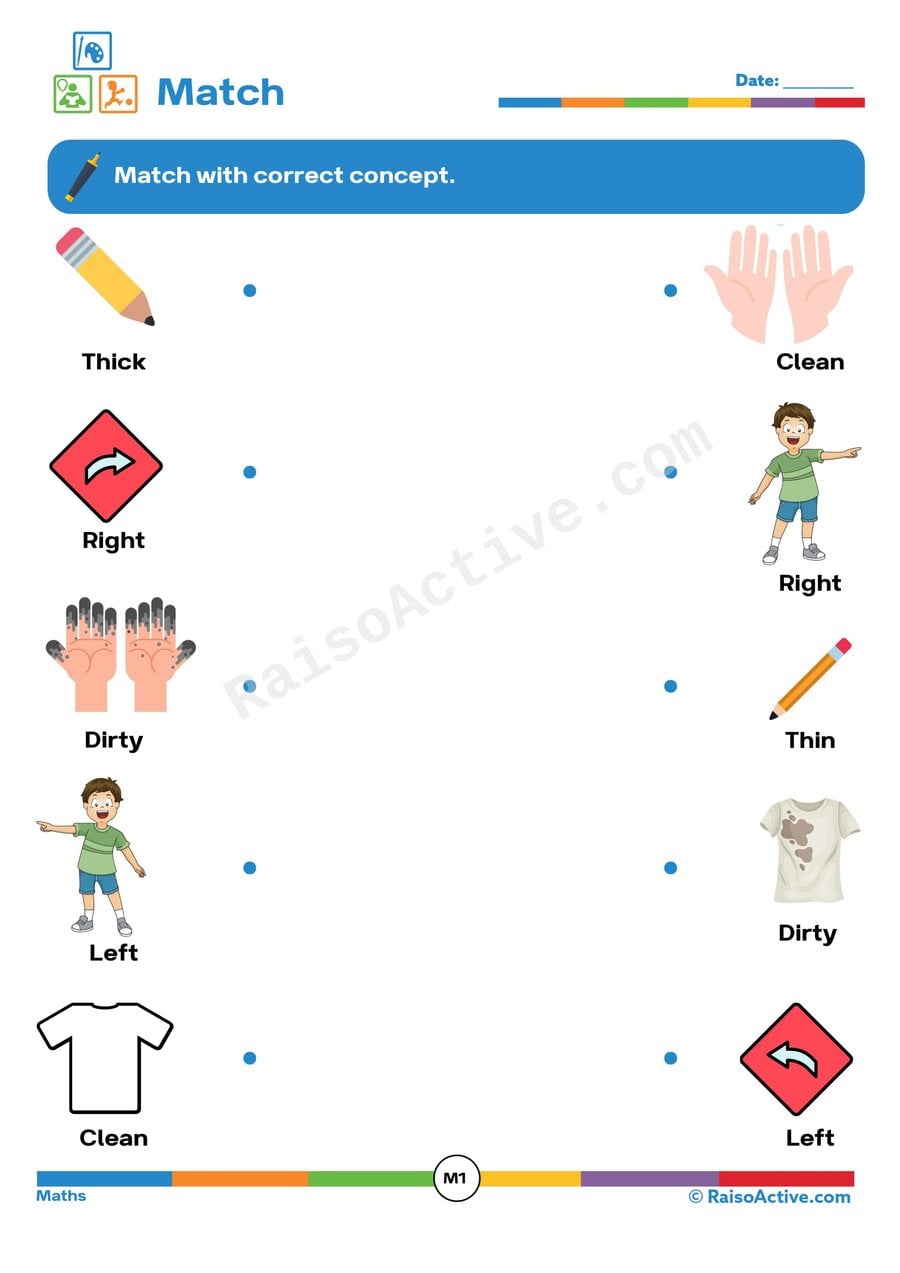
Match the Concepts! A Fun Worksheet for Kids
Children ages 3-5 practice matching pairs of opposite or related concepts, like thick and thin or clean and dirty, building early vocabulary and critical thinking around comparison words. Understanding these paired concepts helps children describe the world around them with more precise, descriptive language.

Animal Babies Tracing Worksheet: Help the Babies Find Their Mothers!
This tracing worksheet has children ages 3-5 trace dotted lines to connect each baby animal to its correct mother, combining pencil control practice with early science knowledge about animal families. Learning which baby belongs to which adult animal — like a calf to a cow, or a cub to a lion — builds vocabulary and categorization skills that go beyond the tracing itself. Because the correct line only makes sense if the child recognizes the right animal pairing first, this activity blends fine motor practice with genuine content knowledge.

This, That, These, and Those Worksheet: Practice with Demonstrative Pronouns
This worksheet introduces children ages 3-5 to demonstrative pronouns — 'this,' 'that,' 'these,' and 'those' — words used to point out objects based on their distance and number. Filling in the correct pronoun for each picture builds early grammar awareness and helps children notice the subtle rules of singular versus plural and near versus far that govern everyday speech.

Tracing and Counting Worksheet: Learning the Number 3!
This worksheet helps children ages 3-5 learn to recognize, trace, and write the number 3 using its correct stroke pattern, while a hands-and-ducks counting activity reinforces that the numeral 3 represents exactly three objects. Combining tracing with counting connects the written symbol to its real quantity, which is central to early number sense.
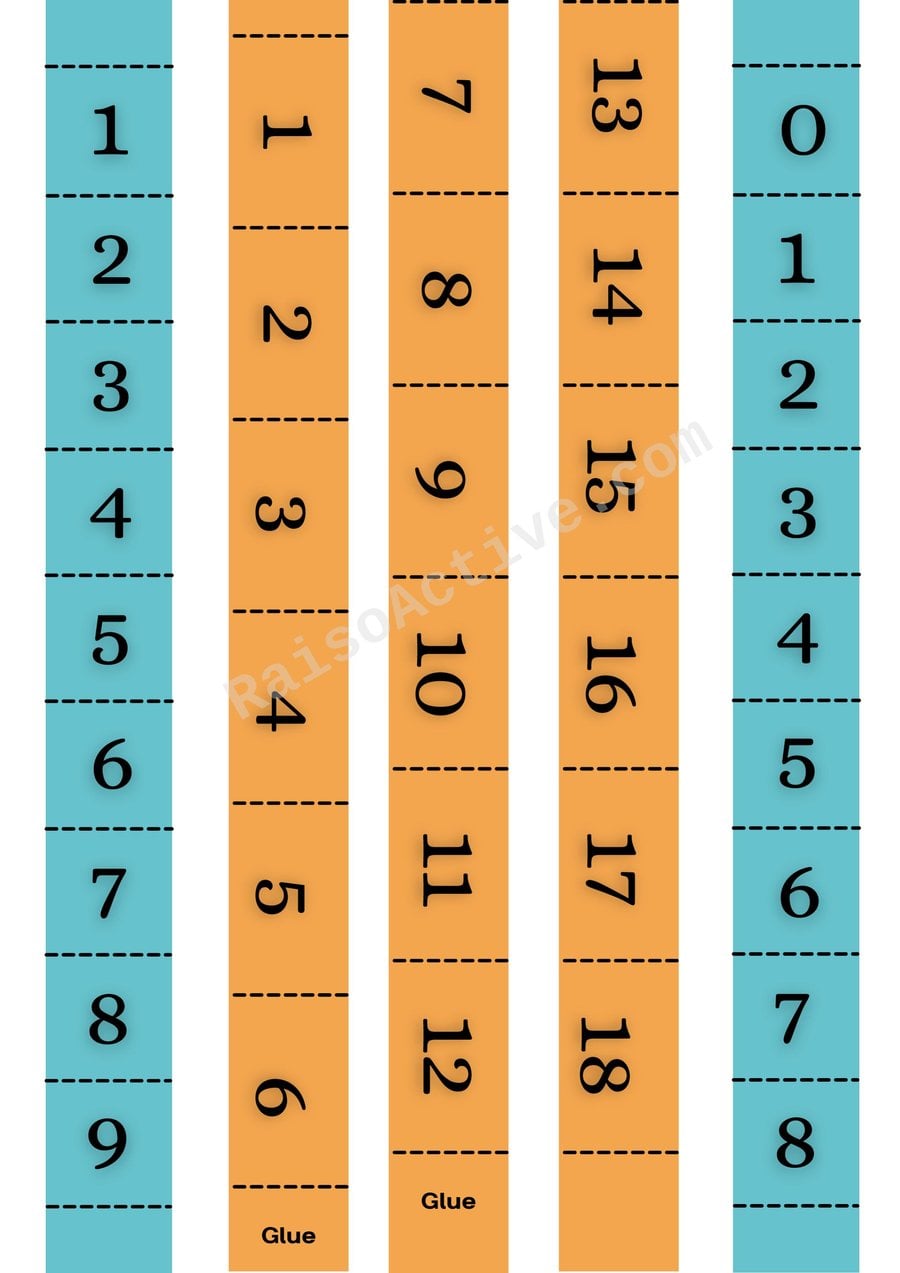
Number Matching Worksheet: 0-18
This activity strengthens numeral recognition for children ages 3-5 by having them find and pair matching numbers from 0 to 18 printed on separate strips. Because the numbers are scattered rather than in order, children must recognize each digit shape on its own rather than relying on counting sequence, which builds true number recognition instead of rote list-reciting.

Match the Verb: Action Verbs Worksheet for Preschoolers
Action verbs are some of the first 'doing words' children learn to recognize in print, and this worksheet asks children ages 3-5 to spot the verb within a simple sentence and connect it to a picture showing that action. Circling the verb first trains children to identify the part of a sentence that describes an action, an early grammar skill, while matching it to a picture reinforces comprehension of the word's meaning. This combination builds both reading and vocabulary skills using content — running, jumping, eating — that's naturally engaging to young children.
What Preschool phonics worksheets cover
Phonics at three is almost entirely listening: hearing that "sun" and "fun" rhyme, clapping the syllables in a name, noticing that "mom" and "milk" start the same way. A worksheet should ask the child to circle the picture that rhymes with another, or find two pictures that start the same, with an adult saying the words aloud since the child is not yet reading them. A handful of letter sounds may be introduced, but blending is not attempted yet.
- Circle the picture that rhymes with a spoken word
- Clap out the syllables in a familiar name or word
- Find two pictures whose names start with the same sound
- Say the sound for a few letters, such as m, s and a
How to use these worksheets at home or in class
Five minutes is a solid session for a three-year-old, ten minutes the practical ceiling. Offer a thick crayon or a short fat pencil, sit beside your child, and treat the sheet as one activity among blocks, stories and outdoor play rather than as schoolwork.
Start with the sheet that matches what your child can already do, then move one step up. Keep finished sheets in a folder: Preschool teachers often ask for evidence of practice, and children like seeing their own progress.
Is your child ready for Preschool phonics work?
A child ready for these activities holds a crayon and makes deliberate marks, sits at a table briefly, follows a single spoken instruction, and shows some interest in the letters of their own name or the numbers they hear counted aloud.
Frequently asked questions
Does a three-year-old need to know letter names before letter sounds?
Not necessarily both at once, and some programs teach sounds first because sounds are what reading actually uses. What matters more at three is listening skill: hearing rhyme, hearing the first sound in a spoken word, telling two similar-sounding words apart. Letter names and a handful of sounds can be introduced alongside that listening work, but a heavy focus on letter-sound drilling before the ear is ready tends to produce recitation rather than understanding.
What should a Preschool child be able to do in phonics?
Phonics at three is almost entirely listening: hearing that "sun" and "fun" rhyme, clapping the syllables in a name, noticing that "mom" and "milk" start the same way. A worksheet should ask the child to circle the picture that rhymes with another, or find two pictures that start the same, with an adult saying the words aloud since the child is not yet reading them. A handful of letter sounds may be introduced, but blending is not attempted yet. A child ready for these activities holds a crayon and makes deliberate marks, sits at a table briefly, follows a single spoken instruction, and shows some interest in the letters of their own name or the numbers they hear counted aloud.
Do these worksheets follow the Preschool curriculum?
The sheets cover letter-sound correspondence, blending sounds into words, segmenting words into sounds and digraphs and consonant blends, which sit inside the Head Start Early Learning Outcomes Framework (ELOF) outcomes for Preschool. Nursery (UK), Nursery (India) use the same skills at this age, so the sheets also fit families following those programmes.
Are these Preschool phonics worksheets free?
Yes. Each worksheet downloads free as a watermarked PDF once you create an account, with a limit of five a day. An annual membership ($20) removes the watermark and the limit for the whole library of over 1,000 worksheets and every printable pack.

Written by
Hemsweta Jain · Teacher Cheena
MBA and Early Childhood Educator, teaching since 2014 · Founder of RaisoActive, Mumbai
Written and reviewed by Hemsweta Jain (Teacher Cheena), who designs every RaisoActive worksheet.
Last reviewed
Printable packs for ages 3–4
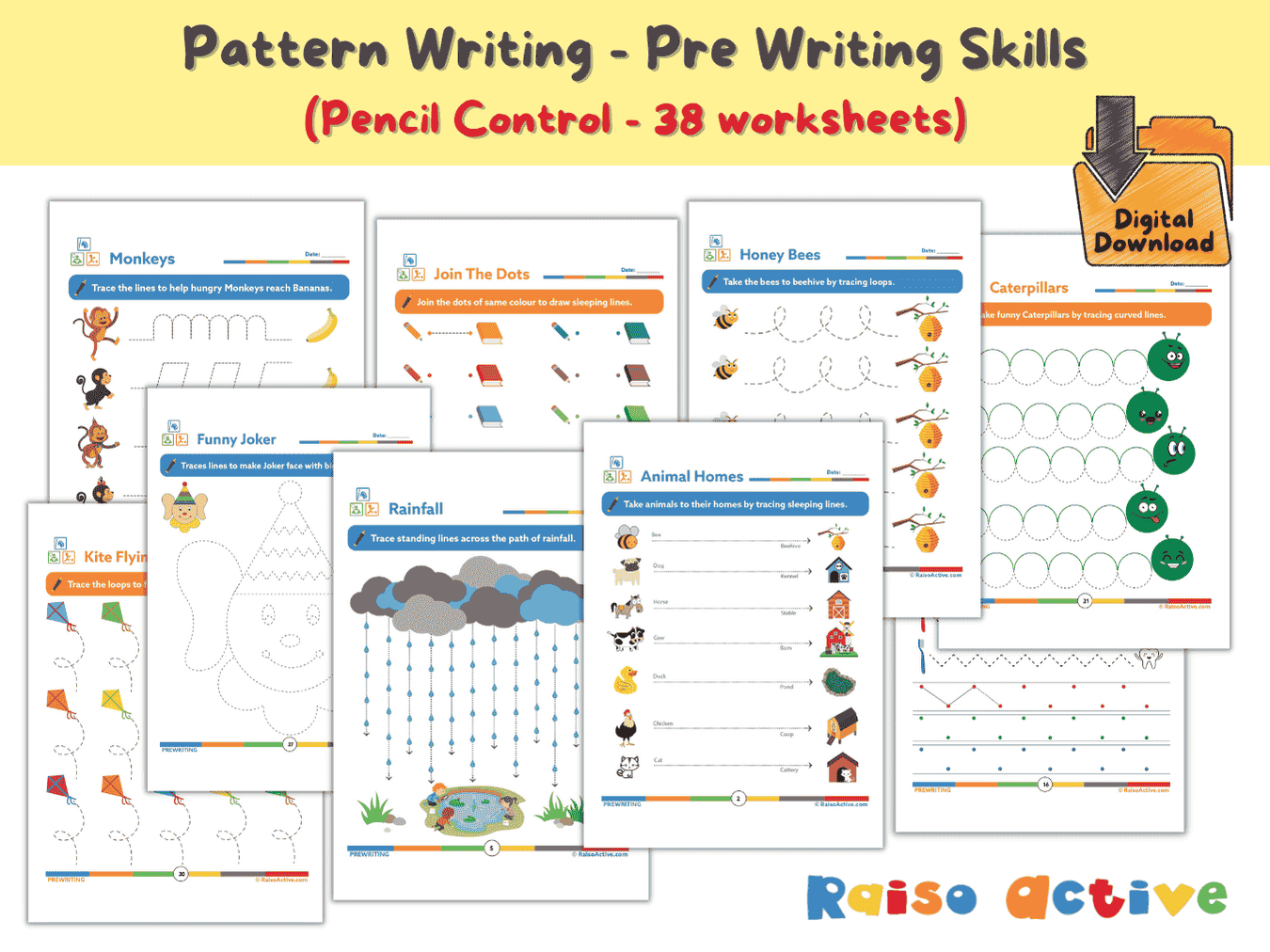
Pattern Writing Pre-writing Skills Activity Book for 3-4 Year Olds
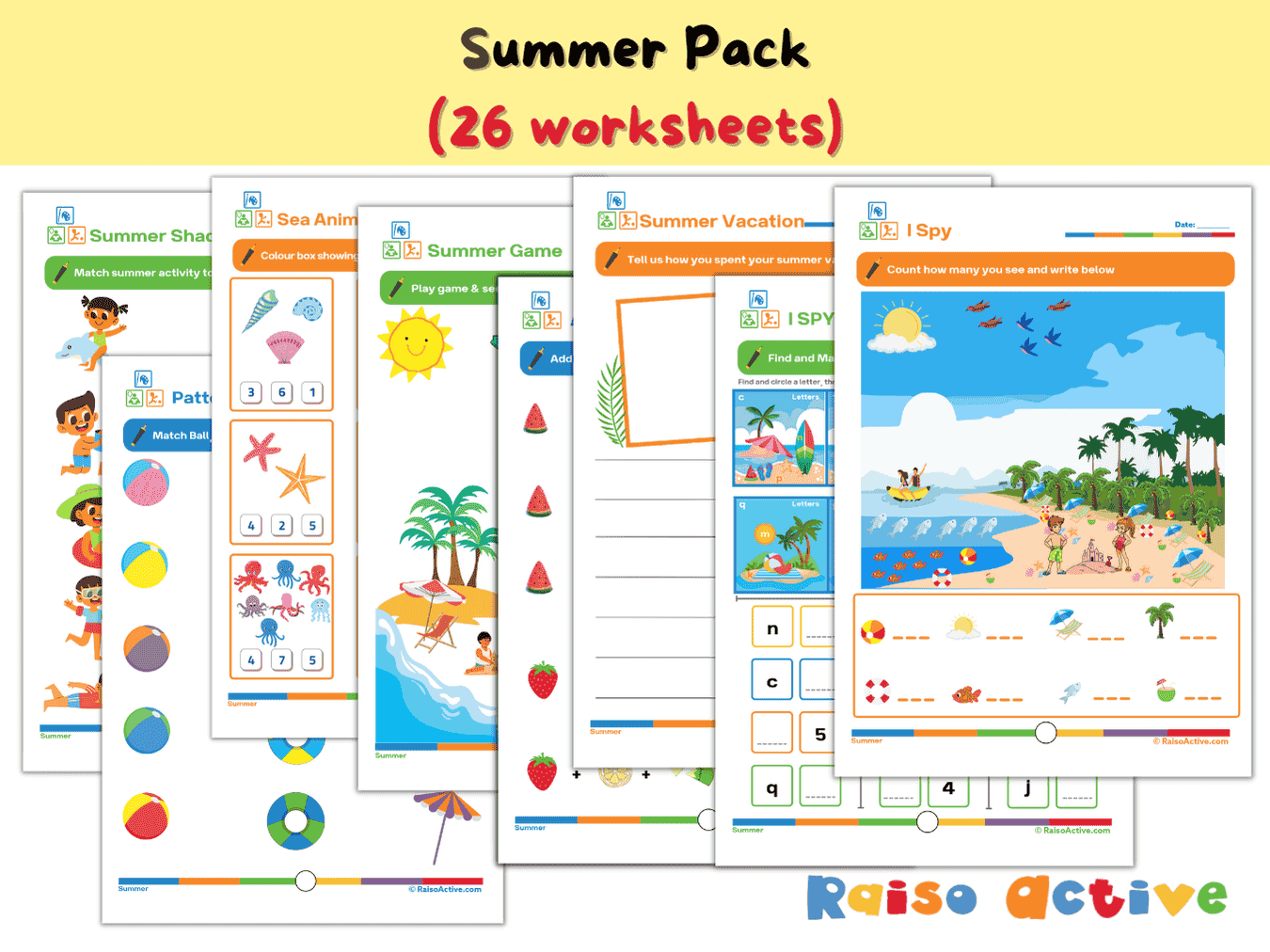
Summer Activity Pack: Math, Literacy, Puzzles & More for Preschool & Kindergarten
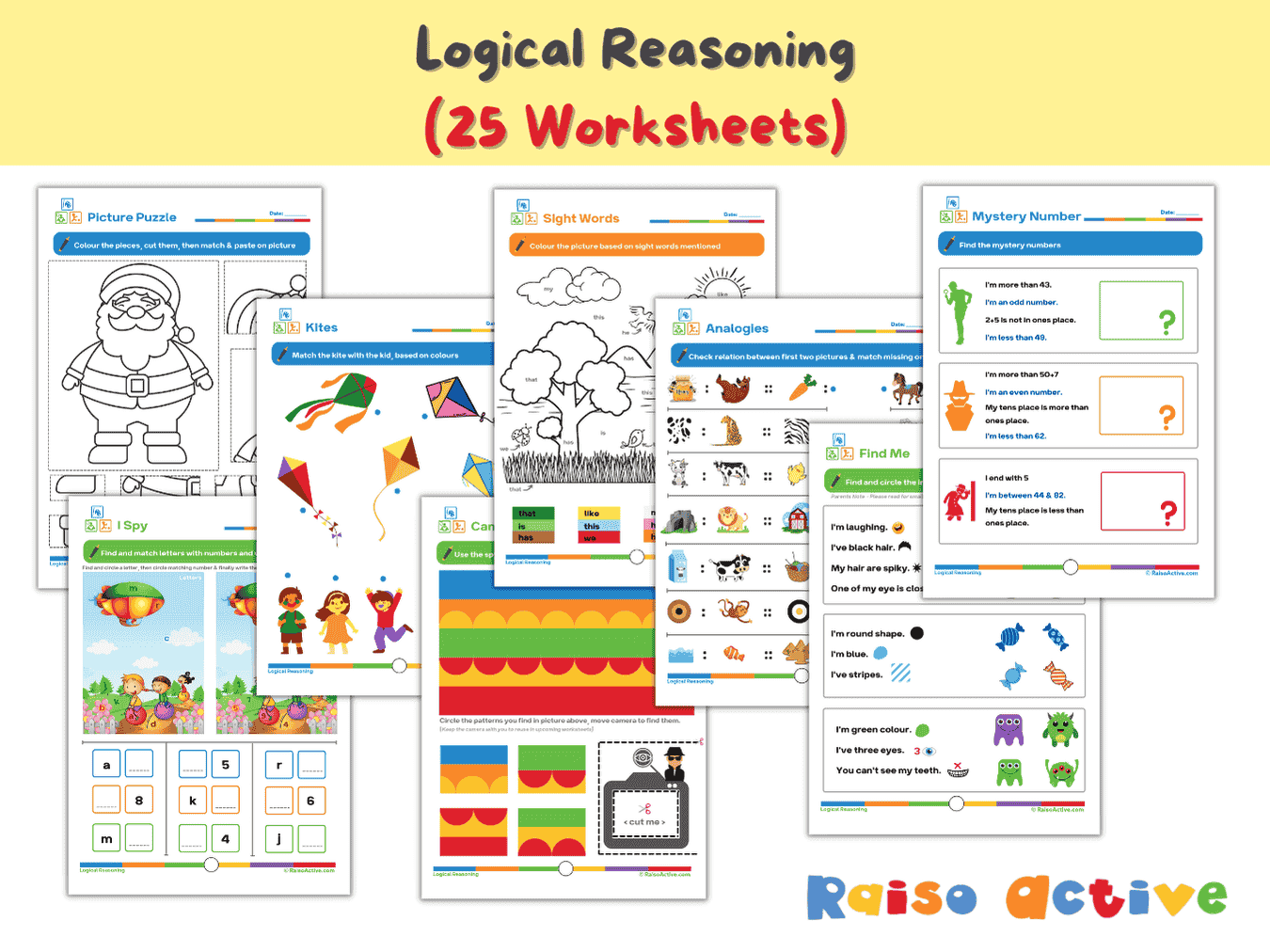
Logical Reasoning Activity Book for Preschool & Kindergarten | Patterns, Puzzles & Analogies
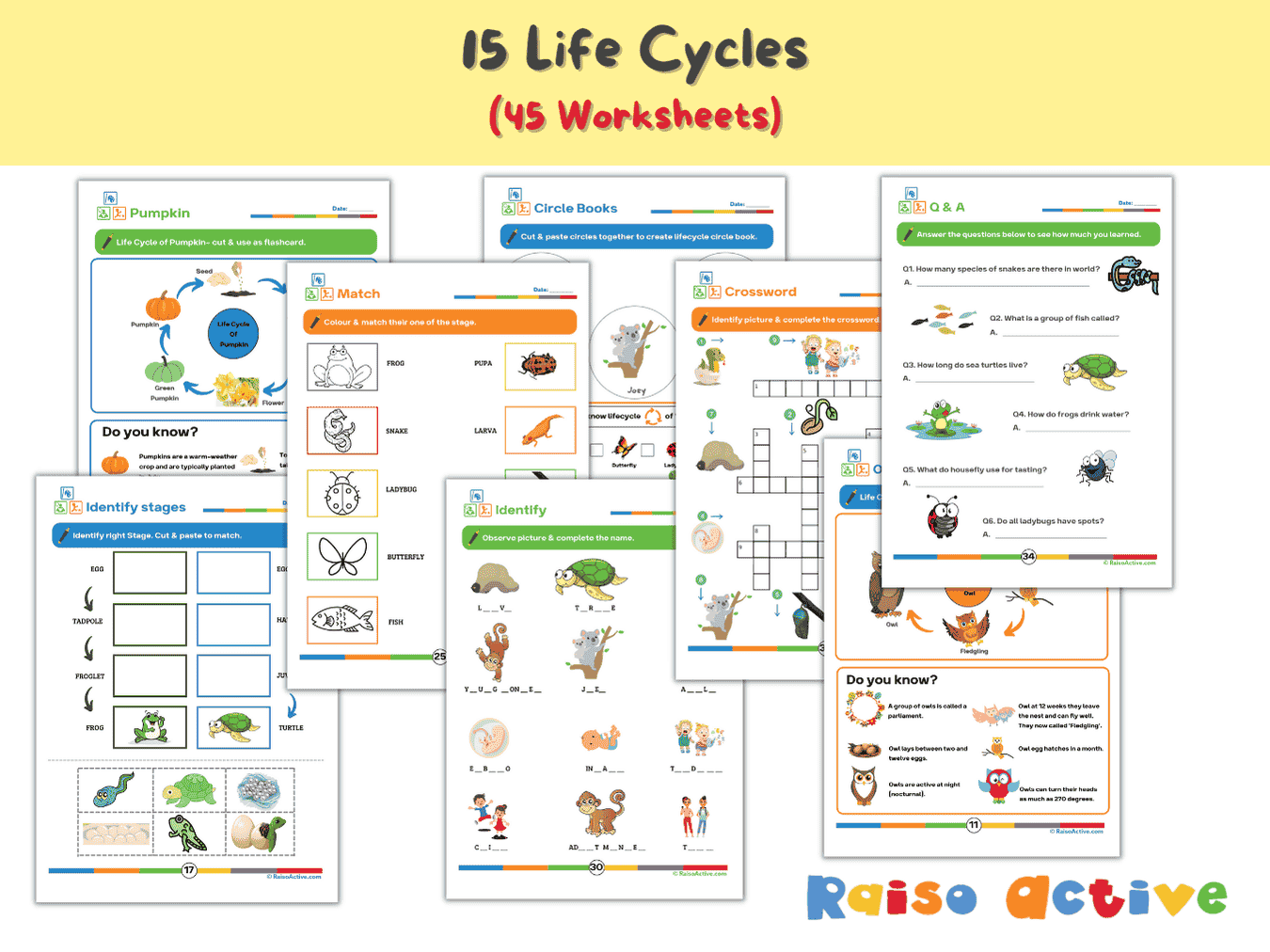
Lifecycles Activity Book & Flashcards for Preschool & Early Elementary
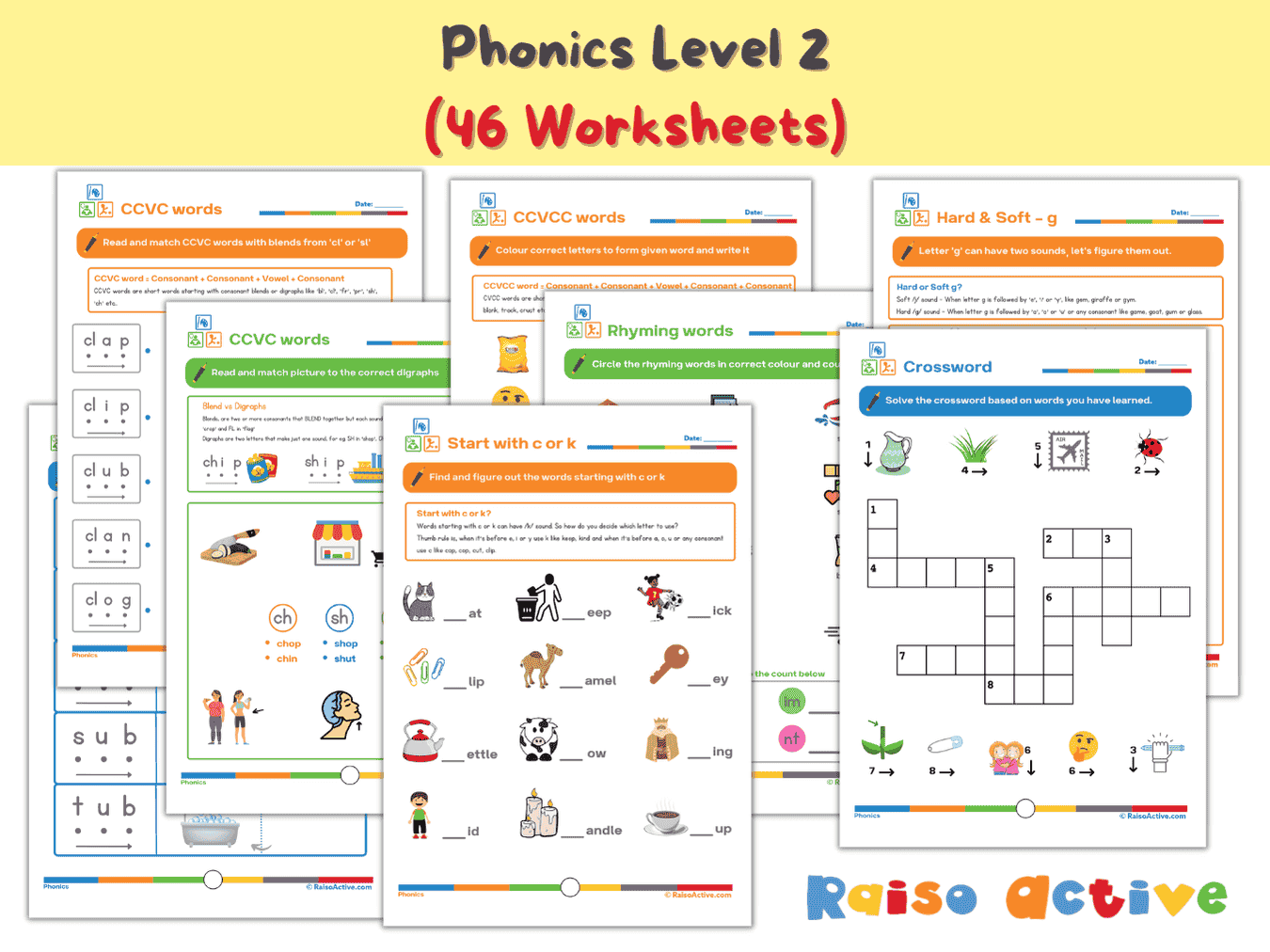
Phonics Level 2 Worksheets: CVC, CCVC, CVCC Word Families & Blends for Early Readers (Ages 4-7)
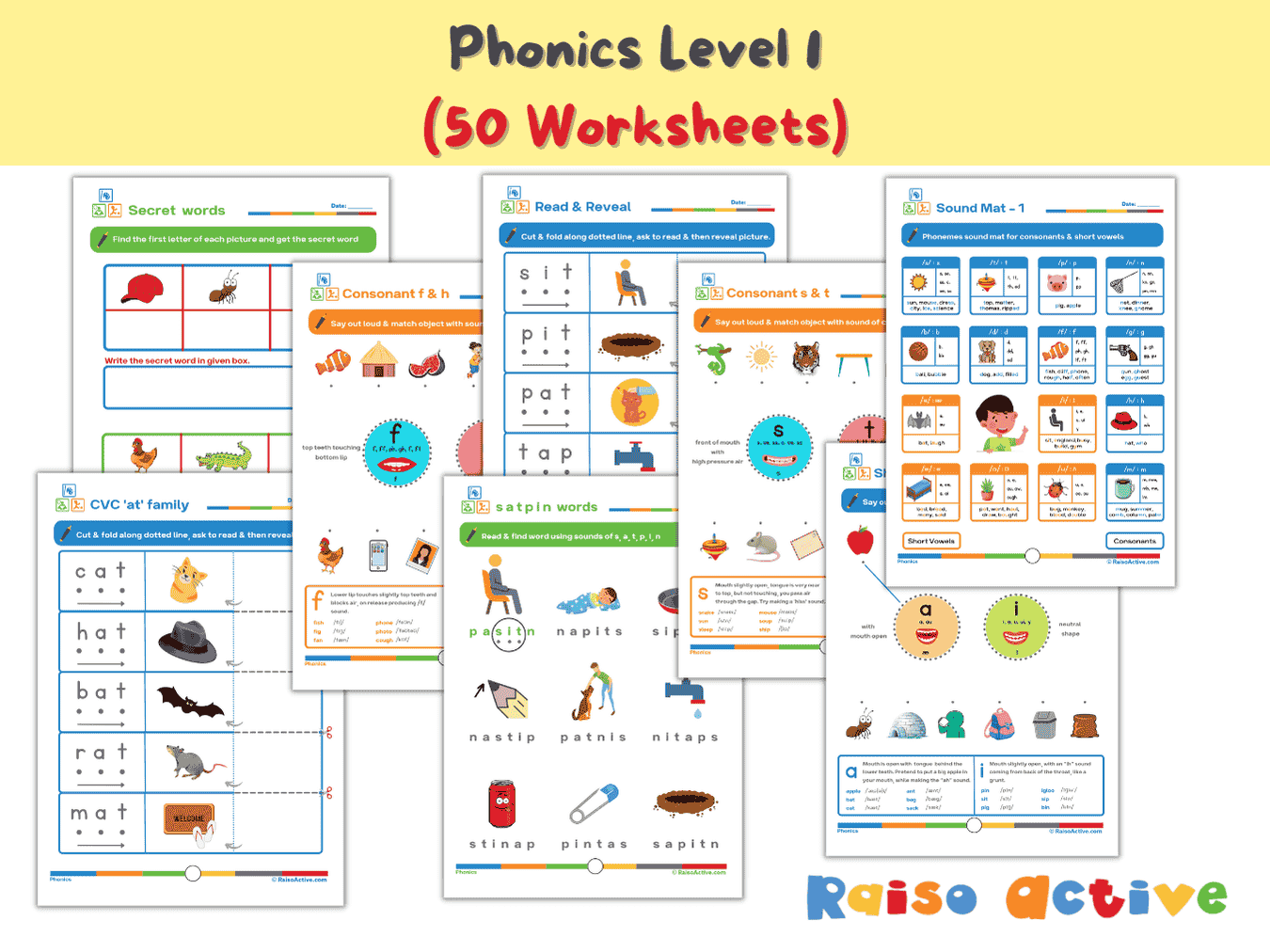
Phonics Level 1 Activity Book: Letter Sounds, Blending & CVC Words for Preschool & Kindergarten
Guides for parents and teachers
See all guides →Sight Words by Age: The First 50 Words and How to Teach Them Without Flashcard Fatigue
Which sight words to teach first and why, the heart-word method, a read-trace-write-find routine, games, and a by-age table of typical sight-word progress.
How to Teach CVC Blending: A Step-by-Step Method That Works in Two Weeks
A step-by-step method for teaching CVC blending, covering continuous sounds, word families, common errors, and a 14-day plan that most children finish reading CVC words.
Phase 2 Phonics at Home: Sound Order, Blending Games, Worksheets
Phase 2 phonics at home: the five sound sets in order, oral blending, tricky words, a two-week routine, common mistakes, and free worksheets.
Reception Year Explained: EYFS Learning and How to Help at Home
A teacher's plain-English guide to the Reception Year: the seven areas of learning, Early Learning Goals, Phase 2/3 phonics, the RBA and home routines.
UKG Syllabus Explained: English, Maths and EVS Month by Month
What UKG classes typically cover in English, maths and EVS, month by month, aligned to NEP 2020, with ways to support at home and signs your child is behind.
Bridging Two Worlds: A Complete Guide to Teaching Heritage Languages Alongside English
A practical guide to raising bilingual children who speak both their heritage language and English with confidence. Research-backed strategies, activities, and tips for Indian families.
Canonical: https://raisoactive.com/worksheets/preschool-phonics