Free printable worksheets · United Kingdom
Reception Tracing Worksheets (Ages 4–5)
Reception tracing worksheets are practice sheets for children aged 4–5 in Reception in the UK. Tracing means guiding a pencil or crayon along a printed dotted or outlined path to practice control and the movements handwriting depends on. The sheets on this page cover standing and sleeping lines, curves and zigzags, pencil grip and control and stroke starting points and direction.
Reception is the year phonics teaching properly begins, usually with Phase 2 of Letters and Sounds or an equivalent scheme, so a child starts blending sounds such as s, a, t and p into short words within weeks. Number work stays within ten, built through subitising and comparing rather than counting alone. At four to five, tracing narrows to letters and numbers. Every uppercase letter appears with a starting dot and arrows, numerals one to ten follow the same format, and a child copies a few strokes beside the traced model rather than only tracing. Own name in capitals is a realistic target for most of the year, and lowercase letters can begin near the end. Writing without any dotted guide at all is not expected yet.
543+ worksheets · free PDF download · print on A4 or Letter
Reception Tracing Worksheets to print
Browse all worksheets for ages 4–5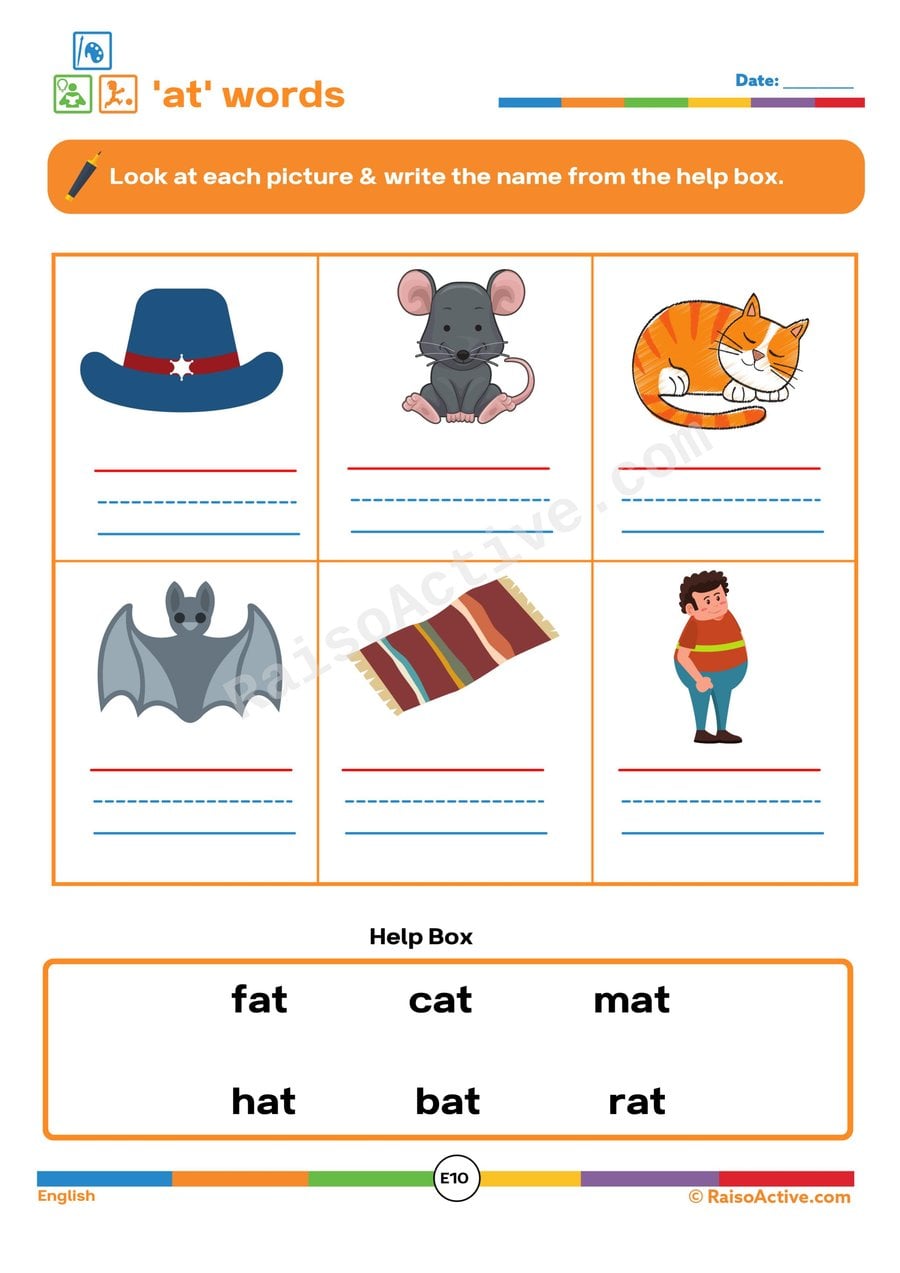
Fun 'at' Word Worksheet for Preschoolers
The 'at' word family (cat, hat, bat) is often one of the very first CVC patterns children ages 4-5 encounter, and this worksheet asks them to go a step further than simple reading by identifying and writing the correct word to match each picture themselves. Choosing the right word from a word bank and writing it out, rather than just reading a word that's already printed, requires children to actively recall spelling rather than passively recognize it. This active recall step is an important bridge between reading CVC words and eventually spelling them independently from memory.
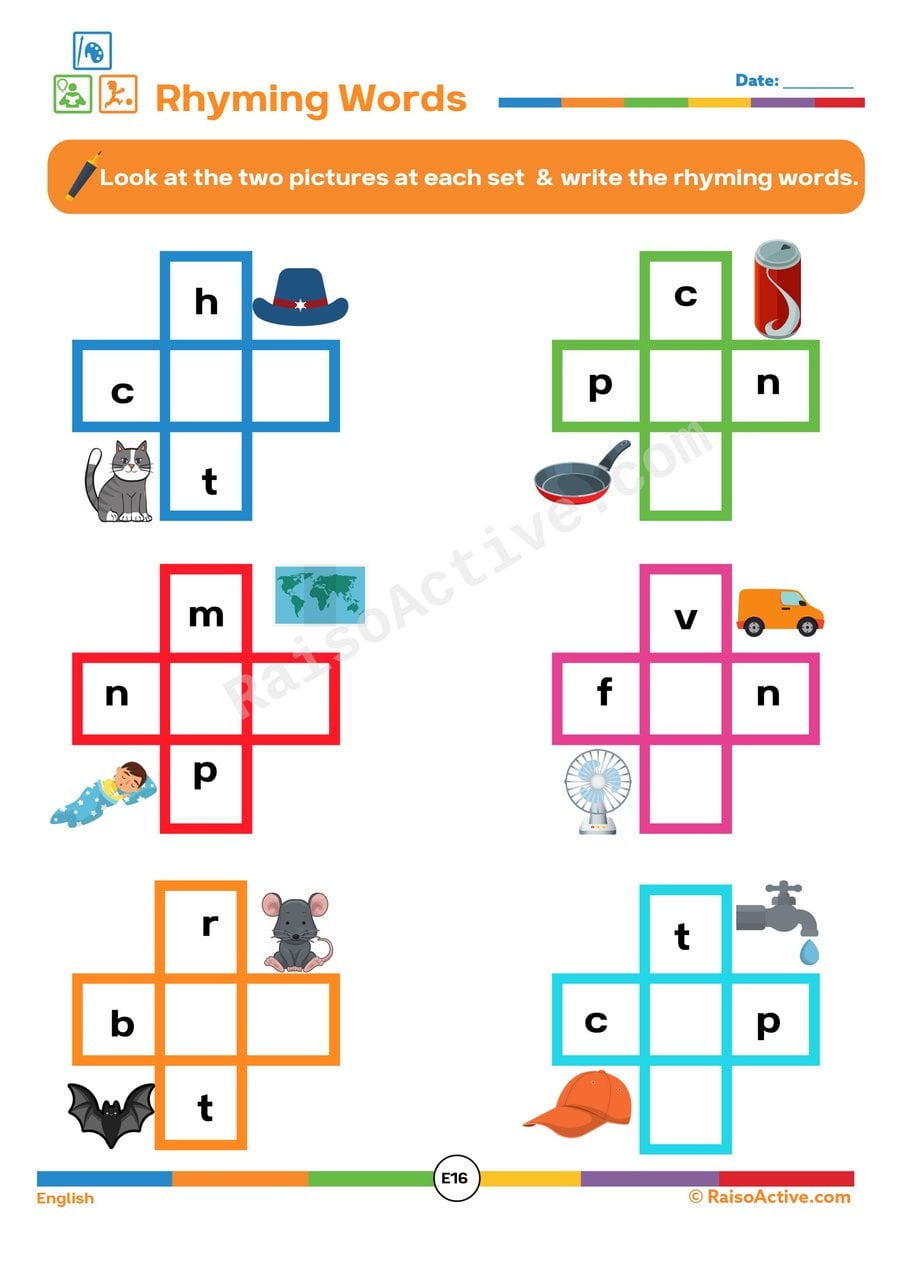
Rhyming Words Worksheet: Fun with Sounds!
This worksheet has children ages 4-5 look at paired pictures, say the words aloud, and write the word that rhymes with its partner, building phonological awareness by focusing on matching ending sounds rather than beginning ones. Recognizing rhymes is one of the strongest early predictors of later reading success, since it trains children's ears to notice and manipulate the sounds within words.
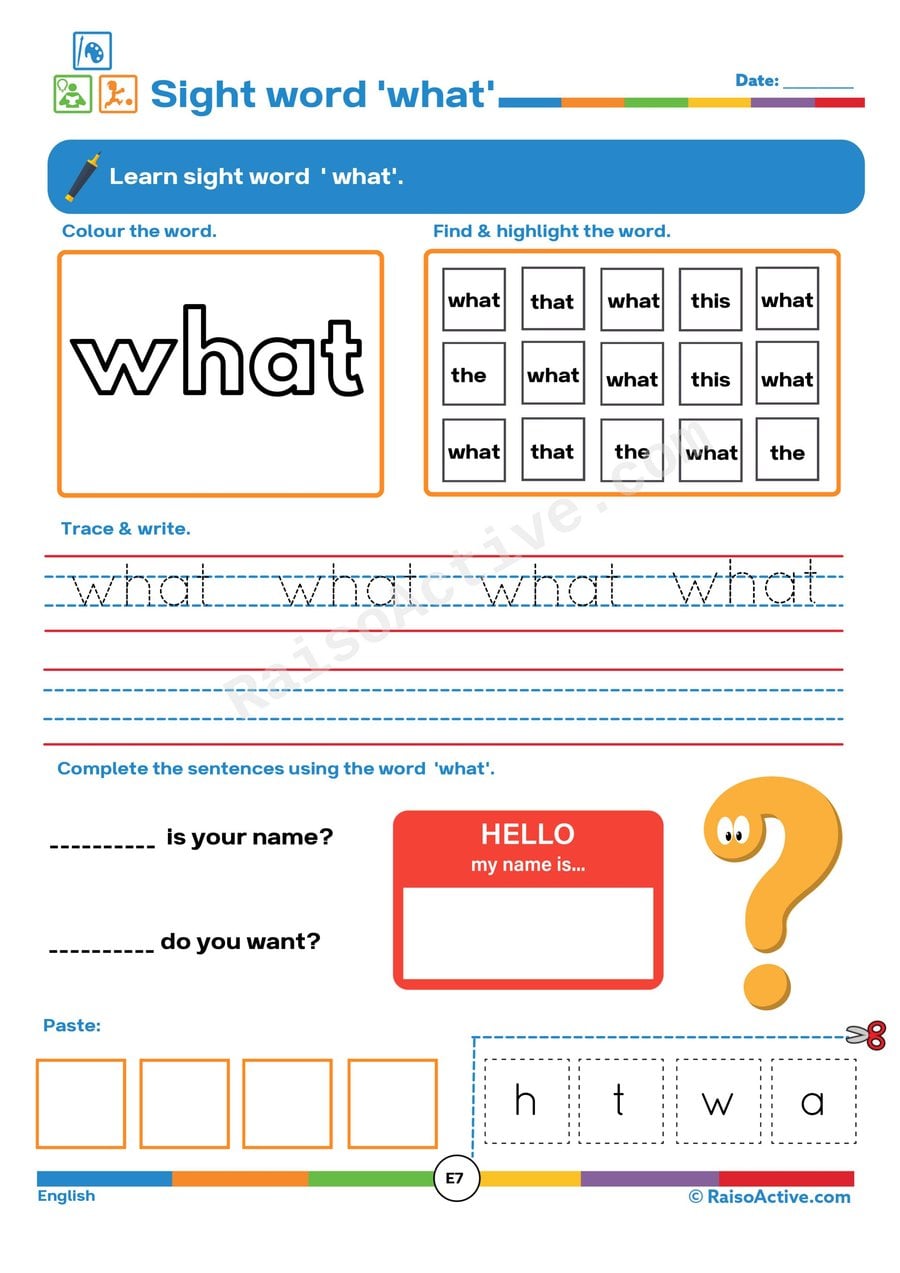
Sight Word 'What' Worksheet: Learn, Trace, and Find!
The word 'what' is a common question word that children ages 4-5 encounter constantly in both spoken conversation and early reading, making it an important addition to their sight word vocabulary. This worksheet builds recognition through several formats — coloring, tracing, word searching, sentence completion, and cut-and-paste spelling — giving the word repeated, varied exposure in a single sitting. Because 'what' is a question word, practicing it in sentences also gives children an early sense of how question structures differ from statement structures.
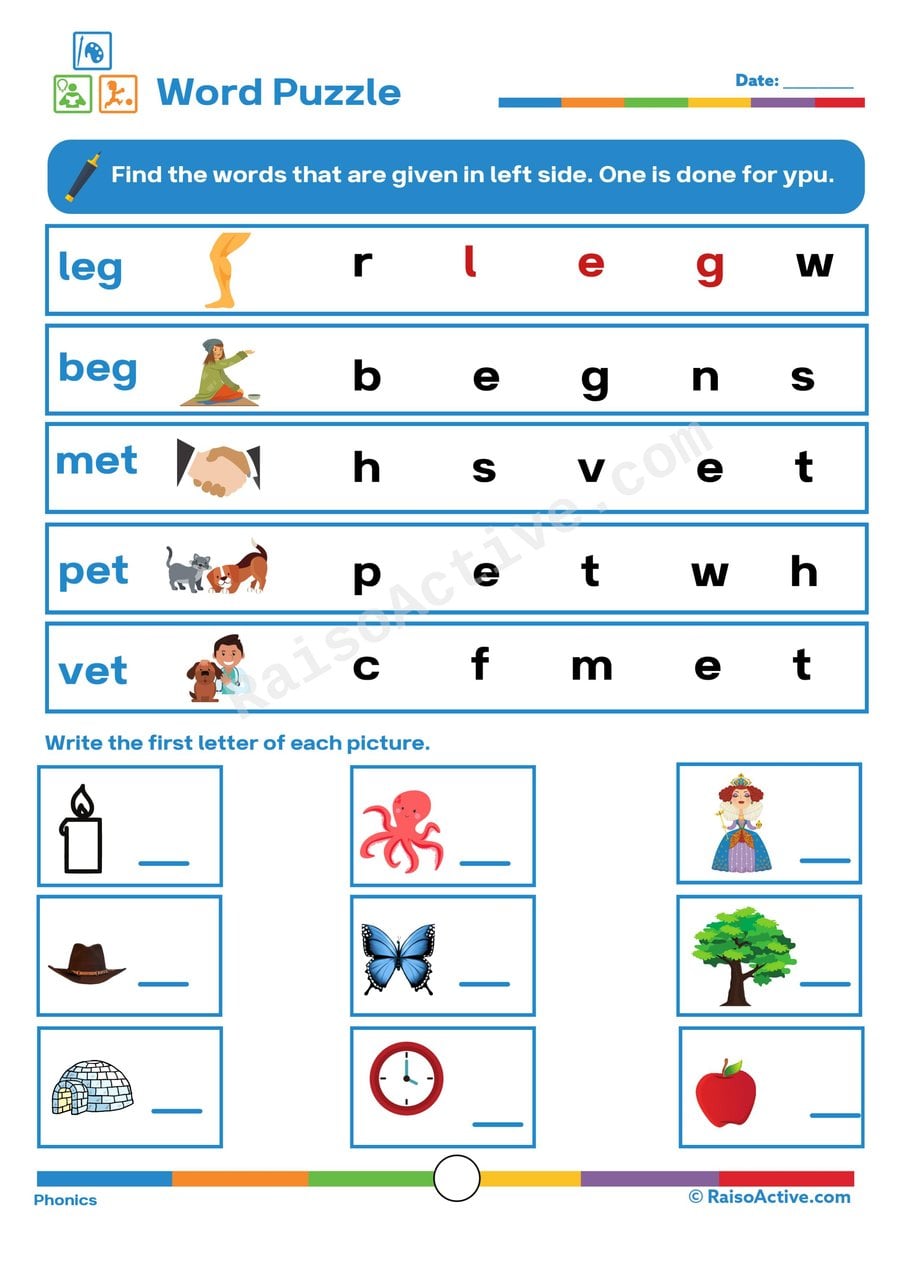
Word Puzzle Fun: Find and Write the First Letter!
This worksheet asks children ages 4-5 to locate hidden words in a picture puzzle and then identify and write the first letter of each corresponding picture, combining visual search skills with beginning-sound phonics. Searching a puzzle for target words builds visual scanning and attention, a skill that supports reading fluency later on, while writing the beginning letter reinforces the sound-to-symbol connection central to early spelling. Doing both together keeps young learners engaged while practicing two skills at once.

Middle Sound Worksheet: Circle and Write the Missing Letter!
Identifying the middle sound in a word is generally the hardest phonemic awareness skill for children ages 4-5, harder than beginning or ending sounds, since the middle sound is surrounded on both sides and easy to lose track of while segmenting. This worksheet builds that specific skill by having children circle the letter that makes the middle sound in given words, then apply the same skill to complete new words based on pictures. Because middle sounds in CVC words are almost always the vowel, this worksheet also doubles as valuable short vowel discrimination practice.

First Letter Fun: Identify and Write the Beginning Sounds Worksheet
Naming each pictured object and writing its first letter helps children ages 4-5 practice phonemic awareness, the skill of isolating the very first sound in a word, which is a key building block for spelling and early reading. This worksheet turns that listening skill into a writing task, reinforcing the connection between a spoken sound and its written letter.

Help the Hen! Alphabet Worksheet: Writing Missing Capital Letters
This maze-style worksheet asks children ages 4-5 to fill in missing capital letters in alphabetical order to help a hen find her way to the coop, turning alphabet sequencing practice into a small story-driven challenge. Recalling which capital letter comes next in the sequence — without a full alphabet chart to copy from — builds genuine alphabet mastery rather than passive letter recognition. The path-following format also adds a light visual tracking element that keeps the activity from feeling like a plain fill-in-the-blank drill.

Just Right! Sight Word 'Just' Worksheet for Preschoolers
The word 'just' shows up frequently in everyday speech and early reading material, and this worksheet gives children ages 4-5 a full, multi-step encounter with it — coloring, searching, tracing, and using it inside complete sentences. Building sight word recognition through several different activities rather than one repeated drill helps the word transfer from short-term memory into automatic recall. Completing sentences using 'just' also gives children early practice applying a memorized word correctly in a meaningful context, not just recognizing it in isolation.

Tracing and Counting Fun: Number 5 Worksheet for Preschoolers
Children ages 4-5 practice tracing and writing the number 5 while reinforcing counting up to five through a picture-based matching task. Repeating the number in multiple formats — tracing, writing, and counting — helps cement both the shape of the numeral and the quantity it represents.
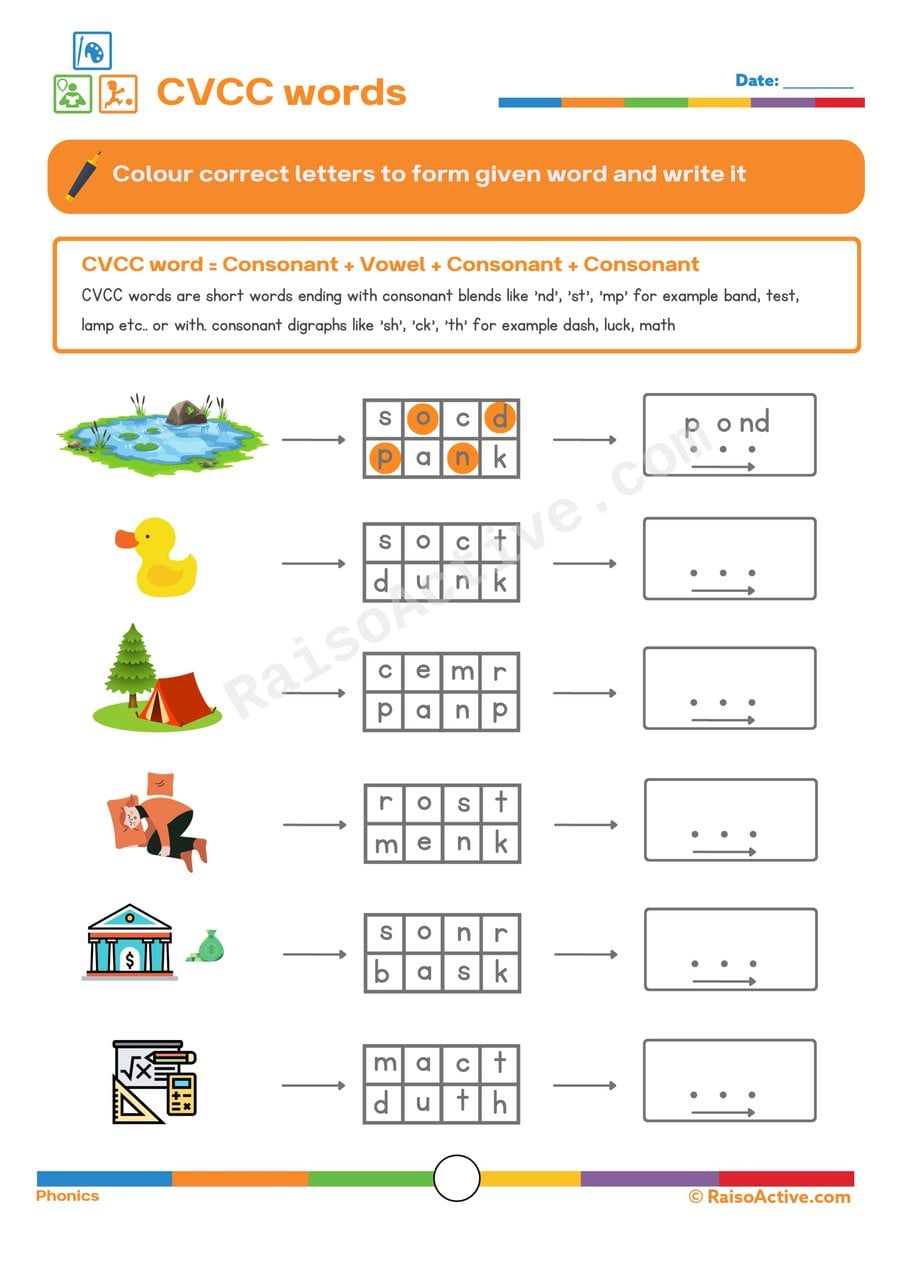
CVCC Word Fun: Color, Read, and Write!
This worksheet has children ages 4-5 identify and write CVCC words by coloring the correct letters shown in letter boxes and then writing the complete word based on a picture cue. Coloring specific letters before writing the whole word breaks decoding into a manageable first step, helping children build the word piece by piece rather than facing the whole spelling task all at once.

These or Those Worksheet: Identifying Plural Nouns
Children ages 4-5 build on singular demonstrative pronouns by learning 'these' and 'those,' the plural forms used to describe groups of objects that are near or far. Understanding this distinction strengthens both grammar and the ability to judge distance and quantity together in a single sentence.
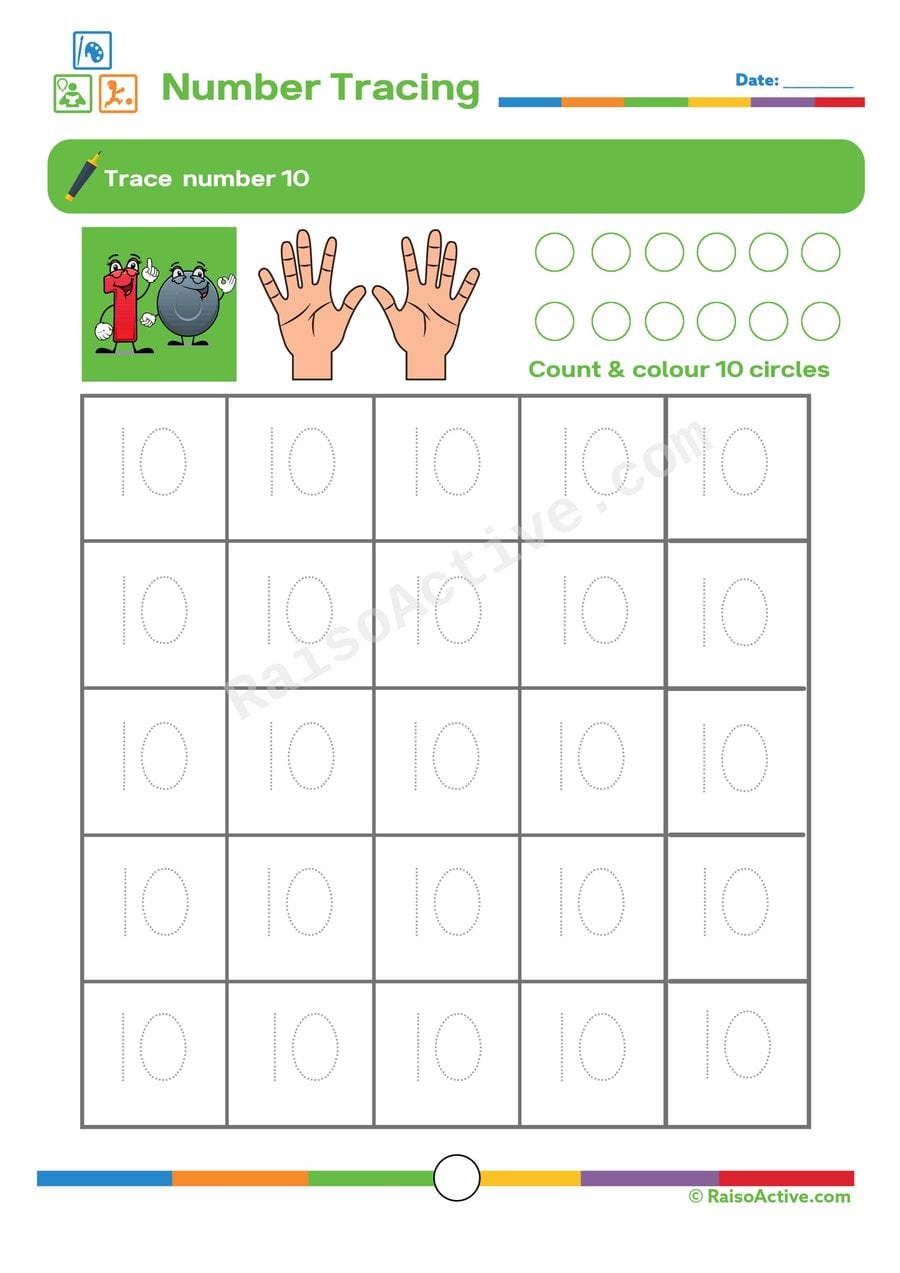
Trace and Count to 10! Number Tracing Worksheet
This worksheet has children ages 4-5 trace the number 10, their first two-digit number in a structured sequence, and then count and color a full set of ten circles, reinforcing that 10 represents a complete group of two fives or one full set of fingers on both hands. Practicing 10 also marks an important transition point, since children who can confidently count, write, and represent 10 are ready to begin extending their counting into the teens. This combination of tracing and counting to a meaningful benchmark number builds solid number sense.

Alphabet Adventures: Write the First Letter - A to T Worksheet
This worksheet builds early phonemic awareness in children ages 4-5 by asking them to identify a pictured object, say its name aloud, and isolate the very first sound to write as a letter. Practicing this across a wide range of letters, A through T, gives children repeated exposure to the letter-sound connection that underlies all future reading and spelling. It also strengthens letter formation as children physically write each capital letter.

Phonics Fun: Matching Letters and Words Worksheet for Preschoolers
Identifying the beginning sound of a pictured word and writing the matching letter teaches children ages 4-5 phonemic awareness, the ability to isolate individual sounds within spoken words, which is one of the strongest predictors of future reading success. Saying each word aloud after writing the letter reinforces the connection between the printed letter and its spoken sound, closing the loop between listening, writing, and speaking. This worksheet moves children from simply recognizing letters to actively applying letter-sound knowledge, a more advanced early literacy skill.

Sight Word 'Your' Worksheet: Tracing, Coloring, and Sentence Practice
Children ages 4-5 build sight word automaticity for 'your' — a word that can't be sounded out with basic phonics rules and must instead be recognized instantly for fluent reading. Multiple exposure formats (coloring, tracing, searching, and using it in a sentence) help move the word from short-term recognition into long-term memory, a rehearsal strategy that is especially important for high-frequency 'trick' words.

Trace and Write Simple Sentences Worksheet for Preschoolers
Tracing and then writing simple sentences independently helps children ages 4-5 move beyond single-word and letter practice into connected writing, learning that words are separated by spaces and sentences follow a left-to-right flow. This step is an important bridge between early handwriting skills and functional written communication.

Learn the Sight Word 'Had' | Fun Reading Worksheet for Preschoolers
Children ages 4-5 build instant recognition of the sight word 'had', another high-frequency word that resists standard phonics decoding and must be memorized visually. This worksheet layers coloring, tracing, writing, grid-searching, and fill-in-the-blank practice, giving the word multiple forms of repeated exposure that solidify memory. Completing sentences with 'had' also shows children how the word is used naturally in storytelling, especially when talking about the past.

Sequencing Numbers Train Worksheet for Preschoolers
Writing numbers 0-20 into a sequence of train cars pushes children ages 4-5 to internalize the full early counting range in fixed order, not just recite it aloud, which is a meaningfully different and more durable skill. Filling in the numbers by hand also builds numeral formation alongside sequencing, so children practice both remembering what comes next and writing it correctly. The train-car visual keeps a fairly long numeric range broken into manageable, engaging chunks rather than one intimidating list.

Number Sequencing Worksheet: Practice Counting and Ordering Numbers!
This worksheet gives children ages 4-5 focused practice writing numerals in order by filling in the missing numbers within several different counting sequences. Unlike simple counting aloud, writing each numeral by hand forces children to connect the spoken number word to its correct written symbol, reinforcing both number recognition and early handwriting control.
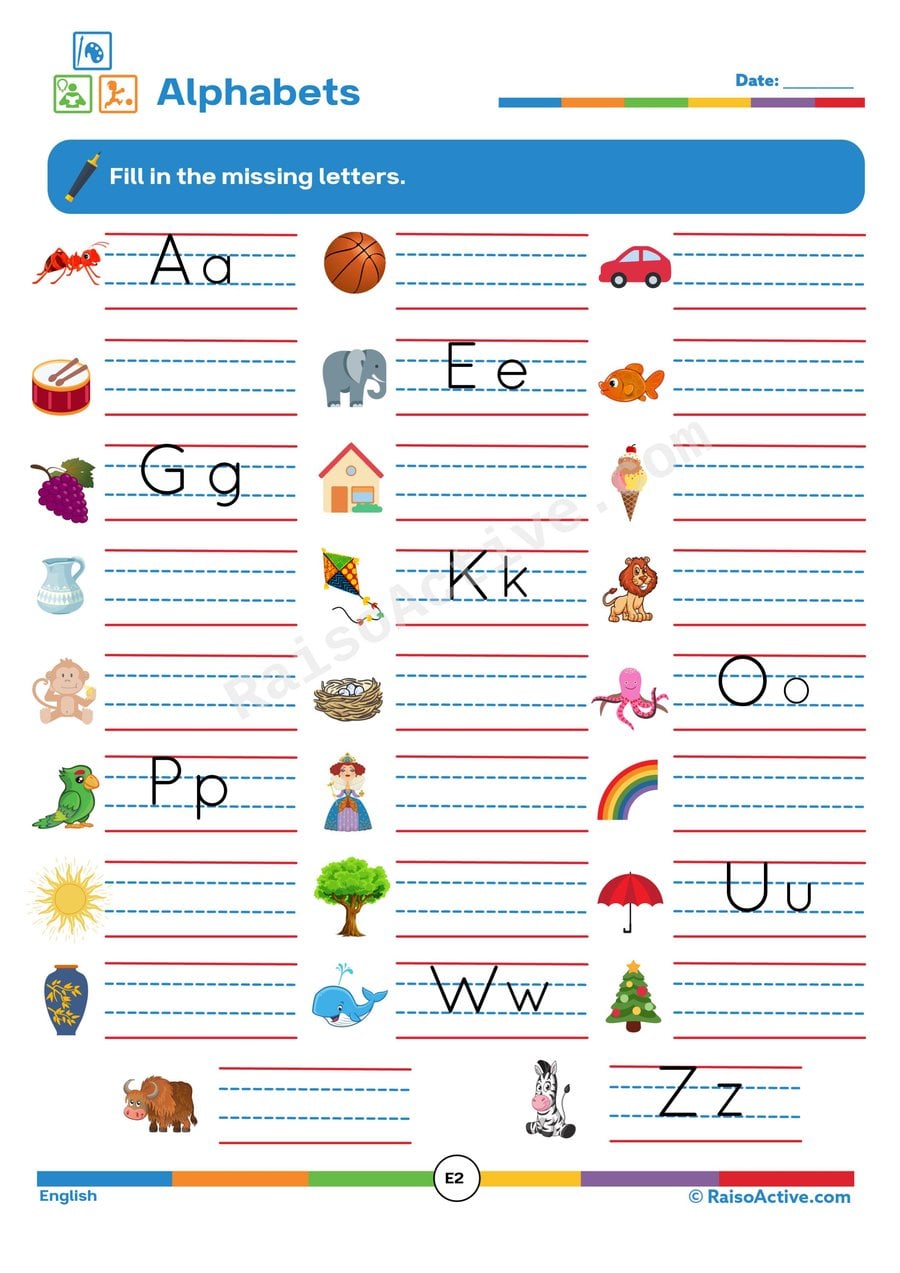
Alphabet Worksheet: Fill in the Missing Letters!
Filling in missing letters within the printed alphabet sequence builds letter recognition and sequencing for children ages 4-5, reinforcing both the order of the alphabet and the shape of each individual letter through handwriting practice.
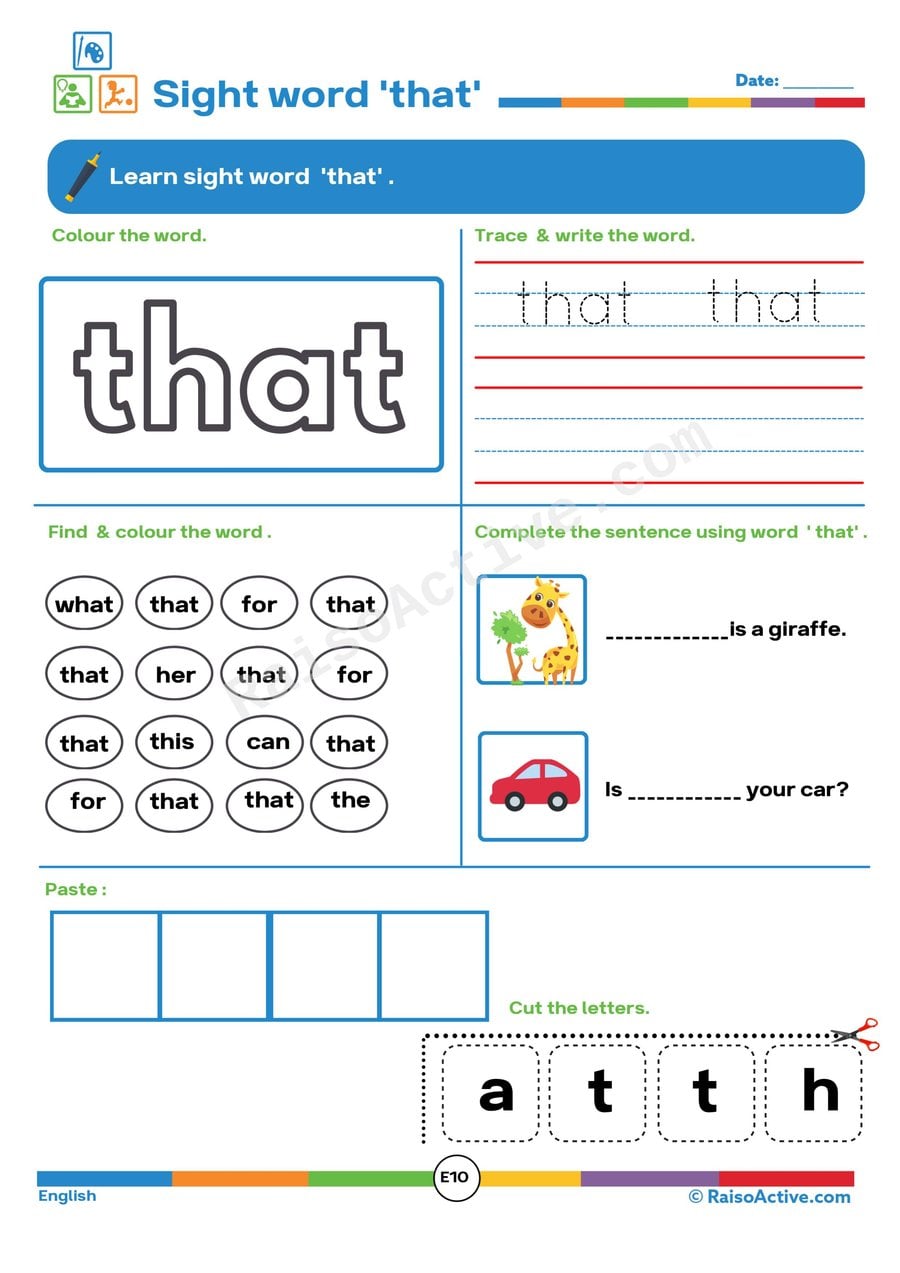
Sight Word 'That' Worksheet: Trace, Find, and Write!
As one of the most frequently used words in early reading texts, 'that' needs to be recognized instantly rather than sounded out letter by letter, and this worksheet gives children ages 4-5 several different ways to practice that recognition. Combining tracing, visual searching, sentence completion, and cutting letters to spell the word reinforces the same target through multiple senses and formats, which strengthens memory retention for tricky sight words.

Secret Words Worksheet: Beginning Sounds Practice
Turning beginning-sound practice into a 'secret word' mystery gives children ages 4-5 a strong motivational hook for identifying starting letters and building simple words from them. Isolating the first sound in a picture's name and writing the corresponding letter is a core phonemic awareness skill, and stacking several of those letters together to spell a new mystery word adds an extra layer of problem-solving on top. This worksheet essentially turns phonics practice into a short decoding puzzle, which tends to hold attention better than a plain matching page.
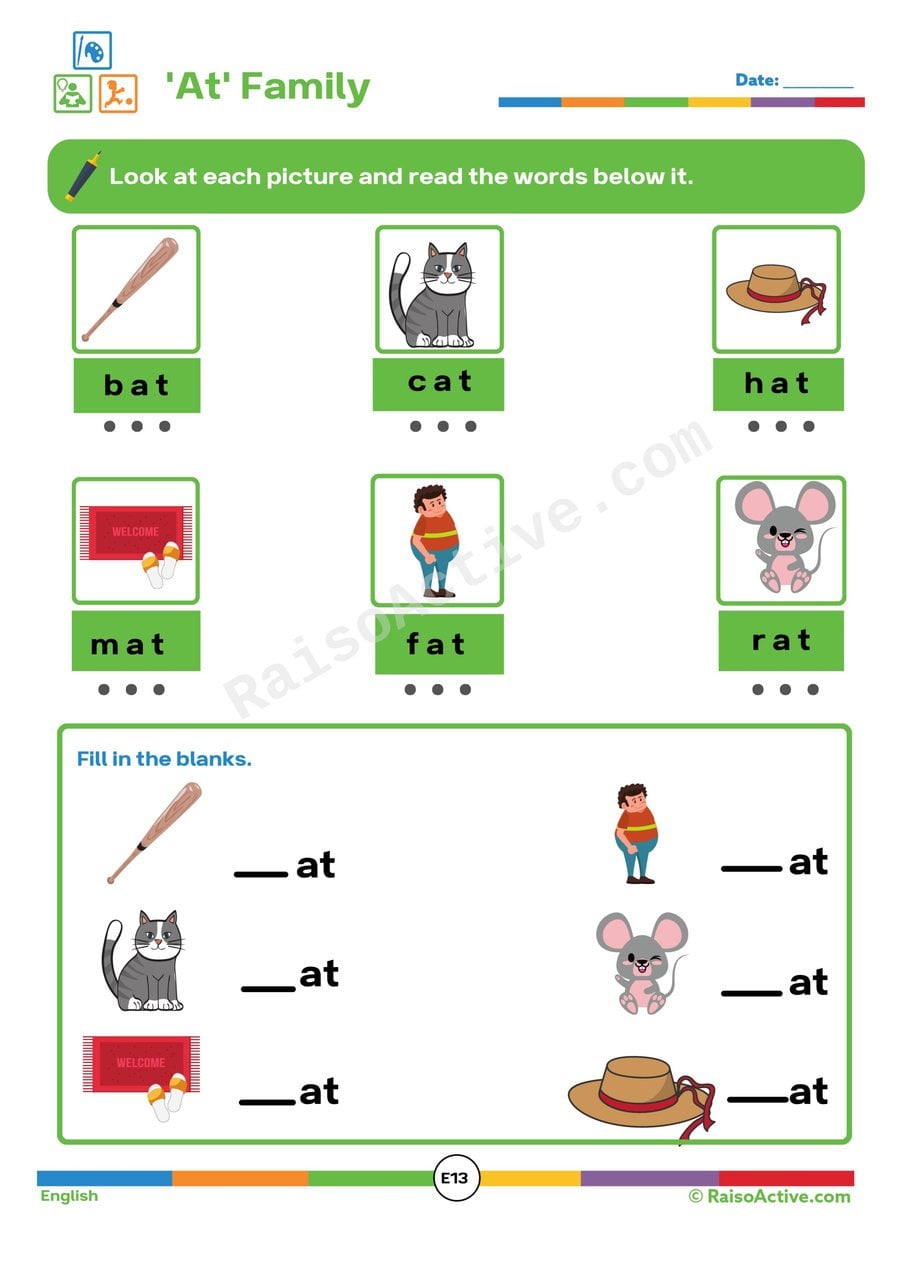
At Family Word Worksheet: Read, Match, and Write!
This worksheet introduces children ages 4-5 to the 'at' word family — words like cat, hat, and mat that share the same ending sound — helping them notice how changing just the first letter creates a new word. Recognizing word families is one of the most effective early strategies for decoding new words, since it lets children apply a pattern instead of sounding out every letter individually.

Counting Fun: Number Names Worksheet for Preschoolers!
This number-names worksheet pushes children from simply counting objects to connecting a quantity with its written word, a step that bridges early numeracy with beginning literacy. Ages four and five are ready to start recognizing that 'three' is both a group of three dots and a specific string of letters, which strengthens both number sense and sight-word recognition.
What Reception tracing worksheets cover
At four to five, tracing narrows to letters and numbers. Every uppercase letter appears with a starting dot and arrows, numerals one to ten follow the same format, and a child copies a few strokes beside the traced model rather than only tracing. Own name in capitals is a realistic target for most of the year, and lowercase letters can begin near the end. Writing without any dotted guide at all is not expected yet.
- Trace every uppercase letter from a marked starting dot
- Trace numerals one to ten with direction arrows
- Copy a first name written entirely in capital letters
- Trace a few lowercase letters late in the year
How to use these worksheets at home or in class
A short daily sound-matching or blending sheet paired with one number activity, around ten minutes total, mirrors the classroom rhythm. Say each sound clearly before your child traces or writes it, and keep the pace playful rather than test-like.
Start with the sheet that matches what your child can already do, then move one step up. Keep finished sheets in a folder: Reception teachers often ask for evidence of practice, and children like seeing their own progress.
Is your child ready for Reception tracing work?
A child moving into this stage typically holds a pencil with a developing grip, recognises several letters by sound rather than only by shape, and can count a small group of objects one at a time without skipping any.
Frequently asked questions
How is letter tracing different from just copying a letter at four?
Tracing keeps the pencil on a printed path, so the only decision is following the arrow; copying asks the child to look at a model letter and reproduce its shape and direction from scratch nearby. Most four-year-olds still need the traced version for new letters, then manage a copy of the same letter once it has been traced several times. A sheet that only asks for copying, with no traced model anywhere, is usually still too soon.
What should a Reception child be able to do in tracing?
At four to five, tracing narrows to letters and numbers. Every uppercase letter appears with a starting dot and arrows, numerals one to ten follow the same format, and a child copies a few strokes beside the traced model rather than only tracing. Own name in capitals is a realistic target for most of the year, and lowercase letters can begin near the end. Writing without any dotted guide at all is not expected yet. A child moving into this stage typically holds a pencil with a developing grip, recognises several letters by sound rather than only by shape, and can count a small group of objects one at a time without skipping any.
Do these worksheets follow the Reception curriculum?
The sheets cover standing and sleeping lines, curves and zigzags, pencil grip and control and stroke starting points and direction, which sit inside the EYFS Early Learning Goals; Letters and Sounds Phase 2–3 outcomes for Reception. Pre-K / Kindergarten (US), LKG (India) use the same skills at this age, so the sheets also fit families following those programmes.
Are these Reception tracing worksheets free?
Yes. Each worksheet downloads free as a watermarked PDF once you create an account, with a limit of five a day. An annual membership ($20) removes the watermark and the limit for the whole library of over 1,000 worksheets and every printable pack.

Written by
Hemsweta Jain · Teacher Cheena
MBA and Early Childhood Educator, teaching since 2014 · Founder of RaisoActive, Mumbai
Written and reviewed by Hemsweta Jain (Teacher Cheena), who designs every RaisoActive worksheet.
Last reviewed
Printable packs for ages 4–5
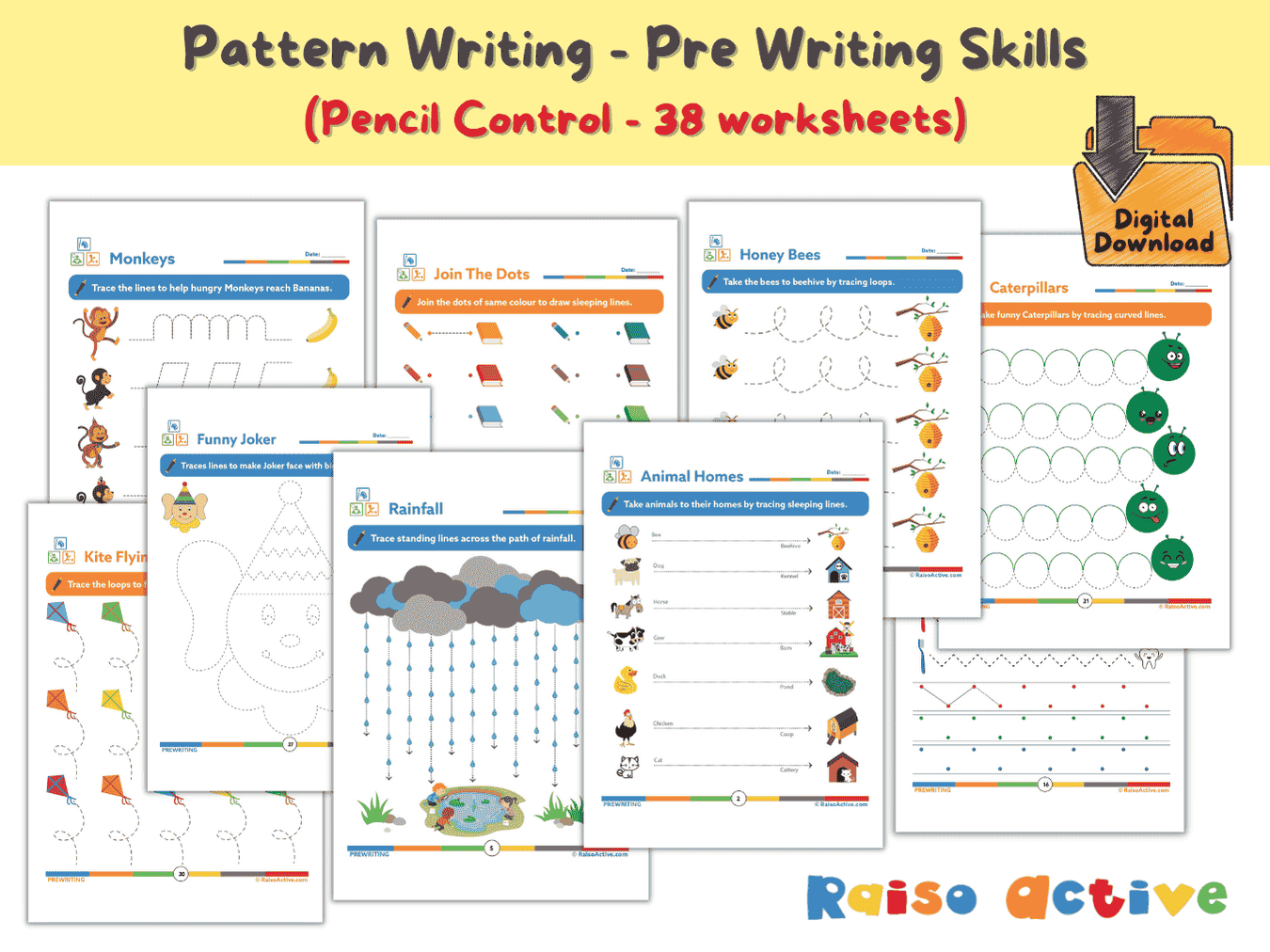
Pattern Writing Pre-writing Skills Activity Book for 3-4 Year Olds
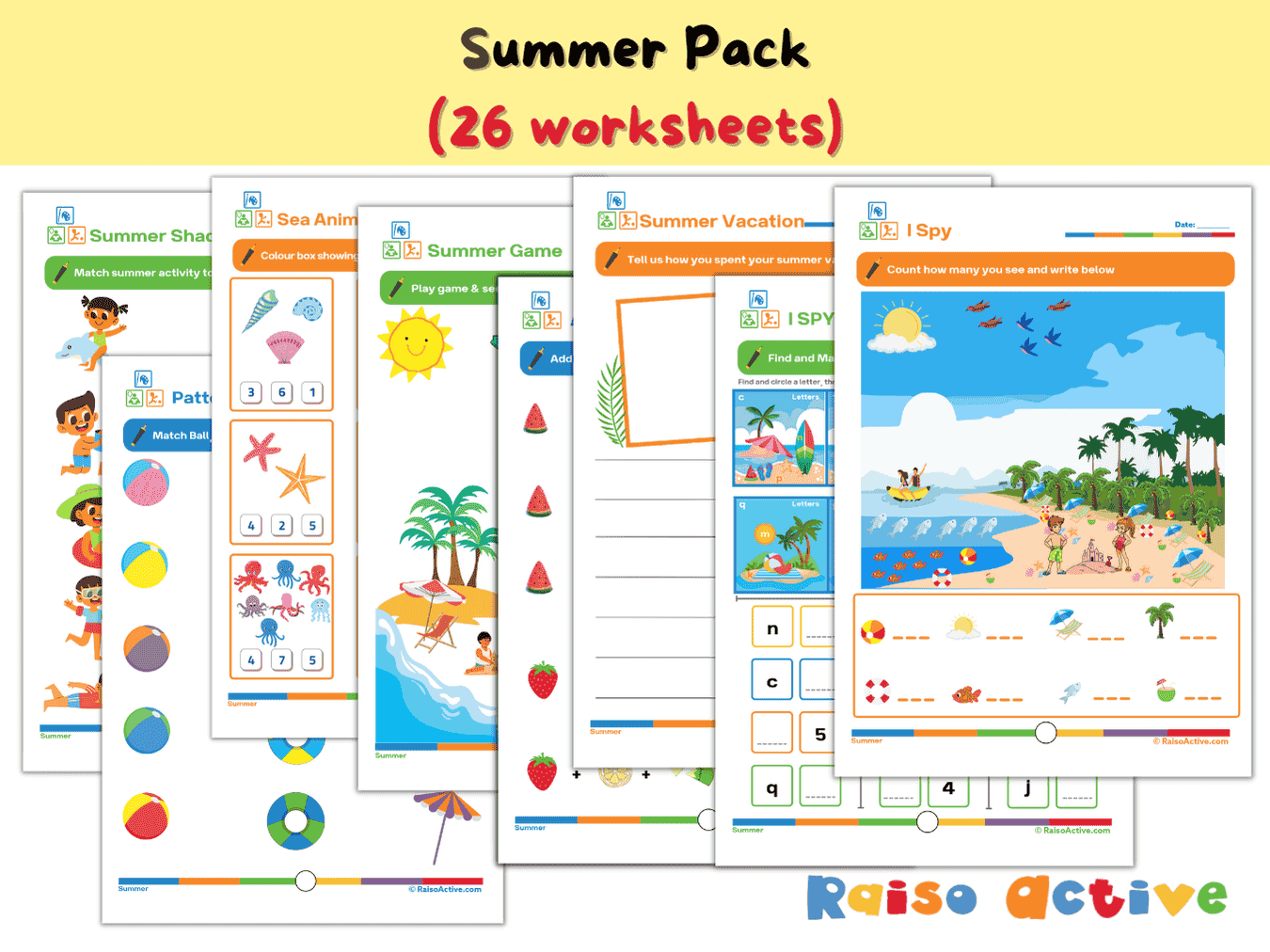
Summer Activity Pack: Math, Literacy, Puzzles & More for Preschool & Kindergarten
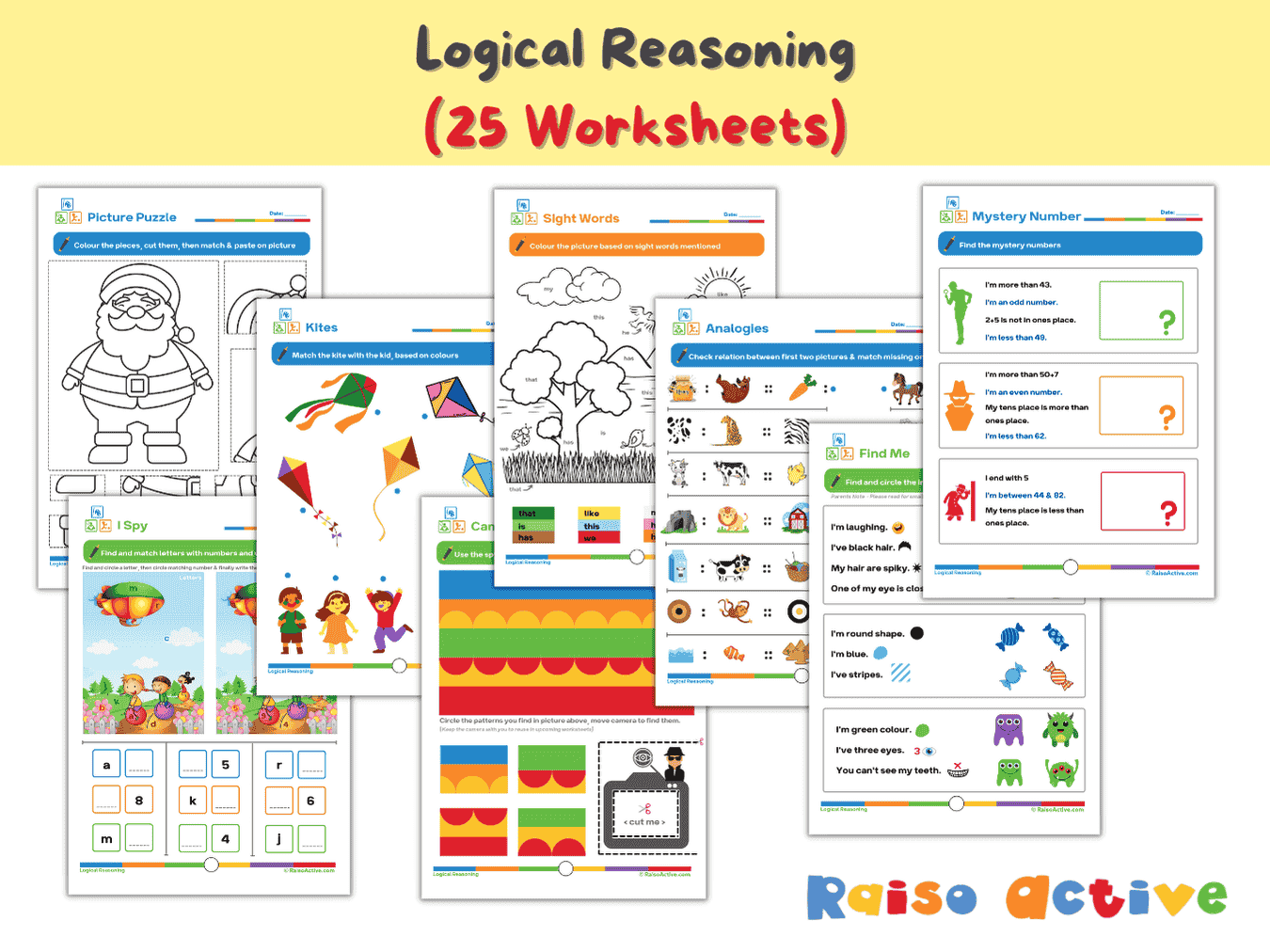
Logical Reasoning Activity Book for Preschool & Kindergarten | Patterns, Puzzles & Analogies
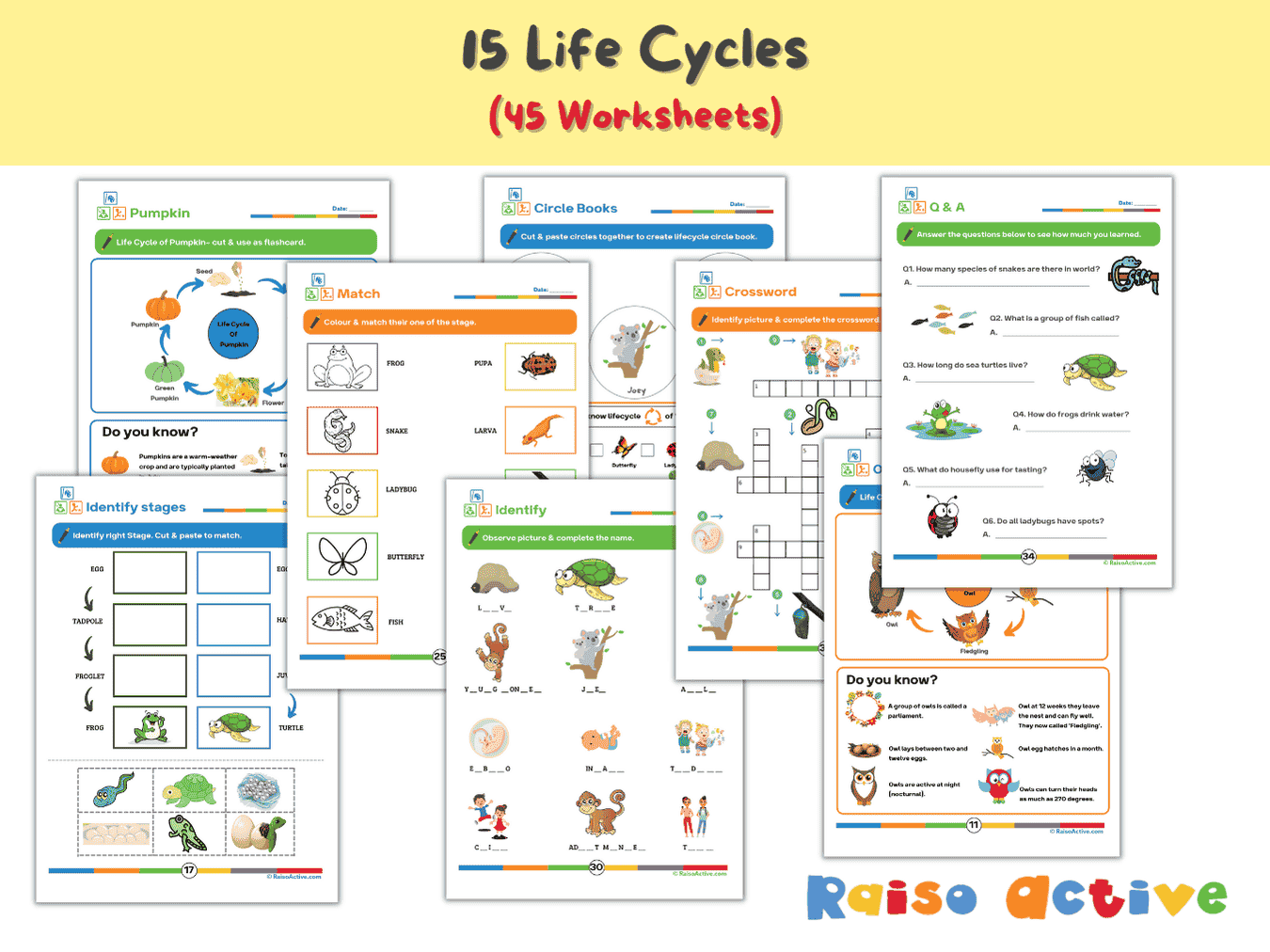
Lifecycles Activity Book & Flashcards for Preschool & Early Elementary
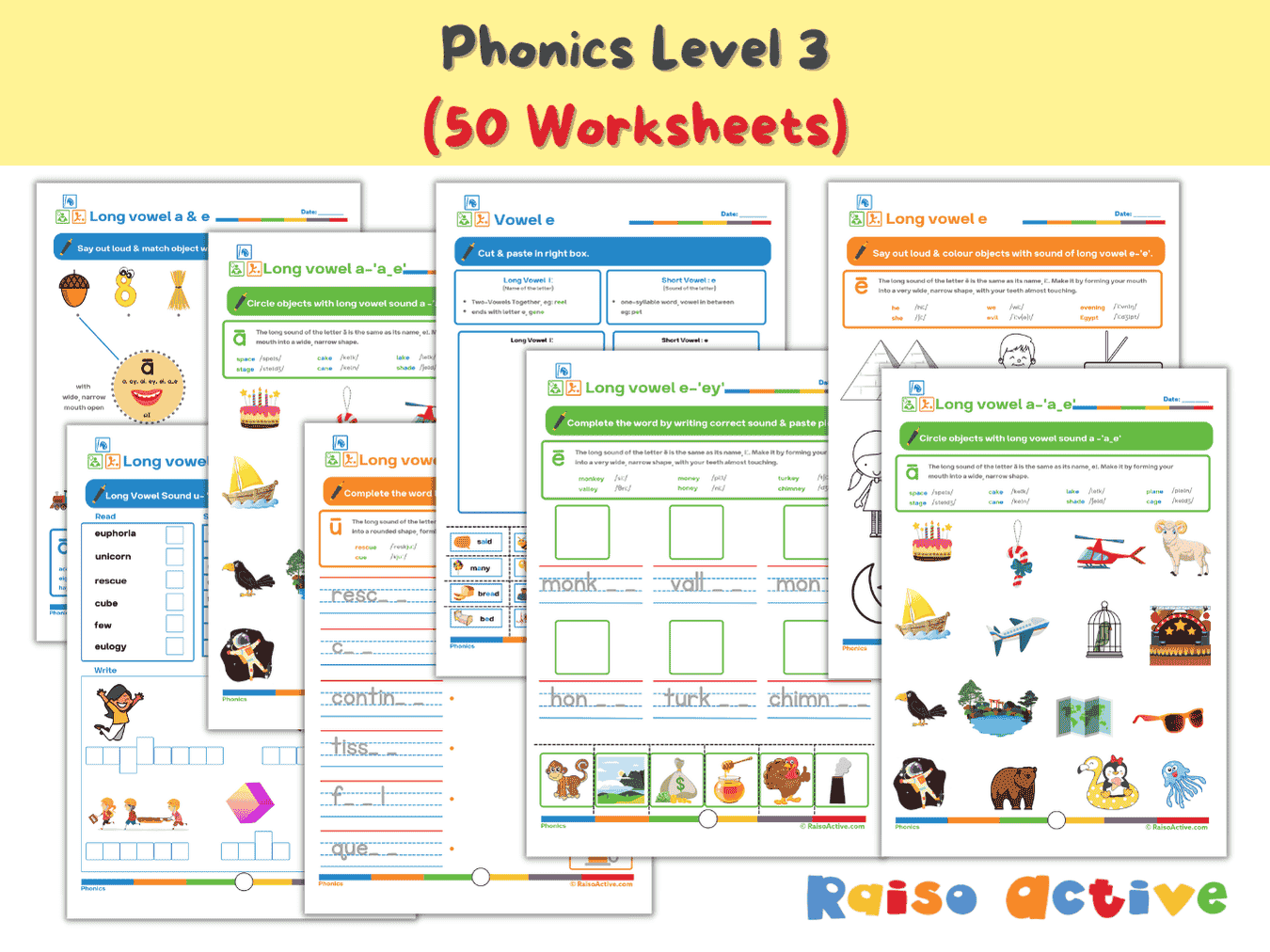
Phonics Level 3 Long Vowels Activity Book for Kindergarten & 1st Grade
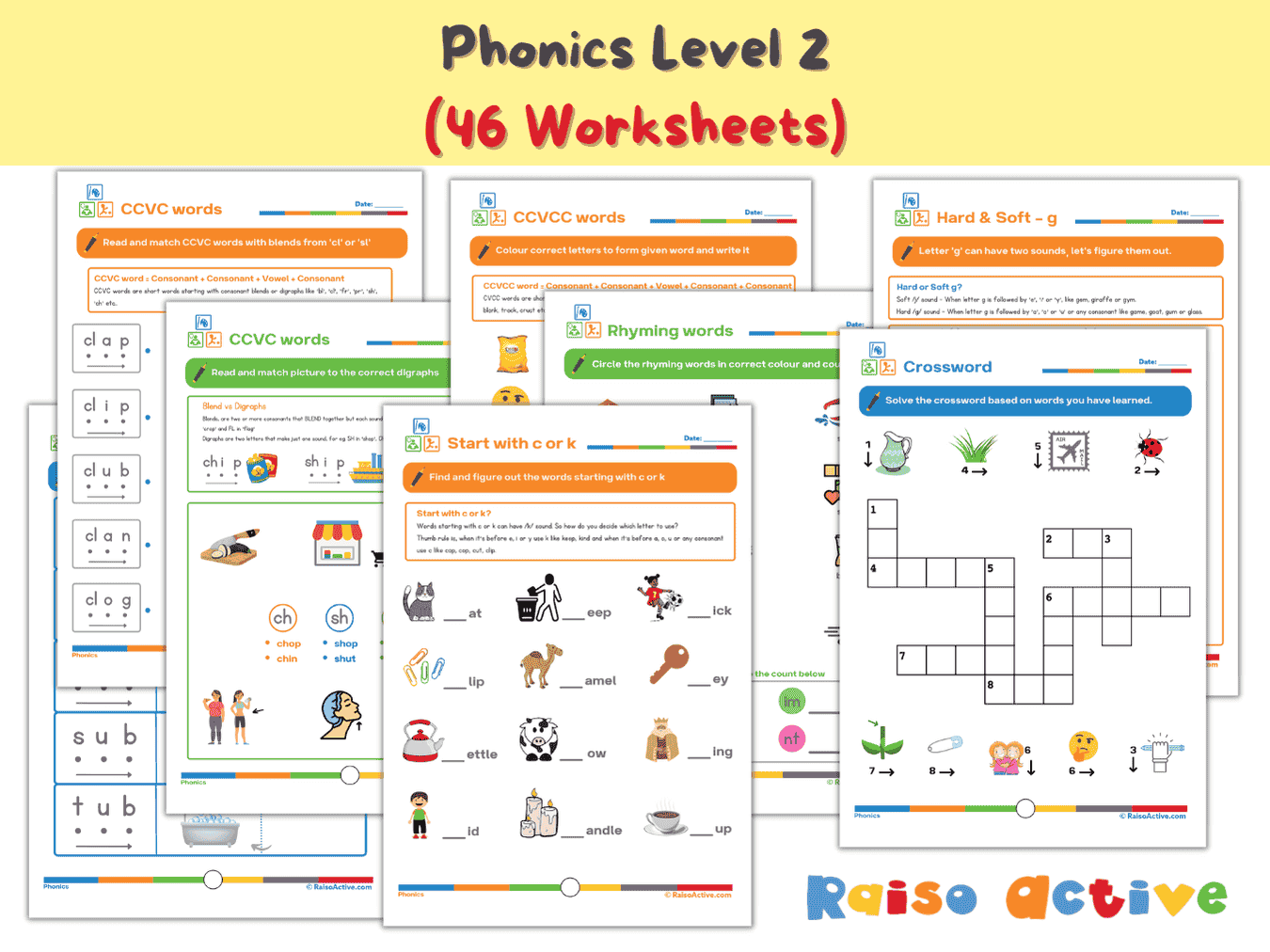
Phonics Level 2 Worksheets: CVC, CCVC, CVCC Word Families & Blends for Early Readers (Ages 4-7)
Guides for parents and teachers
See all guides →Number Formation Rhymes 0–9 and How to Fix Reversals
Original number formation rhymes for 0–9, the correct stroke order for each digit, why 3, 5 and 7 get reversed most often, and multisensory fixes that work.
Pre-Writing Strokes in Order: From Standing Lines to Loops (With Printable Patterns)
The developmental order of pre-writing strokes, from vertical lines to loops, and why practicing them in sequence makes letter formation much easier to learn.
Kindergarten Readiness Checklist: 25 Skills to Practice Before the First Day
A kindergarten readiness checklist of 25 literacy, math, motor, self-regulation and self-help skills, with an 8-week summer plan and notes on when not to worry.
Best Worksheets for 3-Year-Olds: What Works and What to Avoid
What works on worksheets for 3-year-olds: short sessions, crayons, tracing lines, matching, cutting, a free weekly plan, and signs one is too advanced.
Reception Year Explained: EYFS Learning and How to Help at Home
A teacher's plain-English guide to the Reception Year: the seven areas of learning, Early Learning Goals, Phase 2/3 phonics, the RBA and home routines.
What Should a 4-Year-Old Know Before LKG? A Readiness Checklist
A calm, teacher-written LKG readiness checklist for 4-year-olds: language, pattern writing, numbers to 10, self-help and social skills, plus a 6-week plan.
Canonical: https://raisoactive.com/worksheets/reception-tracing