Free printable worksheets · United States
1st Grade Number Tracing Worksheets (Ages 6–7)
1st Grade number tracing worksheets are practice sheets for children aged 6–7 in First Grade in the US. Number tracing is following the dotted outline of a printed numeral with a pencil, practicing the correct stroke direction and shape for each digit. The sheets on this page cover numeral formation 0–9, correct stroke direction for each digit, number-to-quantity matching and consistent numeral size and spacing.
First grade pushes reading toward fluency and math toward larger numbers: consonant digraphs, long vowels and silent e appear in decodable passages, while place value work extends to 120 and addition and subtraction move from within 10 to within 20. By six to seven, number tracing has mostly given way to writing, so the remaining task is two- and three-digit numbers formed with even spacing and no reversed digits, plus place-value work such as tracing a number broken into hundreds, tens and ones. A worksheet might trace 47 as "40" and "7" before combining them, or trace a numeral dictated aloud. Single-digit tracing at this age is review for a child who still reverses one or two digits.
237+ worksheets · free PDF download · print on A4 or Letter
1st Grade Number Tracing Worksheets to print
Browse all worksheets for ages 6–7
Punctuation Adventure: End Punctuation Worksheet for Kids
Children ages 5-7 practice choosing between periods, question marks, and exclamation points based on the meaning and tone of a sentence, a skill that connects punctuation directly to how a sentence should sound when read aloud. This builds the foundation for expressive, correctly punctuated writing later in school.
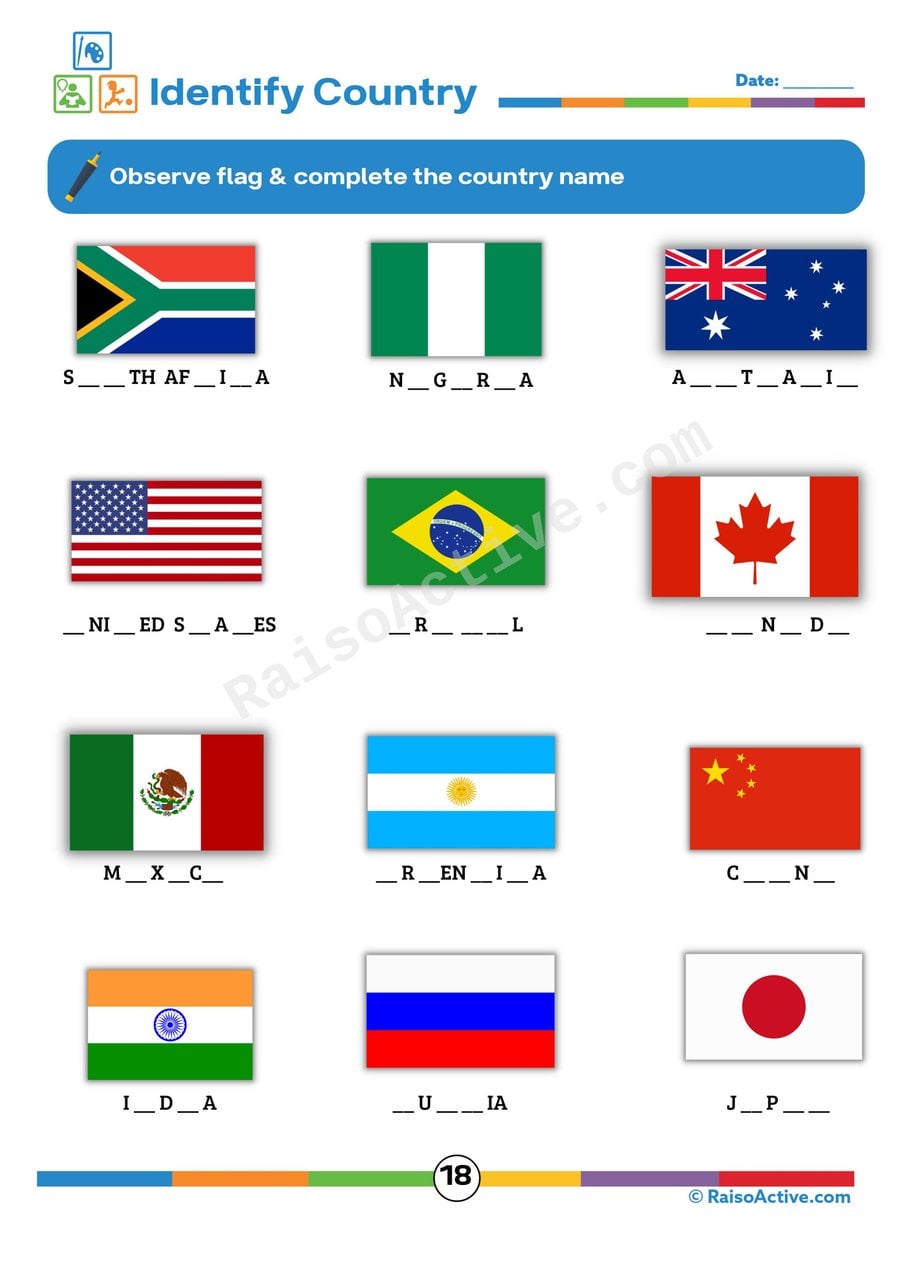
Identify the Country: Flag Matching Worksheet
Filling in the missing letters of each country's name while studying its flag gives children ages 4-7 practice with letter-sound correspondence and spelling patterns, since they must sound out the word and recall which letters are already provided as clues. It also builds early geography knowledge, helping children connect a visual symbol (the flag) to a country's name for the first time. This dual practice of decoding and world knowledge lays groundwork for both literacy and social studies skills.

Sun Safety Worksheet for Kids: Learn About Staying Safe in the Sun!
This worksheet has children ages 4-7 answer questions about sun safety, such as why sunscreen and hats matter, building early health literacy alongside writing practice as they put their understanding into their own words. Because the questions ask children to reason about why certain sun-safety habits matter rather than just label a picture, this worksheet develops early explanatory thinking, a step up from simple factual recall. Practicing writing full answers, even short ones, also builds sentence-forming skills appropriate for this age range.
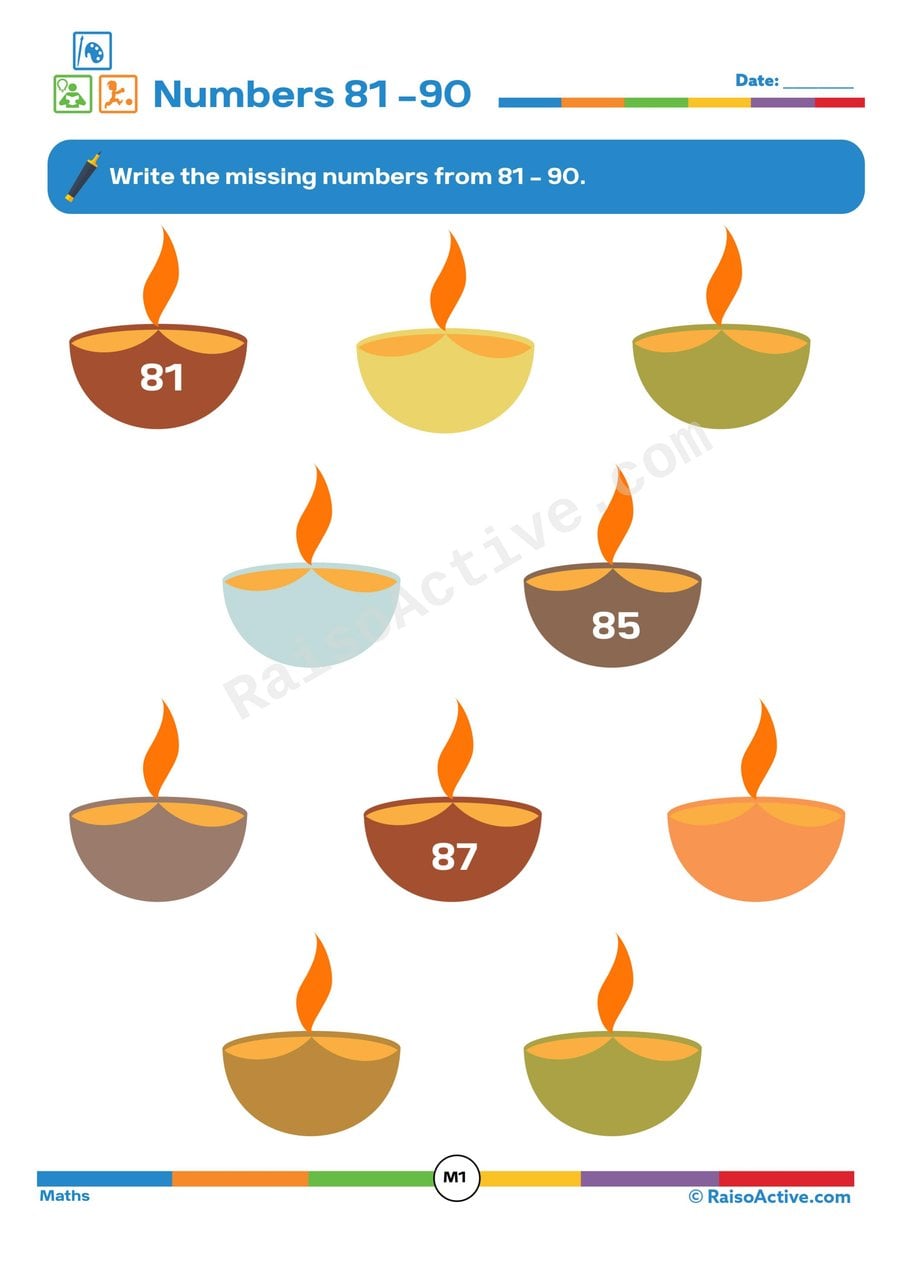
Missing Numbers: Diwali Diyas Worksheet for Kids
Children ages 4-6 practice number sequencing within the 81 to 90 range by identifying and writing missing numbers on a set of Diwali-themed diyas. Working with numbers in the 80s pushes children beyond the more familiar 1-20 range, reinforcing that the same counting pattern continues predictably into higher numbers. This festive theme also connects math practice to a meaningful cultural celebration, making the abstract number work feel relevant.
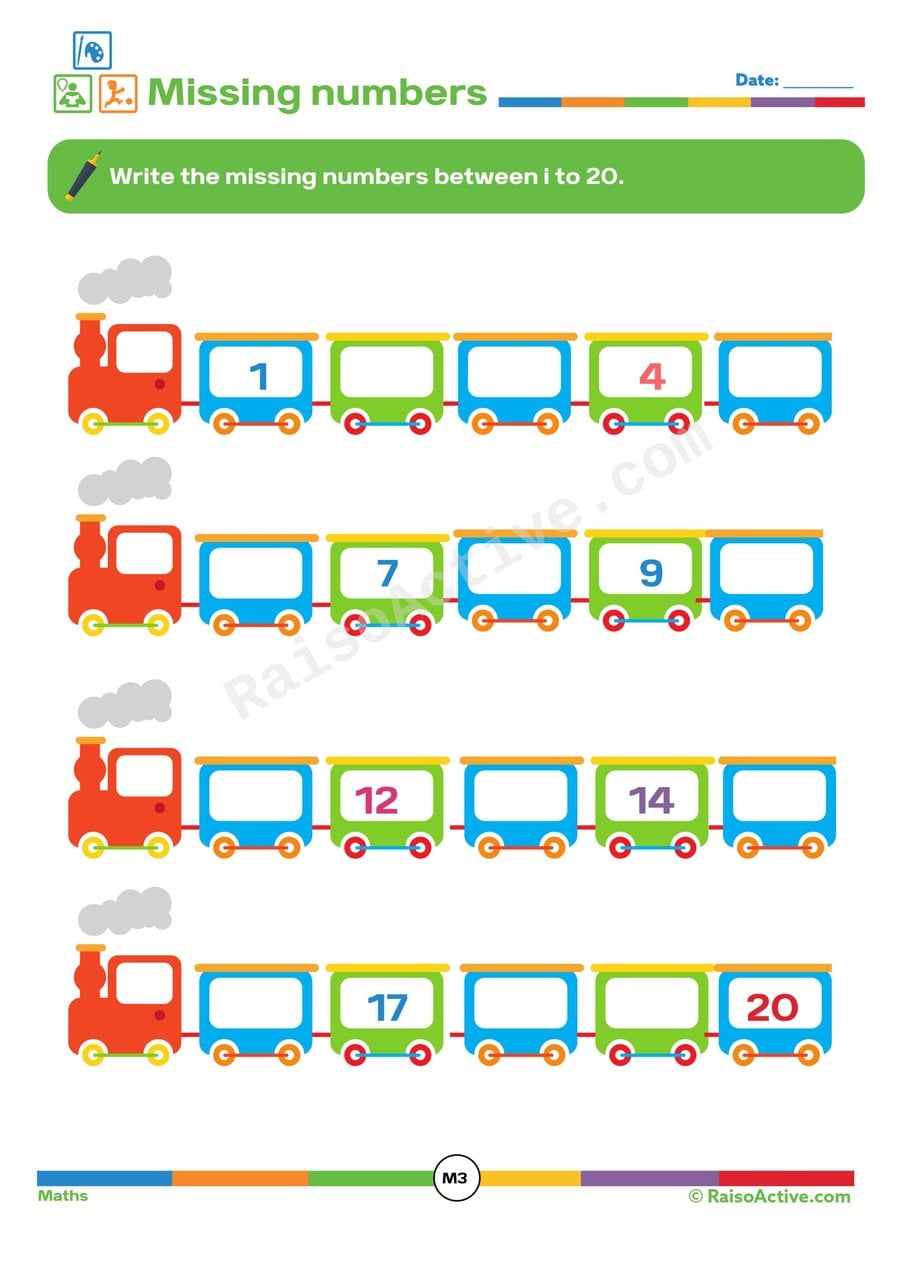
Missing Numbers Train Worksheet: Numbers 1-20
This worksheet helps children ages 4-6 practice number recognition and sequencing by filling in missing numbers on a train of cars that counts from 1 to 20, reinforcing that numbers follow a fixed, predictable order. Working with a range this large also builds the stamina and sustained counting skill needed before children move on to skip-counting and simple addition.

My Summer Vacation Worksheet: Write and Draw About Your Fun!
This worksheet has children ages 4-6 write about their own summer vacation and draw a picture to match, practicing personal narrative writing, one of the earliest and most motivating forms of writing since it draws on a child's real memories rather than an assigned topic. Because children are describing something they actually experienced, this task builds both sentence-forming skills and the confidence that comes from writing about a subject they already know well. Pairing the writing with a drawing also lets children who aren't yet strong writers still fully express their ideas.

Sentence Fun: Find the Subject and Predicate Worksheet for Kids!
This worksheet introduces basic sentence structure by teaching children to identify the subject (who or what the sentence is about) and the predicate (what the subject does or is) in simple sentences. For four- to six-year-olds, breaking a sentence into these two core parts is an early foundation for grammar and sentence-writing, helping them understand that every complete sentence needs both a 'who' and a 'what happens.'

Future Tense Fun: Fill-in-the-Blanks Worksheet for Kids
This worksheet introduces children ages 4-6 to the future tense, having them choose and write the correct verb form to complete sentences about things that 'will' happen. Understanding that verbs change to reflect when an action takes place — past, present, or future — is a foundational grammar concept that helps children communicate more precisely as their sentences grow longer and more complex.

Possessive Pronouns Worksheet for Kids: Fill in the Blanks!
Possessive pronouns like 'his,' 'her,' and 'their' are used constantly in everyday speech, but choosing the right one requires children ages 4-6 to track who is speaking and who owns the object being discussed — a genuinely tricky grammar concept at this age. This fill-in-the-blank worksheet gives focused, sentence-level practice choosing the correct possessive pronoun from a set of options, reinforcing the connection between a pronoun and the person or thing it refers to. Mastering this concept supports clearer, more grammatically accurate speech and writing as children move into more complex sentence construction.
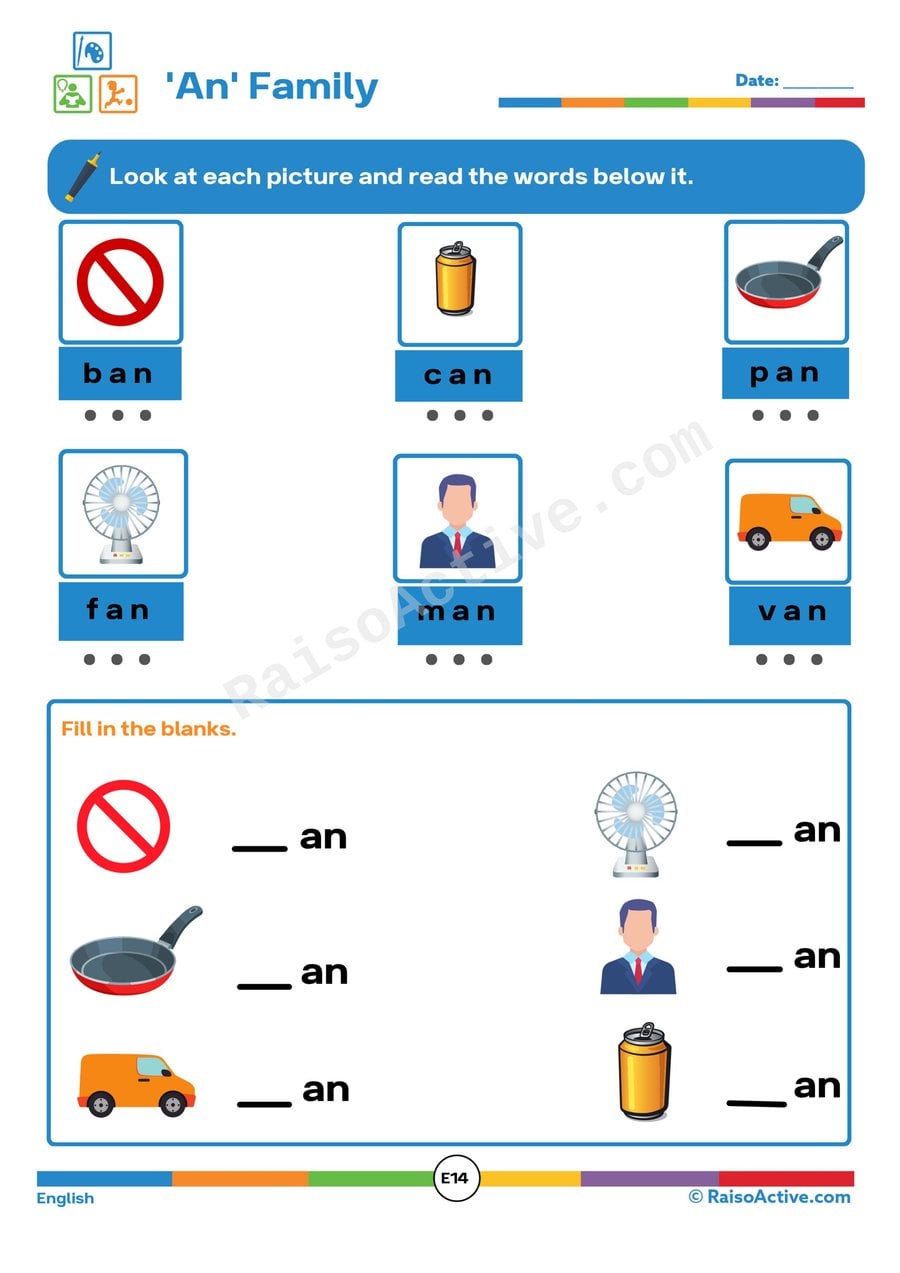
An Family Word Worksheet: Read, Match, and Write!
This worksheet builds on word-family recognition by focusing on 'an' words like can, fan, and man, helping children ages 4-6 see that swapping the first letter of a familiar ending creates a whole new word. Practicing this pattern strengthens decoding skills and builds reading confidence, since children start recognizing chunks of words rather than sounding out every single letter.

Before, After, and Between Numbers Worksheet for Preschoolers
This worksheet has children ages 4-6 practice identifying which number comes before, after, or between given numbers, writing their answers into the provided spaces. Understanding number sequence and relative position is a core building block of number sense, laying the groundwork for later skills like addition, subtraction, and estimating quantities.

Sentence Building Fun: Using Words to Create Sentences Worksheet
This worksheet helps children ages 4-6 practice constructing complete, grammatically sound sentences by using a set of provided words alongside a picture prompt. Building sentences from a word bank forces children to think about word order and sentence structure directly, rather than just filling in a single blank, which is a meaningful step up in independent writing skill.

Identify the Countries! A Fun Flag Worksheet for Kids
This worksheet combines flag recognition with spelling practice as children ages 4-6 study each flag and use provided letters to complete the missing parts of its country's name. Working from a partially filled word bank also teaches children to use context and available clues to solve a problem, rather than needing to know the full spelling from memory.

Navaratri Dance Count: A Fun Counting Worksheet for Kids!
This worksheet builds counting accuracy in children ages 4-6 as they count dancers in Garba or Navaratri dance scenes and record the totals. Counting figures arranged in a lively, non-linear scene is slightly more challenging than counting objects in a row, which pushes children to track what they've already counted more carefully.

Conjunctions Worksheet: Expanding Sentences (Ages 4-6)
This worksheet moves beyond simple conjunction identification to active sentence expansion, asking children to use conjunctions like 'but,' 'when,' 'until,' 'because,' and 'if' to add new information and build longer, more sophisticated sentences. For ages 4-6, this kind of guided sentence-combining is a key step toward more complex, connected storytelling in both spoken and written language.

G and J Sound Worksheet: Find and Figure Out the /j/ Sound!
This worksheet tackles a genuinely tricky phonics rule for children ages 4-6: that both the letters 'g' and 'j' can make the same /j/ sound, depending on the word, as in 'giraffe' and 'jump.' Learning to fill in the correct letter based on context and word-specific spelling (rather than a fixed rule) builds early spelling flexibility and prepares children for the reality that English spelling often requires memorization alongside phonics logic. This kind of targeted practice on a specific, commonly confused sound-letter relationship fills an important gap that general phonics worksheets tend to skip.
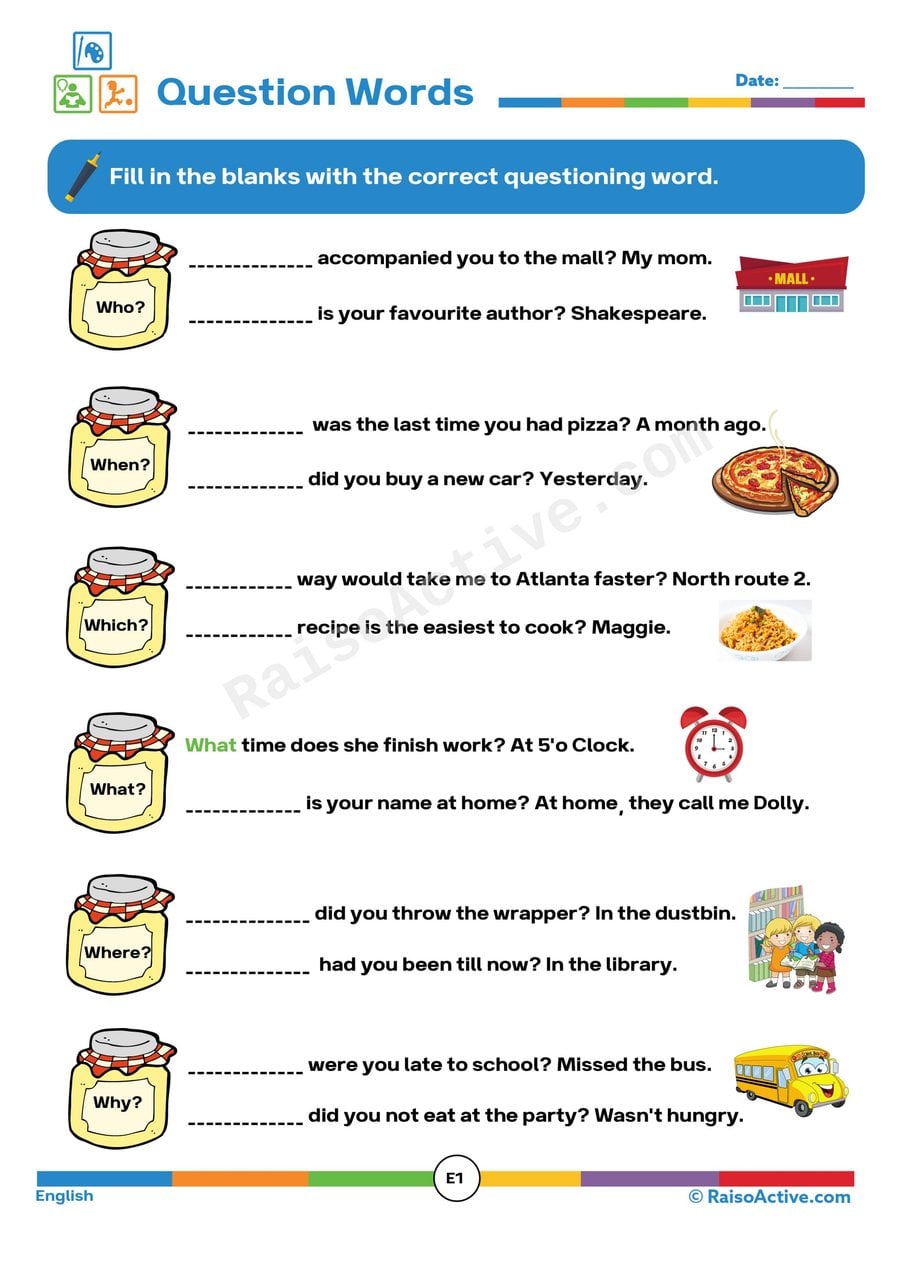
Question Words Worksheet for Early Learners
This worksheet teaches children ages 4-6 to recognize and correctly use the six core question words — who, what, when, where, why, and which — by choosing the right one to complete a sentence. Understanding what kind of information each question word asks for (a person, a time, a place, a reason) is an important early grammar and comprehension skill that also improves how children ask their own questions.

Ot Word Family Worksheet: Read, Trace, and Identify!
Reading, tracing, and identifying words from the 'ot' family — like pot, dot, and hot — helps children ages 4-6 see how changing the first letter of a word while keeping the same ending produces a whole new word, reinforcing the pattern-based phonics strategy known as word families. Tracing each word while reading it connects handwriting practice directly to reading practice, and identifying the matching picture afterward checks genuine comprehension rather than rote letter-sounding. Word family practice like this builds the foundation for decoding many more words independently later on.
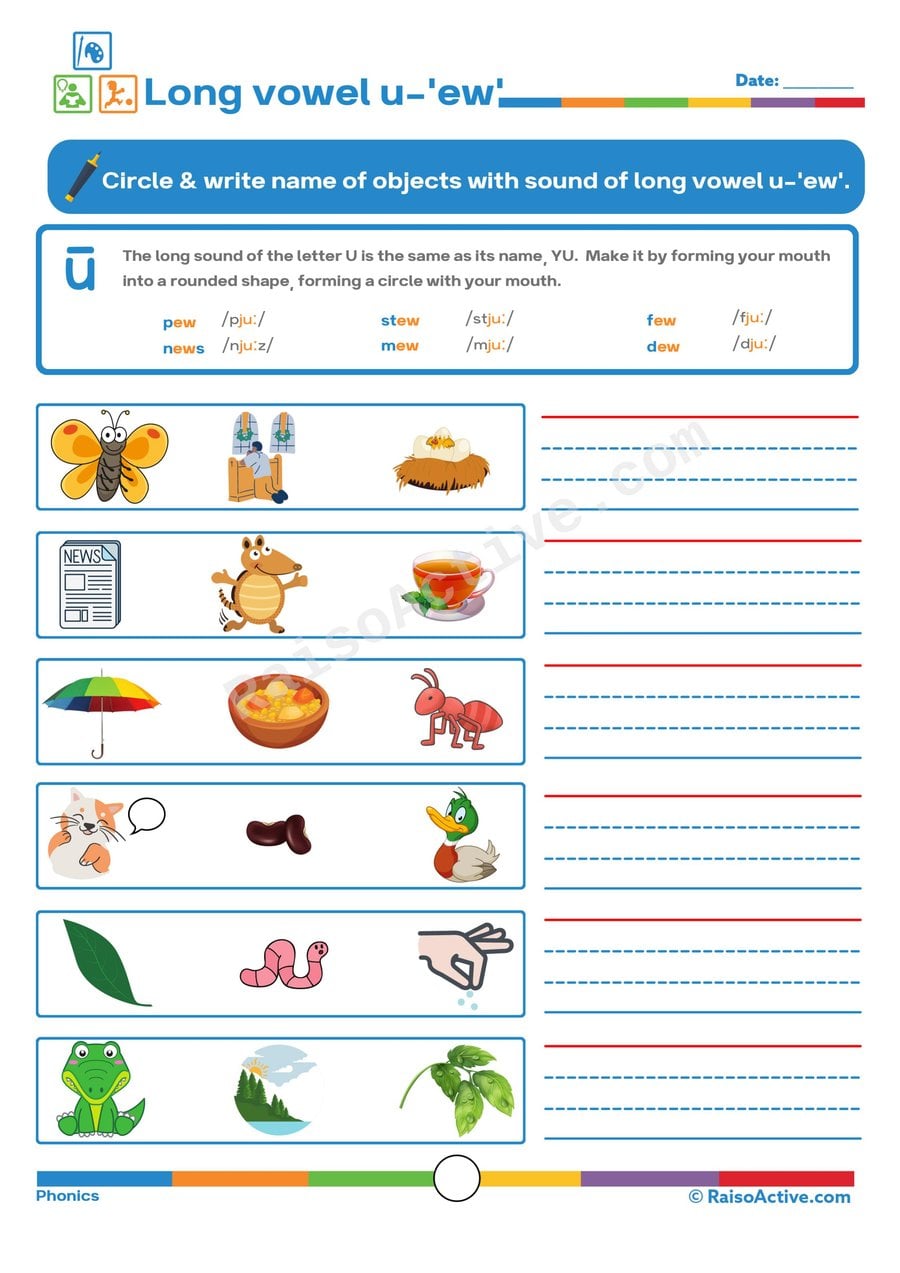
Long Vowel U 'ew' Worksheet: Circle and Write
This worksheet has children ages 4-6 identify pictures whose names contain the long 'u' sound spelled with the letters 'ew,' as in 'few' or 'new,' building awareness of this less common spelling pattern for a sound they may already recognize from simpler spellings. Circling the matching pictures practices listening skills, while writing the words afterward reinforces the specific 'ew' spelling through repeated handwriting. Focusing on a single spelling pattern like 'ew' helps children build pattern recognition they can apply to new, unfamiliar words later.

Spooky Vocabulary Worksheet: Fill in the Missing Letters!
This worksheet has children ages 4-6 look at a Halloween picture and fill in the missing letters of its matching word, building phonics skills and reinforcing correct spelling patterns for seasonal vocabulary. Because only some letters are missing rather than the whole word, children practice using partial information and sound-based reasoning to complete each word correctly.

First Letter Fun: Identify and Write! A Fun Vocabulary Worksheet for Kids
This worksheet extends beginning-sound practice for children ages 4-6 slightly further than earlier versions, asking them to independently identify an object's name and write its first letter with less visual support. Isolating and writing initial sounds accurately is a strong predictor of later spelling and reading success, since it requires children to translate an auditory skill into a written one. Repeating this process across multiple pictures builds both vocabulary and growing independence in phonics reasoning.

Articles Adventure: A, An, and The Worksheet for Preschoolers
Choosing between 'a,' 'an,' and 'the' teaches children ages 4-6 one of English grammar's trickier rules — that 'an' is used before words starting with a vowel sound while 'a' comes before consonant sounds — building an ear for language patterns that native speakers often absorb through repetition rather than explicit rules. Practicing these small but frequent words also smooths out overall sentence fluency, since articles appear constantly in everyday speech and writing.

Comma Practice Worksheet for Kids: Separating Items in a List!
Children ages 4-6 learn exactly where commas belong when writing a list of three or more items in a sentence, a specific punctuation rule that makes their early writing readable to others. Practicing this now, before they start composing longer sentences independently, builds a habit that carries straight into school writing tasks.

Long Vowel U Sound Worksheet: Complete the Words & Paste Pictures!
This worksheet gives children ages 4-6 another pass at the long 'u' sound, this time completing words and then cutting and pasting a matching picture rather than drawing a connecting line. The physical cut-and-paste step adds an extra confirmation layer, since your child has to actively search through picture choices to find the one that truly matches their completed word, rather than simply glancing between a word and an already-placed picture. Repeating long 'u' practice in this new format helps solidify a sound that many children find more challenging than the other long vowels.
What 1st Grade number tracing worksheets cover
By six to seven, number tracing has mostly given way to writing, so the remaining task is two- and three-digit numbers formed with even spacing and no reversed digits, plus place-value work such as tracing a number broken into hundreds, tens and ones. A worksheet might trace 47 as "40" and "7" before combining them, or trace a numeral dictated aloud. Single-digit tracing at this age is review for a child who still reverses one or two digits.
- Trace a two-digit number, keeping both digits the same height
- Trace a number split into tens and ones before combining it
- Trace a three-digit number dictated aloud
- Retrace any single digit that is still written backward
How to use these worksheets at home or in class
Fifteen to twenty minutes on most school days, split between a decodable passage with questions and a math page, matches what many first grade teachers assign. Keep base-ten blocks or bundled straws nearby so place value stays physical before it becomes purely written.
Start with the sheet that matches what your child can already do, then move one step up. Keep finished sheets in a folder: 1st Grade teachers often ask for evidence of practice, and children like seeing their own progress.
Is your child ready for 1st Grade number tracing work?
A child ready for this stage decodes CVC words automatically, writes a simple sentence with a capital letter and end punctuation, adds and subtracts fluently within 10, and counts and writes numerals confidently to 20.
Frequently asked questions
Is number tracing still needed once a child can count to 100?
Counting and writing are different skills, so tracing can still help even after counting is fluent, but only for digits or place-value patterns that are still shaky, such as a reversed 5 or confusion writing 209 versus 29. Use it as a quick fix for one specific error rather than a full review of one to a hundred. Most six-year-olds need this only occasionally, for a handful of numbers that keep tripping them up.
What should a 1st Grade child be able to do in number tracing?
By six to seven, number tracing has mostly given way to writing, so the remaining task is two- and three-digit numbers formed with even spacing and no reversed digits, plus place-value work such as tracing a number broken into hundreds, tens and ones. A worksheet might trace 47 as "40" and "7" before combining them, or trace a numeral dictated aloud. Single-digit tracing at this age is review for a child who still reverses one or two digits. A child ready for this stage decodes CVC words automatically, writes a simple sentence with a capital letter and end punctuation, adds and subtracts fluently within 10, and counts and writes numerals confidently to 20.
Do these worksheets follow the 1st Grade curriculum?
The sheets cover numeral formation 0–9, correct stroke direction for each digit, number-to-quantity matching and consistent numeral size and spacing, which sit inside the Common Core Grade 1 (1.OA, 1.NBT, RF.1.3) outcomes for 1st Grade. Year 1 / Year 2 (UK), Class 1 (India) use the same skills at this age, so the sheets also fit families following those programmes.
Are these 1st Grade number tracing worksheets free?
Yes. Each worksheet downloads free as a watermarked PDF once you create an account, with a limit of five a day. An annual membership ($20) removes the watermark and the limit for the whole library of over 1,000 worksheets and every printable pack.

Written by
Hemsweta Jain · Teacher Cheena
MBA and Early Childhood Educator, teaching since 2014 · Founder of RaisoActive, Mumbai
Written and reviewed by Hemsweta Jain (Teacher Cheena), who designs every RaisoActive worksheet.
Last reviewed
Printable packs for ages 6–7
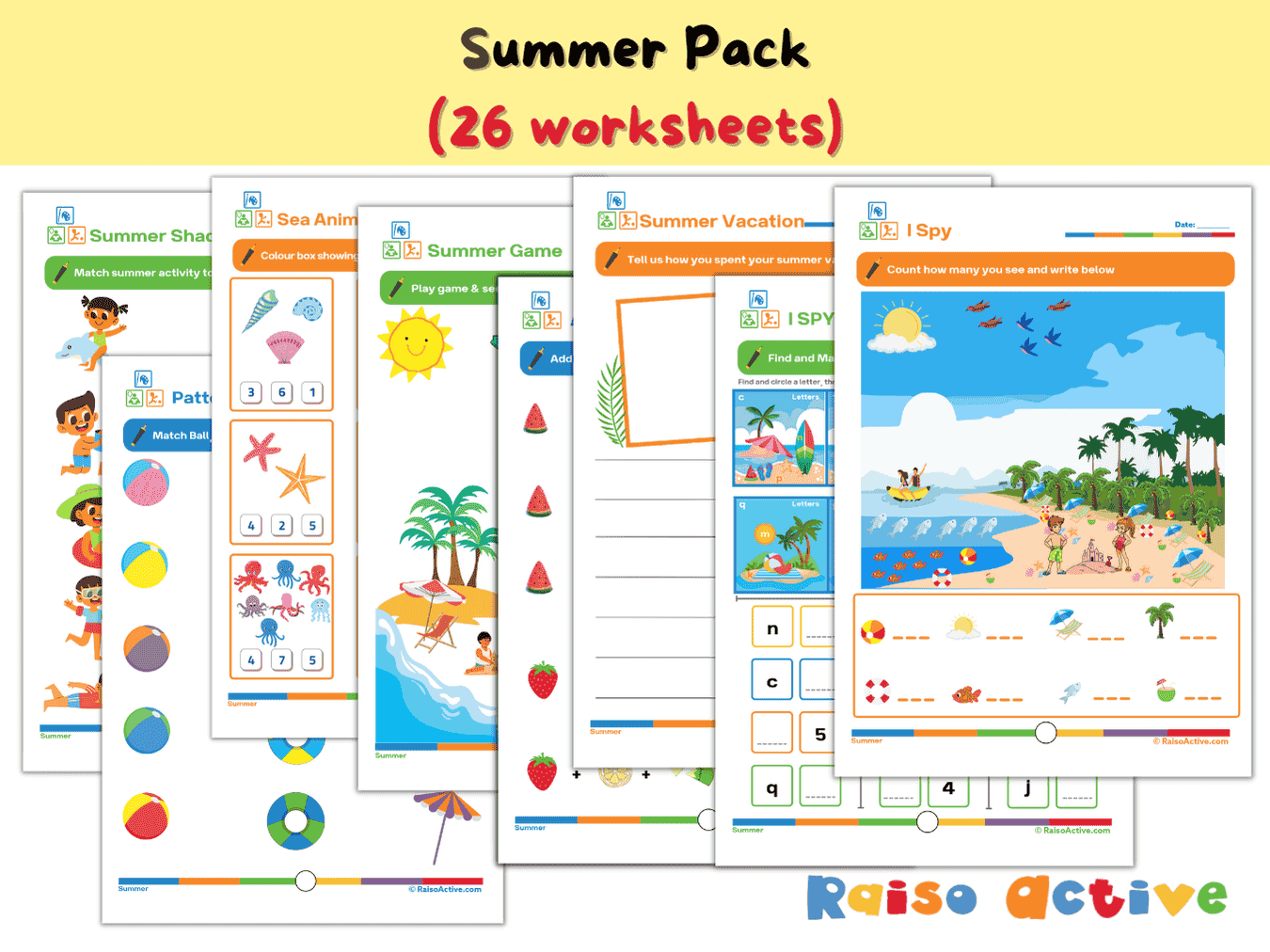
Summer Activity Pack: Math, Literacy, Puzzles & More for Preschool & Kindergarten
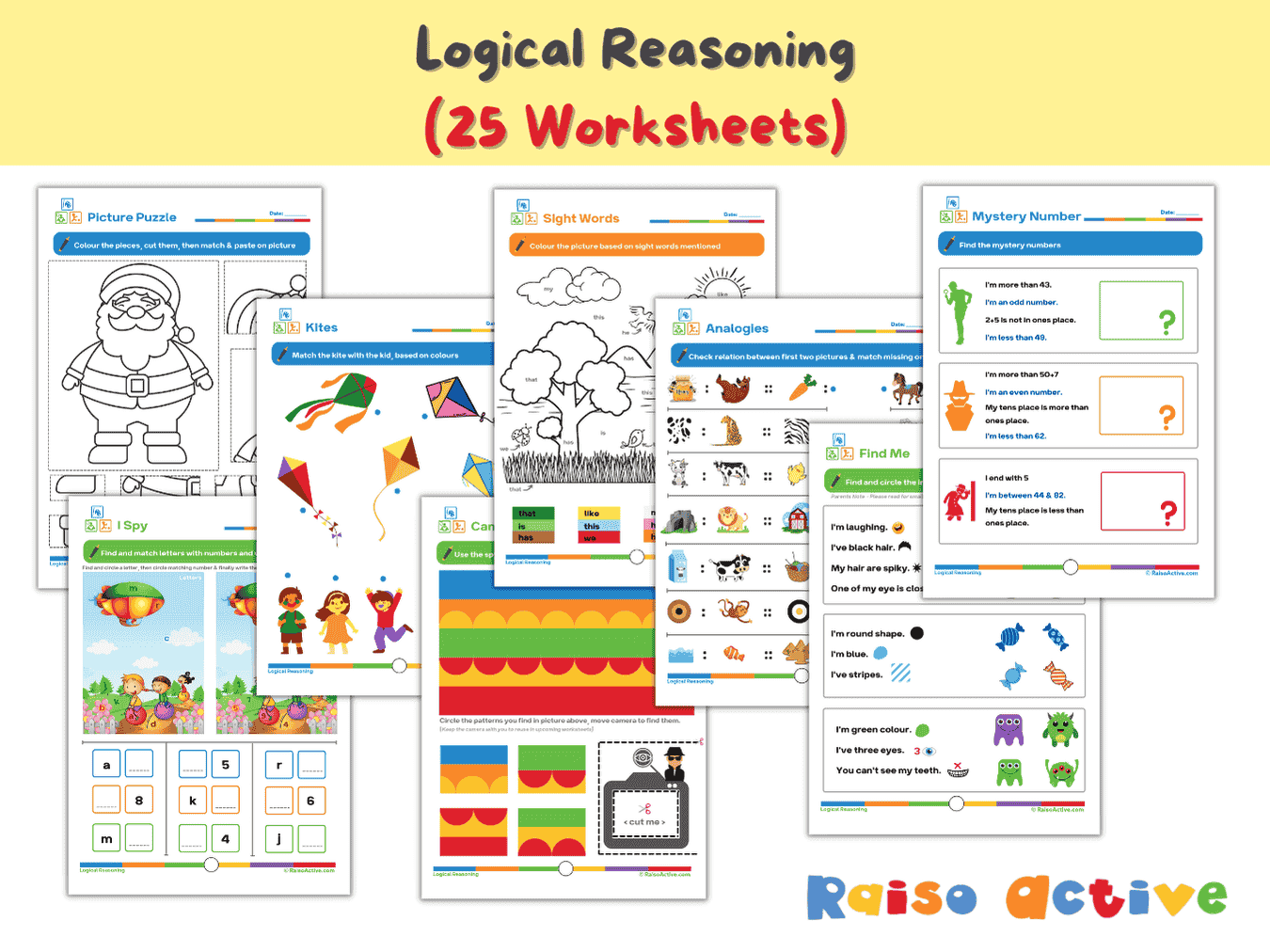
Logical Reasoning Activity Book for Preschool & Kindergarten | Patterns, Puzzles & Analogies
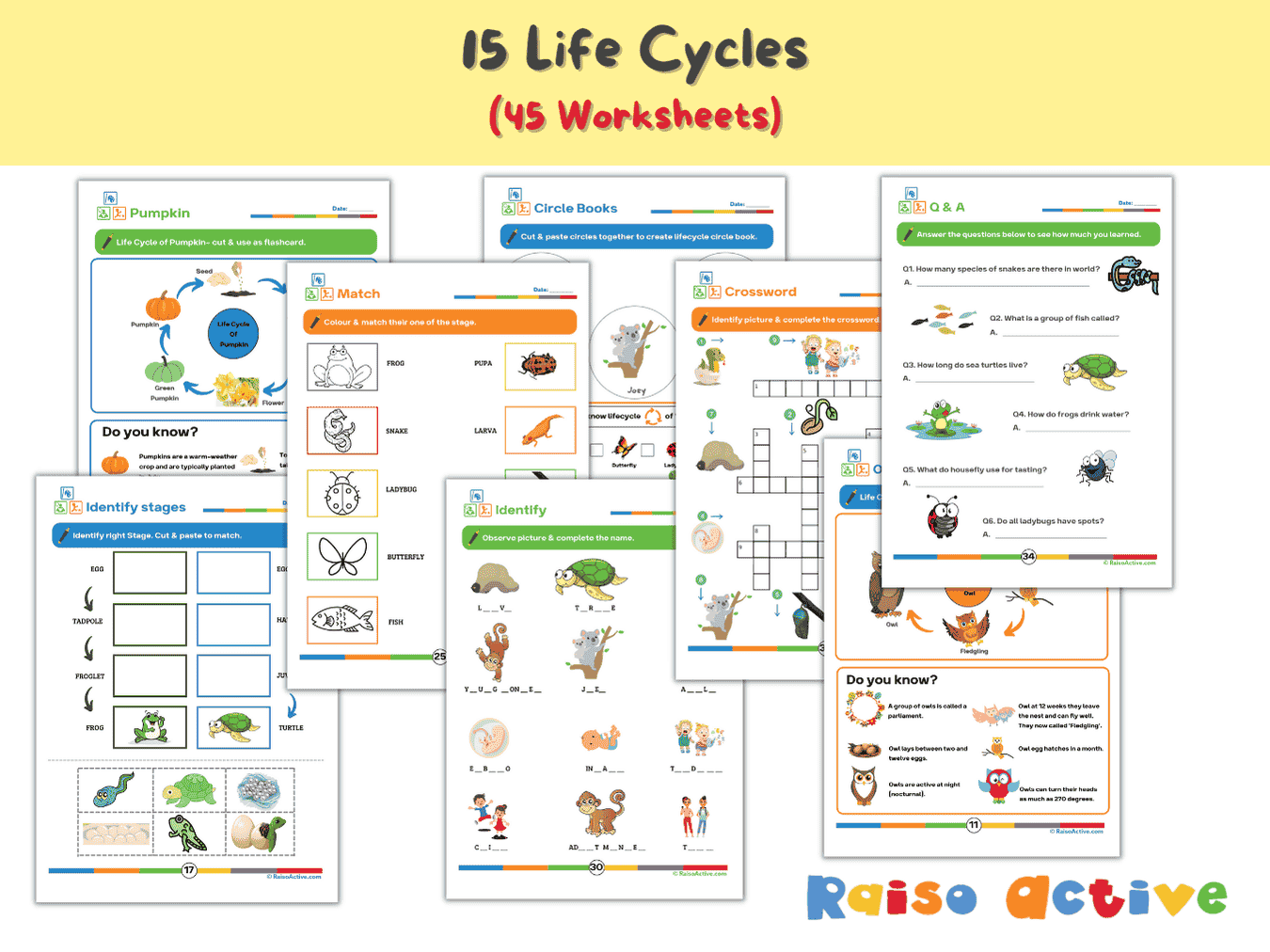
Lifecycles Activity Book & Flashcards for Preschool & Early Elementary
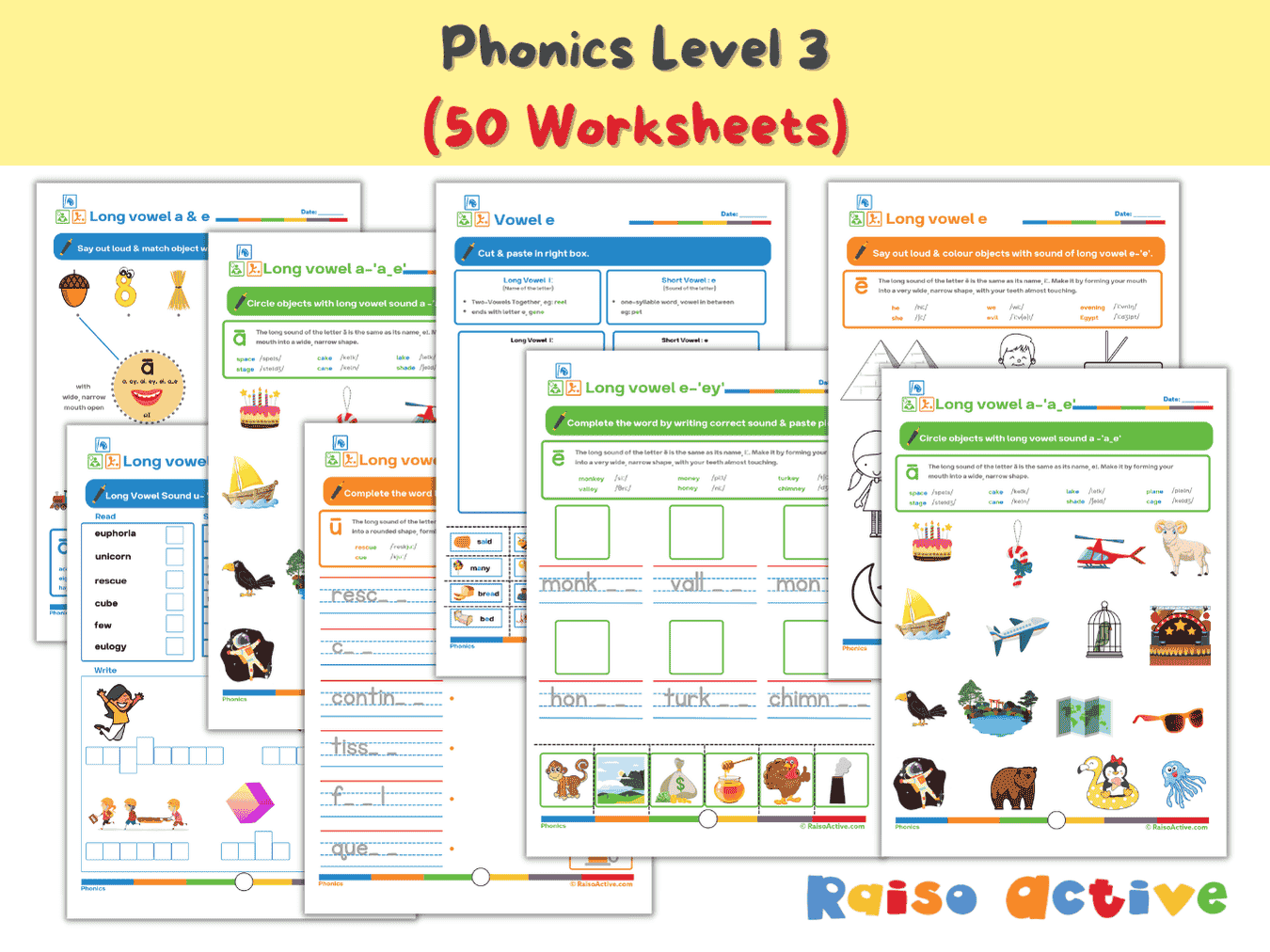
Phonics Level 3 Long Vowels Activity Book for Kindergarten & 1st Grade
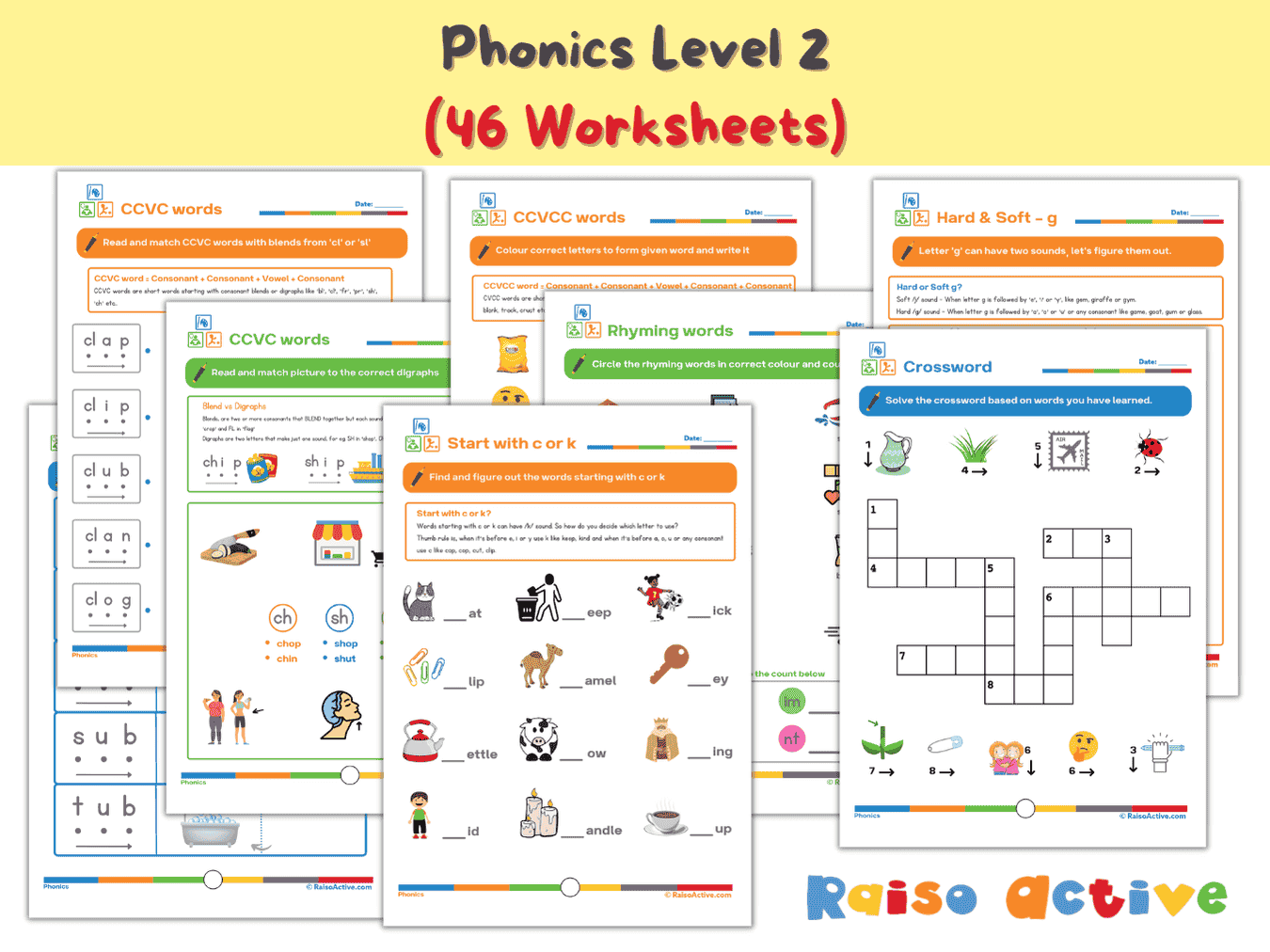
Phonics Level 2 Worksheets: CVC, CCVC, CVCC Word Families & Blends for Early Readers (Ages 4-7)
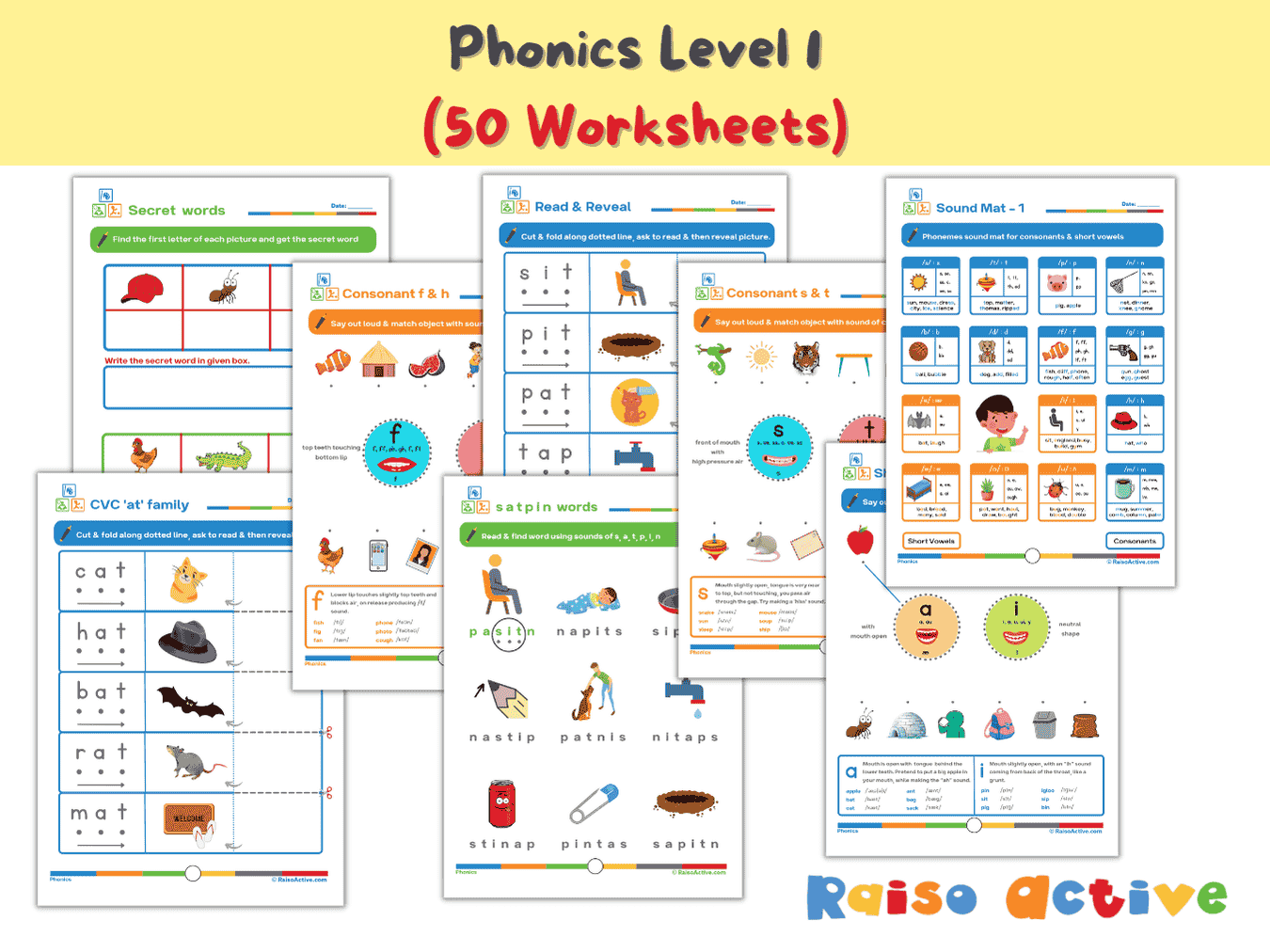
Phonics Level 1 Activity Book: Letter Sounds, Blending & CVC Words for Preschool & Kindergarten
Guides for parents and teachers
See all guides →Number Formation Rhymes 0–9 and How to Fix Reversals
Original number formation rhymes for 0–9, the correct stroke order for each digit, why 3, 5 and 7 get reversed most often, and multisensory fixes that work.
What's the Best Alternative to ABCmouse? A Complete Parent's Guide to Free and Affordable Educational Apps
ABCmouse runs ~Rs 4,000-5,000/year with US spellings and curriculum. Compare free & affordable Indian-friendly apps like Khan Academy Kids and DIKSHA.
Is My Child Ready for Kindergarten? Essential Skills and Honest Assessment
Wondering if your child is ready for Class 1 or kindergarten? Learn the 5 domains of school readiness, what Indian schools look for, and how to support your child at home.
Complete Guide to Jack Hartmann Worksheets: Enhancing Educational Videos with Hands-On Learning
Discover how to pair Jack Hartmann YouTube videos with printable worksheets for deeper learning. Counting, alphabet, sight words activities for preschool to Grade 1.
My Child Can Count But Can't Write Numbers — Is This Normal? A Parent's Complete Guide
Yes, it's developmentally normal - counting and writing use different skills. See why the gap happens and simple activities (no worksheets) to bridge it.
What's the Best Way to Teach Number Formation to Young Children? A Complete Guide
Discover the best methods to teach digit formation (0-9) to young children — stroke sequences, verbal cues, multi-sensory techniques, and fixing common reversals.
Canonical: https://raisoactive.com/worksheets/first-grade-number-tracing