Free printable worksheets · United Kingdom
EYFS Number Tracing Worksheets (Ages 3–5)
EYFS number tracing worksheets are practice sheets for children aged 3–5 in Early Years Foundation Stage in the UK. Number tracing is following the dotted outline of a printed numeral with a pencil, practicing the correct stroke direction and shape for each digit. The sheets on this page cover numeral formation 0–9, correct stroke direction for each digit, number-to-quantity matching and consistent numeral size and spacing.
The Early Years Foundation Stage spans Nursery and Reception and treats a worksheet as a small supplement to play rather than the main event. Mark making, matching and sorting dominate the Nursery year; Reception adds letter formation, sound matching and counting to ten as phonics teaching begins in earnest. Number tracing at three stays within the numerals one to five, each shown large with a thick dotted path and a single starting dot. A worksheet should pair every traced numeral with that many pictures, so the child says the count out loud while tracing the matching digit. Reaching all five digits by the end of the year is a reasonable goal; six through ten and any expectation of writing a numeral without a model are still ahead.
766+ worksheets · free PDF download · print on A4 or Letter
EYFS Number Tracing Worksheets to print
Browse all worksheets for ages 3–5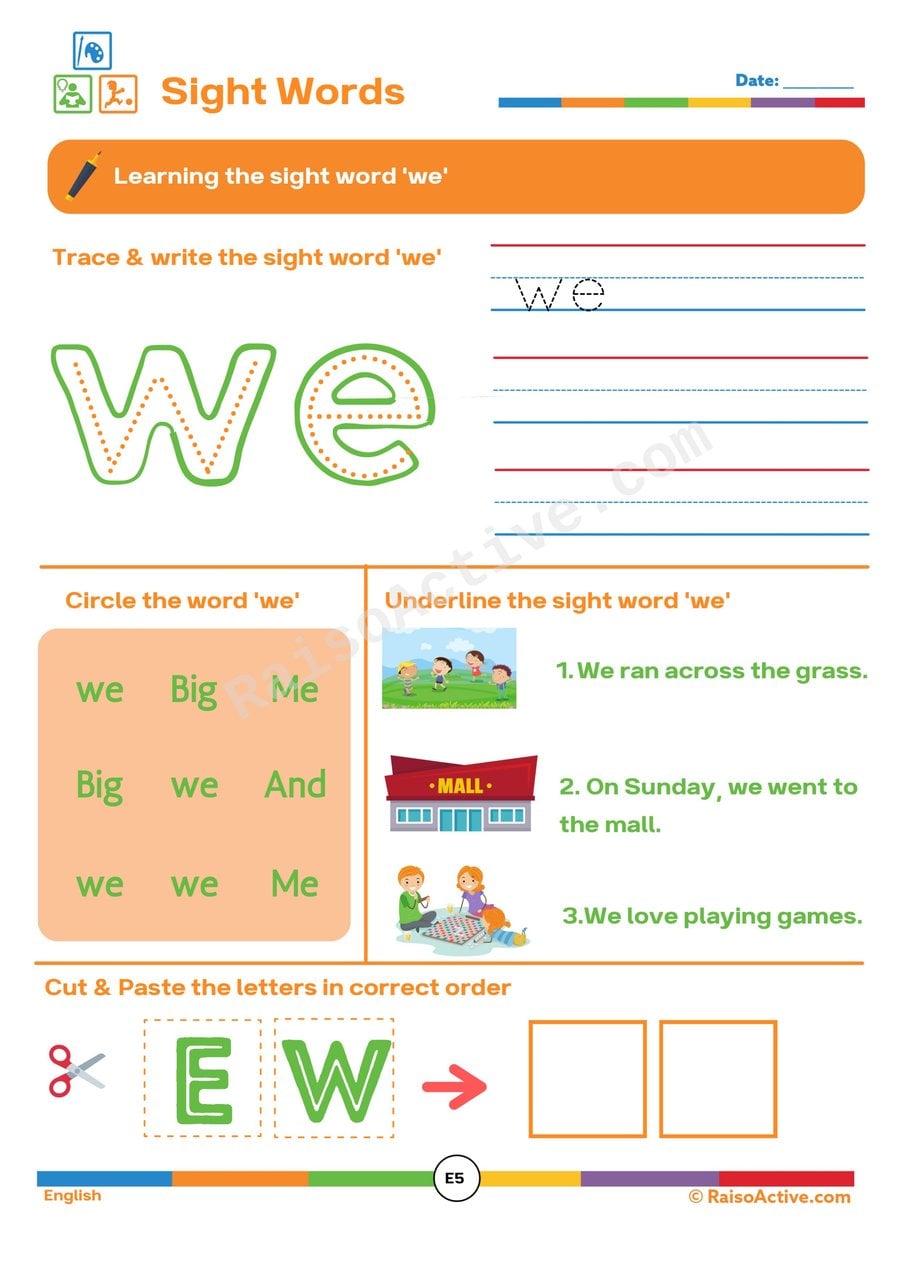
Sight Word 'We' Worksheet: Trace, Write, and Find!
This worksheet builds deep familiarity with the sight word 'we' in children ages 3-5 through four different practice formats — tracing, independent writing, circling, and finding the word within sentences — layered onto a single page. Repeating the same word across so many formats in one sitting is specifically designed to move 'we' from a word your child sounds out each time into one they recognize instantly on sight.

My Personal Details Worksheet: Fill in the Blanks!
This worksheet has children ages 3-5 write their own name, age, and other basic personal information into labeled blanks, building both early writing practice and a sense of personal identity. Learning to write and recognize one's own personal details is a genuinely meaningful, motivating writing task for young children, since it's about themselves rather than an abstract exercise.
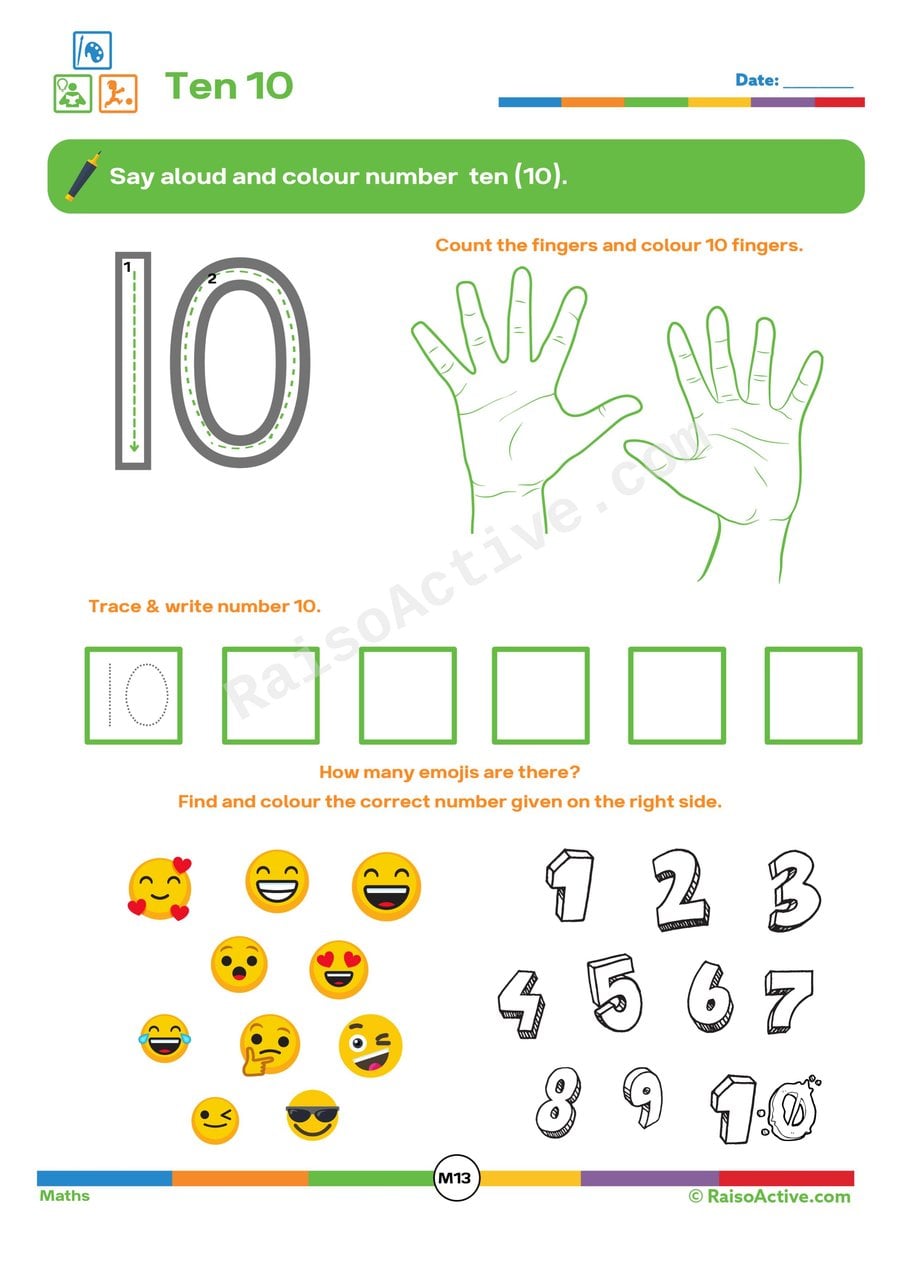
Number 10 Worksheet: Trace, Count, and Color!
Children ages 3-5 practice tracing and writing the two-digit number 10 while reinforcing counting to ten through a hands-based counting activity and a number-recognition search task. This worksheet layers several skills — tracing, counting, and visual recognition — to give children multiple ways to practice the same number.

Makar Sakranti Fill-in-the-Blanks Worksheet for Kids
Children ages 3-5 practice early reading comprehension and vocabulary by using a picture as a visual clue to fill in missing words about the festival of Makar Sankranti. Connecting a passage's meaning to an accompanying image helps children develop the habit of using context clues, a key strategy for later independent reading.

Count the Owls and Chicks! A Fun Counting Worksheet for Preschoolers
Counting groups of owls and chicks and circling the matching number builds one-to-one correspondence for children ages 3-5, the core skill of touching or pointing to each item exactly once while counting. Working with two different characters in the same activity also teaches children to reset their count for each new group rather than carrying a total over, an easy mistake at this age. This repeated counting-and-matching format across the page builds both accuracy and counting stamina.

C or K? Beginning Sounds Worksheet for Preschoolers
This worksheet teaches children ages 3-5 an important early spelling rule: the /k/ sound at the beginning of a word can be spelled with either 'c' or 'k', and knowing which to use is one of the first spelling patterns young readers encounter. Children practice listening for the /k/ sound in each picture's name and then applying the rule to choose the correct letter. This bridges phonics awareness into functional spelling, since children are producing print, not just recognizing sounds.

Demonstrative Pronoun Fun: Farm Animals Worksheet for Kids
Using farm animal pictures as the context, children ages 3-5 practice choosing the right demonstrative pronoun — this, that, these, or those — based on how close or how many animals are shown. Anchoring the grammar concept in familiar, engaging farm animals makes an otherwise abstract idea about proximity and number much easier for young children to grasp.

Letter X Tracing Worksheet for Preschoolers: Learn to Write!
Children ages 3-5 practice tracing the letter X, whose crossing diagonal lines offer valuable fine motor practice distinct from the curved or straight letters more commonly traced. Since few words begin with X, this worksheet also introduces children to less common but still important vocabulary, like 'X-ray' or 'xylophone', broadening their early word bank. Repeated tracing continues building the pencil control needed for confident handwriting.

Letter K Tracing and Coloring Worksheet for Preschoolers
This worksheet builds recognition and formation of the letter K in both uppercase and lowercase forms through tracing, coloring, and identifying words that start with K, like 'kite' or 'kangaroo.' For three- to five-year-olds, working through both letter cases together, plus circling the letter among distractors, strengthens visual discrimination alongside handwriting practice.

My Family Worksheet: Learn About Family Members!
Writing the names of family members next to their pictures helps children ages 3-5 connect written words to real relationships in their own lives, combining early handwriting practice with meaningful, personal vocabulary. Because the content is about their own family, this worksheet tends to feel especially engaging and easy to talk about.
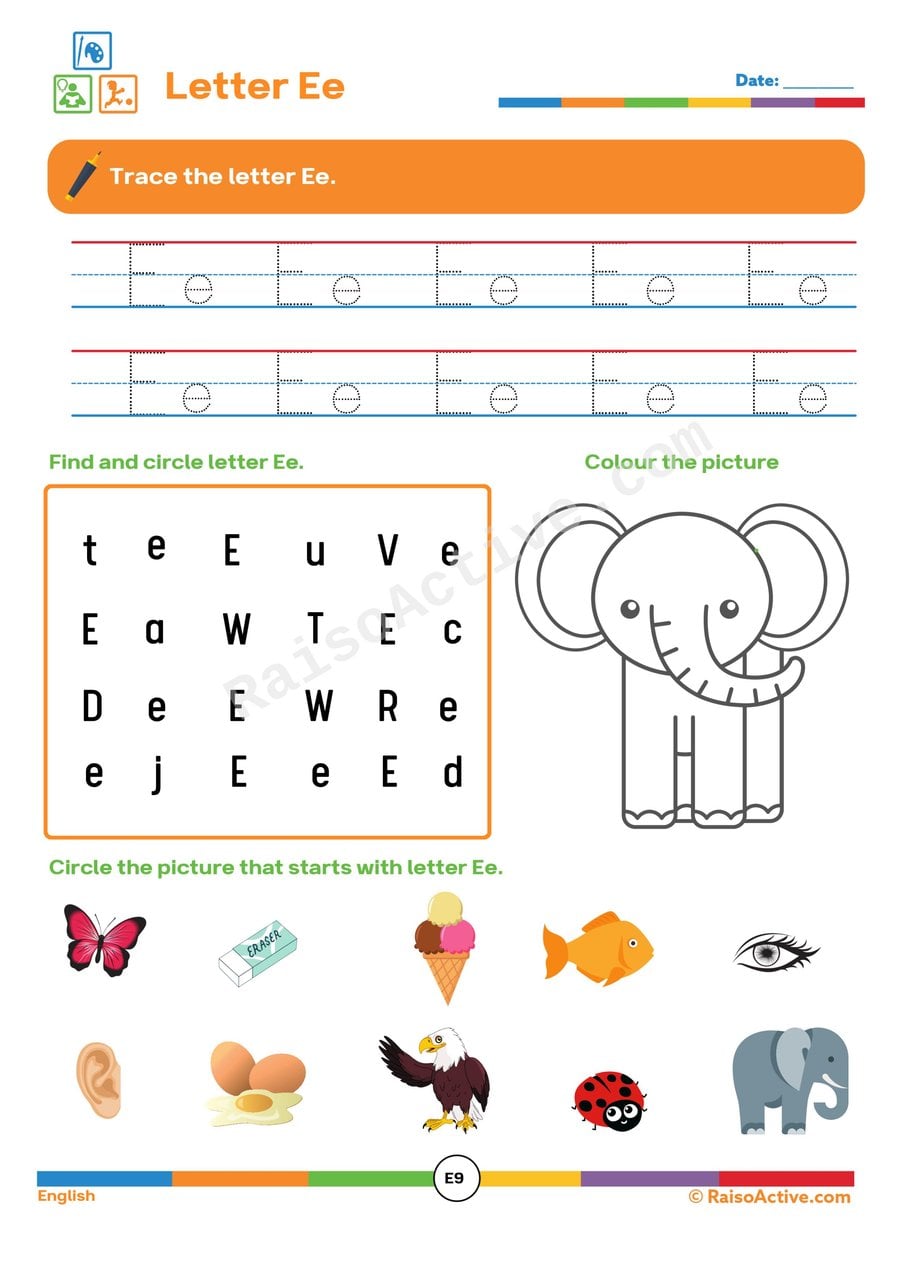
Letter Ee Worksheet: Trace, Find, and Color!
This worksheet gives children ages 3-5 layered practice with the letter Ee — tracing it, finding it inside a word search grid, and identifying an elephant along with other pictures that start with the same sound. Repeating the letter across a tracing task, a visual search, and a picture-matching task in one sitting builds stronger, faster recognition than any single activity could alone.

Festival Fun: Name the Festivals Worksheet for Kids
This worksheet helps children ages 3-5 connect festival images to their written names, practicing early writing and word-recognition skills using a supportive word bank. Copying and matching real words to pictures builds print awareness — the understanding that written words carry specific meaning — an important pre-reading milestone.
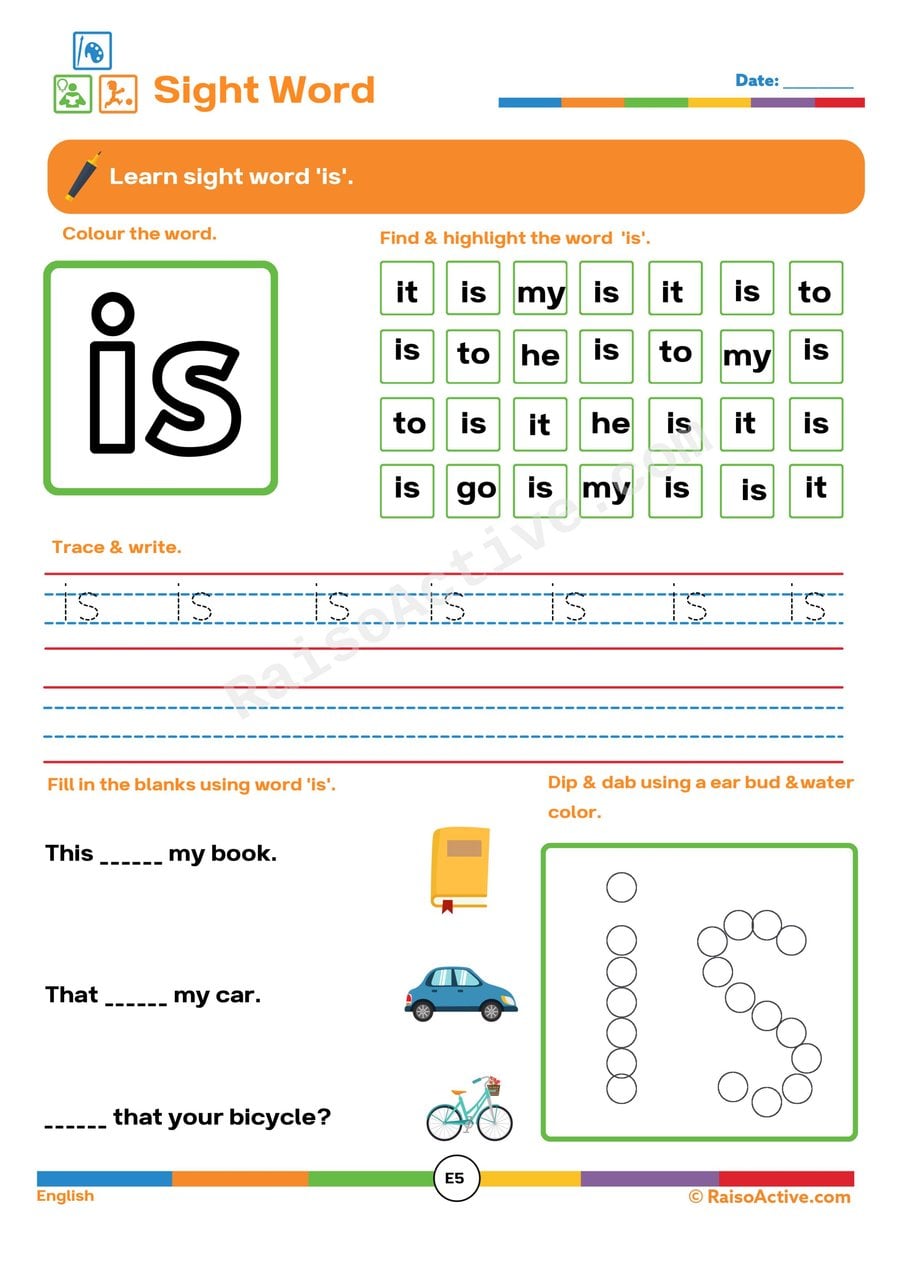
Sight Word 'is' Worksheet: Trace, Find, and Write!
Children ages 3-5 build instant recognition of the high-frequency sight word 'is', practicing it through coloring, tracing, searching, and writing for repeated exposure across multiple formats. As one of the earliest and most common words children encounter in print, quickly recognizing 'is' by sight significantly boosts early reading fluency. Completing fill-in-the-blank sentences also shows children how this small but essential word functions within everyday sentences.
Kite Flying Tracing Worksheet for Preschoolers
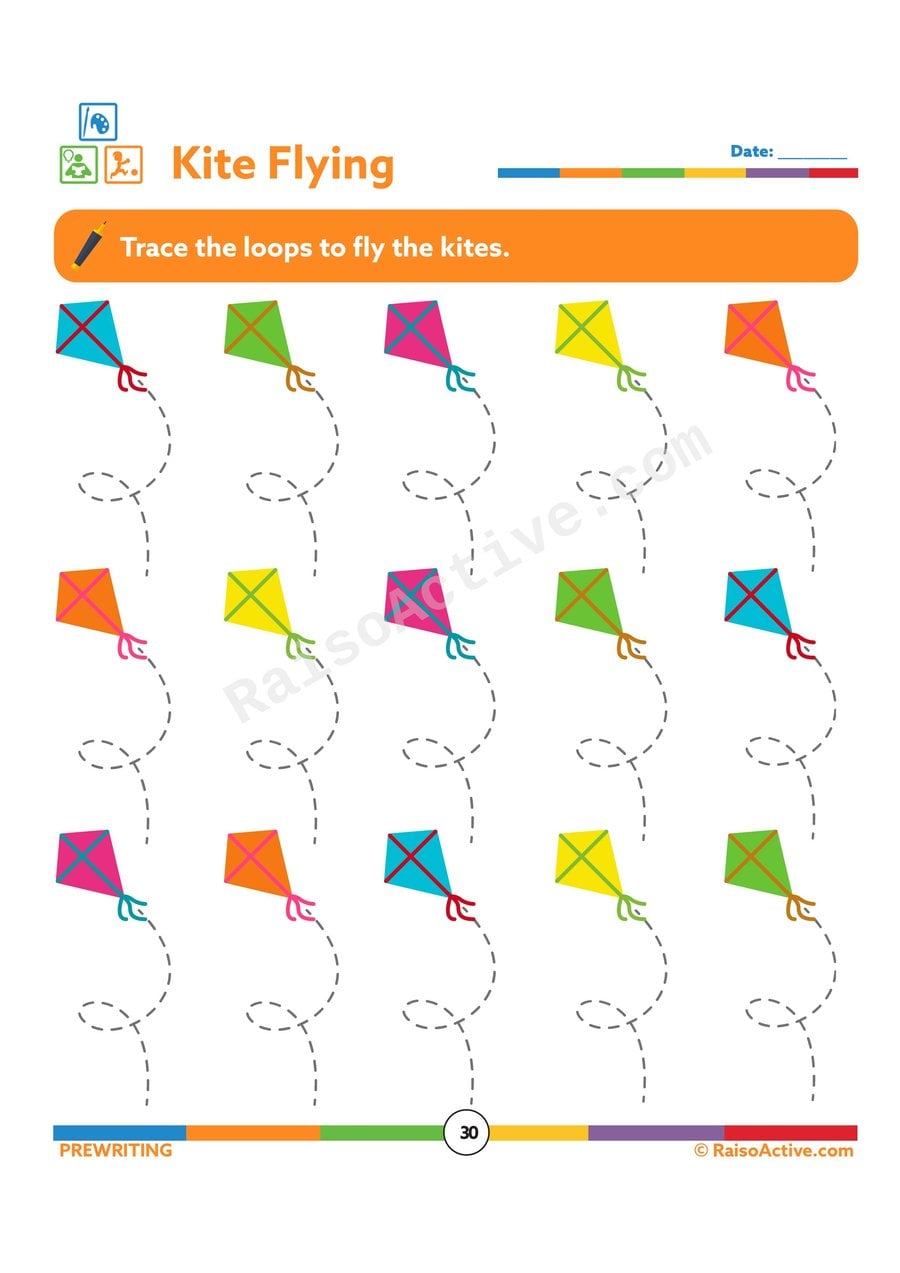
Tracing a kite's string line gives children ages 3-5 practice with a long, often gently curving or diagonal stroke, while the theme introduces simple vocabulary about wind and flying. Because a kite string is usually drawn as one long, continuous line rather than a short repeated shape, this worksheet builds a child's ability to sustain a single controlled pencil motion over a longer distance.

In Family Words Worksheet: Read, Trace, and Identify the Pictures!
Reading, tracing, and matching words from the 'in' family — like pin, fin, and win — helps children ages 3-5 notice that changing just the first letter of a word while keeping the same ending creates a whole new word, a key phonics insight called word family recognition. Tracing each word alongside reading it builds handwriting muscle memory at the same time as reading fluency. Circling the picture that matches each traced word also checks true comprehension, not just the ability to sound out letters.
My Book: A Fun Worksheet for Early Learners
Writing their own name on the cover of something they made gives a 3-5 year old a real, motivating reason to practice name-writing — a very different feeling from tracing letters on a generic worksheet. It's often one of the first pieces of writing a child feels ownership over, which matters for building confidence around writing in general.

Smile with Smiley Face! A Fun Tracing Worksheet for Preschoolers
Tracing a smiling mouth teaches children ages 3-5 the upward curved stroke used in letters like u and later cursive forms, while also tying that curve to something personally meaningful, a smile. Because the shape mirrors an expression children make and recognize every day, this worksheet connects fine motor practice to social-emotional awareness about what a smile looks like and means.
Letter W Worksheet: Trace, Color, and Learn!
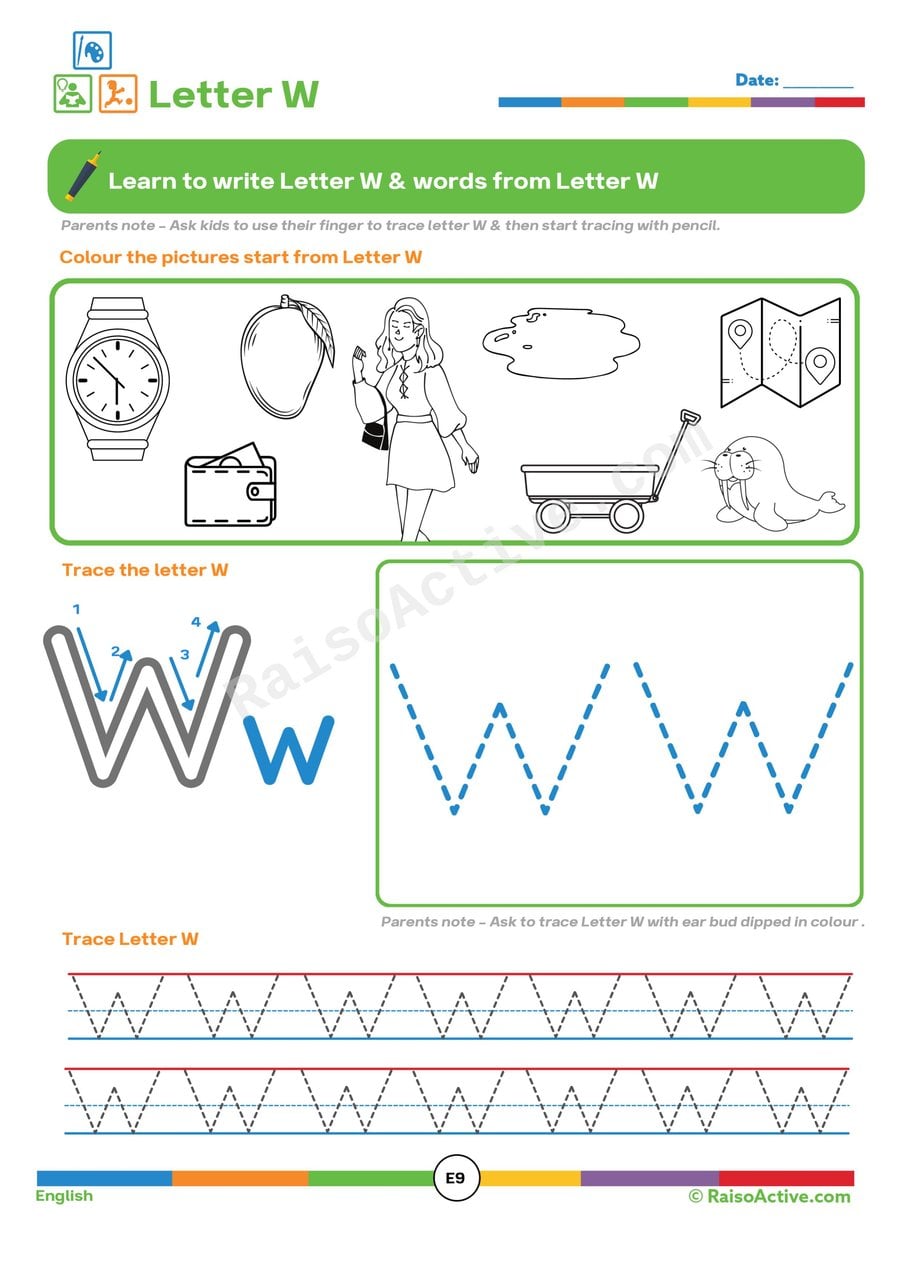
Children ages 3-5 practice tracing both the uppercase and lowercase forms of the letter W, learning to distinguish the sharper zigzag of the capital from the rounded double-curve of the lowercase. This dual-case tracing builds the visual discrimination and fine motor precision needed to eventually read and write both forms correctly. Coloring W-word pictures ties the letter's shape to its beginning sound for early phonics development.

My Name is: Sentence Building Worksheet for Early Learners
This sentence-building activity asks children ages 3-5 to cut apart puzzle pieces of words and arrange them in the correct order to form a complete sentence, giving hands-on practice with sentence structure before they write full sentences independently. Physically manipulating word pieces lets children experiment with word order and self-correct by reading the sentence aloud, which is more forgiving than committing straight to writing. Copying the assembled sentence onto lines afterward then bridges the gap from arranging words to writing them from scratch.

Secret Words Worksheet: Beginning Sounds Practice
Repeated practice identifying beginning sounds is exactly what children ages 3-5 need to move from recognizing letters in isolation to actually using them for reading and spelling, and this worksheet delivers that practice through a row-by-row secret word puzzle. Saying each picture's name aloud and isolating its first sound trains careful listening, while writing the matching letter connects that sound to its written form. The cumulative reveal of a secret word at the end gives children a clear, motivating sense of progress across the page.

Learn the Letter N! Tracing and Coloring Worksheet for Preschoolers
This worksheet helps children ages 3-5 build the specific hand movements needed to form the letter N, tracing both its uppercase and lowercase shapes while also linking the letter to its sound through picture coloring. Repeated tracing strengthens the pencil grip and directional control that later support fluent handwriting.
C, D, E Letter Sounds Worksheet: Circle and Count!
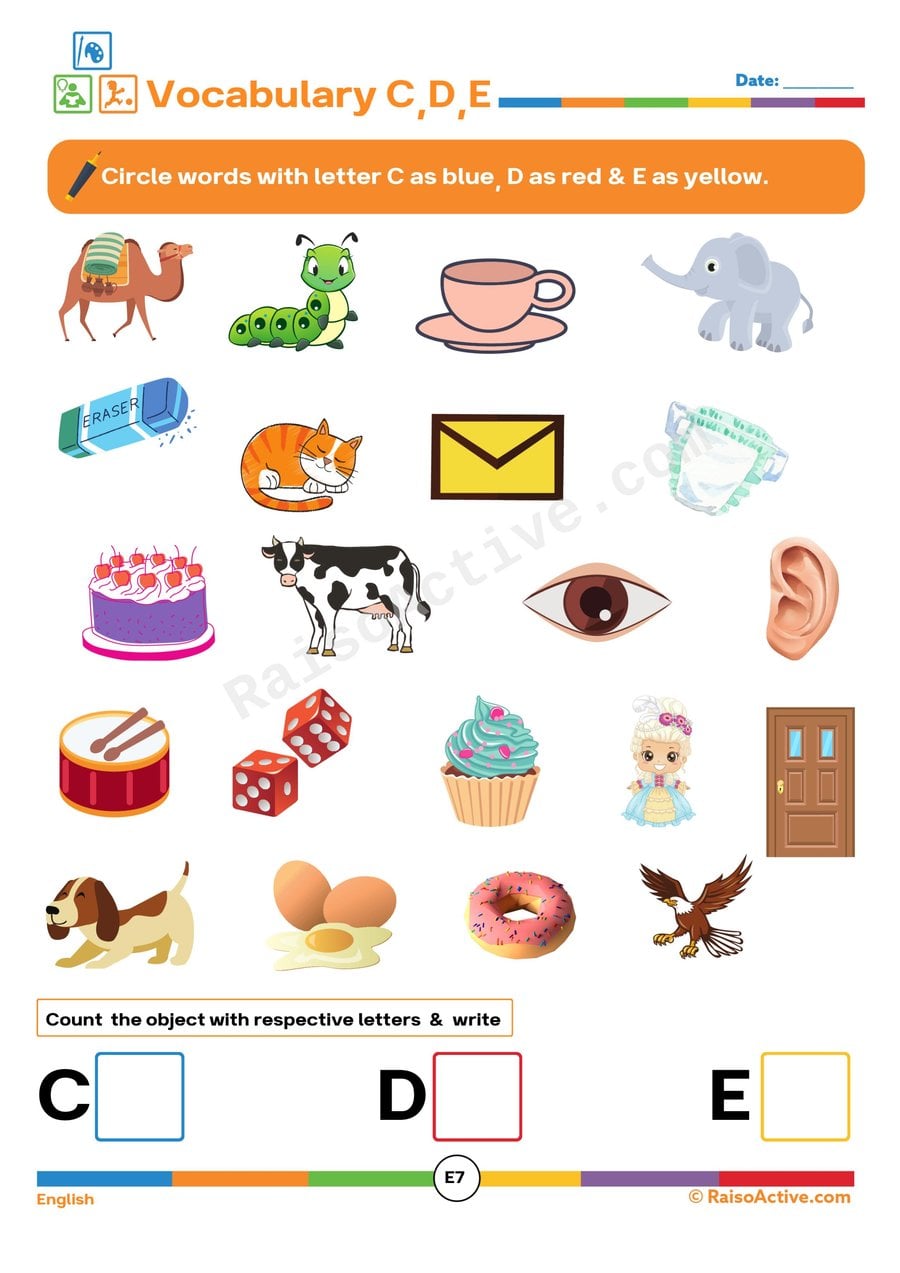
This activity gives children ages 3-5 focused practice recognizing the beginning sounds of the letters C, D, and E, asking them to circle matching pictures in different colors for each letter before counting the results. Combining phonics with counting means children practice two skills in one sitting: identifying initial letter sounds and recording a numeric total, both foundational for kindergarten readiness. Color-coding each letter also helps children visually organize the three sounds instead of mixing them together.

Unscramble the Words: A Fun Phonics Worksheet for Preschoolers!
Unscrambling letters to spell a simple word asks children ages 3-5 to apply their phonics knowledge in a more active, puzzle-like way than straightforward reading, since they have to mentally test different letter orders against the sounds they know a word should contain. This worksheet uses picture support to guide the unscrambling process, then adds a second missing-letter task to reinforce the same spelling pattern one more time. Working through a scrambled word forces genuine engagement with letter order and sound sequence, rather than passive word recognition.

Fun 'op' Word Family Worksheet: Trace, Read, and Identify!
This worksheet builds phonics fluency by focusing on the 'op' word family, mop, cop, pop, top, and hop, helping children recognize that changing just the first letter of a word creates a whole new word with a shared ending sound. For ages 3-5, word family practice is one of the most effective early reading strategies, since it teaches children to decode groups of similar words rather than sounding out each one from scratch.
What EYFS number tracing worksheets cover
Number tracing at three stays within the numerals one to five, each shown large with a thick dotted path and a single starting dot. A worksheet should pair every traced numeral with that many pictures, so the child says the count out loud while tracing the matching digit. Reaching all five digits by the end of the year is a reasonable goal; six through ten and any expectation of writing a numeral without a model are still ahead.
- Trace numerals one to five along a thick dotted path
- Count the pictures beside a numeral while tracing it
- Say the numeral's name aloud with each traced stroke
- Match a traced numeral to a group of that many dots
How to use these worksheets at home or in class
Five to ten minutes at a table, with an adult alongside to talk through the sheet, is enough at any point in this stage. Use a worksheet to echo something already met through play that week rather than to introduce a brand new idea.
Start with the sheet that matches what your child can already do, then move one step up. Keep finished sheets in a folder: EYFS teachers often ask for evidence of practice, and children like seeing their own progress.
Is your child ready for EYFS number tracing work?
Look for a child who can make deliberate marks with a crayon, sit briefly at a table, follow a one-step spoken instruction and show curiosity about letters or numbers seen around the house or classroom.
- Trace numerals one to ten with a marked starting dot
- Count a group of objects, then trace the matching numeral
- Follow the arrow so curved numerals like 2 and 3 start right
Frequently asked questions
Should a three-year-old trace numbers before or after counting practice?
After, and alongside rather than instead of it. A child who can count five objects reliably gets far more out of tracing the numeral 5, because the digit is standing for something already understood. Tracing numerals before counting is secure tends to produce a shape copied without meaning. Keep counting games running daily and add numeral tracing for whichever number the child can already count to with confidence.
What should a EYFS child be able to do in number tracing?
Number tracing at three stays within the numerals one to five, each shown large with a thick dotted path and a single starting dot. A worksheet should pair every traced numeral with that many pictures, so the child says the count out loud while tracing the matching digit. Reaching all five digits by the end of the year is a reasonable goal; six through ten and any expectation of writing a numeral without a model are still ahead. Look for a child who can make deliberate marks with a crayon, sit briefly at a table, follow a one-step spoken instruction and show curiosity about letters or numbers seen around the house or classroom.
Do these worksheets follow the EYFS curriculum?
The sheets cover numeral formation 0–9, correct stroke direction for each digit, number-to-quantity matching and consistent numeral size and spacing, which sit inside the EYFS Early Learning Goals (Statutory Framework) outcomes for EYFS. Preschool and Pre-K (US), Nursery and LKG (India) use the same skills at this age, so the sheets also fit families following those programmes.
Are these EYFS number tracing worksheets free?
Yes. Each worksheet downloads free as a watermarked PDF once you create an account, with a limit of five a day. An annual membership ($20) removes the watermark and the limit for the whole library of over 1,000 worksheets and every printable pack.

Written by
Hemsweta Jain · Teacher Cheena
MBA and Early Childhood Educator, teaching since 2014 · Founder of RaisoActive, Mumbai
Written and reviewed by Hemsweta Jain (Teacher Cheena), who designs every RaisoActive worksheet.
Last reviewed
Printable packs for ages 3–5
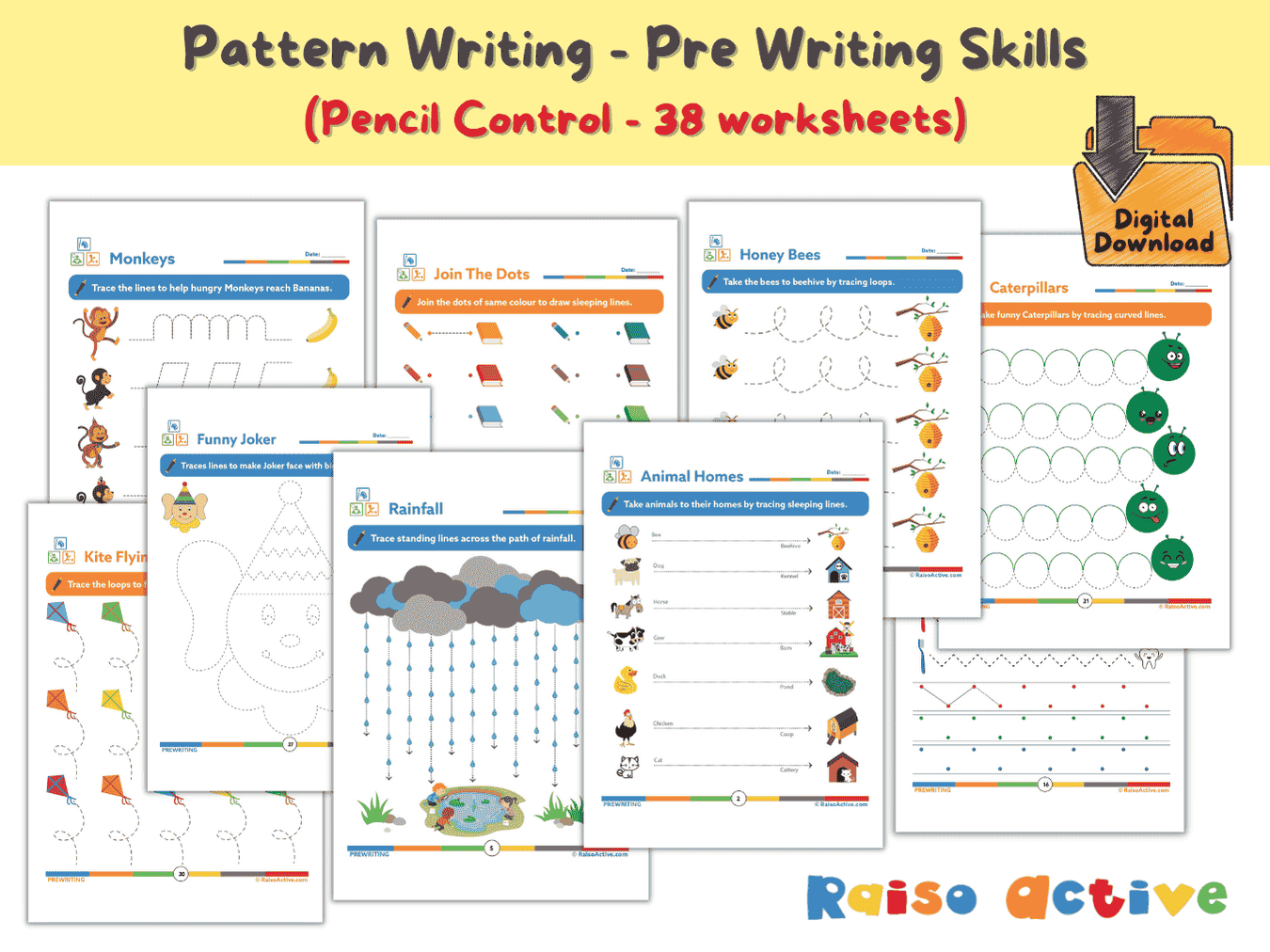
Pattern Writing Pre-writing Skills Activity Book for 3-4 Year Olds
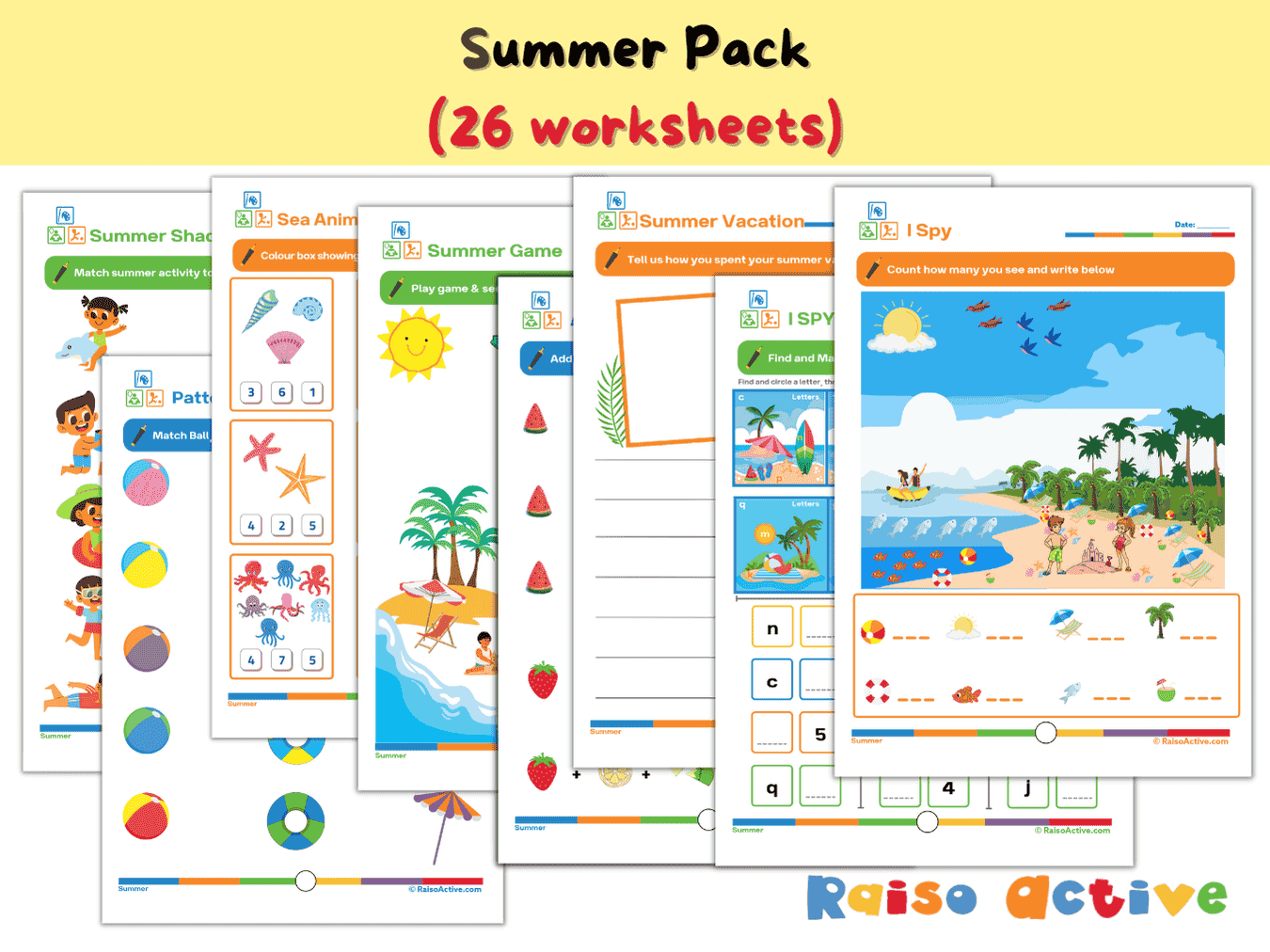
Summer Activity Pack: Math, Literacy, Puzzles & More for Preschool & Kindergarten
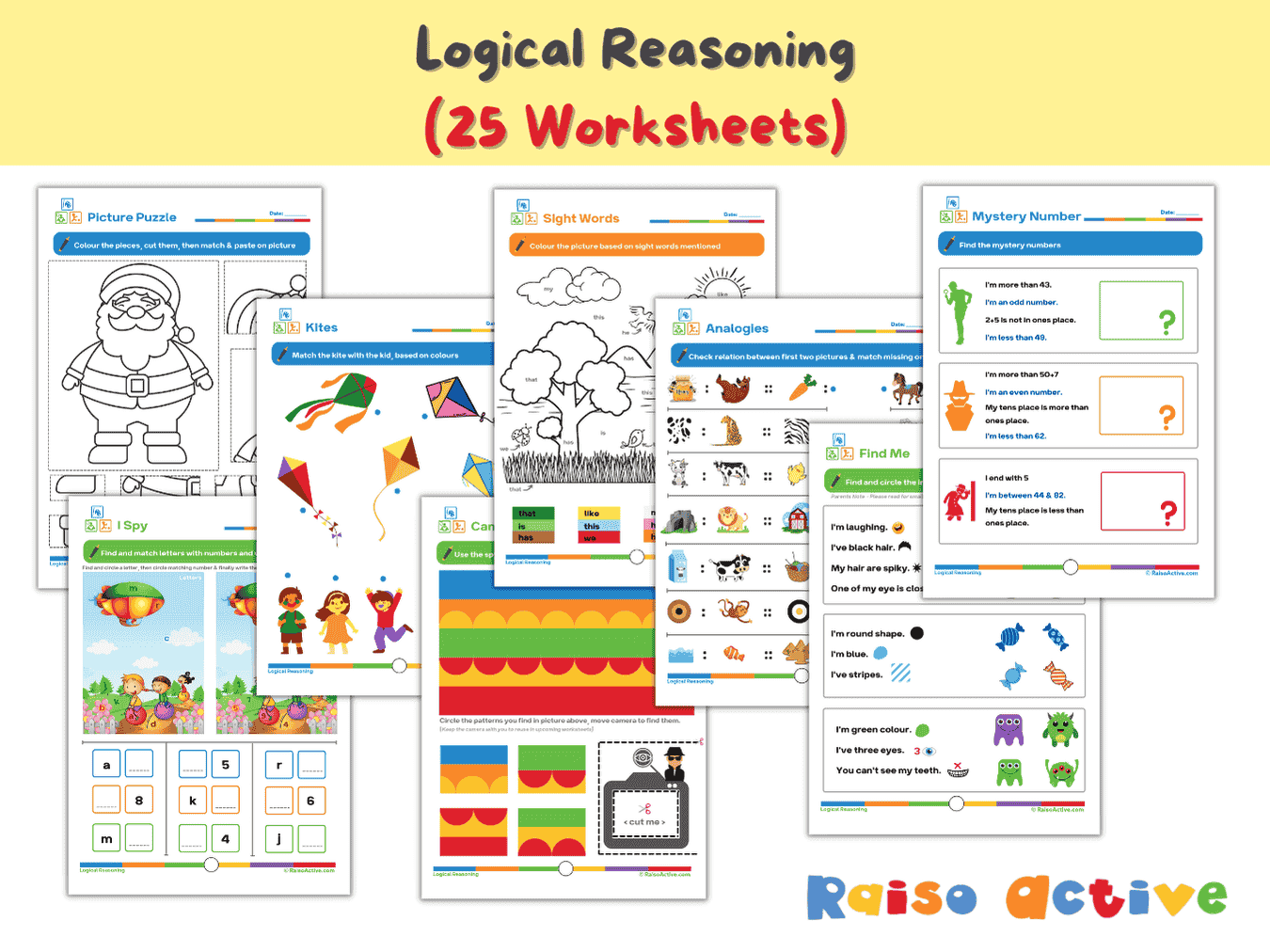
Logical Reasoning Activity Book for Preschool & Kindergarten | Patterns, Puzzles & Analogies
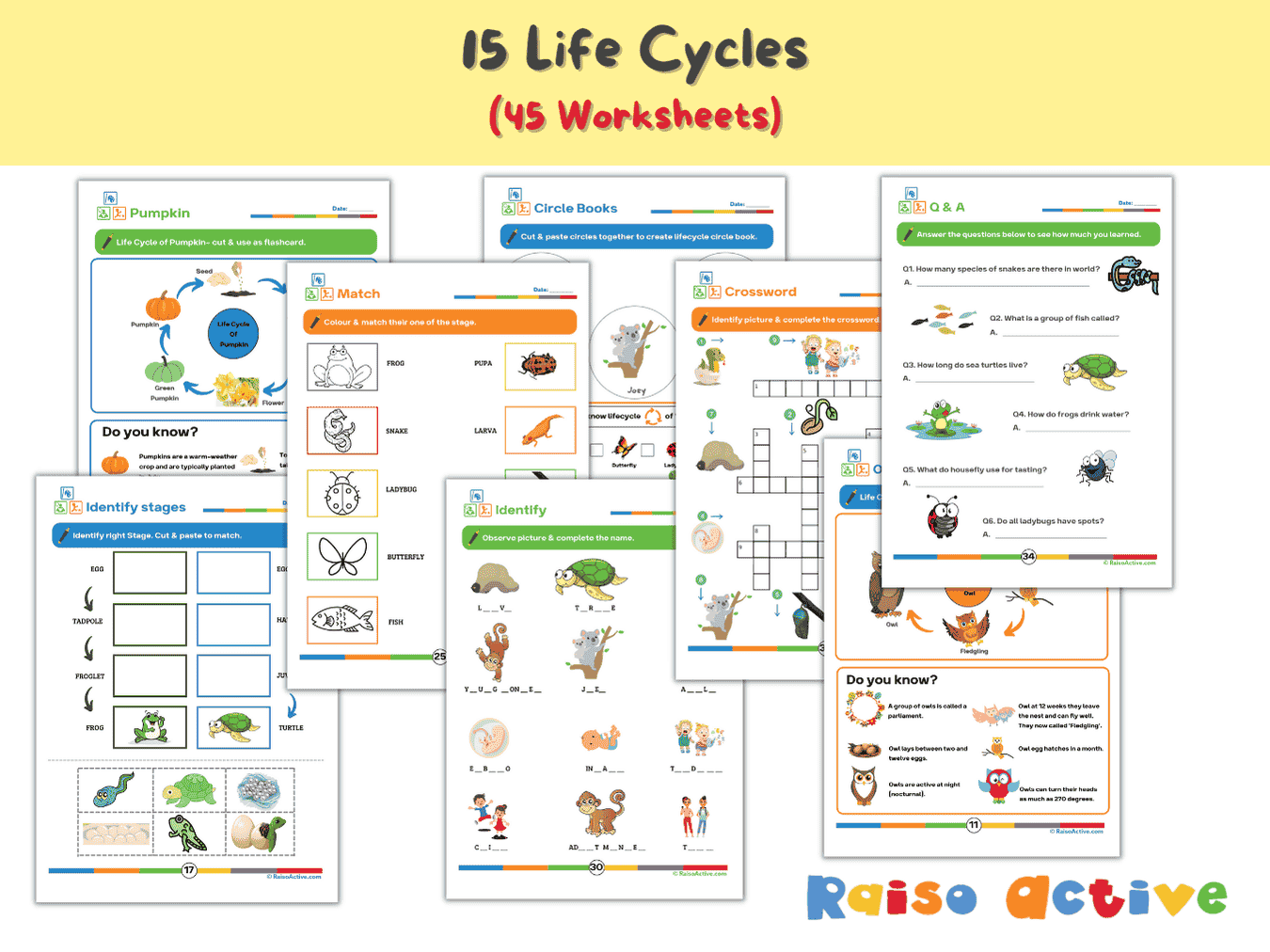
Lifecycles Activity Book & Flashcards for Preschool & Early Elementary
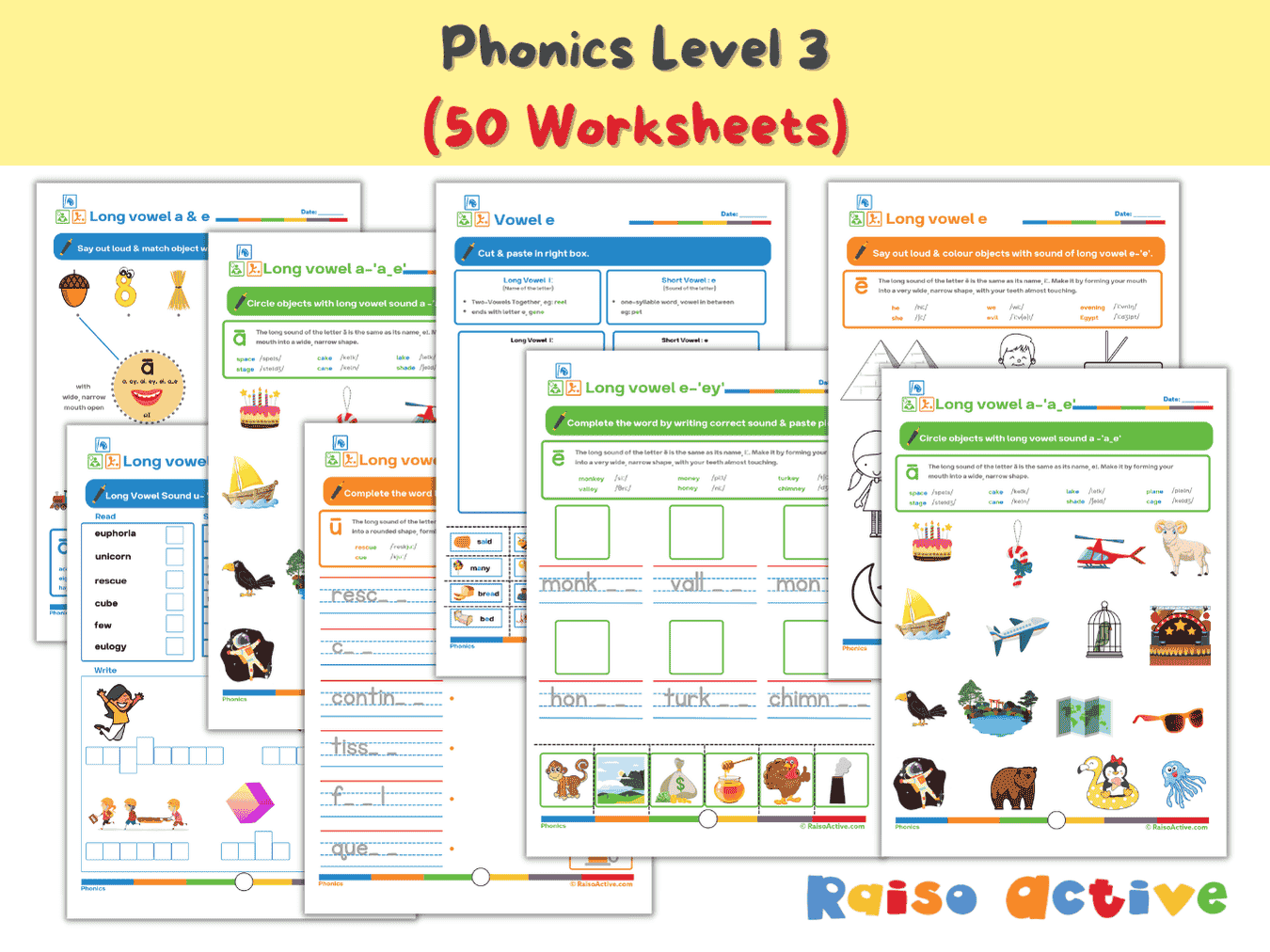
Phonics Level 3 Long Vowels Activity Book for Kindergarten & 1st Grade
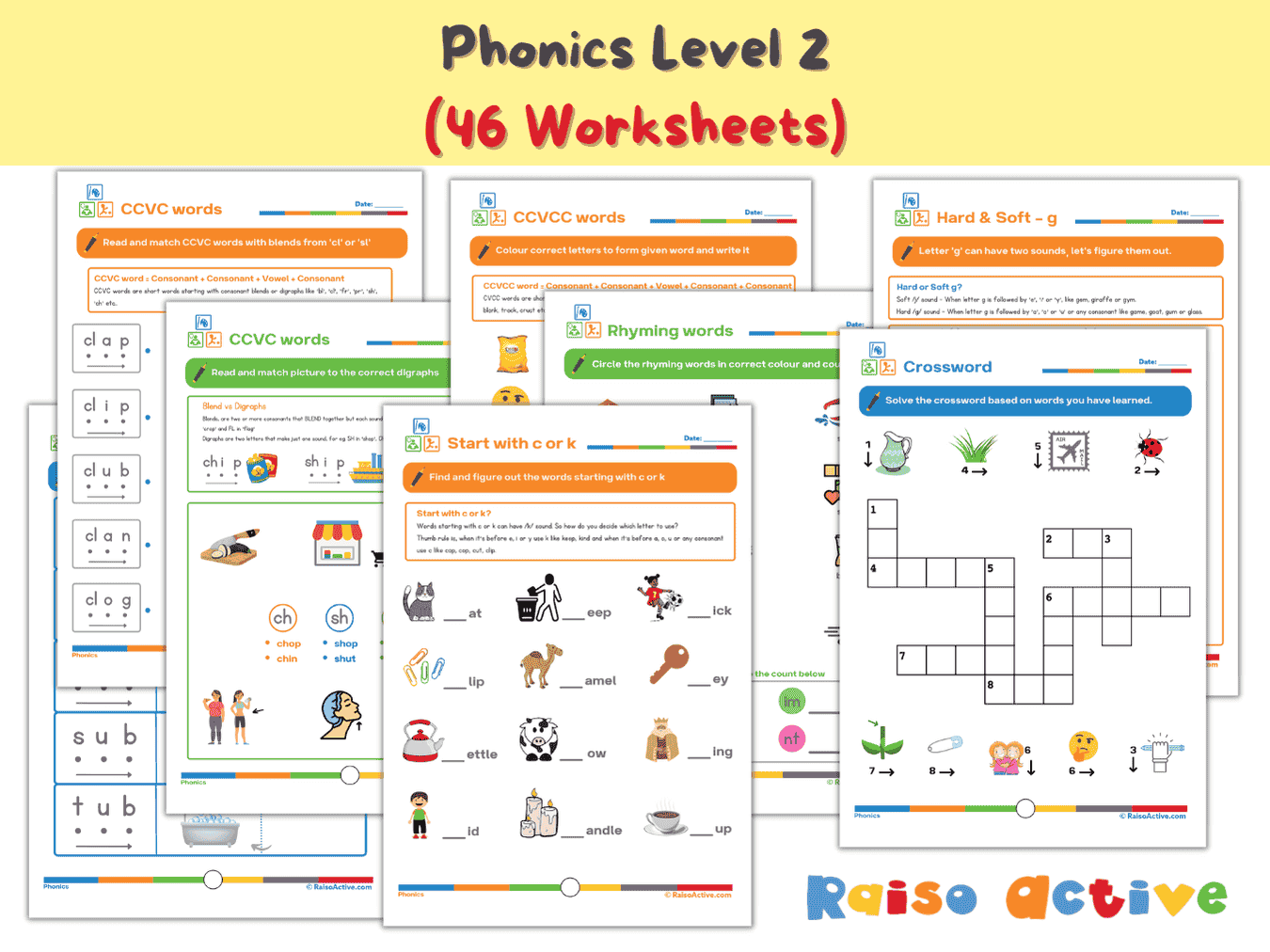
Phonics Level 2 Worksheets: CVC, CCVC, CVCC Word Families & Blends for Early Readers (Ages 4-7)
Guides for parents and teachers
See all guides →Number Formation Rhymes 0–9 and How to Fix Reversals
Original number formation rhymes for 0–9, the correct stroke order for each digit, why 3, 5 and 7 get reversed most often, and multisensory fixes that work.
What's the Best Alternative to ABCmouse? A Complete Parent's Guide to Free and Affordable Educational Apps
ABCmouse runs ~Rs 4,000-5,000/year with US spellings and curriculum. Compare free & affordable Indian-friendly apps like Khan Academy Kids and DIKSHA.
Is My Child Ready for Kindergarten? Essential Skills and Honest Assessment
Wondering if your child is ready for Class 1 or kindergarten? Learn the 5 domains of school readiness, what Indian schools look for, and how to support your child at home.
Complete Guide to Jack Hartmann Worksheets: Enhancing Educational Videos with Hands-On Learning
Discover how to pair Jack Hartmann YouTube videos with printable worksheets for deeper learning. Counting, alphabet, sight words activities for preschool to Grade 1.
My Child Can Count But Can't Write Numbers — Is This Normal? A Parent's Complete Guide
Yes, it's developmentally normal - counting and writing use different skills. See why the gap happens and simple activities (no worksheets) to bridge it.
What's the Best Way to Teach Number Formation to Young Children? A Complete Guide
Discover the best methods to teach digit formation (0-9) to young children — stroke sequences, verbal cues, multi-sensory techniques, and fixing common reversals.
Canonical: https://raisoactive.com/worksheets/eyfs-number-tracing