Free printable worksheets · India
Nursery Number Tracing Worksheets (Ages 3–4)
Nursery number tracing worksheets are practice sheets for children aged 3–4 in Nursery in India. Number tracing is following the dotted outline of a printed numeral with a pencil, practicing the correct stroke direction and shape for each digit. The sheets on this page cover numeral formation 0–9, correct stroke direction for each digit, number-to-quantity matching and consistent numeral size and spacing.
Nursery marks the first year an Indian child sits at a table with a pencil rather than only playing with one. Grip is still developing, so schools expect pre-writing strokes, colouring within a bold outline, matching identical pictures and counting small groups rather than any letter writing. Attention rarely holds past a few minutes at a stretch. Number tracing at three stays within the numerals one to five, each shown large with a thick dotted path and a single starting dot. A worksheet should pair every traced numeral with that many pictures, so the child says the count out loud while tracing the matching digit. Reaching all five digits by the end of the year is a reasonable goal; six through ten and any expectation of writing a numeral without a model are still ahead.
762+ worksheets · free PDF download · print on A4 or Letter
Nursery Number Tracing Worksheets to print
Browse all worksheets for ages 3–4
My Family Worksheet: Learn About Family Members!
Writing the names of family members next to their pictures helps children ages 3-5 connect written words to real relationships in their own lives, combining early handwriting practice with meaningful, personal vocabulary. Because the content is about their own family, this worksheet tends to feel especially engaging and easy to talk about.

Letter L Tracing Worksheet for Preschoolers: Learn to Write!
This worksheet helps children ages 3-5 practice tracing the letter L's simple straight-line strokes while identifying words that start with the letter L, giving early success with one of the more approachable letters to write. Because L uses just two straight strokes, it's often a confidence-building letter for children still building fine motor control.

Sight Word 'Did' Worksheet: Read, Trace, and Complete Sentences!
This worksheet strengthens sight-word recognition for children ages 3-5 through repeated exposure to the word 'did' — tracing it, writing it, completing sentences with it, and spelling it by cutting and pasting letters. Because 'did' is a past-tense helper word that doesn't sound out easily, this kind of varied repetition is exactly what builds the instant recognition needed for reading fluency.

Missing Numbers: Ice Cream Fun Worksheet for Kids
This worksheet helps children ages 3-5 practice number sequencing by identifying and writing in the missing numerals within a series of ice cream cones and cars, numbers 1 through 10. Filling in a gap within an otherwise familiar sequence requires children to hold the whole counting order in mind and recognize what number logically belongs in the empty spot, which is more demanding than counting forward from the start each time. The playful ice cream and car theme keeps the repeated number practice visually engaging.

Letter Y Tracing and Recognition Worksheet for Preschoolers
This worksheet builds recognition and formation of the letter Y through guided tracing practice and by identifying pictures of words that start with Y, like 'yarn' or 'yo-yo.' For three- to five-year-olds, tracing first with a finger and then with a pencil builds the motor memory needed before a child can form the letter confidently on their own.

Letter Hh Tracing and Matching Worksheet for Preschoolers
Children ages 3-5 build letter recognition and handwriting readiness as they trace uppercase and lowercase Hh, identify the letter among different fonts, and match it to pictures of objects that start with the Hh sound. Practicing the letter across tracing, spotting, and sound-matching formats helps cement both its shape and its 'huh' sound more thoroughly than repetition of just one activity.

Letter I Tracing Worksheet: Learn to Trace and Identify Words
This worksheet builds recognition and formation of the letter I, both uppercase and lowercase, through tracing practice and identifying pictures of words that start with I, like 'igloo' or 'insect.' For three- to five-year-olds, uppercase I is one of the simplest letter shapes to form, making it a good confidence-building letter even as lowercase i, with its added dot, introduces a slightly trickier two-part stroke.

Learn to Read: Sight Word 'Hear' Worksheet for Preschoolers
'Hear' is a sight word children ages 3-5 encounter often in early books, and its spelling doesn't clearly match its sound, so children need repeated exposure to recognize it instantly rather than sound it out each time. This worksheet reinforces the word through five different activities — coloring, searching, tracing, sentence completion, and cut-and-paste spelling — which research on early literacy shows builds much stronger retention than repeating a single format. Because 'hear' is often confused with the similar-sounding word 'here,' practicing it in full sentences also helps children start to notice the meaning difference between the two.

Unscramble the Words: A Fun Phonics Worksheet for Preschoolers!
Unscrambling letters to spell a simple word asks children ages 3-5 to apply their phonics knowledge in a more active, puzzle-like way than straightforward reading, since they have to mentally test different letter orders against the sounds they know a word should contain. This worksheet uses picture support to guide the unscrambling process, then adds a second missing-letter task to reinforce the same spelling pattern one more time. Working through a scrambled word forces genuine engagement with letter order and sound sequence, rather than passive word recognition.

Gg Letter Tracing and Recognition Worksheet for Preschoolers
This worksheet helps children ages 3-5 practice writing both uppercase and lowercase Gg while training them to recognize the letter in different fonts and contexts, an important skill since printed letters don't always look identical to handwritten ones. Identifying pictures that start with Gg also builds phonemic awareness, linking the letter's shape to its 'guh' sound.
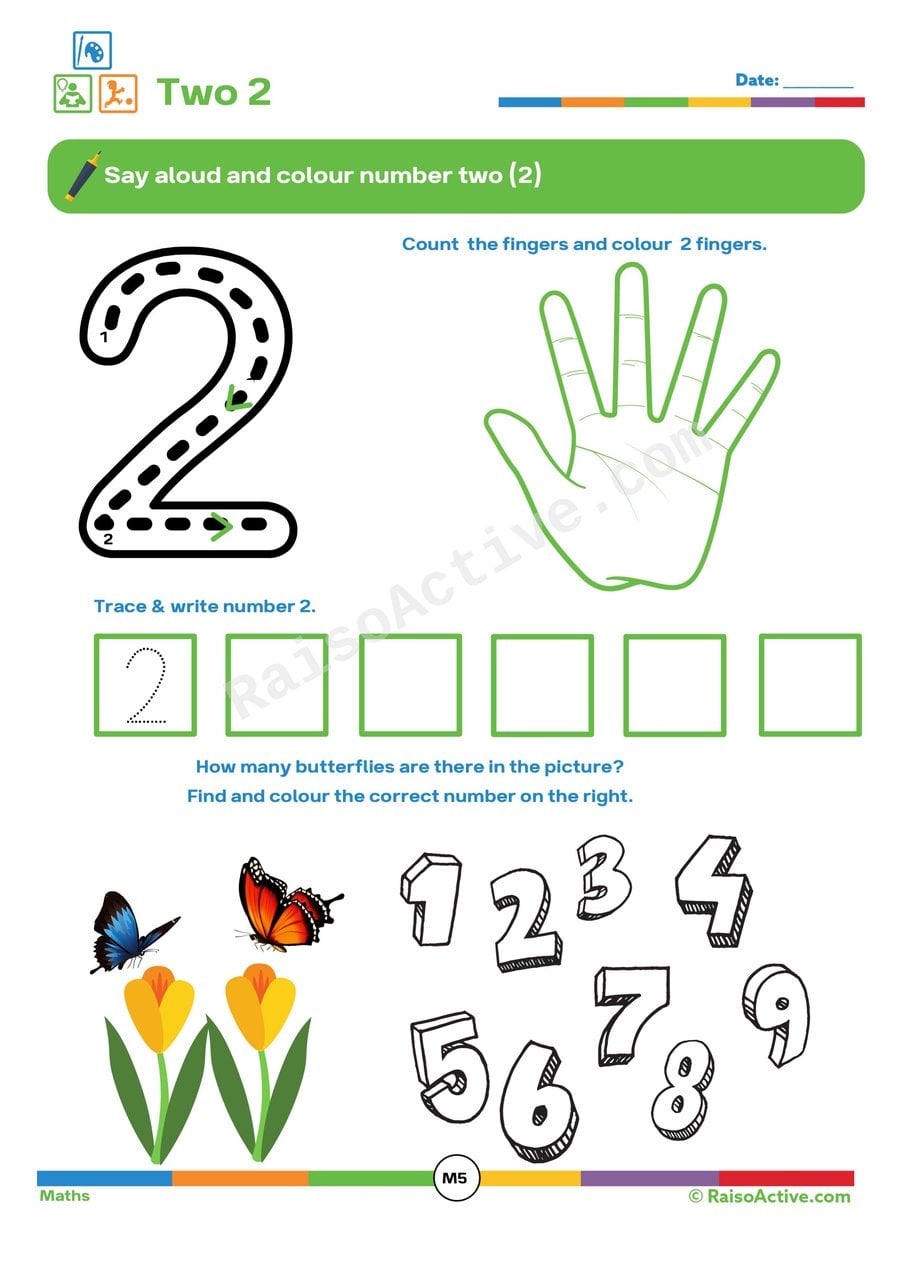
Number Two Worksheet: Trace, Count, and Color!
This worksheet helps children ages 3-5 learn to recognize and write the number two, count to two, and follow multi-step instructions across tracing, coloring, and counting sections. Practicing such a small number thoroughly, across several activities, builds the routine and confidence children need before moving on to larger numbers.
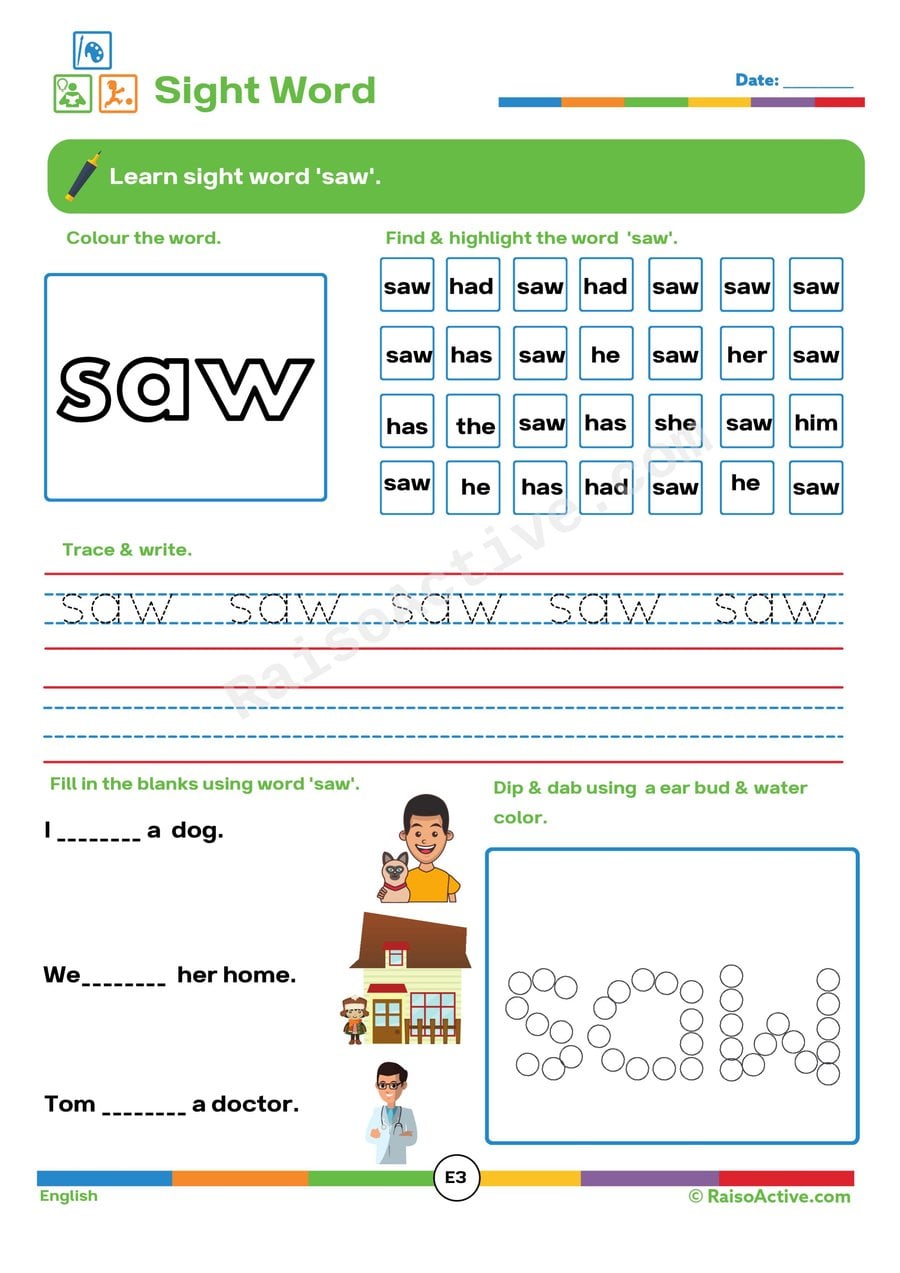
Sight Word 'Saw' Worksheet: Trace, Find, and Color!
The word 'saw' is another high-frequency sight word that doesn't follow standard phonics patterns, so children ages 3-5 need this kind of layered, multi-format practice — coloring, tracing, searching, and sentence completion — to build automatic recognition. Repeated exposure to the same word through different activities strengthens the visual memory needed for instant sight-word recall, which is essential since sight words make up a large percentage of the words in early beginner books. The variety of formats here also keeps a young child's attention across a longer practice session than a single repetitive task would.

Secret Words Worksheet: Find the First Letter! (Ages 3-5)
This Secret Words worksheet gives children ages 3-5 another round of practice isolating beginning sounds and matching them to letters, a skill that needs many repetitions across different word sets before it becomes reliable. Spelling out a hidden word letter by letter also introduces the earliest form of encoding — turning sounds into written symbols — which is the flip side of the decoding skills used in reading. The reveal-at-the-end structure keeps the repetitive listening practice feeling like a game rather than a worksheet.

Trace the Funny Caterpillars Worksheet for Preschoolers
Tracing the rounded segments that make up each caterpillar's body helps children ages 3-5 practice circular and curved pencil strokes while also reinforcing shape recognition, since each segment is essentially a circle or oval joined to the next. This combination of shape tracing and sequencing, moving from one segment to the next in order, builds the same left-to-right, in-order habits that later support reading and writing.

Trace the Waves! A Pre-Writing Worksheet for Kids
Tracing a series of connected wave shapes gives children ages 3-5 practice with a smooth, undulating curve that rises and falls repeatedly, a stroke pattern that underlies letters like m, n, u, and w. Unlike a single curve, a wave line requires the hand to reverse direction multiple times in one continuous motion without lifting the pencil, building more sustained curve control than a shorter, single-curve worksheet.
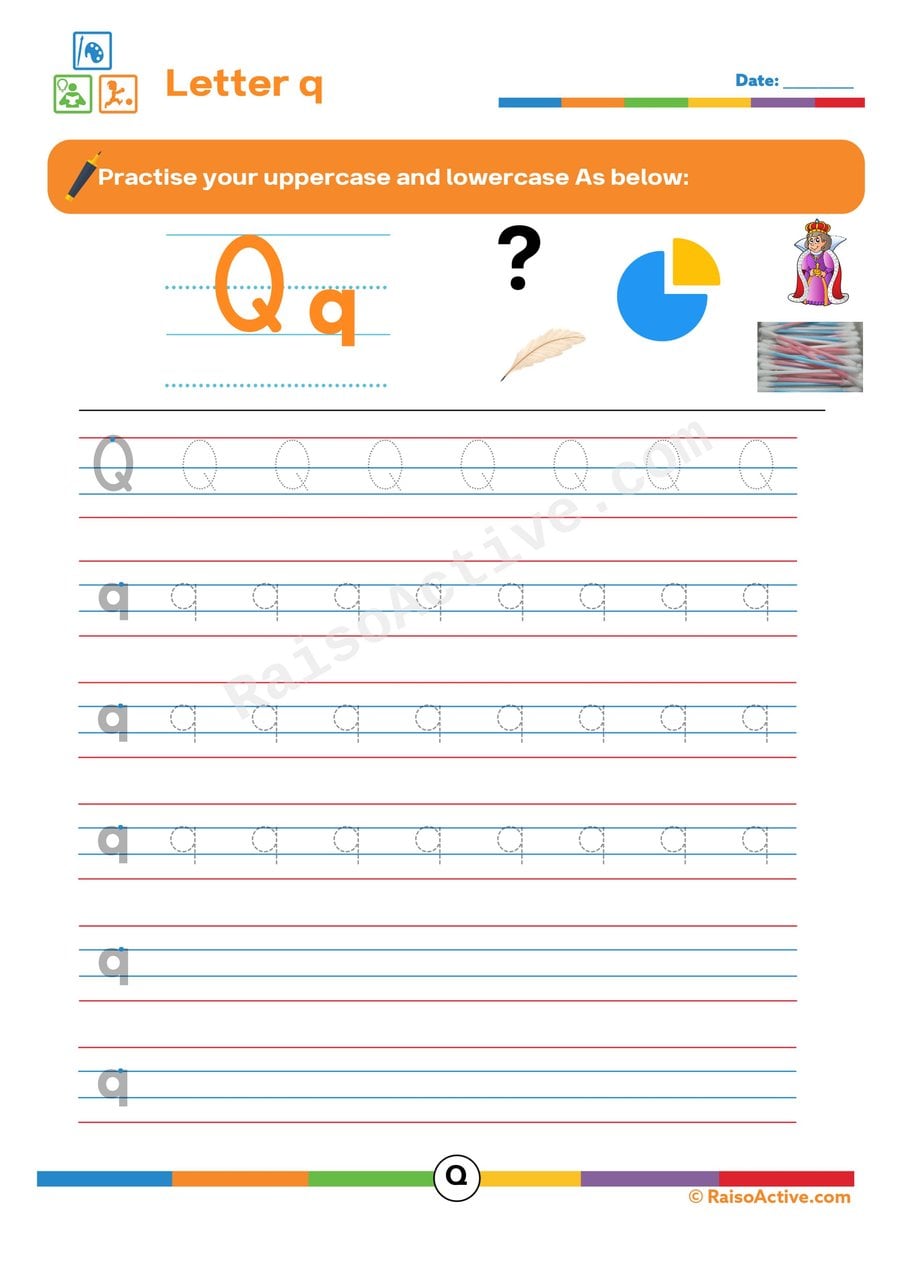
Letter Q Tracing Worksheet for Preschoolers
Q is unusual among the alphabet because it's almost never seen without a u right after it, and its shape — a circle with a small tail — visually echoes that pairing. Tracing Q at ages 3-5 builds the same curved-stroke control as O and C, while giving parents a natural opening to explain that Q and u are best friends who almost always appear together in words.

Learn the Letter 'm' Worksheet: Tracing, Matching, and Coloring Fun!
This worksheet builds letter 'm' recognition through four connected tasks — tracing its shape, matching pictures that start with the Mm sound, navigating a highlight maze to help an Eskimo find an igloo, and coloring 'm' objects — which together reinforce the letter through touch, sight, and sound rather than a single repetitive drill. Multi-step worksheets like this also build a young child's ability to follow a sequence of instructions across an activity, which is its own developmental skill at ages 3-5.

Phonics Worksheet: Write the First Letter and Draw!
Identifying the first letter of a pictured object's name and writing it down builds phonemic awareness and letter-formation practice for children ages 3-5, while the follow-up drawing task builds creative thinking and fine motor control.

Trace the Mixed Lines Worksheet: Help the Animals Find Their Babies!
This worksheet combines straight, curved, and zigzag lines on a single page, asking children ages 3-5 to trace whichever type of path connects each animal to its baby. Mixing line types in one activity is more demanding than a single-line-type worksheet because the hand has to switch motion patterns line by line, which builds flexibility in pencil control alongside early vocabulary about animal families, like cow and calf or cat and kitten.
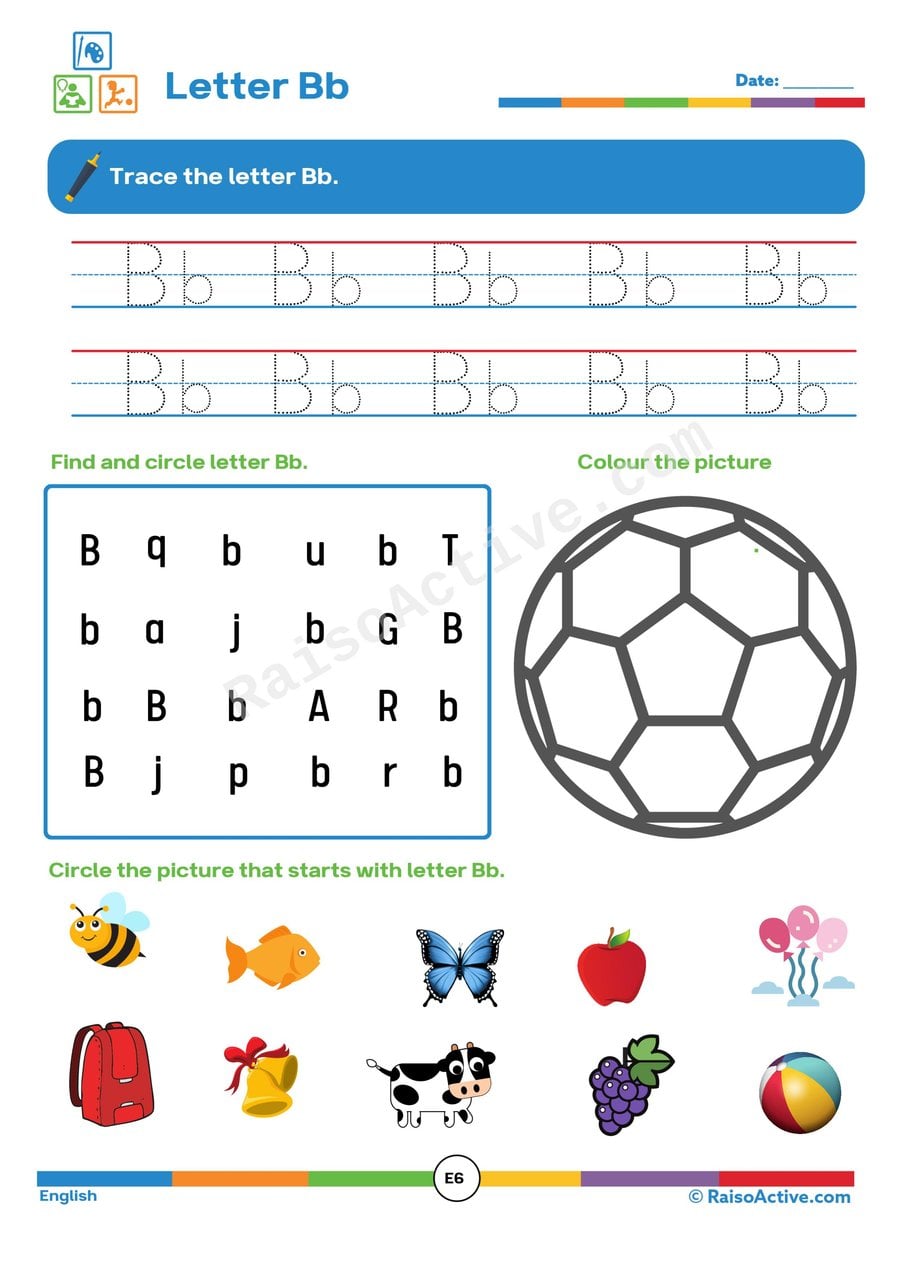
Letter Bb Worksheet: Trace, Find, and Color!
This worksheet builds letter recognition and handwriting readiness as children ages 3-5 trace both uppercase and lowercase Bb, hunt for the letter among a group of other letters, and identify pictures of objects that start with the Bb sound. Practicing a letter across several formats — tracing, spotting, and sound matching — helps cement both its shape and its sound more effectively than tracing alone.

Letter M Tracing Worksheet for Preschoolers: Learn to Write!
Ages 3-5 build the fine motor control needed for handwriting by tracing the letter M with a finger and then a pencil, following the dotted guide lines. This repetition trains the small hand muscles and pencil grip that early writers need before they can form letters independently. Coloring pictures that begin with M links the visual letter shape to its sound, an early step toward phonics fluency.
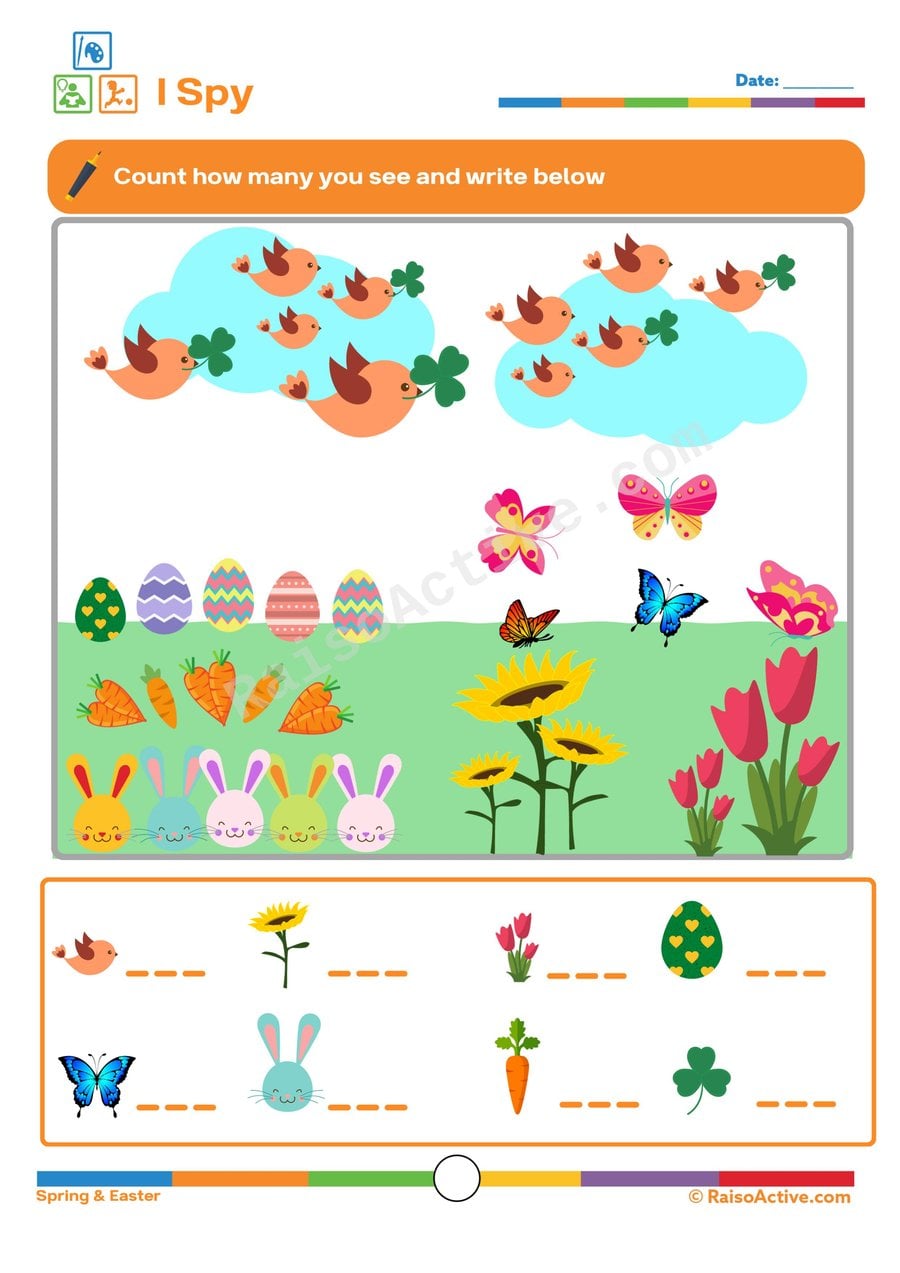
I Spy Spring Worksheet: Count and Write!
Spotting and tallying spring-themed pictures, like flowers, bees, or raindrops, gives children ages 3-5 practice with one-to-one counting and then translating that count into a written numeral. Because the items are scattered across the page rather than lined up neatly, children also build visual scanning skills as they search each section carefully before counting. Writing the final number afterward connects the physical act of counting to abstract number symbols, a key early numeracy milestone.
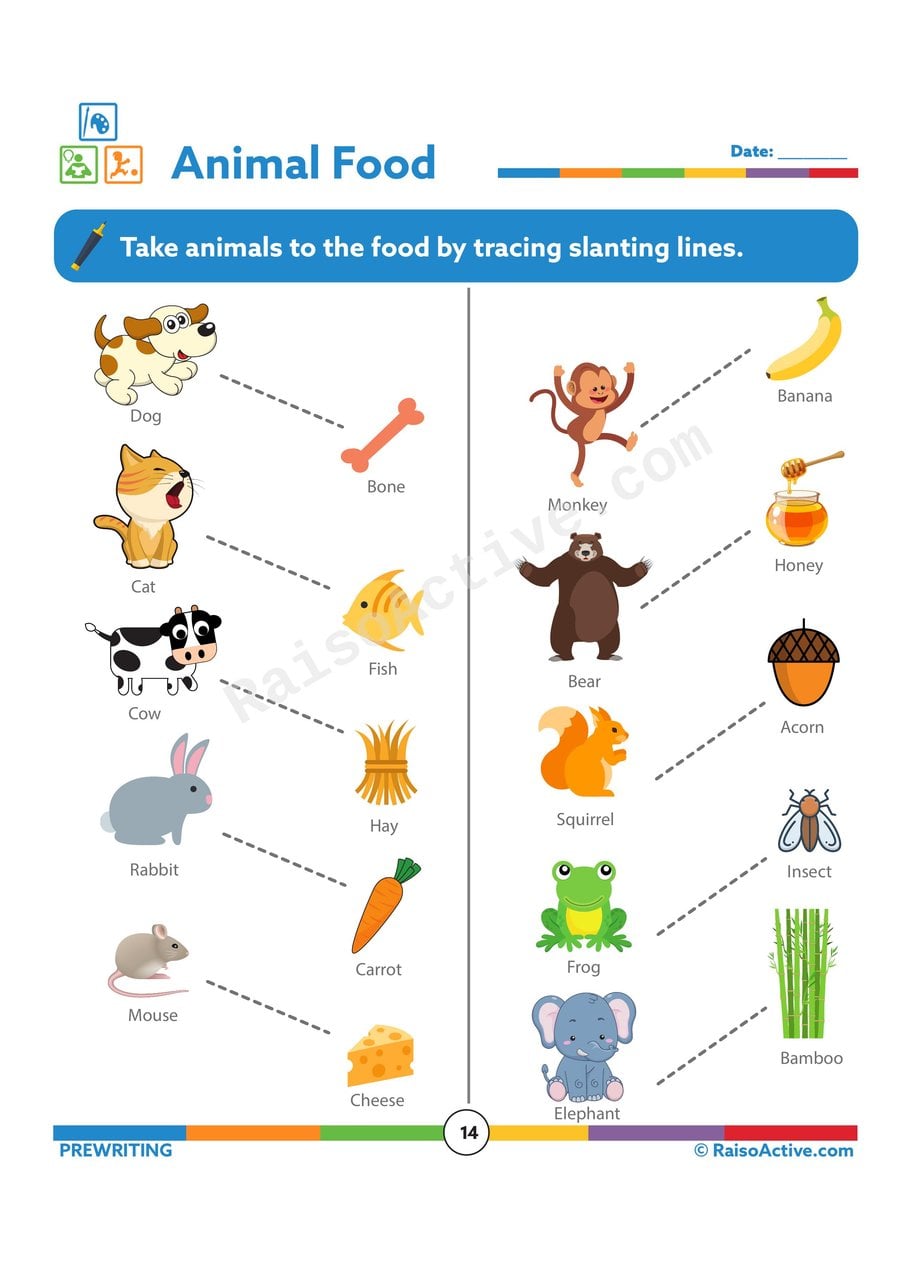
Animal Food Matching Worksheet for Preschoolers
Tracing a line from each animal to the food it eats helps children ages 3-5 build pencil control while learning an early biology concept: that different animals eat different things based on what they are. Connecting a rabbit to a carrot or a bird to a worm also builds simple reasoning skills, since children start to notice why a particular pairing makes sense rather than memorizing it by rote.

Move the Cars! Pre-Writing Tracing Worksheet for Preschoolers
Tracing a road-shaped path for a car gives children ages 3-5 pencil control practice disguised as a familiar, motivating theme, since most young children have pushed a toy car along an imaginary road before. The winding or straight path on this worksheet builds the same steady, controlled pencil movement needed for handwriting, while the driving theme keeps attention high through an activity that might otherwise feel repetitive.
What Nursery number tracing worksheets cover
Number tracing at three stays within the numerals one to five, each shown large with a thick dotted path and a single starting dot. A worksheet should pair every traced numeral with that many pictures, so the child says the count out loud while tracing the matching digit. Reaching all five digits by the end of the year is a reasonable goal; six through ten and any expectation of writing a numeral without a model are still ahead.
- Trace numerals one to five along a thick dotted path
- Count the pictures beside a numeral while tracing it
- Say the numeral's name aloud with each traced stroke
- Match a traced numeral to a group of that many dots
How to use these worksheets at home or in class
A single sheet a day, five to ten minutes, suits a three-year-old best. Sit alongside your child rather than opposite, demonstrate one stroke, then let them attempt it themselves, praising the try rather than the neatness of the line.
Start with the sheet that matches what your child can already do, then move one step up. Keep finished sheets in a folder: Nursery teachers often ask for evidence of practice, and children like seeing their own progress.
Is your child ready for Nursery number tracing work?
Readiness shows up as a proper crayon grip with fingers instead of a fist, purposeful scribbling, sitting through a short task and following one spoken instruction such as pointing to a colour. Without these, stick to sticker play and large colouring pages for now.
Frequently asked questions
Should a three-year-old trace numbers before or after counting practice?
After, and alongside rather than instead of it. A child who can count five objects reliably gets far more out of tracing the numeral 5, because the digit is standing for something already understood. Tracing numerals before counting is secure tends to produce a shape copied without meaning. Keep counting games running daily and add numeral tracing for whichever number the child can already count to with confidence.
What should a Nursery child be able to do in number tracing?
Number tracing at three stays within the numerals one to five, each shown large with a thick dotted path and a single starting dot. A worksheet should pair every traced numeral with that many pictures, so the child says the count out loud while tracing the matching digit. Reaching all five digits by the end of the year is a reasonable goal; six through ten and any expectation of writing a numeral without a model are still ahead. Readiness shows up as a proper crayon grip with fingers instead of a fist, purposeful scribbling, sitting through a short task and following one spoken instruction such as pointing to a colour. Without these, stick to sticker play and large colouring pages for now.
Do these worksheets follow the Nursery curriculum?
The sheets cover numeral formation 0–9, correct stroke direction for each digit, number-to-quantity matching and consistent numeral size and spacing, which sit inside the NEP 2020 Foundational Stage (NCF-FS 2022) outcomes for Nursery. Preschool (US), Nursery (UK) use the same skills at this age, so the sheets also fit families following those programmes.
Are the Nursery number tracing worksheets free to download?
Yes. Every sheet on this page can be downloaded free as a watermarked PDF after creating an account, up to five downloads a day. The annual membership (₹1000) removes the watermark and the daily limit across the full library of more than 1,000 worksheets and all activity packs.

Written by
Hemsweta Jain · Teacher Cheena
MBA and Early Childhood Educator, teaching since 2014 · Founder of RaisoActive, Mumbai
Written and reviewed by Hemsweta Jain (Teacher Cheena), who designs every RaisoActive worksheet.
Last reviewed
Printable packs for ages 3–4
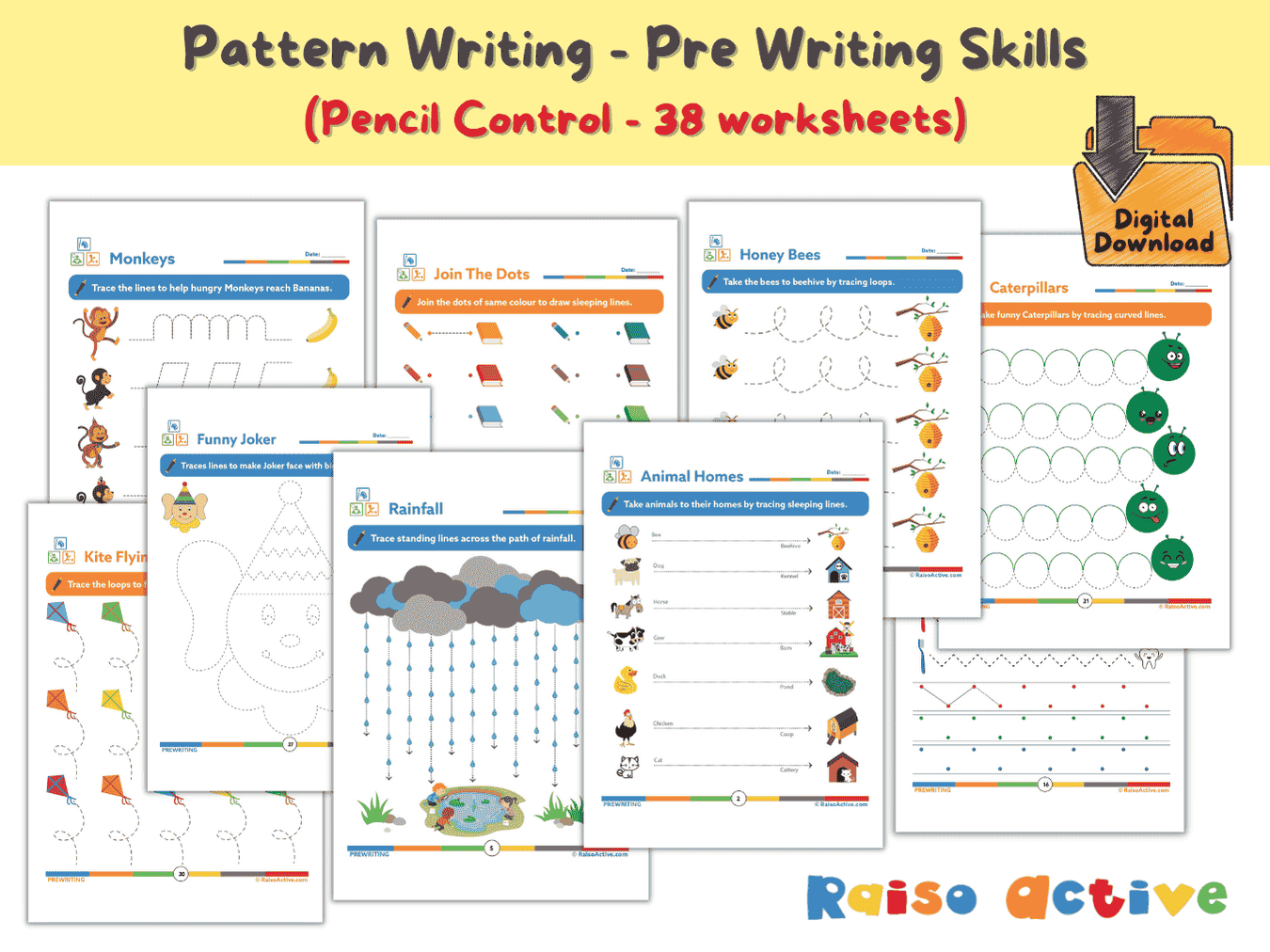
Pattern Writing Pre-writing Skills Activity Book for 3-4 Year Olds
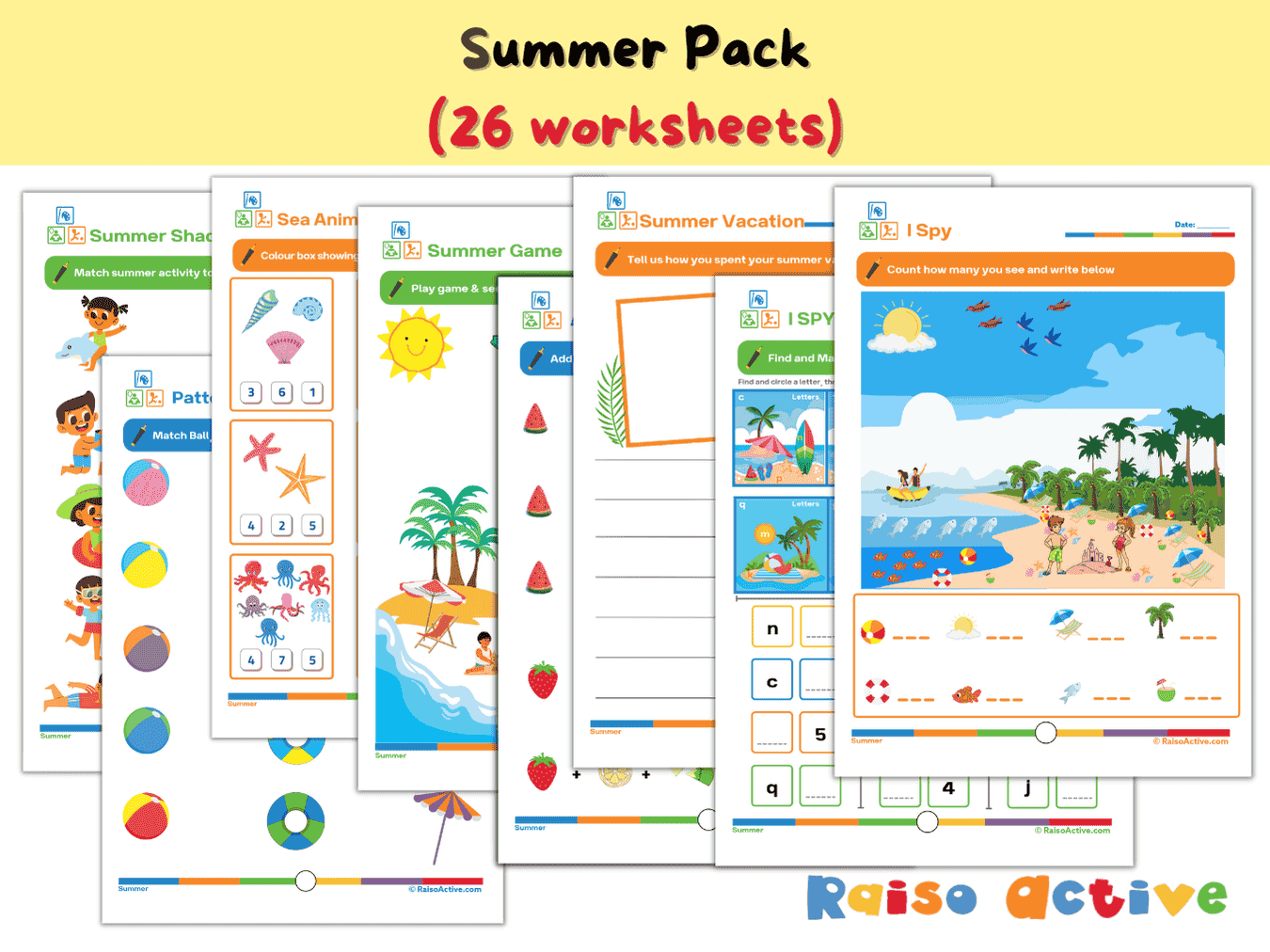
Summer Activity Pack: Math, Literacy, Puzzles & More for Preschool & Kindergarten
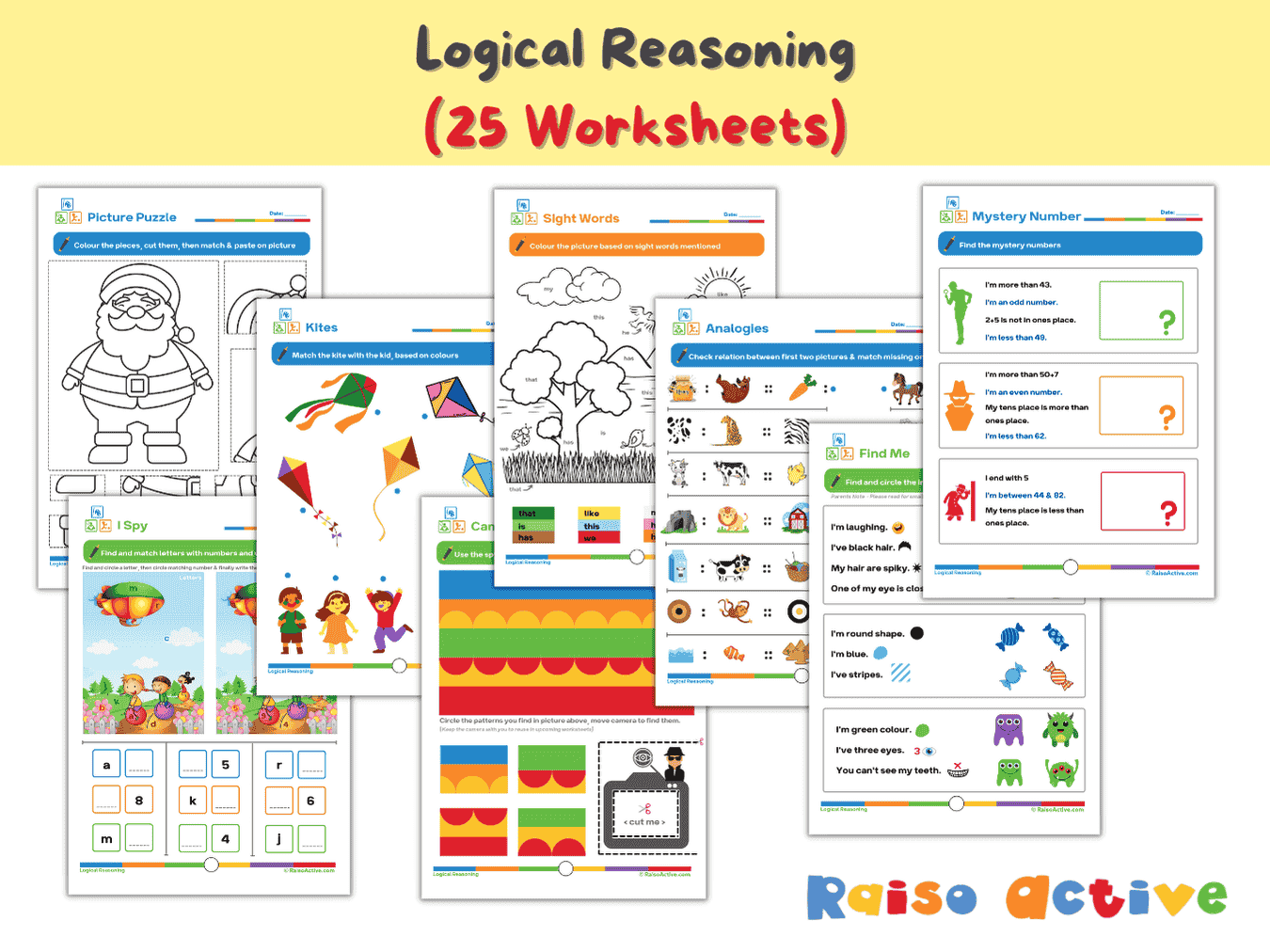
Logical Reasoning Activity Book for Preschool & Kindergarten | Patterns, Puzzles & Analogies
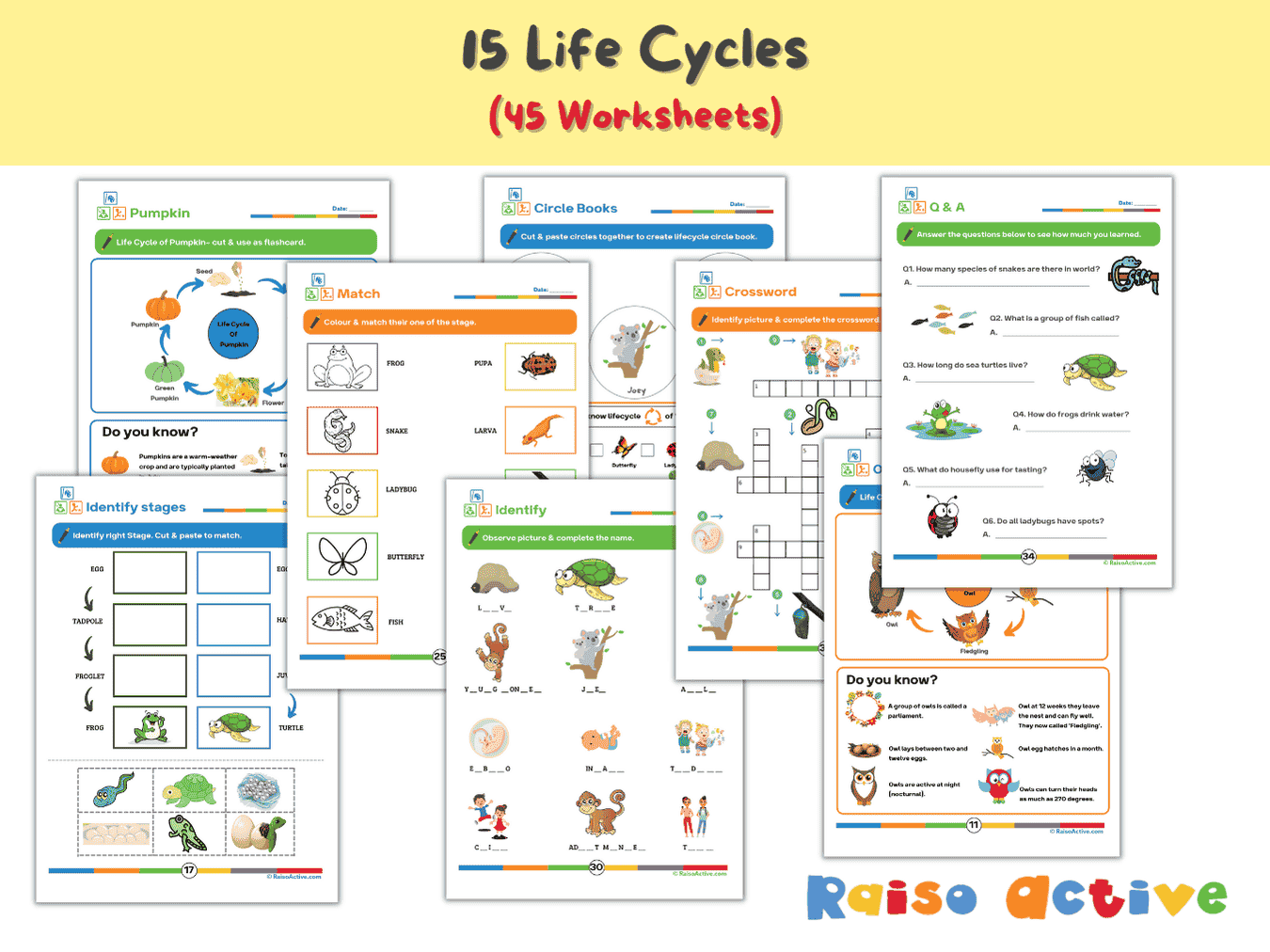
Lifecycles Activity Book & Flashcards for Preschool & Early Elementary
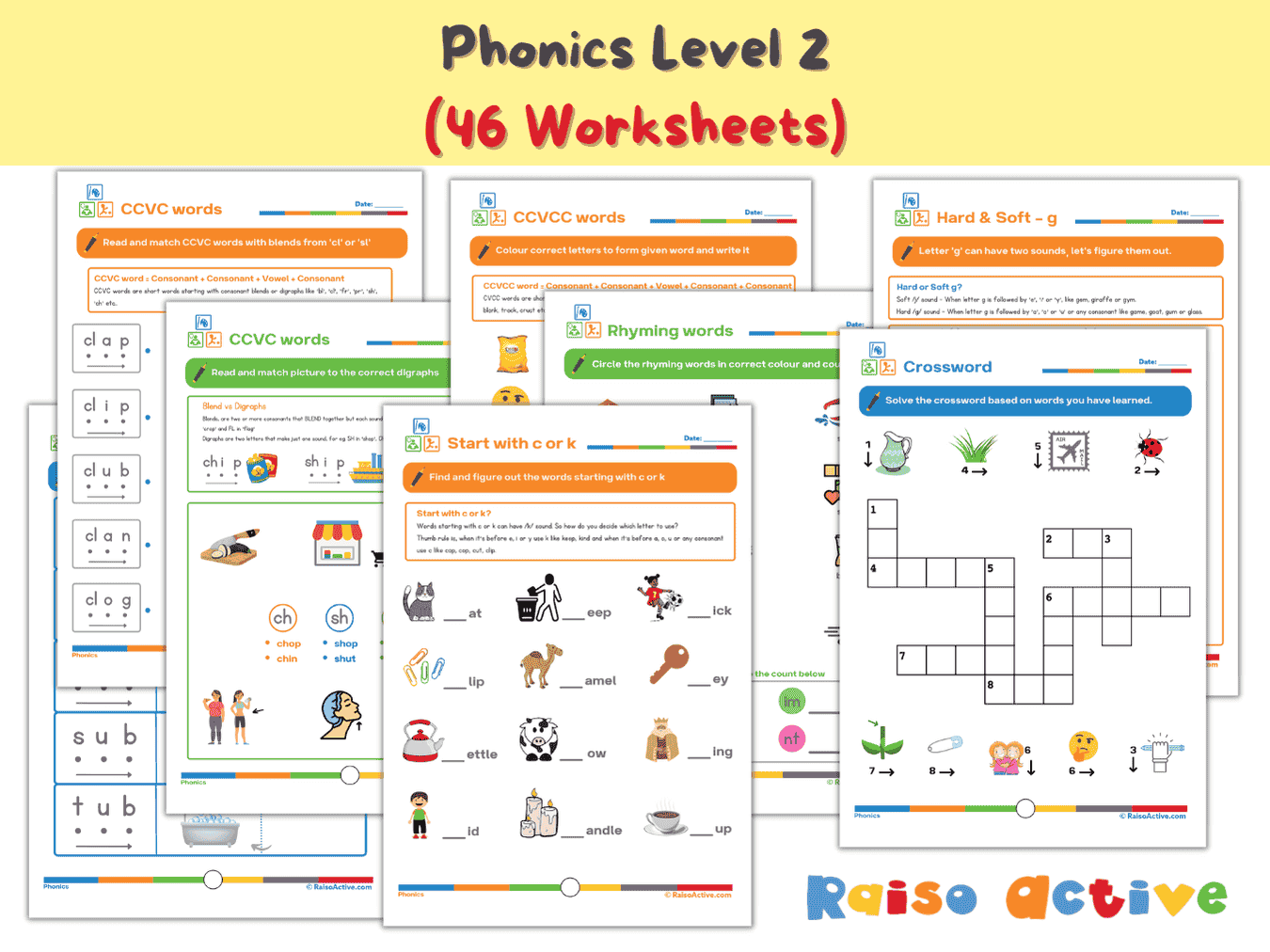
Phonics Level 2 Worksheets: CVC, CCVC, CVCC Word Families & Blends for Early Readers (Ages 4-7)
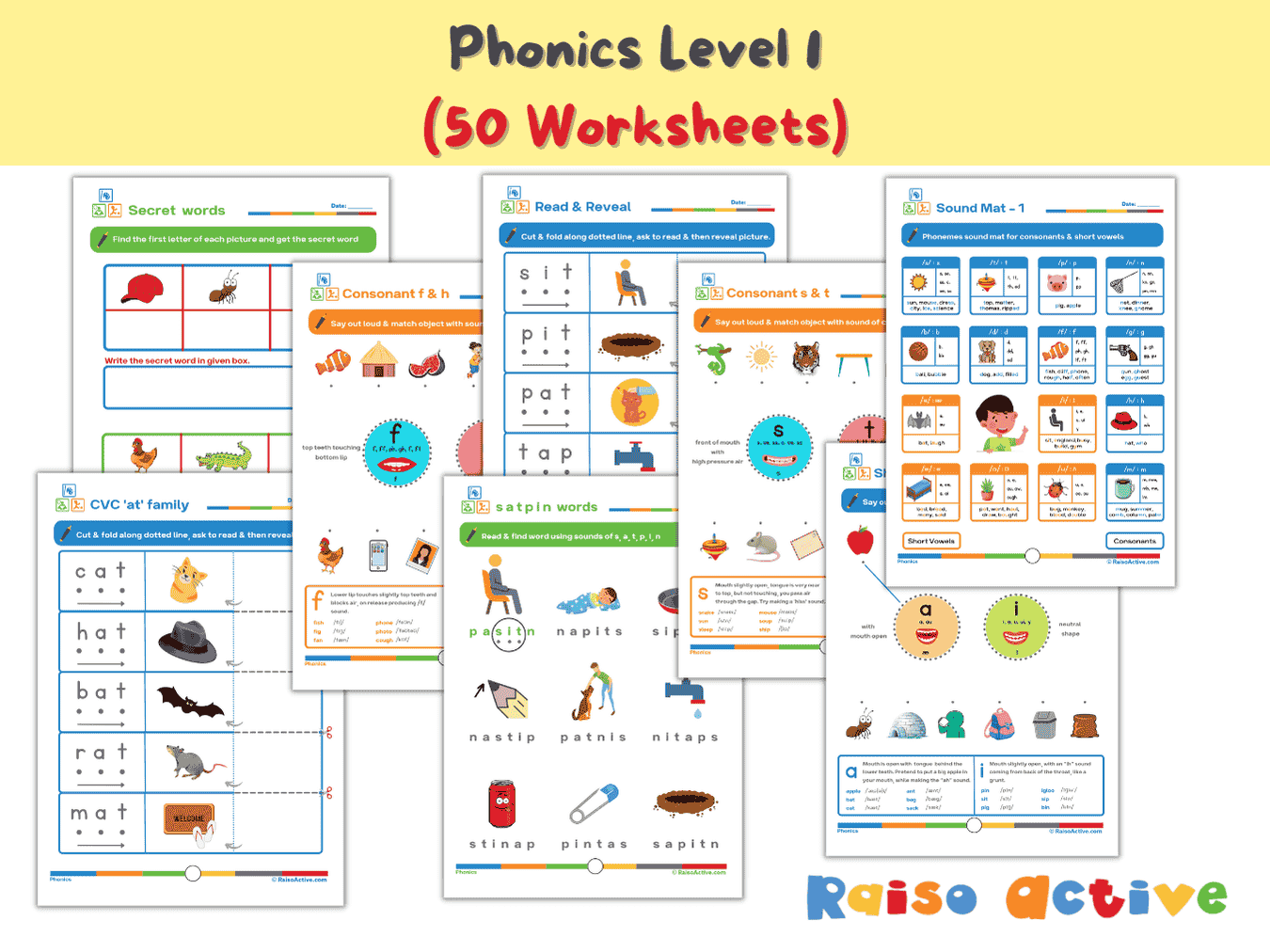
Phonics Level 1 Activity Book: Letter Sounds, Blending & CVC Words for Preschool & Kindergarten
Guides for parents and teachers
See all guides →Number Formation Rhymes 0–9 and How to Fix Reversals
Original number formation rhymes for 0–9, the correct stroke order for each digit, why 3, 5 and 7 get reversed most often, and multisensory fixes that work.
What's the Best Alternative to ABCmouse? A Complete Parent's Guide to Free and Affordable Educational Apps
ABCmouse runs ~Rs 4,000-5,000/year with US spellings and curriculum. Compare free & affordable Indian-friendly apps like Khan Academy Kids and DIKSHA.
Is My Child Ready for Kindergarten? Essential Skills and Honest Assessment
Wondering if your child is ready for Class 1 or kindergarten? Learn the 5 domains of school readiness, what Indian schools look for, and how to support your child at home.
Complete Guide to Jack Hartmann Worksheets: Enhancing Educational Videos with Hands-On Learning
Discover how to pair Jack Hartmann YouTube videos with printable worksheets for deeper learning. Counting, alphabet, sight words activities for preschool to Grade 1.
My Child Can Count But Can't Write Numbers — Is This Normal? A Parent's Complete Guide
Yes, it's developmentally normal - counting and writing use different skills. See why the gap happens and simple activities (no worksheets) to bridge it.
What's the Best Way to Teach Number Formation to Young Children? A Complete Guide
Discover the best methods to teach digit formation (0-9) to young children — stroke sequences, verbal cues, multi-sensory techniques, and fixing common reversals.
Canonical: https://raisoactive.com/worksheets/nursery-number-tracing