Free printable worksheets · India
Nursery Pattern Writing Worksheets (Ages 3–4)
Nursery pattern writing worksheets are practice sheets for children aged 3–4 in Nursery in India. Pattern writing is repeating a printed sequence of loops, waves or zigzags with a pencil to build the rhythm and control cursive letters require. The sheets on this page cover repeating loops and waves, curves that lead into cursive strokes, consistent rhythm and spacing and predicting what comes next in a sequence.
Nursery marks the first year an Indian child sits at a table with a pencil rather than only playing with one. Grip is still developing, so schools expect pre-writing strokes, colouring within a bold outline, matching identical pictures and counting small groups rather than any letter writing. Attention rarely holds past a few minutes at a stretch. Three-year-olds add direction and turns. Standing lines go top to bottom and sleeping lines left to right, then slanting lines in both directions, a circle started at the top, and the first zigzags. Worksheets should still use thick dotted paths with a start dot, but can now put three or four rows on a page. Saying "down", "across" or "round" while tracing links the movement to a word. Loops and waves are a stretch.
569+ worksheets · free PDF download · print on A4 or Letter
Nursery Pattern Writing Worksheets to print
Browse all worksheets for ages 3–4
Letter I Tracing Worksheet: Learn to Trace and Identify Words
This worksheet builds recognition and formation of the letter I, both uppercase and lowercase, through tracing practice and identifying pictures of words that start with I, like 'igloo' or 'insect.' For three- to five-year-olds, uppercase I is one of the simplest letter shapes to form, making it a good confidence-building letter even as lowercase i, with its added dot, introduces a slightly trickier two-part stroke.

Letter V Tracing and Coloring Worksheet for Preschoolers
This worksheet builds recognition and formation of the letter V, both uppercase and lowercase, while practicing fine motor skills through tracing and coloring pictures of V words like 'van' or 'volcano.' For three- to five-year-olds, practicing both letter cases together helps children see that uppercase and lowercase V share the same basic shape, which isn't true of every letter and makes V a good confidence-builder.
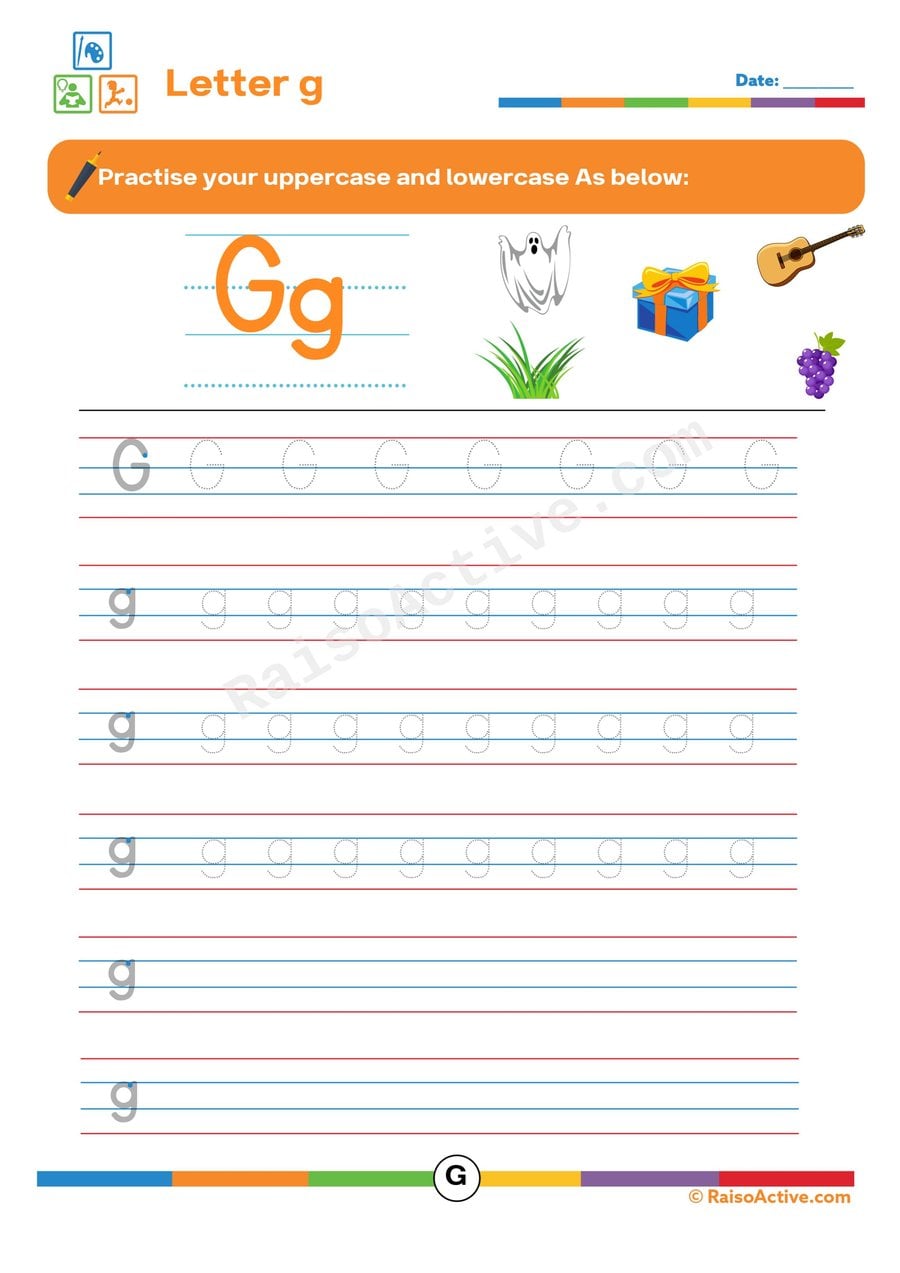
Trace the Letter G Worksheet for Preschoolers
Lowercase g is one of the more complex letters preschoolers encounter, combining a curved top with a descending tail that dips below the writing line — tracing it at ages 3-5 introduces the idea that some letters extend both above and below the main line, a concept that will matter for letters like j, p, and y too. Practicing the simpler capital G alongside it builds confidence before tackling the trickier lowercase form.

Letter 'a' Tracing Worksheet: Practice Uppercase and Lowercase!
As the very first letter of the alphabet, lowercase a has a slightly tricky shape — a small circle with a short vertical line on the right — that looks quite different from its capital A counterpart, so tracing both forms together helps children notice that the same letter can look two different ways. Repeating this motion at ages 3-5 builds the curved-stroke control that many other lowercase letters, like d, g, and q, also depend on.

Landforms Worksheet: Identify and Label the Pictures!
Writing the correct name for pictures of mountains, rivers, and other landforms from a word bank builds early science vocabulary and spelling practice for children ages 3-5, connecting a visual image to its written word.
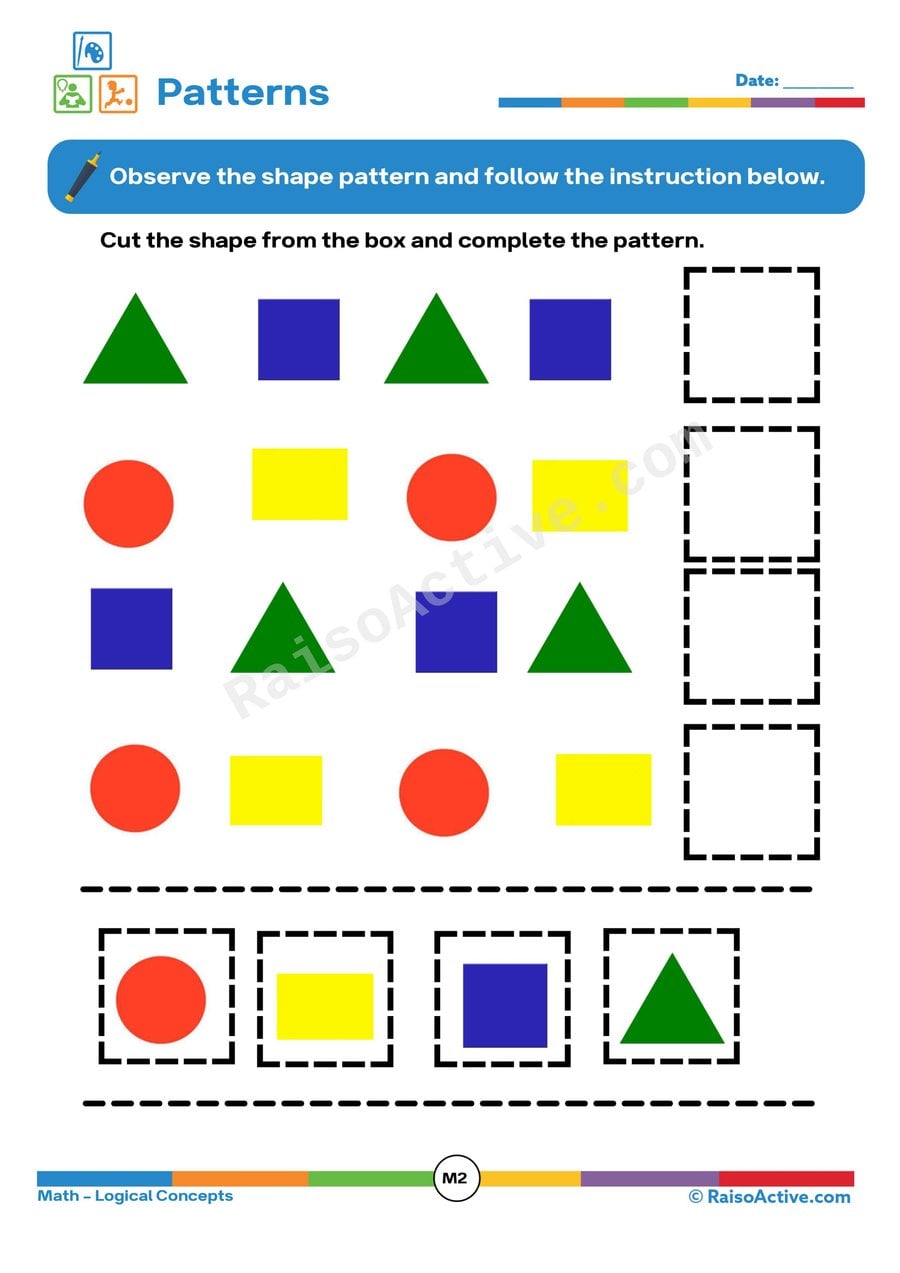
Shape Pattern Worksheet: Complete the Pattern!
Completing a repeating shape pattern asks children ages 3-5 to notice what comes next in a sequence and predict it correctly, an early form of the logical reasoning used in algebra much later on. Recognizing and continuing patterns also strengthens visual memory, since a child has to hold the beginning of the pattern in mind while figuring out what should come next.

Trace and Write the Letter M Worksheet for Preschoolers
This worksheet has children ages 3-5 trace the uppercase letter M, formed from two vertical lines connected by a peak in the middle, building on the diagonal-line control introduced by simpler letters like V. Because M requires four connected strokes in a specific order, it's a good exercise in careful sequencing as well as pencil control. The page also reinforces the /m/ sound in words like 'moon,' 'mouse,' and 'monkey.'

Smile with Smiley Face! A Fun Tracing Worksheet for Preschoolers
Tracing a smiling mouth teaches children ages 3-5 the upward curved stroke used in letters like u and later cursive forms, while also tying that curve to something personally meaningful, a smile. Because the shape mirrors an expression children make and recognize every day, this worksheet connects fine motor practice to social-emotional awareness about what a smile looks like and means.
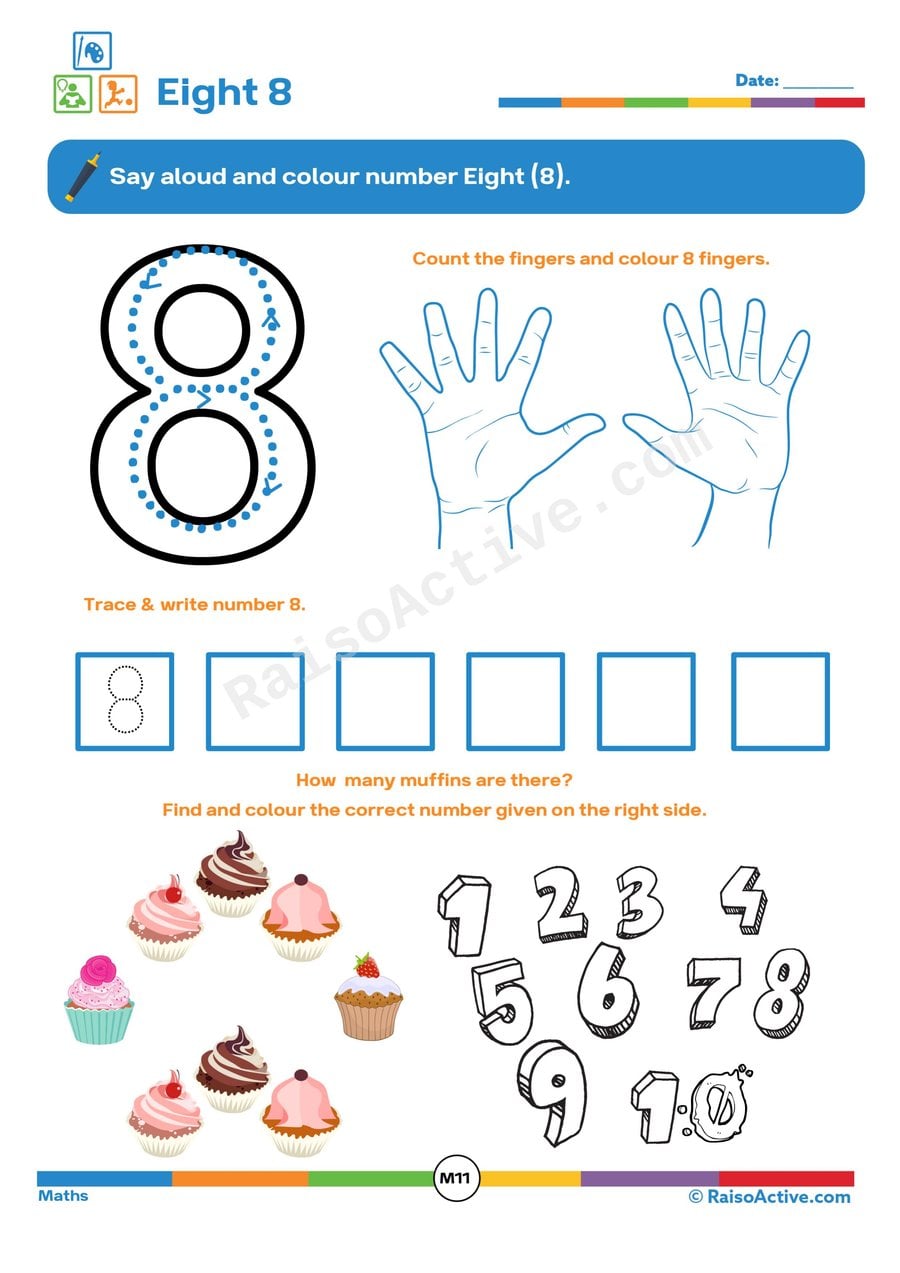
Number Eight (8) Worksheet: Trace, Count, and Color!
This worksheet helps children ages 3-5 learn to recognize, trace, and write the number 8 using its continuous curved stroke, while counting fingers and muffins reinforces one-to-one correspondence for the quantity eight. Circling the correct count among options also sharpens numeral recognition alongside handwriting practice.

First Letter Fun: Identify and Write! Vocabulary Worksheet
Naming everyday objects and writing their opening letter builds vocabulary alongside phonics for 3-5 year olds — each picture requires your child to first recall or recognize the object's name, then isolate just its first sound, and finally translate that sound into a written symbol. This vocabulary-first framing makes the worksheet especially useful for children who are still building the words for common objects, not just the letters that start them.

Letter S Tracing Worksheet: Learn to Write and Identify the Letter S!
This worksheet helps children ages 3-5 learn to recognize and write the letter S, both uppercase and lowercase, using its distinctive curving stroke, while also practicing identifying words that start with the letter S. Because S makes a long, continuous hissing sound that's easy to isolate, this letter is often one of the more approachable sounds for early phonics practice.

Trace and Color the Number 4 Worksheet for Preschoolers
This worksheet has children ages 3-5 trace the number 4, a shape combining two straight lines and one diagonal line meeting at a specific point, one of the more angular early numerals to master. Coloring exactly four apples afterward reinforces one-to-one correspondence and the specific quantity the numeral 4 represents. Because 4 has more distinct angles than the numbers before it, this worksheet continues building the precise pencil control needed for increasingly complex numerals.

Trace and Write the Letter P Worksheet for Preschoolers
Tracing the uppercase letter P introduces children ages 3-5 to a two-part stroke, a straight vertical line followed by a curved loop at the top, which builds on the straight-line control they've likely practiced with letters like T and the curved control practiced with letters like C. This combination stroke is good preparation for other letters that mix lines and curves, such as R and B. The worksheet also reinforces the /p/ sound in words like 'pig,' 'pencil,' and 'popcorn.'

Trace and Count: Number 8 Worksheet for Preschoolers
This worksheet has children ages 3-5 trace the number 8, a shape made of two connected loops stacked on top of each other, one of the most visually complex early numerals to write neatly. Circling exactly eight cars from a larger group builds on the precise counting skill of stopping at the right quantity rather than counting everything shown. Because 8 shares the double-loop structure with letters like B, practicing this stroke also supports future handwriting beyond just numbers.

Trace and Write the Letter S Worksheet for Preschoolers
Focusing only on the uppercase S lets children give undivided attention to its single continuous curve, without also managing the nearly identical but smaller lowercase form on the same page. At ages 3-5, this kind of concentrated single-case practice helps the smooth, flowing hand motion S requires become more automatic before it's tested with a second letter form.
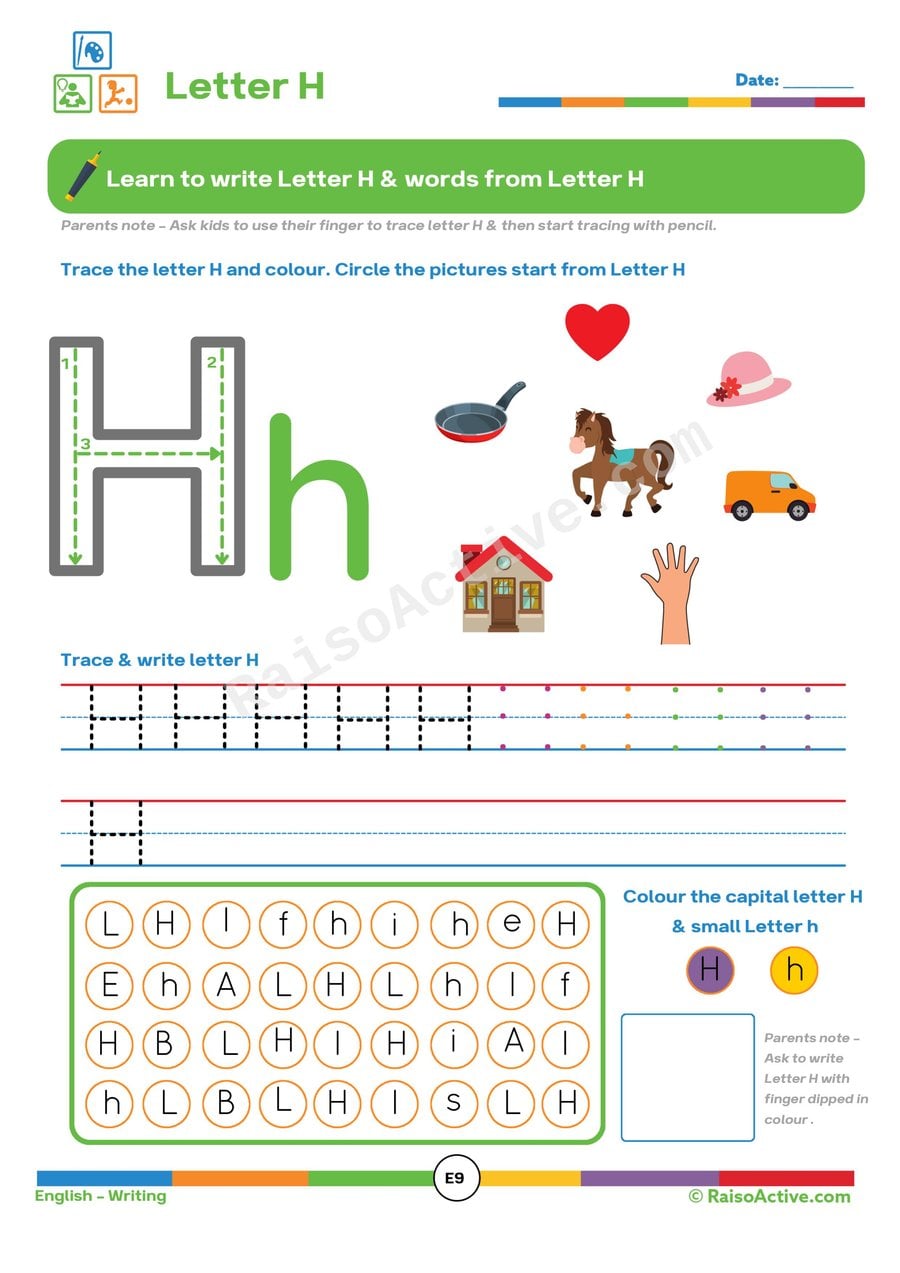
Letter H Worksheet: Trace, Write, and Color!
Tracing and writing the letter H, in both its tall uppercase and shorter lowercase form, gives children ages 3-5 repeated practice with the two straight vertical strokes and one connecting horizontal bar that make up the letter. This builds the pencil control needed before a child can write independently, while circling H's in a simple word search sharpens visual letter recognition separate from the physical act of writing.
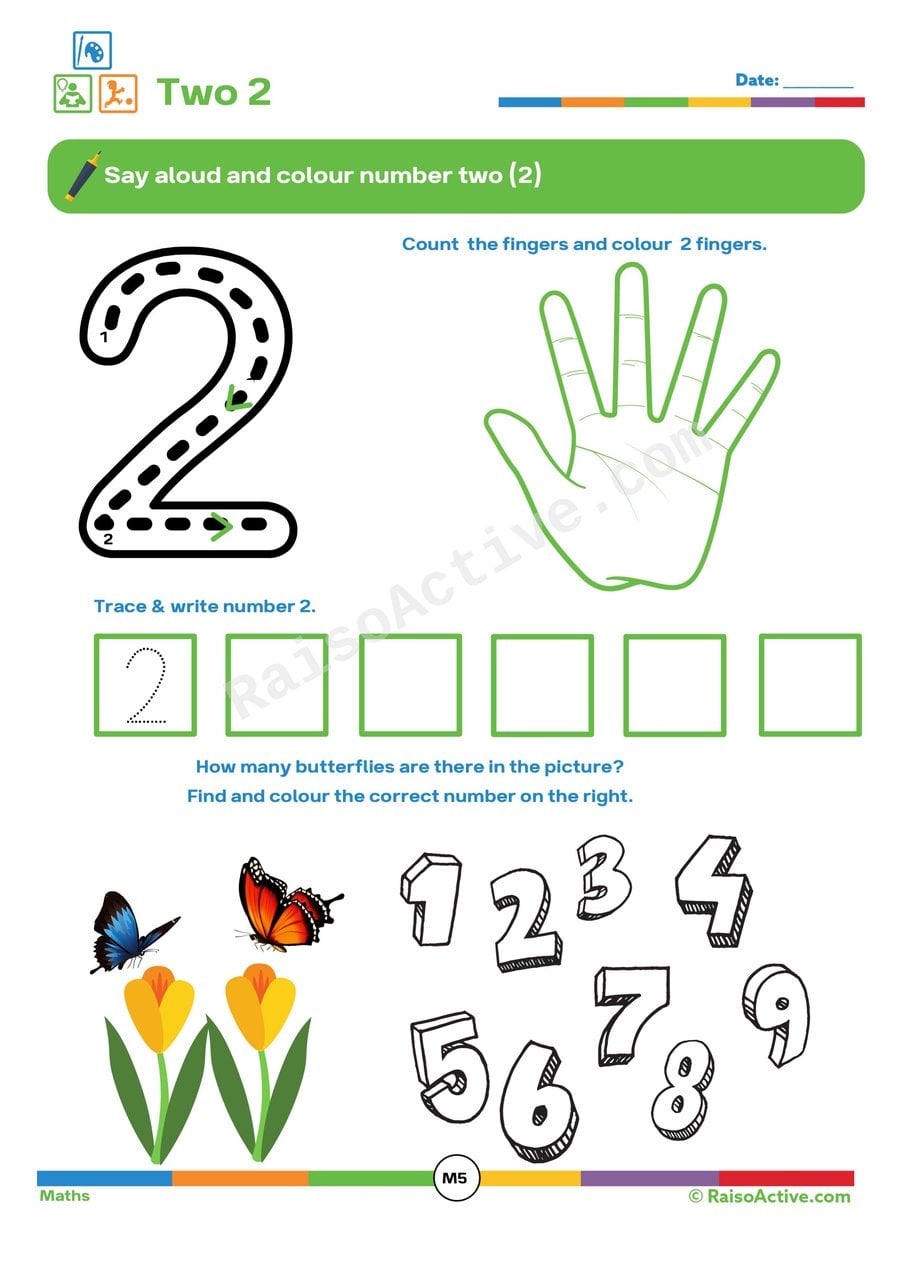
Number Two Worksheet: Trace, Count, and Color!
This worksheet helps children ages 3-5 learn to recognize and write the number two, count to two, and follow multi-step instructions across tracing, coloring, and counting sections. Practicing such a small number thoroughly, across several activities, builds the routine and confidence children need before moving on to larger numbers.
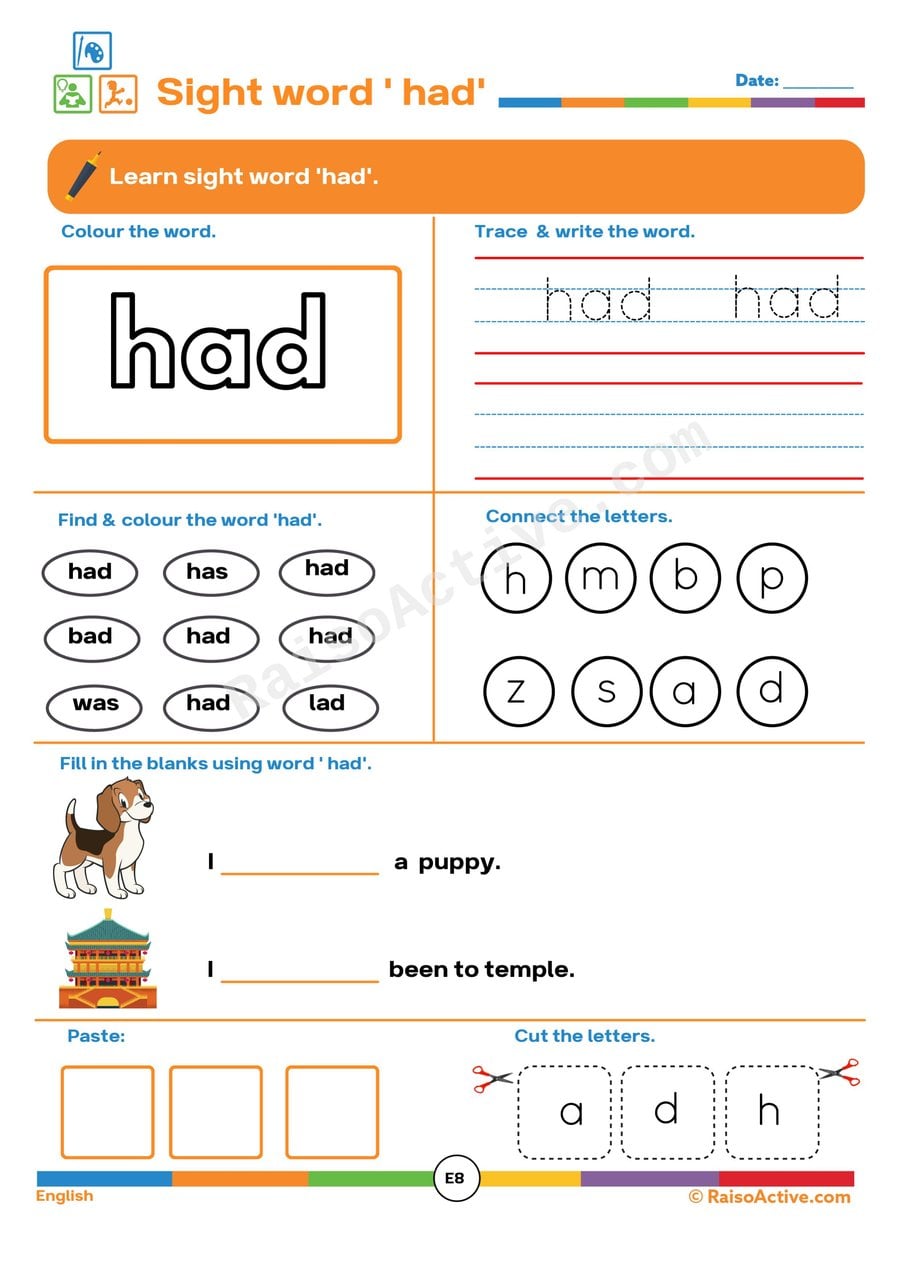
Sight Word 'had' Worksheet: Trace, Find, and Write!
This worksheet builds sight word recognition for the common word 'had' through multiple activities, tracing, finding it among similar words, connecting letters, and cutting and pasting, giving children repeated, varied exposure to the same high-frequency word. For ages 3-5, 'had' doesn't sound out in an entirely predictable way for beginning readers, so repeated whole-word recognition practice like this is especially valuable.

Trace the Funny Caterpillars Worksheet for Preschoolers
Tracing the rounded segments that make up each caterpillar's body helps children ages 3-5 practice circular and curved pencil strokes while also reinforcing shape recognition, since each segment is essentially a circle or oval joined to the next. This combination of shape tracing and sequencing, moving from one segment to the next in order, builds the same left-to-right, in-order habits that later support reading and writing.
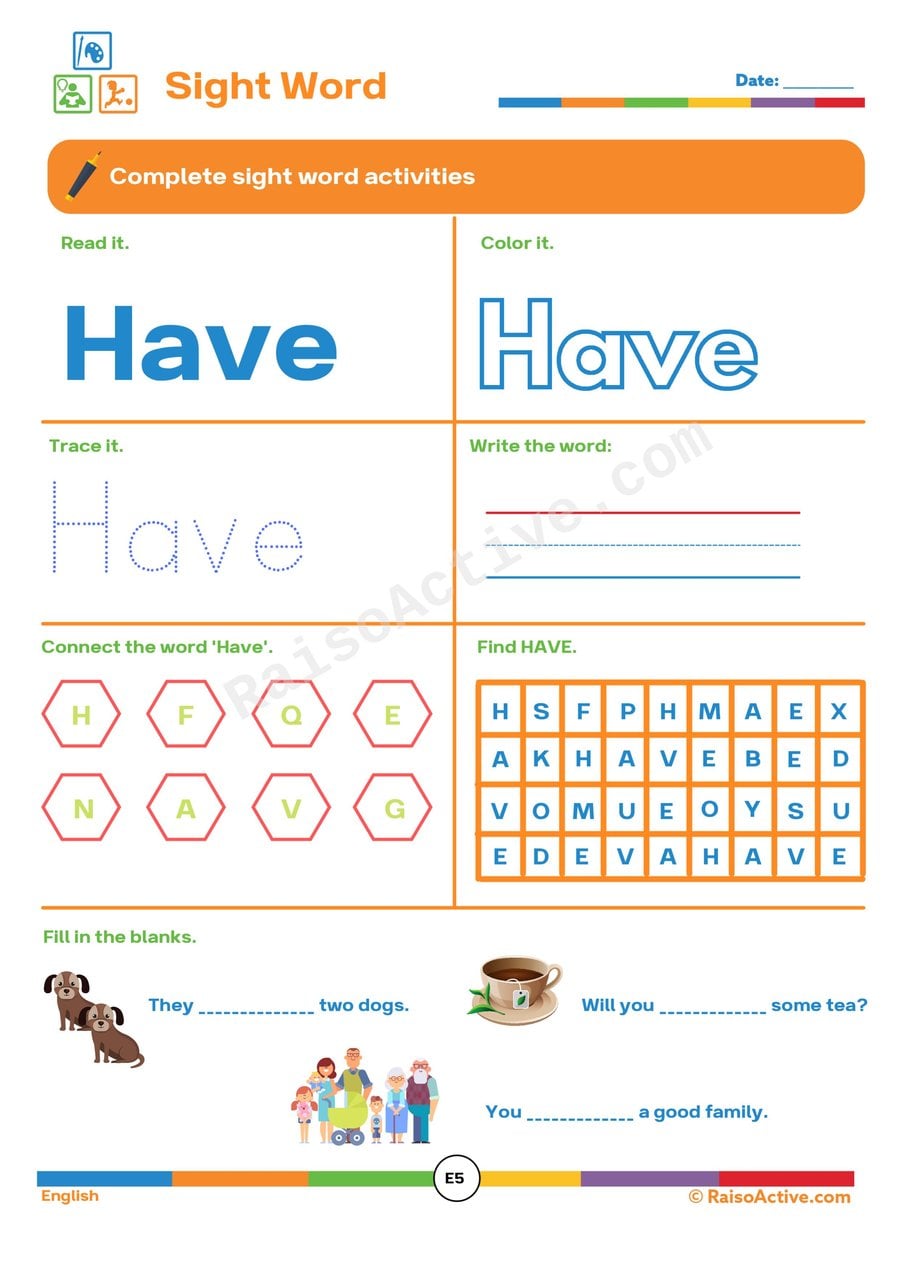
Sight Word 'Have' Worksheet for Preschoolers
This multi-step worksheet builds deep familiarity with the sight word 'have' for children ages 3-5 by having them read, color, trace, write, and search for the word in several different formats. Repeating the same word across varied tasks — rather than practicing it once — is exactly how high-frequency sight words become instantly recognizable to early readers.
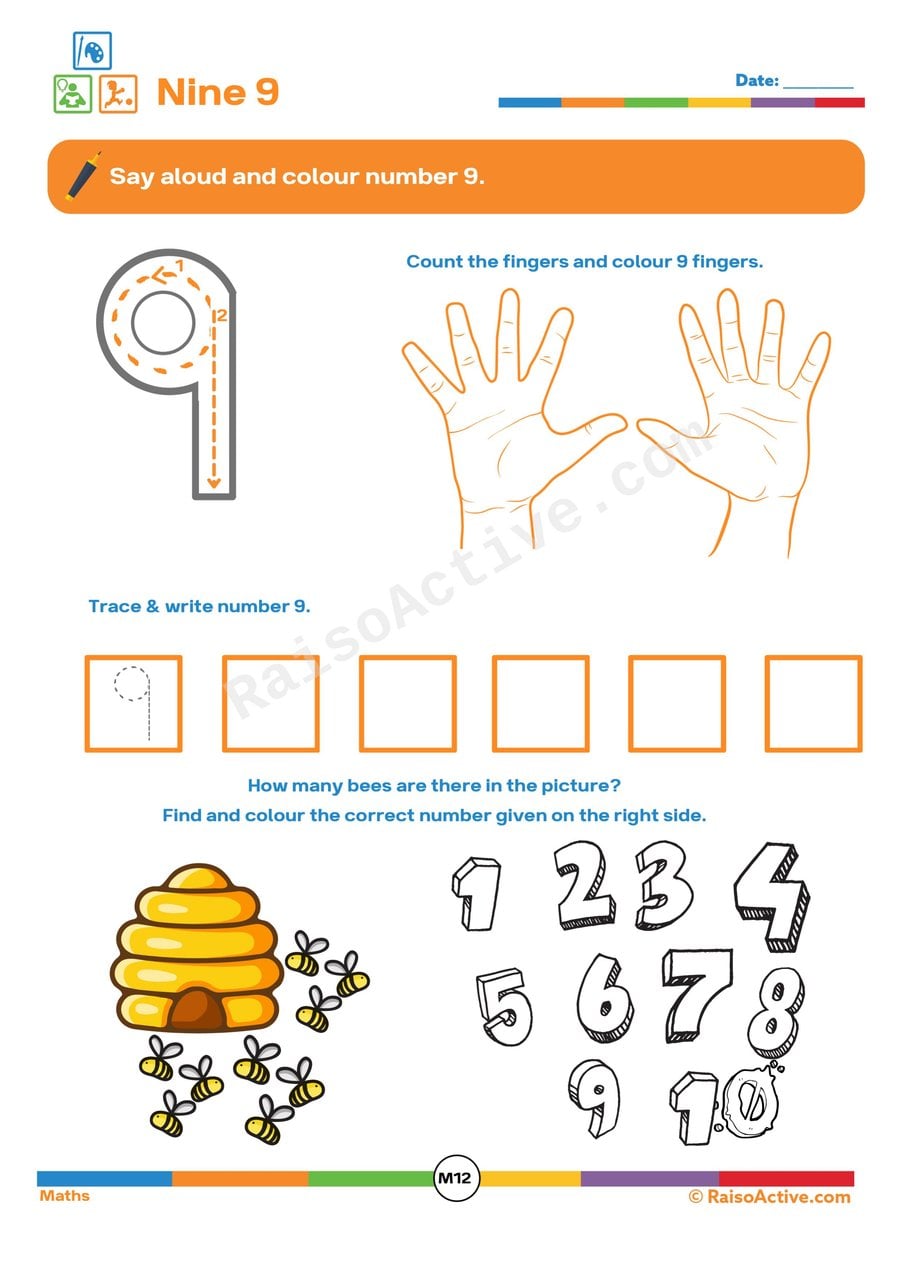
Number 9 Worksheet: Trace, Count, and Color!
This worksheet helps children ages 3-5 learn to recognize and write the number 9 through guided tracing, while counting fingers and bees builds fine motor coordination alongside number sense as they count all the way up to nine. Practicing the same number across three different activities, tracing, writing, and counting, helps the numeral and its quantity stick together in memory.

Letter O Tracing Worksheet for Preschoolers: Learn to Write!
Tracing the letter 'O' gives children ages 3-5 practice with a fully rounded stroke, a foundational shape that also underlies other letters like 'a,' 'c,' and 'd,' making it valuable early motor practice beyond just this one letter. Coloring pictures that start with 'O' connects that shape and sound to real, familiar words, reinforcing beginning-sound recognition alongside handwriting.

Trace and Count: Learning the Number Zero Worksheet
This worksheet introduces the more abstract concept of zero by having children trace the numeral and then identify pictures showing an empty or 'zero' quantity, like a basket with no fruit or a jar with no candies. For three- to five-year-olds, zero is often trickier to grasp than other numbers since it represents an absence rather than a countable group, so tracing it alongside visual examples of 'nothing there' helps make the idea concrete.

Gg Letter Tracing and Recognition Worksheet for Preschoolers
This worksheet helps children ages 3-5 practice writing both uppercase and lowercase Gg while training them to recognize the letter in different fonts and contexts, an important skill since printed letters don't always look identical to handwritten ones. Identifying pictures that start with Gg also builds phonemic awareness, linking the letter's shape to its 'guh' sound.
What Nursery pattern writing worksheets cover
Three-year-olds add direction and turns. Standing lines go top to bottom and sleeping lines left to right, then slanting lines in both directions, a circle started at the top, and the first zigzags. Worksheets should still use thick dotted paths with a start dot, but can now put three or four rows on a page. Saying "down", "across" or "round" while tracing links the movement to a word. Loops and waves are a stretch.
- Trace slanting lines both ways along thick dotted paths
- Draw a circle starting at the top and going counterclockwise
- Trace a zigzag without lifting the crayon
- Copy a cross and a plus sign into an empty box
- Say "down" or "across" aloud while making each stroke
How to use these worksheets at home or in class
A single sheet a day, five to ten minutes, suits a three-year-old best. Sit alongside your child rather than opposite, demonstrate one stroke, then let them attempt it themselves, praising the try rather than the neatness of the line.
Start with the sheet that matches what your child can already do, then move one step up. Keep finished sheets in a folder: Nursery teachers often ask for evidence of practice, and children like seeing their own progress.
Is your child ready for Nursery pattern writing work?
Readiness shows up as a proper crayon grip with fingers instead of a fist, purposeful scribbling, sitting through a short task and following one spoken instruction such as pointing to a colour. Without these, stick to sticker play and large colouring pages for now.
Frequently asked questions
Which pre-writing strokes should a three-year-old practice first?
Standing lines first, pulled from top to bottom, then sleeping lines pushed left to right. Those two directions carry straight into letters, so they are worth getting right before anything else. Slanting lines come next, then a circle started at the top and drawn counterclockwise, which is the movement behind a, c, d, g and o. Zigzags can be added once slants are steady. Waves and loops usually wait until four.
What should a Nursery child be able to do in pattern writing?
Three-year-olds add direction and turns. Standing lines go top to bottom and sleeping lines left to right, then slanting lines in both directions, a circle started at the top, and the first zigzags. Worksheets should still use thick dotted paths with a start dot, but can now put three or four rows on a page. Saying "down", "across" or "round" while tracing links the movement to a word. Loops and waves are a stretch. Readiness shows up as a proper crayon grip with fingers instead of a fist, purposeful scribbling, sitting through a short task and following one spoken instruction such as pointing to a colour. Without these, stick to sticker play and large colouring pages for now.
Do these worksheets follow the Nursery curriculum?
The sheets cover repeating loops and waves, curves that lead into cursive strokes, consistent rhythm and spacing and predicting what comes next in a sequence, which sit inside the NEP 2020 Foundational Stage (NCF-FS 2022) outcomes for Nursery. Preschool (US), Nursery (UK) use the same skills at this age, so the sheets also fit families following those programmes.
Are the Nursery pattern writing worksheets free to download?
Yes. Every sheet on this page can be downloaded free as a watermarked PDF after creating an account, up to five downloads a day. The annual membership (₹1000) removes the watermark and the daily limit across the full library of more than 1,000 worksheets and all activity packs.

Written by
Hemsweta Jain · Teacher Cheena
MBA and Early Childhood Educator, teaching since 2014 · Founder of RaisoActive, Mumbai
Written and reviewed by Hemsweta Jain (Teacher Cheena), who designs every RaisoActive worksheet.
Last reviewed
Printable packs for ages 3–4
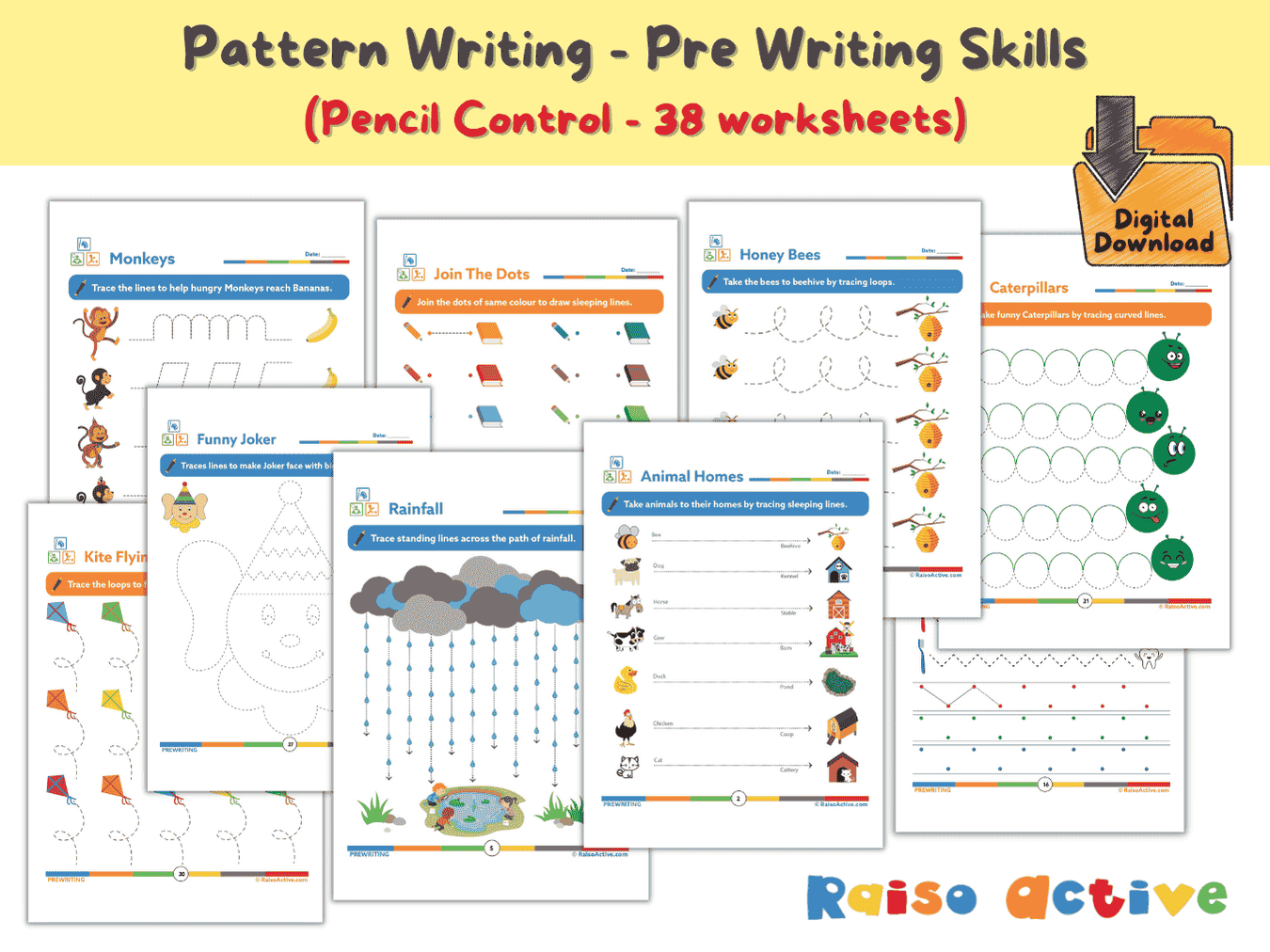
Pattern Writing Pre-writing Skills Activity Book for 3-4 Year Olds
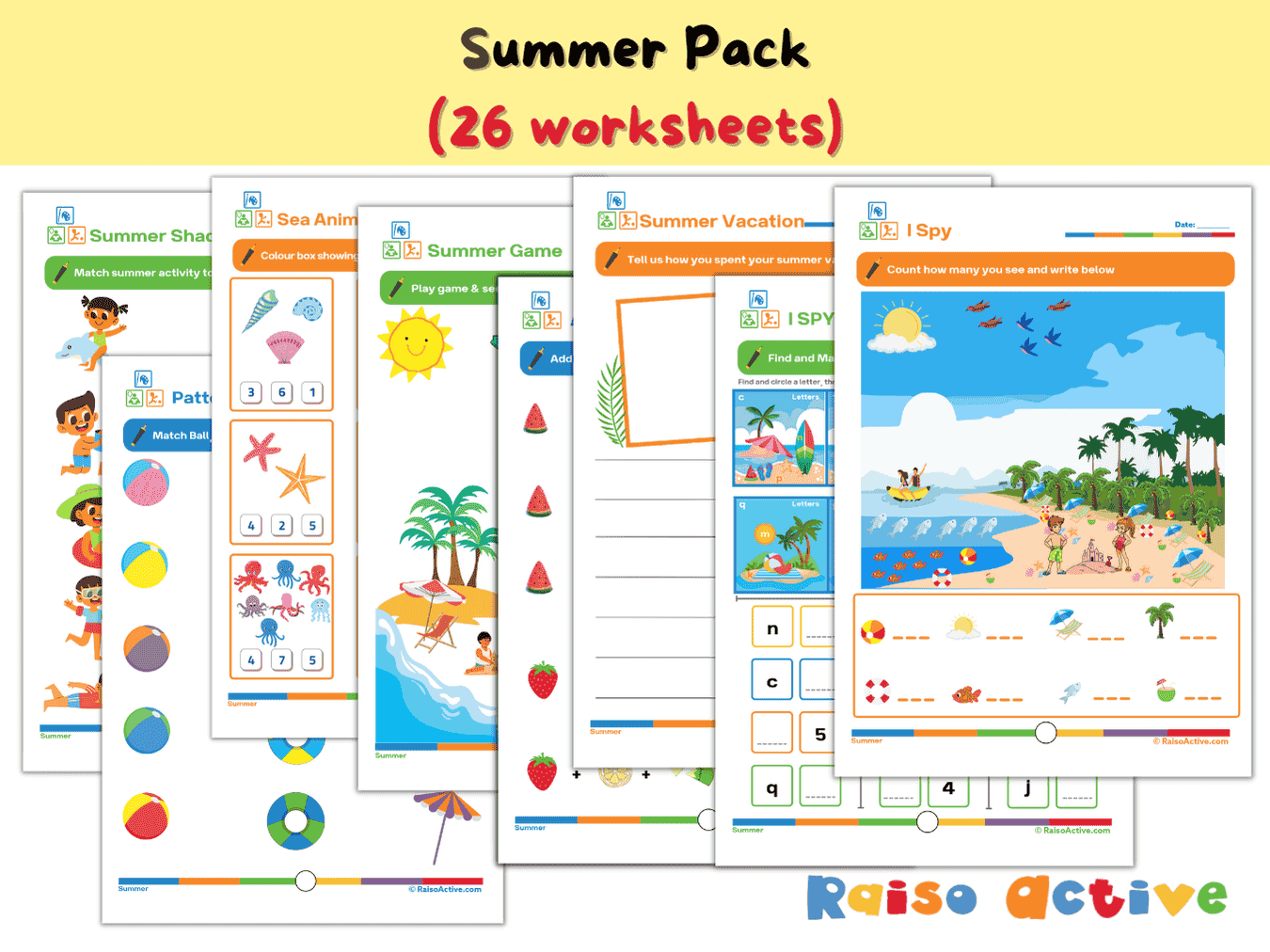
Summer Activity Pack: Math, Literacy, Puzzles & More for Preschool & Kindergarten
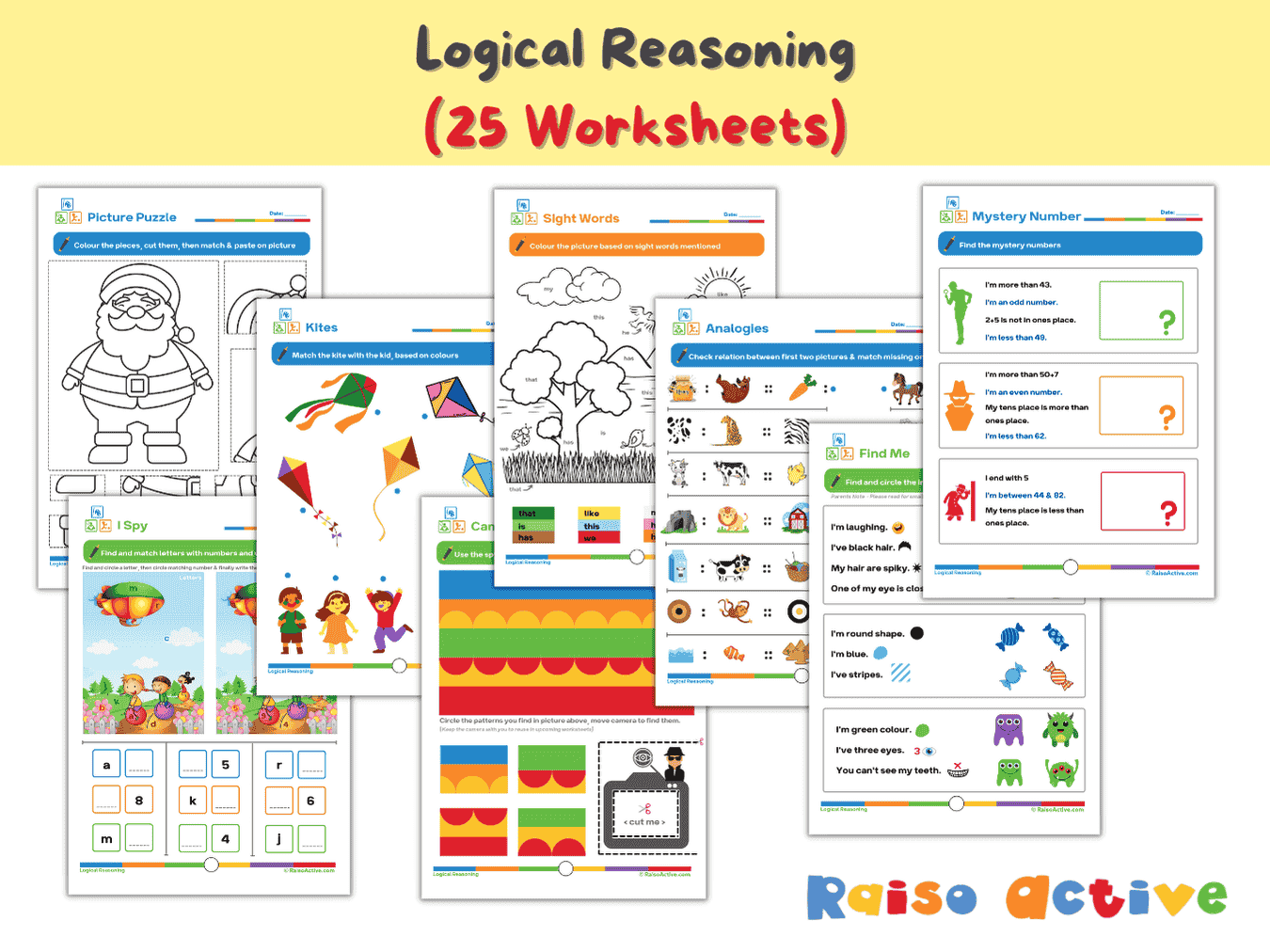
Logical Reasoning Activity Book for Preschool & Kindergarten | Patterns, Puzzles & Analogies
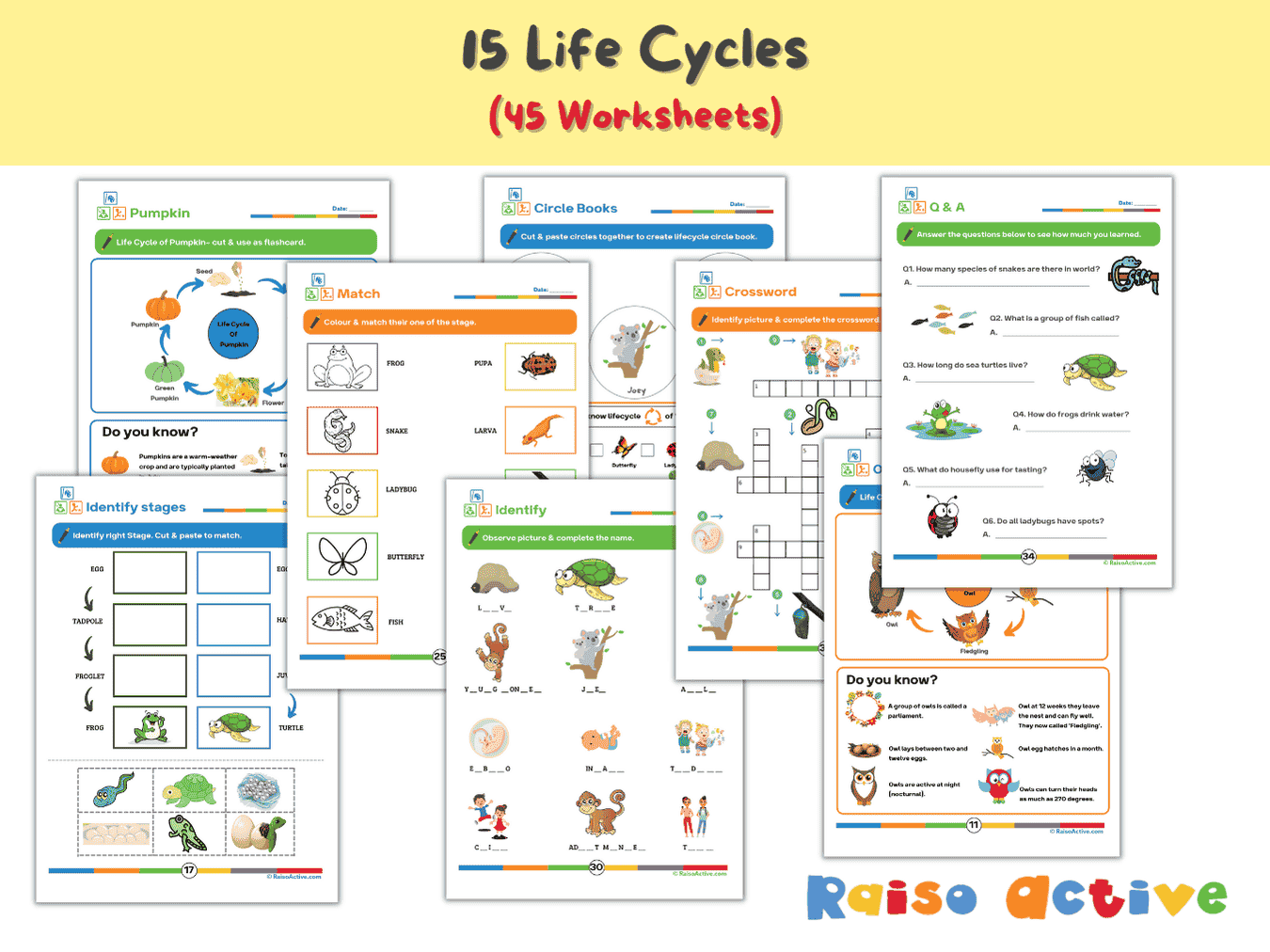
Lifecycles Activity Book & Flashcards for Preschool & Early Elementary
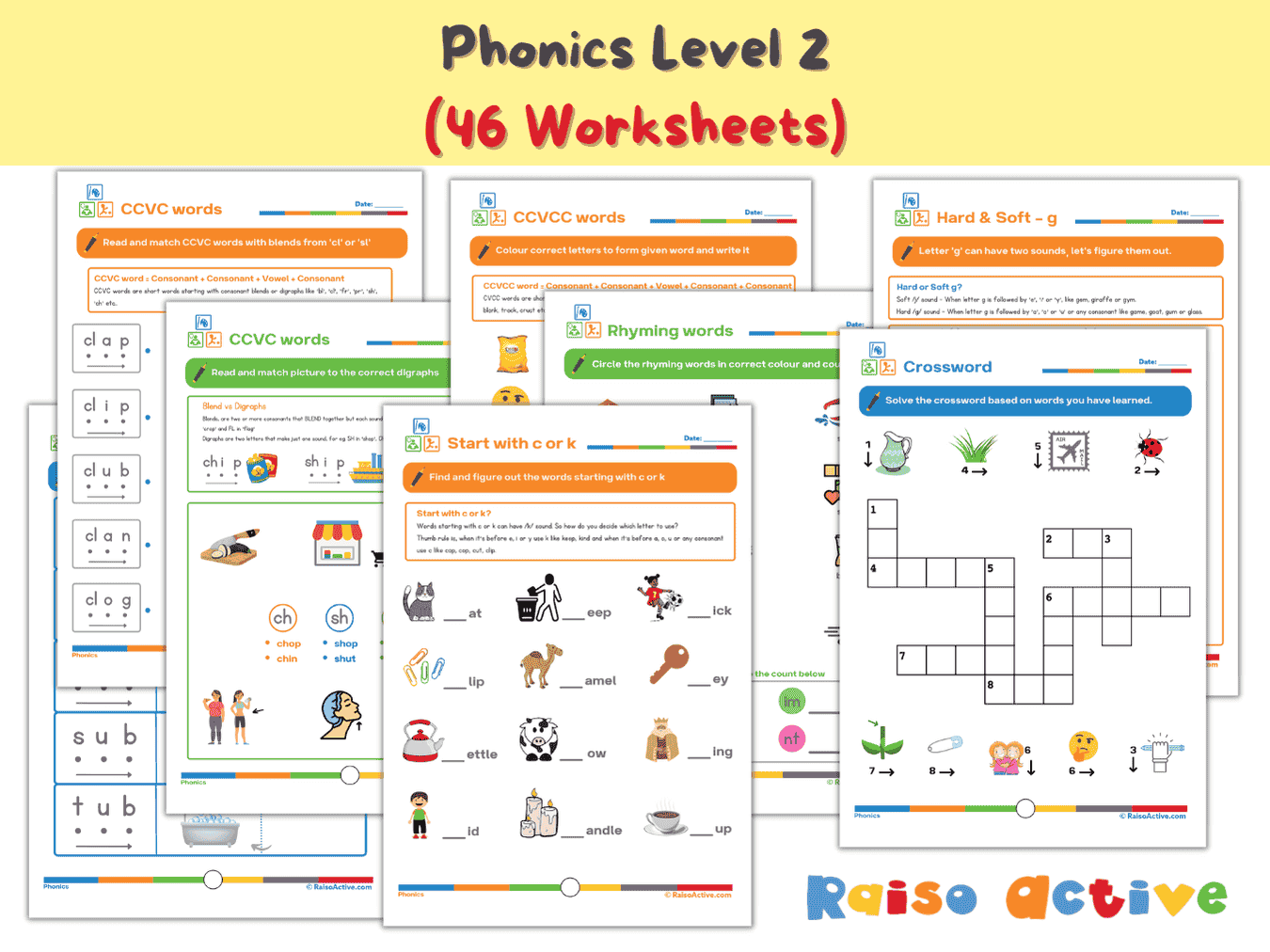
Phonics Level 2 Worksheets: CVC, CCVC, CVCC Word Families & Blends for Early Readers (Ages 4-7)
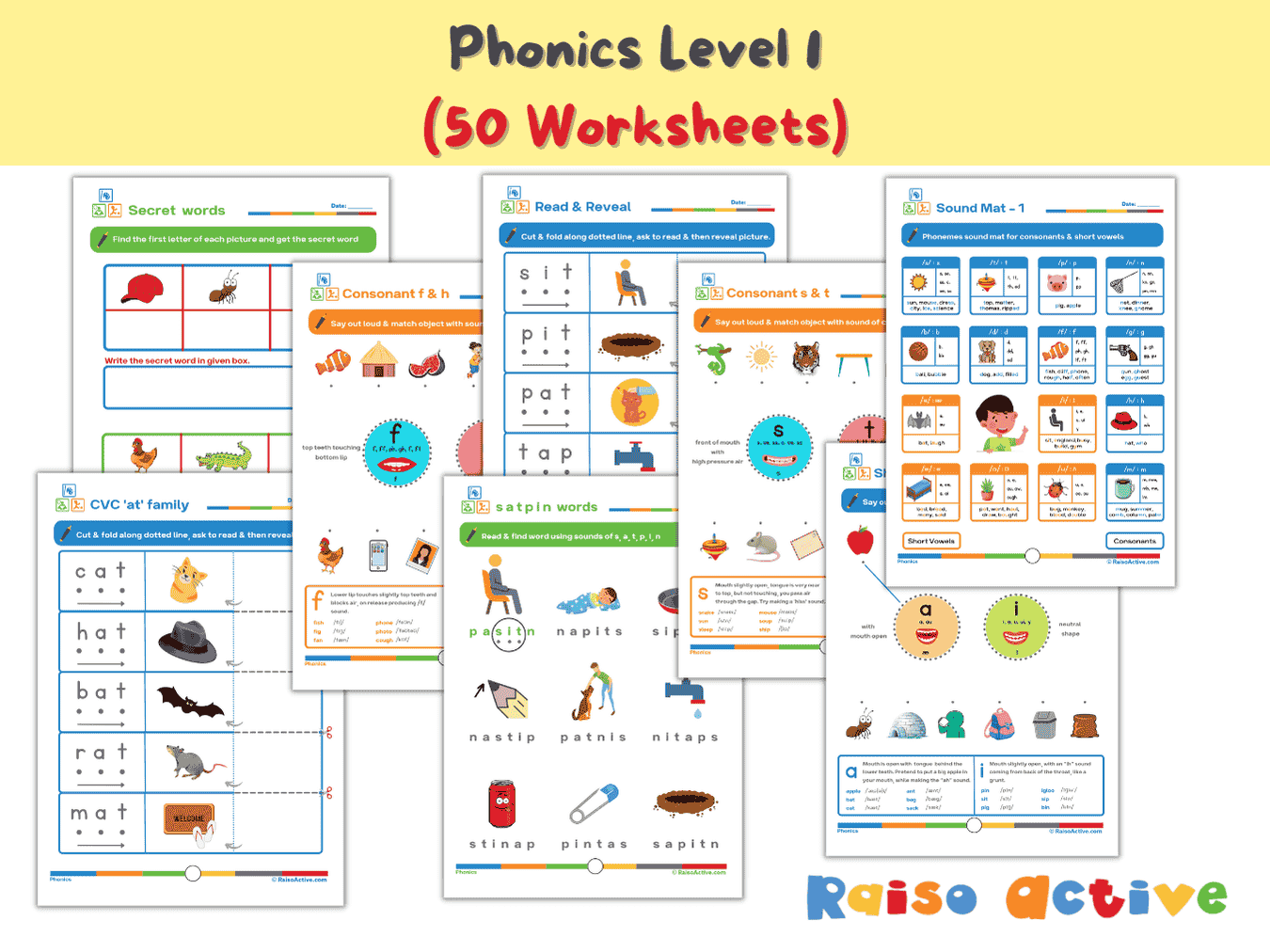
Phonics Level 1 Activity Book: Letter Sounds, Blending & CVC Words for Preschool & Kindergarten
Guides for parents and teachers
See all guides →Number Formation Rhymes 0–9 and How to Fix Reversals
Original number formation rhymes for 0–9, the correct stroke order for each digit, why 3, 5 and 7 get reversed most often, and multisensory fixes that work.
Pre-Writing Strokes in Order: From Standing Lines to Loops (With Printable Patterns)
The developmental order of pre-writing strokes, from vertical lines to loops, and why practicing them in sequence makes letter formation much easier to learn.
Kindergarten Readiness Checklist: 25 Skills to Practice Before the First Day
A kindergarten readiness checklist of 25 literacy, math, motor, self-regulation and self-help skills, with an 8-week summer plan and notes on when not to worry.
Best Worksheets for 3-Year-Olds: What Works and What to Avoid
What works on worksheets for 3-year-olds: short sessions, crayons, tracing lines, matching, cutting, a free weekly plan, and signs one is too advanced.
Reception Year Explained: EYFS Learning and How to Help at Home
A teacher's plain-English guide to the Reception Year: the seven areas of learning, Early Learning Goals, Phase 2/3 phonics, the RBA and home routines.
What Should a 4-Year-Old Know Before LKG? A Readiness Checklist
A calm, teacher-written LKG readiness checklist for 4-year-olds: language, pattern writing, numbers to 10, self-help and social skills, plus a 6-week plan.
Canonical: https://raisoactive.com/worksheets/nursery-pattern-writing